Tag: Vietnam

  • Vietnam supplier resumption to reboot Japan auto industry

    Vietnam supplier resumption to reboot Japan auto industry

    The resumption of auto part factories in Vietnam is set to contribute to the recovery of Japanese automakers struggling with a supply shortage due to Covid-19.

    The three Vietnam factories of Japan’s Furukawa Electric, which make wire harnesses for cars, are expected to soon return to full capacity.

    Factory floors “have returned to a position where they can respond to requests from a client,” Furukawa Electric President Keiichi Kobayashi said.

    The fourth Covid-19 wave has forced most southern companies to operate under restrictions, but since October, utilization rates at all three factories in Ho Chi Minh City and Ben Tre Province have been recovering steadily.

    Vietnam was the source of about 40 percent of Japan’s wire harness imports last year, with pandemic restrictions having forced Toyota Motor and seven other Japanese automakers to cut September production in half compared to a year earlier.

    Yazaki and Sumitomo Electric Industries also restoring production at their Vietnamese plants could further help support a production comeback in Japan’s auto sector.

  • Adidas, Reebook supplier in HCMC faces worker shortage

    Adidas, Reebook supplier in HCMC faces worker shortage

    Footwear maker PouYuen Vietnam, the largest employer in HCMC, faces a shortage of workers after 6 percent quit due to Covid-19 restrictions and resultant problems.

    The Taiwanese company, a supplier to Adidas and Reebok, has sought the city’s support for finding new workers, according to the HCMC Media Center.

    Its plant, situated in Binh Tan District, was among many required to scale down production during the third quarter as the fourth wave of Covid hit HCMC.

    When the city lifted restrictions on October 1, workers who had left for their hometowns returned to work, with more 47,000, or 87.4 percent of the number that left, back as of Nov. 8, it said.

    Around 77.4 percent of workers are fully vaccinated.

    The American Apparel & Footwear Association, which represents more than 1,000 brands, in July urged the U.S. government to quickly provide vaccines to Vietnam to enable its apparel and footwear industries to resume production.

    Vietnam is the second largest supplier of apparel, footwear and travel goods to the U.S., accounting for a fifth of all imports, it said.

  • Vietnam Internet economy to expand 31 pct

    Vietnam Internet economy to expand 31 pct

    Vietnam’s Internet economy is expected to grow by 31 percent this year to $21 billion this year despite little or no contribution from the online travel market.

    It is set to reach $57 billion by 2025 after growing at 29 percent a year, according to the e-Conomy Southeast Asia 2021 report by Google, Temasek and Bain & Co.

    This means Vietnam will draw level with Malaysia this year and exceed it by 2025.

    It is now only below Indonesia ($70 billion) and Thailand ($30 billion) among the six major economies in Southeast Asia.

    It added eight million new digital consumers between the start of the pandemic and the first half of this year, 55 percent of them from non-metro areas.

    “Stickiness of adoption remains high as digital consumption has become a way of life,” the report said, pointing out that 97 percent of the new consumers are still online.

    The value of the online travel sector is set to plunge by 45 percent this year, but other sectors are headed for double-digit growth, led by e-commerce at 53 percent.

    Digital merchants are becoming tech-savvy and likely to become even more so in the future.

    Thirty percent of them said they would not have survived the pandemic if not for digital platforms.

    Digital financial services are also becoming critical enablers, with 99 percent of digital merchants now accepting digital payments.

    The country saw deal values in the Internet economy quadruple year-on-year in the first half of the year to nearly $1.37 billion from 89 deals.

    “Vietnam remains a very attractive innovation hub with more incubators, accelerators, and innovation labs than most other markets in the region,” the report said.

    The latest deal saw a group of investors led by insurance company AIA invest $258 million in e-commerce company Tiki.

  • Two more river bus routes proposed for HCMC

    Two more river bus routes proposed for HCMC

    Ho Chi Minh City’s District 7 has proposed to municipal authorities that two new river bus routes be established to connect it with downtown District 1.

    A private company will invest and operate the two routes on Saigon River for five years, with a total price tag of nearly VND260 billion ($11.5 million), District 7 authorities proposed.

    The No. 3 route will run 13 kilometers from Bach Dang Wharf to Mui Den Do with a total time of 56 minutes. There will be 11 stations. A boat will have 50 seats.

    The No. 4 route will run over 13 kilometers from Bach Dang Wharf to the Phu My Hung urban area. A boat will have 40 seats.

    Authorities of District 7 said both routes would help take advantage of the waterways as the city strives to recover its economy following the fourth Covid-19 wave, the proposal read.

    HCMC is operating the No. 1 route from District 1 to Thu Duc City. The No. 2 route from downtown to District 8 is pending operation.

    River buses are part of the city’s efforts to reduce traffic congestion.

    With 110 rivers and canals covering 1,000 kilometers, the city needs over VND21 trillion to develop this network in the next 30 years, according to its Department of Transport.

  • Airfares lowest in five years

    Airfares lowest in five years

    Domestic airfares are at their lowest levels in five years as demand remains low. Hoa of the central Quang Nam Province said: “I had to pay only VND370,000 ($16.37) for a flight from Chu Lai (in the central provinces of Quang Nam) to HCMC, a rate I have not seen in the last five years.”

    Hoa in Hanoi said a return ticket between the capital and Phu Quoc Island is now around VND1.1 million while even several years ago the cheapest fare was only VND1.5 million.

    Thu, who runs a travel agency in Hanoi, said a one-way ticket for a flight between Hanoi or HCMC to some central provinces now costs VND314,000-450,000, the lowest in five years.

    “But the number of passengers is still very small, except on key routes like HCMC-Hanoi, HCMC-Da Nang and Hanoi-Da Nang.”

    Surveys by VnExpress found that fares from HCMC to the Central Highlands town of Da Lat and the central town of Nha Trang are VND358,000, and to some other destinations are VND483,000.

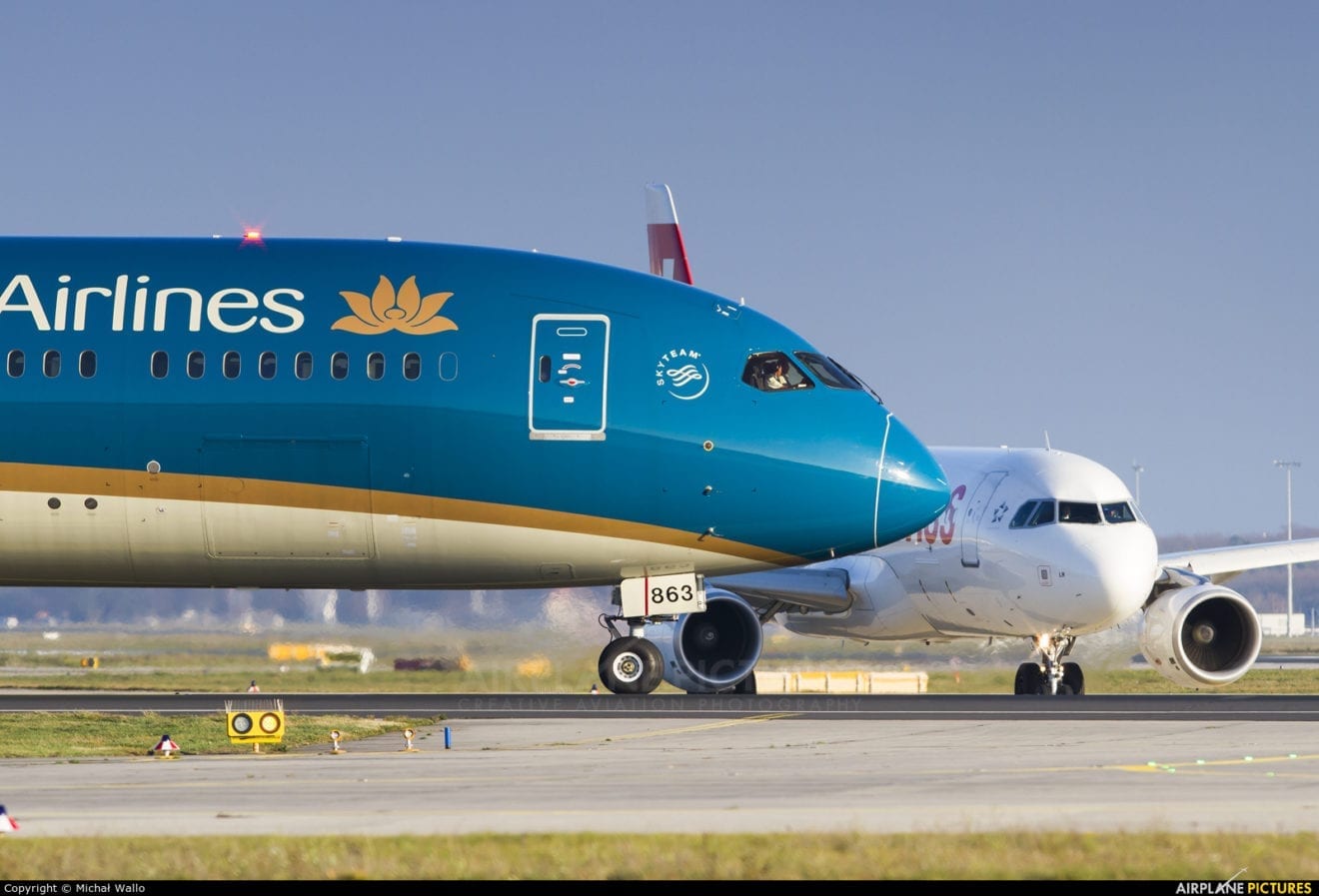
    Vietjet Air sells a one-way ticket for a flight between HCMC and Hanoi at VND544,000, and Vietnam Airlines and Bamboo Airways at VND1.1-1.8 million, down 15-20 percent from a year ago.

    Carriers said they have yet to attract many customers because people are still worried about the Covid-19 threat and the stringent air travel requirements.

    A Vietnam Airlines spokesperson said: “We have resumed flights on 38 domestic routes and six international one. The number of passengers is still low, but flights between HCMC and Da Nang, and between HCMC and Hanoi are 80 percent full”.

    Vietjet said it would resume flying on 48 domestic routes by Nov. 30. It currently offers free rapid Covid tests for passengers departing from HCMC and Hanoi.

    Recently the Civil Aviation Authority of Vietnam proposed the resumption of international flights to 15 countries and territories in four phases between now and July.

    Vietnam closed its doors to foreign tourists and canceled all international flights in March last year to contain Covid, since then allowing entry only for Vietnamese repatriates and foreign experts and highly-skilled workers.

  • Over 130,000 investors enter stock market

    Over 130,000 investors enter stock market

    More than 130,000 new investors opened stock trading accounts in October, including 129,750 local investors, according to the Vietnam Securities Depository.

    129,200 of the local investors were retail ones.

    At the end of October there were over 3.86 million accounts. The number increased for a third straight month amid news of government economic stimulus of around VND800 trillion ($34.78 billion).

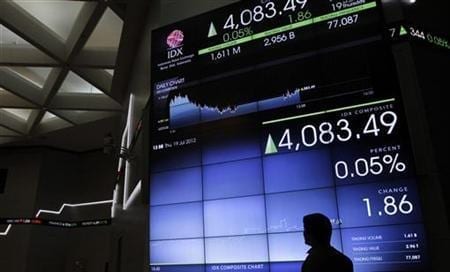
    The benchmark VN-Index rose to a new peak of 1,456.51 points on Friday, led by energy stocks, though trading on the Ho Chi Minh Stock Exchange dipped slightly to VND26.14 trillion.

    The government targets having 3 percent of the population participating in equity markets by the end of this year and 5 percent by 2025 under its Scheme for Restructuring Securities and Insurance Markets, which it finalized in early 2019.

  • Vietnam’s VinFast eyes over $200 mln capital investments in California

    Vietnam’s VinFast eyes over $200 mln capital investments in California

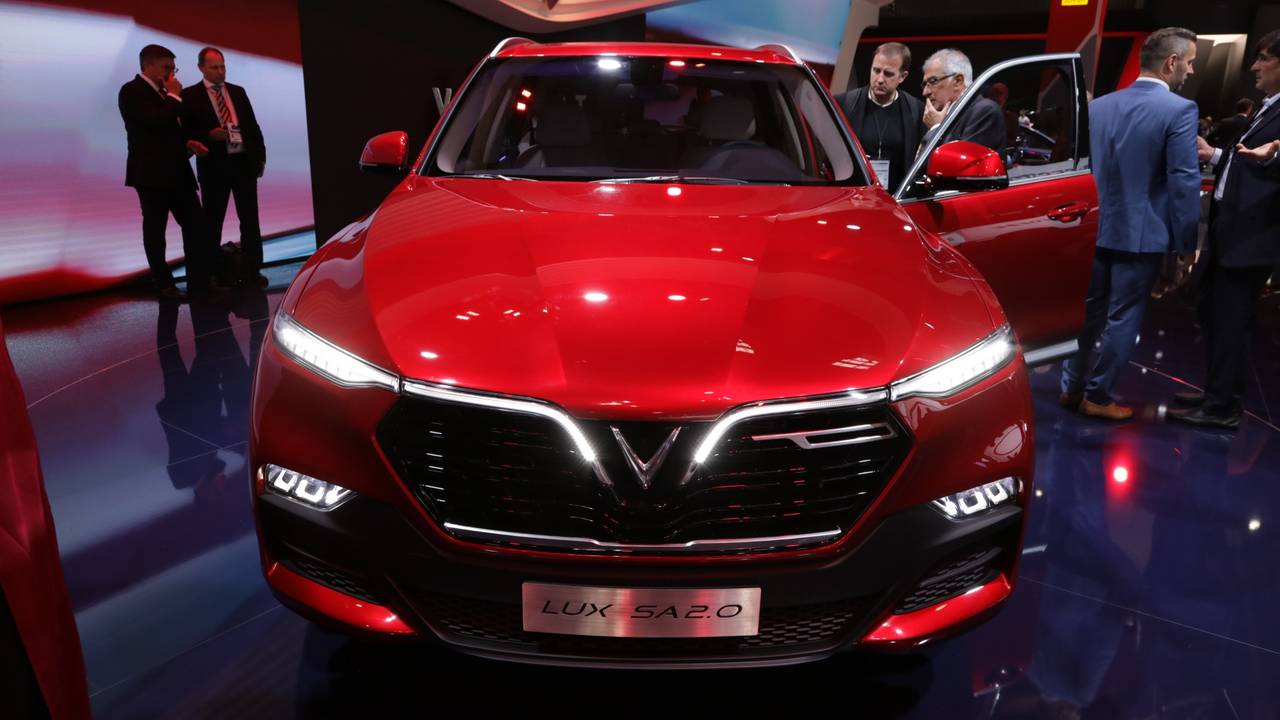
    VinFast said Friday it will make over $200 million in capital investments and place its U.S. headquarter in California as part of its plan to expand operation in North America.

    VinFast, the automobile arm of Vietnam’s largest conglomerate Vingroup, became the country’s first fully-fledged domestic car manufacturer when its gasoline-powered models built under its own badge hit the streets in 2019.

    It is aiming to debut in the U.S. with two battery-electric SUVs and inaugurate 60 showrooms across the country next year, the company said.

    VinFast has said it will keep an eye on the possibility of a manufacturing facility in the U.S.

  • Soaring demand delays iPhone 13 delivery in Vietnam

    Soaring demand delays iPhone 13 delivery in Vietnam

    A global chip shortage and rising demand is delaying iPhone 13 delivery in Vietnam, with distributors reporting shortages in the Pro models.

    “We do not currently have the iPhone 13 Pro Max model you have ordered and you might have to wait until next month at the earliest,” a salesperson with a smartphone distribution chain in Vietnam told Thuy Linh, who is planning a smartphone upgrade.

    Linh, an English teacher in Hanoi, has tried several stores in Hanoi but the 128-gigabyte option is either out of stock or does not have the color she wants.

    The model she desires is available in the unofficial market, but prices are around 20 percent higher, the 28-year-old teacher said.

    Duc Anh, who works for a marketing company in HCMC, is also finding it difficult to get his hands on the latest Apple smartphones. Several stores have informed him that it would take weeks until the next delivery.

    “Gold and Sierra Blue models are not available in most of the shops I’ve contacted. Some have pushed up prices so I am waiting for the market to cool down.”

    The most expensive iPhone 13 models, Pro and Pro Max, are in short supply in Vietnam as the ongoing global chip shortage hampers Apple’s production.

    Apple is expected to cut its iPhone 13 production by as many as 10 million units this year due to the global chip shortage, Bloomberg reports.

    Apple CEO Tim Cook admitted last week that chip shortage and supply chain problems related to Covid-19 have cut sales by $6 billion in the last fiscal quarter.

    But another reason for the delay in delivery in Vietnam is the high demand, distributors say.

    The supply of iPhone 13 in Vietnam only meets half of the customers’ orders, according to estimates by CellphoneS. The company has only received 20 percent of the total it has ordered from Apple.

    “Demand has risen by 50 percent compared to the same period last year, and it does not seem to have been affected by the pandemic,” a media representative for the company said.

    CellphoneS estimate iPhone 13 sales to rise 50-60 percent over that of iPhone 12 in the same period last year.

    FPT Shop, with over 700 outlets nationwide, saw sales of iPhone 13 in the launching week double that of iPhone 12 last year, and the same percentage is likely to be maintained throughout the last quarter, a representative said.

    The iPhone 13 Pro Max, the biggest and most expensive of the four new models, accounted for 72 percent of iPhone 13 sales in October, the company said.

    Sierra Blue and Gold are the most sought-after colors for the Pro Max and the Pro models at FPT Shop, which explains the shortage, industry insiders say.

    They also say that the large number of incentives that Apple is offering users this year is motivating more buyers to go to authorized stores instead of buying them from stores that pick up the devices in other countries and sell them in Vietnam.

    Apple accounted for around 7 percent of the smartphone market share in Vietnam in the second quarter, ranking fifth behind Samsung, Xiaomi, Oppo and Vivo, according to Counterpoint Research.
  • Bamboo Airways signs $2-bln deal with Safran, GE

    Bamboo Airways signs $2-bln deal with Safran, GE

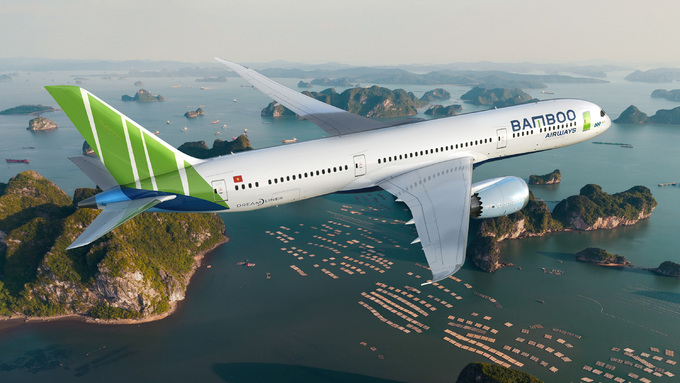
    Bamboo Airways has signed a EUR1.73-billion ($2 billion) deal with France’s Safran and the U.S.’s General Electric for aircraft engines and equipment.

    The Vietnamese carrier on Wednesday signed a memorandum of understanding with Safran and GE to purchase equipment for 50 narrow-bodied Airbus A321neos and 30 wide-bodied Boeing 787-9s.

    Safran makes high-class airplane seats and other cabin equipment.

    Bamboo Airways currently operates seven A320neos and 5 A321neos.

    “We are looking forward to developing a strong relationship with Bamboo and being part of its future growth,” Alexandre Ziegler, Safran’s senior executive vice president of international and public affairs, said in a statement.

    The deals were signed in the presence of Vietnamese Prime Minister Pham Minh Chinh and French Prime Minister Jean Castex during the former’s working visit to France from Nov. 3-5.

    Earlier low-cost Vietnamese carrier Vietjet also signed an agreement with Safran.

    The two parties had an existing $10-billion deal for engines and engine maintenance, and it has been expanded to cover more aircraft engine deals and a number of other aspects such as seats and interiors.

    Vietjet operates a fleet of 90 aircraft.

    Safran is a global technology company with interests also in the defense and space markets, 76,000 employees and annual sales of 16.5 billion euros ($19.15 billion).

  • Vietnamese company seeks full divestment from LienVietPostBank

    Vietnamese company seeks full divestment from LienVietPostBank

    Vietnamese construction and real estate company Thaiholdings said it has registered to sell all 22.4 million shares of lender LienVietPostBank to restructure its portfolio.

    The transaction is scheduled to take place between Nov. 4 and Dec. 3 through order matching and put-through orders.

    With the LienVietPostBank (LPB) share trading at VND21,150 ($0.9) on Nov. 1, down nearly 30 percent against June. 3, Thaiholdings will get nearly VND474 billion if it successfully sells all the shares.

    In late October, State Securities Commission, Vietnam’s stock market watchdog, fined Thaiholdings to the tune of VND260 million for buying over 145,000 LPB shares in May and selling nearly 720,000 LPB shares in June without publicizing its plans regarding the two transactions in advance as stipulated.

    Nguyen Duc Thuy, Thaiholdings’ founder, is LienVietPostBank vice chairman, so the company is subject to publicize its planned share transactions.

    Now, the founder of Thaiholdings has no positions in the company, merely owning a 24.5 percent stake in the firm.

    LienVietPostBank reported pre-tax profits of over VND2.8 trillion in the first nine months of this year, posting a year-on-year surge of 60 percent. Its total assets stood at more than VND254 trillion.

  • Shipping firms post profit surge

    Shipping firms post profit surge

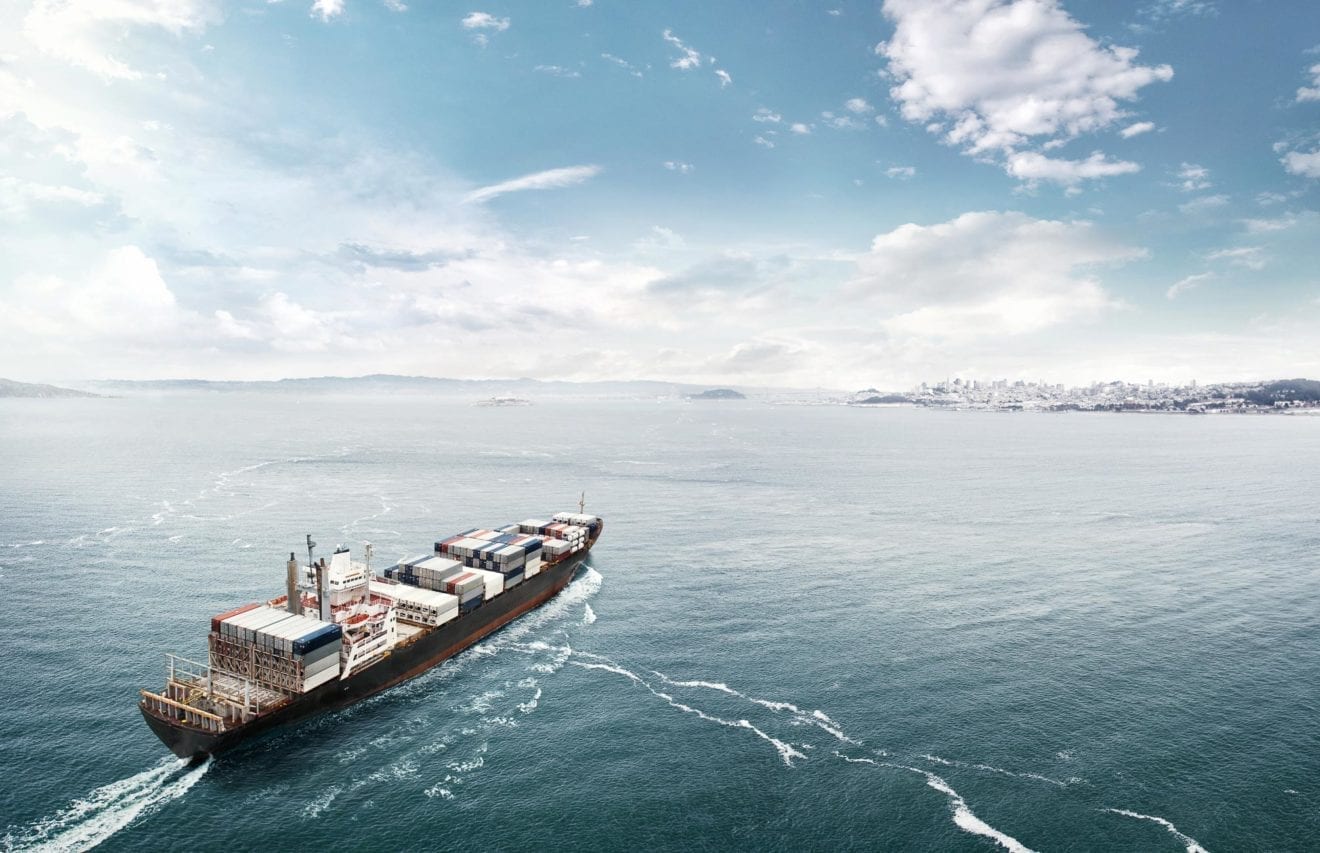
    Many shipping companies have posted a year-on-year surge in profits in Q3, driven primarily by higher freight rates.

    The Vietnam Maritime Corporation (VIMC) has recorded third-quarter revenues of VND4.127 trillion ($179.4 million), up 71 percent year-on-year, and profits of VND760 billion, compared to nearly VND30 billion in losses during the same period last year.

    The VIMC’s ocean shipping operations transported over 18 million tons of cargo and earned profits of more than VND380 billion.

    The Vietnam Ocean Shipping Joint Stock Company (Vosco), a VIMC affiliate, posted a net profit of nearly VND186 billion in Q3, against net losses of over VND21 billion in the same period last year. Vosco’s total profits in the first nine months rose to VND409 billion, against losses of more than VND139 billion during the same period last year.

    Another VIMC affiliate, the Transport and Trading Services Joint Stock Company (Transco), recorded profits of VND9 billion in Q3, up from VND326 million in the same period last year.

    Meanwhile, Hai An Transport and Stevedoring Joint Stock Company (HAH) made net profits of VND476 billion, up 65 percent, and after-tax profit of over VND100 billion, up 370 percent on-year, the highest profit hike since it became a listed firm in 2014.

    In the first nine months of this year, HAH recorded net revenues of VND1.284 trillion and after-tax profits of VND284 billion, up 50 percent and double year-on-year, respectively.

    A surge in freight rates has been the main contributor to the profit surge, market observers say. The average cost for transporting a standard container from China to the West Coast of the U.S. is $20,586, nearly double that of July and double that of January, Fox Business reported.

    With Covid-19 outbreaks easing in many big economies, import and export activities are surging, and Vietnam is benefiting from the free trade agreements it has signed.

    According to the Vietnam Maritime Administration, seaports nationwide handled over 535 million tons of cargo in the first nine months of this year, a year-on-year rise of 3 percent.

  • Under Armour raises forecasts amid supply chain snafus

    Under Armour raises forecasts amid supply chain snafus

    Under Armour on Tuesday raised its full-year forecasts, alleviating investor concerns regarding holiday inventory shortages flagged by nearly all its peers and sending its shares up 16 percent.

    Factories in Vietnam, where Under Armour sources about one-third of its products from, have begun reopening after months-long shutdowns that have caused severe distress to many apparel brands.

    Bigger rival Nike Inc has cut its fiscal 2022 sales estimates, expecting delays during the holiday season, while Puma SE advised people to shop early for Christmas.

    “Nearly all factories that Under Armour does business with, including those in Vietnam are open,” finance chief David Bergman said, noting port congestion and container availability at some Asian ports have improved.

    Under Armour still had to cancel some spring/summer 2022 orders to ease pressure on the factories that will take until the year-end to ramp-up to full capacity, it said.

    It also warned of a hit to its revenue in the first half of 2022 before the challenges, including congestion at U.S. ports, start to dissipate.

    However, analysts have said Under Armour, which has deployed pricier air freight to bring in goods, is navigating supply-chain challenges well.

    They also believe the athletic wear boom that is helping Under Armour, Nike and Adidas AG could last at least through next year.

    Under Armour has also been spending more on marketing, pulling out of discounter stores and sharpening its focus on its own stores to elevate its brand image.

    “UA remains one of the few that successfully raised its pricing power, rather than simply enjoyed higher prices on lower industry promotions,” brokerage BMO Capital Markets said.

    The athletic wear maker said it expected 2021 adjusted per-share earnings to reach 74 cents, above Refinitiv IBES estimates of 55 cents, after it posted better-than-expected third-quarter results.

  • Nike manufacturers in Vietnam resume operations

    Nike manufacturers in Vietnam resume operations

    Nearly 200 Vietnamese contract manufacturers for Nike have resumed production after a period of suspension due to Covid-19, a company executive told Vietnamese Prime Minister Pham Minh Chinh.

    Nike is committed to further investing and expanding in Vietnam, the company’s chief sustainability officer, Noel Kinder, told the PM Tuesday at a meeting on the sidelines of the 2021 United Nations Climate Change Conference in the U.K.

    The fourth wave of Covid, which began at the end of April, forced factories, especially in the south, to restrict production and impose stringent curbs to contain its spread.

    On October 1, HCMC allowed most commercial and business activities to resume as rapidly increasing vaccination rates helped bring the outbreak under control.

    Vietnam’s purchasing managers’ index (PMI) surpassed the 50-point threshold in October after four months of decline, indicating expansion in manufacturing.

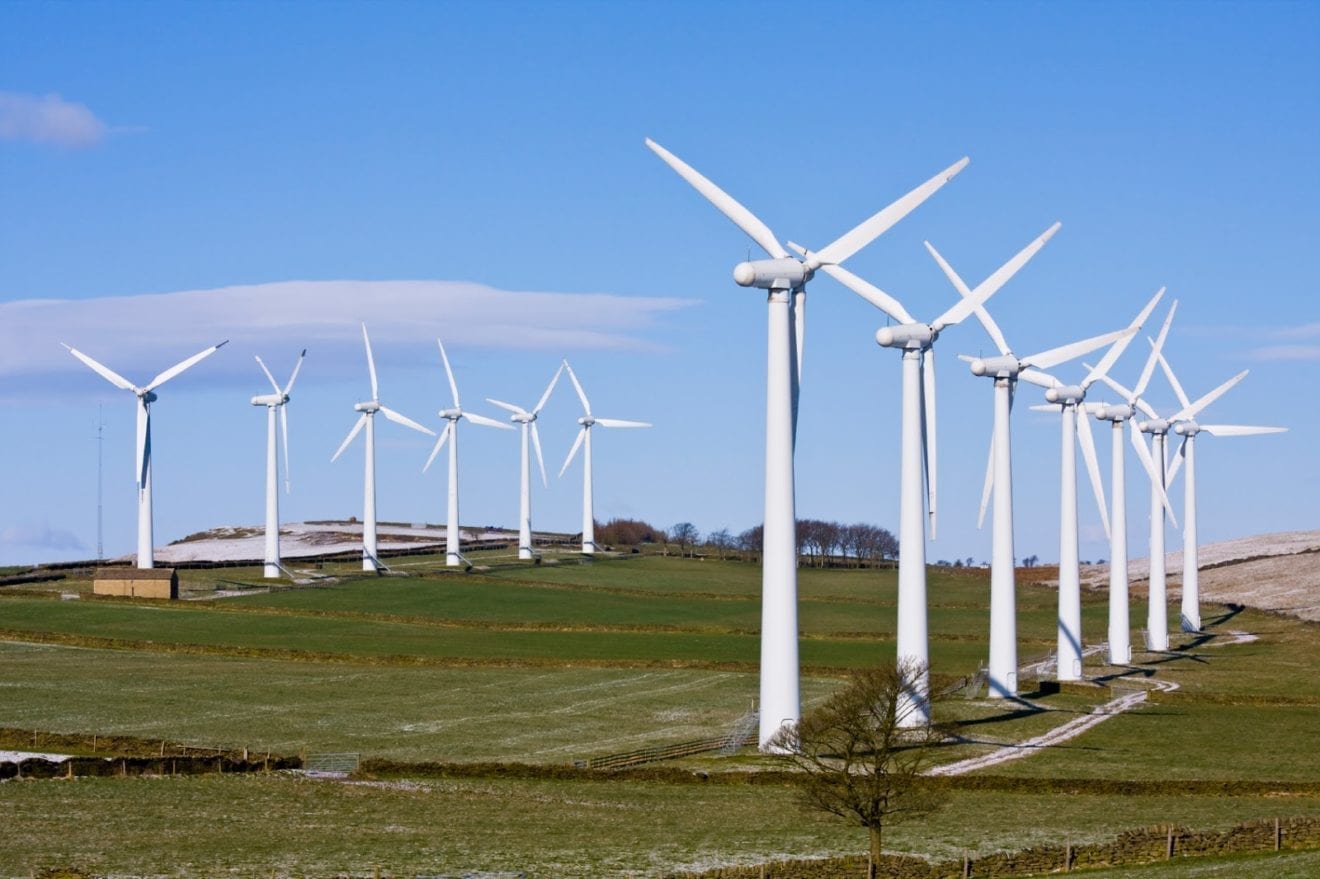
  • Siemens Gamesa signs $400 mln wind gear agreement with Vietnam’s BCG Energy

    Siemens Gamesa signs $400 mln wind gear agreement with Vietnam’s BCG Energy

    Siemens Gamesa Renewable Energy has signed a preliminary agreement to supply wind turbine gear worth up to $400 million to Vietnam’s BCG Energy, Vietnam’s government said on Monday.

    The memorandum of understanding is part of the Vietnamese firm’s move to develop wind turbines with a capacity of over 500 megawatts, the Ministry of Industry and Trade said in a statement, adding the deal was signed on the sidelines of the United Nations COP26 summit.

  • Taxi firms eye fare hikes amid rising fuel prices

    Taxi firms eye fare hikes amid rising fuel prices

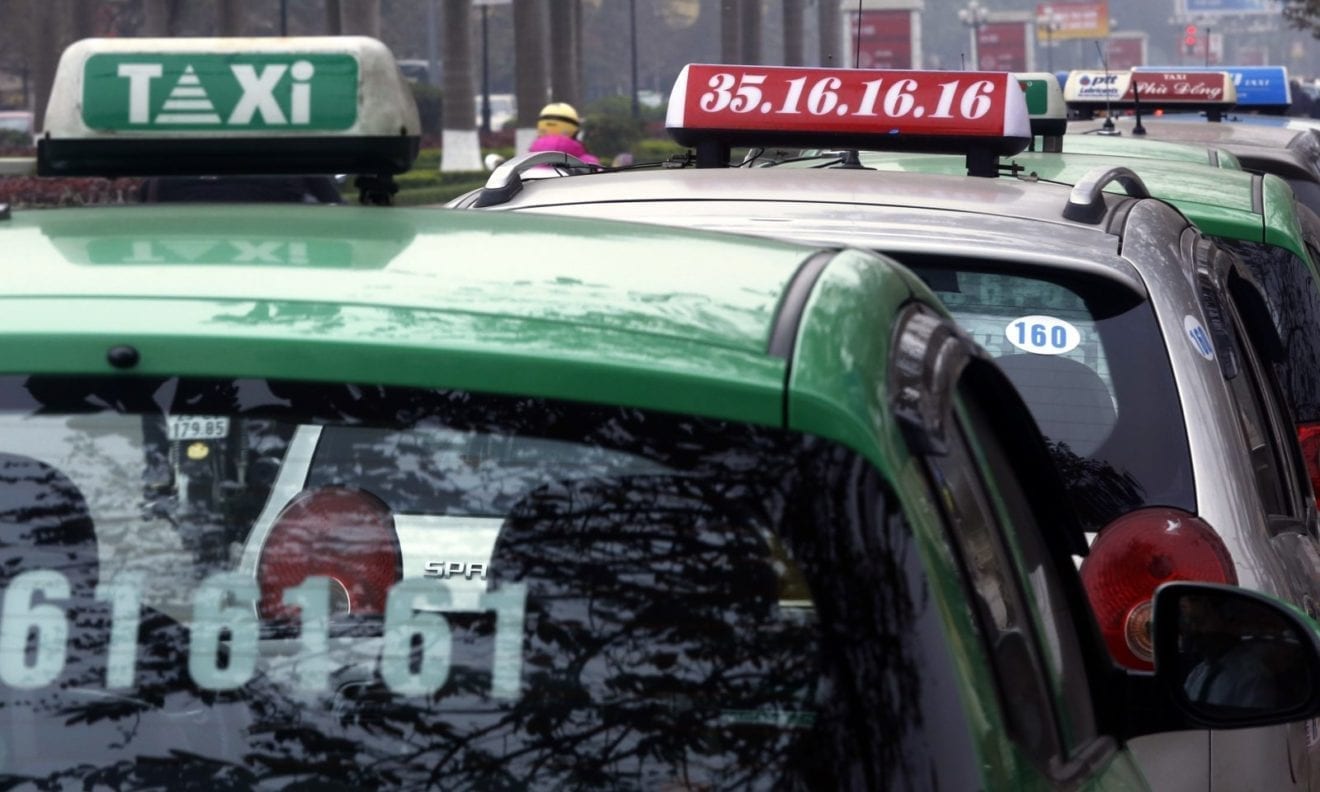
    The opinion is divided among taxi companies about increasing fares after the recent fuel price hikes, with some wanting to do so and others fearing this will lose them, customers.

    After four hikes in recent months, the latest on Oct. 26, the price of E5 RON 92 petrol currently stands at VND23,110 ($1) per liter, VND4,600 higher than in late May.

    The price of RON 95 has reached a seven-year high of VND24,330, nearly VND5,000 up since May.

    According to Ho Quoc Huy, chairman of Mai Linh Group, fuel accounts for 35-40 percent of costs, and so when fuel prices increase by VND5,000 per liter, taxi fares should rise by VND500-600 per kilometer.

    Mai Linh and 70 other taxi firms in Hanoi have been discussing fare-related issues in the last two days, with many warnings they cannot keep fares unchanged, he said.

    If companies do hike fares, they would do so by only VND200-300 to retain customers, many of whom themselves face financial difficulties amid Covid-19, he said.

    Ta Long Hy, President of the HCMC Taxi Association, said: “If taxi fares increase, many people will not use taxi services because their purses are no longer full of money.”