Tag: Vietnam

  • Vietnamese company seeks full divestment from LienVietPostBank

    Vietnamese company seeks full divestment from LienVietPostBank

    Vietnamese construction and real estate company Thaiholdings said it has registered to sell all 22.4 million shares of lender LienVietPostBank to restructure its portfolio.

    The transaction is scheduled to take place between Nov. 4 and Dec. 3 through order matching and put-through orders.

    With the LienVietPostBank (LPB) share trading at VND21,150 ($0.9) on Nov. 1, down nearly 30 percent against June. 3, Thaiholdings will get nearly VND474 billion if it successfully sells all the shares.

    In late October, State Securities Commission, Vietnam’s stock market watchdog, fined Thaiholdings to the tune of VND260 million for buying over 145,000 LPB shares in May and selling nearly 720,000 LPB shares in June without publicizing its plans regarding the two transactions in advance as stipulated.

    Nguyen Duc Thuy, Thaiholdings’ founder, is LienVietPostBank vice chairman, so the company is subject to publicize its planned share transactions.

    Now, the founder of Thaiholdings has no positions in the company, merely owning a 24.5 percent stake in the firm.

    LienVietPostBank reported pre-tax profits of over VND2.8 trillion in the first nine months of this year, posting a year-on-year surge of 60 percent. Its total assets stood at more than VND254 trillion.

  • Shipping firms post profit surge

    Shipping firms post profit surge

    Many shipping companies have posted a year-on-year surge in profits in Q3, driven primarily by higher freight rates.

    The Vietnam Maritime Corporation (VIMC) has recorded third-quarter revenues of VND4.127 trillion ($179.4 million), up 71 percent year-on-year, and profits of VND760 billion, compared to nearly VND30 billion in losses during the same period last year.

    The VIMC’s ocean shipping operations transported over 18 million tons of cargo and earned profits of more than VND380 billion.

    The Vietnam Ocean Shipping Joint Stock Company (Vosco), a VIMC affiliate, posted a net profit of nearly VND186 billion in Q3, against net losses of over VND21 billion in the same period last year. Vosco’s total profits in the first nine months rose to VND409 billion, against losses of more than VND139 billion during the same period last year.

    Another VIMC affiliate, the Transport and Trading Services Joint Stock Company (Transco), recorded profits of VND9 billion in Q3, up from VND326 million in the same period last year.

    Meanwhile, Hai An Transport and Stevedoring Joint Stock Company (HAH) made net profits of VND476 billion, up 65 percent, and after-tax profit of over VND100 billion, up 370 percent on-year, the highest profit hike since it became a listed firm in 2014.

    In the first nine months of this year, HAH recorded net revenues of VND1.284 trillion and after-tax profits of VND284 billion, up 50 percent and double year-on-year, respectively.

    A surge in freight rates has been the main contributor to the profit surge, market observers say. The average cost for transporting a standard container from China to the West Coast of the U.S. is $20,586, nearly double that of July and double that of January, Fox Business reported.

    With Covid-19 outbreaks easing in many big economies, import and export activities are surging, and Vietnam is benefiting from the free trade agreements it has signed.

    According to the Vietnam Maritime Administration, seaports nationwide handled over 535 million tons of cargo in the first nine months of this year, a year-on-year rise of 3 percent.

  • Under Armour raises forecasts amid supply chain snafus

    Under Armour raises forecasts amid supply chain snafus

    Under Armour on Tuesday raised its full-year forecasts, alleviating investor concerns regarding holiday inventory shortages flagged by nearly all its peers and sending its shares up 16 percent.

    Factories in Vietnam, where Under Armour sources about one-third of its products from, have begun reopening after months-long shutdowns that have caused severe distress to many apparel brands.

    Bigger rival Nike Inc has cut its fiscal 2022 sales estimates, expecting delays during the holiday season, while Puma SE advised people to shop early for Christmas.

    “Nearly all factories that Under Armour does business with, including those in Vietnam are open,” finance chief David Bergman said, noting port congestion and container availability at some Asian ports have improved.

    Under Armour still had to cancel some spring/summer 2022 orders to ease pressure on the factories that will take until the year-end to ramp-up to full capacity, it said.

    It also warned of a hit to its revenue in the first half of 2022 before the challenges, including congestion at U.S. ports, start to dissipate.

    However, analysts have said Under Armour, which has deployed pricier air freight to bring in goods, is navigating supply-chain challenges well.

    They also believe the athletic wear boom that is helping Under Armour, Nike and Adidas AG could last at least through next year.

    Under Armour has also been spending more on marketing, pulling out of discounter stores and sharpening its focus on its own stores to elevate its brand image.

    “UA remains one of the few that successfully raised its pricing power, rather than simply enjoyed higher prices on lower industry promotions,” brokerage BMO Capital Markets said.

    The athletic wear maker said it expected 2021 adjusted per-share earnings to reach 74 cents, above Refinitiv IBES estimates of 55 cents, after it posted better-than-expected third-quarter results.

  • Nike manufacturers in Vietnam resume operations

    Nike manufacturers in Vietnam resume operations

    Nearly 200 Vietnamese contract manufacturers for Nike have resumed production after a period of suspension due to Covid-19, a company executive told Vietnamese Prime Minister Pham Minh Chinh.

    Nike is committed to further investing and expanding in Vietnam, the company’s chief sustainability officer, Noel Kinder, told the PM Tuesday at a meeting on the sidelines of the 2021 United Nations Climate Change Conference in the U.K.

    The fourth wave of Covid, which began at the end of April, forced factories, especially in the south, to restrict production and impose stringent curbs to contain its spread.

    On October 1, HCMC allowed most commercial and business activities to resume as rapidly increasing vaccination rates helped bring the outbreak under control.

    Vietnam’s purchasing managers’ index (PMI) surpassed the 50-point threshold in October after four months of decline, indicating expansion in manufacturing.

  • Siemens Gamesa signs $400 mln wind gear agreement with Vietnam’s BCG Energy

    Siemens Gamesa signs $400 mln wind gear agreement with Vietnam’s BCG Energy

    Siemens Gamesa Renewable Energy has signed a preliminary agreement to supply wind turbine gear worth up to $400 million to Vietnam’s BCG Energy, Vietnam’s government said on Monday.

    The memorandum of understanding is part of the Vietnamese firm’s move to develop wind turbines with a capacity of over 500 megawatts, the Ministry of Industry and Trade said in a statement, adding the deal was signed on the sidelines of the United Nations COP26 summit.

  • Taxi firms eye fare hikes amid rising fuel prices

    Taxi firms eye fare hikes amid rising fuel prices

    The opinion is divided among taxi companies about increasing fares after the recent fuel price hikes, with some wanting to do so and others fearing this will lose them, customers.

    After four hikes in recent months, the latest on Oct. 26, the price of E5 RON 92 petrol currently stands at VND23,110 ($1) per liter, VND4,600 higher than in late May.

    The price of RON 95 has reached a seven-year high of VND24,330, nearly VND5,000 up since May.

    According to Ho Quoc Huy, chairman of Mai Linh Group, fuel accounts for 35-40 percent of costs, and so when fuel prices increase by VND5,000 per liter, taxi fares should rise by VND500-600 per kilometer.

    Mai Linh and 70 other taxi firms in Hanoi have been discussing fare-related issues in the last two days, with many warnings they cannot keep fares unchanged, he said.

    If companies do hike fares, they would do so by only VND200-300 to retain customers, many of whom themselves face financial difficulties amid Covid-19, he said.

    Ta Long Hy, President of the HCMC Taxi Association, said: “If taxi fares increase, many people will not use taxi services because their purses are no longer full of money.”

  • Inflation rate lowest in five years

    Inflation rate lowest in five years

    Vietnam’s inflation rate in the first 10 months was 1.81 percent, the lowest since 2016.

    In October alone, inflation fell 0.2 percent from September, as lifted restrictions in localities help boost goods transport and reduce stockpiling demand, General Statistics Office reported.

    Demand for electricity and water also fell as the country transitioned from summer to fall while decreasing rents also contributed to lower inflation, it added.

    Gold prices fell 0.21 percent from September as global rates dropped.

    Vietnam targets to keep inflation rise under 4 percent this year.

  • Vietnamese carrier announces first Vietnam-UK direct flights

    Vietnamese carrier announces first Vietnam-UK direct flights

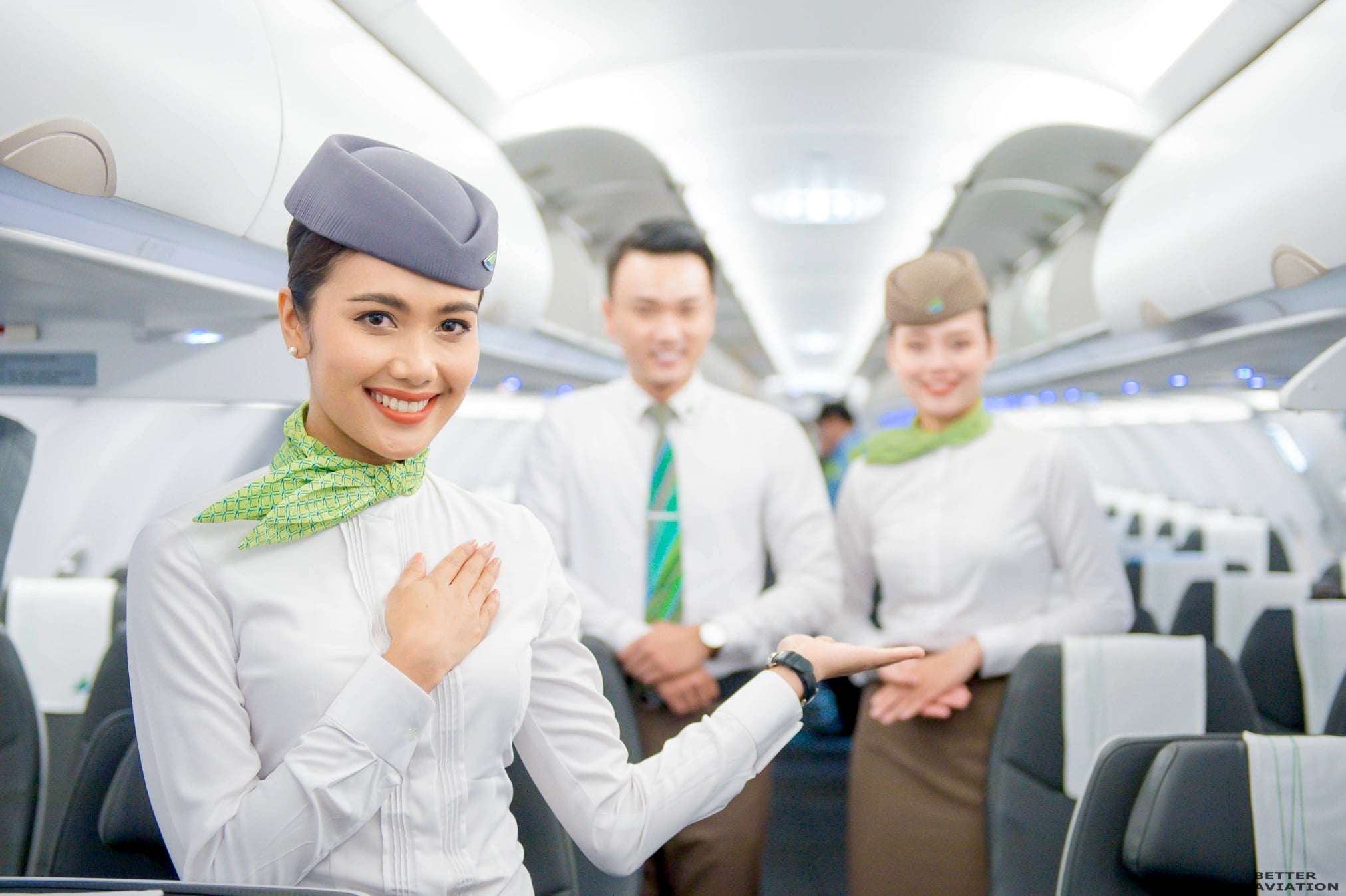
    Bamboo Airways announced the launch of the first Vietnam-U.K. direct flight routes Sunday in the presence of PM Pham Minh Chinh, in the U.K. for the COP26 meet.

    The airline also confirmed that local firm APG UK will be its representative in the U.K.

    Bamboo Airways chairman Trinh Van Quyet said that the direct flights could commence as early as this year when the resumption of commercial flights between the two countries is allowed.

    The airline said it expects to operate six round trips a week between Hanoi, Ho Chi Minh City, and London; and increase frequency based on demand.

    Bamboo Airways’s direct flights would help cut travel time between Vietnam and the U.K. to around 12 hours, seven hours quicker than flights that require transit.

    The flights are expected to drop off and take passengers at Heathrow Airport’s Terminal 2, connecting Vietnam’s Noi Bai and Tan Son Nhat airports with the U.K.’s largest airport. The Boeing 787-9 Dreamliner will be used for flights on the Vietnam-U.K. routes, the airline said.

    Nguyen Hoang Long, Vietnamese ambassador to the U.K., said opening direct flights between the two countries would boost commerce and people-to-people exchanges and would be particularly beneficial for the Vietnamese community in the U.K.

    APG UK, a passenger and cargo representation company, will support the airline with sales, marketing, and customer support as also issues related to aviation policies and procedures.

    There are currently over 100,000 Vietnamese studying and living in the U.K., and around 60 percent of them are in London. In 2019 alone, the number of tourists from the U.K. traveling to Vietnam reached 315,000, a 105 percent increase from the same period in 2018, according to the General Statistics Office. Among European countries, the U.K. has the second-highest number of visitors to Vietnam, the office added.

  • Vietjet, Rolls Royce ink $400-mln engine deal

    Vietjet, Rolls Royce ink $400-mln engine deal

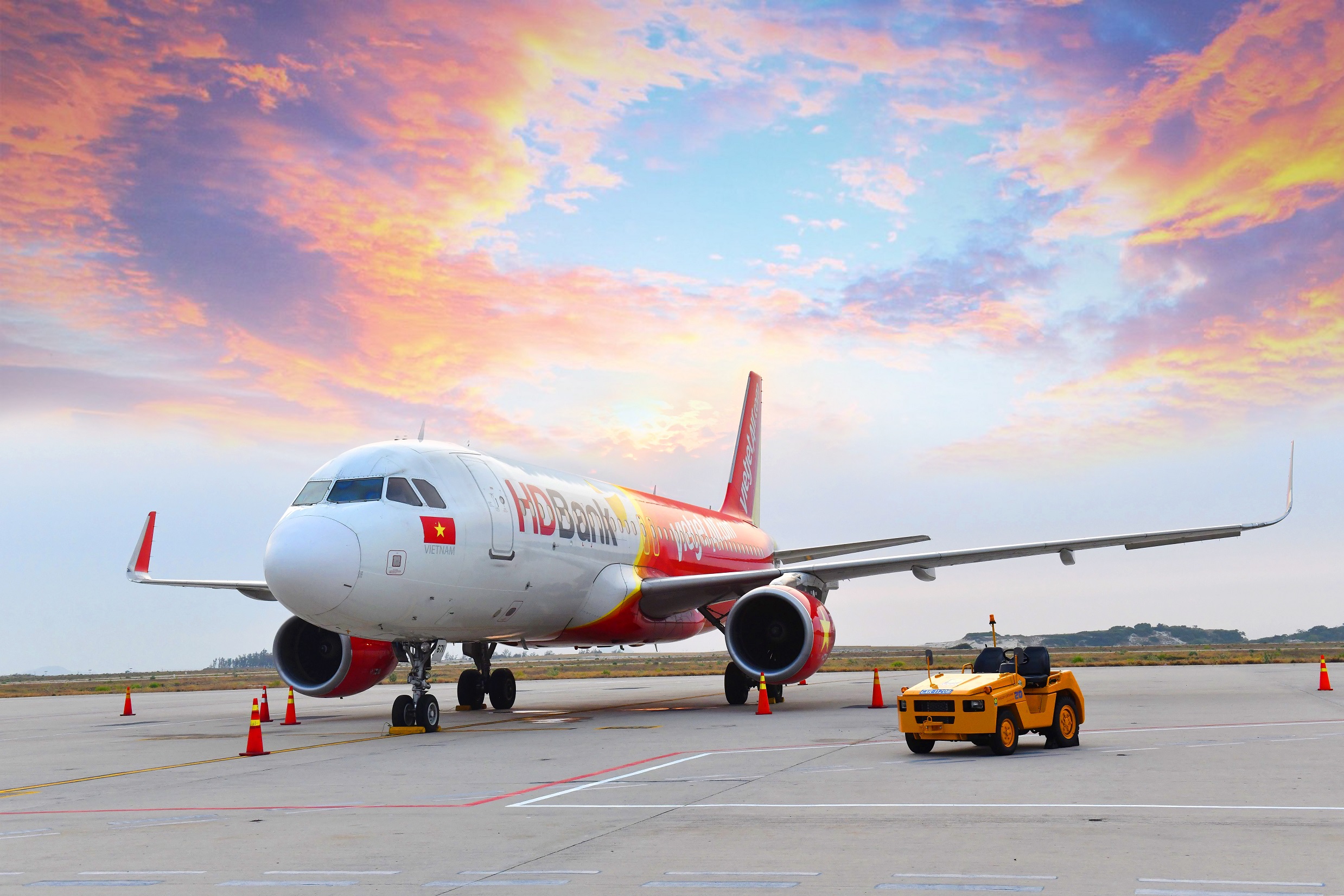
    Budget airline Vietjet has signed a $400-million agreement with British company Rolls Royce for aircraft engines for its wide-body fleet and engine servicing.

    The signing ceremony on Sunday was witnessed by Prime Minister Pham Minh Chinh, who is in the U.K. for the 26th United Nations Climate Change Conference, according to a statement from the airline.

    Rolls Royce Civil Aerospace’s chief customer officer, Ewen McDonald, said the company’s Trent 700 engine has the lowest lifetime fuel burn on its aircraft type, and has logged more than 60 million hours in service since its launch in 1995.

    It is the only engine specifically designed for Vietjet’s wide-body aircraft, he said without naming the model.

    The carrier’s managing director, Dinh Viet Phuong, said the new engines would improve flight range and quality and boost Vietjet aircraft’s technical reliability and operational efficiency.

    Vietjet has a fleet of 90 single-aisle aircraft.

    Rolls-Royce has more than 400 airline and leasing customers and 160 armed forces and navies.

    Vietjet, which began flying in 2011, also signed a $20-million reinsurance agreement with brokers Gallagher Co. and Willis Towers Watson Co. for its entire fleet, according to a separate statement it put out.

  • Vietnamese proptech startup raises $1.3 mln

    Vietnamese proptech startup raises $1.3 mln

    Citics, a Vietnamese property technology (proptech) startup, said it mobilized $1.3 million in its latest round of funding, to expand its existing business and invest in new technologies.

    In a recent Series A bridge round, Citics secured $1.3 million from Ho Chi Minh City-based Vietnam Investments Group, Singapore-based Vulpes Investment Management and Hanoi-based BHS Group. Before this round, it mobilized a total $1.7 million from local and foreign investors.

    Citics founder and CEO Tran Minh Long said the proptech startup would in December launch a new version of Citics Valuation to better valuate property and real estate projects.

    Citics has so far this year signed eight cooperative deals with banks, lifting the total number of banking customers to 17. Bankers can check the details and preliminary value of property on Citics’ platform.

  • HCMC restaurants reopen with caution

    HCMC restaurants reopen with caution

    HCMC restaurants and coffee shops are resuming on-site dining with caution due to concerns of staff contracting Covid-19 and post-social-distancing tightened spending. Starting Thursday, over 20 outlets of bubble tea chain Gong Cha started resuming on-site services after five months of suspension.

    As the city allows food and beverage facilities to serve 50 percent of their capacity and close before 9 p.m., the Cong Coffee chain is also testing the waters with five outlets reopening.

    aCoffee-Bike also reopened five stores on the same day. On Friday, Japanese-style hotpot chain Kichi Kichi will resume dining for customers who have made reservations.

    Some companies, however, choose to delay their reopening to be better prepared.

    Dau Homemade, which sells traditional Vietnamese food, needs another two or three days to get ready.

    Lagom Cafe won’t open for another two weeks, as its CEO Do Thi Ly Na said the store needs more time to observe market reactions and to complete a new look.

    The cautious decisions of food and beverage facilities in Ho Chi Minh City came as shop owners are concerned their staff might be infected with Covid-19 as the city still recorded over 1,000 new cases in the last seven days.

    It would be dangerous to immediately bring back business to pre-pandemic status as the coronavirus is still spreading, said Hoang Tien, founder of Coffee Bike.

    Dau Homemade, which is offering take-aways and deliveries, is still testing its employees once every three days even though the city does not require it.

    A spokesperson for the company said another concern is tightened spending as consumers have grown used to five months of staying mostly home.

    Sales are not likely to cover costs as the company will have to spend big on marketing to urge customers to return.

    Deliveries will continue to be the life source of the company, the spokesperson said.

    Tran Ngoc An, a spokesperson for Gong Cha, expressed optimism as the city has decided to live with Covid-19 and authorities vocalized not imposing another citywide social distancing campaign.

    This will give food and beverage businesses confidence to offer services amid the remaining months of the year.

    “We really want to see the city become vibrant again in the upcoming holidays.”

  • Global hike pushes Vietnam fuel price to 7-year high

    Global hike pushes Vietnam fuel price to 7-year high

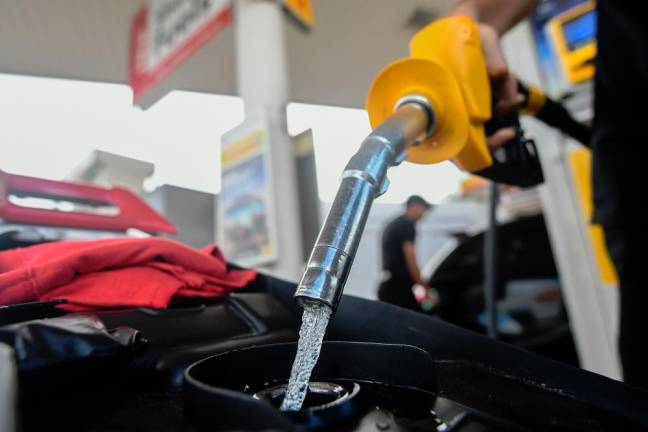
    Fuel prices in Vietnam have surged by over 52 percent to a seven-year high, with global rates shooting up as demand rises in economies reopening.

    The government has hiked fuel prices up by 40.23–52.59 percent this year with the latest increase Tuesday bringing the popular fuel RON 95 to VND24,330 ($1.07) per liter, the highest since September 2014.

    Global prices have also been rising. Brent futures rose 0.5 percent, to settle at $86.40 a barrel Tuesday, while U.S. West Texas Intermediate (WTI) crude ended 1.1 percent higher at $84.65.

    Those were the highest closing prices for both global benchmarks since October 2014.

    A global supply shortage and strong demand in the U.S., the world’s biggest consumer, is said to be the reason behind the increase.

    Gasoline and distillate consumption in the U.S. is back in line with five-year averages after more than a year of depressed demand.

    While China’s red-hot power and coal markets have cooled somewhat after government intervention, energy prices remain elevated worldwide as temperatures fall with the onset of the northern winter.

    Since last month, Vietnam has pushed up fuel prices four times, but the combined increase this year is still lower than that of global rates thanks to the fuel price stabilization fund, the Ministry of Industry and Trade and the Ministry of Finance said in a joint statement Tuesday.

    They noted that global rates have increased 59.08–76.03 percent this year.

    However, the price stabilization fund, set up to offset fluctuations in global fuel prices, is seeing shortages.

    As of Tuesday, state-owned fuel distributor Petrolimex had a negative VND262 billion balance in its stabilization fund. At state-owned PVOil, the negative balance was VND697 billion as of Oct. 11.

    By the end of August, 15 of 35 fuel companies in the country reported a combined negative balance of VND1.47 trillion.

    Together with the remaining sum from the other 20 companies, the total balance of the fund stands at VND600 billion now.

    Experts have said further price hikes in the future can deplete the balance. The fund’s balance had fallen to a negative VND620 billion in mid-2019.

    The high fuel prices have raised concerns of rising inflation.

    Ngo Bich Lam, former head of the General Statistics Office, said that a 10 percent increase in fuel prices will lower GDP by around 0.5 percent and pump up the Consumer Price Index (CPI), which measures inflation, by 0.36 percentage points.

    This shows the strong impact of fuel price fluctuations on the economy, he said.

    Some people have mentioned the possibility of lowering fuel tax to offset the increase. Tax and fees account for over 60 percent of fuel prices.

    At VND4,000 per liter or 16.4 percent of the current price, environmental tax is one of the biggest boosters of fuel prices.

    The Ministry of Industry and Trade and the Ministry of Finance are considering lowering fuel taxes, including environmental tax, to keep domestic prices stabile, Le Viet Nga, deputy head of the domestic markets under the trade ministry, had said at a press briefing last month.

    A fuel distributor in Hanoi who did not want to be named said that the government could lower taxes for biofuel E5 RON 92 by VND1,000 per liter from the current VND3,800.

    This 26 percent discount will reduce the impacts of the price hike on businesses and citizens at a time the economy is only beginning to recover, he said, adding that it would also boost consumption of biofuel, which is cheaper than RON 95.

    Vietnam imported $2.93 billion worth of fuel in the first nine months, up 15.3 percent year-on-year, according to Vietnam Customs.

  • Auto registration fee to be halved again

    Auto registration fee to be halved again

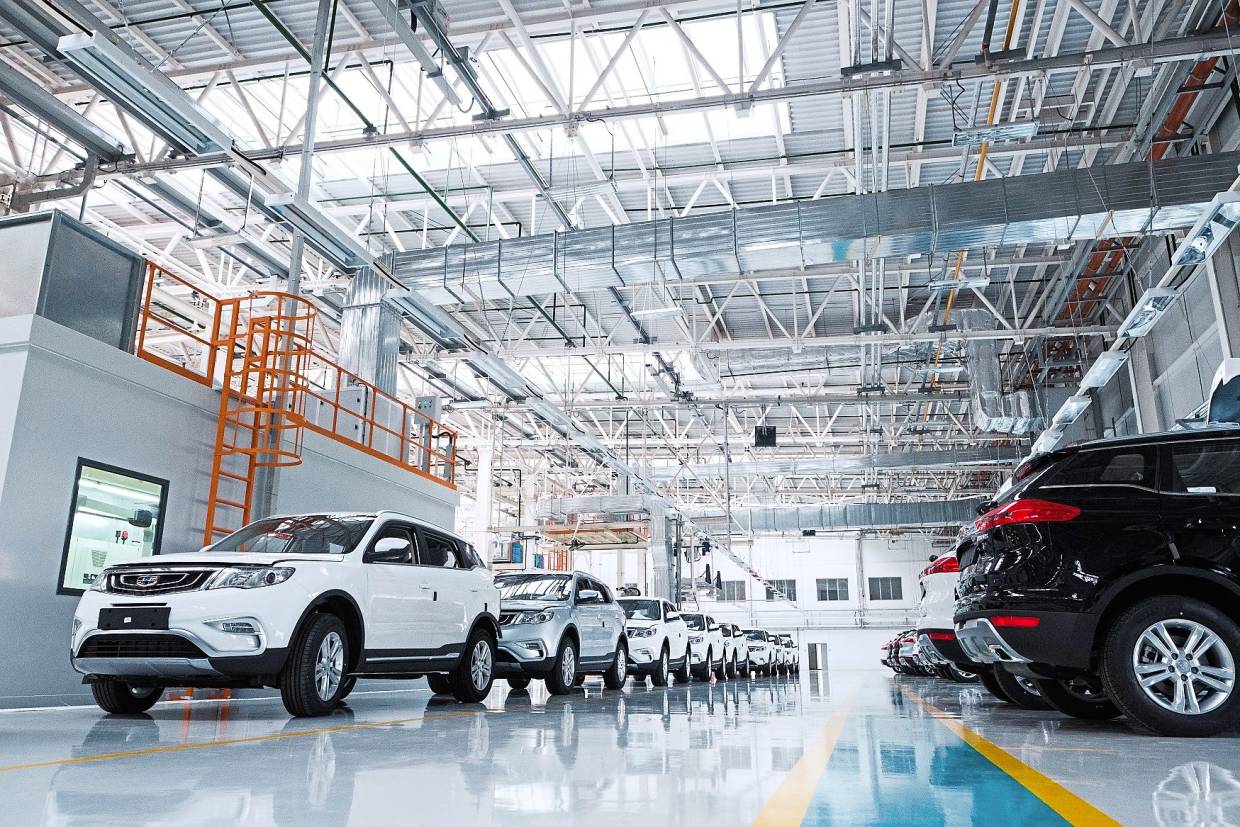
    The Ministry of Finance has said the registration fee for locally manufactured automobiles will be halved for six months until May 15 next year.

    If the government issues the decree for the purpose after Nov. 15, the fee cut would apply from Dec. 1 to May 31, it said, explaining the reduction is meant to stimulate demand and help boost investment and revive supply chains in the auto industry.

    When the fee was similarly cut in the second half of last year, it helped increase auto sales and tax collection increased by VND14.11 trillion ($613.48 million).

    Over 102,900 automobiles produced in the country were registered in the first half of last year, and the number doubled in the second half when the fee was halved.

    Some neighboring countries like Indonesia and Malaysia have also offered preferential treatment to their domestic automobile industry amid the Covid outbreaks, it added.

    Eleven foreign automobile firms that do not manufacture in Vietnam, including Audi, Volkswagen, Subaru, Volvo, Jeep, and Porsche, recently called on the government to apply the registration fee cut also to imported vehicles.

    The Vietnam Automobile Manufacturers Association had also called on the ministry for similar cuts for both local products and imports, but the ministry rejected it as not appropriate.

    The association said its members sold 170,073 vehicles in the first nine months of this year, a year-on-year decrease of 1 percent. The numbers do not include sales of Audi, Jaguar-Land Rover, Subaru, Volkswagen, Volvo and some others who did not reveal their numbers.

    According to the General Statistics Office, Vietnam imported 112,000 complete built-up vehicles in the nine-month period, up 67.9 percent.

  • Vietnam Airlines stock trading restricted to afternoon session

    Vietnam Airlines stock trading restricted to afternoon session

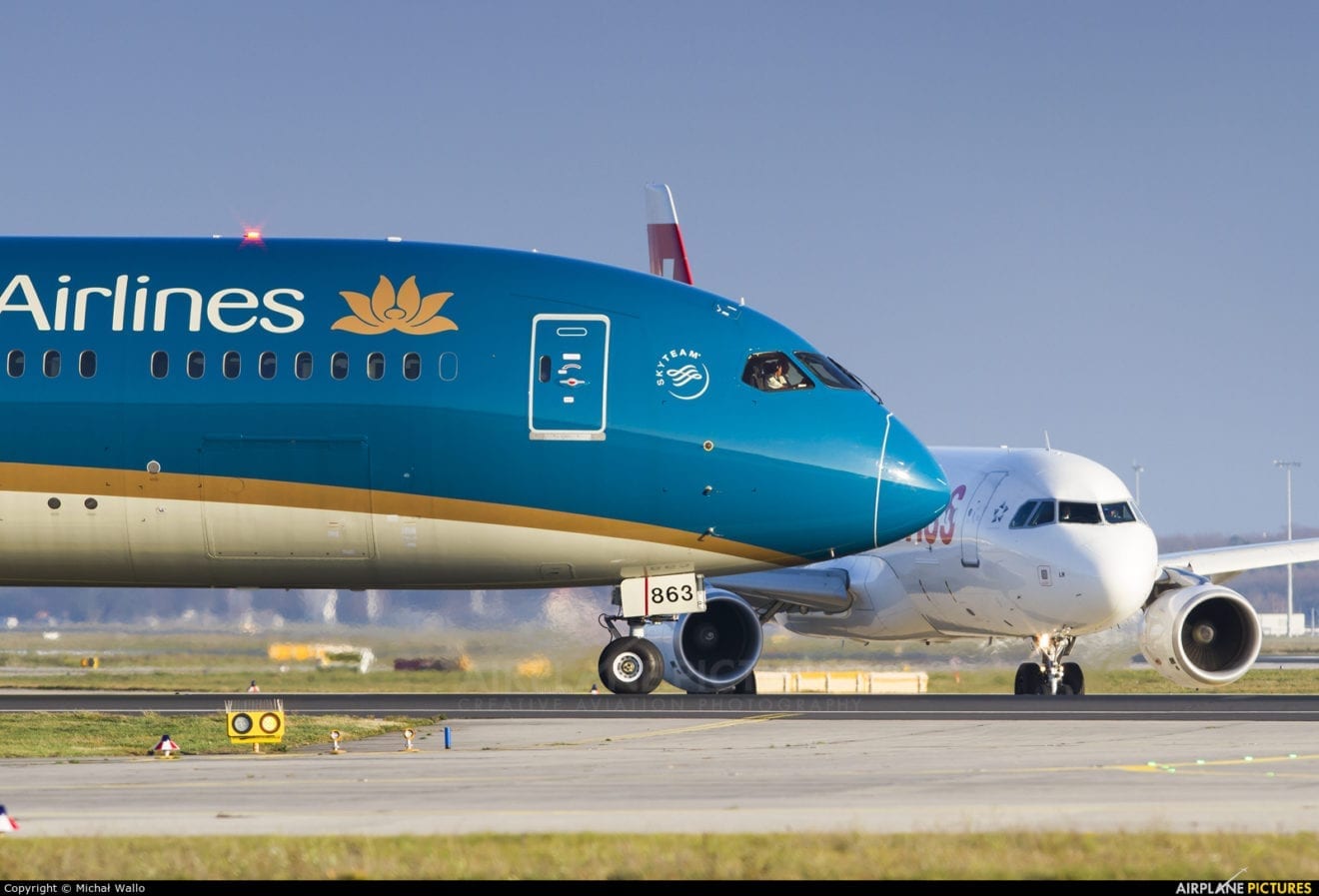
    Trading in Vietnam Airlines’ stock will be restricted to the afternoon session from Nov. 3 aftermarket regulators deemed the carrier’s financial situation “risky”.

    The main bourse Ho Chi Minh Stock Exchange will consider lifting the restriction depending on its evolving financial situation.

    The airline reported a loss of VND8.46 trillion for the first half of this year.

    Its accumulated losses as of Jun. 30 were VND17.81 trillion, or more than its charter capital then.

    In reviewing the company’s half-yearly financial statement, auditors Deloitte Vietnam said it has doubts about the airline’s ability to “continue as a going concern.”

    The company’s recovery is dependent on financial support from the government, rolling over of loans by banks and the Covid-19 pandemic, it said.

    Last month Vietnam Airlines said it had issued nearly 800 million shares to increase its charter capital by VND8 trillion to VND22.14 trillion.

  • Airbus names new general director for Vietnam

    Airbus names new general director for Vietnam

    Aircraft maker Airbus has appointed Hoang Tri Mai as its new general director for Vietnam.

    Mai will oversee all Airbus operations in Vietnam, including supporting business activities and managing relationships of the firm with the Vietnamese government, the group announced Monday.

    Mai, a Hanoian, was earlier the country director for Rolls Royce in Vietnam, Laos, Cambodia and the Philippines.

    She will work at the Hanoi office, replacing Jean-Michel Caldagues who will retire at the end of this year after 21 years of service for Airbus.

    Anand Stanley, president of Airbus Asia-Pacific, said Vietnam is a key market for Airbus across all business sectors and has important industry partnerships in the country.