Tag: Vietnam

  • Mobile wallet MoMo says valuation tops $2 bln after funding

    Mobile wallet MoMo says valuation tops $2 bln after funding

    Vietnam’s biggest e-wallet company, MoMo, said it had raised $200 million from four investors led by Mizuho Bank, pushing its valuation above $2 billion.

    The consortium of investors also comprised Ward Ferry Management and existing shareholders Goodwater Capital LLC and Kora Management, MoMo said in a statement Tuesday.

    The exact valuation of the company was not revealed but according to Nguyen Manh Tuong, co-founder of the Ho Chi Minh City-based startup: “We focus on performance not valuation, but we crossed $2 billion valuations after this round.”

    The company has previously said it intended to go public by 2025.

    Momo is Vietnam’s largest e-wallet by users and aims to double the number of users to 50 million in the next two years, the company said in January.

    Financial technology has gained more traction in the country of nearly 98 million people during the Covid-19 pandemic, with retailers going online and consumers seeking contactless payment options.

    The latest funding round would support the growth of MoMo as an all-in-one smartphone application or “super app” which offers multiple services, which have proved successful in countries like China and Indonesia.

  • Garment export won’t decline next year

    Garment export won’t decline next year

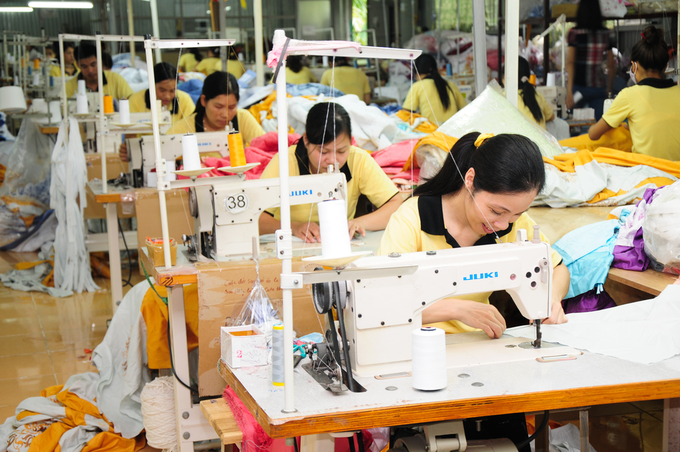
    Vietnam’s garment and textile exports next year is set to remain the same as this year even in the worst-case scenario where the Covid-19 pandemic prolongs, an association forecasts.

    Vietnam Textile and Apparel Association (VITAS) anticipates export would reach $39 billion next year, the same as this year, if pandemic impacts are major and linger until the end of the year.

    In the more optimistic scenarios that the pandemic is controlled by the second quarter, export could reach $41 billion, and by the first quarter, $43.5 billion, it stated.

    The association made its forecast as export this year expanded 12 percent from last year and 0.3 percent from 2019, indicating a recovery to pre-pandemic level.

    “This could be considered a great effort of Vietnam’s garment industry amid signs of slower global economic growth,” VITAS chairman Vu Duc Giang told a recent meeting.

    Truong Van Cam, deputy chairman of the association, said one positive sign is that major markets like the U.S., E.U. and Japan have reopened.

    Another supporting factor is that Vietnam has changed its Covid-19 fight policy from “zero Covid-19” to living with it, he added.

    In order to achieve the mentioned figures, vaccination is key, Cam said.

    Two doses of a Covid-19 vaccine should be the minimum requirement for staff to return to work, while third dose vaccinations for workers should begin, he urged.

    Fiscal and monetary policies should be more accessible and be effective for two or three years, he added.

    “Garment and textile needs an overall strategy so Vietnamese companies can export products under their own brands,” he said, adding that a plan should be made for development until 2030.

    Vu Thanh Tu Anh, dean of Fulbright School of Public Policy and Management in Ho Chi Minh City, said digital transformation has now become a must for sector survival as the Covid-19 pandemic has forced global corporations to increase the flexibility of their supply chains.

  • Vietravel sells majority stake in airline

    Vietravel sells majority stake in airline

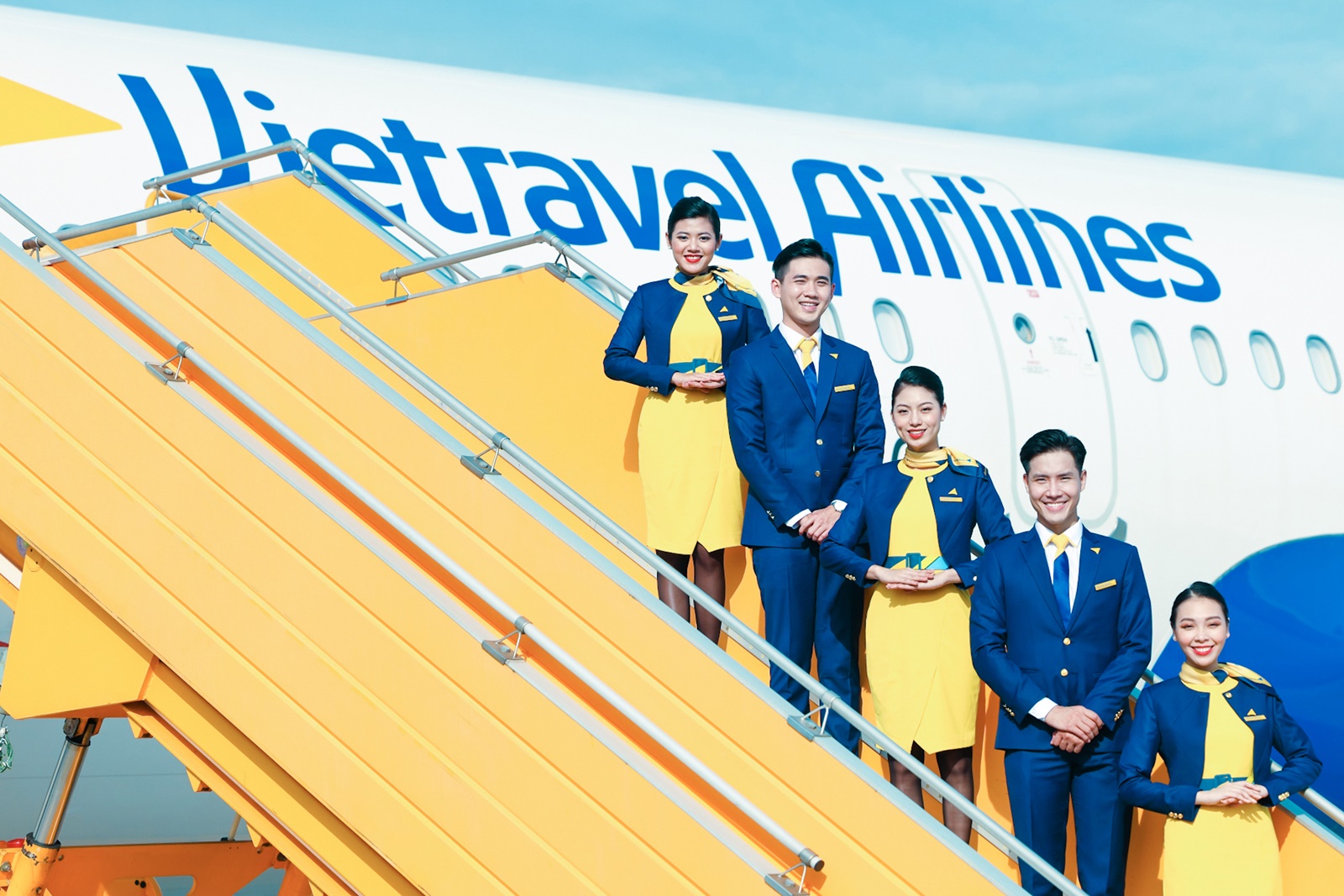
    Tourism company Vietravel has sold a 55.58 percent stake in Vietravel Airlines to an unspecified investor as it seeks more funding amid Covid financial pressures.

    “Vietravel is no longer the parent company of Vietravel Airlines,” it stated recently.

    In a filing last month, Vietravel revealed it held a 99.5 percent stake in the carrier.

    Chairman of the leading tourism firm Nguyen Quoc Ky said in early May that selling a stake in Vietravel Airlines was part of a plan to restructure Vietravel into a holding company.

    He called for investors to fund the airline.

    As the airline only began to operate this year, it is still recording losses, which could affect Vietravel’s business figures, which are also low due to Covid-19, the company stated.

    Vietravel posted a loss of VND293.3 billion ($12.78 million) in the first half this year, tripling year-on-year.

    Its stock is limited to trading on Fridays due to its delay in publishing results.

  • Chuk Chuk speeds up expansion plans with Central Retail

    Chuk Chuk speeds up expansion plans with Central Retail

    Kido Group-owned gelato and tea chain, Chuk Chuk, has joined hands with Central Retail to roll out between 300 and 400 stores in Go! malls and Tops Market supermarkets in Vietnam, as well as eyeing international expansion.

    Chuk Chuk said it will open 10 stores across Central Retail’s shopping malls ahead of February. Under the partnership, the chain plans to expand its presence into Thailand and other Southeast Asian countries in the coming years.

    The brand currently operates 10 brick-and-mortar stores across Ho Chi Minh City, with 40 stores scheduled to launch this month. Kido Group is to increase its store number to 1000 in the country by 2025 while expanding into international markets, including Thailand, China, and South Korea.

    The partnership with Central Retail follows Chuk Chuk’s recent agreement with Son Kim Retail, under which its products will be sold across all GS25 locations in the country by the end of next year.

    Founded last June, amid the Delta lockdown, Chuk Chuk marks Kido Group’s foray into the retail industry, directly competing with major local F&B players such as Starbucks, Trung Nguyen Legend and Phuc Long. The brand name was inspired by Thailand’s famous vehicle Tuk Tuk.

  • Vietnam Airlines scores $1 bln discount on jet lease

    Vietnam Airlines scores $1 bln discount on jet lease

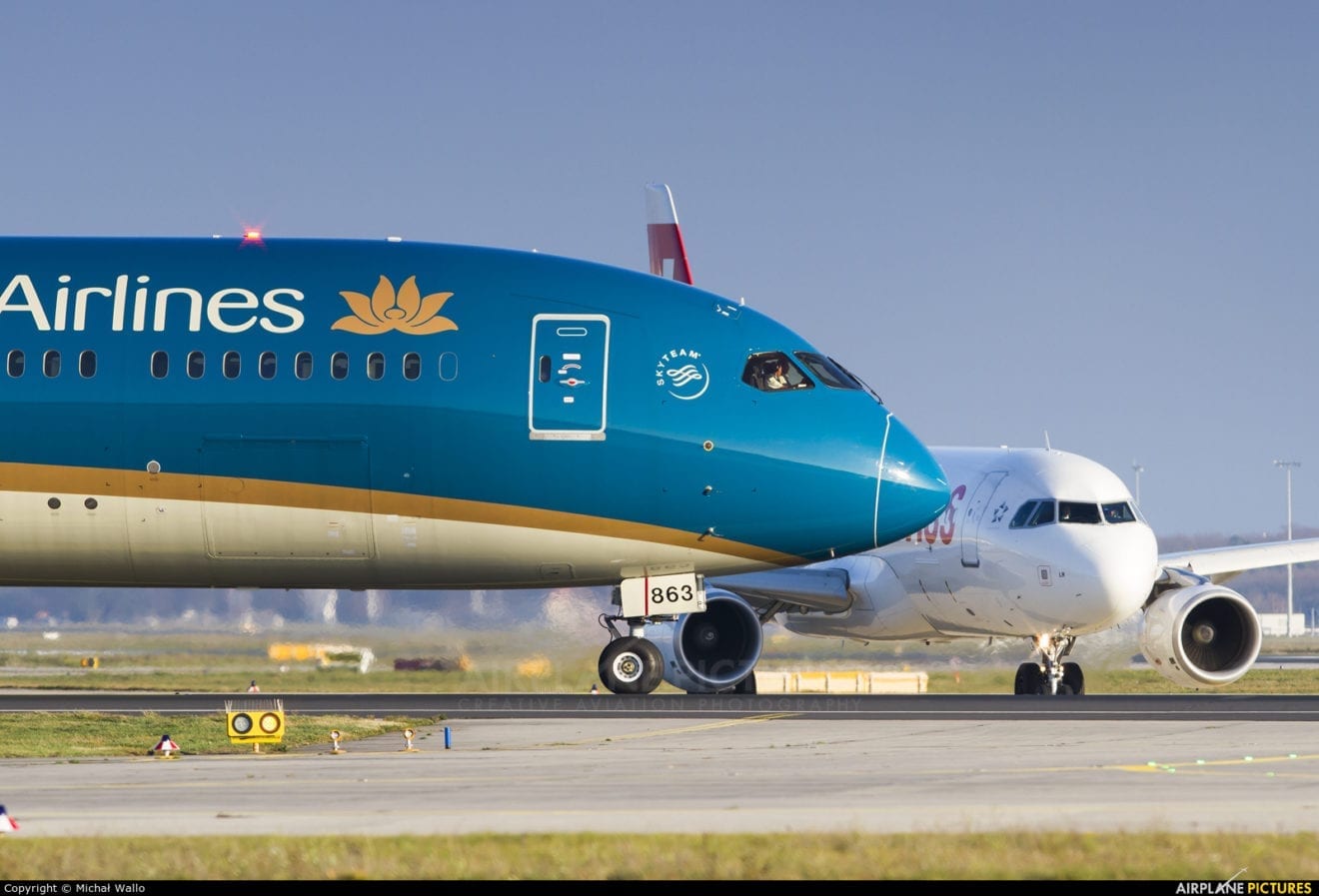
    Vietnam Airlines and Air Lease Corporation have agreed on a leasing discount exceeding $1 billion for 18 aircraft while the former face financial challenges amid the pandemic.

    U.S.-based ALC, one of the biggest aircraft leasers in the world with 450 jets, will reduce leasing charges by $420 million for the rest of the contract duration of existing jets while the remaining $600 million will be discounted on new leases.

    Vietnam Airlines is leasing 16 jets from ALC, comprising 12 narrow-body A321 Neo and four wide-body Boeing B787-10.

    With the biggest fleet in Vietnam of over 100 jets, the national flag carrier is facing financial pressure in retaining its aircraft, with many routes suspended due to Covid-19.

    Restructuring its fleet and cutting costs are its main goals to overcome the Covid-19 crisis, the airline stated.

    CEO of the carrier Le Hong Ha said Tuesday the airline would have an oversupply of jets until 2025, and plans to sell 27 over the next two years.

  • Upsurge in Vietnam imports of Cambodian farm produce

    Upsurge in Vietnam imports of Cambodian farm produce

    The quantity of Cambodian rice, cashew nuts, maize, green beans, and soya beans imported by Vietnam in the first 11 months of this year rose 3-4 times year on year.

    Cambodia exported 912,000 tons of cashew nuts, over 134,000 tons of maize, some 26,000 tons of green beans, 66,200 tons of soya beans, and more than 26 million tons of pepper to Vietnam, according to the Vietnam Trade Office in Cambodia.

    It specified that the neighboring country exported 3.1 million tons of paddy rice to Vietnam in the 11-month period, an increase of more than over 75 percent year-on-year.

    Cambodia sold more than 622,000 tons of fresh manioc, or 70 percent of its total exported volume, to Vietnam between January and November.

    The trade office said that Cambodia exported a total of over 7.1 million tons of agricultural products to 68 markets, including Vietnam, in the first 11 months of this year, up 93.4 percent on-year.

    More Cambodian farm produce was being bought by Vietnam because of their price and quality advantages, Vietnamese agricultural scientist Vo Toan Xuan said, noting that Cambodia has a lot of fertile land and farmers do not use many chemical pesticides.

    Recently, several Vietnamese companies and residents have rented agriculture.

  • Trading value jumps to six-session high

    Trading value jumps to six-session high

    Vietnam’s benchmark VN-Index fell 0.01 percent to 1,476.02 points Tuesday with trading value the highest in six sessions.

    The index closed 0.19 points lower after gaining nearly 13 points Tuesday.

    Trading value on the Ho Chi Minh Stock Exchange (HoSE), on which the index is based, rose 6.75 percent to VND27.65 trillion ($1.2 billion).

    The VN30 basket, comprising the 30 largest capped stocks, saw 19 tickers in the red, with PDR of Phat Dat Real Estate Development losing 5.9 percent to a near three-week low.

    The ticker has gone sideways for over two months.

    PNJ of Phu Nhuan Jewelry lost 2.3 percent, having fallen nearly 13 percent since its peak in mid-November.

    KDH of real estate firm Khang Dien House fell 2.2 percent, and STB of Ho Chi Minh City-based lender Sacombank, 1.9 percent.

    Nine blue chip tickers closed in the green, with HPG of steelmaker Hoa Phat Group and POW of electricity producer Petrovietnam Power Corporation gaining 2.5 percent each.

    Foreign investors were net sellers for the third straight session to the tune of VND879 billion, the highest in nine sessions.

    They focused on selling HPG of steelmaker Hoa Phat Group and VPB of private lender VPBank.

    The HNX-Index for stocks on the Hanoi Stock Exchange, home to mid and small caps, fell 0.63 percent while the UPCoM-Index for the Unlisted Public Companies Market dropped 0.19 percent.

  • Vietnam Airlines to sell 27 planes

    Vietnam Airlines to sell 27 planes

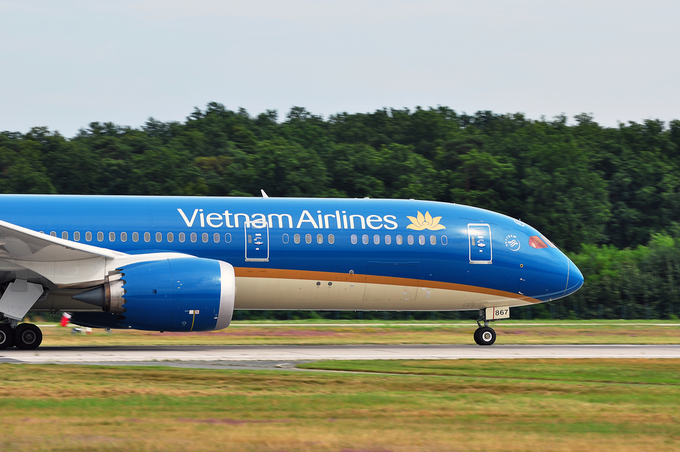
    Vietnam Airlines plans to sell 15 planes this month and 12 others in the next two years, its CEO said.

    “Vietnam Airlines plans to sell nine A321s and six ATR-72s in December. From 2022 to late 2023, an additional 12 A321s will be sold,” CEO Le Hong Ha told the extraordinary general meeting of shareholders Tuesday.

    The plan is aimed at reducing the number of aircraft Vietnam currently owns and accelerating its fleet modernization, replacing planes aged over 12 years, he explained, predicting that there would still be an aircraft surplus by 2025.

    Vietnam Airlines is estimated to have an excess of eight wide-body planes and 22 narrow-body equivalents next year. It currently has 106 aircraft, including 29 wide-body planes, and seven ATR-72s. It has sold two A321s in the last five months.

    With the civil aviation industry hard hit by Covid-19, Vietnam Airlines has removed seats from eight wide-body passenger planes and seven A321s to use as cargo- aircraft.

    The national flag carrier recorded a net loss of over VND3.5 trillion ($154.3 million) in the third quarter, a decrease compared to the first two quarters.

    As of September, the airlines’ total assets were valued at more than VND67 trillion, up more than VND4.5 trillion over the beginning of the year.

    Vietnam’s domestic aviation market in 2022 will be 70-75 percent of that in 2019, before the pandemic’s onset, and fully recover in 2023, he predicted.

  • 4,000 container trucks stranded at China border by stringent inspections

    4,000 container trucks stranded at China border by stringent inspections

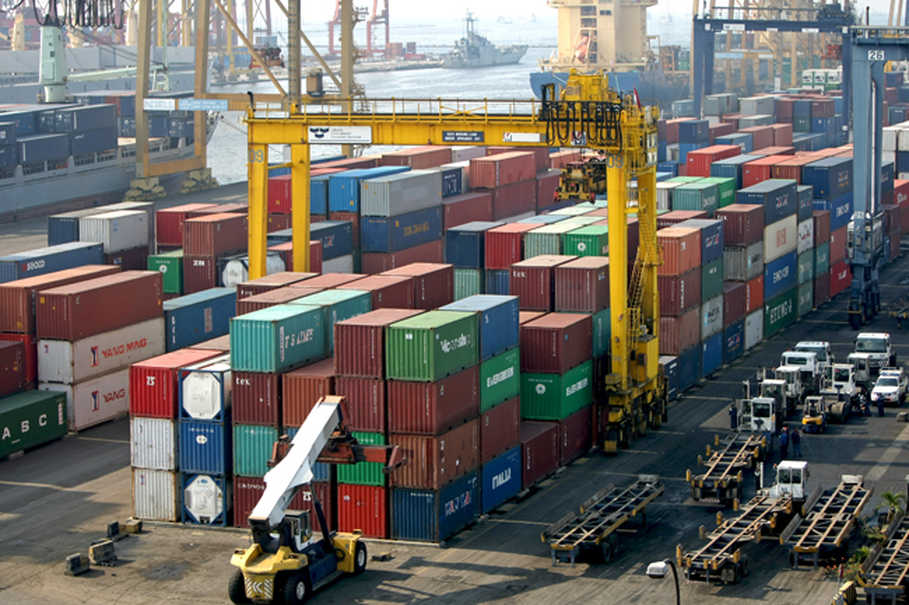
    Vietnam’s agriculture exports are taking a hit as China maintains a very strict inspections regime at northern border gates as a Covid-19 prevention measure.

    As of Friday, as many as 4,000 container trucks were stranded at the border gates in Lang Son Province, said Le Thanh Hoa, deputy head of the Department of Processing and Trade for Agro-Forestry-Fisheries products under the agriculture ministry.

    At the three border gates of Huu Nghi, Tan Thanh and Chi Ma, the current customs clearance speed has fallen by more than half to about 220 container trucks per day, Hoa said at a conference on agriculture trade held Saturday in Hanoi.

    For each truck carrying dragon fruit, jackfruit, and other fruits stuck at the Tan Thanh gate, it was taking 10-14 days on average to get customs clearance.

    At the Mong Cai border gate in Quang Ninh Province, just one truck gets cleared every week, Hoa said.

    The management board of the Mong Cai gate said Saturday morning that as many 800 trucks of frozen seafood and 300 trucks of fruits were stranded there.

    Hoa recommended that businesses carefully check agricultural products exported via border gates because China has been strengthening its Covid-19 disease control regime, resulting in careful, stringent inspections of products entering its territory.

    To cope with this situation, exporters have to carefully prepare the packaging of their goods so that they can get through the customs easily and at fast pace, he said.

    On the other hand, to avoid congestion and save costs, businesses need to arrange a reasonable clearance time and not send many trucks to the border gates at the same time, he added.

    After the fourth Covid-19 wave hit Vietnam in late April, China has been increasing inspections and disinfection of goods and means of transport and drivers from the country.

    They are also tightening the management and traceability of goods, which has contributed to lengthening the customs clearance procedure.

    In September, China had temporarily ceased the import of dragon fruit from Vietnam after detecting the novel coronavirus on its packaging. It had also reported a similar detection on Vietnamese mangosteen in early August.

    Hu Suo Jin, Economic and Commercial Counselor of the Chinese Embassy in Vietnam, said the pandemic in Vietnam was developing quite complicatedly and exporters need to disinfect the means of transport and drivers also need to increase adoption of preventive measures to avoid leaving the virus on goods.

    In addition, if possible, Vietnamese goods should be labeled with a negative test certificate on their packaging, he said.

    China is one of Vietnam’s top trading partners. The import-export turnover of agro-forestry-fishery products between the two countries had grown strongly from $8 billion in 2015 to $11 billion last year.

    China was Vietnam’s second-largest export market for agricultural, forestry and fishery products behind the U.S., posting an export turnover of $8.4 billion in the first 11 months of the year, accounting for 19.2 percent of Vietnam’s total agricultural exports.
  • Vietravel loss triples in year’s first half

    Vietravel loss triples in year’s first half

    Leading tourism company Vietravel, which has only now published its first-half earnings report, saw losses triple year-on-year to VND293.3 billion ($12.75 million) due to Covid-19 travel restrictions.

    Revenues were down by nearly half to VND545 billion while costs rose 42 percent to VND65.6 billion.

    Its carrier, Vietravel Airlines, recently resumed operations after being grounded for three months, and plans its first flight on Dec. 19.

    Vietravel’s stock is limited to trading on Fridays due to its delay in publishing its results.

  • Steel exports surge 130 pct as global demand shoots up

    Steel exports surge 130 pct as global demand shoots up

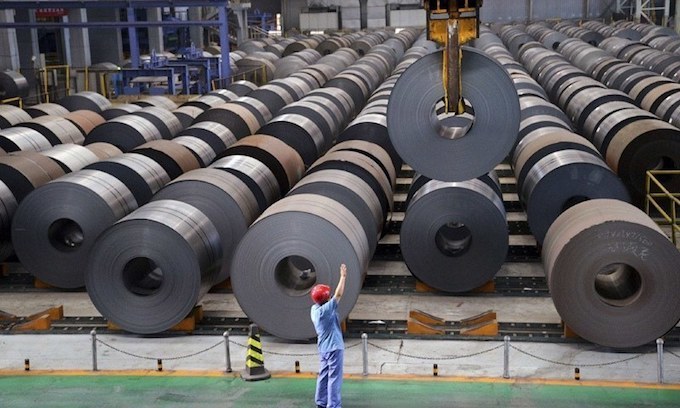
    Steel exports rose by nearly 130 percent in the first 11 months of this year to US$10.8 billion, according to the Vietnam Steel Association.

    Hoa Phat exported 914,000 tons of finished construction steel products, a year-on-year rise of 90 percent. It plans to export over one million tons, double the volume it shipped last year.

    The association expected exports to be robust this month due to rising global demand and a temporary shortage in China.

    Vietcombank Securities Company explained that China is gradually reducing its steel exports.

    The association said Vietnam has a production capacity of around 24 million tons a year, and output this year is expected to reach 21.2 million tons, enough to fully meet domestic and export needs.

  • Vietcombank Remittance Company bags two int’l awards

    Vietcombank Remittance Company bags two int’l awards

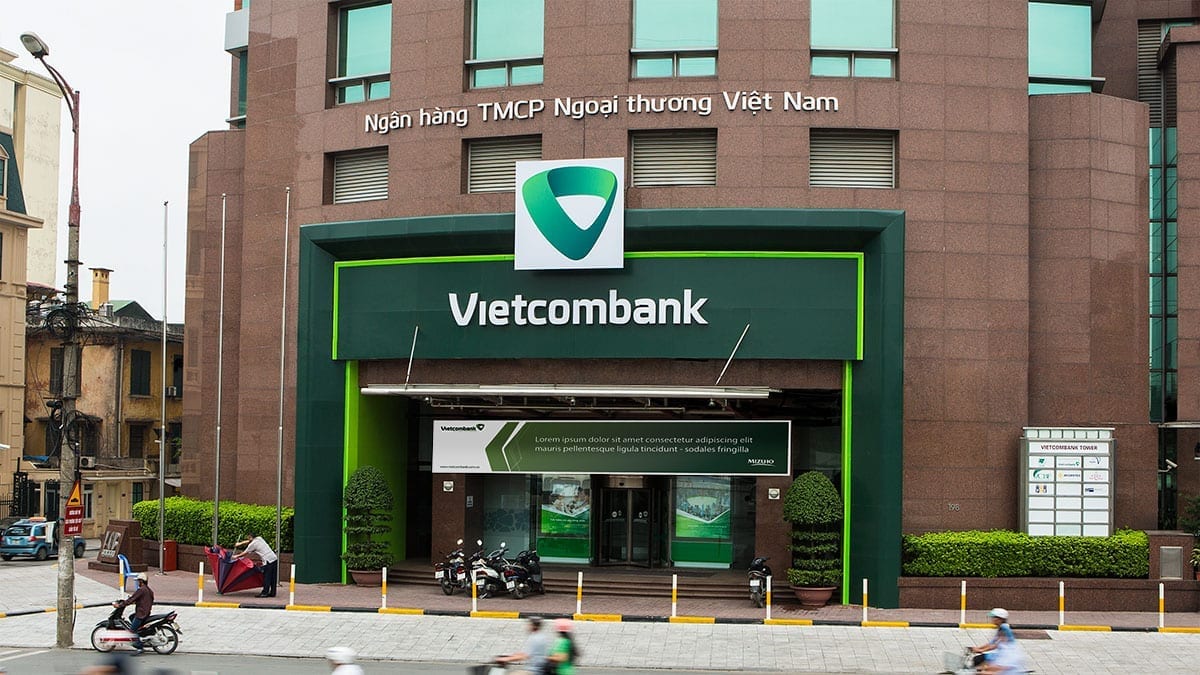
    Vietcombank Remittance Company was awarded the “Excellence Money Transfer Company” and “Best Home Payment Service Provider” titles by U.K.-based Global Banking and Finance Review magazine.

    Global Brands Magazine (GBM) is a prestigious U.K. online publication and forum for top brands of the global business community. The winners are selected based on commitments and efforts in the pursuit of outstanding values including: innovation, quality, increasing brand awareness, technology application, risk management, customer service, that promote the dynamic business environment of the remittance industry in Vietnam.

    To meet the above criteria, Vietcombank Remittance Company (VCBR) has remarkably improved its operational procedures, diversified its products, and enhanced its customer experience.

    Dao Minh Tuan, deputy CEO of Vietcombank, chairman of the VCBR Board of Directors, said the two awards obtained from GBM magazine are a significant affirmation and recognition of VCBR’s efforts and achievements in providing the best market service.

    “To record such great achievements, thanks to the steadfast effort of the entire VCBR team, in providing the best service experience, building solid trust with customers and partners. However, VCBR will encourage further innovation in its business operation to work toward the goal of becoming the number one remittance company in Vietnam,” he added.

    VCBR was established in 2017 with the task of facilitating remittances from abroad to Vietnam, supporting the ecosystem of Vietcombank’s products and services.

    Vietcombank has set its vision and strategic objectives toward 2025: Maintaining its position as the No. 1 retail bank in Vietnam and becoming one of the 100 largest banks in Asia; one of the 300 largest banking and financial groups in the world and finally one of the 1,000 largest listed companies in the world.

    The Covid-19 pandemic has had a dire impact on the global economy in the last two years. A huge number of companies have been forced into bankruptcy, and the unemployment rate has reached a record. The pandemic also had a serious impact on money transfer and remittance activities.

    In Vietnam, remittance companies constantly had to narrow the scope and scale of their operations. Under the circumstances, VCBR has proactively adapted to the chaos along with encouraging innovation, ensuring safe business performance, profitability and high efficiency.

    According to Nguyen Hoang Minh, Deputy Director of State Bank of Vietnam Ho Chi Minh Branch, the flow of remittance to Ho Chi Minh city By the end of November is about $6.2 billion, which has already surpassed the volume of 2020 at $6.1 billion. VCBR has achieved striking growth in terms of volumes with a forecast of an over 60 percent increase compared to 2020, ranking among the top 2 remittance companies in Vietnam.

  • Indian car rental company zooms into Vietnam

    Indian car rental company zooms into Vietnam

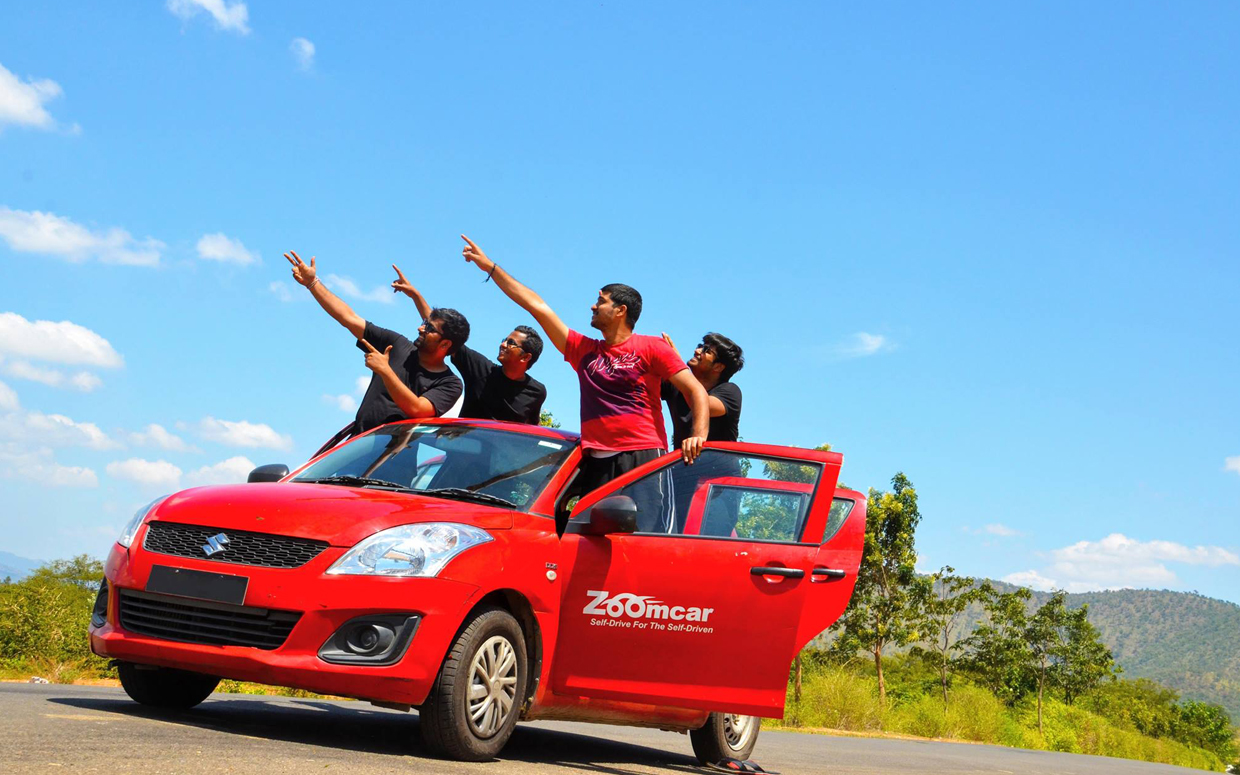
    Leading Indian car rental platform will begin operations in Vietnam next week.

    Users can start booking cars, including SUVs and hatchbacks, on its website and smartphone app starting Monday, a media representative said.

    “We hope to reach 2,000 vehicles on the platform by March next year.”

    The company has appointed Kiet Pham as its vice president and country director.

    Kiet used to hold senior management positions at Indonesian ride-hailing platform Gojek and Indian hotel booking company OyO.

    The rollout is part of Zoomcar’s plan to enter the Southeast Asian market, where it plans to invest more than $100 million in the next two to three years.

    Zoomcar launched its car rental service in India in 2013 and has become a leading company there in the industry.

    It has 10,000 cars for rent in Asia, the Middle East and North Africa. Its headquarters in India has 300 employees.

    The company recently raised US$92 million from several investors led by U.S.-based SternAegis Ventures.

  • Gojek Vietnam GM reveals ambitions after launch of car service

    Gojek Vietnam GM reveals ambitions after launch of car service

    Launched amid the Covid-19 pandemic, GoCar is one of two big products Gojek planned to introduce this year to complete its golden triangle in Vietnam, including transportation, food delivery and payment.

    Phung Tuan Duc, Gojek Vietnam GM shared stories behind the launch of car service during the Nguy – Co talk show hosted by Thai Van Linh.

  • Vietnam–US air fare starts from $1,300: Bamboo Airways

    Vietnam–US air fare starts from $1,300: Bamboo Airways

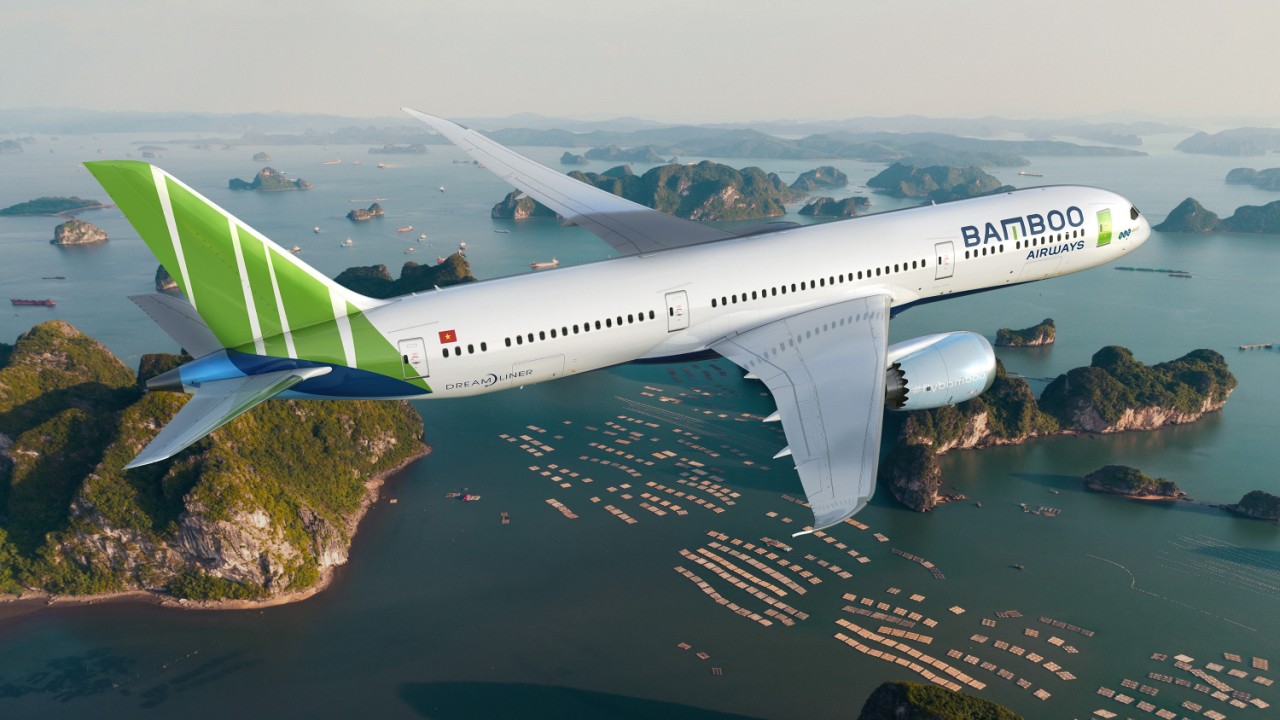
    A Bamboo Airways return ticket between Vietnam and the U.S. is set to cost $1,300-1,500, with the first regular flight planned for the first quarter of next year.

    Bamboo Airways plans to start one regular flight every two days from Ho Chi Minh City to San Francisco and increase the frequency to daily later, chairman Trinh Van Quyet told the press recently.

    This is the same price the startup airline announced two years ago. It is set to record losses with such a fare.

    “Our advantage is big resorts. The combination of aviation and tourism will bring many benefits to customers.”

    The airline is negotiating to lease wide-body Boeing 787-9 and Boeing 787-10 aircraft for flights to the U.S. and Europe.

    Quyet said the airline has submitted all necessary documents to U.S. aviation authorities.

    It will start flying once U.S. Federal Aviation Administration (FAA) gives it permission and the Vietnamese government resumes regular international flights.

    Bamboo Airways began its first charter flight from Vietnam to the U.S. on Sep. 23 as part of the 12 charter flights the U.S. Transportation Security Administration (TSA) had given permission to operate.

    Vietnam Airlines on Nov. 29 operated its first regular flight to the U.S. The airline announced earlier that one-way ticket prices would be around $1,000.

    The Vietnam-U.S. route recorded 1.4 million passengers in 2019.