Tag: Vietnam

  • Vietravel loss triples in year’s first half

    Vietravel loss triples in year’s first half

    Leading tourism company Vietravel, which has only now published its first-half earnings report, saw losses triple year-on-year to VND293.3 billion ($12.75 million) due to Covid-19 travel restrictions.

    Revenues were down by nearly half to VND545 billion while costs rose 42 percent to VND65.6 billion.

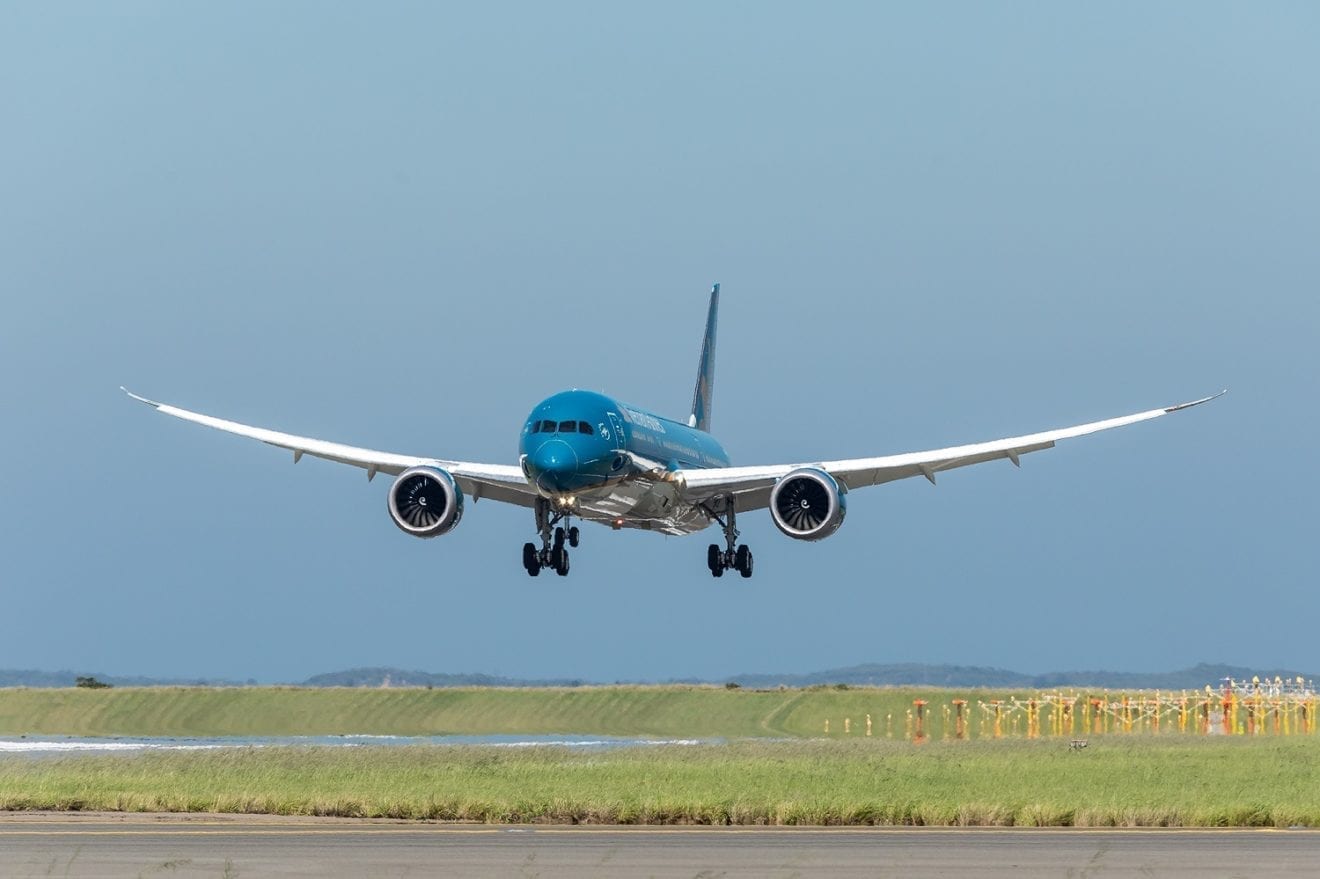
    Its carrier, Vietravel Airlines, recently resumed operations after being grounded for three months, and plans its first flight on Dec. 19.

    Vietravel’s stock is limited to trading on Fridays due to its delay in publishing its results.

  • Steel exports surge 130 pct as global demand shoots up

    Steel exports surge 130 pct as global demand shoots up

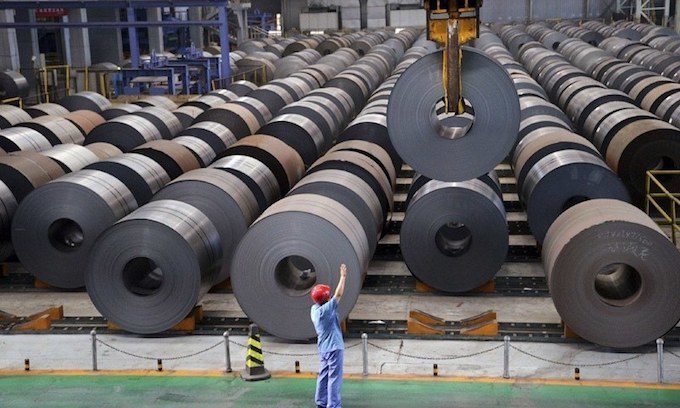
    Steel exports rose by nearly 130 percent in the first 11 months of this year to US$10.8 billion, according to the Vietnam Steel Association.

    Hoa Phat exported 914,000 tons of finished construction steel products, a year-on-year rise of 90 percent. It plans to export over one million tons, double the volume it shipped last year.

    The association expected exports to be robust this month due to rising global demand and a temporary shortage in China.

    Vietcombank Securities Company explained that China is gradually reducing its steel exports.

    The association said Vietnam has a production capacity of around 24 million tons a year, and output this year is expected to reach 21.2 million tons, enough to fully meet domestic and export needs.

  • Vietcombank Remittance Company bags two int’l awards

    Vietcombank Remittance Company bags two int’l awards

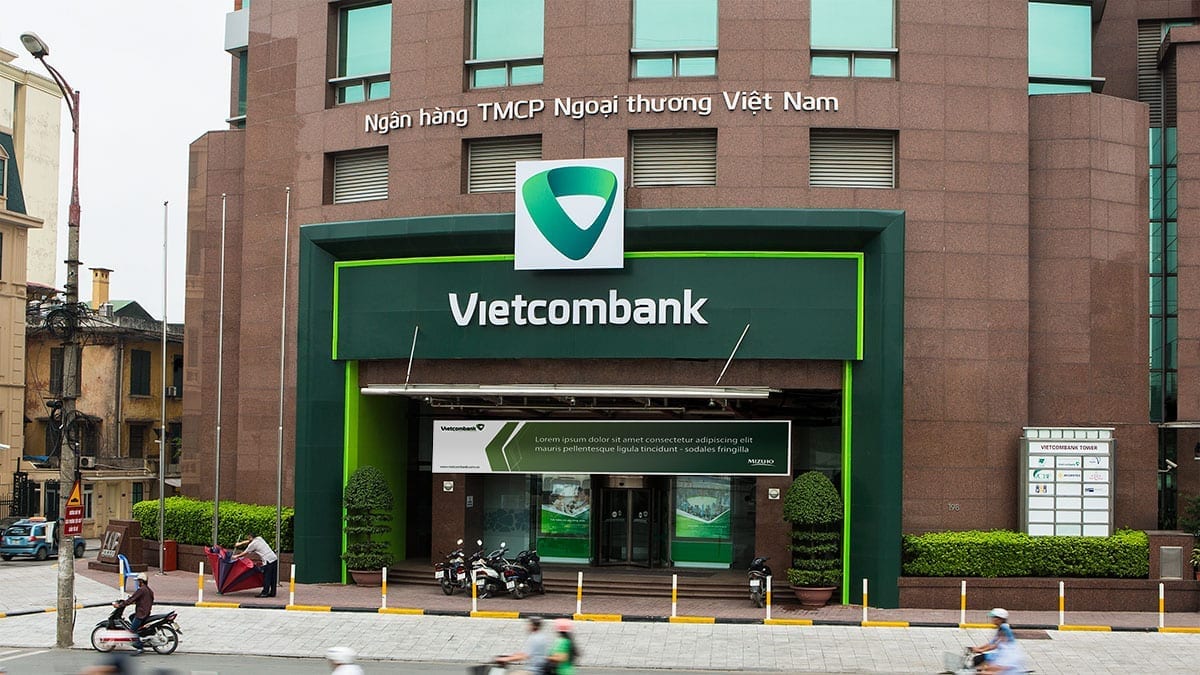
    Vietcombank Remittance Company was awarded the “Excellence Money Transfer Company” and “Best Home Payment Service Provider” titles by U.K.-based Global Banking and Finance Review magazine.

    Global Brands Magazine (GBM) is a prestigious U.K. online publication and forum for top brands of the global business community. The winners are selected based on commitments and efforts in the pursuit of outstanding values including: innovation, quality, increasing brand awareness, technology application, risk management, customer service, that promote the dynamic business environment of the remittance industry in Vietnam.

    To meet the above criteria, Vietcombank Remittance Company (VCBR) has remarkably improved its operational procedures, diversified its products, and enhanced its customer experience.

    Dao Minh Tuan, deputy CEO of Vietcombank, chairman of the VCBR Board of Directors, said the two awards obtained from GBM magazine are a significant affirmation and recognition of VCBR’s efforts and achievements in providing the best market service.

    “To record such great achievements, thanks to the steadfast effort of the entire VCBR team, in providing the best service experience, building solid trust with customers and partners. However, VCBR will encourage further innovation in its business operation to work toward the goal of becoming the number one remittance company in Vietnam,” he added.

    VCBR was established in 2017 with the task of facilitating remittances from abroad to Vietnam, supporting the ecosystem of Vietcombank’s products and services.

    Vietcombank has set its vision and strategic objectives toward 2025: Maintaining its position as the No. 1 retail bank in Vietnam and becoming one of the 100 largest banks in Asia; one of the 300 largest banking and financial groups in the world and finally one of the 1,000 largest listed companies in the world.

    The Covid-19 pandemic has had a dire impact on the global economy in the last two years. A huge number of companies have been forced into bankruptcy, and the unemployment rate has reached a record. The pandemic also had a serious impact on money transfer and remittance activities.

    In Vietnam, remittance companies constantly had to narrow the scope and scale of their operations. Under the circumstances, VCBR has proactively adapted to the chaos along with encouraging innovation, ensuring safe business performance, profitability and high efficiency.

    According to Nguyen Hoang Minh, Deputy Director of State Bank of Vietnam Ho Chi Minh Branch, the flow of remittance to Ho Chi Minh city By the end of November is about $6.2 billion, which has already surpassed the volume of 2020 at $6.1 billion. VCBR has achieved striking growth in terms of volumes with a forecast of an over 60 percent increase compared to 2020, ranking among the top 2 remittance companies in Vietnam.

  • Indian car rental company zooms into Vietnam

    Indian car rental company zooms into Vietnam

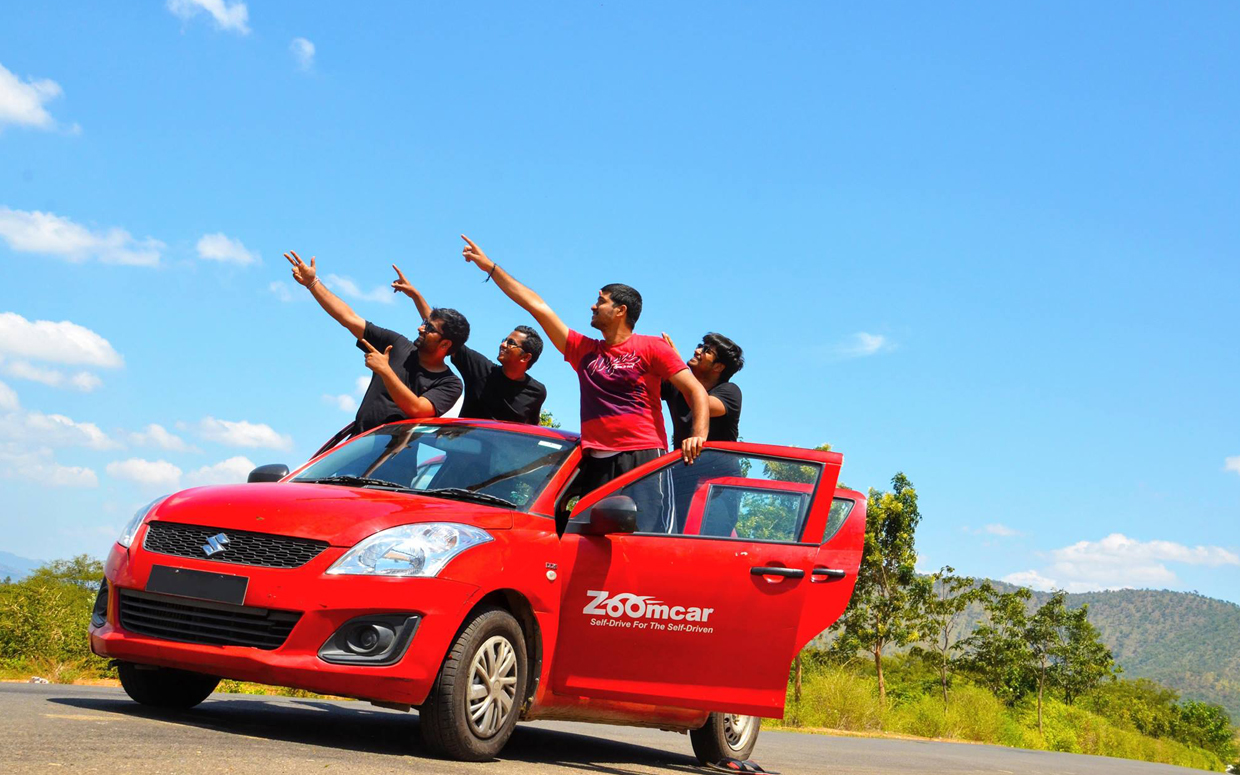
    Leading Indian car rental platform will begin operations in Vietnam next week.

    Users can start booking cars, including SUVs and hatchbacks, on its website and smartphone app starting Monday, a media representative said.

    “We hope to reach 2,000 vehicles on the platform by March next year.”

    The company has appointed Kiet Pham as its vice president and country director.

    Kiet used to hold senior management positions at Indonesian ride-hailing platform Gojek and Indian hotel booking company OyO.

    The rollout is part of Zoomcar’s plan to enter the Southeast Asian market, where it plans to invest more than $100 million in the next two to three years.

    Zoomcar launched its car rental service in India in 2013 and has become a leading company there in the industry.

    It has 10,000 cars for rent in Asia, the Middle East and North Africa. Its headquarters in India has 300 employees.

    The company recently raised US$92 million from several investors led by U.S.-based SternAegis Ventures.

  • Gojek Vietnam GM reveals ambitions after launch of car service

    Gojek Vietnam GM reveals ambitions after launch of car service

    Launched amid the Covid-19 pandemic, GoCar is one of two big products Gojek planned to introduce this year to complete its golden triangle in Vietnam, including transportation, food delivery and payment.

    Phung Tuan Duc, Gojek Vietnam GM shared stories behind the launch of car service during the Nguy – Co talk show hosted by Thai Van Linh.

  • Vietnam–US air fare starts from $1,300: Bamboo Airways

    Vietnam–US air fare starts from $1,300: Bamboo Airways

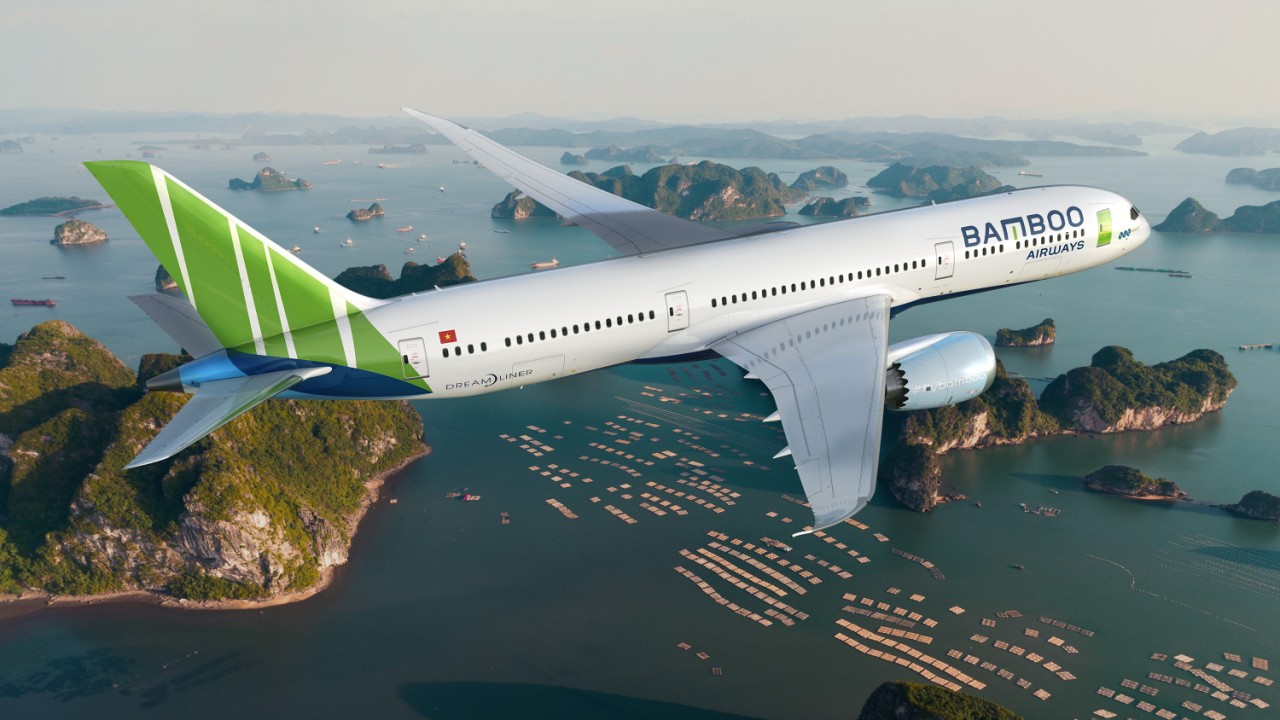
    A Bamboo Airways return ticket between Vietnam and the U.S. is set to cost $1,300-1,500, with the first regular flight planned for the first quarter of next year.

    Bamboo Airways plans to start one regular flight every two days from Ho Chi Minh City to San Francisco and increase the frequency to daily later, chairman Trinh Van Quyet told the press recently.

    This is the same price the startup airline announced two years ago. It is set to record losses with such a fare.

    “Our advantage is big resorts. The combination of aviation and tourism will bring many benefits to customers.”

    The airline is negotiating to lease wide-body Boeing 787-9 and Boeing 787-10 aircraft for flights to the U.S. and Europe.

    Quyet said the airline has submitted all necessary documents to U.S. aviation authorities.

    It will start flying once U.S. Federal Aviation Administration (FAA) gives it permission and the Vietnamese government resumes regular international flights.

    Bamboo Airways began its first charter flight from Vietnam to the U.S. on Sep. 23 as part of the 12 charter flights the U.S. Transportation Security Administration (TSA) had given permission to operate.

    Vietnam Airlines on Nov. 29 operated its first regular flight to the U.S. The airline announced earlier that one-way ticket prices would be around $1,000.

    The Vietnam-U.S. route recorded 1.4 million passengers in 2019.

  • Smartphone sales down last month

    Smartphone sales down last month

    Smartphone sales in Vietnam plunged 28 percent year-on-year in the third quarter as shops were shut and mobility restrictions blocked deliveries.

    Sales started to fall in August and plunged deeply in September, a report by market research company Counterpoint revealed, without giving specific figures.

    Around 70 percent of smartphone stores in Vietnam were closed in July, which increased online sales at one of the biggest smartphone chains in Vietnam by 5.9 percentage points to 17.5 percent between July and August, the report noted.

    Electronics chain CellphoneS in July stated its sales had dropped by 70 percent at the time, while another chain Di Dong Viet switched to distributing food.

    In the third quarter, Samsung led in sales with 49 percent of the market, the highest ever, up 13 percentage points year-on-year.

    Oppo came second with 19 percent of sales, down 1 percentage point, followed by Xiaomi at 13 percent, down 4 percentage points.

    5G smartphone sales accounted for 20 percent of the total in the third quarter, with the ratio expected to rise this quarter as network operators plan to expand their 5G services.

    A media representative of Counterpoint said that as restrictions are relaxed, workers begin to return to industrial parks, and the vaccination ratio increases, smartphone sales in Vietnam could rebound before the end of the year.

  • Alerts on Vietnam rice exports

    Alerts on Vietnam rice exports

    Vietnam’s coffee exports in the first 11 months of this year are expected to show a 4.4 percent drop from a year earlier to 1.36 million tonnes, while rice exports will likely post a 0.8 percent increase, government data released on Monday showed.

    Coffee exports are estimated to have fallen 4.4 percent in the first 11 months of this year from a year earlier to 1.36 million tonnes, equal to 22.67 million 60-kg bags, the General Statistics Office said in a report on Monday.

    Coffee export revenue for Vietnam, the world’s biggest producer of the robusta bean, will likely show a 12.6 percent increase to $2.6 billion in the 11-month period, the report said.

    The country’s coffee shipments in November are estimated at 78,000 tonnes valued at $181 million, it said.

    Rice exports in the first 11 months of this year from Vietnam were forecast to have risen 0.8 percent from a year earlier to 5.7 million tonnes.

    Revenue from rice exports in the period was expected to rise 7.3 percent to $3.04 billion.

    November rice exports from Vietnam, one of the world’s largest shippers of the grain, totaled 563,000 tonnes, worth $297 million.

    Vietnam’s Jan-Nov crude oil exports were seen falling 31.4 percent from the same period last year to an estimated 3.01 million tonnes.

    Crude oil export revenue in January to November is expected to rise 14.9 percent to $1.69 billion.

    Oil product imports in the first 11 months of the year were estimated at around nine million tonnes, down 16.6 percent from the same period last year, and the value of product imports were expected to rise 31.2 percent to $4.6 billion.

  • Car demand up following news of registration fee cut

    Car demand up following news of registration fee cut

    Car dealers have seen the number of customers triple after a 50 percent registration fee discount for locally assembled cars was announced last week.

    Toyota, Honda, Hyundai, Kia and Mazda dealers in Cau Giay District reported 30 and even 50 customers a day last weekend, compared to the average 10-15 .

    The number of signed contracts rose from an average 10 a day to 30.

    A Peugeot dealer locked in seven deals on the weekend even though it was often deserted.

    Customers were still viewing cars at 8 p.m. during the two days, while on normal days the last customers often leave at 6 p.m., a manager of a Toyota dealer in Ho Chi Minh City said.

    “We needed six employees, double from before,” he added.

    The surge in demand for cars came as the government announced a decision to cut car registration fees by half for six months starting Dec. 1.

    This is the second time in the last two years that such a cut is introduced to mitigate difficulties faced by the auto industry due to the Covid-19 pandemic.

    For this reason, accountants and managers had to show up at dealers to finalize contracts when needed.

    Some salespersons said they sold two or three cars last week, while before it often took them several days to sell one.

    Customers can be divided into two main groups: those who want to prepare for the registration process when the fee drops by half starting Wednesday, and those who want to learn more about cars.

    Dealers have ended some prior promotions because of the fee discount, which urge customers to come and make purchases.

    “I am selling my existing car to buy a new one,” said Le Luan, a customer, adding he plans to put down a deposit Tuesday fearing promotions would end Wednesday.

    Registration fees are calculated based on car prices in each locality. The rates are 12 percent in Hanoi and Hai Phong, and 10 percent in HCMC.

    In the first six months last year, 17,600 cars were bought on average each month. In the second half, when the 50 percent cut took effect, sales doubled.

    Last year, car sales had fallen by 8 percent to 296,634 units as the Covid-19 pandemic badly affected the economy, hitting incomes and discretionary spending.

  • Novartis receives certificate of merit from Vietnam’s Ministry of Health

    Novartis receives certificate of merit from Vietnam’s Ministry of Health

    Novartis has marked its 25 years of development with a certificate of merit from Vietnam’s Ministry of Health for its social commitment during the Covid-19 pandemic.

    “This achievement affirms Novartis’s leading position in the global pharmaceutical market and its long-term commitment to community health support,” a Novartis representative stated.

    Over the past 25 years, Novartis has achieved medical breakthroughs in cancer care, heart disease and the fight against inflammatory conditions. The company uses innovative science and technology to address some of society’s most challenging healthcare issues. It discovers and develops breakthrough treatments and finds new ways to deliver them to as many people as possible.

    Partner of Vietnam’s healthcare

    Novartis began its journey in Vietnam in the 1950s through the presence of Sandoz, Ciba-Geigy, and other partners. Over the past two decades in the country, Novartis Vietnam has cooperated with the Ministry of Health (MoH) and domestic and international organizations to launch several programs to enhance public health awareness, promote training, and strengthen primary healthcare in many cities and provinces.

    In 2008, the representative office of Novartis Pharma Services AG was established in Vietnam to promote and support the supply of medicines, and delivery of drugs to patients, as well as clinical trials of Novartis Group.

    Over the past 13 years, Novartis Vietnam has been focusing on four areas including science-based innovation and clinical trials; scientific and academic cooperation; quality and local manufacturing, along patient access to high-quality, innovative healthcare.

    The company has collaborated with the MoH to develop a strong healthcare system that covers the lowest income segments of the population and to provide the Vietnamese people with high-quality medicines, thus contributing to the MoH’s objective to shape a strong and sustainable healthcare system and achieve universal healthcare coverage.

    A lot of significant programs have been carried out over the past years. In 2014, Novartis and the MoH signed a Memorandum of Understanding (MoU) to enhance the Vietnamese people’s access to essential, affordable generic and innovative medicines, and strengthen the country’s science, medical, and technology capabilities

    It is followed by another MoU inked in December 2019 on raising primary healthcare in Vietnam through activities at commune and district levels from 2019 to 2021, making it a testament to public-private collaboration in this area, aiming to achieve the Universal Healthcare Coverage and United Nations Sustainable Development Goals by 2030.

    2020 marked a special milestone in Novartis Vietnam’s development journey when it inaugurated its new legal entity in the country and became one of the first multinational companies to successfully transform from a representative office to a foreign-invested enterprise importer. Also that year, the company was honored as a pioneer in digital transformation for its efforts and outstanding contributions to the Digital Transformation of the Healthcare Sector at National Digital Transformation Congress.

    Moreover, Novartis Vietnam teamed up with Docquity to offer an exclusive digital network for medical staff. The company has also been named among the top 100 Vietnam Best Places to Work in the country thanks to its appropriate human resource policies and quick response to the Covid-19 pandemic.

    In 2021, the company keeps the momentum of good performance with its recognition as a Global Top Employer for 2021, thus contributing to encouraging Novartis to continue attracting talents and strengthening its offering as a destination for employers in the future.

    Contributions to the Covid-19 fight

    Novartis received the certificate of merit from the MoH for its social commitment during the Covid-19 pandemic and its contributions to the country’s Covid fight, and training of HCPs, among others.

    Novartis supports the initiative of six medical universities in Vietnam to train HCPs to serve Covid-19 prevention and control. At least 1,800 final-year medical students got training from April to July 2020. This effort was in response to the call of the government and the MoH, mobilizing more than 90,000 HCPs for the pandemic fight.

    Moreover, the company has so far donated over $400,000 to the pandemic battle in Vietnam. The company also joined hands with other members of EuroCham Pharma Group to donate an equivalent total of $100,000 to the Vietnam Fatherland Front national campaign on the prevention and treatment of Covid-19, and donate via the HCMC Red Cross Society medical supplies to frontline hospitals, and Covid-19 treatment centers.

    During the pandemic, Novartis has taken effective measures to ensure the continuation of the supply of medicines, as well as promote technology application to maintain regular medical training for HCPs, thus ensuring healthcare access.

    Amitabh Dube, country president, Novartis Vietnam, said: “Vietnam and countries worldwide are still facing pressing health issues that need more innovations to address them. Novartis commits to be a reliable partner in this effort, and will continue the discovery and development of new treatments to help more people.”

    Long-term investment commitments

    Novartis’s strategy is to build a leading, focused pharmaceutical company powered by advanced therapy platforms and data science. Looking at the next 25 years and beyond, the company will continue reimagining medicine to improve and extend people’s lives.

    To implement the strategy, Novartis has five priorities to shape its future and help it continue to create value for the company, its shareholders and society: unleash the power of its people; deliver transformative innovation; embrace operational excellence; go big on data and digital; and build trust with society.

    In Vietnam, the company will continue to collaborate with Vietnamese societies, associations, and health facilities in programs to improve healthcare services for Vietnamese, showing its strong commitment to accompanying the local health sector in future sustainable development.

  • Vietnam’s e-commerce traffic higher than Thailand, Malaysia

    Vietnam’s e-commerce traffic higher than Thailand, Malaysia

    E-commerce web traffic from Vietnam is double that of Thailand and triple that of Malaysia in Q3, showing high demand for online shopping amid the pandemic, a report has found.

    Digital consumption has become a new habit as the number of online vendors increases, with Vietnam becoming “a star” on the Southeast Asian e-commerce market, according to the Q3 market report by iPrice Group.

    Vietnam is set to exceed Thailand by 2025 to become the second-biggest internet economy in Southeast Asia with a scale of $57 billion, behind Indonesia at $146 billion, according to the e-Conomy Southeast Asia 2021 report by Google, Temasek, and Bain & Co.

    However, foreign companies are still dominating Vietnam’s e-commerce market in terms of web traffic.

    Singapore’s Shopee accounted for 57 percent of traffic in the third quarter, followed by another Singaporean company Lazada at 16 percent.

    Vietnamese startup Tiki ranked third with 13 percent of traffic.

    The report also pointed out Vietnamese consumers interact on the social media pages of e-commerce platforms more frequently than Thai but less than Malaysians, showing the importance of Facebook in promoting brands in Vietnam.

  • Vietnam Airlines reports $154 mln Q3 loss

    Vietnam Airlines reports $154 mln Q3 loss

    National flag carrier Vietnam Airlines recorded a net loss of over VND3.5 trillion ($154.3 million) in the third quarter, a sharp decrease compared to the first two quarters.

    According to a summary of consolidated financial statements for the third quarter, Vietnam Airlines earned net revenues of VND4.7 trillion, down 37.6 percent year-on-year.

    The sale of goods dropped 20 percent year on year to VND7.7 trillion.

    The airline reported a total gross loss in the sale of products and services of about VND3 trillion.

    While its financial revenue more than quadrupled over the same period to more than VND560 billion, administrative expenses and costs related to the cost of products increased to more than VND347.5 billion and VND282.2 billion, respectively, resulting in the reported net loss.

    The Q3 loss was less than the losses of VND4.9 trillion and VND4.4 trillion recorded in the first and second quarter, respectively.

    Its loss in the first 9 months of the year has crossed VND12.1 trillion.

    The carrier explained that the sharp drop in consolidated profits in the third quarter was not only due to the decrease in profits of the parent company, but also because the profits of subsidiaries providing aviation services, like Vietnam Airlines Engineering Company (VAECO) and Noi Bai Airport Services Company (NASCO), also decreased sharply.

    Vietnam Airlines said that it has proactively implemented drastic solutions in business operations to minimize the impacts of the Covid-19 pandemic, resulting in a significant drop in Q3 losses compared to the first two quarters.

    As of September 25, the carrier increased its charter capital to VND8 trillion.

    The carrier said business activities have gradually stabilized and it is preparing conditions for the recovery and development phase after domestic flights are allowed to operate normally.

    As of September, Vietnam Airlines’s total assets were valued at more than VND67 trillion, up more than VND4.5 trillion over the beginning of the year.

    The company has posted overdue debts of VND65.5 trillion compared to the beginning of the year, and more than VND1.4 trillion of equity, a decrease of nearly VND4.6 trillion over the same period. Of this, short-term debt is about VND42.2 trillion, up more than VND9.7 trillion.

  • Car registration fee cut by half again

    Car registration fee cut by half again

    A government decree has cut registration fees for locally made cars by 50 percent for six months starting December 1.

    This is the second time in the last two years such a cut is being made to mitigate the difficulties faced by the auto industry due to the Covid-19 pandemic.

    In the first six months of last year, 17,600 cars were bought on average each month. In the second half, when the 50 percent cut took effect, sales doubled.

    The registration fees are calculated based on car prices in each locality.

    The rates are 12 percent in Hanoi and Hai Phong, and 10 percent in HCMC.

    Last year, car sales had fallen by 8 percent to 296,634 units as the Covid-19 pandemic badly affected the economy, hitting people’s incomes and discretionary spending.

  • New graduates want monthly salary around 500$

    New graduates want monthly salary around 500$

    Almost half of the fresh university graduates expect a monthly salary of VND10-15 million ($435-650), but most employers are only willing to pay VND6-10 million, a survey has found.

    The survey by headhunting agency Adecco Vietnam said over 43 percent want a salary of more than VND10 million, and 31 percent want VND6-10 million, but only 27.5 percent of employers are willing to pay above VND10 million.

    Up to 88.5 percent of new employees regard to salary and remuneration as the top priority closely followed by training and development opportunities (87.7 percent) and then by promotion prospects (73.8 percent).

    Work-life balance and cultural fit are also highly valued (67.2 percent and 55.7 percent).

    Many employers said their main concerns when recruiting new graduates are lack of soft skills, unrealistic expectations and instability.

    Y Pham, chief growth officer at flexible pay startup Nano Technologies, said she has met many new graduates who start their first full-time job with too high expectations due to the lack of clarity about their career path.

    More than 56 percent of employers appreciate the new vision and initiative of fresh graduates, 54 percent appreciate their enthusiasm and 40 percent say new graduates help build a diverse workplace.

    Due to Covid-19, nearly 39 percent of enterprises have reduced recruitment demand, with nearly 19 percent cutting it by more than 50 percent.

    Over 59 percent of new graduates believe there are fewer job opportunities and 37 percent are worried about labor market instability.

    Adecco predicted that 62 percent of fresh graduates would seek new jobs in the next six months when recruitment demand would rise considerably.

  • Vietnamese plunge headlong into meme coin market

    Vietnamese plunge headlong into meme coin market

    Vietnamese are rushing to invest in so-called ‘meme coins’, hoping to make a killing but ignoring the huge risks of buying a volatile asset talked up by social media.

    In the second quarter The Nghia in the northern province of Vinh Phuc invested $20 to buy nearly 100 Dogecoins, a cryptocurrency that has overwhelmed the Internet this year.

    “I bought the coins because everyone was buying it.”

    As his investment doubled after billionaire Elon Musk spoke about the coin on Twitter, Nghia bought more of it and several other similar meme coins such as Shiba Inu and Rici Elon, hoping to make a giant profit from a small investment.

    “If only one of these coins increases 10-fold, the profit will exceed the investment in the rest of them,” he said.

    On Facebook groups, Nghia and thousands of other Vietnamese discuss meme coins daily as they hope to make a killing through the risk of loss is commensurately high.

    Meme coins are cryptocurrencies that originated from an Internet meme or have some other humorous characteristic.

    Dogecoin, released in 2013 after being created as a joke by software engineers, is the original meme coin that sparked the creation of many others.

    The most popular meme coin in terms of market cap, $28 billion, is the 10th biggest cryptocurrency.

    Some 260 meme coins are currently traded, according to cryptocurrency data platform CoinMarketCap.

    But only a fifth have a daily trading value of over $100,000. To put that in perspective, the cryptocurrency market daily trading value is worth $131 billion.

    One major feature of meme coins is their high volatility. Dogecoin, for instance, gained 1,160 percent in April-May before giving up 69 percent to fall to the current $0.2141.

    Quang Tung of Hanoi said that his wallet is like a “zoo” with many ‘animal’ coins though he does not understand all of them.

    “It is like playing the lottery. I can lose all or profit multiple times.”

    Hoang Minh of HCMC had not intended to invest in meme coins but the fear of missing out urged him to buy a small amount.

    “These coins attract people because they are popular memes on social media.”

    Squid Game coin, which was created amid the popularity of the Netflix series with the same name, surged 1,373 percent to $523 in three hours on Nov. 1 before plummeting to $0.003399 an hour later, sending many investors into a tizzy.

    Nghia and Tung have not made major profits yet since they hold a large number of coins of low value, but hope they would be mentioned by a celebrity in future.

    “Before investing in any cryptocurrency, it’s important to understand what you’re investing in and the associated risks, not just the hype around it,” said Douglas Boneparth, certified financial planner and president of Bone Fide Wealth.