Tag: Vietnam

  • Babeeni’s hand-smocked clothing for children meets diverse tastes

    Babeeni’s hand-smocked clothing for children meets diverse tastes

    Babeeni Co., Ltd satisfies customers from different markets with its designs for dresses, swimwear for children, women and families.

    Established in 2007, Babeeni has been a reputable manufacturer and exporter of children’s clothing in Vietnam. It has a head office at 66 Viet Hung Street, Long Bien District, Hanoi and five factories totaling 150,000 square meters in Hai Duong and Lao Cai provinces.

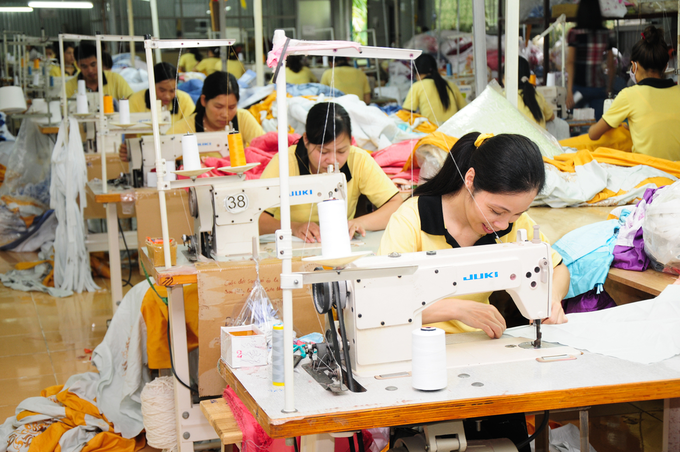
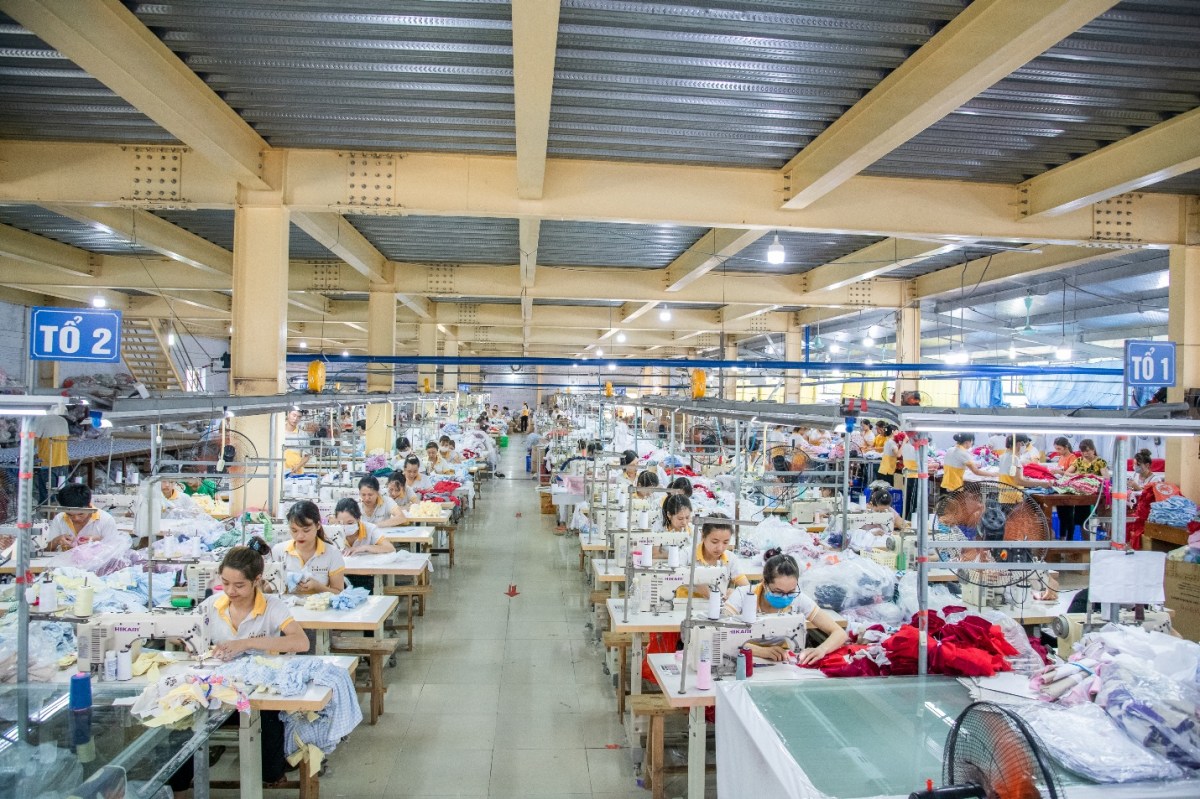
    With 2,120 employees in hand-embroidery and sewing techniques, as well as advanced machines and production lines, Babeeni meets an annual capacity of around 3 million pieces of all types of clothing for children, women, men and families.

    Target markets mainly include the United States and Europe, along with the Middle East and Asian countries like Japan, South Korea, and Thailand.

    Babeeni‘s clothing products feature an exquisite style with traditional hand-embroidery, hand-smocked patterns and appliqued motifs to meet customer needs. The garments are made of new and high-quality fabric guaranteed to be safe, with cotton certificated from an American origin.

    Besides, Babeeni is capable of meeting custom requests for different types of materials, designs or patterns.

    With the wish for long-term cooperation, Babeeni has product return policy that is ready to give feedback or solutions for merchandiser of the purchaser. Babeeni also provides 24/7 sales, design consulting and logistics services to serve orders with reasonable prices, satisfactory quality and on-time delivery.

    Until now, Babeeni has attracted thousands of customers, most of whom have cooperated with the manufacturer for many years. The company aims to expand into more international markets.

    Duong Thi Phuong Hien (Marry Le) – CEO and founder of Babeen, shared her business philosophy: “Business is not for profit but for promoting happiness and beauty. When you buy Babeeni’s products, you are getting the best from our heart and passion in fashion.”

    If you want to start up your own clothing boutique and have any idea on clothing designs, contact via phone +84-823 776 668 (Whatsapp).

  • Low-cost café franchising booms despite Covid

    Low-cost café franchising booms despite Covid

    Despite the Covid-19 pandemic, more and more low-price cafés are franchising and doing well. At 9.00 every day a Napoli café franchisee on Dong Nai Road, District 10, HCMC is crowded. Its owner, Hoang, says: “We directly serve hundreds of customers a day. The number of customers making orders via apps is double that.”

    A café franchised by Milano on Pham Van Chieu Road, Go Vap District, also gets hundreds of customers daily, one of its employees says.

    Many other similar outlets are also making good profits despite the pandemic, mainly selling through apps and e-commerce websites.

    Nguyen Duc Hung, the founder of Napoli Coffee, said that after starting in 2010 his company has so far franchised 3,000 outlets which fetch hundreds of billions of dong annually.

    “We franchise an average of two to three coffee shops a month. Some of our partners want to open more shops though they already own five”.

    Now there are thousands of Milano franchisees across the country. Trung Nguyen E-Coffee franchised coffee shops are present in 54 cities and provinces.

    The franchisors do not seek royalties for their trademarks or other such fees, and most of their profits come instead from the construction and decoration of coffee shops or sales of packaged coffee and beverages they produce

    Napoli offers three franchising packages costing VND70-350 million for cafes of 50-100 square meters in size. The packages include a five-year warranty, decoration, furniture, lighting, uniforms, and the coffee-making process, and exclude the costs of sanitary equipment and salaries.

    Trung Nguyen E-Coffee offers franchising packages worth VND65-175 million.

    Le Anh Tu, a lecturer at Van Lang University in HCMC, said the low-price café franchising model thrives despite Covid because franchisors support franchisees a lot, and products are sold at reasonable prices like VND12,000-30,000 for a cup of coffee.

  • Viettel to get new chairman

    Viettel to get new chairman

    Colonel Tao Duc Thang is set to take over as chairman and CEO of military-owned telecom giant Viettel from Le Dang Dung, who retires on December 31.

    Thang, 48, who has been the deputy CEO since 2015, has an M.A. in electronics and communications and worked for Hanoi Phone Company and Hanoi Post before joining Viettel in 2005.

    He has held several key positions since, including as CEO and chairman of Viettel Global, which manages the company’s overseas businesses.

    Viettel, the country’s largest telecom company with operations in nine countries in Southeast Asia and Africa, reported pre-tax profits of VND19.9 trillion ($867.2 million) for the first half of 2021, a year-on-year increase of 3.1 percent.

  • Viettel to get new chairman

    Viettel to get new chairman

    Colonel Tao Duc Thang is set to take over as chairman and CEO of military-owned telecom giant Viettel from Le Dang Dung, who retires on December 31.

    Thang, 48, who has been the deputy CEO since 2015, has an M.A. in electronics and communications and worked for Hanoi Phone Company and Hanoi Post before joining Viettel in 2005.

    He has held several key positions since, including as CEO and chairman of Viettel Global, which manages the company’s overseas businesses.

    Viettel, the country’s largest telecom company with operations in nine countries in Southeast Asia and Africa, reported pre-tax profits of VND19.9 trillion ($867.2 million) for the first half of 2021, a year-on-year increase of 3.1 percent.

  • Vietnam to launch commercial 5G service in 2022

    Vietnam to launch commercial 5G service in 2022

    Vietnam is set to commercially launch 5G mobile services next year as it seeks to increase the number of internet users by reducing the number of 2G smartphones to under 5 percent.

    The Ministry of Information and Communications reported at a meeting Wednesday that the service will be operated with made-in-Vietnam devices. The country aims to have 25 percent of the population using 5G by 2025, it said.

    The government had earlier announced its intention launch 5G commercially last year but the service is still on trial. Some radio frequencies have been dedicated and 5G services are being tested in 16 localities since last year.

    4G services currently cover 99.8 percent of the country.

    State-owned telecom giant Viettel said it has completed research and development work of 5G services. It also said it has successfully run a complete network of 5G services this month.

    The communications ministry has said wants more people to switch to 4G and 5G technology by the end of next year.

    It plans to have 5 percent or less of the population using 2G phones by the end of next year and to shut down 2G services by 2023.

    “This means that by 2023, 100 percent of Vietnamese will be ready to use internet,” the ministry said.

    As of last year, Vietnam had 24 million 2G subscribers.

  • Nike eyes recovery as Vietnam factories reopen

    Nike eyes recovery as Vietnam factories reopen

    Sportswear maker Nike is confident the resumption in production in Vietnam will boost the company’s future recovery.

    “Compared to ninety days ago, we are increasingly confident supply will normalize heading into fiscal 2023” as all factories in Vietnam were operational and production was at about 80 percent of what it was before the closures, finance chief Matthew Friend said.

    Social distancing in Vietnam, where more than half of Nike’s footwear and about a third of its apparel manufacturing occurs, in the July-September period caused the company to cancel production of roughly 130 million units.

    But as the government eased its social distancing regulations early October, its factories have reopened.

    The company forecasts growth to be in the lower single digits for the next quarter because of the continuing impact of lost production from pandemic-related disruptions in Vietnam where an average 18,000 new cases were recorded in the last seven days.

    Friend said Nike will continue to watch the Omicron variant to see what impacts it may bring to production.

    Demand for Nike’s goods continues to outpace supply. The previous quarter, Nike reported a 10-week delay in production because of a lockdown in Vietnam and said it expected flat revenue growth for the November quarter.

    Nike posted a revenue of $11.4 billion in the quarter ending Nov. 30, up 1 percent from the same period a year earlier. Analysts expected revenue of $11.2 billion.

  • Mobile wallet MoMo says valuation tops $2 bln after funding

    Mobile wallet MoMo says valuation tops $2 bln after funding

    Vietnam’s biggest e-wallet company, MoMo, said it had raised $200 million from four investors led by Mizuho Bank, pushing its valuation above $2 billion.

    The consortium of investors also comprised Ward Ferry Management and existing shareholders Goodwater Capital LLC and Kora Management, MoMo said in a statement Tuesday.

    The exact valuation of the company was not revealed but according to Nguyen Manh Tuong, co-founder of the Ho Chi Minh City-based startup: “We focus on performance not valuation, but we crossed $2 billion valuations after this round.”

    The company has previously said it intended to go public by 2025.

    Momo is Vietnam’s largest e-wallet by users and aims to double the number of users to 50 million in the next two years, the company said in January.

    Financial technology has gained more traction in the country of nearly 98 million people during the Covid-19 pandemic, with retailers going online and consumers seeking contactless payment options.

    The latest funding round would support the growth of MoMo as an all-in-one smartphone application or “super app” which offers multiple services, which have proved successful in countries like China and Indonesia.

  • Garment export won’t decline next year

    Garment export won’t decline next year

    Vietnam’s garment and textile exports next year is set to remain the same as this year even in the worst-case scenario where the Covid-19 pandemic prolongs, an association forecasts.

    Vietnam Textile and Apparel Association (VITAS) anticipates export would reach $39 billion next year, the same as this year, if pandemic impacts are major and linger until the end of the year.

    In the more optimistic scenarios that the pandemic is controlled by the second quarter, export could reach $41 billion, and by the first quarter, $43.5 billion, it stated.

    The association made its forecast as export this year expanded 12 percent from last year and 0.3 percent from 2019, indicating a recovery to pre-pandemic level.

    “This could be considered a great effort of Vietnam’s garment industry amid signs of slower global economic growth,” VITAS chairman Vu Duc Giang told a recent meeting.

    Truong Van Cam, deputy chairman of the association, said one positive sign is that major markets like the U.S., E.U. and Japan have reopened.

    Another supporting factor is that Vietnam has changed its Covid-19 fight policy from “zero Covid-19” to living with it, he added.

    In order to achieve the mentioned figures, vaccination is key, Cam said.

    Two doses of a Covid-19 vaccine should be the minimum requirement for staff to return to work, while third dose vaccinations for workers should begin, he urged.

    Fiscal and monetary policies should be more accessible and be effective for two or three years, he added.

    “Garment and textile needs an overall strategy so Vietnamese companies can export products under their own brands,” he said, adding that a plan should be made for development until 2030.

    Vu Thanh Tu Anh, dean of Fulbright School of Public Policy and Management in Ho Chi Minh City, said digital transformation has now become a must for sector survival as the Covid-19 pandemic has forced global corporations to increase the flexibility of their supply chains.

  • Vietravel sells majority stake in airline

    Vietravel sells majority stake in airline

    Tourism company Vietravel has sold a 55.58 percent stake in Vietravel Airlines to an unspecified investor as it seeks more funding amid Covid financial pressures.

    “Vietravel is no longer the parent company of Vietravel Airlines,” it stated recently.

    In a filing last month, Vietravel revealed it held a 99.5 percent stake in the carrier.

    Chairman of the leading tourism firm Nguyen Quoc Ky said in early May that selling a stake in Vietravel Airlines was part of a plan to restructure Vietravel into a holding company.

    He called for investors to fund the airline.

    As the airline only began to operate this year, it is still recording losses, which could affect Vietravel’s business figures, which are also low due to Covid-19, the company stated.

    Vietravel posted a loss of VND293.3 billion ($12.78 million) in the first half this year, tripling year-on-year.

    Its stock is limited to trading on Fridays due to its delay in publishing results.

  • Chuk Chuk speeds up expansion plans with Central Retail

    Chuk Chuk speeds up expansion plans with Central Retail

    Kido Group-owned gelato and tea chain, Chuk Chuk, has joined hands with Central Retail to roll out between 300 and 400 stores in Go! malls and Tops Market supermarkets in Vietnam, as well as eyeing international expansion.

    Chuk Chuk said it will open 10 stores across Central Retail’s shopping malls ahead of February. Under the partnership, the chain plans to expand its presence into Thailand and other Southeast Asian countries in the coming years.

    The brand currently operates 10 brick-and-mortar stores across Ho Chi Minh City, with 40 stores scheduled to launch this month. Kido Group is to increase its store number to 1000 in the country by 2025 while expanding into international markets, including Thailand, China, and South Korea.

    The partnership with Central Retail follows Chuk Chuk’s recent agreement with Son Kim Retail, under which its products will be sold across all GS25 locations in the country by the end of next year.

    Founded last June, amid the Delta lockdown, Chuk Chuk marks Kido Group’s foray into the retail industry, directly competing with major local F&B players such as Starbucks, Trung Nguyen Legend and Phuc Long. The brand name was inspired by Thailand’s famous vehicle Tuk Tuk.

  • Vietnam Airlines scores $1 bln discount on jet lease

    Vietnam Airlines scores $1 bln discount on jet lease

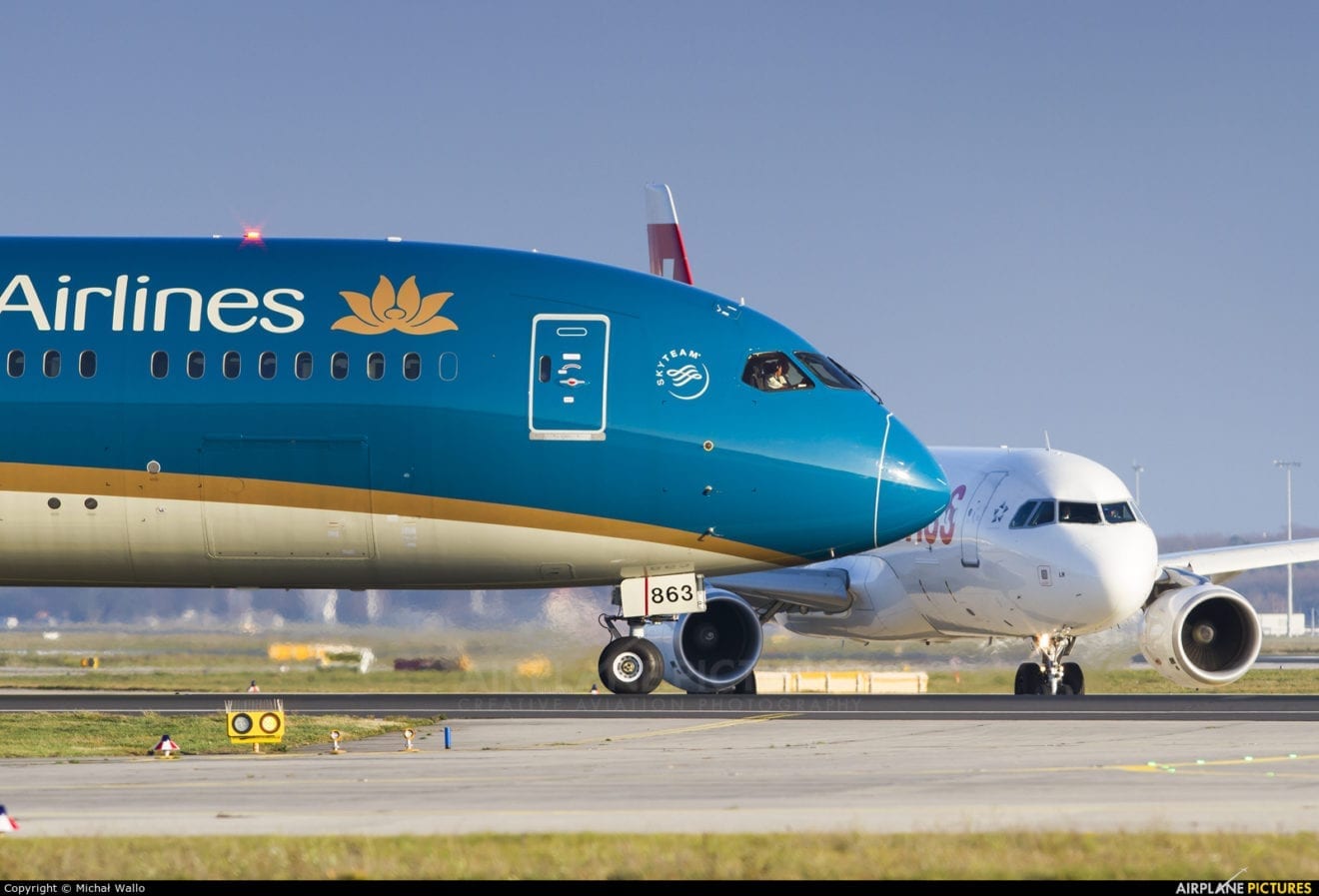
    Vietnam Airlines and Air Lease Corporation have agreed on a leasing discount exceeding $1 billion for 18 aircraft while the former face financial challenges amid the pandemic.

    U.S.-based ALC, one of the biggest aircraft leasers in the world with 450 jets, will reduce leasing charges by $420 million for the rest of the contract duration of existing jets while the remaining $600 million will be discounted on new leases.

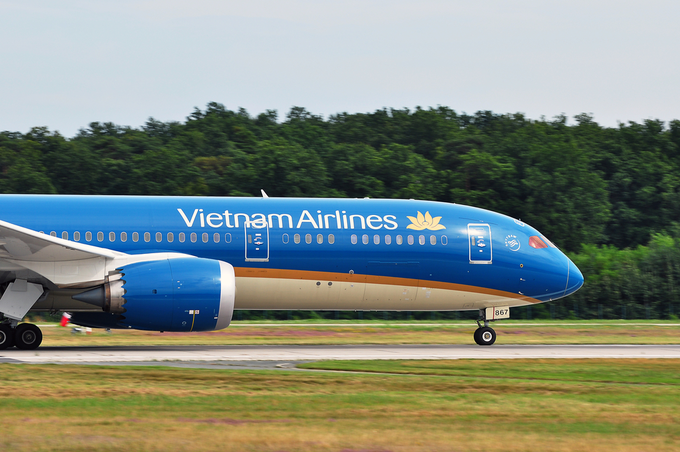
    Vietnam Airlines is leasing 16 jets from ALC, comprising 12 narrow-body A321 Neo and four wide-body Boeing B787-10.

    With the biggest fleet in Vietnam of over 100 jets, the national flag carrier is facing financial pressure in retaining its aircraft, with many routes suspended due to Covid-19.

    Restructuring its fleet and cutting costs are its main goals to overcome the Covid-19 crisis, the airline stated.

    CEO of the carrier Le Hong Ha said Tuesday the airline would have an oversupply of jets until 2025, and plans to sell 27 over the next two years.

  • Upsurge in Vietnam imports of Cambodian farm produce

    Upsurge in Vietnam imports of Cambodian farm produce

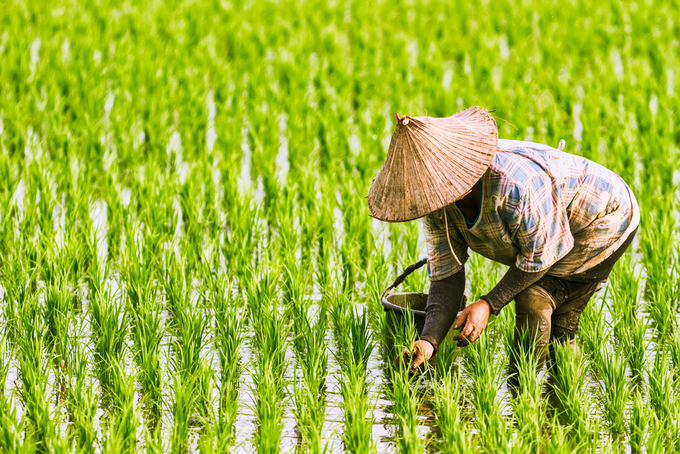
    The quantity of Cambodian rice, cashew nuts, maize, green beans, and soya beans imported by Vietnam in the first 11 months of this year rose 3-4 times year on year.

    Cambodia exported 912,000 tons of cashew nuts, over 134,000 tons of maize, some 26,000 tons of green beans, 66,200 tons of soya beans, and more than 26 million tons of pepper to Vietnam, according to the Vietnam Trade Office in Cambodia.

    It specified that the neighboring country exported 3.1 million tons of paddy rice to Vietnam in the 11-month period, an increase of more than over 75 percent year-on-year.

    Cambodia sold more than 622,000 tons of fresh manioc, or 70 percent of its total exported volume, to Vietnam between January and November.

    The trade office said that Cambodia exported a total of over 7.1 million tons of agricultural products to 68 markets, including Vietnam, in the first 11 months of this year, up 93.4 percent on-year.

    More Cambodian farm produce was being bought by Vietnam because of their price and quality advantages, Vietnamese agricultural scientist Vo Toan Xuan said, noting that Cambodia has a lot of fertile land and farmers do not use many chemical pesticides.

    Recently, several Vietnamese companies and residents have rented agriculture.

  • Trading value jumps to six-session high

    Trading value jumps to six-session high

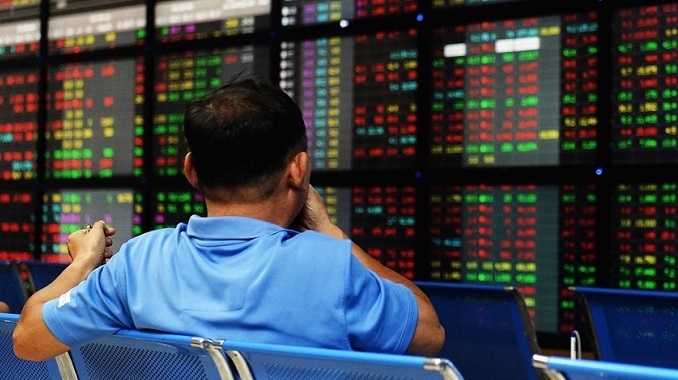
    Vietnam’s benchmark VN-Index fell 0.01 percent to 1,476.02 points Tuesday with trading value the highest in six sessions.

    The index closed 0.19 points lower after gaining nearly 13 points Tuesday.

    Trading value on the Ho Chi Minh Stock Exchange (HoSE), on which the index is based, rose 6.75 percent to VND27.65 trillion ($1.2 billion).

    The VN30 basket, comprising the 30 largest capped stocks, saw 19 tickers in the red, with PDR of Phat Dat Real Estate Development losing 5.9 percent to a near three-week low.

    The ticker has gone sideways for over two months.

    PNJ of Phu Nhuan Jewelry lost 2.3 percent, having fallen nearly 13 percent since its peak in mid-November.

    KDH of real estate firm Khang Dien House fell 2.2 percent, and STB of Ho Chi Minh City-based lender Sacombank, 1.9 percent.

    Nine blue chip tickers closed in the green, with HPG of steelmaker Hoa Phat Group and POW of electricity producer Petrovietnam Power Corporation gaining 2.5 percent each.

    Foreign investors were net sellers for the third straight session to the tune of VND879 billion, the highest in nine sessions.

    They focused on selling HPG of steelmaker Hoa Phat Group and VPB of private lender VPBank.

    The HNX-Index for stocks on the Hanoi Stock Exchange, home to mid and small caps, fell 0.63 percent while the UPCoM-Index for the Unlisted Public Companies Market dropped 0.19 percent.

  • Vietnam Airlines to sell 27 planes

    Vietnam Airlines to sell 27 planes

    Vietnam Airlines plans to sell 15 planes this month and 12 others in the next two years, its CEO said.

    “Vietnam Airlines plans to sell nine A321s and six ATR-72s in December. From 2022 to late 2023, an additional 12 A321s will be sold,” CEO Le Hong Ha told the extraordinary general meeting of shareholders Tuesday.

    The plan is aimed at reducing the number of aircraft Vietnam currently owns and accelerating its fleet modernization, replacing planes aged over 12 years, he explained, predicting that there would still be an aircraft surplus by 2025.

    Vietnam Airlines is estimated to have an excess of eight wide-body planes and 22 narrow-body equivalents next year. It currently has 106 aircraft, including 29 wide-body planes, and seven ATR-72s. It has sold two A321s in the last five months.

    With the civil aviation industry hard hit by Covid-19, Vietnam Airlines has removed seats from eight wide-body passenger planes and seven A321s to use as cargo- aircraft.

    The national flag carrier recorded a net loss of over VND3.5 trillion ($154.3 million) in the third quarter, a decrease compared to the first two quarters.

    As of September, the airlines’ total assets were valued at more than VND67 trillion, up more than VND4.5 trillion over the beginning of the year.

    Vietnam’s domestic aviation market in 2022 will be 70-75 percent of that in 2019, before the pandemic’s onset, and fully recover in 2023, he predicted.

  • 4,000 container trucks stranded at China border by stringent inspections

    4,000 container trucks stranded at China border by stringent inspections

    Vietnam’s agriculture exports are taking a hit as China maintains a very strict inspections regime at northern border gates as a Covid-19 prevention measure.

    As of Friday, as many as 4,000 container trucks were stranded at the border gates in Lang Son Province, said Le Thanh Hoa, deputy head of the Department of Processing and Trade for Agro-Forestry-Fisheries products under the agriculture ministry.

    At the three border gates of Huu Nghi, Tan Thanh and Chi Ma, the current customs clearance speed has fallen by more than half to about 220 container trucks per day, Hoa said at a conference on agriculture trade held Saturday in Hanoi.

    For each truck carrying dragon fruit, jackfruit, and other fruits stuck at the Tan Thanh gate, it was taking 10-14 days on average to get customs clearance.

    At the Mong Cai border gate in Quang Ninh Province, just one truck gets cleared every week, Hoa said.

    The management board of the Mong Cai gate said Saturday morning that as many 800 trucks of frozen seafood and 300 trucks of fruits were stranded there.

    Hoa recommended that businesses carefully check agricultural products exported via border gates because China has been strengthening its Covid-19 disease control regime, resulting in careful, stringent inspections of products entering its territory.

    To cope with this situation, exporters have to carefully prepare the packaging of their goods so that they can get through the customs easily and at fast pace, he said.

    On the other hand, to avoid congestion and save costs, businesses need to arrange a reasonable clearance time and not send many trucks to the border gates at the same time, he added.

    After the fourth Covid-19 wave hit Vietnam in late April, China has been increasing inspections and disinfection of goods and means of transport and drivers from the country.

    They are also tightening the management and traceability of goods, which has contributed to lengthening the customs clearance procedure.

    In September, China had temporarily ceased the import of dragon fruit from Vietnam after detecting the novel coronavirus on its packaging. It had also reported a similar detection on Vietnamese mangosteen in early August.

    Hu Suo Jin, Economic and Commercial Counselor of the Chinese Embassy in Vietnam, said the pandemic in Vietnam was developing quite complicatedly and exporters need to disinfect the means of transport and drivers also need to increase adoption of preventive measures to avoid leaving the virus on goods.

    In addition, if possible, Vietnamese goods should be labeled with a negative test certificate on their packaging, he said.

    China is one of Vietnam’s top trading partners. The import-export turnover of agro-forestry-fishery products between the two countries had grown strongly from $8 billion in 2015 to $11 billion last year.

    China was Vietnam’s second-largest export market for agricultural, forestry and fishery products behind the U.S., posting an export turnover of $8.4 billion in the first 11 months of the year, accounting for 19.2 percent of Vietnam’s total agricultural exports.