Tag: Vietnam

  • Manufacturing, IT firms rush to recruit workers

    Manufacturing, IT firms rush to recruit workers

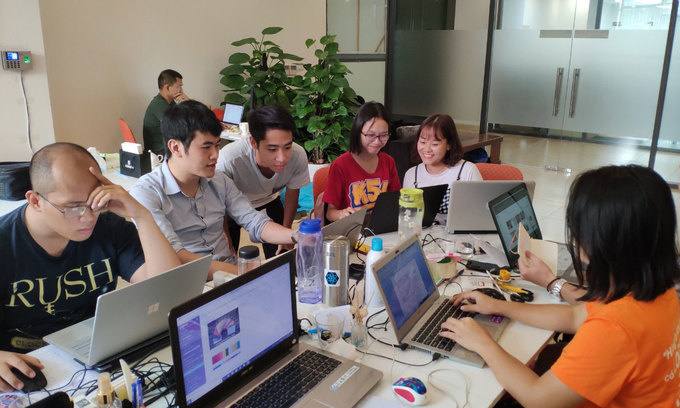
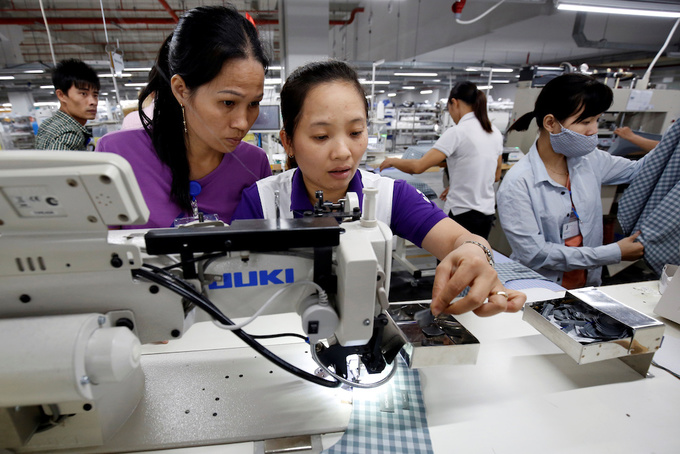
    Manufacturing and tech companies are rushing to recruit workers as foreign companies show rising interest in setting up or expanding their factories in Vietnam.

    Electronics manufacturer Jabil Vietnam is recruiting 500 workers in Ho chi Minh City, with a bonus of VND3.3 million ($145.62) promised to each new employee.

    Other companies in Saigon Hi-Tech Park Training Center, including drugs company Sanofi, along with electronics manufacturers Platel Vina and Intel are also looking for technicians.

    HCMC companies need around 30,000 new workers before the annual Tet holiday, which falls in the first week of February this year, according to the city’s Department of Labor, Invalids and Social Affairs.

    After Tet, they need up to 75,000 more, it said, adding that information technology, electric and electronics are the main sectors recruiting.

    A recent report by recruitment company Navigos shows that in the north, many new electronics manufacturing projects from China are looking to recruit staff.

    But these factories have difficulties in finding the right people as they are located far away from big cities and there are few fluent Chinese-speaking workers.

    Navigos says there is large competition for workers in the IT industry, especially in artificial intelligence, Big Data and blockchain, due to the shortage of talents.

    Since the last quarter financial companies are also looking for IT personnel, which shows the sector could post higher demand for these workers this year, the report said.

    Global IT companies are investing in Vietnam by establishing representative offices or research and development centers in Hanoi, HCMC and Da Nang City, it added.

    In manufacturing, multinationals are looking for senior Vietnamese leaders to hold key positions like director of the Asia Pacific region or Southeast Asia, Navigos stated.

    “This shows Vietnamese capabilities have risen to secure key regional positions.”

  • Vietnam steps up dragon fruit exports to Australia

    Vietnam steps up dragon fruit exports to Australia

    Large volumes of dragon fruit are being exported to Australia though it is currently the harvest season there for the fruit.

    Twenty-eight tons were shipped to Western Australia and South Australia last week by 4 Ways Fresh and Australia Flower, according to the Vietnam Trade Office in Australia.

    Australia Flower is set to export another 14 tons this week.

    Several retailers like Dai Phat and MCQ are selling the fruit at the equivalent of VND200,000 ($8.84) per kilogram.

    The exporters said they are targeting young consumers in Australia. The Vietnam Trade Office is offering promotions to retail buyers that include air tickets, toys and other gifts.

    Last year Vietnamese dragon fruit exports to Australia grew by 14 percent despite the Covid-19 pandemic.

    Vietnamese farmers grow nearly 1.4 million tons of the fruit every year, and most of it ends up exported to China.

    However, industry insiders said China has been increasing its area under the fruit in the last three years and would become self-sufficient in another five years, meaning Vietnamese exporters need to look for other markets.

  • Tobacco giant pursues green growth

    Tobacco giant pursues green growth

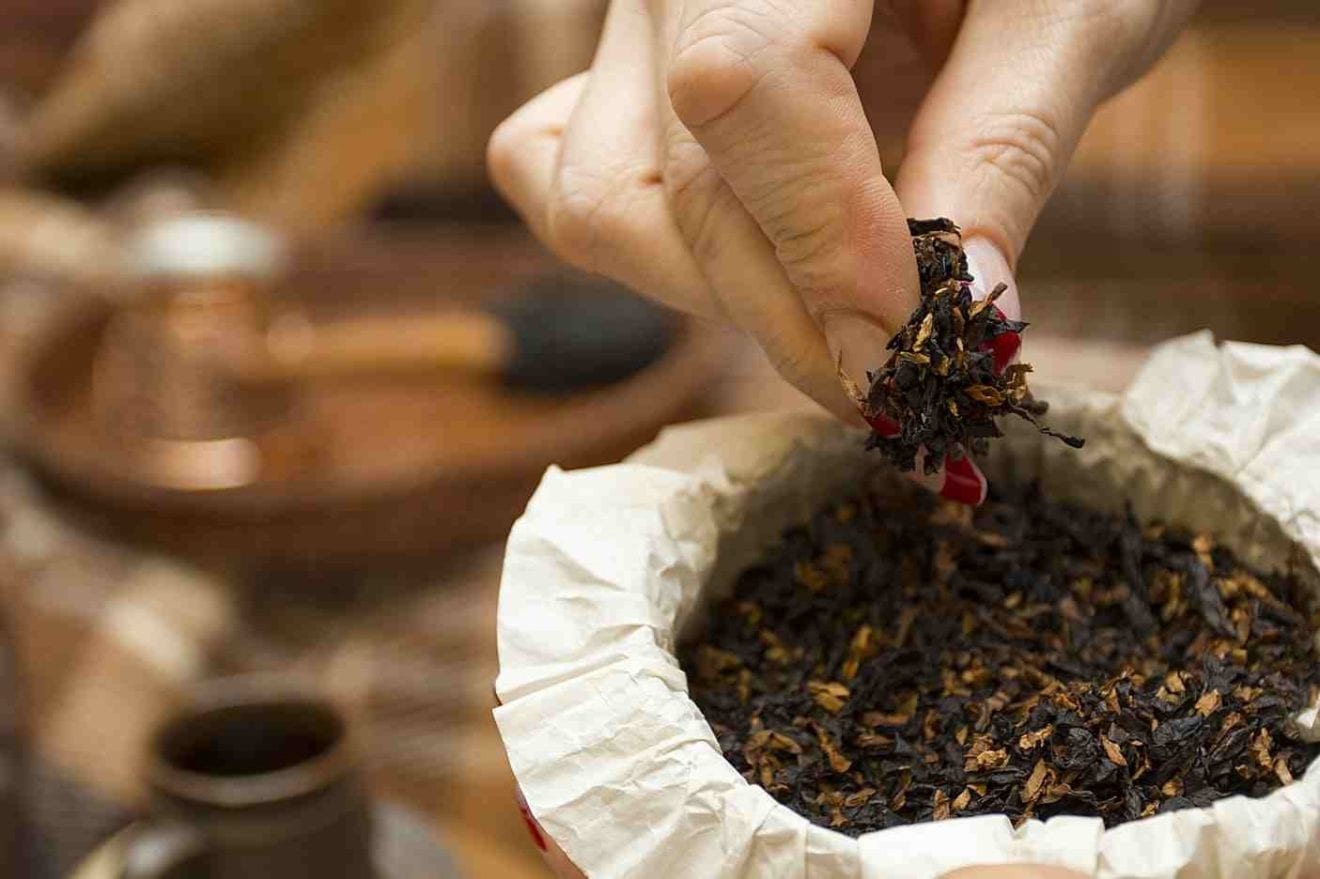
    The circular economy model helps production and business activities develop sustainably and creates added value ​​in the community, said a representative of British American Tobacco (BAT).

    Vietnam has been integrating more and more deeply into the global economy through free trade agreements that include provisions on sustainable development and oblige all parties to comply with emissions standards.

    These constraints are also consistent with the contents mentioned in the United Nations 17 Sustainable Development Goals for the period 2015-2030 that Vietnam and its businesses are pursuing.

    These include eradicating hunger, ensuring food security and improving nutrition, developing sustainable agriculture, ensuring sustainable production and consumption patterns, and promoting long-term, inclusive and sustainable economic growth as well as productive and good work for all.

    Currently, 90 percent of tobacco plantations in Gia Lai is invested in by businesses following the cooperation model with the participation of enterprises, farmers, authorities and scientists. Vietnam Tobacco Corporation (Vinataba) is working with joint venture partners like British American Tobacco (BAT) to support farmers through seed investment (creation of new varieties with high yields), investment in fertilizers, agricultural mechanization (from gardening to irrigation), and organizing technical training for farmers to show them how to tend to their crops for the best quality and highest productivity.

    Besides, the Vinataba-BAT joint venture is interested in conserving biodiversity, saving irrigation water, protecting forests, and committing to not using natural forest firewood, while improving soil fertility, managing energy, and reducing water pollution in their plantations.

    After more than 15 years of developing tobacco plantations in Vietnam, BAT has helped to provide incomes 30 percent higher than the investment norm, and now over 90 percent of farmers are attached to the industry since its inception.

    In 2020, after 10 years of implementation, the use of BAT’s new hybrid varieties reached 54 percent. Meanwhile, the implementation of mechanization had helped save more than 20 percent of costs and labor for farmers.

    Pham Hung Anh Tuan, head of operations, BAT East Asia, said the application of circular economy principles needs to be adapted across the entire value chain, thereby providing opportunities for innovations and reducing overall environmental impact.

    “Effective application of sustainability has helped BAT on a global scale to be continuously recognized on Dow Jones Sustainability Index and continuously recognized as a Diversity Leader by Financial Times,” said Tuan.

    In addition to these efforts to develop sustainable growing areas, the BAT-Vinataba tobacco joint venture factory in Bien Hoa (Dong Nai) has implemented a range of initiatives focused on sustainable production and consumption, such as reducing water use (2 percent per year) and collecting rainwater to use instead of source water, production wastewater being reused instead of being discharged into the environment.

    Along with meeting the environmental A standard, the wastewater system at the BAT-Vinataba factory has been used for deodorizing and other water-saving activities. Kitchen waste, leaves, tobacco dust, sewage sludge, etc. are collected and transferred to the fertilizer production company.

    Up to now, BAT’s factories in Vietnam have completely switched to using biomass in the combustion boilers, contributing to increasing the rate of renewable energy use in Vietnam by the end of the third quarter of 2021 by 26 percent, doubling the plan set out for the year.

    A total 100 percent of lighting systems in factories have switched to LEDs, saving more than 40 percent of lighting energy compared to using conventional light bulbs.

    Thanks to the activities, 2021 was the third year that BAT was honored on the list of the 100 Most Sustainable Companies (CSI) in Vietnam organized by VCCI-VBCSD.

    Towards 2025, BAT in Vietnam will continue to make efforts to achieve its sustainable development goals. BAT aims to eliminate all unnecessary single-use plastics in packaging, achieving an average recycling rate of 30 percent for all plastic packaging. All plastic packaging products will be recyclable, reused, or biodegradable so they are environmentally friendly. A total 100 percent of BAT plants, including in Vietnam, will have zero landfill waste and 95 percent of waste will be recycled.

    As a member of the CSI organizing committee, Nguyen Quang Vinh, general secretary of Vietnam Chamber of Commerce and Industry, shared more about the Sustainable Business Index, developed by the VCCI and leading domestic and international experts to provide the community with an effective management tool and a measure to evaluate the level of sustainable development regarding aspects of the economy, society and environmental protection of enterprises.

    “We acknowledge BAT’s contributions to the sustainable development of Vietnam over the years in terms of environment, society and corporate governance,” said Vinh.

  • Vietnam to begin 6G technology research and development

    Vietnam to begin 6G technology research and development

    Vietnam will start researching 6G wireless networks in 2022, says Information and Communications Minister Nguyen Manh Hung. Addressing a 2021 telecom review conference last weekend, Hung said Vietnam’s telecom industry should “be in the top group in terms of deploying 5G and developing 6G networks in the world.”

    He said Vietnam will carry out 6G research this year alongside nationwide deployment of the 5G network. According to the ministry Department of Telecommunications, a steering committee for 6G research development has been formed. Vietnam is one of the world’s first ten countries to set up this committee.

    Hung also set a target of 6G frequencies being licensed by 2028 before moving on to its commercial rollout.

    “Telecom networks must quickly transition to cloud-based and software-based architectures, so that the network becomes intelligent and flexible, and can be software-configured into numerous specialized sub-networks. Open RAN will be used as a technology for 5G, 6G development,” he said.

    Vietnamese companies should target to successfully research and manufacture 5G and 6G equipment, transmission equipment, and terminal equipment, he added.

    A representative of the department said that Vietnam will commercialize 5G this year and aim to have 25 percent of the population using the technology by 2025. He said 4G services currently cover 99.8 percent of the country.

    Three major telecom providers VNPT, MobiFone, and Viettel have been commercially trialing 5G services in 16 provinces and cities.

    6G technology is the next step after 5G that is being researched in a few countries including the U.S. and China.

    In theory, 6G could reach speeds of one terabit per second, it has been reported.

    The 6G network is expected to lay the groundwork for an “intelligent era” in which AI and robots become commonplace. However, no technical standards or frequencies for 6G have been agreed upon as yet.

  • Vietnam grocery platform Mio secures US$8 million in Series A funds

    Vietnam grocery platform Mio secures US$8 million in Series A funds

    Mio, a Vietnam-based social commerce startup, has raised US$8 million in a series A funding round led by Jungle Ventures. Patamar Capital, angel investor Oliver Jung, and existing investors such as Golden Gate Ventures, Venturra Discovery, Hustle Fund, iSeed SEA, and DoorDash executive Gokul Rajaram also participated in the round.

    The investment boosts Mio’s total funding raised to US$9.1 million.

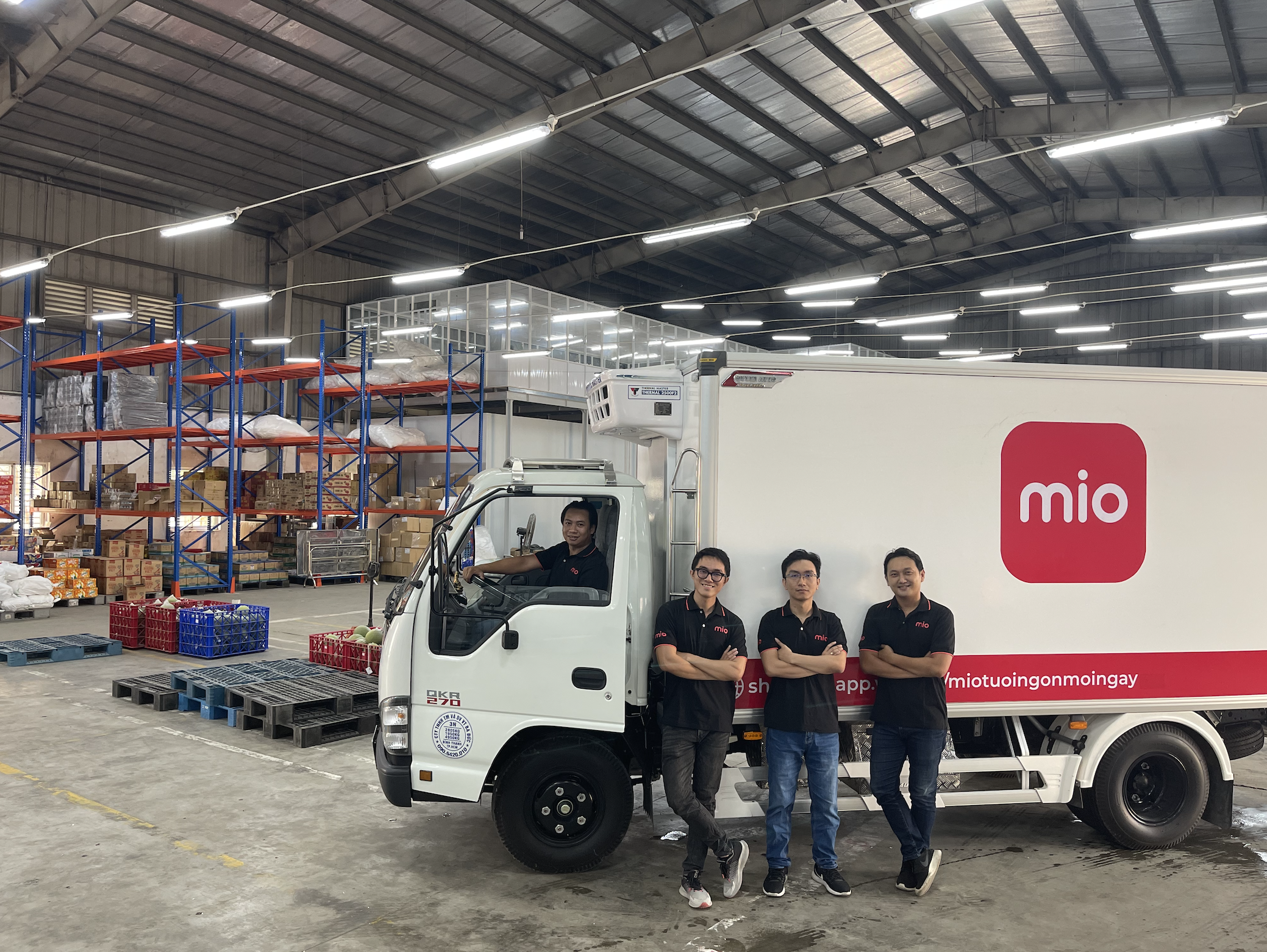
    Founded in June 2020, Mio uses a network of resellers to sell fresh produce such as fruit, vegetables, and meat. The company was set up by former IDG Ventures associate Trung Huynh, Scommerce co-founder An Pham, ex-DigiPay executive Tu Le, and former Uber Vietnam operations lead Long Pham.

    Around a year after its inception, when the company raised a US$1 million seed round, it had 150 active resellers. Today, that number has grown by 10x to 1,500. Mio’s gross merchandise value (GMV) has also increased by more than 50x in the last 12 months.

    Huynh credits the company’s growth to its referral programs, which offer a fee to resellers who can onboard other people to the platform. Existing resellers also get additional bonuses if the individual they refer performs well. In a statement, Mio said that each reseller can earn up to US$400 from these referral bonuses as well as from the 10% commission they get for every order they facilitate.

    “We spend very little in marketing. We don’t use digital marketing or billboards – we focus on the referral,” Huynh told Tech in Asia.

    Mio has around 240 employees, an increase of 5x since May last year. Around 50% of its headcount consists of its operational taskforce who work in the company’s warehouses and fulfillment centers.

    Mio plans to use the fresh funding to put up more fulfillment centers and tap into new cities in Vietnam. It currently covers Ho Chi Minh and its satellite cities, such as Binh Duong, Dong Nai, and Long An, which are located in the southern region of the country. This year, it plans to enter the northern region, where the country’s capital city of Hanoi is located.

    “Hanoi has similarities with Ho Chi Minh, and it also has several satellite cities. We aim to be present in 10 cities by the end of 2022,” Huynh noted.

    The company also wants to improve its logistics and supply chain, which Huynh said is important for Mio in the long run. That’s why the company prefers to control fulfillment centers and the delivery process itself. Today, its delivery courier can handle almost 80% of the company’s total transactions.

    “During the time when the order is spiked, or there is a special event, we cooperate with third-party logistics,” Huynh said.

    The company currently sells more than 10,000 products every day, and it targets to fulfill 100,000 orders per day by the end of 2022.

    Huynh revealed that he sees interest from businesses in the hotel, restaurant, and cafe sector that want to source fresh produce from his company in bulk due to the attractive prices. With the pressure to increase GMVs after raising a significant amount of funding, Huynh finds the offers tempting.

    However, he consistently rejects such requests to keep the company focused on using its reseller network and reaching customers nationwide.

    Mio has expanded its offerings to FMCG products due to requests from its customers. However, these offerings only occupy around 10% of Mio’s total stock keeping units. Huynh explained that while FMCG products are easier for fulfillment – as they typically have a longer shelf life than other categories – they bring lower margins.

    “Majority of our GMV still comes from fresh produce, so it will still be our focus,” Huynh added.

  • Value-added tax to be cut to 8 pct from February

    Value-added tax to be cut to 8 pct from February

    A draft government decree reduces value-added tax on many products and services from the current 10 percent to 8 percent from Feb. 1.

    The decree on tax reduction to foster economic recovery approved by the National Assembly will also make expenses on pandemic prevention deductible.

    The VAT cut will lead to a loss of some VND49.4 trillion (over $2.1 billion) in revenues, according to the Ministry of Finance.

    The deductible expenses will lead to a loss of VND2 trillion.

    The lower VAT rate will not apply to telecommunications, information technology, financial activities, banking, securities, insurance, real estate, metal, and prefabricated metal products, mining (excluding coal), coke, refined petroleum, chemicals, and chemical products, and goods and services subject to excise tax.

  • Vietnam leads region in power production

    Vietnam leads region in power production

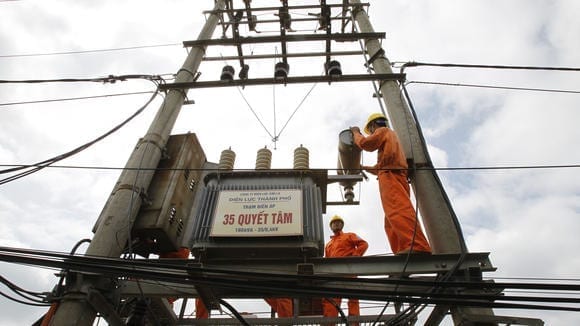
    After adding 3,420 megawatts of power capacity last year, Vietnam now leads Southeast Asia with 76,620 MW.

    It represented a 9.8 percent increase in capacity, CEO of national utility Vietnam Electricity (EVN), Tran Dinh Nhan, said at a forum Friday.

    He however expressed concern that 27 percent of it is from renewable sources and this high ratio is causing difficulties in managing distribution.

    There were times last year when 60 percent of power generation were from renewable energy, but due to plunging demand because social distancing curbs to contain Covid-19, this led to an oversupply of power, he said.

    But EVN has forecast that in June, when temperatures peak, the north could see power shortages while the central and the southern regions might have oversupply.

    It expects power consumption to rise by 7.6 percent this year to 242.4 billion kilowatt-hours.

  • Auto sales down 3 pct in 2021

    Auto sales in Vietnam last year dropped 3 percent from 2020 to 383,444 units as the fourth Covid-19 wave forced dealers to shut down.

    The sales figure is a combination of data from the Vietnam Automobile Manufacturers Association (VAMA), TC Motor, and VinFast.

    VAMA, which includes Truong Hai Auto Corporation (Thaco), Toyota, and Honda, saw 277,203 units sold, down 2 percent from the previous year.

    TC Motor, which distributes Hyundai cars, saw sales declining 13.3 percent to 70,518 units.

    VinFast posted a growth of 21.2 percent to 35,723 units.

    In the third quarter last year, most auto units in the south were shut down as the Delta variant spread.

    But a 50 percent reduction in the registration fee, which came into effect in December and will last until the end of May this year, pushed up sales.

    VAMA members sold 43,526 units in December alone, the highest last year. December was the fourth month in a row that auto sales rose.

    Most media representatives of auto brands in Vietnam expect a recovery in sales this year as the Covid-19 pandemic seems to be under control.

  • Vietnam set to become Asia startup hub

    Vietnam set to become Asia startup hub

    Vietnam could be Asia’s next startup hub after local companies saw a funding surge over 40 times in the last five years, a venture capitalist said.

    Venture funding for startups in Vietnam reached $2.1 billion last year, up from just $48 million in 2017, Binh Tran, co-founder of Ascend Vietnam Ventures said.

    The sector is now attracting top-tier Silicon Valley venture capitalists, including Goodwater Capital LLC, Accel Partners LP and Altos Ventures Management Inc, he added.

    “Vietnam saw a tremendous amount of maturity and growth early on, which will help it become a very important hub for the region,” he said.

    The country is forecast to have the second-largest digital economy in Southeast Asia by 2030, according to a report by Google, Temasek Holdings Pte and Bain & Co.

  • Vietnam cut excise duty on battery electric car

    Vietnam cut excise duty on battery electric car

    The National Assembly Tuesday voted to cut excise on battery-run electric cars to 3 percent for a period of five years.

    With effect from March 1, the tax on various types of battery electric vehicles (BEVs) will be reduced by 3-12 percentage points from current levels and be valid until Feb. 28, 2027.

    In 2027, they will revert to current levels of 5-15 percent.

    The National Assembly’s Standing Committee said the introduction of incentives to attract investors earlier than other Southeast Asian countries would create great opportunities for Vietnamese companies to produce BEVs for both domestic and foreign markets.

    A number of companies are preparing to begin the production of BEVs.

    “Electric cars are both environment-friendly and suitable for practical use,” Vu Hong Thanh, chairman of the House Economic Committee, said.

    Automaker VinFast has tied up with a Chinese company to research and manufacture electric car batteries as part of its vision to become a global brand.

  • Vietnam operating costs among Asia’s lowest

    Vietnam operating costs among Asia’s lowest

    Vietnam has the second-lowest operating costs among nine countries in Asia and is assessed to have high logistics development potential, a report says.

    The monthly minimum operating cost for a manufacturing company in Vietnam is $79,280, compared to leader Singapore at $366,561 and second-placed Thailand at $142,344, according to a report by Singapore-based business transformation consultancy TMX.

    The report says the minimum operating cost in Vietnam is only higher than Cambodia’s at $65,313. The report calculated the average costs of doing business in nine popular potential manufacturing locations in Asia: Cambodia, India, Indonesia, Malaysia, Myanmar, the Philippines, Singapore, Thailand, and Vietnam.

    Vietnam, along with several other countries like Thailand and the Philippines, offers a sizable and relatively affordable pool of labor.

    While Vietnam offers abundant employment opportunities, it has fewer highly skilled talent in many sectors with talent competitiveness of around 35 points, compared to the 40 points for the Philippines and Thailand.

    Warehouse rentals in Vietnam is the same as others at eight other countries, the report said.

    The report also said that Vietnam was the only country in the “high potential” group in terms of logistics costs.

    In the overall country competitiveness scorecard, it ranks fifth behind Singapore, Malaysia, India, and Thailand.

    “Vietnam has a better score in a business environment. However, with a lower talent score, it indicates challenges for companies looking to find ready talent. Such businesses may consider investing in training and development,” the report said.

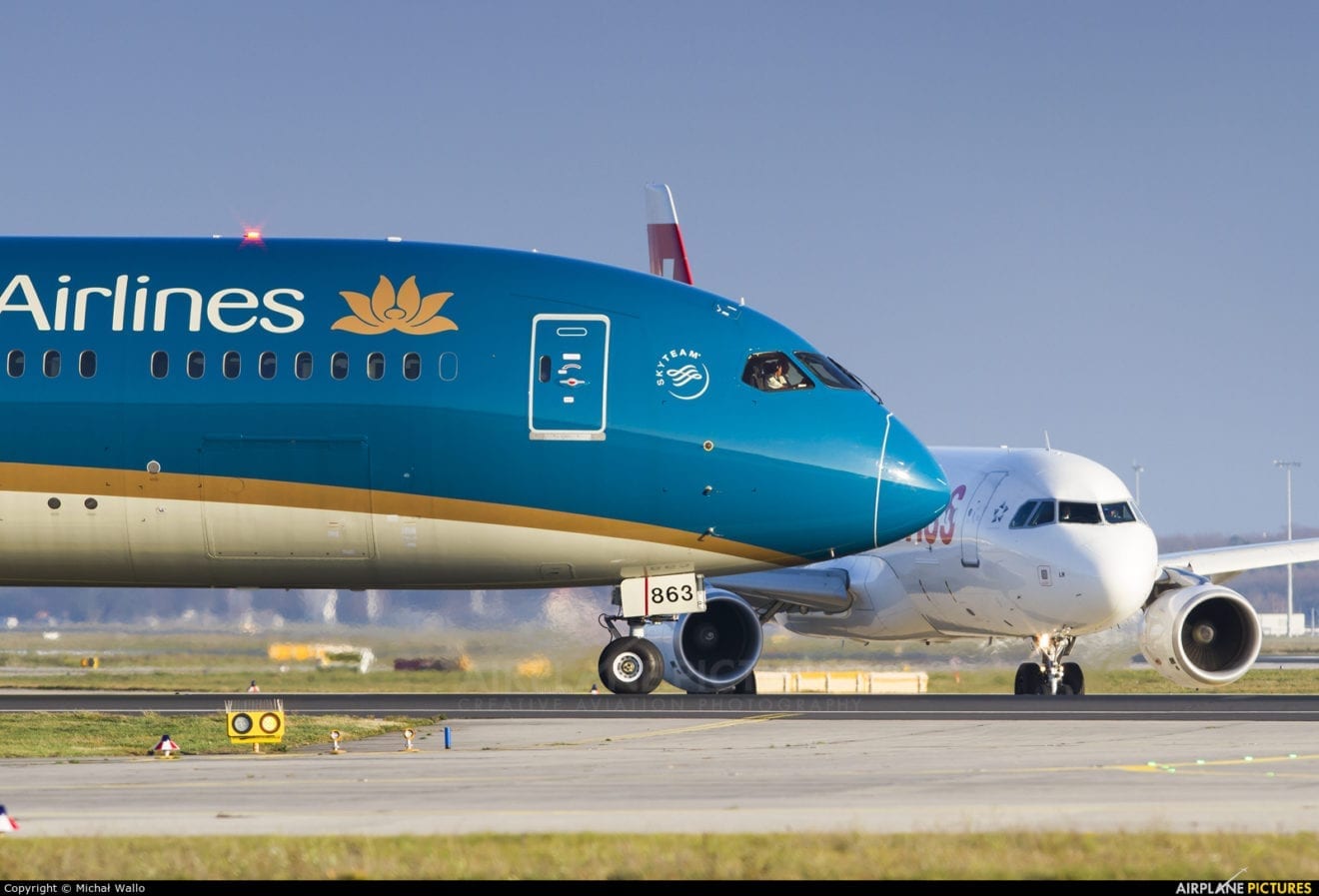
  • Transport ministry wants several airports to be privatized

    Transport ministry wants several airports to be privatized

    The Ministry of Transport wants private investors to build and operate proposed airports such as Sa Pa in the north and Quang Tri in the central region.

    It wants two others built under public-private partnerships in Lai Chau and Cao Bang in the north.

    It also said local authorities should take over the management of runways in 13 airports.

    Four central airports that have military components, Tho Xuan in Thanh Hoa Province, Chu Lai in Quang Nam Province, Phu Cat in Binh Dinh Province, and Tuy Hoa in Phu Yen Province, can also involve private investors if the Ministry of Defense transfers runway management to local authorities.

    Many companies have expressed interest in building and upgrading airports.

    Vietjet has been eyeing Chu Lai in central Quang Nam Province, Cat Bi Airport in Hai Phong City, Tuy Hoa, and Dien Bien in the namesake northwestern province.

    IPP Group wants to invest in Phu Quoc and Tuy Hoa, Vingroup in Chu Lai and FLC in Dong Hoi Airport.

    Vietnam began building and upgrading airports before the Covid pandemic hit since tourism was growing rapidly.

    By 2025, the government plans to have the first phase of Long Thanh International Airport operational with a capacity of 25 million passengers a year.

    Tan Son Nhat in HCMC and Noi Bai in Hanoi are set to be expanded to handle 50 million and 60 million passengers by 2030.

    The country needs VND403.1 trillion ($17.75 billion) to build and expand airports by 2030.

  • Vietnam buys 80 pct of Cambodia’s agriculture exports

    Vietnam buys 80 pct of Cambodia’s agriculture exports

    Vietnam bought nearly 80 percent of Cambodia’s nearly $5 billion worth of agriculture exports last year. It bought 96-99 percent of Cambodia’s cashew, pepper and mung bean exports, according to a report by Cambodia’s Ministry of Agriculture, Forestry and Fisheries.

    Exports of Cambodia cashew to Vietnam grew 4.6 times from 2020, and that of pepper and mung bean surged four times. Other produce that Vietnam bought in large amounts from its neighbor were rice, grapefruit, bananas, and mangoes. Cambodian Agriculture Minister Veng Sakhom told Vietnam’s President Nguyen Xuan Phuc during the latter’s recent visit that Vietnam was Cambodia’s biggest importer among 70 countries and territories last year.

    Vietnamese companies had also harvested $200 million worth of latex in the first 11 months last year, he added.

    “Rubber farming has created jobs for around 33,000 locals. Vietnamese companies also contributed to over 50 percent of Cambodia’s banana exports, creating jobs for around 14,000 workers.”

    Insiders say the surge in Cambodia’s exports of agricultural produce to Vietnam came as many Vietnamese companies have invested in Cambodian farming.

    Agriculture expert Vo Tong Xuan ascribed the trend to Vietnamese businesses and individuals taking advantage of Cambodia’s affordable land fund as well as lower labor costs.

    “The yield is then exported back to Vietnam.”

    In the first 11 months last year, trade value between Vietnam and Cambodia rose 84 percent year-on-year to $8.6 billion, according to Vietnam Customs. Cambodia’s exports to Vietnam rose 337 percent in the period.

  • Vietnam car maker VinFast to build US battery factory as it goes all-electric

    Vietnam car maker VinFast to build US battery factory as it goes all-electric

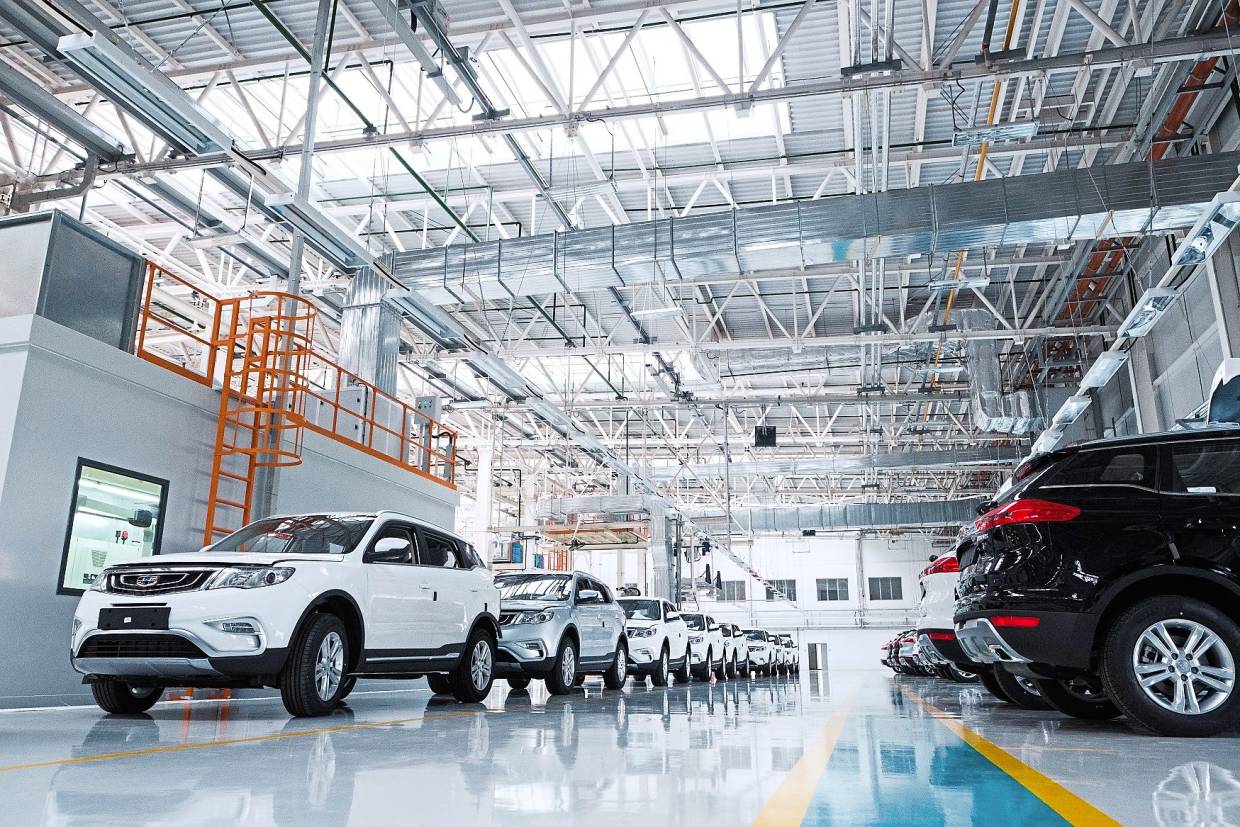
    Vietnam’s VinFast plans to build electric vehicle battery cells and packs in a new U.S. manufacturing complex, its global chief executive told Reuters, as the company pledged to transform itself into an all-electric automaker by the end of this year.

    VinFast, part of Vingroup JSC, the largest conglomerate in the country, became the country’s first full-fledged domestic car maker when gasoline-powered models built under its own badge hit the streets in 2019.

    The company, which began selling electric vehicles (EVs) in Vietnam at the end of 2021, said in a statement on Thursday it planned to become what it said would be the first car company to cease making gasoline-powered cars and transition to all-electric vehicle production from late 2022.

    VinFast is betting big on the U.S. market, where it hopes its electric SUVs and a battery leasing model will be enough to tempt consumers away from the likes of Tesla and General Motors.

    “We will build our gigafactory in the U.S. as well,” Le Thi Thu Thuy, Vingroup vice chair and VinFast Global CEO said, referring to the new battery facility in an interview during her U.S. visit to attend the Consumer Electronics Show in Las Vegas.

    The company will continue to source batteries from its suppliers, she added. Thuy said VinFast will initially assemble battery packs with cells sourced from its supplier at its U.S. complex before starting its own production there.

    “We have narrowed down from I think, over 50 sites to about three sites,” she said.

    She will visit some sites during her trip before making a decision this year, adding that the “mega site” would also include an electric bus factory.

    In December, Vingroup said it had started building a battery cell plant in Vietnam. The company is looking to initially produce 100,000 battery packs per year, with $174 million in investment, and then upgrade capacity to one million.

    VinFast previously said it had plans to start producing electric cars in the U.S. in the late 2024. The company said that on Thursday it was seeking to establish an EV plant in Germany.

    “The era of shipping cars around the world is over, especially since Covid-19. You must have the factory close to the market in order to win over your customers,” VinFast said in a statement.

    VinFast said prices for its VF8 sport utility vehicle (SUV) started from $41,000 in the United States, and that it would apply blockchain technology to record orders and confirm ownership. By comparison, a Tesla SUV sells for around $50,000. Vingroup said it was targeting global electric vehicle sales of 42,000 in 2022. Shares of Vingroup rose as much as 5.8 percent on Thursday after it revealed VinFast’s EVs line-up and the plans to go all-el

  • 300,000 tonnes of dragon fruit have no buyers

    300,000 tonnes of dragon fruit have no buyers

    Around 300,000 tonnes of dragon fruit will soon be ripe for harvest but without buyers, as China clamps down on border trade, industry insiders said. With the northern provinces of Quang Ninh and Lang Son having both restricted trade at the border with China due to containers pilling up, many Chinese buyers have stopped purchasing Vietnamese dragon fruit, Phan Van Tan, deputy director of Binh Thuan’s Department of Agriculture and Rural Development, told a forum Thursday.

    Dragon fruit prices have dropped in the last few weeks as China tightened its Covid-19 measures that caused thousands of container trucks to get stuck at the border.

    Some exporters said they have tried to transport goods via sea but this is not a sustainable solution as shipping fees have surged three times from before.

    China has been the biggest buyer of Vietnamese agricultural produce and dragon fruit for years. Dragon fruit exports to China exceed that of 50 other markets, said Nguyen Khac Huy, CEO of Hoang Phat Fruit in Long An Province.

    China’s proximity to Vietnam explains why exporters prefer to send their fruit there over other destinations like Europe, which could take up to 42 days. Vietnam produces around 1.4 million tonnes of dragon fruit every year. Eighty percent comes from the three provinces of Binh Thuan, Long An, and Tien Giang.

    Deputy Minister of Industry and Trade Tran Thanh Nam suggested supermarkets nationwide buy the fruit to support farmers.

    The ministry will also hold a forum with trade offices in Europe to diversify output, he added.