Tag: Vietnam

  • Thousands strike work after Nike supplier cuts Tet bonus

    Thousands strike work after Nike supplier cuts Tet bonus

    Thousands of workers of Taiwanese-invested footwear maker Pouchen Vietnam, a Nike contract manufacturer, struck work Friday, demanding the same Tet bonus as last year.

    They refused to return to work after finishing their lunch to protest the company’s policy to pay less bonus than last year for the coming Tet (Lunar New Year) festival. Tet, the most important Vietnamese festival, falls in early February this year. The workers stood on national road 1K in front of their factory’s entrance, causing traffic congestion for hours. The strike affected others and all 14,000 workers of the factory in Bien Hoa Town, southern Dong Nai Province, stopped working.

    A mobile police team was dispatched to maintain order in the area. A female worker said that the company had announced Thursday that employees who have worked for it a full year or more will be given Tet bonuses of 1-1.54 months’ salary – around VND5 million ($217) to nearly VND20 million.

    The highest bonus in 2021 was 1.87 months’ salary, and in previous years, 2.2 months. “With this (coefficient), workers’ Tet bonus in 2022 will be lower than before,” she added.

    A Pouchen representative said that in 2021, the company had faced difficulties in production and business. When the fourth wave of Covid-19 broke out, the factory had to stop working from July 12 to Sept. 30, 2021. On Oct. 5, 2021, it resumed production, but at 60 percent capacity.

    Due to the failure to fulfill the production plan, profits fell, so the Tet bonus, the biggest and most anticipated reward for workers, could not be the same as the previous year. The rep also said that under the collective labor agreement, the company would pay Tet bonus to employees based on its business performance.

    Nguyen Thi Nhu Y, head of the Dong Nai Provincial Labor Confederation, said the union was coordinating with authorities to resolve the situation. She noted that Pouchen’s Tet bonus was higher than the local industry average.Nguyen Huu Nguyen, Chairman of the People’s Committee of Bien Hoa, said relevant agencies are trying to negotiate with the board of directors of Pouchen to increase the Tet bonus. “However, employees need to share the company’s difficulties, because Covid-19 has caused businesses to suspend operations for months,” he said.

    Pouchen Vietnam, part of Taiwan’s Pouchen Group, has one more factory in Dong Nai and six others in HCMC and the three southern provinces of Tien Giang, Tay Ninh and Ba Ria – Vung Tau for a total of 130,000 employees. The group is expected to spend more than VND1.2 trillion on Tet bonuses this year.

  • $4 Starbucks coffee has become a daily staple

    $4 Starbucks coffee has become a daily staple

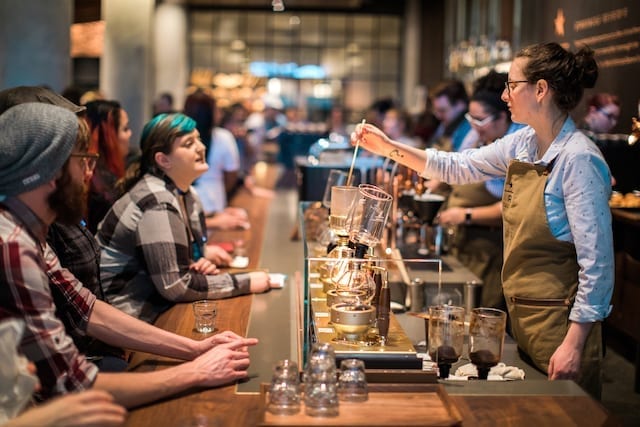
    While the franchise’s 2021 financial results took a hit because of the Covid-19 pandemic, a tangible gain has been the Starbucks VND90,000 ($4)coffee becoming a daily staple in Vietnam.

    Starbucks Vietnam general manager Patricia Marques said that despite the impacts of the nine-week social distancing orders in 2021, the global coffee brand has built up a regular customer base for its coffee worth VND90,000-100,000.

    She said it has also established more outlets away from the downtown in new urban areas, buildings, and local communities. While people used to prefer living close to the center of a locality, they are willing to live a little further away these days, she said.

    Starbucks Vietnam closed three outlets but opened nine new ones in 2021. Between December 2021 and January 2022, it opened another six: three in Hanoi; two in HCMC; and one in the southern province of Binh Duong.

    In Vietnam, Starbucks currently has 77 outlets whose takeaway sales have grown amid Covid-19 outbreaks.

    Marques said she expected instability to continue in Vietnam’s food and beverage market this year, but takeaway revenue, non-cash payment, and e-commerce would continue to grow.

    While there is still a lot of vacant space, it will not be easy for food and beverage businesses to find satisfactory locations at a reasonable price, she said. Citing data from a partner, she said the rent of commercial premises in Vietnam increased by 3 percent, while it decreased 10 percent in Singapore, Hong Kong, Thailand, Cambodia, and Laos.

    According to the brands’ official websites, chains with the highest number of outlets in Vietnam are the domestic brands Highlands (462 stores), The Coffee House (146), and Trung Nguyen (89).

    U.S.-based Starbucks made consolidated revenues of $29.1 billion in the fiscal year 2021 (ending in the third quarter of 2021), up 24 percent against over 2020.

    In the fiscal year 2022, the brand expects global earnings of $32.5-33 billion, beating Wall Street’s estimate of $32.07 billion, and plans to open about 2,000 new outlets globally, three-quarters of them outside the U.S. According to data recorded by Statista, as of November 2021, Starbucks had 33,833 outlets worldwide.

  • Gojek drives car service into Hanoi

    Gojek drives car service into Hanoi

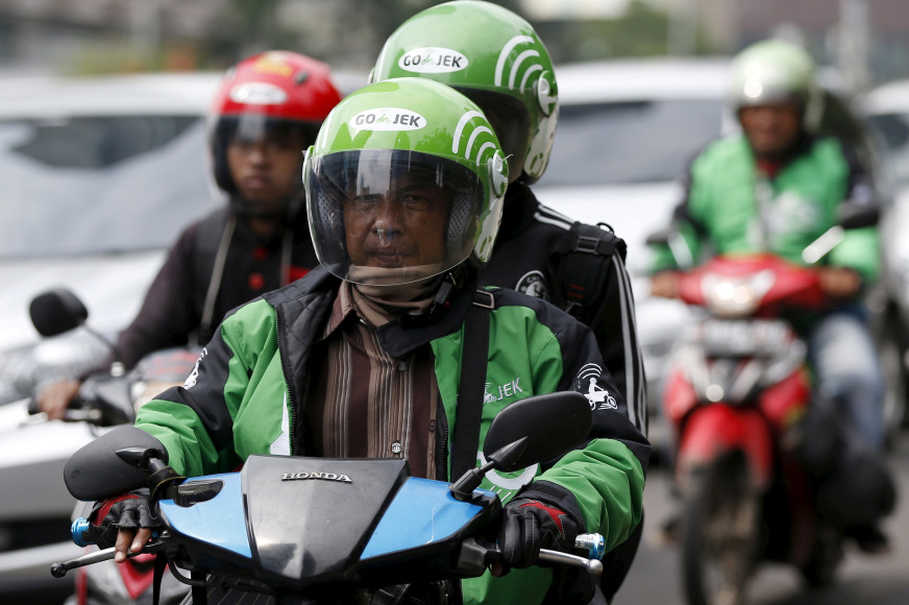
    Ride-haling platform Gojek has launched its GoCar Protect service in Hanoi a month after introducing it in HCMC.

    The Indonesia-headquartered company guarantees that all its drivers have got two doses of Covid-19 vaccines and all cars are equipped with an air purifier and a transparent protective shield to separate drivers and passengers.

    Drivers must take a selfie to prove they have a mask on at the start of the day.

    Gojek Vietnam general manager Duc Phung called the launch in HCMC a success after seeing a “multifold increase” in the number of bookings.

    “The risk of infection continues to be our users’ top concern when considering mobility options,” and that this is why the company continues to adopt stringent safety practices, he said.

    The launch adds a third car ride-hailing option in Hanoi after GrabCar and beCar.

    Gojek, which entered Vietnam in 2018, introduced its car services much later than its competitors, who have been at it for years.

    Ride-hailing and food delivery revenues rose by 35 percent in 2021 to $2.4 billion, according to a report by Google, Temasek and Bain & Company.

  • Food establishments learn to be agile amid pandemic

    Food establishments learn to be agile amid pandemic

    Hit hard by the Covid-19 pandemic, the food and beverage industry has nevertheless learned valuable lessons in flexibility and labor retention.

    Accommodation and food establishments saw revenues decline by 19 percent in 2021 to VND398 trillion ($17.3 billion), according to data from the General Statistics Office.

    The southern province of Ba Ria – Vung Tau reported the steepest decline of over 50 percent, followed by HCMC at more than 46 percent. In Binh Duong and Dong Nai provinces and Hai Phong, Hanoi, and Da Nang cities, the decline was 14-23 percent.

    According to the ranking company Vietnam Report, over 90 percent of businesses in the F&B industry was seriously affected by the pandemic in 2021, especially in terms of logistics, distribution, and labor safety.

    Some 35 percent also faced challenges related to rentals and labor availability.

    A spokesperson for the Dau Homemade restaurant chain said a widespread difficulty the industry faced amid the pandemic was a labor shortage. To retain workers, his chain arranged working shifts more appropriately and did not cut salaries, he said.

    During nearly half a year of stay-at-work, Dau Homemade and Gong Cha milk tea chains covered their workers’ basic daily expenses and regular Covid testing fees.

    A spokesperson for Dai Moc Food, which supplies food to factories and hospitals, said besides taking care of employees, it is also necessary to take care of their loved ones so that they are at ease while working.

    Dai Moc provided fresh food to employees’ families, visited them, and paid salaries in advance if workers asked for them, he said.

    Dau Homemade switched from the restaurant business to foodstuff production and vegetable sales.

    Besides ensuring product quality, Gong Cha has focused on training employees how to deal with Covid-related situations such

  • Vietnam retail sales down in 2021

    Vietnam retail sales down in 2021

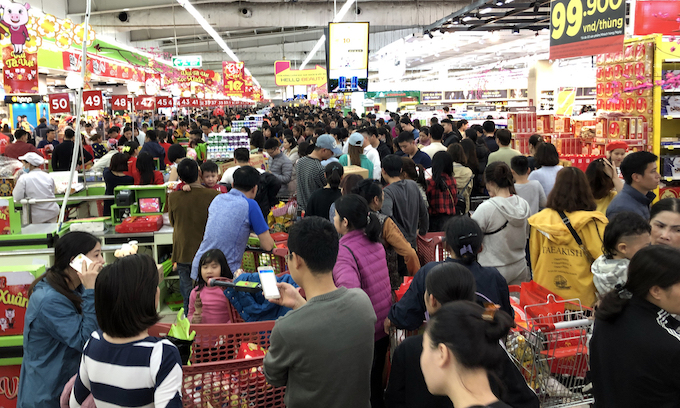
    Data of the General Statistics Office (GSO) of Vietnam showed that the country’s total retail sales of consumer goods and services from January to October reached VND3,720 trillion (US$162.4 billion), down 8.6% compared with the same period last year.

    Food and foodstuffs were the only sector whose retail sales rose, with a year-on-year increase of 4.4%.

    All other sectors suffered a decline in retail sales. Retail sales of vehicles; tools, equipment, home appliances, educational and cultural products; and clothes edged down 6.7%, 11.1% and 11.7% year-on-year, respectively.

    HCMC, which always leads the country in retail sales, saw a year-on-year decline of 26.2% from January to October 2021. Retail sales of other big cities and provinces such as Can Tho, Hanoi and Khanh Hoa fell 4.8%, 4.4% and 18.6% against the same period last year, respectively.

    Some localities enjoyed a slight increase in retail sales, including Danang (up 0.9% year-on-year), Dong Nai (up 3.7%), Binh Duong (up 6.4%) and Haiphong (up 8.7%).

    Accommodation and catering services were the hardest hit sectors. From January to October, accommodation and catering revenues plunged 38.8% year-on-year in HCMC, 35.9% in Nghe An, 25% in Binh Duong, 22.8% in Dong Nai, 19.5% in Hanoi, 17.3% in Danang, 12.7% in Quang Ninh, 11.1% in Can Tho and 6.4% in Haiphong.

    Travel revenues also dropped sharply in January-October, down 67.5% year-on-year in Thua Thien-Hue, 58% in HCMC, 53.4% in Danang, 49.9% in Haiphong, 45.7% in Hanoi, 41.5% in Quang Binh, 34.2% in Ba Ria-Vung Tau and 30.6% in Quang Ninh.

    Travel restrictions aimed at slowing the spread of Covid-19 and lost incomes have negatively affected the retail market.

    According to the General Statistics Office, the retail market always posted double-digit growth from 2016 to 2020.

    The country’s retail sales were US$118 billion in 2016 (up 10.2% year-on-year), US$129.56 billion in 2017 (up 10.9%), US$142.8 billion in 2018 (up 12.4%), and US$161.7 billion in 2019 (up 12.7%).

    In 2020, despite the negative impact of the Covid-19 pandemic, total retail sales of consumer goods and services amounted to US$172 billion, up over US$11 billion from 2019.

    As the Covid-19 pandemic has been brought under control, many services have been allowed to reopen since early last month. The country’s total retail sales of consumer goods and services in October rose 18.1% month-on-month.

    The General Statistics Office expected the resumption of economic activity and increasing demand in the year-end season would help the retail sector recover strongly.

  • Vietnam stock market 7th biggest gainer globally

    Vietnam stock market 7th biggest gainer globally

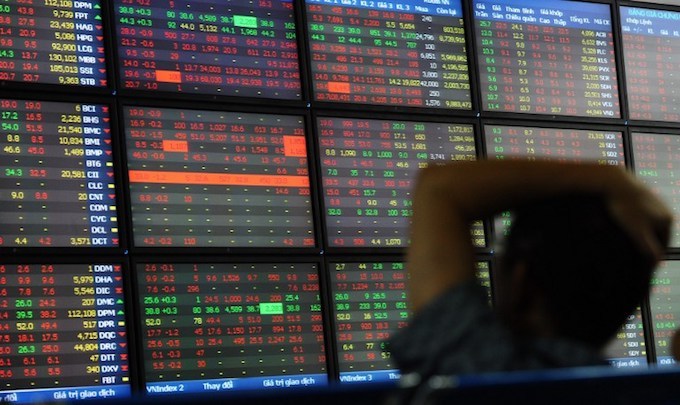
    Vietnam’s stock market was the seventh biggest gainer last year at 35.7 percent, outperforming regional peers, as new retail investors rushed to a new asset for profit.

    With the benchmark VN-Index rising 394 points to close the year at 1,498 points, Vietnam listed among the top 10 gaining stock markets in the world with Abu Dhabi, Argentina, and Iceland in the top 3.

    In Asia, Vietnam outperformed major markets like Taiwan (24 percent), Thailand (14 percent), and Indonesia (10 percent).

    Some markets like Malaysia and Hong Kong posted a decline.

    2021 was the third year in a row the VN-Index went up. Growth was 7.6 percent and 14.7 percent in the previous years.

    Growth exceeded forecasts of several brokerages at around 1,300 or 1,400 points.

    Several analysts said with a price-to-earnings ratio of 17.47, the Vietnam market is still “cheaper” than others in the region.

    The main bourse, Ho Chi Minh Stock Exchange (HoSE), closed the year with a market cap of VND5,830 trillion ($256.21 billion).

    Brokerage VNDirect has forecast the VN-Index could reach 1,700 points this year.

  • Aeon eyes 100 grocery stores in Vietnam

    Aeon eyes 100 grocery stores in Vietnam

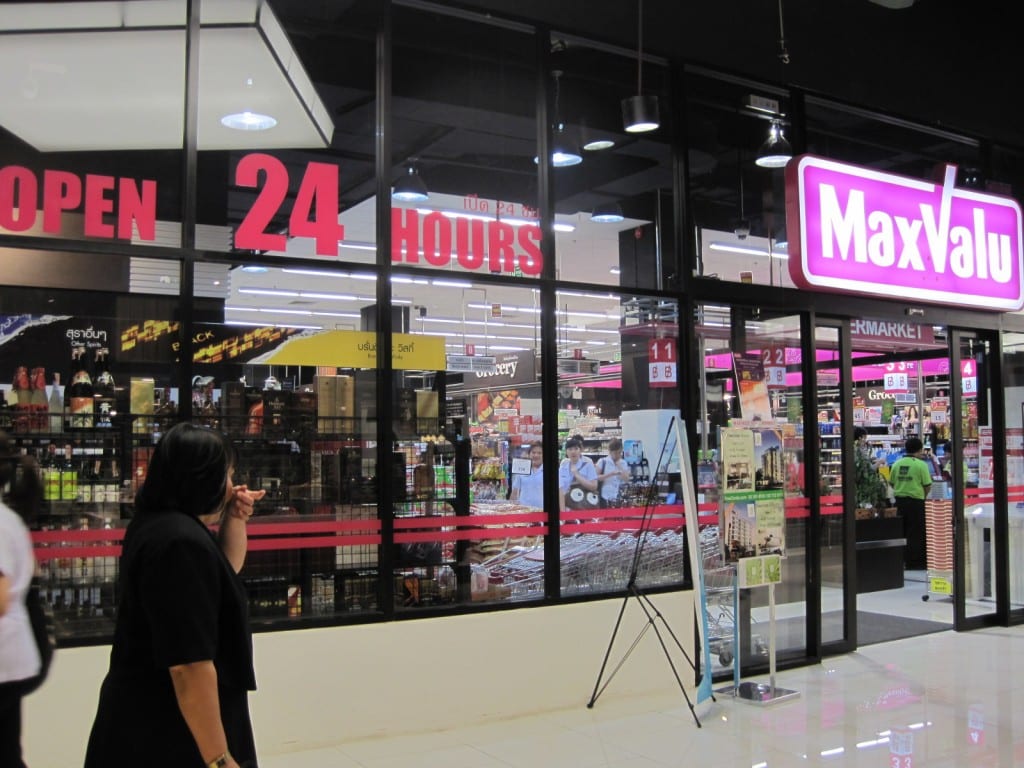
    Aeon has unveiled plans to expand its network of MaxValu compact supermarket stores in Vietnam, eyeing about 100 new locations across the country by 2025.

    According to Nikkei Asia, the expansion will include a larger store format with floor space spanning 500sqm or more. MaxValu currently operates four Vietnam stores, all in Hanoi. In addition, Aeon Group’s subsidiary, Aeon Mall, aims to expand its network of malls in Vietnam from six to 16 by 2025.

    Despite the challenges of the Delta-variant wave hitting the country, the group sees significant opportunity in the Southeast Asian market, where customers are gradually shifting from shopping at local markets to supermarkets due to hygiene concerns.

    “Next year, Aeon Vietnam will focus on opening more business locations with diverse retail models including shopping malls, department stores, supermarkets, convenience stores and specialized stores,” Furusawa Yasuyki, general director of Aeon Vietnam, told local press.

    The expansion plan also helps Aeon further strengthen its position in the market, where retail giants such as locally-owned Masan Group and Thailand’s Central Group are ramping up the competition.

    Last week, Masan Group unveiled an expansion plan for its mini-mall chain WinMart+, which will integrate a to-go cafe and mini bank offices including ATMs and customer-service reps. The group is set to have 20,000 franchised stores together with an addition of 10,000 outlets owned by the group by 2025. WinMart+ is expected to expand the multi-utilities concept in the future.

  • Vietnam trade ministry asks China to reopen border gates

    Vietnam trade ministry asks China to reopen border gates

    Vietnam’s Ministry of Industry and Trade has requested China’s Guangxi region to reopen its border gates with Vietnam and extend customs clearance hours to resolve the container congestion.

    Guangxi’s “zero Covid” measures, including shutting the border and suspending the imports of certain fruits, were unnecessary, senior trade ministry officials told Guangxi trade officials Friday. The policy has disrupted the supply chain and caused negative impacts on bilateral trade development, resulting in big losses for businesses and people of both countries, the Vietnamese officials said.

    The ministry proposed that Guangxi recruits more drivers and workers on its side to deal with the staff shortage. It also suggested that fully vaccinated Vietnamese be sent across the border to work. It wants Guangxi to facilitate shipment via trains and ships; as also resume importing Vietnamese dragon fruits.

    Guangxi trade officials said that they would increase the duration of customs clearance based on the agreement between the local authorities of the border gates. They will forward other proposals to higher authorities, Guangxi officials said. Thousands of container trucks have been stuck at the border for over a month after China tightened its Covid-19 preventive measures.

    On Friday 2,945 container trucks were stuck at the border in Vietnam’s Lang Son Province, down 191 from a day earlier.

    Many trucks have had to turn around and distribute their products locally for a loss as the fruits were beginning to rot.

    Of the three major borders gates in Lang Son, two are operating with limited capacity while one is still shut.

    Lang Son authorities estimate that it would take more than a month to resolve the container jam at the current speed.

    Minister of Industry and Trade Nguyen Hong Dien has sent four letters to China’s Ministry of Commerce, China Customs and secretaries of the two localities – GuangXi and Yunnan – requesting the agencies’ intervention in resolving the issues.

  • Amid pandemic, e-commerce reigns supreme

    Amid pandemic, e-commerce reigns supreme

    With Covid-19 forcing people to stay at home and spend time online, e-commerce has been thriving.

    When Tet, the Lunar New Year, was a month and a half away e-commerce platforms had already achieved a strong increase in revenues during their December-12 promotion program. Lazada said sales doubled from the same period in 2020, while the number of sellers was up by 2.5 times. Shopee also reported a strong rise in sales during the event, with most of the orders being for skincare products and house decorative items.

    But Dec. 12 was not the only occasion when e-commerce sites recorded such strong sales: In 2021 they also had major promotions for Oct. 10, Nov. 11, Black Friday, and Cyber Friday.

    Tiki saw sales soar nine times from normal days on Nov. 11.

    According to the ‘e-Conomy Southeast Asia’ report released last November by Google, Temasek and Bain & Co., Vietnam’s Internet economy is expected to grow by 31 percent to $21 billion in 2022.

    Tran Tuan Anh, executive director of Shopee Vietnam, said, “the digital transformation process has been shortened thanks to the pandemic.”

    The report said eight million new digital consumers had been added between the start of the pandemic and the first half of this year, 55 percent of them living in non-metropolitan areas.

    “Stickiness of adoption remains high as digital consumption has become a way of life,” it said, pointing out that 97 percent of new consumers are still using online services and 99 percent said they intend to continue using them in future.

    Some 30 percent of digital sellers believe they cannot make it through the pandemic without digital platforms.

    Lazada Vietnam CEO James Dong said at an event held recently that the pandemic has stimulated millions of new customers to experience online shopping for the first time.

    “E-commerce has really transformed from a side channel to a core part of the growth strategy of brands and sellers”.

    Because of the pandemic, e-commerce sites started to sell food and groceries during the social distancing period.

    According to a study by Malaysia’s iPrice Group last September, online groceries are the only category to achieve steady and consistent growth since the beginning of the pandemic.

    Google searches related to online grocery stores increased by 223 percent in the second quarter of 2021 and 11 times in July compared to May, when stringent social distancing restrictions were in place in some provinces and cities.

    What next?

    iPrice points out three trends in its forecast for Vietnam’s e-commerce market this year.

    The first is the personalization of the shopper experience, with consumers needing e-commerce businesses to help them find the products they need, offer coupons and streamline the supply chain to shorten delivery times and ensure product quality.

    The ‘Personalization Pulse Check’ report in 2018 by Accenture Interactive, an Irish multinational professional services company, had found that 91 percent of consumers were more likely to shop with brands that recognize, remember and provide them with relevant offers and recommendations.

    The second trend is the rise of cashless payments.

    For the first time in 2021 cash payments saw the risk of being dethroned as the most common method of payment in Vietnam after decreasing to only 42 percent of payments from 60 percent in 2020, the ‘Southeast Asia, the Home for Digital Transformation’ report by Facebook and U.S. consulting firm Bain & Company said in November.

    The final trend is that of environment-friendly consumption.

    Consumers have become aware that the products they use not only need to be of good quality but also safe for health and do not leave negative impacts on the environment.

    The report by Facebook and Bain said environmental, social and governance (ESG) factors now count as among the top reasons for consumers to switch brands in Southeast Asia.

    “People are willing to pay more for a product that is sustainably and responsibly sourced, although some product categories are more sensitive to ESG factors than others,” it said.

    According to iPrice, it is hard to predict if sustainability and eco-friendliness will become the main trend in 2022, but it certainly has importance in e-commerce in the future.

  • Vietnam set for robust rebound in 2022

    Vietnam set for robust rebound in 2022

    Organizations have pegged Vietnam’s GDP growth at 6.5-7.5 percent in 2022, citing solid recovery potentials in manufacturing and domestic demand.

    The World Bank has forecasted Vietnam’s growth at 6.5-7 percent from 2022 onward as it expects a sustained global recovery will ensure strong demand for Vietnamese products in its main export markets of the U.S, the E.U. and China.

    “The rebound will also be supported by the vaccination of at least 70 percent of the adult population by mid-2022, preventing severe new outbreaks,” it said in a report.

    Vietnam has achieved this vaccination target by the end of 2021 and is focused on giving the booster shot to deal with the new Omicron variant.

    The World Bank also announced this week it would finance a $221.5 million loan to support Vietnam’s recovery from the pandemic, with a focus on several policy reforms, including easing tax burden on businesses and improving access to financial assistance among vulnerable groups.

    The Asian Development Bank (ADB) pegs Vietnam’s growth at 6.5 percent in 2022, driven by expanding vaccination coverage and other factors, while brokerage VNDirect has an even more optimistic growth forecast at 7.5 percent.

    The brokerage sees growth-driven manufacturing and exports regaining momentum, strong foreign direct investment, and increased domestic demand triggered by stimulus packages.

    One of the key supporting factors for growth is that the country will likely achieve its target to fully vaccinate 70 percent of the population this year, it said.

    Services are likely to recover with the resumption of tourism and entertainment in the second quarter if the Covid-19 situation remains under control.

    Revenue from retail and services therefore could grow 10-12 percent in 2022.

    Several companies are drawing up roadmaps to boost recovery.

    The Thanh Cong Textile Garment Company plans to increase its number of employees by 20 percent as it has secured several major orders that will ensure jobs for the first half of the year.

    “In addition to the main export markets like Asia and America, we plan to expand to more European and African countries this year,” said deputy general director Tran Nhu Tung.

    Phan Phuc Son, deputy director of the Saigon – Ha Long Hotel Tourism Jsc in the northern province of Quang Ninh, is hopeful that the tourism industry will rebound this year.

    “Quang Ninh Province is expected to welcome the first international tourist group in January 2022, giving us more of recovery.”

    The hotel is working with state agencies as well as businesses in the Quang Ninh Tourism Association to establish a “green corridor” for package tours, meeting the needs of international guests coming to Vietnam.

    Targets achievable

    2021 was another challenging year for Vietnam as the Delta variant forcing many economic activities to shut down in the third quarter.

    GDP growth dropped for the second year in a row to 2.58 percent.

    But the National Assembly expects growth to rebound in 2022 and has set a target of 6-6.5 percent for the year.

    Tran Hoang Ngan, head of the Ho Chi Minh City Institute for Development Studies, said that the growth target is feasible and actual rate could even exceed it thanks to the recovery of major export markets such as the U.S. and Europe, and the many free trade agreements Vietnam has signed, including 14 that have taken effect.

    To ensure growth, the government needs to focus on disbursing VND526 trillion ($23.25 billion) worth of public investment, which is “both an opportunity and a challenge,” he said.

    Other experts said that the size of the stimulus package will determine how fast and effective economic recovery will be.

    “Without special support programs, without fiscal and monetary stimulus packages, Vietnam will miss opportunities, be left behind, and not realize its five-year economic development targets,” said economist Can Van Luc.

    Bui Quang Tuan, director of the Vietnam Institute of Economics, said that overall economic recovery program, to be implemented from 2022 to 2023, could amount to some VND666 trillion, or 8 percent of the 2020 GDP.

    The aid package needs to be large and strong enough to support both supply and demand, and growth-supporting solutions should be associated with digital transformation and green growth, he said.

    The scale of the stimulus package is set to be decided at an eight-day extraordinary session of the National Assembly in January.

    The World Bank has advised the government to improve the implementation of its cash relief programs to reach more households, informal workers, and those unregistered in existing social assistance registries who have been affected.

    Cash support should last for several months instead of a one-time transfer, it has said

    Obstacles remain

    But some lawmakers have expressed concerns that the public debt ratio could rise as the government plans stimulus packages, posing financial risks.

    The estimated public debt ratio of 44 percent of GDP this year looks low, but this has come about after adjusting some data, which caused GDP to increase by VND1,000 trillion, said Nguyen Huu Toan, deputy chairman of the National Assembly’s Finance and Budget Committee.

    “The ratio looks low but it is actually a matter of serious concern.”

    Another concern is inflation, which is set to be very high in 2022, said Nguyen Thi Huong, head of the General Statistics Office.

    As Covid-19 is expected to remain under control, demand for manufacturing and consumption will rise, and so will prices of materials, fuels and transportation, she said.

    Other factors that will push up inflation are rising prices of animal feed, construction and education, she added.

    Although Vietnam’s inflation hit a six-year low of 1.84 percent in 2021, the ADB has forecast it could reach 3.8 percent next year on the volatility of global price movements and pressure coming from a weaker dong against the U.S. dollar if capital outflows happen due to a more front-loaded response of advanced economies to curb inflation.

    Regardless of these challenges, CEO of HSBC Vietnam Tim Evans has expressed optimism that the country will reach new heights in 2022.

    “So as 2021 draws to a close, it is time to take a deep breath, believe that the worst is really behind us this time and that Vietnam will resume its economic cadence from 2019,” he said.

    HSBC forecasts that growth will hit 6.8 percent, driven by a return to strong FDI investment with a clear focus on the manufacturing sector which should further drive the Vietnamese export sector.

    Continued middle class growth and the rising affluent sector in particular will further drive the consumer story in Vietnam, which will lead changes in consumption as Vietnamese start spending more and more on leisure and travel, he added.

  • Understaffed businesses need 300,000 plus workers in HCMC

    Understaffed businesses need 300,000 plus workers in HCMC

    Facing labor shortages, businesses and factories in HCMC need around 310,000 workers this year should Covid be controlled.

    According to a recent survey by the HCMC Center of Forecasting Manpower Needs and Labor Market Information (Falmi), the city’s labor market faces two scenarios depending on future Covid development.

    If Covid-19 is brought under control, businesses need to recruit 280,000-310,000 workers. The demand for human resources in the first quarter would be nearly 87,000, second quarter over 72,000, third quarter 74,000, and fourth quarter, 77,000.

    Should the pandemic situation remain complex, the city’s labor demand would be about 255,000-280,000 staff. The highest would be in the first three months of the year at over 78,000.

    The trade and service sector has shown the sharpest increase in recruitment demand this year, accounting for nearly 66 percent and including commerce, transportation and warehousing, accommodation, catering and others.

    Recruitment demand for the industry and construction group accounts for over 33 percent, including mechanical engineering, electronics production, food processing, beverage, and pharmaceuticals.

    The report found up to 86 percent of recruitment demand does not require workers to have a college degree.

    Regarding market response, Falmi stated that on average, the city produces about 500,000 students and graduates each year, including from university, college, intermediate, elementary and vocational training levels.

    Therefore, it is expected the city’s labor force would meet recruitment demand among enterprises this year.

    The agency noted that this year the city’s labor force would reach nearly 5 million employees, of which more than 3 million work in enterprises and factories.

    Last year, according to a Falmi survey, nearly 65,000 businesses across HCMC had to recruit more than 174,000 workers, though the number of job seekers was only around 135,000.

  • Young Vietnamese look to cryptocurrencies to get rich quick

    Young Vietnamese look to cryptocurrencies to get rich quick

    Cryptocurrencies are becoming a new investment favorite in the country, but many are learning what goes up rapidly could come down at the same speed. This year Minh Quan of Hanoi started to study the cryptocurrency market for the first time after a friend urged him to invest in it. The real estate broker started with a $1,000 investment in a startup he barely knew.

    “I invested because the founders have good physiognomy,” he says.

    The startup picked up and the founders were able to secure funding from foreign funds, and Quan’s investment appreciated five-fold within a month.

    Young Vietnamese like Quan are becoming increasingly interested in cryptocurrencies, hoping to get rich quick despite a lack of legal support for them and high risk.

    Vietnam is among the top 15 countries in the world by number of cryptocurrency investors, with most being under 35 years old, Lynn Hoang, Vietnam country director for trading platform Binance, said.

    Though the government does not recognize Bitcoin and other cryptocurrencies, it still led globally in cryptocurrency adoption with 41 percent of respondents claiming to have bought Bitcoin and others, according to a survey in August by U.S. financial consultancy Finder.

    Minh Anh, who is in his 20s, has found that while predicting the market is nearly impossible, a thoughtful and safe investment strategy could help him navigate the cryptocurrency world.

    He only invests a small amount in it and only in cryptocurrencies managed by experienced people, he says.

    “I only invest 25 percent of my total assets into crypto. After placing an order I turn off the app to not be distracted by the volatility”.

    This year he made profits of hundreds of millions of dong (VND100 million = $4,380).

    But with great profit potential come great risks.

    With bank deposit interest rates sharply down, Hanh, a bank teller, withdrew money from stocks to invest in cryptocurrency futures, which allow investors to predict the market future and bet on it.

    However, lacking sufficient knowledge of the market, she lost all her money and decided to stop investing in futures altogether.

    Le Trong and his wife invested all their savings into cryptocurrencies in 2017 when the market was booming. They even borrowed to invest.

    But then the market fell, hurling them into a crisis as debt collectors began to call constantly. Trong’s wife went into a depression, and it took the couple several years to repay their debts.

    “I’ll never get involved with crypto again,” he says.

    Lynn Hoang of Binance says the two basic rules for cryptocurrency investment are knowing how to protect your investment and not using leverage.

    New investors should opt for cryptos with a large market cap, she says, likening it to buying blue chips in the stock market.

    Whether one’s strategy is to invest for the long term or short term, it is important not to be greedy, she warns.

    Thuong, an investor in Hanoi, has learned that lesson.

    When Bitcoin dropped to around $54,000 on December 4, she poured most of her savings into it, thinking she had found the bottom.

    But the fall continued down to $43,000, and, without cash, she has been unable to buy more to average the price.

    “Controlling your greed sounds easy, but it is not,” she says.

  • Trade rises to new high

    Trade rises to new high

    Foreign trade surged 22.6 percent in 2021 to a new high of $668.5 billion despite the supply chain disruptions caused by Covid-19.

    Exports were up 19 percent at over $336 billion, but domestic companies only accounted for 26.4 percent of it.

    Over 35 categories of goods saw exports of over $1 billion.

    Imports grew by 26.5 percent to $332 billion, with domestic companies accounting for 34 percent.

    The U.S. was the biggest market buying goods worth $95.6 billion, while China was the biggest source of imports ($109.9 billion).

    There was a trade surplus of $4 billion, the sixth straight year in which exports have exceeded imports.

    But the trade deficit with China not only continued but increased by 53 percent to $54 billion.

  • Netstars Vietnam partners with M-service to promote non-cash payment for TeteShop users

    Netstars Vietnam partners with M-service to promote non-cash payment for TeteShop users

    Netstars Vietnam will cooperate with Mobile Online Services JSC (M service) to provide grocery stores with payment solutions both online and offline.

    The collaboration agreement signed by Netstars Vietnam Co., Lt (Netstars Vietnam), a member of the multinational fintech startup Netstars, and M service, a leading fintech company that operates the Momo super app in Vietnam, aims to promote non-cash payment services and digital merchant tools for grocery stores in Vietnam.

    Amid the Covid pandemic, most traditional business activities are being affected. The partnership intends to enable grocery stores to easily receive payments both online and offline via the Tete Shop service, a smartphone-based shop management application for grocery stores with more than 10,000 registered shops. This will help merchants reduce physical contact and reduce the risk of Covid infection.

    Currently, Momo has more than 25 million users in Vietnam.

    While Netstars has a great market share in multi QR payment solutions in the Japan market, its local arm has integrated with most leading banks and e-wallets in Vietnam, accepting payments from more than 80 percent of mobile banking and e-wallet applications on the market.

    Along with payment solutions, Netstars Vietnam also provides a smartphone-based shop management app Tete Shop for grocery stores with more than 10,000 registered outlets.

    Netstars Vietnam has demonstrated its commitment to bring professional solutions to grocery stores and its passion to contribute to the development of Vietnam. Both parties plan to jointly promote and expand the Tete Shop and Momo Super app to remote, rural, and isolated areas with the goal of providing digital transformation to 1.4 million grocery stores in Vietnam.

  • Vietnamese carriers open ticket sales for international flights

    Vietnamese carriers open ticket sales for international flights

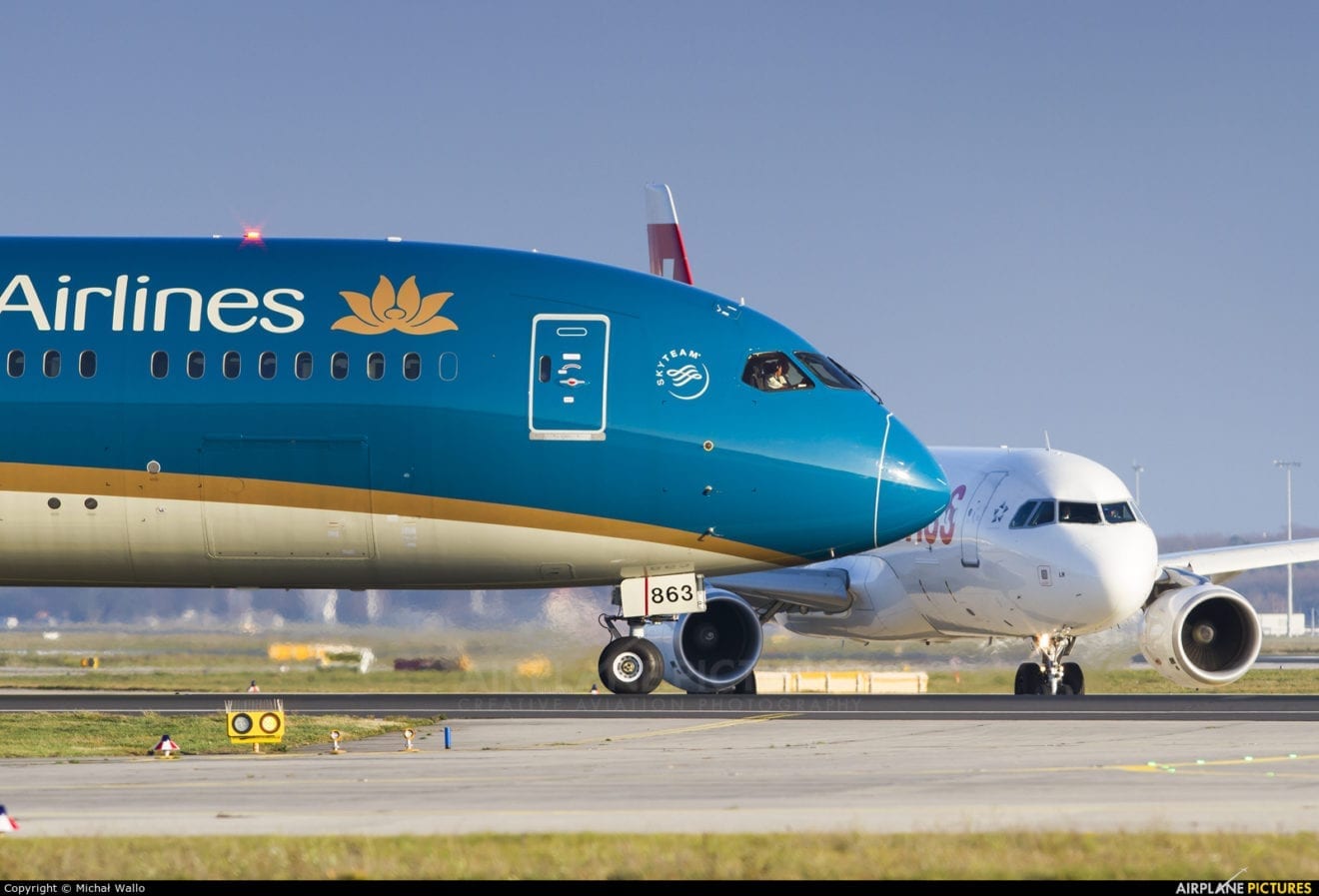
    Vietnam Airlines and Bamboo Airways have opened ticket sales to several locations including the U.S., Japan and Taiwan, signaling the resumption of international travel on New Year’s Day.

    National flag carrier Vietnam Airlines is offering tickets between HCMC and Phnom Penh in Cambodia, with one-way prices starting at VND2.5 million ($109.54). From Hanoi to Tokyo, the starting fare is VND11.7 million; and from HCMC to San Francisco, VND21.2 million.

    All flights are scheduled for January 1, 5 and 9, respectively.

    Vietnam Airlines is not offering tickets to Singapore and Taipei yet, even though it has received permission from the Civil Aviation Authority of Vietnam (CAAV) to reopen flights on these routes.

    Meanwhile, private airline Bamboo Airways is offering tickets from Hanoi to Taipei at VND4.5 million one-way once a week starting January 5.

    Round-trip tickets are not being offered at this point.

    Vietnam requires arriving passengers to test Covid-19 negative and have certificates of vaccination or Covid-19 recovery. They will also need to isolate themselves at a location of their choice for three days after arrival.

    Those who are not fully vaccinated will need to guarantee that they will isolate themselves for at least seven days at home or a location approved by local authorities.

    The CAAV has approved the resumption of international flight routes to Japan, Taiwan, Singapore, Cambodia and the U.S, with each domestic airline allowed to operate four flights a week on each route.

    South Korea, China, Laos and Thailand have not finalized their responses to Vietnam’s request for flight resumption.

    Vietnam closed its borders and grounded international flights in March 2020, allowing in only citizens, foreign experts, investors, and highly-skilled workers coming in on special flights.