Tag: Vietnam

  • Skoda to build plant in Vietnam

    Skoda to build plant in Vietnam

    Czech automaker Skoda is set to build a plant in the northern province of Quang Ninh and expects to begin production and exports of vehicles by 2023.
    Leaders of the company have worked with representatives of the Ministry of Industry and Trade on the plan of building the factory.

    Martin Jahn, a director of Skoda Auto, said the Vietnamese car market is relatively small but very promising.

    “The political and trade ties between the two countries represent extensive opportunities for cooperation.”

    There are 44 Czech projects in Vietnam with a total investment of $91 million, according to the Ministry of Planning and Investment.

    Mercedes-Benz and Peugeot are two European carmakers with plants in Vietnam, while BMW’s factory is expected to be completed this year.

    Skoda manufactured around 900,000 cars last year and sold nearly half in Western Europe.

    Established in 1925, it is a subsidiary of German auto giant Volkswagen.

  • Vietnam Electricity posts $207.6-mln profit

    Vietnam Electricity posts $207.6-mln profit

    State power utility Vietnam Electricity (EVN) made a profit of VND4.74 trillion ($207.6 million) from all activities in 2020.

    But, its core business of electricity production and trading reported VND1.3 trillion in losses due to price reduction and discounts. In 2020, EVN sold each kilowatt-hour for an average VND1,820.20, down 1.68 percent from 2019.

    Reduction in sales price, together with changes in electricity load and consumption due to Covid-19, and VND12.3-trillion bill discounts for pandemic-hit customers, are cited as reasons for the loss.

    The company reported more than VND6 trillion in revenue from its financial activities, capital transfers, and dividends profits in 2020.

  • Taxi firms eye fare surge amid gasoline price hike

    Taxi firms eye fare surge amid gasoline price hike

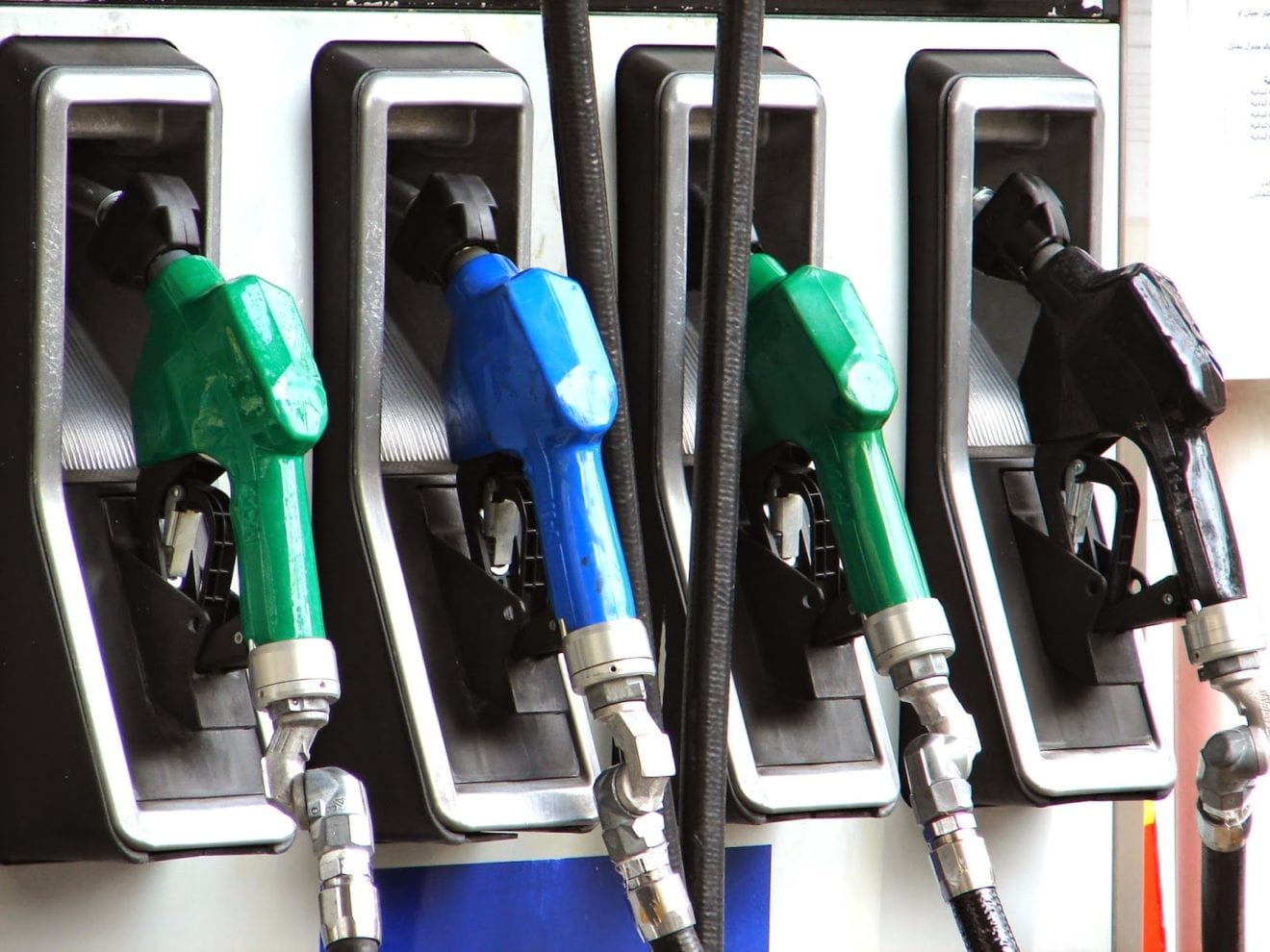
    Taxi firms expect to increase their fares as gasoline prices hit an all-time high.

    Nguyen Cong Hung, Chairman of the Hanoi Taxi Association, said taxi firms planned to increase fares by 5-8 percent, or VND500-800 per kilometer ($1 ≈ VND22,800).

    The gasoline price surge has increased taxi firm fuel costs by 13.8 percent, he added.

    “Most taxi firms in Ho Chi Minh City will be forced to increase their fares” if gasoline prices stay at the current all-time high, Ta Long Hy, Chairman of the HCMC Taxi Association said.

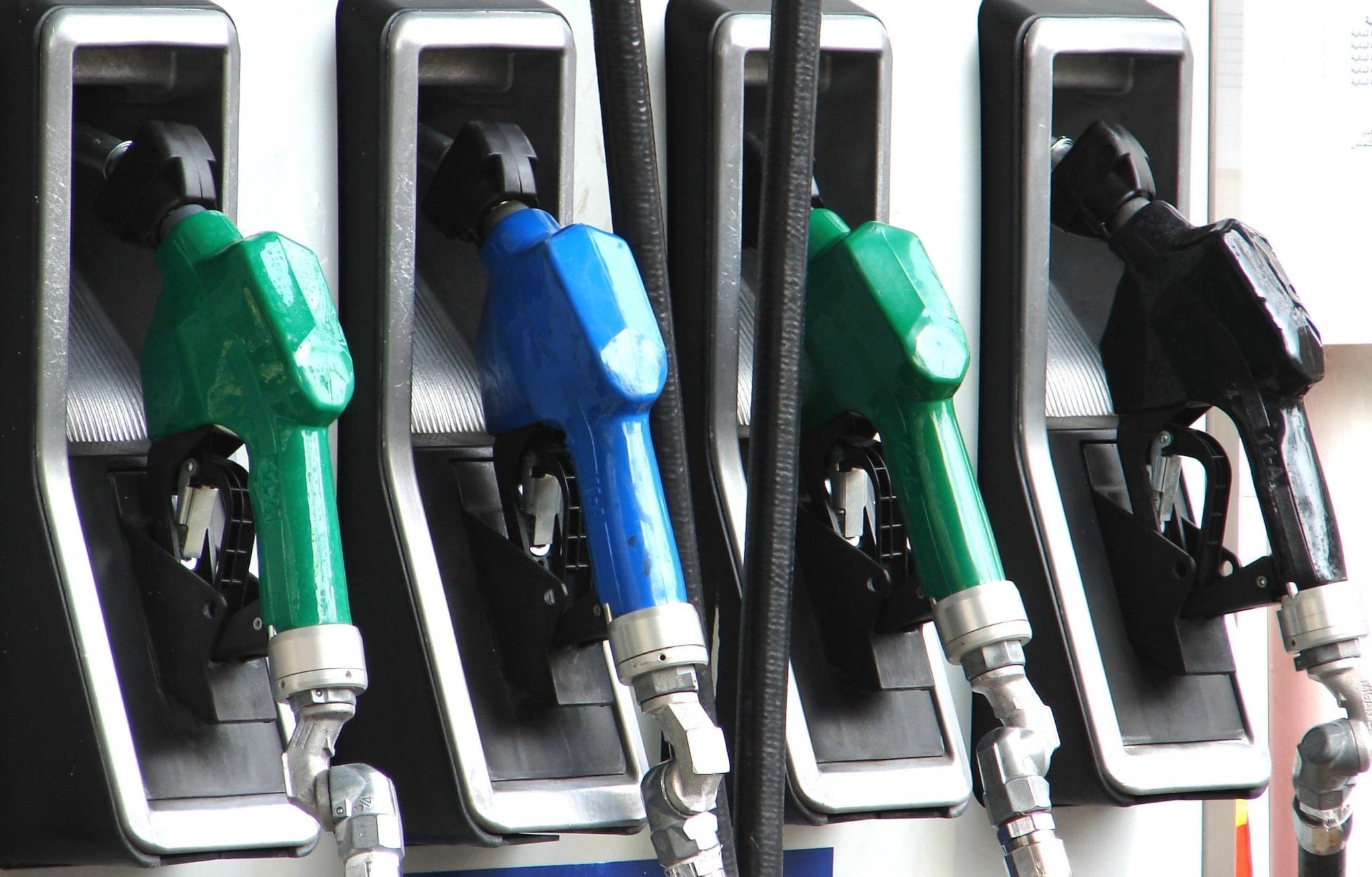
    Vietnam gasoline prices hit a new peak Monday, after authorities adjusted them upward for the fifth time in a row. The price of popular gasoline RON 95 rose 3.79 percent to VND26,280, while that of biofuel E5 RON 92 rose 3.9 percent to VND25,530. To reduce gasoline prices, taxi companies, which have been badly hit by Covid-19, recommended the environmental tax be cut as soon as possible.

    Environmental tax comprises the highest taxes on gasoline, accounting for around 15 percent of the retail price.

    Currently, the environmental tax on RON 95 gasoline is VND4,000 per liter, while that of biofuel E5 RON 92 is VND3,800.

    Taxes and fees add up to 42-43 percent of gasoline retail prices.

    All-time high gasoline prices and Covid-19 woes have placed many taxi firms in a financial dire strait.

    At the end of 2021, taxi giant Vinasun reported a 52 percent decrease in revenue year-on-year, and a net loss of nearly VND274 billion. It had to lay off 2,500 employees, including 1,800 drivers last year, to reduce operating costs.

    Mai Linh, another taxi giant, has yet to publish its 2021 report. However, in 2020, the company reported a loss of VND173 billion, and a total accumulated loss of VND1.21 trillion.

  • Vietnam continues to cut down on solar power

    Vietnam continues to cut down on solar power

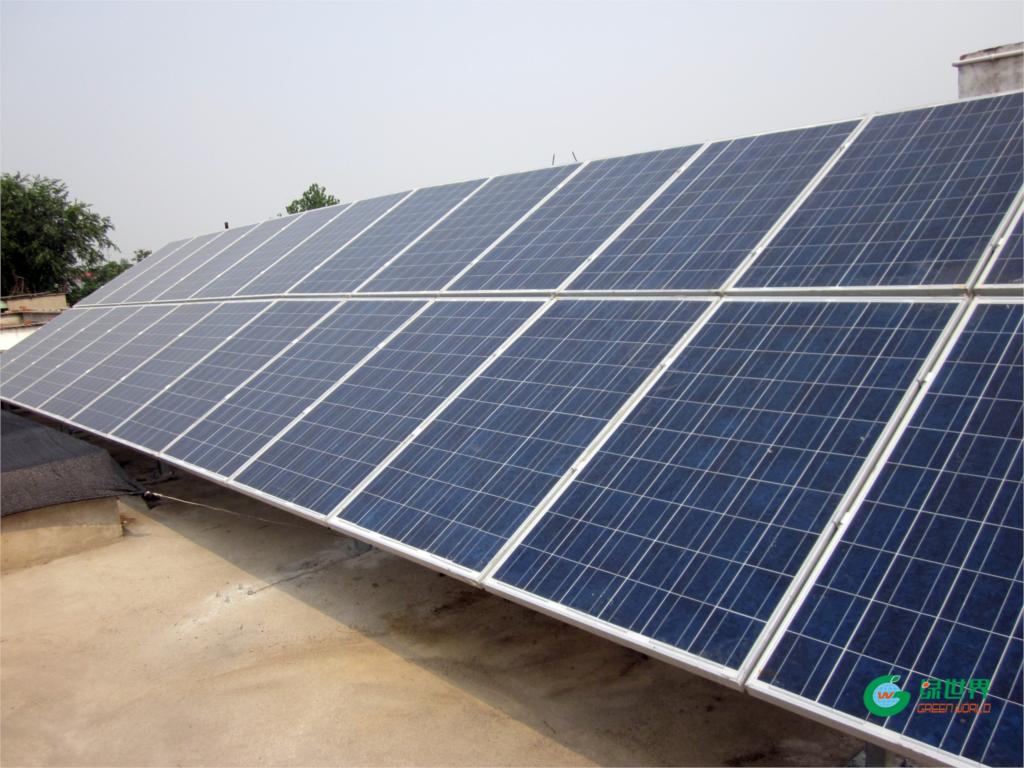
    The solar power capacity planned by Vietnam for 2031-2045 is “too high” should be reduced to give space for wind power, the government says.

    In a communiqué issued by the Government Office Saturday, Deputy Prime Minister Le Van Thanh said the capacity for solar power set in the Power Development Master Plan VIII for the 2021-2030 period with vision until 2045 was “too high.”

    As proposed by the Ministry of Industry and Trade on Feb. 21, the national power capacity from now until 2030 would be 146,000 megawatts (MW), 9,000 MW less than the plan announced last November. By 2045, the planned capacity would be 352,000 MW.

    In the 2031-2045 period, solar power will make up 25 percent of the total power capacity, the ministry said.

    Deputy PM Thanh has commented that the proportion of solar power capacity should be lowered while that of offshore wind power should be increased.

    According to state-owned Vietnam Electricity (EVN), as of 2021, Vietnam was among the top 10 countries with the highest solar power capacity at 16,504 MW, accounting for 2.3 percent worldwide.

    The Ministry of Industry and Trade submitted the first draft of the Power Development Master Plan VIII to the government last March. Since then the plan has been revised four times.

    The ministry has asked that the plan’s implementation be deferred to the second quarter this year.

  • Skoda to build plant in Vietnam

    Skoda to build plant in Vietnam

    Czech automaker Skoda is set to build a plant in the northern province of Quang Ninh and expects to begin production and exports of vehicles by 2023. Leaders of the company have worked with representatives of the Ministry of Industry and Trade on the plan of building the factory.

    Martin Jahn, a director of Skoda Auto, said the Vietnamese car market is relatively small but very promising.

    “The political and trade ties between the two countries represent extensive opportunities for cooperation.”

    There are 44 Czech projects in Vietnam with a total investment of $91 million, according to the Ministry of Planning and Investment. Mercedes-Benz and Peugeot are two European carmakers with plants in Vietnam, while BMW’s factory is expected to be completed this year.

    Skoda manufactured around 900,000 cars last year and sold nearly half in Western Europe.

    Established in 1925, it is a subsidiary of German auto giant Volkswagen.

  • E-commerce startup raises $7 mln

    E-commerce startup raises $7 mln

    Vietnam e-commerce startup OpenCommerce Group has raised $7 million in a Series A funding round led by internet company VNG and venture capital firm Do Ventures.

    The Hanoi-based company, which provides tech solutions for sellers to create and manage their online stores with no inventory costs required, said it has supported 86,700 small and medium enterprises in 195 economies after two years of establishment.

    The company, which also offers print-on-demand services for sellers to create and distribute unique clothing designs, has recorded a gross merchandise value of $670 million to date.

    Quan Truong, co-founder, and CEO, said the company would use the funding to reach new sellers, with a focus on Europe, the U.S., China, and Southeast Asia this year.

    Vietnamese startups attracted investments of over $1.3 billion in 2021, four times the previous year’s figure, according to the National Agency for Technology Entrepreneurship and Commercialization Development.

    The country is set to exceed Thailand by 2025 to become the second-biggest internet economy in Southeast Asia with a scale of $57 billion, behind Indonesia at $146 billion, according to the e-Conomy Southeast Asia 2021 report by Google, Temasek, and Bain & Co.

  • Gold prices soar to new peak

    Gold prices soar to new peak

    Vietnamese gold prices hit a new all-time high of VND64.8 million (US$2,838.4) per tael Thursday as global rates skyrocketed amid tensions over the Ukraine situation.

    Saigon Jewelry Company sold gold at VND64.8 million per tael of 37.5 grams or 1.2 ounces, up 1.4 percent from Wednesday afternoon.

    DOJI sold at VND64.7 million, also up 1.4 percent. The previous high in Vietnam was VND62.4 million in August 2020.

    In the global market, the metal rose by 1.7 percent to a nine-month high of $1,930.65 per ounce as geopolitical tensions supported demand for safe-haven bullion.

    Vietnamese prices are VND11.35 million, or 21.5 percent, higher than global rates.

    Gold continued to be the top asset class for 72 percent of Vietnamese investors, the WGC said citing a study of 2,000 investors last year.

  • Vietnam gold prices climb to new record

    Vietnam gold prices climb to new record

    Vietnam gold prices rose to a new high Tuesday on the back of global rates soaring because of rising international tensions over the Ukraine situation.

    The Saigon Jewelry Company (SJC) was selling its gold at VND63.85 million ($2,798) per tael at 3 p.m., up 1.03 percent from Monday. A tael equals 37.5 grams or 1.2 ounces. It then fell to VND63.6 million at the time of publishing.

    DOJI sold its gold at VND63.65 million, up 0.71 percent.

    In the global market, gold rose 0.2 percent to a near nine-month high of $1,909.33 per ounce, as tensions intensified in Eastern Europe intensified after Russia ordered troops into breakaway regions of eastern Ukraine, supporting demand for safe-haven bullion.

    “With the situation deteriorating seemingly by the day in Eastern Europe, there is very little reason to be negative on gold at the moment,” said Jeffrey Halley, a senior market analyst at OANDA.

  • Crab prices plunge over border trade jam

    Crab prices plunge over border trade jam

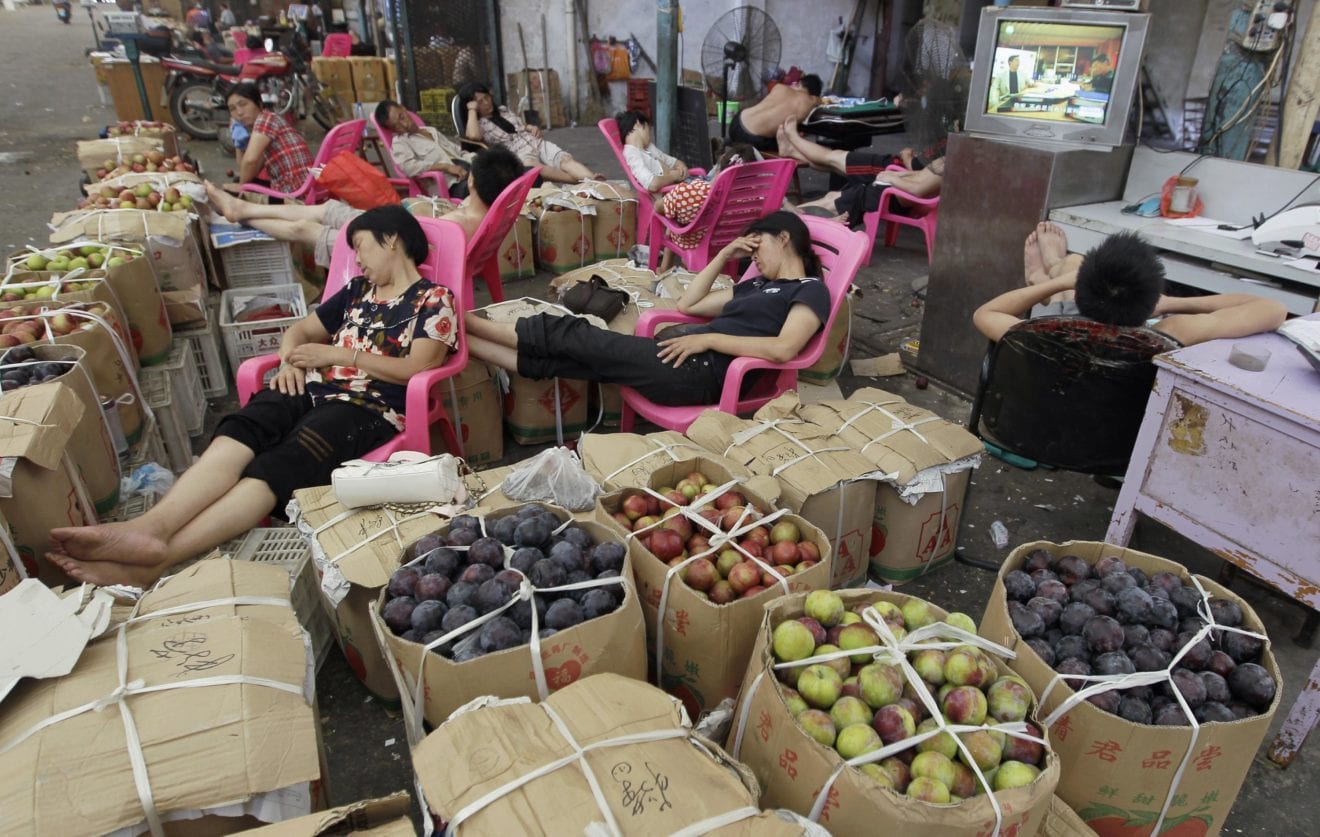
    Crab meat prices have dropped by nearly half as traders at the northern border gates with China limit purchases over export difficulties.

    The export of goods through border gates in the northern province of Lang Son has remained sluggish with many trucks having to turn around because of long customs clearance time after China tightened regulations over what it says are Covid-19 concerns.

    With China being a major buyer, the current situation has caused seafood prices in Vietnam to fall sharply.

    Bui Chi Lam, a crab-raising household in the southern province of Ca Mau, said that the selling price of top-tier crabs at the farm was just VND600,000 ($26.28) per kg , down 50 percent compared to the Lunar New Year season early this month. He has noticed a drastic fall in the number of traders looking to buy seafood.

    “Normally, when supply decreases, prices will increase. But the impact of border gate closures has caused crab prices to plummet,” Lam said, adding that crab farmers are forced to rely exclusively on domestic consumption.

    The price of regular crab meat at the farm is just VND300,000 per kg.

    Thanh, another crab farmer in Ca Mau, said prices of the crustacean will drop further if domestic consumption was low.

    Apart from crab meat, shrimp prices have also fallen to around VND150,000-200,000 per kg, depending on the variety.

    Hoa, a seafood trader in the southern region, said that prices have decreased by 10-45 percent compared to the Lunar New Year period, but purchasing power remains low.

    “I have temporarily stopped exporting and am only selling to domestic traders,” Hoa said.

    A survey of several seafood stores and markets in HCMC found that the price of grade 1 crab at stores was VND800,000 per kg and that of regular crab around half that.

    As for shrimp, though supply was lower compared to the same period last year, prices have also dropped by VND50,000 per kilo in the past two days to VND200,000 per kg (about 30 shrimps per kg).

    Hoa said both difficulties at the China border and lower purchasing power back home were major factors in the sharp drop in prices.

    Over the past week, more than 2,000 trucks of goods have been stuck at Lang Son border gates because of slow customs clearance.

    The delay in clearing container trucks at the border has been happening since the end of last year. During the Lunar New Year holiday from Jan. 19-Feb. 6, the issue was partly resolved thanks to intervention from senior officials, but it has resurfaced since.

    China was Vietnam’s second-largest export market for agricultural, forestry and fishery produce behind the U.S., with a turnover of $8.4 billion in the first 11 months of last year, accounting for 19.2 percent of Vietnam’s total agricultural exports.

    On February 17, China suspended trade through the Kim Thanh Border Gate in Vietnam’s Lao Cai Province after discovering Covid-19 cases on its side, leaving 350 container trucks stranded.

    With Chinese authorities placing the Hekou Yao Autonomous County under a lockdown, it is unclear when the trucks can cross the border.

    Four other border gates in the province: Huu Nghi International, Dong Dang, Tan Thanh and Chi Ma International Railway Stations have begun clearing goods again.

    However, China is continuing to strengthen pandemic prevention and quality control measures, so it takes 40-50 minutes to clear a truck. With a clearance capacity of 5-69 vehicles per day, the border trade congestion look set to continue.


  • Vietnam largest bullion market in Southeast Asia

    Vietnam largest bullion market in Southeast Asia

    Vietnam was Southeast Asia’s largest gold bullion and coin market last year and among the top 10 globally.

    The demand in the country exceeded 31.1 metric tons compared to 28.7 tons in Thailand and 19.8 tons in Indonesia, according to the World Gold Council.

    If the jewelry was included, it went up to 43 tons, the second-highest behind Indonesia’s 46.8 tons.

    Vietnam was the fourth largest market in Asia for bullion and coins behind India, Sri Lanka, and China, and the eighth largest in the world.

    Gold continued to be the top asset class for 72 percent of Vietnamese investors, the WGC said citing a study of 2,000 investors last year.0

    The outlook for the precious metal is positive with 81 percent of investors who previously invested in gold saying they would consider doing so again.

    To put that in perspective, the rates are 72 percent for Chinese and 67 percent for Indians, with the global figure standing at 45 percent.

    There is strong support for gold market liberalization in Vietnam, with 76 percent saying they should be allowed to open a gold investment account at banks to formalize the gold market.

    Fifty-five percent called for setting up a gold exchange or trading platform authorized by the State Bank of Vietnam.

    Vietnam’s gold prices are now near the all-time high of VND63.5 million (US$2,787) per tael of 37.5 grams recorded on Jan. 25. A tael equals 37.5 grams or 1.2 ounces.

    On Feb. 16 it cost VND62.9 million, VND11.6 million higher than global prices.

  • Rising gasoline prices further burden pandemic-hit economy

    Rising gasoline prices further burden pandemic-hit economy

    Duy Anh of Hanoi’s Cau Giay District started off this week by hanging a notice outside his cafe saying the price of coffee had been hiked by 25 percent.

    “I know customers will not like it, but I do not have any choice,” he said, explaining that the cost of ingredients and their delivery has risen by 20 percent due to rising gasoline prices.

    Many transport companies have either announced or quietly increased prices by around 10 percent last week as the government hiked gasoline retail prices to mirror the increase in global prices. A Ho Chi Minh City transport firm, which asked not be identified, has raised container transport prices by 11 percent and now charges VND3.2 million ($141) for a trip to the neighboring province of Dong Nai.

    Tran Duc Nghia, CEO of Delta International, said the transporter is set to hike prices by around 5 percent soon. Gasoline prices in Vietnam are now at an eight-year high, having risen by 11 percent in the last two months. Following the latest adjustment last Friday, the popular RON 95 variety is now close to a record high price.

    Global crude prices have climbed to a seven-year high and Vietnam’s biggest refinery Nghi Son has been forced to reduce its production from 105 percent to 80 percent due to a cash crunch. Nguyen Bich Lam, former head of the General Statistics Office, estimates that a 10 percent increase in fuel prices causes GDP growth to drop by around 0.5 percentage points.

    Lender HSBC last week raised its inflation forecast for Vietnam from 2.7 percent to 3 percent after factoring in the higher energy prices. The Asian Development Bank pegged the figure at 3.8 percent. Transport companies are between a rock and a hard place since price hikes are hard to sell in an economy hit by Covid-19.

    Hai Van International Shipping in HCMC, which transports goods and passengers, has seen revenues fall by up to 70 percent year-on-year in recent weeks due to declining demand.

    “We plan to increase fares, but we have yet to do that as there might be a decline in number of passengers.”

    Another transport company, Minh Thanh Phat, said the higher fuel price is another blow that put many operators to the verge of bankruptcy amid low demand.

    “Continuing to operate will result in losses, while suspending operations means we cannot pay loan interest to banks”.

    Economist Ngo Tri Long urged the government to lower special consumption and environmental taxes on gasoline to reduce the pressure on the economy.

  • Vietnam largest bullion market in Southeast Asia

    Vietnam largest bullion market in Southeast Asia

    Vietnam was Southeast Asia’s largest gold bullion and coin market last year and among the top 10 globally. The demand in the country exceeded 31.1 metric tons compared to 28.7 tons in Thailand and 19.8 tons in Indonesia, according to the World Gold Council. If the jewelry was included, it went up to 43 tons, the second-highest behind Indonesia’s 46.8 tons.

    Vietnam was the fourth largest market in Asia for bullion and coins behind India, Sri Lanka, and China, and the eighth largest in the world. Gold continued to be the top asset class for 72 percent of Vietnamese investors, the WGC said citing a study of 2,000 investors last year.

    The outlook for the precious metal is positive with 81 percent of investors who previously invested in gold saying they would consider doing so again. To put that in perspective, the rates are 72 percent for Chinese and 67 percent for Indians, with the global figure standing at 45 percent. There is strong support for gold market liberalization in Vietnam, with 76 percent saying they should be allowed to open a gold investment account at banks to formalize the gold market.

    Fifty-five percent called for setting up a gold exchange or trading platform authorized by the State Bank of Vietnam. Vietnam’s gold prices are now near the all-time high of VND63.5 million (US$2,787) per tael of 37.5 grams recorded on Jan. 25. A tael equals 37.5 grams or 1.2 ounces. On Feb. 16 it cost VND62.9 million, VND11.6 million higher than global prices.

  • Vietnamese customers continue to love Korean cars

    Vietnamese customers continue to love Korean cars

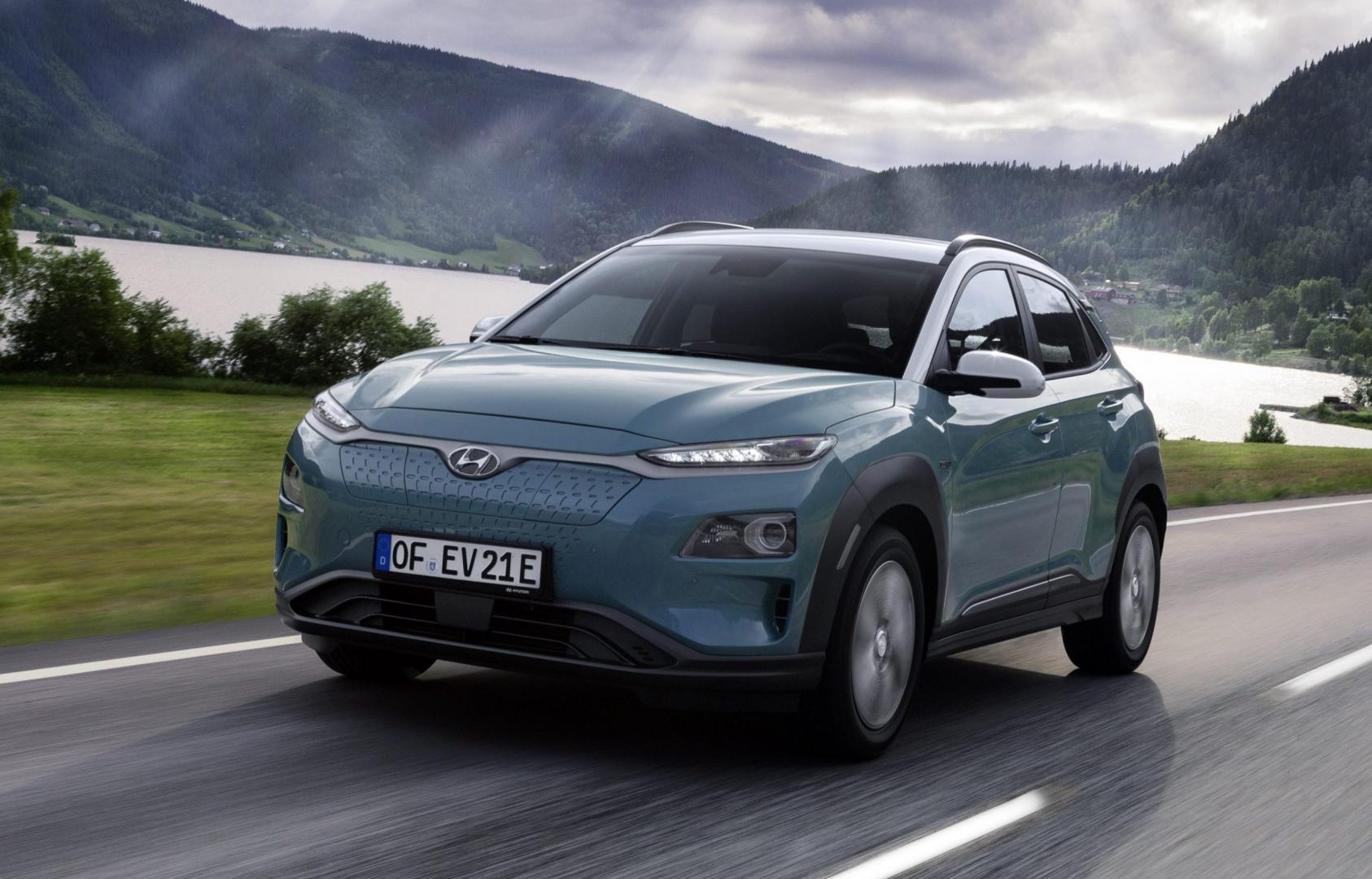
    The market share of Korean auto brands Hyundai and its subsidiary Kia increased from 18 percent in 2017 to over 30 percent last year.

    Hyundai continued to lead the market with sales of 70,518 units, though down 13.3 percent from the previous year.

    Japan’s Toyota followed with 67,339 units, down 4.7 percent, and Kia was third with 45,532 units, up 16.2 percent.

    For a third consecutive year the two Korean brands were among the top three, and they had a combined 30.2 percent share, almost the same as in 2020.

    With sales of 116,110 units, Vietnam was far and away the most important market for Korean automakers in Southeast Asia.

    To put numbers in perspective, their sales in Vietnam was four times higher than the combined sales in five other markets in the region: Thailand, Indonesia, Malaysia, the Philippines, and Singapore.

    Competitive pricing compared to Japanese brands and a wide of options have helped Korean become popular in Vietnam.

    Hyundai and Kia cars are assembled by Thaco and TC Motors respectively in the northern province of Ninh Binh and central province of Quang Nam.

  • Gas stations limit sales as supply shortage persists

    Gas stations limit sales as supply shortage persists

    Gas stations across the country are again complaining about supply shortages and losses due to surging prices, which are forcing them to limit sales. In the southern province of An Giang, some limited sales to VND30,000 ($1.32) per customer on Tuesday, forcing buyers to go to another station to fill the rest of their gas tank. Nine stations have closed down and it is confirmed they have run out of stocks, the province Market Surveillance Department said.

    In other southern localities like Binh Duong Province and Ho Chi Minh City too, some gas stations reported shortages.

    “Oil imports have fallen by 40-50 percent since before the price increase,” Do Thanh Han, CEO of Quoc Thang Ltd, which has eight gas stations in Binh Duong, said. He was referring to the 3.9-percent gasoline retail price hike the government affected last Friday. The CEO of a gasoline distribution company in HCMC said supply has fallen by 30 percent below normal.

    In Hanoi, Nguyen Van Tiu, CEO of Tu Luc Gas and Oil Co., said it has been very difficult to source supply in the last two days. With wholesalers increasing prices, his company’s commission has fallen from VND200 per liter to zero, he said. The increase last Friday was the fourth since December after a period of calm.

    The popular RON 95 gasoline is now at an eight-year high of VND25,320 per liter, having risen by 11 percent this year. The retail price surge has caused many gas stations to sell at a loss as they say wholesale price exceeds retail price and force them to have zero commission or less.

    Tran Thai Binh, owner of eight stations in the southern province of Dong Thap, said that the company has been losing nearly VND2 million a day for over a month due to falling commission.

    Some stations have closed down to avoid a bankruptcy.

    “We cannot hold on anymore”, said Hoang, owner of a gas station in the Central Highlands in his request to the Ministry of Industry and Trade for permission to stop selling for a week.

    Hoang has not been able to source inventory since last Friday.

    “If we continue to operate, we will go bankrupt”.

    Tran Duy Dong, head of the trade ministry’s domestic market agency, said that supply is low because the country’s biggest refinery Nghi Son is only operating at 55 percent of capacity.

    It is set to reach 80 percent by the end this month and 100 percent next month.

    Some consignments are arriving and the shortage will be eased in the next one or two weeks, he added.

    The reason stations report losses is because global rates increased during Vietnam’s Lunar New Year holiday Tet, which means authorities only raised prices up accordingly after, and by then stations have already been selling at a loss, Dong said.

  • Northern province blocks fruit trucks headed for China border

    Northern province blocks fruit trucks headed for China border

    Lang Son has decided to stop receiving fruit trucks headed for the China border for ten days starting February 16 as over 1,000 trucks are still stuck in the province.

    The provincial Department of Industry and Trade said that as of Friday morning, the total number of trucks waiting at the three border gates of Huu Nghi, Tan Thanh and Chi Ma was 1,640, of which 1,390 were carrying fresh fruit, accounting for nearly 85 percent.

    Due to China’s strict Covid-19 measures, customs clearance efficiency has been very low, with just 70-90 trucks able to cross the borders a day.

    Meanwhile, around 160 to 180 trucks reach the border gate every day, most of them carrying fresh fruits like dragonfruit, watermelon, jackfruit and mango. This will further worsen congestion at the border and damage businesses as well as farmers, officials said.

    The congestion at the northern border gates started in December 2021 after China strengthened its anti-Covid prevention measures. By mid-January 2022, afraid that their fruits would rot, many business owners had returned to the domestic market and sold them at very cheap prices.

    The government, ministries, branches and localities have had held many meetings on the issue but an effective solution to the problem has remained elusive.

    According to the General Department of Vietnam Customs, Vietnam earned $1.75 billion from exporting fruits and vegetables to China in the first 11 months of 2021, up 3.6 percent year-on-year despite Covid-19 impacts.

    China remained Vietnam’s top fruits and vegetables export market with a market share of 54 percent in the 11-month period