Tag: Vietnam

  • Vietnam largest bullion market in Southeast Asia

    Vietnam largest bullion market in Southeast Asia

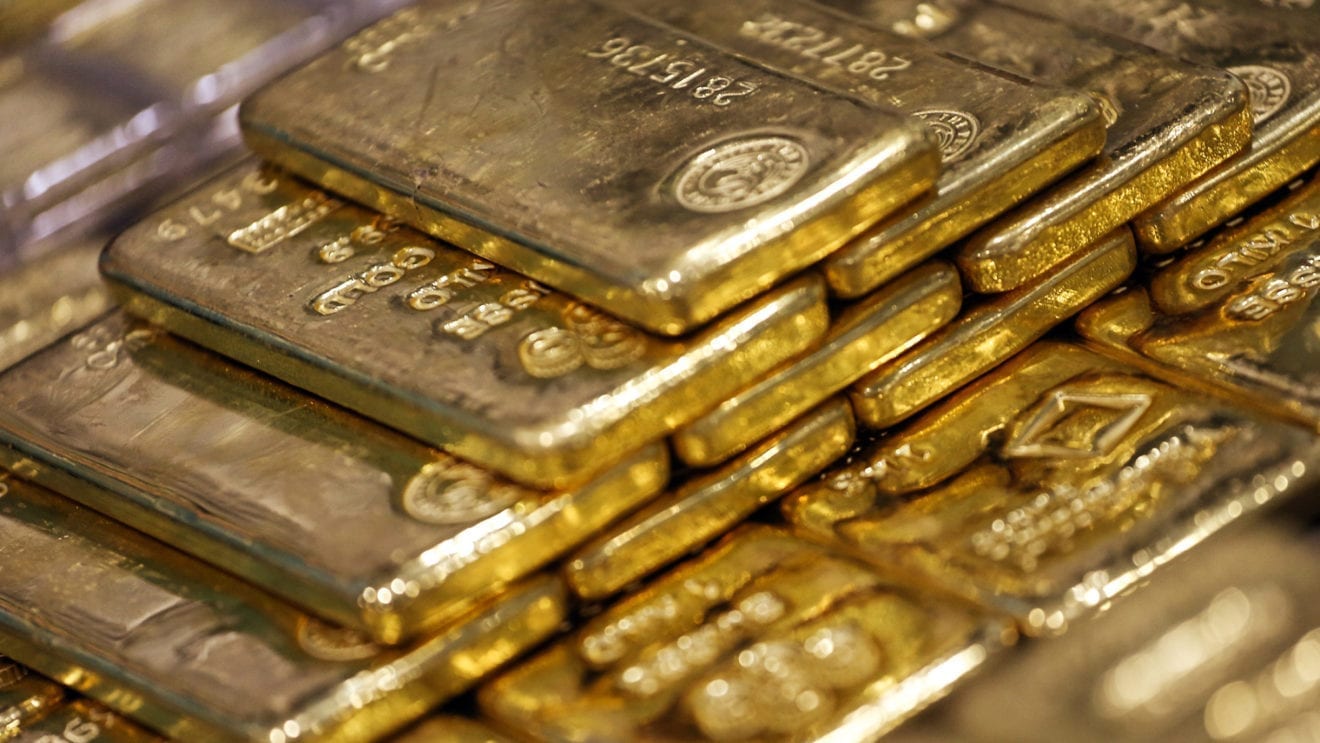
    Vietnam was Southeast Asia’s largest gold bullion and coin market last year and among the top 10 globally.

    The demand in the country exceeded 31.1 metric tons compared to 28.7 tons in Thailand and 19.8 tons in Indonesia, according to the World Gold Council.

    If the jewelry was included, it went up to 43 tons, the second-highest behind Indonesia’s 46.8 tons.

    Vietnam was the fourth largest market in Asia for bullion and coins behind India, Sri Lanka, and China, and the eighth largest in the world.

    Gold continued to be the top asset class for 72 percent of Vietnamese investors, the WGC said citing a study of 2,000 investors last year.0

    The outlook for the precious metal is positive with 81 percent of investors who previously invested in gold saying they would consider doing so again.

    To put that in perspective, the rates are 72 percent for Chinese and 67 percent for Indians, with the global figure standing at 45 percent.

    There is strong support for gold market liberalization in Vietnam, with 76 percent saying they should be allowed to open a gold investment account at banks to formalize the gold market.

    Fifty-five percent called for setting up a gold exchange or trading platform authorized by the State Bank of Vietnam.

    Vietnam’s gold prices are now near the all-time high of VND63.5 million (US$2,787) per tael of 37.5 grams recorded on Jan. 25. A tael equals 37.5 grams or 1.2 ounces.

    On Feb. 16 it cost VND62.9 million, VND11.6 million higher than global prices.
  • Rising gasoline prices further burden pandemic-hit economy

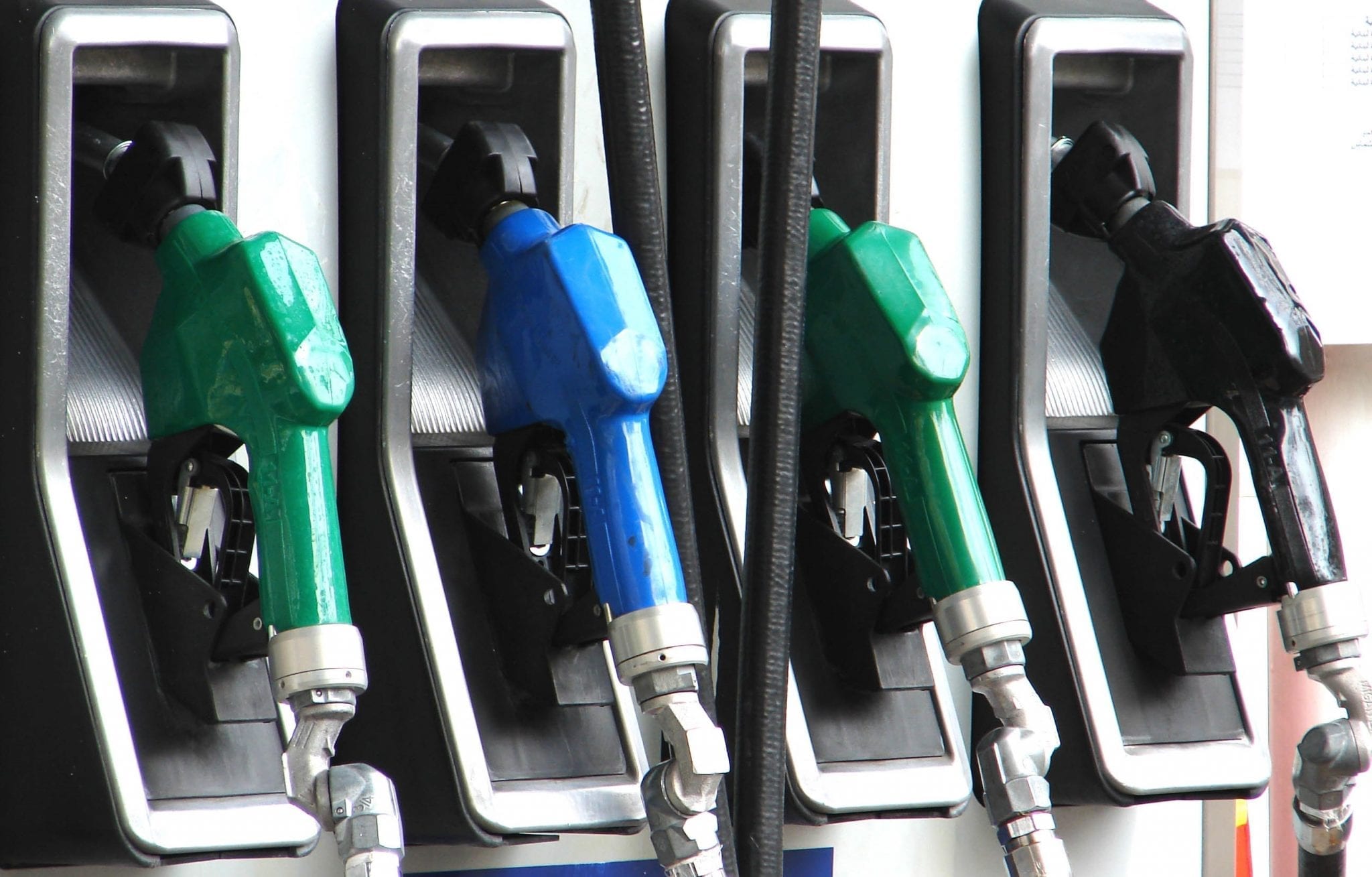
    Rising gasoline prices further burden pandemic-hit economy

    Duy Anh of Hanoi’s Cau Giay District started off this week by hanging a notice outside his cafe saying the price of coffee had been hiked by 25 percent.

    “I know customers will not like it, but I do not have any choice,” he said, explaining that the cost of ingredients and their delivery has risen by 20 percent due to rising gasoline prices.

    Many transport companies have either announced or quietly increased prices by around 10 percent last week as the government hiked gasoline retail prices to mirror the increase in global prices. A Ho Chi Minh City transport firm, which asked not be identified, has raised container transport prices by 11 percent and now charges VND3.2 million ($141) for a trip to the neighboring province of Dong Nai.

    Tran Duc Nghia, CEO of Delta International, said the transporter is set to hike prices by around 5 percent soon. Gasoline prices in Vietnam are now at an eight-year high, having risen by 11 percent in the last two months. Following the latest adjustment last Friday, the popular RON 95 variety is now close to a record high price.

    Global crude prices have climbed to a seven-year high and Vietnam’s biggest refinery Nghi Son has been forced to reduce its production from 105 percent to 80 percent due to a cash crunch. Nguyen Bich Lam, former head of the General Statistics Office, estimates that a 10 percent increase in fuel prices causes GDP growth to drop by around 0.5 percentage points.

    Lender HSBC last week raised its inflation forecast for Vietnam from 2.7 percent to 3 percent after factoring in the higher energy prices. The Asian Development Bank pegged the figure at 3.8 percent. Transport companies are between a rock and a hard place since price hikes are hard to sell in an economy hit by Covid-19.

    Hai Van International Shipping in HCMC, which transports goods and passengers, has seen revenues fall by up to 70 percent year-on-year in recent weeks due to declining demand.

    “We plan to increase fares, but we have yet to do that as there might be a decline in number of passengers.”

    Another transport company, Minh Thanh Phat, said the higher fuel price is another blow that put many operators to the verge of bankruptcy amid low demand.

    “Continuing to operate will result in losses, while suspending operations means we cannot pay loan interest to banks”.

    Economist Ngo Tri Long urged the government to lower special consumption and environmental taxes on gasoline to reduce the pressure on the economy.

  • Vietnam largest bullion market in Southeast Asia

    Vietnam largest bullion market in Southeast Asia

    Vietnam was Southeast Asia’s largest gold bullion and coin market last year and among the top 10 globally. The demand in the country exceeded 31.1 metric tons compared to 28.7 tons in Thailand and 19.8 tons in Indonesia, according to the World Gold Council. If the jewelry was included, it went up to 43 tons, the second-highest behind Indonesia’s 46.8 tons.

    Vietnam was the fourth largest market in Asia for bullion and coins behind India, Sri Lanka, and China, and the eighth largest in the world. Gold continued to be the top asset class for 72 percent of Vietnamese investors, the WGC said citing a study of 2,000 investors last year.

    The outlook for the precious metal is positive with 81 percent of investors who previously invested in gold saying they would consider doing so again. To put that in perspective, the rates are 72 percent for Chinese and 67 percent for Indians, with the global figure standing at 45 percent. There is strong support for gold market liberalization in Vietnam, with 76 percent saying they should be allowed to open a gold investment account at banks to formalize the gold market.

    Fifty-five percent called for setting up a gold exchange or trading platform authorized by the State Bank of Vietnam. Vietnam’s gold prices are now near the all-time high of VND63.5 million (US$2,787) per tael of 37.5 grams recorded on Jan. 25. A tael equals 37.5 grams or 1.2 ounces. On Feb. 16 it cost VND62.9 million, VND11.6 million higher than global prices.
  • Vietnamese customers continue to love Korean cars

    Vietnamese customers continue to love Korean cars

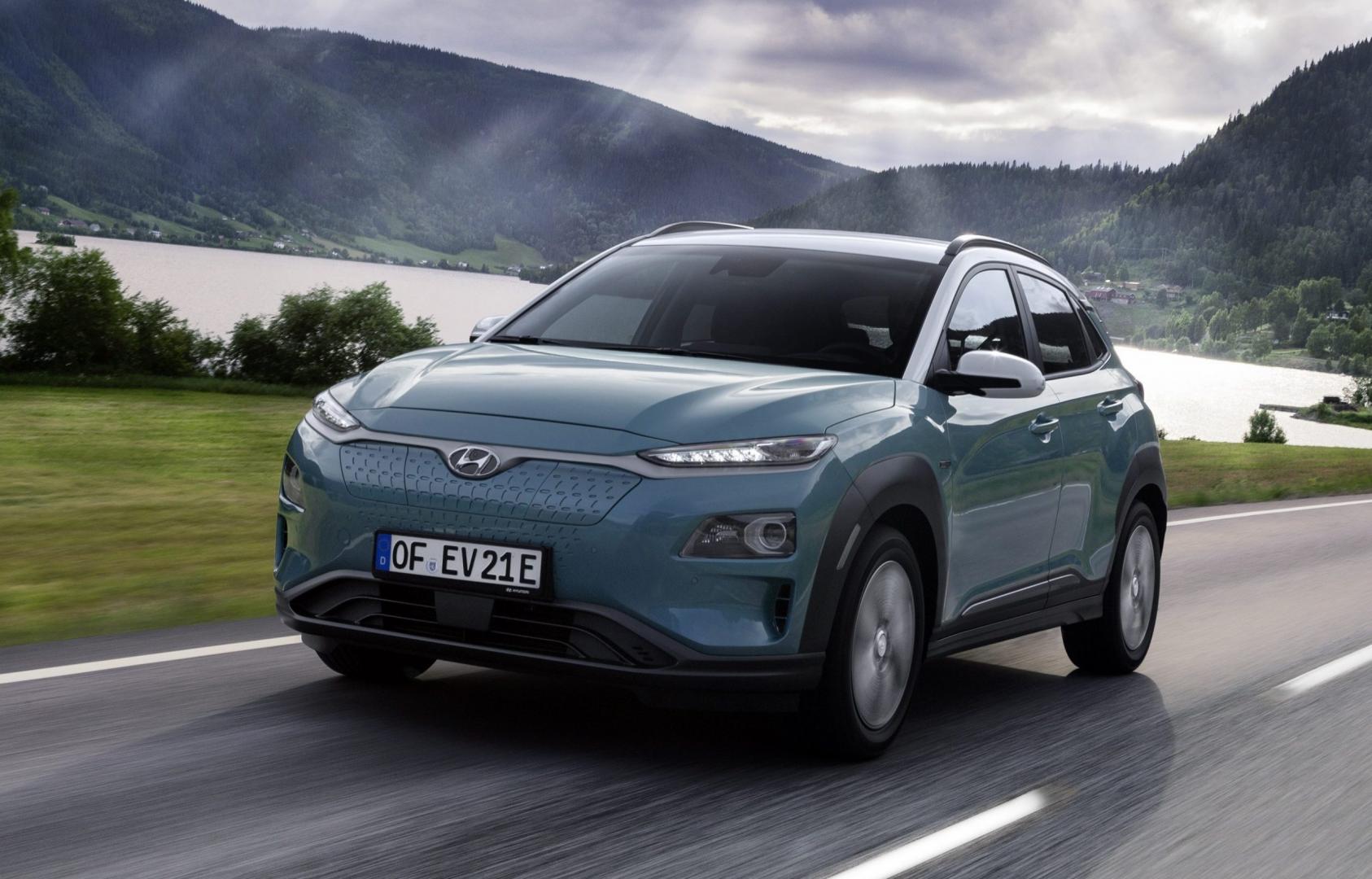
    The market share of Korean auto brands Hyundai and its subsidiary Kia increased from 18 percent in 2017 to over 30 percent last year.

    Hyundai continued to lead the market with sales of 70,518 units, though down 13.3 percent from the previous year.

    Japan’s Toyota followed with 67,339 units, down 4.7 percent, and Kia was third with 45,532 units, up 16.2 percent.

    For a third consecutive year the two Korean brands were among the top three, and they had a combined 30.2 percent share, almost the same as in 2020.

    With sales of 116,110 units, Vietnam was far and away the most important market for Korean automakers in Southeast Asia.

    To put numbers in perspective, their sales in Vietnam was four times higher than the combined sales in five other markets in the region: Thailand, Indonesia, Malaysia, the Philippines, and Singapore.

    Competitive pricing compared to Japanese brands and a wide of options have helped Korean become popular in Vietnam.

    Hyundai and Kia cars are assembled by Thaco and TC Motors respectively in the northern province of Ninh Binh and central province of Quang Nam.

  • Gas stations limit sales as supply shortage persists

    Gas stations limit sales as supply shortage persists

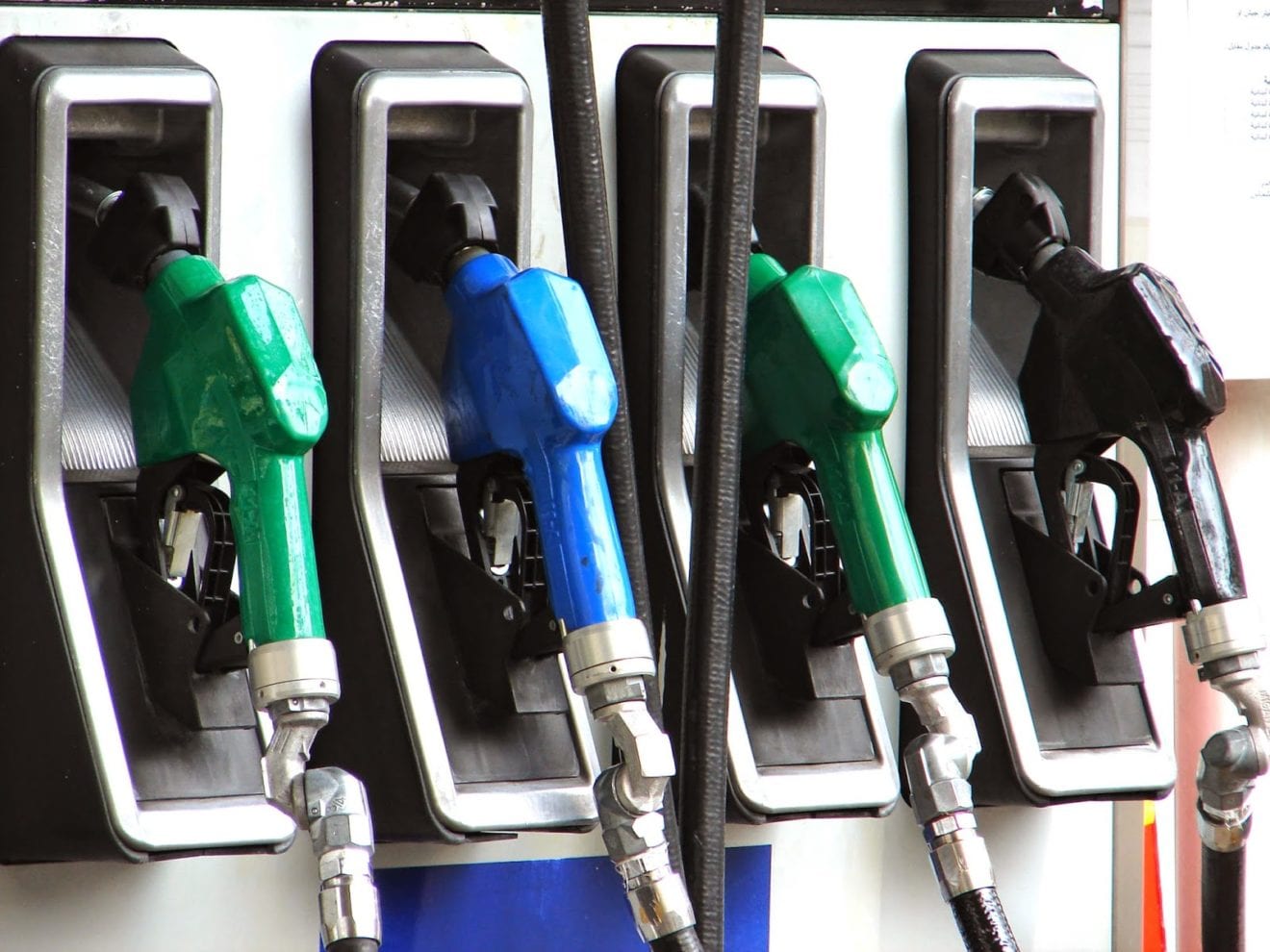
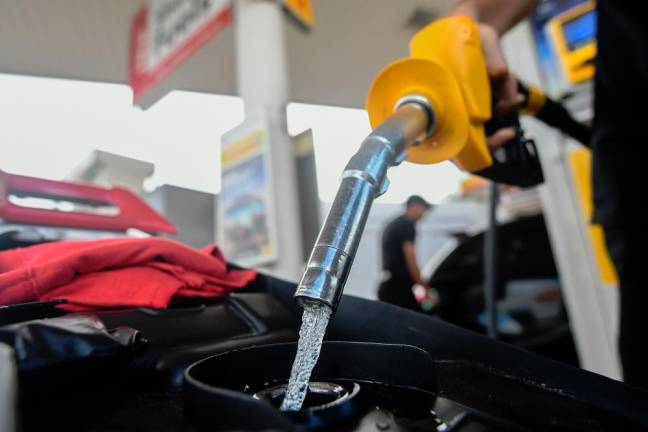
    Gas stations across the country are again complaining about supply shortages and losses due to surging prices, which are forcing them to limit sales. In the southern province of An Giang, some limited sales to VND30,000 ($1.32) per customer on Tuesday, forcing buyers to go to another station to fill the rest of their gas tank. Nine stations have closed down and it is confirmed they have run out of stocks, the province Market Surveillance Department said.

    In other southern localities like Binh Duong Province and Ho Chi Minh City too, some gas stations reported shortages.

    “Oil imports have fallen by 40-50 percent since before the price increase,” Do Thanh Han, CEO of Quoc Thang Ltd, which has eight gas stations in Binh Duong, said. He was referring to the 3.9-percent gasoline retail price hike the government affected last Friday. The CEO of a gasoline distribution company in HCMC said supply has fallen by 30 percent below normal.

    In Hanoi, Nguyen Van Tiu, CEO of Tu Luc Gas and Oil Co., said it has been very difficult to source supply in the last two days. With wholesalers increasing prices, his company’s commission has fallen from VND200 per liter to zero, he said. The increase last Friday was the fourth since December after a period of calm.

    The popular RON 95 gasoline is now at an eight-year high of VND25,320 per liter, having risen by 11 percent this year. The retail price surge has caused many gas stations to sell at a loss as they say wholesale price exceeds retail price and force them to have zero commission or less.

    Tran Thai Binh, owner of eight stations in the southern province of Dong Thap, said that the company has been losing nearly VND2 million a day for over a month due to falling commission.

    Some stations have closed down to avoid a bankruptcy.

    “We cannot hold on anymore”, said Hoang, owner of a gas station in the Central Highlands in his request to the Ministry of Industry and Trade for permission to stop selling for a week.

    Hoang has not been able to source inventory since last Friday.

    “If we continue to operate, we will go bankrupt”.

    Tran Duy Dong, head of the trade ministry’s domestic market agency, said that supply is low because the country’s biggest refinery Nghi Son is only operating at 55 percent of capacity.

    It is set to reach 80 percent by the end this month and 100 percent next month.

    Some consignments are arriving and the shortage will be eased in the next one or two weeks, he added.

    The reason stations report losses is because global rates increased during Vietnam’s Lunar New Year holiday Tet, which means authorities only raised prices up accordingly after, and by then stations have already been selling at a loss, Dong said.

  • Northern province blocks fruit trucks headed for China border

    Northern province blocks fruit trucks headed for China border

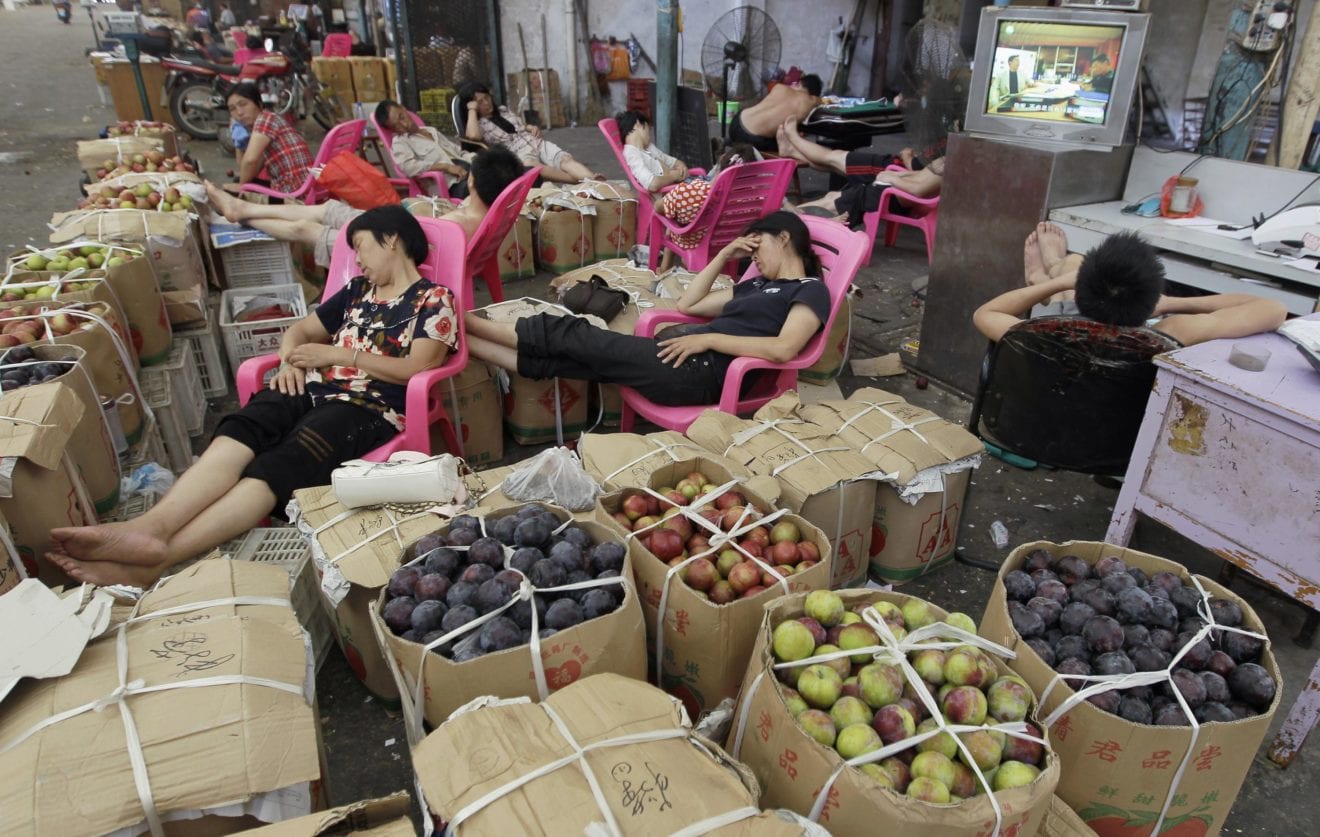
    Lang Son has decided to stop receiving fruit trucks headed for the China border for ten days starting February 16 as over 1,000 trucks are still stuck in the province.

    The provincial Department of Industry and Trade said that as of Friday morning, the total number of trucks waiting at the three border gates of Huu Nghi, Tan Thanh and Chi Ma was 1,640, of which 1,390 were carrying fresh fruit, accounting for nearly 85 percent.

    Due to China’s strict Covid-19 measures, customs clearance efficiency has been very low, with just 70-90 trucks able to cross the borders a day.

    Meanwhile, around 160 to 180 trucks reach the border gate every day, most of them carrying fresh fruits like dragonfruit, watermelon, jackfruit and mango. This will further worsen congestion at the border and damage businesses as well as farmers, officials said.

    The congestion at the northern border gates started in December 2021 after China strengthened its anti-Covid prevention measures. By mid-January 2022, afraid that their fruits would rot, many business owners had returned to the domestic market and sold them at very cheap prices.

    The government, ministries, branches and localities have had held many meetings on the issue but an effective solution to the problem has remained elusive.

    According to the General Department of Vietnam Customs, Vietnam earned $1.75 billion from exporting fruits and vegetables to China in the first 11 months of 2021, up 3.6 percent year-on-year despite Covid-19 impacts.

    China remained Vietnam’s top fruits and vegetables export market with a market share of 54 percent in the 11-month period

  • Two new solar power plants built in southern province

    Two new solar power plants built in southern province

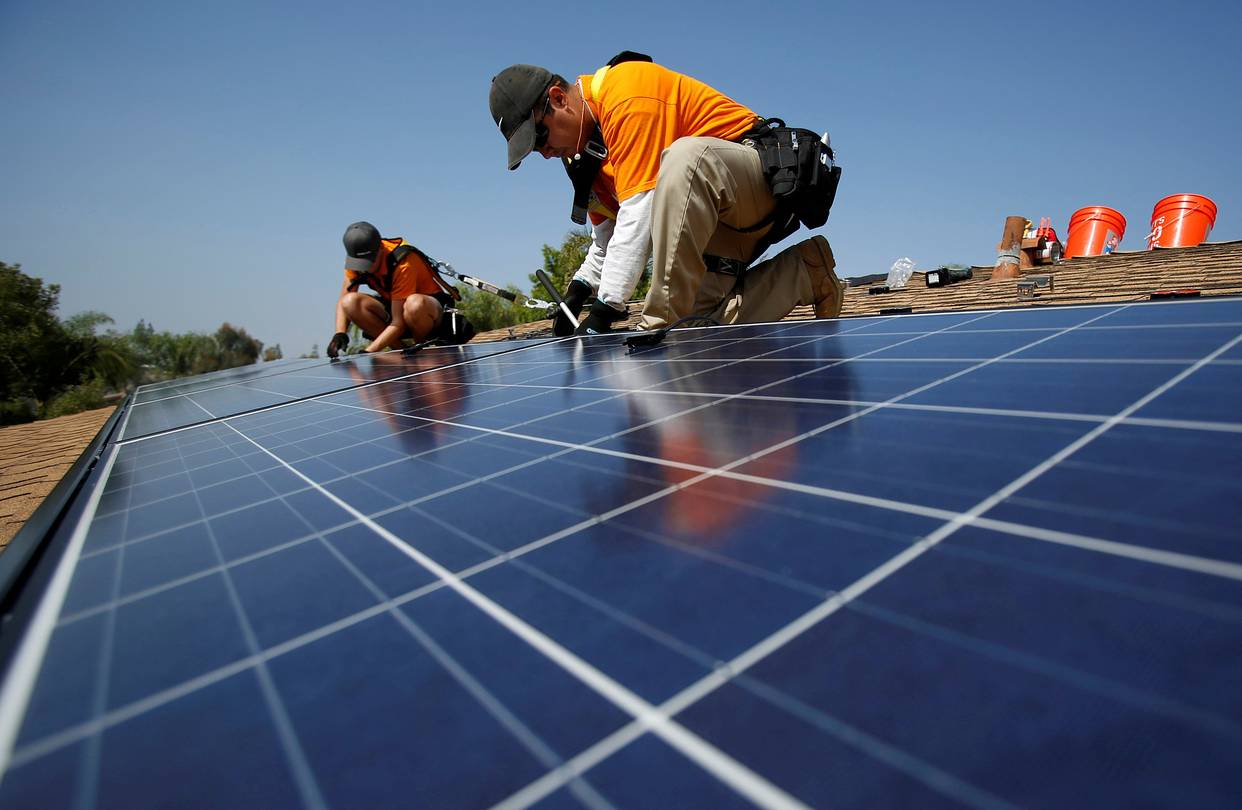
    Dau Tieng 5.1 and Dau Tieng 5.2 solar power plants are expected to start construction in Q2, with an investment of VND3.56 trillion ($157 million).

    With a capacity of 225 MW each, the two power plants will cover 332.5 hectares at Dau Tieng Lake in the southern province of Tay Ninh. Construction is expected to complete in April, 2023.

    The operational time of both projects is 50 years.

    Their investor, Xuan Cau Holdings, had constructed three other solar power plants around Dau Tieng Lake with a total operating capacity of 500 MW.

    Tay Ninh now has about 10 operational solar power projects with a total design capacity of 808 MW.

    According to state-owned Vietnam Electricity (EVN), as of 2021, Vietnam was among the top 10 countries with the highest solar power capacity at 16,504 MW, accounting for 2.3 percent worldwide.

  • iPhone doubles Vietnam market share

    iPhone doubles Vietnam market share

    iPhone’s market share in Vietnam increased from 4 percent in 2020 to 9 percent last year, making it the fifth-largest smartphone seller.

    The growth of 119 percent was the highest for any brand, Counterpoint Research said in a report.

    Apple was behind Samsung (34 percent), OPPO (19 percent), Xiaomi (13 percent), and vivo (11 percent).

    Strong growth in Apple products was seen in the last quarter of the year, with sales doubling year on year, the report said.

    This was when the company launched iPhone 13.

    Last year, taking advantage of the rising demand, several stores were set up to exclusively sell Apple products like FPT’s F.Studio, TopZone, and Lazada Apple Flagship Stores.

    Counterpoint analyst Ivan Lam said: “Apple has always had a place in Vietnamese consumers’ hearts. Last year it expanded its distribution campaign in Vietnam.”

    The overall smartphone market grew by 7 percent last year, the report said.

  • Masan acquires majority stake in Phuc Long tea chain

    Masan acquires majority stake in Phuc Long tea chain

    Conglomerate Masan announced Wednesday that it has spent an additional $110 million to increase its ownership in the Phuc Long beverage chain from 20 percent to 51 percent.

    “Since Masan’s initial investment, Phuc Long has demonstrated strong synergies with MSN’s Point-of-Life strategy, which can now be accelerated with Phuc Long as a consolidated subsidiary of Masan,” it said in a press release.

    Masan first bought a 20 percent stake in Phuc Long in May last year for $15 million. The latest purchase puts the valuation of the tea and coffee chain at $355 million.

    Incorporating Phuc Long’s tea kiosks into Masan’s WinMart+ stores nationwide has been part of the conglomerate’s plan since last year as it sought to advance its “point of life” strategy by developing a mini-mall concept that serves a wide array of essential products and services such as groceries, beverage, pharmaceuticals and financial products.

    Masan plans to launch 2,000 such mini-malls this year, and Phuc Long is set to contribute up to VND3 trillion ($132 million) to the conglomerate revenues, which hit VND88.6 trillion last year.

    Phuc Long was established in 1968 in the Central Highlands province of Lam Dong. The company launched its tea and coffee chain in 2012 with is first store in HCMC.

  • Gas shortages in few places in Vietnam

    Gas shortages in few places in Vietnam

    Gasoline shortages have been occurring only in a few southern locations and the country has adequate reserves to fully meet demand, the industry ministry has assured.

    Shortages are only reported by small distributors who want to hold on to their stocks to push prices up, Deputy Minister of Industry and Trade Do Thang Hai said at a meeting Tuesday.

    “We have reserves to ensure supply for 20 days of consumption as regulations require.”

    Major distributors (who account for over 90 percent of market share) have been selling routinely since before the Lunar New Year holidays (January 29-February 6), he said. Many gas stations in An Giang, Dong Nai and Hau Giang provinces closed down in recent days complaining of lack of supply.

    Some also stopped selling because rising prices are forcing them to sell at a loss. They are not allowed to increase retail prices on their own and authorities usually make price changes on the 1st, 11th or 21st of a month. But since February 1 was a holiday, the next price change is not likely until Friday.

    The country’s biggest refinery, Nghi Son in the central province of Thanh Hoa, had to cut down production from 105 percent of capacity to 80 percent last month due to a cash crunch. Vietnam produces around 75 percent of its fuel requirements, with Nghi Son accounting for 35 percent, and imports the rest.

    Phan Thi Thang, deputy chairwoman of the HCMC People’s Committee, said some gas stations in the city too had closed down temporarily due to lack of supply, but reopened, and as of Tuesday only two out of 548 were closed but for other reasons.

    Major distributors in the city have assured they have enough inventory to last 40-60 days, she said.

    The city has ordered all distributors to import more to ensure reserves that would meet at least 30 days of demand, she added.

    Deputy Prime Minister Le Van Thanh has instructed the trade ministry to be more proactive in regulating gas supply to ensure there are no shortages.

  • Over 90 pct of Samsung, Intel workers return to work after Tet

    Over 90 pct of Samsung, Intel workers return to work after Tet

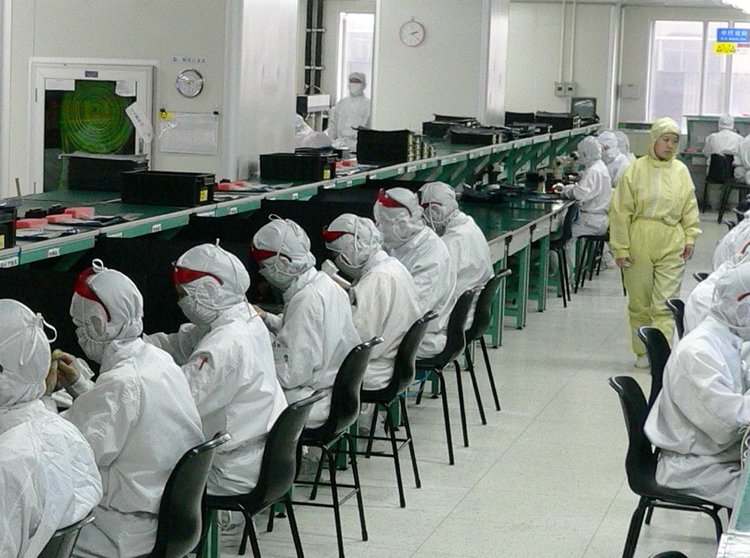
    Major factories in Ho Chi Minh City reported over 90 percent of employees returning to work after the nine-day Tet holiday, abating employer concerns of a labor shortage.

    Some factories with high return rates are Samsung electronics manufacturer HCMC CE Complex (95 percent) and motor parts maker Nidec Sankyo (94 percent). Other manufacturers like Intel and Jabil also reported a return rate of over 90 percent.

    Eight factories in Saigon Hi-tech Park of Thu Duc City, which utilize over 45,000 employees, reported between 80 percent and 95 percent of workers returning to work Tuesday after the annual Lunar New Year’s holiday Tet, according to park data.

    Over 17 industrial zones and manufacturing areas where 273,000 employees work posted a return of 82 percent.

    The high return rate is considered a relief to HCMC employers who, before the holiday, had expected a shortage of workers after Tet as many preferred to stay in their hometown.

    Tet, Vietnam’s biggest national holiday, is a time when workers of large industrial parks leave en masse for their hometowns for family renuions.

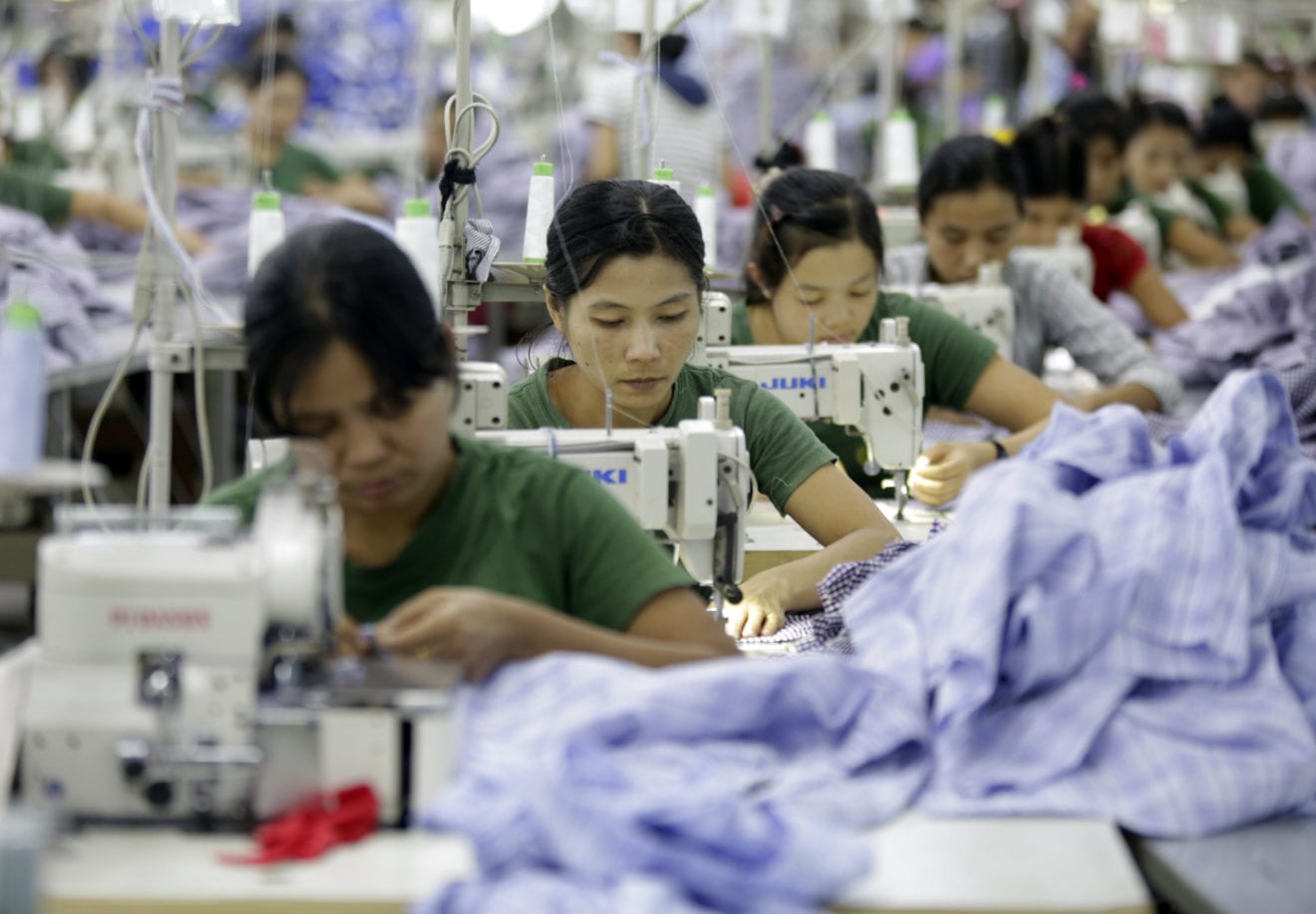
    Some factories of Vinatex, one of the biggest garment companies in Vietnam, posted a worker return rate of 100 percent as the company started off the year three days before the holiday ended to meet the surge in order numbers.

    Pou Yuen, footwear maker and biggest employer in HCMC, is expected to see its return ratio rising from 64 percent Monday to 90 percent Wednesday.

  • Vietravel reaps profit in Q4 after consecutive loss

    Vietravel reaps profit in Q4 after consecutive loss

    Tourism company Vietravel reported VND228 billion ($10 million) profit in Q4 of 2021, after four consecutive quarters of loss.

    It posted net revenues of VND190 billion in Q4, down 60 percent compared to the same period of 2020.

    “Company activities regained positive changes due to the fact the pandemic was gradually brought under control. Simultaneously, the company had restructured its financial investment,” Vietravel said.

    However, Vietravel reported an accumulated loss of more than VND256 billion for the whole 2021, tripling year-on-year, as its core activities of tourism and aviation suffered from Covid-19.

    At the end of last year, Vietravel had sold a 55.58 percent stake in Vietravel Airlines to an unspecified investor as it seeks more funding amid Covid financial pressures.

  • Vietnam stock market makes bright start after Tet holidays

    Vietnam stock market makes bright start after Tet holidays

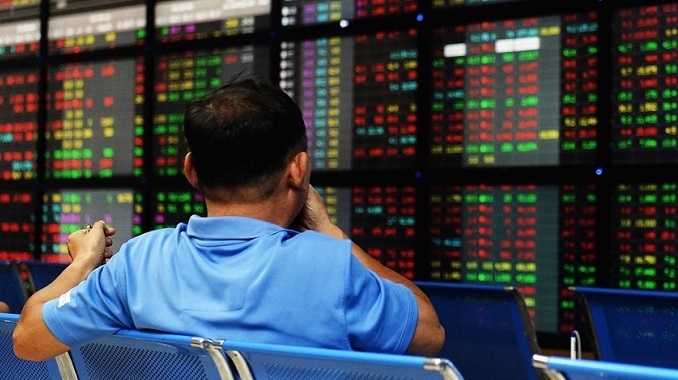
    The VN-Index began the new lunar year with a 1.5-percent jump Monday morning, led by aviation and energy stocks. It gained 22 points to 1,503 points at 11.20 as the market reopened after the nine-day Tet break, reaching a near four-week high.

    It represents a 4.1-percent recovery from the bottom of 1,439 points reached on January 18 as investors booked profit before the holidays. Most brokerages expect the index to rise this week since no negative news came out during the holidays.

    Analysts at ASEAN Securities and BIDV Securities said the VN-Index is set to stay in the 1,500 levels this week. It closed in the green on an opening day on five of the last six years since 2016, only dipping in 2020 when Covid-19 first hit Vietnam.

    The VN30 basket, comprising the 30 largest capped stocks, saw 24 of them gain Monday, led by VJC of budget airline Vietjet, which rose by 6.6 percent as investors expect a recovery by the aviation industry after the government announced plans to revive international tourism by March-end.

    Vietnam Airlines (HVN) gained 7 percent to the ceiling and its highest in over three months. Airports Corporation of Vietnam (ACV) rose by 7.4 percent with volumes reaching 321 percent of the average of the last 10 sessions.

    Energy stocks also rose, with PLX of fuel distributor Petrolimex climbing by 6 percent and GAS of state-owned Petrovietnam Gas gaining 6.2 percent. POW of electricity producer Petrovietnam Power Corporation was up 6.5 percent.

    Companies expected to benefit from rising consumption demand, such as VRE of real estate retail firm Vincom Retail and MSN of conglomerate Masan Group were the other gainers.

    The HNX-Index on the Hanoi Stock Exchange, home to mid-and small-cap companies, was up 1.2 percent, and the UPCoM-Index on the Unlisted Public Companies Market had gained 1 percent at the time of publishing.

  • Vietnam gold prices rise to new record

    Vietnam gold prices rise to new record

    Gold prices in Vietnam hit a new peak Monday ahead of the God of Wealth Day amid surging demand.

    Saigon Jewelry Company (SJC) sold its gold at VND63.5 million ($2,801.49) per tael Monday afternoon, up 1.02 percent from Friday. A tael equals 37.5 grams or 1.2 ounces.

    Prices at another major reseller, DOJI, stood at VND63.4 million.

    The increase came ahead of the annual God of Wealth Day on Friday. This is the time when Vietnamese often purchase gold with the belief that the metal could bring good fortune to their business and family through Lunar New Year.

    Global gold prices hit a more than the one-week peak of $1,812.80 per ounce Monday, as inflationary pressures due to surging oil prices helped cushion the impact of a U.S. Treasury yield rally after an upbeat jobs report.

    “Gold is getting a little bit defensive, realizing that we could be in this state for hyperinflation,” Stephen Innes, managing partner at SPI Asset Management said.

  • Manufacturing continues recovery

    Manufacturing continues recovery

    Vietnam’s purchasing managers’ index rose to 53.7 in January 2022 from 52.5 in December, marking the highest growth since last April. The new index also points to the fourth straight month of growth, according to a report by U.K. research company IHS Markit. IHS Markit Vietnam Manufacturing Purchasing Managers’ Index measures the performance of the manufacturing sector and is derived from a survey of 400 companies.

    The index is based on five individual indexes with the following weights: new orders (30 percent), output (25 percent), employment (20 percent), supplier delivery times (15 percent) and stock of items purchased (10 percent), with the delivery times index inverted so it moves in a comparable direction.

    A reading above 50 indicates an expansion of the manufacturing sector compared to the previous month; below 50 represents a contraction; while 50 indicates no change.

    Both output and new orders increased at sharper rates in the opening month of the year as customer demand continued to improve. In each case the rate of expansion was the sharpest in nine months. Total new orders were supported by a further improvement in new business from abroad, with the rate of growth quickening to the fastest since November 2018, IHS Markit stated in its January report for Vietnam.

    Firms were also increasingly confident in the year-ahead outlook for production, although optimism depends to some extent on the pandemic being brought under control. Around 60 percent of respondents predicted a rise in output, with overall optimism the strongest in over three years.

    There were further signs inflationary pressures have become less pronounced than seen through much of 2021. Input costs increased at the second-slowest pace in seven months, while output price inflation eased to the weakest since last September.

    According to respondents, a key factor behind rising input costs was higher charges for freight and international shipping. Problems with shipping and ongoing disruption caused by the pandemic mean supplier delivery times continued to lengthen at the start of the year.

    A second successive rise in employment was recorded in January as firms continued to rebuild workforce numbers following the Delta wave of the pandemic in 2021. The rate of job creation picked up from that seen in December but remained only modest as some staff were off work with Covid and others had yet to return from their hometowns.

    Commenting on the latest survey results, Andrew Harker, Economics director at IHS Markit, said: “Vietnamese manufacturers made a positive start to 2022, with the absence of any widespread restrictions meaning that the sector was able to grow despite relatively high Covid-19 case numbers. Firms were also increasingly confident about the year-ahead outlook.

    “The pandemic continues to impact the sector, however, most notably through staff absences, while the possibility of sharply rising case numbers due to the Omicron variant could lead to even more disruption,” he said. A further headwind remains issues with shipping, which affected deliveries from suppliers and the ability of firms to deliver to customers, as well as adding to cost burdens.”