Tag: Vietnam

  • Vietnam set to keep public debt under control

    Vietnam set to keep public debt under control

    Vietnam is set to keep its public debt under control this year at 43.7 percent of GDP, against the cap of 60 percent.

    This amounts to around VND3,700 trillion ($162.58 billion), according to a government report recently submitted to the National Assembly.

    Last year, public debt was 55.3 percent against a threshold of 65 percent.

    The government is set to pay VND365.93 trillion in debt this year. It said debt duties so far have been paid fully and on time.

    But the complicated Covid-19 situation is set to cause challenges to achieve growth targets this year.

    GDP expanded by only 1.42 percent in the first nine months, while a lower-than-expected growth rate for the year could cause a negative impact on budget overspending and public debt safety indicators.

    Issues in negotiation, signing and disbursement of Official Development Assistance loans due to Covid-19 and other knots in policies and differences between domestic and foreign administrative procedures are set to put more burden on mobilizing money domestically.

  • Vietnamese apathetic over iPhone 13 mini

    Vietnamese apathetic over iPhone 13 mini

    iPhone 13 mini seems to be the least favorite model of the latest Apple smartphone lineup, accounting for only 5 percent of total pre-orders in Vietnam.

    The most favored is iPhone 13 Pro Max with 70 percent pre-orders, followed by iPhone 13 and iPhone 13 Pro, each 12.5 percent, according to data from retail chains.

    But the iPhone 13 mini, the smallest and cheapest of the lineup, is set to see shortages due to a lack of supply.

    For retail chain CellPhoneS, only 2 percent of its iPhone 13 imports are mini.

    “We might only meet 50 percent of customer demand,” said spokesperson Nguyen Lac Huy.

    The unofficial market, where buyers pick up the phone in Singapore and Hong Kong and bring them back to Vietnam, does not seem to have a lot of supply for iPhone 13 mini either.

    “We only imported a small number as there is almost no demand from customers,” said a smartphone vendor in downtown Hanoi.

    Last year, the iPhone 12 mini was also the least favorite. Many stores had to repeatedly lower prices to get rid of their inventory.

    Industry insiders say Vietnamese prefer the most expensive iPhones.

    The four models of the iPhone 13 line is set to be officially delivered to Vietnam starting Oct. 22.

  • Vietnam remains magnet for EU investment despite Covid

    Vietnam remains magnet for EU investment despite Covid

    EU investments in Vietnam rose by $483 million year-on-year in the first nine months of this year to $22 billion despite the Covid-19 pandemic.

    In a recent report to the National Assembly, the Government said trade with European countries too increased sharply since the EU- Vietnam Free Trade Agreement (EVFTA) took effect in August last year.

    Investment by 26 out of 27 EU member countries increased in the year-to-date, and includes major names such as Shell Group (the Netherlands), Total Elf Fina (France – Belgium), Daimler Chrysler (Germany), Siemens, and Alcatel Comvik (Sweden).

    The Netherlands is the largest investor with nearly $10.4 billion in 382 projects. It is followed by France with $3.62 billion and Germany with $2.25 billion.

    European investment is forecast to keep increasing in the medium and long terms, mainly in high-tech industries.

    To attract EU investment, many provinces and cities are acquiring lands around industrial zones, building infrastructure and creating a skilled workforce in agriculture, manufacturing and logistics and simplifying administrative procedures.

    Trade between the EU and Vietnam has also prospered in the year since EVFTA took effect despite the hurdles caused by Covid.

    This year, it has risen by nearly 12 percent year-on-year to $54.6 billion, with Vietnam’s exports being worth $38.5 billion.

    Vietnam’s main exports have been phones and components, computers, other electronic products and components, shoes, textiles, garments, machinery, equipment and appliances, tools and spare parts, and iron and steel products.

    Vietnam is still struggling to comply with the stringent sustainability and other technical standards of the EU market. Besides, protectionism and use of trade remedies and non-tariff barriers is increasing in the bloc.

  • French energy company invests in Vietnam rooftop solar developer

    French energy company invests in Vietnam rooftop solar developer

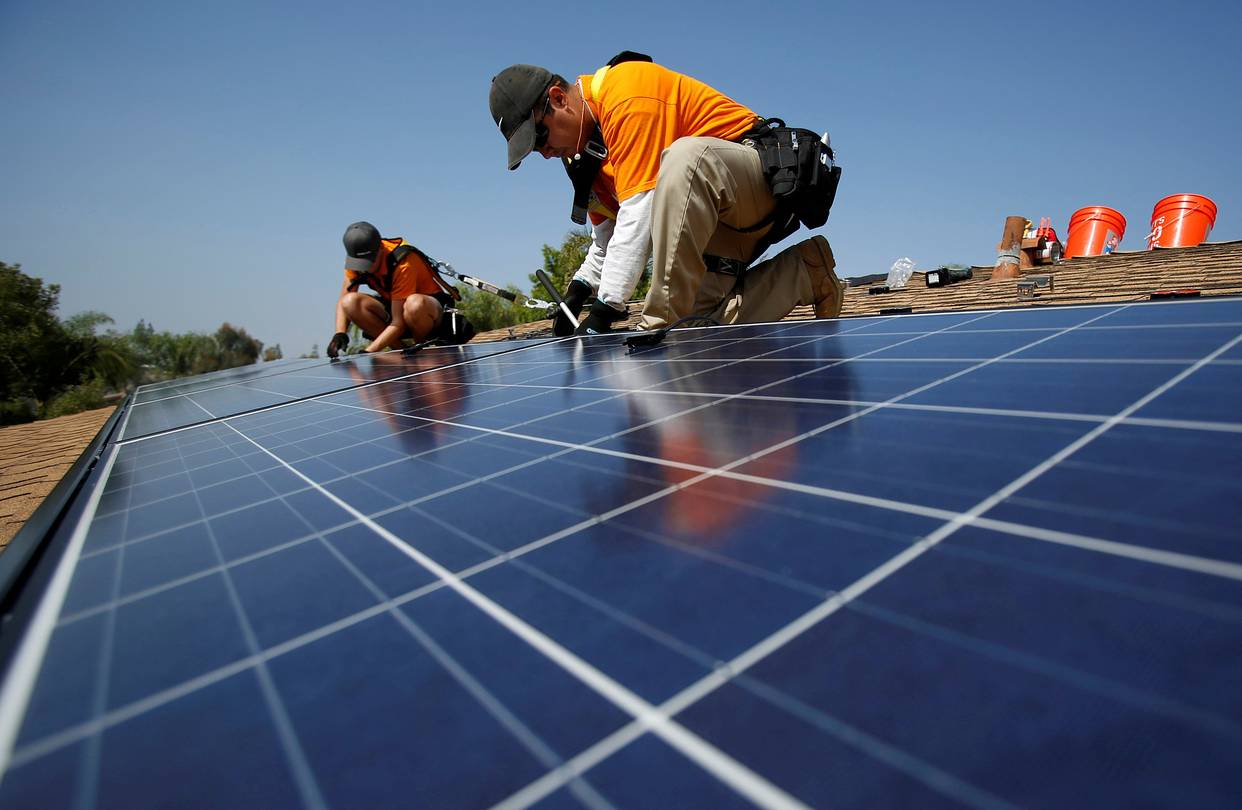
    French company EDF Renewables has made an undisclosed investment into a rooftop solar power developer subsidiary of VinaCapital, seeking to profit from the booming industry in Vietnam.

    With the investment SkyX Energy, the holding company of SkyX Solar that has 30 megawatt-peak of solar projects under operation, plans to invest more than $100 million into further develop 200 megawatt-peak of rooftop solar and distribute energy solar projects for customers over the next few years, VinaCapital stated.

    “The potential for renewables in Vietnam is enormous, and we are keen to expand our footprint in the country by drawing on our global know-how in rooftop solar solutions,” said Yalim Ozilhan, Southeast Asia director of EDF Renewables.

    In recent years, Vietnams’ rooftop solar energy sector has grown from virtually nothing into Southeast Asia’s leading solar market, with cumulative rooftop solar capacity totaling 9.3 gigawatts by the end of last year, VinaCapital said.

    EDF Renewables is an international leader in renewable energies, with a gross installed capacity of 13.8 gigawatts worldwide.

    SkyX Solar invests, designs, builds and operates solar systems for its commercial and industrial customers in Vietnam.

    Founded in 2003, VinaCapital is a leading investment management firm headquartered in HCMC, with a diversified portfolio of over $3.7 billion in assets under management.

  • Wind power developers race to complete projects for incentive price

    Wind power developers race to complete projects for incentive price

    Investors in wind power projects are racing to complete construction this month to enjoy an incentive feed-in tariff, but face procedural hurdles and those caused by Covid-19.

    This month the developer of a plant in Quang Tri Province is rushing to complete construction and begin test runs, but is being slowed down by the various administrative procedures they have to go through.

    The chairman of the investing company, who asked not be identified, said the plant needs to operate at least 70 percent of capacity, which means when the wind is weak this cannot be done.

    “We made much effort but the test depends on the weather.”

    To encourage renewable energy, Vietnam will give wind power projects that begin operation before Nov. 1 a feed-in tariff of 9.8 U.S. cents per kilowatt-hour to offshore projects and 8.5 U.S. cents for onshore ones. The tariff lasts 20 years.

    But of the 106 wind power farms that have registered to provide 5,655.5 megawatts of power, there were only six that have received an operational permit by the end of last month.

    Developers complain about the large number of permits they need to acquire to start the project, for example, the fire safety permit, and there are many unexpected challenges that lie ahead in getting these permits.

    “We won’t be relaxed until the final permit is given, as from now until it is difficult to anticipate what will come up,” the chairman in Quang Tri said.

    He proposed that the Department of Planning and Investment in the province increase the work hours of its employees, even at night, to support developers in acquiring permits. Several challenges contributed to a construction delay.

    Some developers said that the fourth Covid-19 wave slowed their projects by two months, as experts were unable to enter the country, while the transportation of equipment faced blockages as authorities tightened social distancing.

    Hoang Ngoc Quy, CEO of a developer HBRE, has been letting workers take three shifts to work 24 hours a day in the last three days.

    He proposed that the government provides incentive policies, especially in loans, to support wind power farms.

    The best support to extend the deadline until December next year for onshore projects and December 2025 for offshore projects.

    Vu Chi Mai, head of component for renewable energy and energy efficiency at the German Agency for International Cooperation (GIZ), said that Covid-19 caused unexpected impacts on the projects, and therefore the deadline should be pushed back three to six months.

    Ha Dang Son, deputy director of the Vietnam Low Emission Energy Program, said that the extended deadline should be given to certain projects depending how severe the Covid-19 impact was, not to all projects, as some have not even started.

  • Fruit exports to South Korea surge

    Fruit exports to South Korea surge

    Vietnam exported $107.25 million worth of fruit and vegetables to South Korea in the first eight months of this year, up 3.47 percent year-on-year.

    The export value of vegetables and fruit to this market reached $11.1 million in August, up 13.66 percent over the same period last year, according to the General Department of Vietnam Customs.

    Six kinds of Vietnamese fruit have been exported to the Asian market including: coconuts, pineapples, white and red dragon fruit, mangoes and bananas.

  • Ride-hailing services back on the road in HCMC

    Ride-hailing services back on the road in HCMC

    Ride-hailing firms have resumed their services in HCMC at a significantly lower scale than pre-pandemic times.

    Vietnam-based Be Group, which runs the eponymous ride-hailing app, has reopened its ride-hailing taxi service in Ho Chi Minh City with just 10 percent of its original fleet strength using 50 percent of its capacity.

    The Be Group said its car-hailing service beCar has begun operating in HCMC again on Tuesday, with drivers being given several financial incentives.

    Drivers who are online to receive a pick-up for a total of 48 hours will receive a support package worth VND1 million ($43.91).

    The GrabCar service has been functioning since Oct. 7 with a limited number of drivers as decided by the municipal transport department.

    GrabCar’s four-seaters can only carry one passenger per ride and a seven-seater can only carry two.

    Meanwhile, Gojek’s four-wheel ride-hailing service GoCar is operating on a trial basis since Tuesday. In the first stage of implementation, GoCar will serve customers who have participated in surveys and registered to experience the service.

    The service had been launched on Aug. 19 to provide free transportation for frontline medical workers to participate in epidemic prevention work.

    From Oct. 1, operators of tech-platforms operating vehicles with less than nine seats have been permitted. They can only use 10 percent of their registered number of vehicles.

  • Intel, Samsung to resume full production next month

    Intel, Samsung to resume full production next month

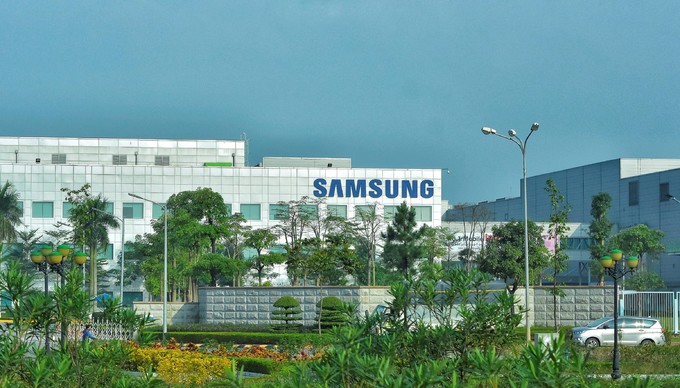
    Units of electronics manufacturing giants Intel and Samsung are set to fully resume operations by the end of November after months of social distancing-triggered production disruption.

    Saigon Hi-Tech Park is helping its tenants, many of which are currently running at about 70 percent capacity, to resume full operations next month, the park’s deputy manager Le Bich Loan said in an interview.

    The park is home to Samsung, Intel, and Nidec Sankyo Corp, a maker of magnetic card readers and micromotors.

    Nidec is also looking to resume full capacity by the end of next month, according to Saigon Giai Phong.

    Many companies operating in Saigon Hi-Tech Park lost about 20 percent of their export orders in July and August, Loan said.

    In the last several months HCMC has been imposing various levels of social distancing, which restricted the operation of factories.

    The city started resuming activities on Oct. 1.

  • Gold price hits 12-month high

    Gold price hits 12-month high

    Vietnam’s gold price climbed to a 12-month high Monday even as global prices dropped.

    Prices at state-owned Saigon Jewelry Company rose 0.05 percent from Saturday to VND57.98 million ($2,552.79) per tael Monday. A tael equals 37.5 grams or 1.2 ounces.

    Other companies sold their gold 0.17 percent higher at VND58 trillion, a 12-month high.

    Vietnam’s gold price is now VND10 million higher than global rates, widening from VND8 million a month ago.

    Global gold prices were subdued Monday over fears the U.S. Federal Reserve would start paring its stimulus this year despite Friday’s weak job data.

    Spot gold inched 0.1 percent lower to $1,755.68 per ounce.

    Spot gold may bounce into the $1,763-$1,768 range, before resuming its fall towards a support of $1,724, according to Reuters technical analyst Wang Tao.

  • HCMC restaurants, coffee chains struggle to reopen

    HCMC restaurants, coffee chains struggle to reopen

    Immediately after HCMC lifted its lockdown this month, beverage chain The Coffee House introduced Fresh Bottle, a new glass bottle designed for easy delivery of its best-selling drinks.

    This and other delivery-friendly products such as instant coffee and canned drinks are the solutions the company came up with to “survive and overcome difficulties,” CEO Le Ba Nam Anh said.

    “We have reopened 40 percent of stores in big cities such as Ho Chi Minh City, Hanoi, Da Nang, Hai Phong, Bac Ninh, Hai Phong, but we have yet to reach pre-pandemic capacity due to social distancing in each city.”

    He still has to pay rents, salaries and for ingredients, because everything was ordered two quarters in advance, and the cash flow imbalance is a big challenge, he added.

    HCMC began allowing businesses to reopen on Oct. 1 after four months of lockdowns, but coffee chains and restaurants are still struggling to return to pre-pandemic levels of business due to difficulty in hiring people and people’s reluctance to spend.

    The city has allowed eateries to resume delivery services from Sept. 8 after suspending them for nearly two months.

    Pho 79, a high-end Vietnamese-style restaurant chain, plans to function at 15 percent capacity starting on Oct. 15 as it expects demand to be low.

    “Over 70 percent of our employees have left for their hometowns,” Huynh Huu Thanh Phuong, chairman of the chain, said.

    “We do not have enough ingredients [for cooking], and demand has been falling”.

    Phuong plans to increase to 30-50 percent capacity before year-end, but expects revenues for the whole year to be 70 percent down from last year.

    “We are waiting for authorities to lift more restrictions. We are also concerned about the possibility of another resurgence in Covid-19.”

    Other restaurants are unsure whether it is even the right time to reopen.

    “It’s bad to remain closed, but it’s hard to reopen as the more we sell the more we lose,” Ly Nhat Hieu, owner of three high-end restaurants, said.

    He has been waiting for the city to reopen since closing for five months has cost him nearly VND2 billion ($86,206).

    But a shortage of employees makes it difficult for him to restart now: many have left for their hometowns, some have started their own eateries or work as delivery persons to make a living.

    “It is hard to find people for difficult positions such as head chef and station chefs. It is not easy for people to return to the city.”

    The food and beverage industry has been among the biggest victims of the fourth wave of Covid, which began at the end of April.

    With over 2,000 new cases found every day, the city continues to impose restrictions to prevent another outbreak.

    But with over 70 percent of the adult population vaccinated, the highest rate in the country, industry insiders have reason to expect that the difficulties will soon be over.

    The Coffee House plans to build a new store model specializing in takeout and delivery in Ho Chi Minh City, and plans to replicate this in other localities across the country next year.


  • Air tickets sell fast after domestic routes reopen

    Air tickets sell fast after domestic routes reopen

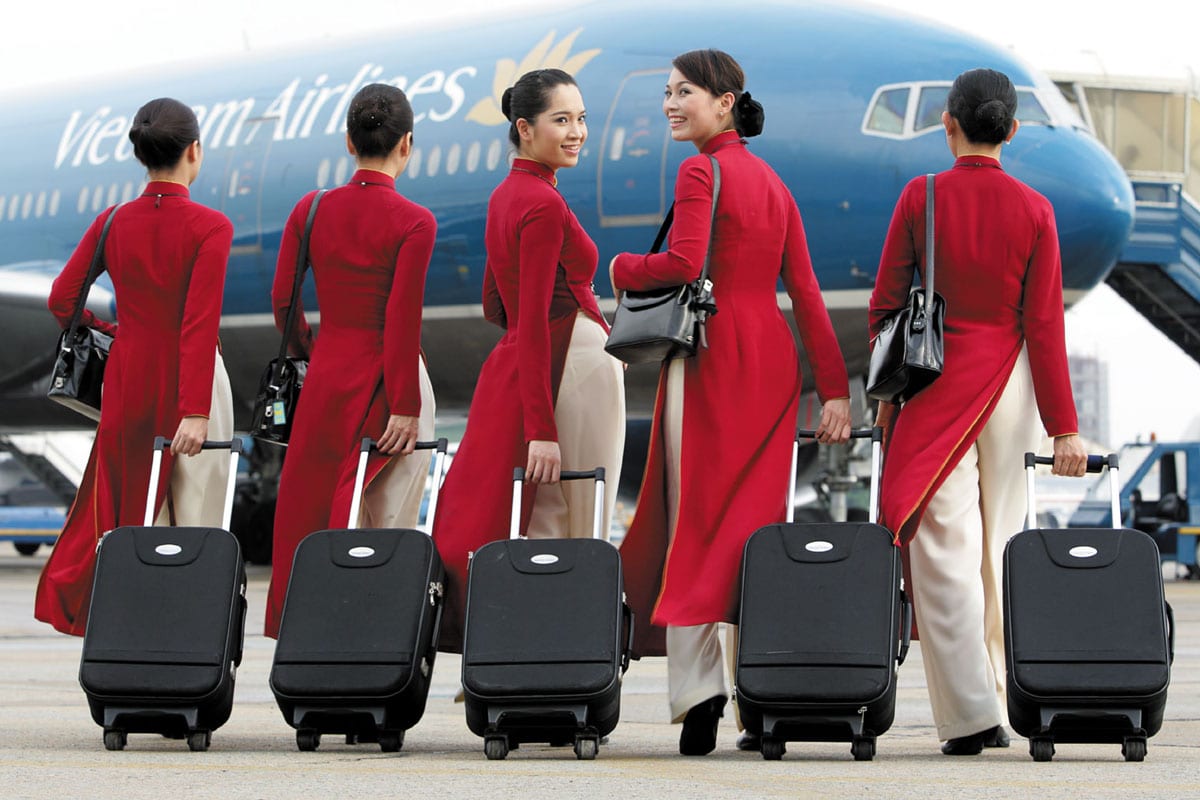
    National flag carrier Vietnam Airlines has sold more than 80 percent of seats on domestic flights after ticket sales opened Oct. 10.

    Flights between Hanoi and HCMC, and HCMC and the central localities of Thanh Hoa and Hue, Hanoi and Da Nang, have been the most booked.

    Flights on these routes are almost full on Oct 10-12, according to a Vietnam Airlines representative. One-way tickets on the Hanoi – HCMC and HCMC – Thanh Hoa routes cost VND3.5 million ($154) each; HCMC- Hue and Hanoi – Da Nang, VND2.4 million each.

    “I have tried to book a flight back to Hanoi, but the Vietnam Airlines website informed me seats have already been fully booked till Oct. 13,” Bui Ngoc Quang, a quality assurance officer at the HCMC University of Social Sciences and Humanities said.

    Quang said he wants to fly back to his hometown, a village in Hanoi’s outskirts, as soon as possible, because his wife had recently given birth to a girl baby, their first child, but he has been unable to meet them for weeks. In late August, aviation authorities had instructed airlines to stop selling tickets until further notice as the Covid-19 outbreak raged.

  • Mercedes-Benz Vietnam recalls 1,700 cars

    Mercedes-Benz Vietnam recalls 1,700 cars

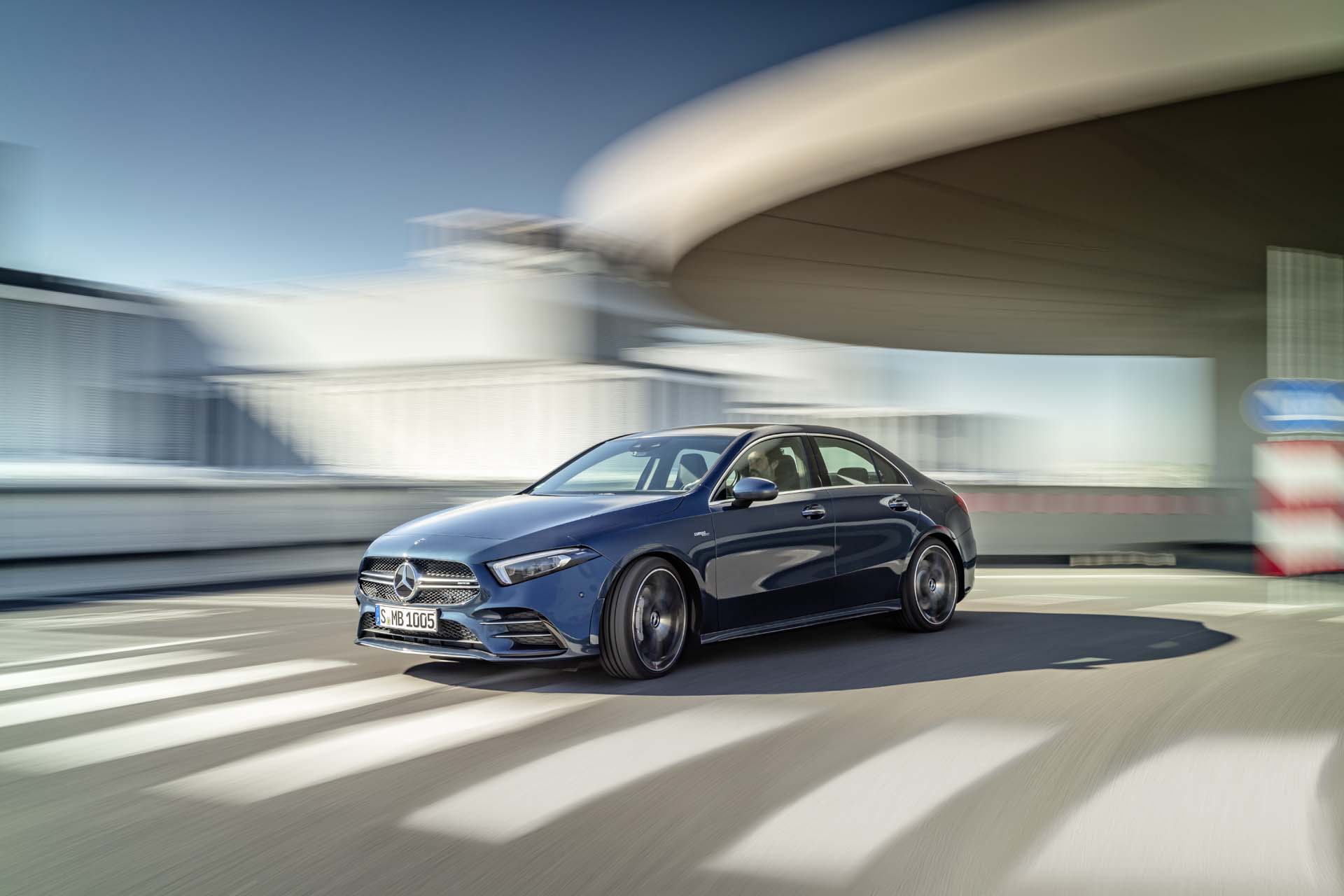
    Mercedes-Benz Vietnam is recalling more than 1,700 C200 cars locally assembled from 2014 -2018 to remove a generator-related software bug.

    The recalled cars were produced between Dec. 2014 to Feb. 2018. Short-circuited diodes in their generator were making coils overheat, leading to fire risks, the carmaker said. The recall will run from Sept. 25, 2021 to Dec. 31, 2025.

    The solution is to update the engine control software to optimize generator operation. The free update would take about 30 minutes at authorized Mercedes-Benz dealers in Vietnam.

    These vehicles were manufactured from Nov. 2016 to Feb. 2017. The solution is to replace the entire steering shaft, a procedure lasting about 1.5 hours.The German carmaker also made two other recalls in Vietnam from Oct. 1-7. These relate to several different models, including 49 A-class cars, CLA, and the imported GLA that have an error in the steering shaft mechanism.

    Mercedes-Benz sold 2,558 units in Vietnam in 2020.

  • Vietnam footwear exports slip on Covid-19 impacts

    Vietnam footwear exports slip on Covid-19 impacts

    Vietnam’s footwear exports plunged 44.2 percent year-on-year to about $700 million in September, according to the Vietnam Leather, Footwear and Handbag Association (Lefaso).

    Meanwhile, handbag exports also decreased by 48 percent.

    However, the industry still recorded positive growth overall thanks to increased momentum in the first half of the year.

    In the first nine months of 2021, footwear exports crossed $13.3 billion, up nearly 10 percent over the same period in 2020, while handbags exports slipped 3.7 percent year-on-year to around $2.24 billion.

    The U.S. remained a major export market for Vietnamese footwear and handbags, accounting for 41 and 44 percent of the total, respectively. EU ranked second at nearly 23 and 22 percent of footwear and handbag exports.

    Lefaso said prolonged social distancing has forced 80 percent of leather and footwear factories in HCMC, Dong Nai, Binh Duong, An Giang, and Kien Giang, accounting for 70 percent of the industry’s import and export turnover, to stop production.

    Businesses in the northern and central regions reduced production by 30-50 percent due to labor shortages, supply chain disruptions and other factors.

    The lack of containers, high cost of logistics and international shipping (5-10 times), expensive fuel and the rising price of imported raw materials have majorly impacted the industry.

    The association also said that conditions for receiving Covid-19 relief were too tough and relevant administrative procedures too complicated, making it difficult for businesses to access the promised support.

    Although the situation has improved since the end of September, production under the “new normal” has a long way to go, it said.

    Lefaso recommended that leather and footwear businesses reduce costs, take advantage of supportive policies and create favorable conditions, in line with safety protocols prescribed by the Ministry of Health to attract workers back to work.

    Businesses also need to make good use of incentives under free trade agreements, especially CPTPP and EVFTA, to boost exports in the last months of 2021, the association said.

  • The Ritz-Carlton Residences to arrive in Hanoi

    The Ritz-Carlton Residences to arrive in Hanoi

    The first Ritz-Carlton branded residences in Vietnam is set to open in late 2023. Masterise Homes and Marriot International on May 10 announced the signing of an agreement for The Ritz-Carlton Residences, Hanoi, a standalone luxury branded residential project that marks the debut of the Ritz-Carlton brand in Vietnam, slated to open in late 2023.

    The Residences at the Grand, Hanoi will be situated in the heart of the prestigious Hoan Kiem District, along popular Hang Bai Road and near Hoan Kiem Lake, one of the city’s most beloved landmarks. The anticipated 104-unit branded residences will feature one-bedroom Premier, two-bedroom Classic, and three-bedroom Presidential suites, to suit each resident’s needs and preferences.

    The project features award-winning architects, designers, and project management consultants. Once complete, the residences will be the country’s first Ritz-Carlton Residences and the fifth in Asia Pacific following Singapore, Bangkok (Thailand), Colombo (Sri Lanka), and Kuala Lumpur (Malaysia). The agreement leverages the long-term strategic partnership between Masterise Homes and Marriott International, combining the expertise of a pioneer in luxury real estate products and services in Vietnam and the global hotel management company, owner of the Ritz-Carlton brand.

    Jason Turnbull, deputy managing director cum CFO Masters Homes, commented: “The Ritz-Carlton Residences, Hanoi at The Grand is an ultra-luxury development set to offer an enduring legacy for residents and expected to be a masterpiece that matches the beauty of the facade’s classical architecture and modern design combined with the legendary service of The Ritz-Carlton. This project expects to change how we look at ultra-luxury living and elevate Vietnam’s position on the global real-estate map.”

    In line with the long-standing tradition of service excellence synonymous with The Ritz-Carlton brand, homeowners will be able to enjoy world-class amenities complemented by the legendary service from the Ladies and Gentlemen of The Residences. Its prominent location offers the best of the city within close proximity and allows residents to enjoy the vibrancy of Hanoi’s Old Quarter streets, and return to the comfort and privacy of their residences in mere minutes.

    “We are thrilled to continue working with Masterise Homes to amplify our luxury presence in Vietnam with the signing of The Ritz-Carlton Residences in Hanoi – embracing the growing demands for branded living in this burgeoning cosmopolitan city,” said Rajeev Menon, president, Asia Pacific (excluding China), Marriott International.

    “Vietnam is a dynamic market and we look forward to bringing the brand’s refined style and legendary services to residents in Vietnam.”

    The Residences at The Grand, Hanoi is the second Marriott branded residences in Vietnam, following the milestone dual- branded Grand Marina, Saigon announced earlier this year, which operates under two brands within the Marriot Bonvoy portfolio – JW Marriott and Marriott Hotels.

    The Ritz-Carlton Hotel Company, L.L.C., of Chevy Chase, MD., part of Marriott International, Inc., currently operates more than 100 hotels and over 45 residential properties in 30 countries and territories. With 100 years of history, an unshakeable credo and corporate philosophy of un-wavering commitment to service, both in their hotels and in our communities, The Ritz-Carlton has been recognized with numerous awards for being the gold standard of hospitality.

    Masterise Homes, a member of Masterise Group, is a pioneer in bringing world-class excellence to the development, operations, and management of luxury real estate products and services, in the Vietnamese market and beyond. With a one-of-a-kind portfolio comprising the largest Branded Residences in South East Asia, Masterise Homes demonstrates world-class capabilities via a strategic partnership with Marriott International, the largest hotel brand in the world featuring the iconic brands of Marriott, JW Marriott and Ritz-Carlton.

  • Garment exports hit hard by labor shortage

    Garment exports hit hard by labor shortage

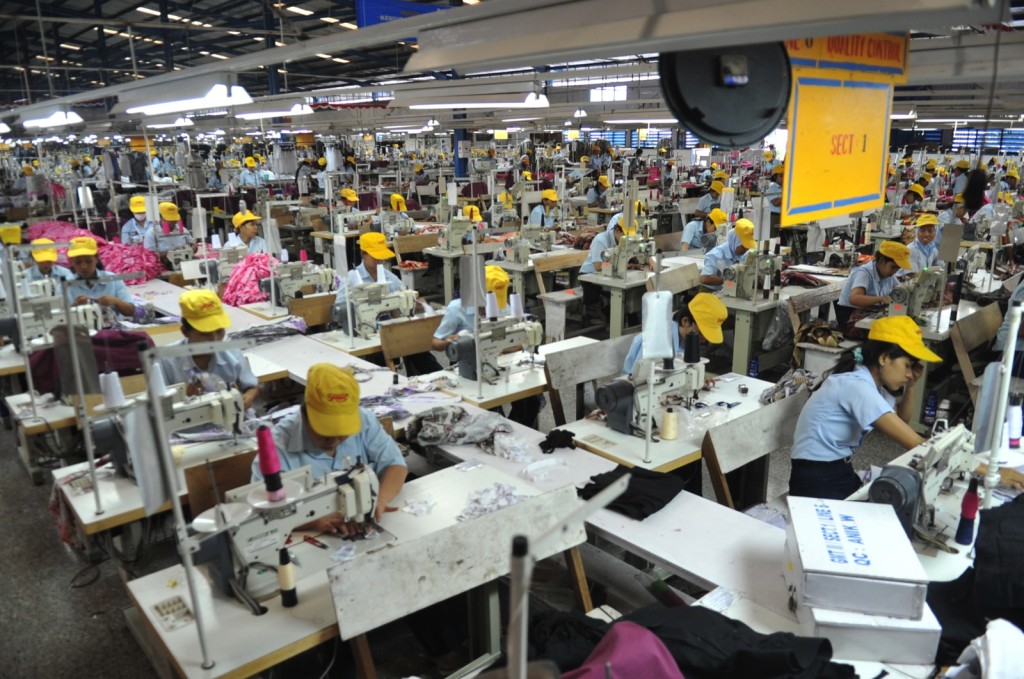
    Garment and textile firms face labor shortages and broken supply chains, and find it hard to fulfill their export orders, the Vietnam Textile & Apparel Association has said.

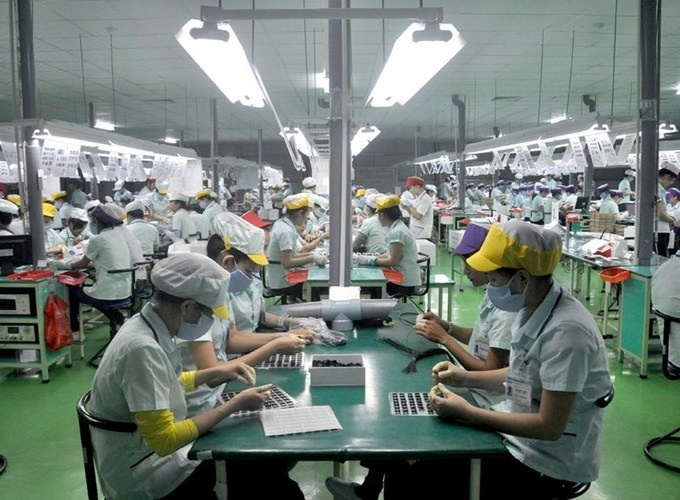
    The fourth and most intense wave of Covid-19, which caused many textile companies to close down or operate at partial capacity between July and September, remains a severe problem in many cities and provinces, especially in the south, and so migrant workers are making an exodus to their hometowns.

    Some one million workers in the sector, or one third the total number employed, have quit their jobs or are staying away from work with or without pay, VITAS estimated.

    Meanwhile, supply chains continue to be broken as a number of foreign clients shift their orders to other countries.

    Many companies in the south have adopted the stay-at-work and commute-to-work models, but managed to get only 10-30 percent of their employees, meaning they have found it hard to maintain production and ensure timely delivery of goods, VITAS said.

    Garment and textile exports fell 9 percent month-on-month in September to $3 billion. The figure for the year-to-date was $29 billion.

    VITAS has three different export scenarios depending on how the Covid situation pans out: it expects shipments of $33.5-34 billion this year if the pandemic continues until early December, $36-36.5 billion if until November and $37.5-38 billion if it is controlled by October.

    “It is very difficult for the sector to realize the export target of $39 billion set for this year,” Vitas vice chairman Truong Van Cam said.