Tag: Vietnam

  • Alibaba-backed fund invests in retail chain Homefarm

    Alibaba-backed fund invests in retail chain Homefarm

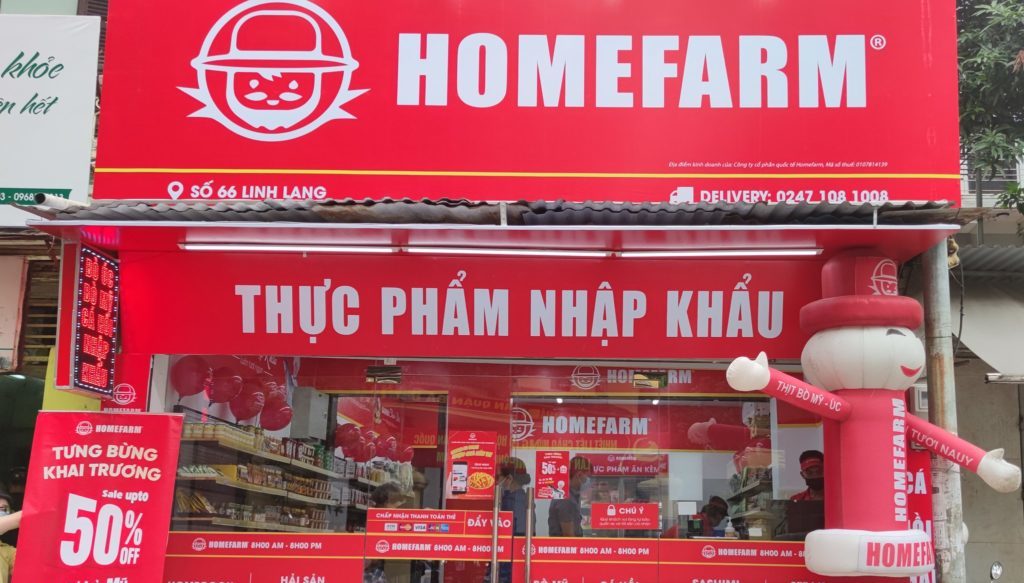
    An Alibaba-backed fund has invested an undisclosed amount in Vietnamese retail chain Homefarm.

    The investment by eWTP Technology and Innovation Fund is a “seven-digit figure,” the company’s CEO Tran Van Truong said.

    Homefarm, which has around 150 stores that sell meat, fish and groceries imported from several countries including the U.S., Australia and South Korea, plans to have 1,000 by 2025, he said.

    The funding was through ReDefine Capital Fund, a Singapore-registered investment entity controlled by eWTP.

    The $600-million eWTP Technology and Innovation Fund was set up in 2018 with Chinese billionaire Jack Ma’s Alibaba and Ant Group as cornerstone investors.

    It reportedly invested recently in Vietnamese retail company Ficus Asia Investment and ed-tech firm Educa Corporation.

  • Be Group appoints new CEO

    Be Group appoints new CEO

    Vu Hoang Yen has been appointed the new CEO of Be Group, which runs the eponymous ride-hailing app, starting Wednesday.

    She replaces Nguyen Hoang Phuong who has resigned citing personal reasons.

    A graduate of the London School of Economics, Yen has previous work experience in e-commerce, finance, banking, and digital conversion. She was one of Forbes Vietnam’s top 10 professional women managers in 2019.

    The group’s targets for the fourth quarter of 2021 and the next year include introducing optimal operational solutions for technology-based transport; and developing digital ecosystems including finance, banking, insurance, flight, and hotel bookings.

    The group says the Be app has been downloaded to 10 million mobile devices and the ride-hailing service currently has 300,000 drivers who work in nearly 30 cities and provinces.

  • E-commerce platforms cater to large groceries demand in Vietnam

    E-commerce platforms cater to large groceries demand in Vietnam

    Leading e-commerce platforms in Vietnam saw bigger demand for groceries, including fresh foodstuffs and beverages, in the second quarter of this year, a market research firm says.

    Google searches for keywords relating to online grocery stores in the second quarter of this year surged 223 percent against the first quarter, Malaysia-based market research firm iPrice Group said. Searches for fresh foodstuff, drinks, pre-packaged items, and fruits and vegetables rose 99 percent, 51 percent, 30 percent and 11 percent, respectively.

    According to a second-quarter e-commerce report by, online grocery has been the only goods segment with continuous growth since the pandemic broke out.

    When HCMC started applying social distancing rules in early July, demand for buying groceries online increased sharply. E-commerce platform Lazada Vietnam sold 120,000 fresh milk cartons in the first three hours of July 7, and 10,000 poultry eggs in the first 12 hours of the day.

    According to iPrice researchers, the surge in searches for online grocery stores and supermarkets is linked to the social distancing regulations imposed by municipal and provincial authorities. Retail sales of essential goods will also go online rapidly, they said.

    The higher demand for groceries prompted e-commerce platform Tiki to open fresh groceries stalls (September 2) that would deliver the products within three hours in Hanoi.

    To lure more customers, online shopping platforms have held shoppertainment (shopping in combination with entertainment) activities since early July. Lazada and Shopee have launched online mini-game contests and music shows, and conducted more livestream sales in combination with recreational activities.

    Lazada’s livestream channel reported that its daily views in the second quarter of this year rose 2.5 times over the same period last year. Shopee said the number of Shopee Live users in the first half of this year surged over 200 percent on-year.

    Online payment and shopping platform MoMo attracted eight million players in one month after organizing a game contest with prizes totaling VND10 billion (nearly $435,000). “We will continue to organize similar programs,” said co-founder and vice chairman Nguyen Ba Diep.

    According to rankings complied by iPrice Group and Israel-based digital intelligence provider SimilarWeb, Lazada Vietnam saw its website visits in the second quarter of this year increase 14 percent against the first quarter to 20.4 million, ranking second after Shopee. Shopee ranked the first for the 12 quarters, with 73 million web visits in the second quarter, up 9.2 million visits against the previous one.

    Among e-commerce platforms in Vietnam, Lazada and Shopee have been the most active in terms of shoppertainment events in recent months. They are expected to host more such programs on September 9, the super shopping day.

    The visits to top 50 shopping websites in Vietnam in the first half of this year totaled over 1.3 billion, the highest number so far. Specifically, web visits in the second quarter rose 10 percent over the first.
  • General director of VietinBank appointed new chairman

    General director of VietinBank appointed new chairman

    Vietnam Bank for Industry and Trade (VietinBank) has elected General Director Tran Minh Binh as the bank’s new chairman for the 2019-2024 term.

    The appointment came Tuesday, two months after the bank’s former chairman, Le Duc Tho, was appointed secretary of Ben Tre Provincial Party Committee from July.

    Tran Minh Binh, 47, holds a Master’s degree in Business Administration from National Economics University – Belgium’s ULB University.

    Binh has more than 22 years of experience working at VietinBank, including 17 years as a professional manager at the head office and branches and eight years as a senior manager.

    On the same day, the bank also assigned Nguyen Hoang Dung, its deputy general director, as general director in charge of the executive board, replacing Tran Minh Binh.

    VietinBank, the third-largest lender by total assets in Vietnam, made a consolidated net profit of VND10.81 trillion ($473.69 million) in the second quarter of 2021, up 44.52 percent compared to the same figure in 2020, according to the bank’s financial report.

  • German companies in Vietnam look to diversify supply chain due to Covid

    German companies in Vietnam look to diversify supply chain due to Covid

    Ninety percent of German companies in Vietnam are seeking new or additional suppliers in Asia Pacific due to mobility restrictions in the country.

    The majority of respondents, 83 percent, reported supply bottlenecks and price increases caused by transport problems, according to a survey by the Association of German Chambers of Industry and Commerce (DIHK).

    What has led to the current transport problems is a lack of freight capacity and containers.

    Other issues that caused supply bottlenecks are increased demand or insufficient production capacity (67 percent) and halted supplier production (58 percent).

    The impacts of supply bottlenecks on German companies are longer waiting times, higher purchase prices, and production halts or downsizing, according to 58 percent of respondents.

    Half of the respondents have no choice but to either increase or plan to increase the manufacturing prices of their products.

    Two-thirds of German companies are also considering relocating their production to the E.U.

    The Vietnam survey is part of the global inquiry by DIHK, which polled 3,000 business leaders from Jul. 22 to Aug. 9.

  • Vietnam’s biggest auto expo canceled again

    Vietnam’s biggest auto expo canceled again

    The Vietnam Motor Show, the biggest automobile expo in the country, has been canceled for the second year running over Covid-19 impacts.

    This year’s show was originally scheduled to be held next month.

    Members of the Vietnam Automobile Manufacturers’ Association (VAMA) and the Vehicles Importers Vietnam Association (VIVA) said in a joint statement the VMS 2021 has been canceled as was VMS 2020.

    Earlier, the VMS 2021 organization board had planned to postpone the expo to the last week of November or the second week of December, but found that such plans were not feasible. The board is expected to make an official announcement about the cancellation soon.

    The VMS 2019 in HCMC drew the participation of 15 firms that displayed over 100 new cars. Many firms in the supporting industry also participated in the event that drew over 200,000 visitors.

    Vietnam’s car sales rose 27 percent year-on-year to over 166,500 units in the first seven months, thanks to a surge in the first quarter.

  • Ministry wants betting to be allowed on more global football events

    Ministry wants betting to be allowed on more global football events

    The Ministry of Finance wants more global football tournaments added to the list of those on which people can bet.

    The list comprises 27 events, including 15 leagues in Europe, Asia, North America and South America and 12 tournaments held every two or four years.

    Gamblers will be allowed to bet on matches Vietnam play, including in the World Cup, AFC U-23 Championship, Olympics, Asian Cup, and U-20 World Cup.

    The minimum and maximum bets on football matches, horse races and dog races will remain unchanged from 2017 at VND10,000 ($0.44) and VND1 million.

    A 2017 government decree allows Vietnamese to bet on all football tournaments run by FIFA.

    But gambling remains illegal in Vietnam. There are a handful of licensed casinos, but only holders of foreign passports are allowed to gamble there.

    Vietnamese are known for their love of gambling. It is estimated they spend at least $800 million a year betting overseas, mainly in Macau, Singapore and Hong Kong.

    Illegal betting and gambling are rife within the country too. Da Nang City police last year arrested a man running an online football gambling ring with stakes of nearly $1 million.

  • Digital media startup raises another $2.7 mln

    Digital media startup raises another $2.7 mln

    Vietcetera, a digital media startup, raised $2.7 million in a pre-series A round last month after earlier raising $700,000 in March.

    The pre-series A round was attended by U.S. venture capital firm North Base Media, Indonesian investment company Go-Ventures and early-stage venture capital firm East Ventures, Philippine digital lifestyle network Summit Media, Japanese venture capital firms Genesia Ventures and Z Venture Corporation.

    Vietcetera plans to use the money to expand its content catalog by adding new shows and podcasts, and further developing its mobile app.

    In March, Genesia Ventures had led the seed funding round with an investment of $700,000.

    Established in 2016, Vietcetera produces content in Vietnamese and English, ranging from articles about business and stories about lifestyles to podcasts.

    Vietcetera said it has over 20 million users a month, mostly from Vietnam, of whom 60 percent are women. It also said it has witnessed “rapid audience and revenue growth” as users in Vietnam, especially from Gen Z (those born in 1996 or later), demand high-quality multimedia content.

    One of Vietcetera’s most viral content is a rap music video featuring former U.S. ambassador to Vietnam, David Kritenbrink. The video was released in February to welcome the Lunar New Year.

    According to a report by Google, Temasek Holdings Pte and Bain & Co, Vietnam’s digital media market is expected to surge to $7billion in 2025 from $3.3 billion in 2020, and its digital economy to $52 billion, including $29 billion from e-commerce, from $14 billion.

  • Hanoi to restrict motorbike shipper timings

    Hanoi to restrict motorbike shipper timings

    Hanoi will restrict motorbike shippers’ timings to between 9 a.m. to 8 p.m. every day, starting Monday, while requiring continued compliance with all pandemic prevention and safety measures.

    All shippers, accordingly, will have to furnish a certificate with negative PCR or rapid antigen test results in line with health ministry regulations.

    The timing restrictions are needed because the motorbike delivery service is hard to control and carries the risk of further spreading the coronavirus, officials said.

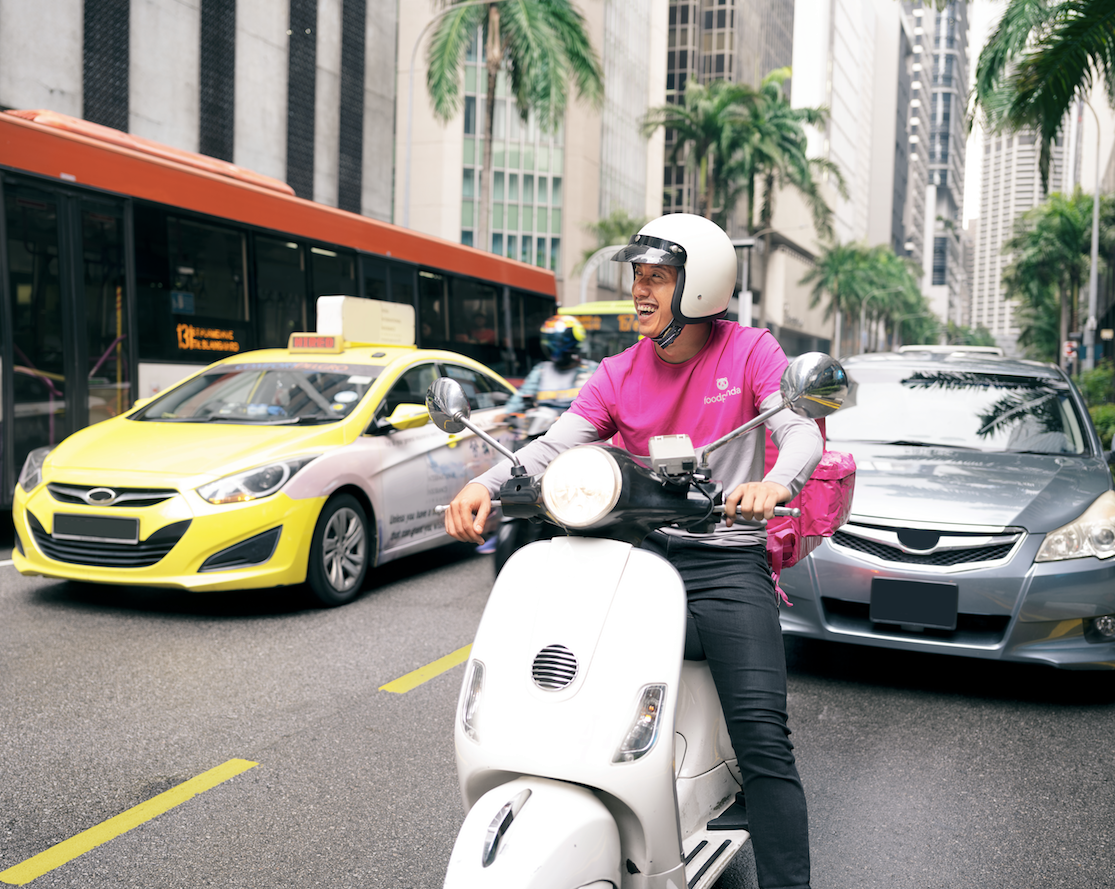
    Hanoi has allowed delivery people from supermarkets, e-commerce platforms and postal services but not from ride-hailing companies like Grab, Be and Gojek since July 24.

    Hanoi has undergone several social distancing orders since late July. It has recorded over 3,700 infections in the ongoing outbreak that hit the nation late April.

    City authorities have said that they would extend strict lockdown orders in most parts of the city after September 6.

  • Samsung to expand northern Vietnam plant

    Samsung to expand northern Vietnam plant

    Samsung is set to expand its plant in the northern province of Bac Ninh this year to increase its production capacity of foldable devices.

    The company would kick off the expansion project within the second half of this year, targeting full operation by the end of 2021 or early next year at the latest.

    This is to increase Samsung’s annual production capacity of foldables by 47 percent from the current 17 million to 25 million.

    Experts say once Samsung completes the expansion, the company would be able to produce 10 million units of Galaxy Z Fold models and 15 million units of Z Flip models a year.

    Samsung’s decision to ramp up capacity is mainly driven by soaring market demand. Its third-generation foldable models recorded 920,000 pre-orders in South Korea, 1.8 times more than its latest smartphone Galaxy S21, the report stated.

    “Samsung’s factories that make foldable devices are already operating at full capacity. Samsung has no option but to expand its facilities,” a source told the newspaper.

    It will likely add three more production lines to its current seven, which would allow the company to manage the production volume more flexibly, the source added.

    Samsung, the biggest foreign investor in Vietnam, has six plants and is building a new research and development center in Hanoi, which would open next year. Around 3,000 Vietnamese engineers are set to be employed there.

    The South Korean company has invested over $17.7 billion in Vietnam, has 110,000 employees and exported over $56 billion worth of products last year.

  • Vietnam considers tightening import tax on e-commerce deliveries

    Vietnam considers tightening import tax on e-commerce deliveries

    The Ministry of Finance is considering limiting the import of low-value packages through e-commerce platforms to close a suspected loophole.

    It wants to issue a new decree to limit each organization or individual buyer to be free of import tax on four orders at most each month.

    The proposal came amid the rising popularity of shopping on e-commerce platforms in Vietnam, with many products delivered directly from China.

    Vietnam currently does not apply an import tax on packages with a value of VND1 million ($44) or lower delivered via postal and delivery services.

    However, because there is no limit on the number of packages being sent, many buyers take advantage of this policy and split their goods into small packages to avoid tax, according to the Ministry of Finance.

    In the first six months last year, Hanoi alone imported $1 billion worth of products via postal and delivery services. The value in June was five times that of January, according to the latest data from the Ministry of Finance.

    A Hanoi company that imports products for Shopee and Lazada saw its value of imported products surging 50 times year-on-year to $70 million in the first quarter of 2021, the ministry said.

    Vietnam’s e-commerce market has seen an average annual growth rate of 25-30 percent in the last five years, according to Vietnam E-commerce Association (VECOM).

    Should the growth rate be maintained, Vietnam would rank third in e-commerce market size in Southeast Asia by 2025, behind Indonesia and Thailand.

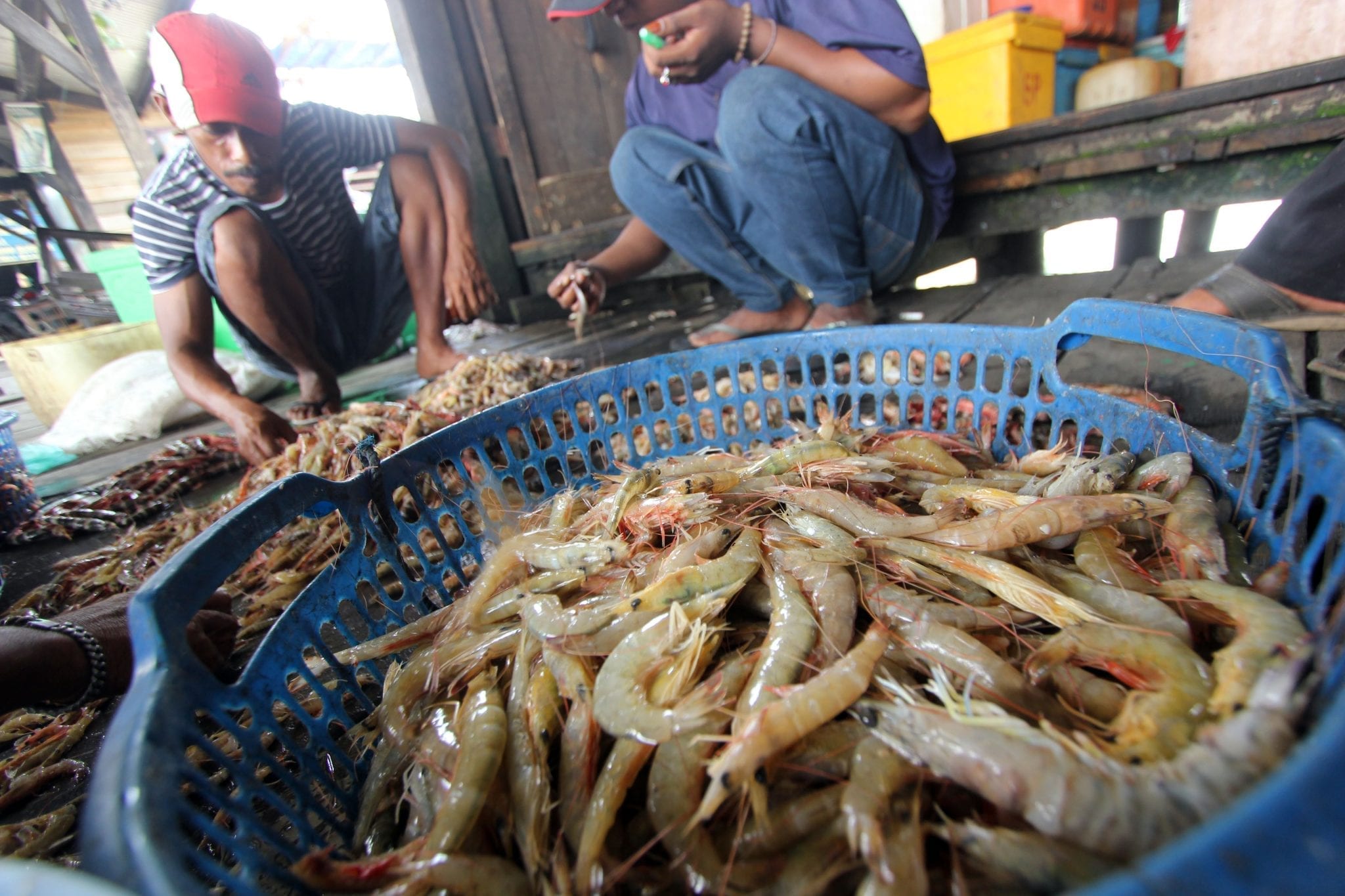
  • Vietnamese Seafood export falls in August

    Vietnamese Seafood export falls in August

    Vietnam’s seafood export turnovers stood at $520 million in August, down 36 percent against the same month last year due to Covid-19 outbreaks.

    Last month, only 30-40 percent of seafood enterprises in the south ensured the stay-at-work mode, mobilizing 40-40 percent of employees to work, eat and sleep at factories, so their production capacity dropped 50-60 percent, said the Vietnam Association of Seafood Exporters & Processors (VASEP).

    Meanwhile, material supply chains were broken or met with difficulty in transport. Seafood firms saw higher input costs and freight ones, and some exporters failed to deliver goods on time, losing clients to their foreign rivals.

    However, seafood export turnovers in the first eight months of this year rose 6 percent on-year to $5.5 billion.

    The VASEP forecast seafood export turnovers will decrease at least 20 percent on-year to $660 million in September, because the pandemic is still progressing complexly in the South, while vaccination among workers in industrial parks and export processing zones is limited.

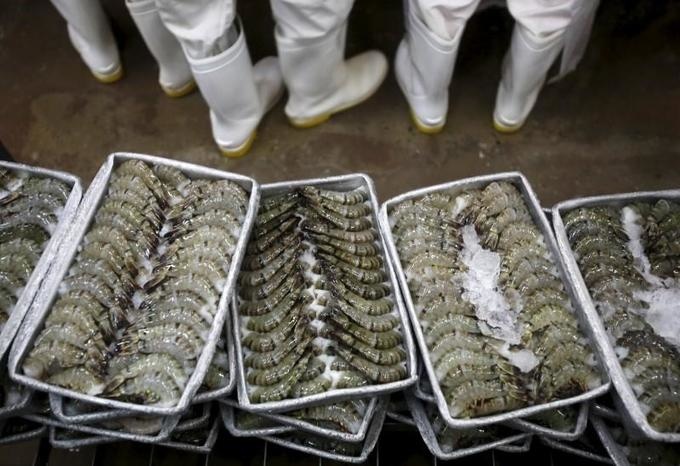
    Some southern provinces, including Soc Trang, Cau Mau, Bac Lieu and Kien Giang, which are major prawn producers and exporters, have contained the pandemic fairly well, so they are expected to export more prawns and shrimps in the remaining months of this year.

    Major catfish producing and exporting provinces are still being hit hard by the pandemic, with over half of factories having to close down, so tra fish export is unlikely to bounce back in September.

    HCMC and localities in the Mekong Delta, home to many squid, octopus, tuna processing plants, are still experiencing complex Covid-19 situations, so their seafood production and export are predicted to continue to be sluggish this month.

    In the fourth quarter, when most of seafood processing workers will have been vaccinated against Covid-19, seafood export can recover slightly, reaching turnovers of $8.5-8.6 billion, the VASEP forecast.

  • India’s online retailer Cars24 enters Australia

    India’s online retailer Cars24 enters Australia

    A $1 billion online car seller has just launched in Australia, with the retailer confident the US and UK trend of buying a car online will take off across the country.

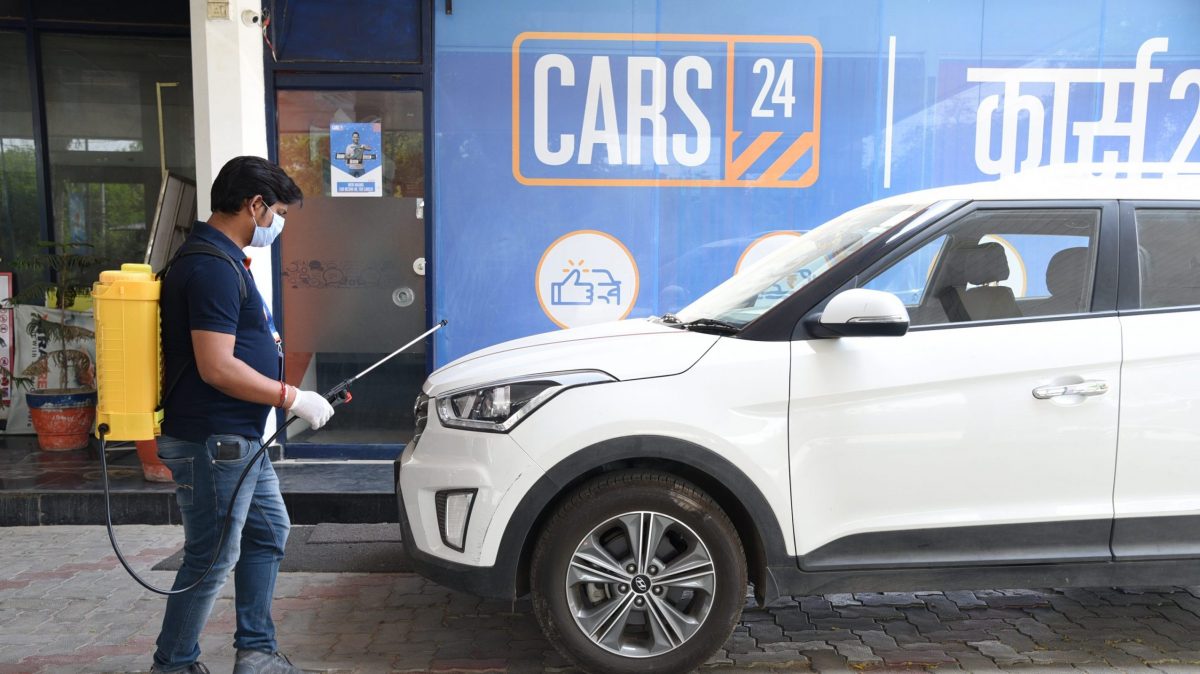
    Indian start-up CARS24 now allows Australians to buy used cars from home in under five minutes, with the car then delivered to their door.

    CARS24 Australia CEO Olga Rudenko said she believed Australians would jump on the “new way of buying used cars” very quickly.

    “Being able to order a car in under five minutes with all the financing taken care of and the ability to return within seven days at no cost is an absolute no-brainer,” she said.

    “We buy everything online these days. Groceries, clothes, appliances. Why? It’s super easy – buy when it’s right for you, no need to leave home. You trust that you’ll have a good experience, with customer reviews and return policies if things don’t work out.”

    CARS24 owns every car it sells and works to ensure quality control from sourcing through to delivery and warranty.

    The retailer also offers seven-day returns with 100 percent money-back guarantee while each car also comes with a six-month unlimited warranty and free at-home delivery – making it as easy and convenient as any other online purchase.

    Melbourne’s 20-year-old Nathaniel Chanter was one of the first Australians to use the service, buying a $23,000 Jeep he’d never seen before.

    Mr Chanter said he was “a little bit nervous” buying the car when he realized he couldn’t even look at the car first, but loved his purchase and thought he’d got it for a very good price.

    “I’d definitely do it again,” he said.

    Publisher of Drive.com.au James Ward said he thought times were changing when it came to buying cars.

    “It’s a funny thing. The old adage of going to the dealer on a Saturday morning and taking it for a run around the block… I think those days have changed,” he said.

    Mr Ward said while every buyer should do their own research, he thought test-driving was becoming less important.

    “It’s very hard to produce a bad car these days. So you’re basically buying a solid prospect, regardless of test driving or not.”

  • Dragon fruit suffers pandemic troubles

    Dragon fruit suffers pandemic troubles

    The Covid-19 pandemic has made it difficult for Vietnamese dragon fruits, in season now, to be exported.

    China, which accounts for some 80 percent of Vietnam’s total dragon fruit exports, has restricted the flow of goods at some border gates as part of its pandemic safety precautions.

    Meanwhile, for markets like the European Union, the U.S. and some Asian countries, the pandemic has caused an increase in logistics cost, and traders are facing fiercer competition from Taiwan, Thailand and Malaysia.

    To expand markets for its dragon fruit, Vietnam is seeking ways to penetrate new markets, including Australia and Japan.

    Ta Duc Minh, the commercial counselor at the Vietnamese embassy in Japan, said Vietnamese farmers and firms should ensure synchronous cycles from cultivation, harvest and preservation to transport and export to maintain the freshness and taste of dragon fruits.

    They should also intensify the application of advanced post-harvest technology to ensure product quality, he said.

    Phu proposed the central province of Binh Thuan and the southern province of Long An, the two country’s largest dragon fruit producers, should speed up processing and export of dried fruit as well as other products made from dragon fruits like wine and syrup.

    Binh Thuan has 33,750 hectares of dragon fruits with an average annual output of 650,000 tons. It currently has 240 dragon fruit collecting, semi-processing and packaging facilities, and six processing facilities that make different products with the fruit.

    According to the Long An Department of Industry and Trade, the province produces some 330,000 tons of dragon fruit each year.

  • Shrimp processing giant posts large revenue increase

    Shrimp processing giant posts large revenue increase

    Minh Phu Seafood, one of the country’s biggest shrimp processors, reported a 9 percent rise in revenues to over VND6.1 trillion ($269 million) in the first half of the year.

    The HCMC company said however the pandemic is causing disruption in sales, especially in North America, its biggest market.

    Its net profit rose nearly 20 percent to VND276 billion.

    It received a VND336-billion import tariff refund after the U.S. in February withdrew an accusation that one of its subsidiaries, Mseafood, had violated anti-dumping regulations.

    The company had to deposit the sum while it disputed the case.