Tag: Vietnam

  • Vietnam world’s third largest instant noodles market

    Vietnam world’s third largest instant noodles market

    Vietnam has become the world’s third-largest instant noodles market with over 7.03 billion servings consumed last year, up two places from a year before.

    This is an increase of 29 percent from 2019 and a new record for the country, according to data from the World Instant Noodles Association (WINA).

    The latest figure means that Vietnam accounted for around 6 percent of instant noodles servings in the world. Each Vietnamese consumed 55.6 servings last year.

    The country ran behind China and Indonesia with 46.35 billion and 12.64 billion servings, respectively.

    India and Japan make up the top five instant noodles consumers in the world.

    The surge in instant noodles consumption in Vietnam has happened as the country dealt with two major Covid-19 outbreaks last year, forcing people to stay at home under social distancing orders.

    Global consumption of instant noodles rose nearly 10 percent in 2020 to 116.56 billion servings, WINA data shows.

  • Fees for transporting goods to HCMC nearly quadruple

    Fees for transporting goods to HCMC nearly quadruple

    Many HCMC residents have reported paying higher fees for transporting goods from their hometowns to the city compared to the pre-Covid period.

    Hoa in Ho Chi Minh City’s Go Vap District said that amid the city’s strict social distancing order, she had recently told relatives in the Central Highlands province of Kon Tum to send her a 15-kilo parcel of groceries including vegetables, meat and fish through an interprovincial coach company.

    The fee for transporting the parcel from Kon Tum to a coach station in HCMC was VND200,000 (nearly $8.77), instead of the typical VND50,000. On arrival, the coach company hired a shipper to transport the parcel to Hoa’s home for VND150,000, instead of VND50,000.

    An in HCMC’s Binh Thanh District said she had to pay total transport fees of VND600,000 for a 20-kilogram parcel sent from Kon Tum to her home in the city. “I have lived in HCMC for 10 years, and have never seen such high transport fees,” she said.

    Traders also have to pay higher fees to interprovincial coach firms. “Sometimes the value of goods is over VND1 million, but the transport fee is nearly half of that,” said Loan, a seafood trader in the central province of Phu Yen.

    Mai, a potato trader in the central highlands region, said transport fees for goods from the region to HCMC have surged four times to VND800,000 from VND200,000. There are fewer interprovincial coaches running between the region and HCMC, so coach firms have increased their fees, she explained.

    Tan Anh Coach Company in Kon Tum said passenger coaches are banned from running to HCMC, so lorries are used to transport goods with longer travel times and larger freights. “In the past, it took vehicles 10-12 hours to run from Kon Tum to HCMC. Now, it takes 18-20 hours. We have to cover Covid tests, and more expensive fuel,” the coach company revealed.

    Coach firms in other provinces, including Phu Yen and Khanh Hoa also said goods-transporting vehicles consume more fuel than passenger coaches.

    Meanwhile, shippers in HCMC explained that tightened social distancing, including travel restrictions, upped transport fees. “Each shipper is allowed to operate in a certain district, passing through many checkpoints,” Thanh from Go Vap District said.

    Ho Chi Minh City has recorded nearly 135,500 local Covid-19 cases since the fourth coronavirus wave hit Vietnam in late April. It is now the country’s pandemic epicenter.

  • Quick vaccination key to ensuring smooth supply chain

    Quick vaccination key to ensuring smooth supply chain

    The delay in vaccinating workers in the retail and logistics sectors is causing disruptions in the supply chain, a key player in the Covid-19 fight.

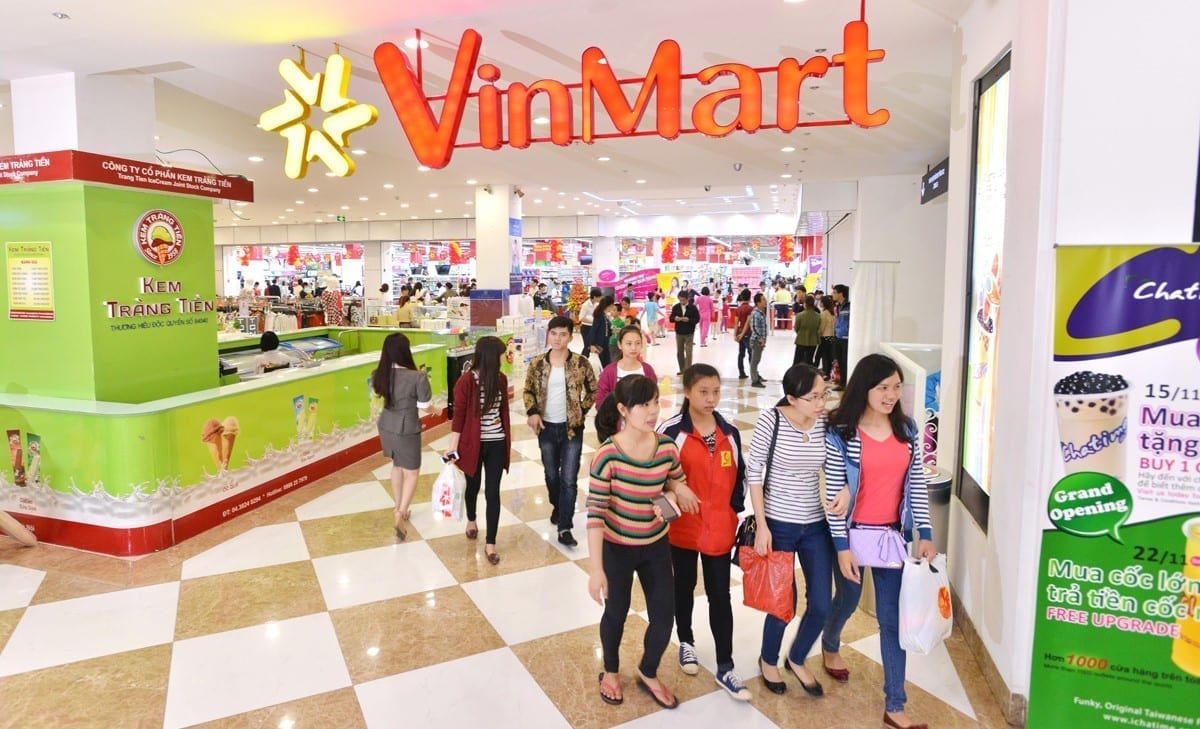
    Earlier this month, nearly 40 VinMart and VinMart+ outlets had been closed for several days due to Covid-19 linkage, which urged its operator Masan to once again request the government to quickly vaccinate retail staff.

    The Ministry of Industry and Trade had in June also called for these employees to be vaccinated early as they come into direct contact with millions of customers every day and are at high risk of contagion.

    In retail chain BRG Mart, 30 percent of staff have received their first dose. The ratio for conglomerate Masan is 16 percent, Bach Hoa Xanh (operated by Mobile World) 21 percent, MM Mega Market over 30 percent, and Co.opmart Hanoi 30 percent.

    Nguyen Thi Kim Dung, CEO of Co.opmart Hanoi, of which one supermarket was closed for three days due to Covid-19 linkage, said social distancing alone is not enough to reduce the risks for retail workers.

    “The earlier these employees are vaccinated the sooner customers are protected.”

    Dung said Co.opmart had made the request to different government bodies but all had stated vaccines were not available.

    Retail workers, however, are only part of the supply chain.

    Le Duy Binh, CEO of market research company Economica Vietnam, said drivers, shippers, and customs officers also need to be prioritized as they serve in the frontline of the economy and deliver essential goods.

    Although government officials have demanded shippers be prioritized for vaccination, experts say the process needs to be sped up amid a surging number of Covid-19 cases.

    Economist Phung Duc Tung said vaccines are being distributed mostly to localities when instead it should be distributed to sectors to ensure the flow of essential goods.

  • Adidas hit by China boycott, Vietnam factory closures

    Adidas hit by China boycott, Vietnam factory closures

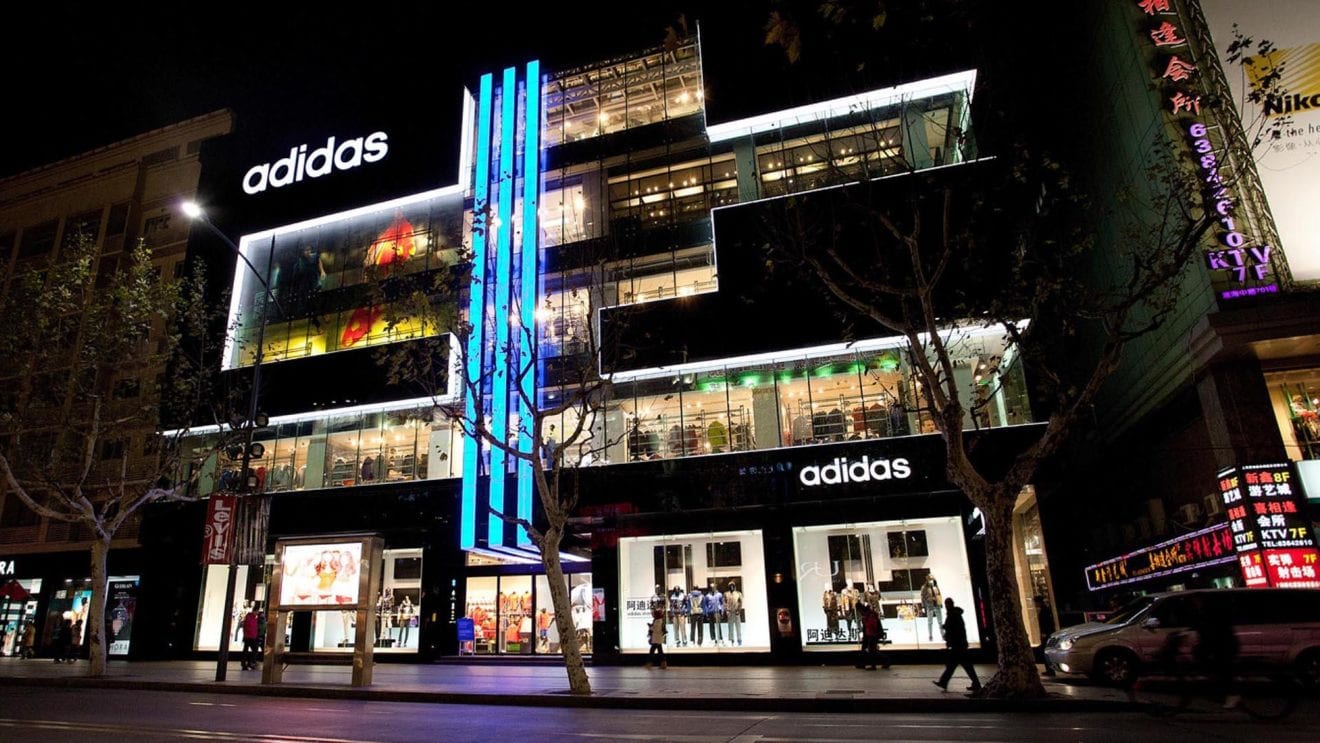
    Adidas felt the impact of a Chinese boycott of Western brands on its second-quarter results and is also suffering from the closure of factories in Vietnam due to Covid-19 infections.

    The German sportswear company still raised its outlook for full-year sales and profitability as it said it has seen demand recover in China since calls for a boycott in late March, and said it hopes to restore production in Vietnam soon.

    But Adidas shares were down 4.1 percent by 9:50 GMT as analysts noted that its growth was lagging rivals Nike and Puma, which both reported that sales nearly doubled in recent earnings releases.

    Second-quarter sales at Adidas rose 52 percent to 5.077 billion euros ($6 billion), while operating profit came in at 543 million euros, ahead of analysts’ average forecasts.

    Adidas raised its 2021 outlook to predict sales will grow up to 20 percent, and net income from continuing operations will reach 1.4-1.5 billion euros. That compared to Puma’s forecast for sales to rise at least 20 percent for 2021.

    Adidas already saw online sales return to growth in China in June, Chief Executive Kasper Rorsted told journalists, adding he expects the country to record strong growth for the full year and he welcomed a government drive to promote youth sport.

    The company hopes to be able to restart production in Vietnam after the scheduled end of a coronavirus lockdown on Aug. 15 and is working on reallocating production to other centres in the meantime.

    Vietnam usually accounts for 28 percent of Adidas sourcing and its factories mostly make shoes for the company, with a lag of three to four months before products hit the shelves.

    The combined impact of supply chain problems, new Covid-19 lockdowns in Asia and tensions with China could amount to more than 500 million euros in lost sales in the second half, said finance chief Harm Ohlmeyer.

    Ohlmeyer added he expects Adidas to seal a deal to divest the underperforming Reebok brand by the end of the summer.

  • Delivery companies miss out on demand surge amid stay-at-home orders

    Delivery companies miss out on demand surge amid stay-at-home orders

    Delivery companies are unable to capitalize on rising demand since drivers are not keen amid mobility restrictions and delayed vaccination. Hung, a shipper in Hanoi, has shut down his driver’s app for over a week now after the city imposed travel restrictions.

    Through his company, AhaMove, does provide paperwork for the 22-year-old to pass through checkpoints set up to discourage people from coming out into the streets, he is concerned about contracting Covid and spreading it at home.

    “It is difficult financially, but since I do not know when I’ll be vaccinated, I’d rather stay at home for safety,” he said.

    Nghia, who works for Grab, does not have the liberty to make that choice since the city does not allow his company to operate.

    Hanoi allows delivery people from supermarkets, e-commerce platforms and postal services but not from ride-hailing companies like Grab, Be Gojek, MyGo, and FastGo.

    “It is unfair. Three or four trips a day would help me earn enough for food, but we cannot do anything but wait.”

    The shortage of drivers and ambiguous and inequitable regulations mean delivery companies are unable to take advantage of the surging demand amid the lockdowns in Hanoi and HCMC.

    AhaMove reported a tenfold rise in the number of orders after the lockdown began, but it cannot accept much of them since its drivers are not allowed past checkpoints. Hanoi does not allow delivery of “non-essential” goods.

    “Many shippers refrain from working since they have to pay for their own Covid-19 tests,” Tuoi Tre newspaper quoted Phan Tuong Bach, operating director of AhaMove, as saying.

    In HCMC, there are times when the number of orders is triple the normal rate, but a driver shortage means they could not be accepted, he said.

    There is also confusion occasionally as authorities in Hanoi and HCMC abruptly change regulations catching delivery companies unawares.

    AhaMove last week had to apologize to its drivers and customers in HCMC after some of its drivers were fined for delivering goods after 6 p.m. amid a ban on people leaving their homes at night.

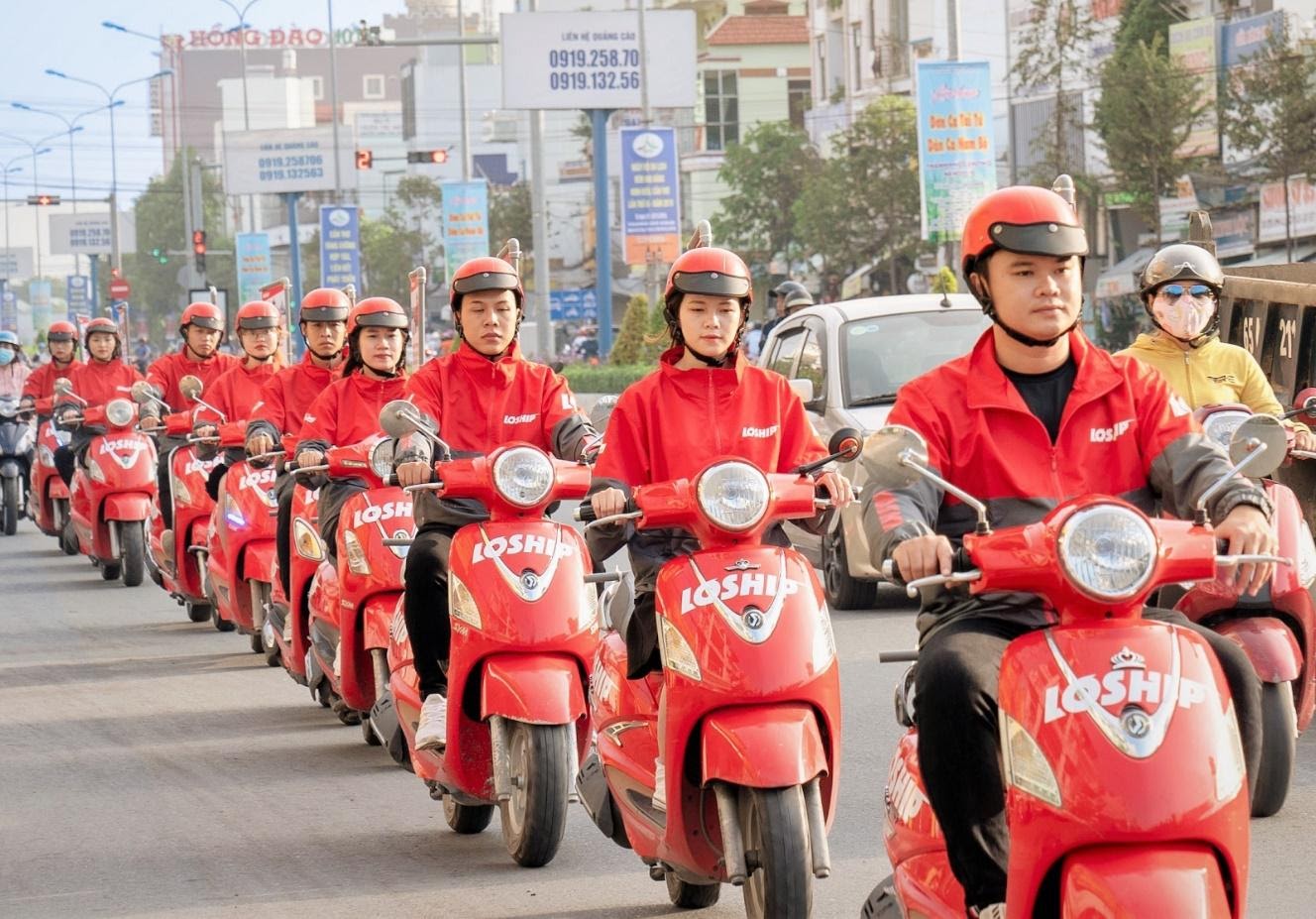
    Startup Loship is facing similar difficulties as many of its drivers had stopped working.

    CEO Nguyen Hoang Trung said working conditions have become extremely difficult for delivery people because of lack of clarity on what constitute essential goods.

    The company has doubled the minimum income in the hope of attracting more drivers back to work.

    Be Group saw orders rise tenfold in mid-July but had to suspend operations two weeks later to keep its drivers safe.

    Ride-hailing giant Grab asked to be allowed to deliver food, saying Hanoi’s suspension of its services while allowing other delivery companies to operate goes against its policy on fair competition. But its demand has yet to be approved.

    HCMC has had strict social distancing regulations since July 9, and they will continue until August 16. Its Covid-19 tally now is more than 112,000.

    Hanoi is in the 14th day of a 15-day social distancing campaign. The city has had nearly 1,800 cases.

  • Garment firms fear order plunge

    Garment firms fear order plunge

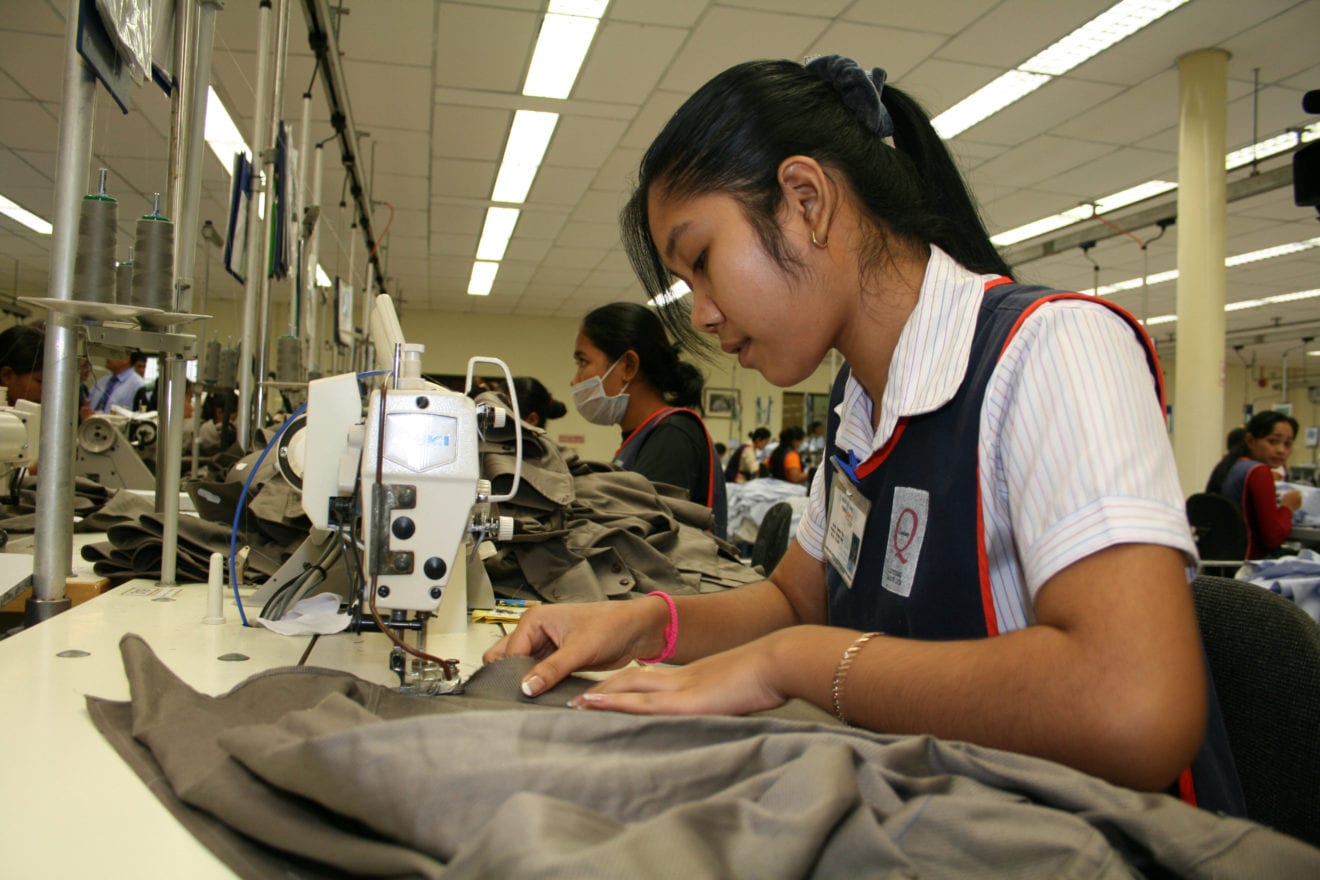
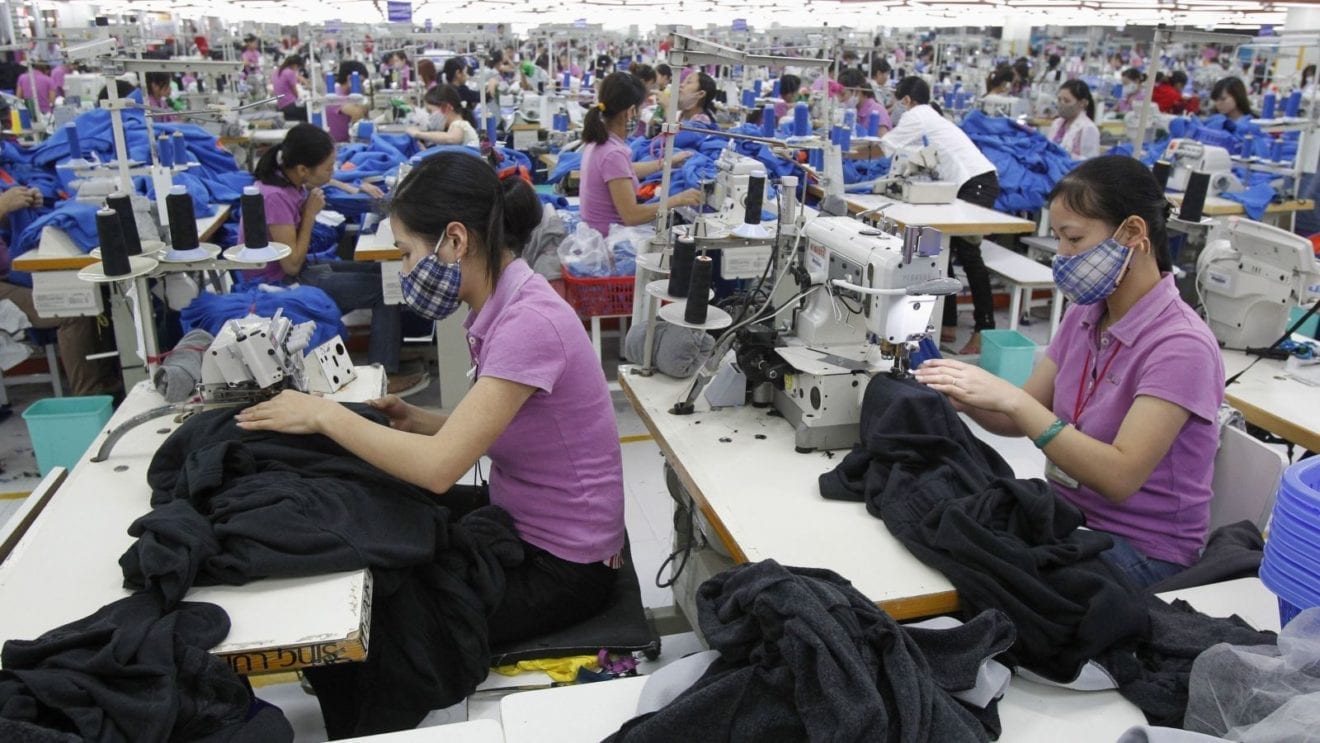
    Vietnam, the world’s second-biggest garment exporter, is facing the risk of losing orders to competitors amid the complicated Covid-19 situation in August.

    Gia Dinh Group JSC in the southern province of Binh Duong has secured orders till the end of December, but face higher material prices plus late shipments, along with higher logistics costs. The company’s management board said if the pandemic prolongs, it would fail to fulfill its orders.

    Over 80 percent of garment and textile enterprises in the southern region have had to either lower labor productivity or suspend operations to combat the disease.

    Vu Duc Giang, chairman of the Vietnam Textile and Apparel Association (VITAS), said production in August is “extremely difficult”, especially for firms in southern localities imposing social distancing. Up to 90 percent of production chains in the south have been broken.

    Meanwhile, only 70-80 percent of garment and textile companies in the northern region are still operating.

    Delivery pressure amid outbreaks is a big challenge for garment and textile enterprises now, he said, stating that if they fail to meet delivery deadlines, their customers would cancel orders, which will affect production both this year and the next.

    “If the Vietnamese market is not stable, partners will shift orders (to other countries). Garments are seasonal. Nobody wants to buy outdated clothes though they are on sale,” the VITAS chairman said.

    The Ministry of Industry and Trade also stated garment and textile enterprises in Vietnam are facing the risk of international clients postponing or canceling orders, and shifting their focus to other countries. “When the pandemic is controlled, it will be very difficult to resume business relations, and that will take time,” the ministry said.

    The VITAS chairman also mentioned the risk of labor shortages. Many workers have left Ho Chi Mih City for their hometowns to avoid being infected with the coronavirus, and only 60-65 percent may return to the city when the Covid-19 outbreak is pushed back, according to Giang. “There will be rather severe labor shortages in the coming time,” he predicted.

    Vietnam exported $18.6 billion worth of textile and garment products in the first seven months of this year, a year-on-year increase of 14.1 percent, according to the General Statistics Office.

  • Delivery platform Now resumes Hanoi service

    Delivery platform Now resumes Hanoi service

    Delivery platform Now is resuming delivery of groceries and other essential goods in five Hanoi districts starting Wednesday.

    The firm announced the resumption of NowFresh and NowShip in the districts of Cau Giay, Dong Da, Hai Ba Trung, Ba Dinh and Thanh Xuan under strict supervision following advice from the municipal Department of Transport and the Department of Information and Communication.

    NowFood, the food delivery service that accounts for majority of its users, remains suspended.

    All the drivers will complete daily health declarations and temperature checks before beginning to work and follow Covid-19 safety measures including wearing masks, keeping distance, avoiding crowds, and disinfecting delivery packages regularly.Only drivers approved by the Hanoi Department of Transport are allowed to deliver.

    Now had temporarily suspended all of its services from July 28, following Grab, Gojek and Be. Among these platforms, it is the first to announce resumption of operations in Hanoi.

    Hanoi is implementing a 15-day social distancing period starting July 24. The city has recorded 1,668 cases since the fourth wave began late April.

  • Hanoi supermarkets limit customer numbers

    Hanoi supermarkets limit customer numbers

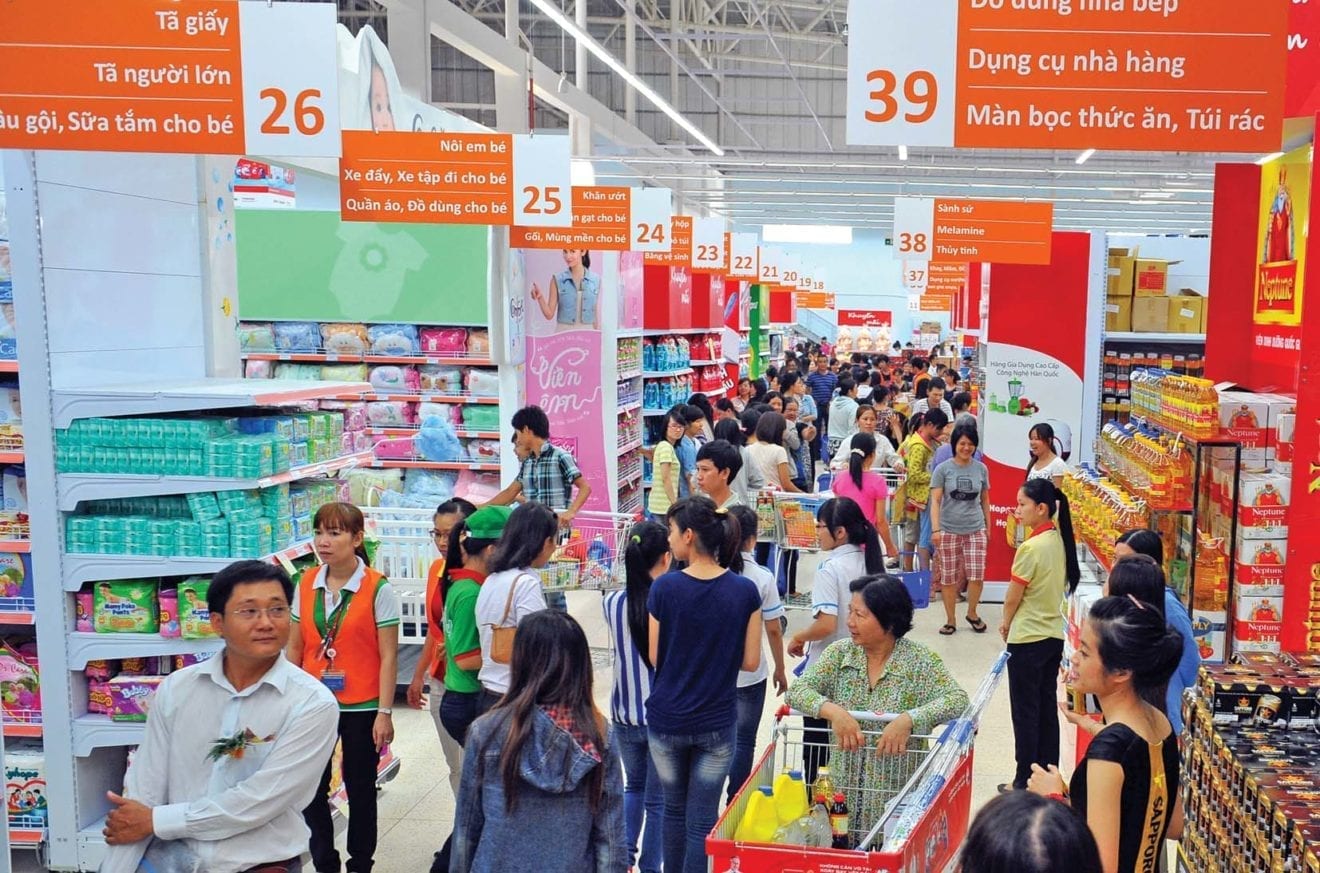
    Many supermarkets in Hanoi are starting to impose social distancing, limiting the number of customers and the volume of foodstuffs they buy.

    BigC Thang Long Supermarket stipulated that each customer is allowed to buy a maximum three-egg blisters a day, while the respective rate at MM Mega Market is five egg blisters.

    Aeon Mall Ha Dong announced each shopper could buy 30 chicken eggs each time. Its egg price currently stands at VND3,000 ($0.13) per egg, up VND300-400 against a week earlier.

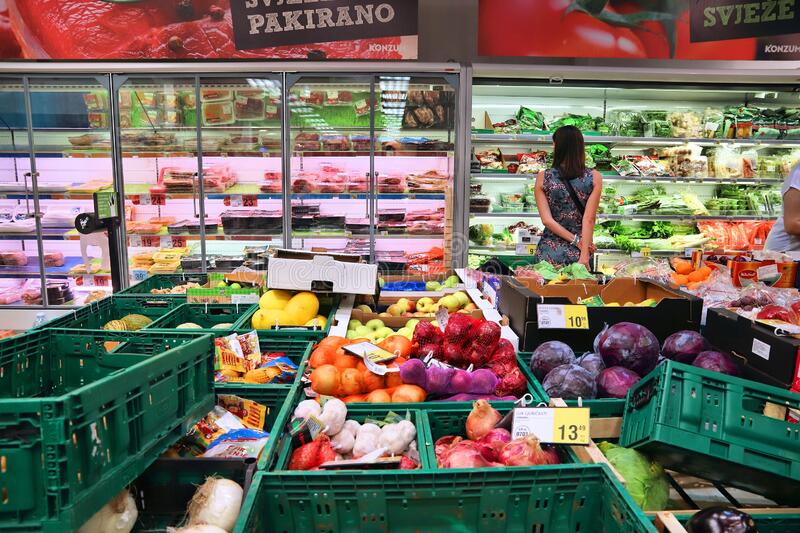
    In supermarkets across Hanoi, most essential groceries like fresh vegetables and fruits are abundant. Only poultry eggs are insufficient from time to time, so many supermarkets have limited the number of eggs customers may buy.

    A shopper named Le in Cau Giay District said: “After going to the third supermarket, I managed to buy two egg blisters. It is very hard to buy eggs this time,” he said.

    Go!Market Supermarket in Thanh Xuan District announced it had limited the number of people entering its premises at once. Shoppers are required to make health declarations online or via QR code scans, have temperature checks, sanitize their hands, receive coupons, and queue for entry. Every 10 minutes, supermarket staff would guide a group of customers to enter it.

    Supermarkets in Hanoi were taking stricter measures to prevent and combat Covid-19, after some wholesales markets and supermarkets in the capital were closed down due to pandemic impacts.

    Since Hanoi imposed social distancing to fight Covid-19, Thanh, a resident of Tan Trieu Commune, Thanh Tri District, Hanoi has visited the local market or a nearby supermarket once a week. Earlier, she went shopping every other day.

    On Sunday, her residential area gave each household a coupon for shopping at the local market or nearby supermarkets thrice a week at fixed time frames of 8 a.m. to 2 p.m. and 3 p.m. till 9 p.m.

    Many other districts of Hanoi have distributed coupons to families so they could buy essential goods at markets, supermarkets and convenience stores on odd or even days at fixed time frames.

    Hanoi has recorded 1,457 Covid-19 cases in the ongoing wave. The city is on its 10th day of a 15-day strict social distancing campaign.

  • 23 VinMart, VinMart+ outlets closed due to Covid-19 linkage

    23 VinMart, VinMart+ outlets closed due to Covid-19 linkage

    Eight VinMart supermarkets and 15 VinMart+ minimarts in Hanoi and Hung Yen Province have been temporarily closed Monday after a meat supplier was found to have a Covid-19 linkage.

    These outlets are believed to have linkage with Thanh Nga Supply Foods in Hanoi’s Hai Ba Trung District where at least 21 Covid-19 cases have been confirmed, said a spokesperson for VinCommerce that operates the retail chain.

    Sixteen outlets are located in Hanoi, and seven in Ecopark, Hung Yen Province, which is about 40 minutes to the southeast of downtown Hanoi.

    VinCommerce denied rumors that “hundreds” of its outlets are linked to the supplier.

    Authorities are in the process of disinfecting the outlets and trace contact history of VinMart staff to prevent the spread of the novel coronavirus.

    The outlets will only be opened when authorities deem safe, the spokesperson for VinCommerce said.

    VinMart is the biggest retail chain in Hanoi with nearly 1,000 outlets.

    Hanoi has recorded 1,457 Covid-19 cases in the ongoing wave. The city is on its 10th day of a 15-day strict social distancing campaign.

  • Viettel shrugs off Covid, remains profitable

    Viettel shrugs off Covid, remains profitable

    Telecom giant Viettel reported pre-tax profits of VND 19.9 trillion ($867.2 million) for the first half of 2021, a year-on-year increase of 3.1 percent.

    The growth came despite the ongoing Covid-19 outbreak, which has forced 95 percent of its HCMC-based points of sale and 80 percent in Hanoi to suspend operations, and the number of mobile subscribers and telecom use declined.

    The military-owned firm continued to work on digital transformation and sought to maximize online channels, and as a result achieved revenues of VND128.6 trillion in the first half, a 6.8 percent rise.

    In all its foreign markets, Viettel increased market share, with the biggest increases seen in Haiti and Peru with 1.5 and 1.4 percentage points.

    Its four leading foreign markets remain Cambodia, Laos, East Timor, and Burundi, while in Myanmar, it closes to the top with a 30.8 percent share.

    Viettel has used technology for combating the Covid-19 pandemic by launching a vaccination management platform and installing 7,500 cameras in quarantine facilities.

  • Rubber firms bounce back from poor 2020 as demand

    Rubber firms bounce back from poor 2020 as demand

    A 150 percent hike in rubber prices has sharply increased profits for the sector and pulled many companies out of the red.

    Vietnam Rubber Group reported a 182 percent year-on-year increase in net profits to VND2.4 trillion ($103.4 million) on revenues of VND10.5 trillion, a 77 percent rise.

    Its profits from core business activities were VND4.5 trillion as against a loss of VND2.6 trillion in the same period last year.

    Its subsidiaries also reported excellent results.

    Tan Bien Rubber Company saw net profits and revenues soar by 284 percent and 167 percent to VND120 billion and VND375 billion.

    Ba Ria Rubber Company also reported triple-digit growth in profits to VND35 billion.

    Dak Lak Rubber Company made a turnaround after losses a year ago, and was back in the black with profits of over VND76 billion.

    A rise in both demand and prices has been attributed to the industry’s outstanding performance.

    According to the General Department of Customs, earnings from rubber exports rose by 88 percent to $1.2 billion in the first half of this year.

    Average export prices increased to over $1,680 per ton as demand recovered after the slump in early 2020 even as supply decreased due to the Covid-19 pandemic and rising crude oil prices.

    ACB Securities forecast rubber prices to remain at $ 2,100 this year, 44 percent higher than last year’s average.

  • US apparel companies seek speedy vaccination of Vietnamese workers

    US apparel companies seek speedy vaccination of Vietnamese workers

    The American Apparel & Footwear Association (AAFA) has requested the U.S. and Vietnam governments to speed up the distribution of vaccines to major suppliers of Adidas, Gap and other brands.

    “We urge you to dramatically ramp up distribution of vaccines, including America’s stockpile of AstraZeneca vaccines, to countries like Vietnam now,” Steve Lamar, president and CEO of the association, said in a letter to U.S. President Joe Biden.

    Immediate and dramatic action by the U.S. will not only save millions of lives worldwide but could also promote America’s economic recovery, he added.

    Vietnam is the second-largest supplier of apparel, footwear and travel goods to the U.S., accounting for 20 percent of all U.S. imports, he said.

    “This is why the success of the U.S. apparel and footwear industry, and our three million American workers, is directly dependent on our suppliers around the world, including those in Vietnam, having healthy workforces,” he wrote.

    In a separate letter to Prime Minister Pham Minh Chinh, Lamar urged that the Vietnamese government takes “several key emergency actions to help control the spread of Covid-19, particularly in the south, to thwart a growing humanitarian crisis.”

    The U.S. has already provided five million doses, but the association is advocating that the government supplies more on an urgent basis, he said.

    Vietnam, particularly southern localities, is experiencing a severe Covid-19 wave that has recorded over 116,900 infections since the end of April, in which Ho Chi Minh City accounts for 66 percent.

    Major suppliers for global brands like Adidas and Nike in the country have shut down operations or operating at limited capacity under strict social distancing orders.

  • Nike and Adidas face supply-chain disruption after Vietnam factory closure

    Nike and Adidas face supply-chain disruption after Vietnam factory closure

    Taiwan’s Pou Chen, which makes footwear for companies such as Nike and Adidas, suspended operations at its plant in Ho Chi Minh City on Wednesday as COVID-19 curbs hit factories in the country’s business hub.

    Vietnam’s health ministry said in a statement that production at Pou Chen’s Pouyuen Vietnam factory would be suspended for 10 days.

    State media said 49 infections had been detected at the plant in Ho Chi Minh City, which is at the epicenter of the country’s worst coronavirus outbreak.

    The company did not immediately respond to an email seeking comment.

    Shares in Pou Chen, the world’s largest manufacturer of branded athletic and casual footwear, closed down 1.3% on Wednesday.

    After successfully containing the disease for much of the pandemic, Vietnam has faced a more stubborn outbreak since late April.

    Record infections and strict curbs on movement have left plants operating below capacity in northern provinces where suppliers for Apple, Samsung Electronics and other global tech firms are located, sources have said.

    Pouyuen Vietnam, the largest employer in the city with 56,000 workers, was unable to arrange for its workers to sleep at the site as required by authorities to allow the business to remain open, the health ministry said on Wednesday.

    Last year, Pouyuen Vietnam was ordered to suspend its production for two days after failing to meet local social distancing rules.

    Earlier this week, state media said authorities also ordered 29 companies in the Tan Thuan Export Processing Zone, an industrial park, to suspend production due to the outbreak.

    In the neighboring Saigon Hi-Tech Park, which houses international companies, more than 700 infections were detected in recent days and authorities ordered companies to shut units with infected workers, state media reported.

    Despite the latest outbreak, Vietnam has recorded far lower caseloads than many other countries with 36,605 infections in total and 130 deaths.

  • Bamboo Airways, Vietjet suspend regular flights

    Bamboo Airways, Vietjet suspend regular flights

    Bamboo Airways, Vietjet, and Pacific Airlines have suspended most of their regular routes amid a surging number of Covid-19 cases that have seen demand plunge.

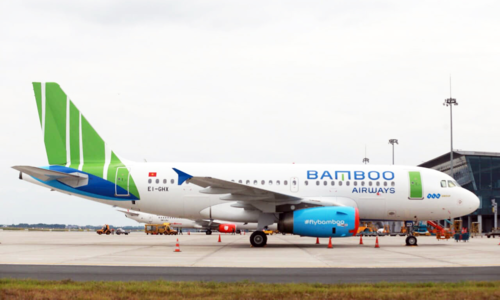
    Bamboo Airways will cease all regular flights for two weeks from July 26 to August 7 amid the severe spread of the disease and social distancing measures imposed in major cities, it stated.

    Websites of Vietjet and Pacific Airlines on Tuesday showed few or no flights between popular destinations like Hanoi, Ho Chi Minh City, and Da Nang.

    Most passenger flights between HCMC and Hanoi have been canceled since July 23 as the capital imposed strict social distancing.

    Vietnam Airlines is the only carrier operating on this route with a maximum of two flights a day allowed.

    Between June 19 and July 18, the number of flights plunged 84.6 percent to 3,772, according to the Civil Aviation Authority of Vietnam (CAAV).

    Vietnam has recorded 105,287 local Covid-19 patients in 62 cities and provinces since the new wave started three months ago.

  • Saigon supermarkets to close at 5 PM

    Saigon supermarkets to close at 5 PM

    All supermarkets in HCMC will close at 5 p.m. starting Monday to comply with the city’s suspension of night-time activities amid its Covid-19 battle.

    Retail chains like VinMart and Co.opMart will operate from 7 a.m. to 5 p.m. instead of 10 p.m.

    Big C outlets will open 1.5 hours earlier at 7 a.m. and close at 5 p.m. Aeon Malls and Mega Market will also apply the same hours.

    Most supermarkets in the city had shelves full of eggs, meat and vegetables Monday, with no sign of stockpiling.

    Retail chains have been doubling or tripling their supply to fulfill demand. They also have delivery staff ready in case delivery platforms are banned.

    HCMC banned people from leaving their homes except for emergencies after 6 p.m. starting Monday.

    This is the latest effort to curb the spread of the fourth wave of Covid-19, in which over 62,100 cases have been confirmed in the city out of 97,400 nationwide.