Tag: Vietnam

  • Vietnam defers e-commerce tax by five months

    Vietnam defers e-commerce tax by five months

    Vietnam is set to delay an online tax on e-commerce vendors by five months to support economic recovery amid severe Covid-19 impacts.

    The Ministry of Finance has proposed to the government that the implementation of Circular 40 be postponed until January 1, 2022, Minister Ho Duc Phoc said Sunday. The circular was to take effect on August 1.

    The delay has been proposed as part of several solutions to support the recovery of businesses as the fourth Covid-19 wave spreads in Vietnam, infecting over 105,000 people, most of them in HCMC, often referred to as the nation’s locomotive.

    The circular imposes a 1.5 percent tax on e-commerce vendors with annual revenues of VND100 million ($4,354) or higher.

    E-commerce platforms are responsible for collecting this tax from vendors and paying it to the finance ministry.

    An average of 3.5 million transactions are made on e-commerce platforms each day in Vietnam, and the transaction value has been increasing steadily, according to official data.

    However, e-commerce platforms have proposed that they aren’t made responsible for paying tax on vendors’ behalf as it will create excessive costs and personnel burdens.

    Vietnam’s e-commerce market expanded by 18 percent last year to $11.8 billion, the only one in Southeast Asia to record double-digit growth amid the pandemic, according to the Vietnam e-Commerce and Digital Economy Agency.

  • Seafood firms net big catch from export recovery

    Seafood firms net big catch from export recovery

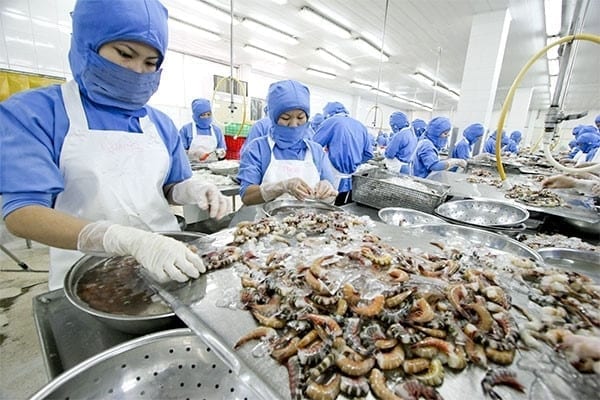
    A seafood export recovery has helped bigger firms boost profits while smaller ones have struggled with the spike in shipping rates.

    Seafood exports topped $4 billion in H1, a year-on-year increase of 15 percent, according to the General Department of Vietnam Customs. In Q2 particularly, seafood export turnover increased by more than 21 percent over the same period last year, reaching nearly $2.4 billion. This led to firms reporting positive business results.

    Vinh Hoan JSC earned over VND2.3 trillion in revenue and over VND260 billion in post-tax profit, up 41 percent and 16 percent year-on-year, respectively. According to its monthly report, VHC’s exports to most markets increased, with the two largest ones being the U.S. and China.

    The Kien Hung JSC (KHS) said its net profit increased 10 times in Q2 as demand from Europe, America, Japan and South Korea temporarily recovered and stabilized. The firm also actively sought imported materials at competitive prices to maintain stable production.

    The Minh Phu Seafood Corporation has yet to announce its H1 business results, but estimates a pre-tax profit of over VND300 billion, a year-on-year increase of 11 percent.

    However, not all seafood exporters reported positive business results, partly because of high freight rates. The Vietnam Association of Seafood Exporters and Producers (VASEP) said that by May, freight rates in some ports had doubled compared to late 2020 and sextupled compared to early 2020.

    The Nam Viet Corporation reported an increase of over 20 percent in revenue in Q2 but a decrease of 26 percent in net profit year-on-year. The corporation attributed the decline in profit to a sharp rise in financial and selling expenses, that latter shooting up 137 percent compared to last year due to a hike in freight and transportation rates.

    The Thuan Phuoc Seafood and Trading Corporation (THP) saw its profit fall even further to VND10 billion, half that of the same period last year, because of rising selling expenses.

    The sea freight, which ups nearly times, cost the firm VND26 billion.

    In early July, VASEP requested the Ministry of Agriculture and Rural Development to report to PM the issues of container shortage and sea freight rates, seeking intervention to have the latter reduced to pre-November 2020 levels.

  • Steelmakers protest proposed tariff adjustments

    Steelmakers protest proposed tariff adjustments

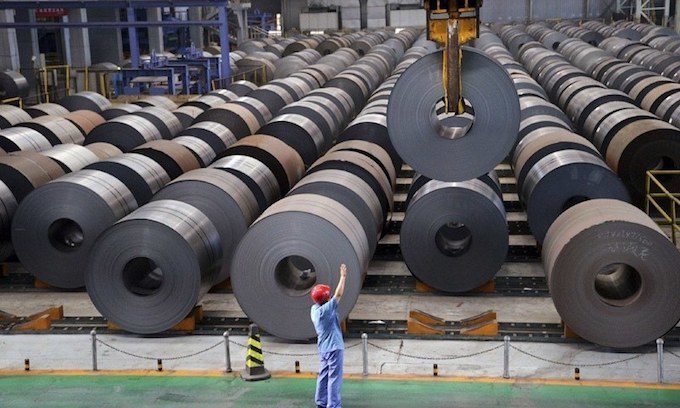
    The Vietnam Steel Association (VSA) has protested the latest proposed adjustments to tariff rates on steel products saying they will hurt domestic manufacturers.

    Under the proposal made by the Ministry of Finance, export tariff for billets would rise from zero percent to 5 percent, while the most favored nation (MFN) import rates for certain steel products would be reduced to 10 percent from 15 percent.

    The proposal is aimed at cutting the prices of construction steel, which have shot up 40 to 50 percent compared to early 2020.

    VSA has protested the proposal, arguing that the prices were impacted by the global raw materials market rather than the current tariff policies, or any trade remedies applied to steel products.

    VSA chairman Nghiem Xuan Da noted that most of the input materials for steel production are imported. A price hike in these materials will immediately affect domestic manufacturers, causing output prices to skyrocket.

    However, global steel prices have declined since late May.

    Vietnam reaped steel export earnings of $4.9 billion in the first half of this year. Meanwhile, it produced 16 million tons of steel, up 37 percent over the same period last year.

  • Hanoi supermarkets increase inventories

    Hanoi supermarkets increase inventories

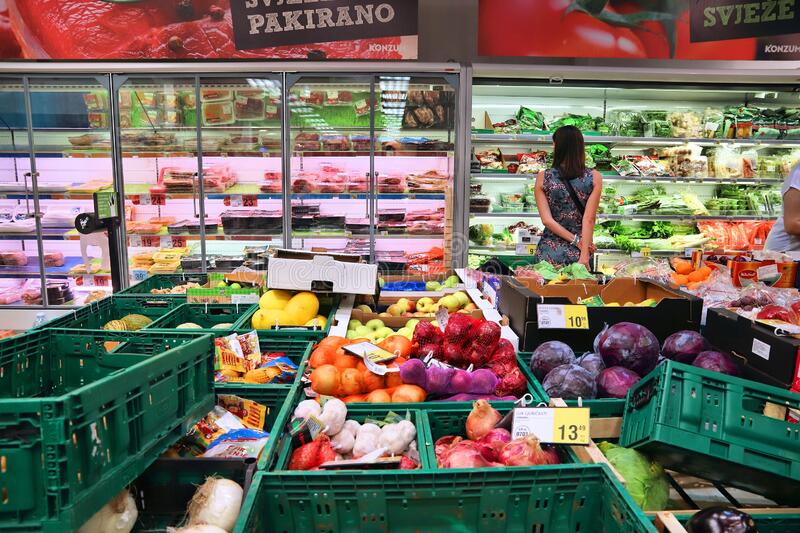
    Supermarkets in Hanoi are stocking two or three times their normal volumes of goods and increasing warehouse capacity to brace for a worsening of the Covid-19 pandemic.

    The acting director of the city Department of Industry and Trade, Tran Thi Phuong Lan, said there is abundant supply of essential items and fresh foods, and no threat of shortages. Fearing the novel coronavirus, many Hanoi residents are stockpiling meat, vegetables and rice to avoid venturing outdoors.

    Big C supermarkets have doubled their normal fresh food inventories and increased dry goods by 30 percent, Nguyen Thi Bich Van communications director of Central Retail Vietnam, which owns the chain, said.

    Aeon supermarkets have stocks of two to four times the normal volumes of fresh groceries and 130 percent of that of dry goods since last week. Aeon Vietnam procurement director Tran Thu Quynh said the chain has worked with suppliers to secure extra stocks in case of an emergency and expanded warehouse capacity and inventories of frozen goods.

    Vinmart/Vinmart+ supermarkets have tripled and quintupled their stocks of groceries and eggs and vegetables.

    But admittedly there remain difficulties in terms of transportation and personnel.

    Quynh said certain goods that are imported or brought from the south, like fresh seafood and local fruits, are facing major delays as suppliers face challenges related to production and transportation amid the implementation of social distancing in the 19 southern localities.

    Over the last week Hanoi has assigned priority to vehicles transporting essential items. The capital city impose a 15-day social distancing campaign starting 6 a.m. Saturday as part of efforts to curb the spread of Covid-19.

  • Seaport, maritime transport firms more profitable

    Seaport, maritime transport firms more profitable

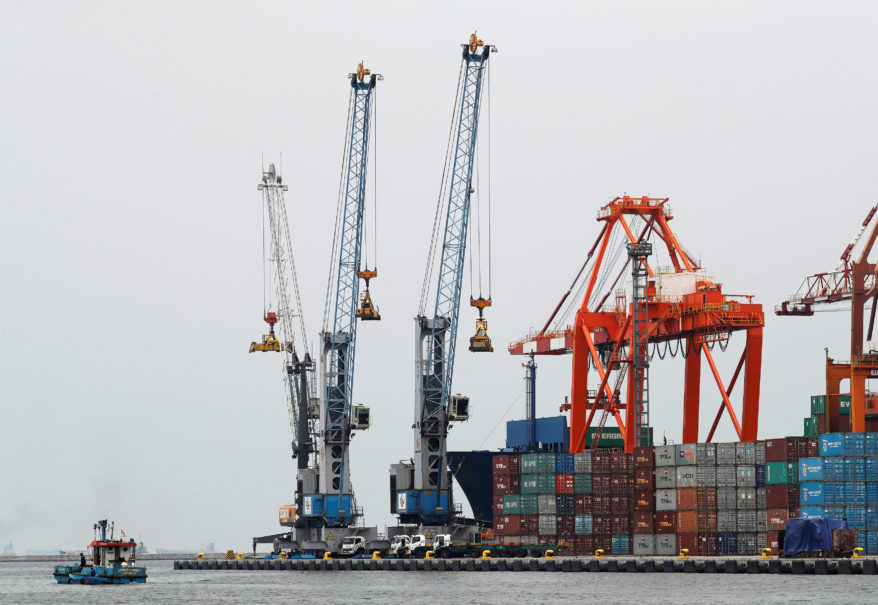
    Market recovery and larger freights helped Vietnamese seaport and maritime transport enterprises, both state-owned and private, gain bigger profits in the first half of this year.

    Vietnam National Shipping Lines (VIMC) made consolidated revenues of more than VND6.2 trillion (nearly $269.6 million), a 20 percent increase, and consolidated profits of over VND1.1 trillion, doubling against the same period last year.

    Meanwhile, net profits of HCMC-based Saigon Port JSC surged 155 percent year-on-year. The company currently runs many ports in the city, including Tan Thuan, Tan Thuan 2, Nha Rong, Khanh Hoi and Sai Gon-Hiep Phuoc.

    Dong Nai Port JSC in the southern province of Dong Nai saw revenues and profits increase 38 percent and 35 percent, respectively between January and June.

    Profits of Cam Ranh Port JSC in the central province of Khanh Hoa, and of Quy Nhon Port JSC in the central province of Binh Dinh surged 118 percent and 93 percent, respectively.

    Gemadept Corporation’s management board estimated its first-half revenues at over VND1.4 trillion, up 19 percent, and pre-tax profits of some VND390 billion, up 38 percent. The firm owns four ports in the northern region, one port in the central area and three ports in the south. It plans to increase its share in the Vietnamese port market from 11 percent in 2020 to 19 percent in 2021, and 23 percent in 2025.

    Like seaport operators, maritime transport service providers turned profits in the first half of this year, mainly thanks to market recovery and larger freights.

    Maritime transport units of VIMC started making profits after a long period of losses. Vietnam Ocean Shipping JSC (Vosco), which suffered losses of nearly VND120 billion in the first half of last year, recorded after-tax profits of more than VND220 billion in the first half of this year, the highest since 2009.

    Meanwhile, Hai An Transport and Stevedoring JSC, has been estimated to see pre-tax profits in the first half of this year more than double.

    According to VIMC, the quick recovery of Chinese, U.S. and European economies amid Covid-19 outbreaks led to bigger demand for goods and materials, positively affecting the international sea transport market.

    Data from the General Statistics Office showed Vietnam’s import-export turnover stood at nearly $320 billion in the first half of this year, increasing over 32 percent against the same period last year. The volume of goods through seaports surged, with container outputs rising 24 percent.

    In early July, Drewry World Container Index (for container freight) stood at $8,399, surging 346 percent against the same period last year.

    According to the Vietnam Association of Seafood Exporters and Processors, at some ports, freight in mid-2021 doubled that of late 2020 and rose nearly six times against early 2020.

  • Let shippers deliver food, says Grab

    Let shippers deliver food, says Grab

    Delivery app Grab wants food delivery services resumed in Hanoi since they help reduce the number of people gathering to fulfill various needs.

    “Since Hanoi authorities have been limiting the number of people at supermarkets and retail locations to lower the risk of contagion, services like GrabFood, GrabMart and GrabExpress have provided valuable assistance,” it said in a proposal, referring to its food, retail and parcel delivery services.

    They could help meet the city’s desire to ensure adequate supply of essential goods, it said.

    It assured its delivery people would meet social distancing requirements and it would limit delivery to essential items.

    Hanoi on Saturday ordered five ride-hailing and delivery platforms, Grab, Gojek, Be, MyGo and FastGo, to suspend their services, but still let other delivery platforms operate.

    Grab said the decision was inconsistent with the city’s policies and feared could cause unfair competition.

    Hanoi began a 15-day social distancing order starting 6 a.m. Saturday amid rising coronavirus concerns in both the capital and nationwide.

    It has recorded over 900 cases in the latest wave.

  • Nike could run out of Vietnamese sneakers

    Nike could run out of Vietnamese sneakers

    The shutdown of two contract manufacturers in Vietnam due to Covid-19 could worsen Nike’s sneaker supply problems, a market research company has warned.

    The fact that South Korea’s Changshin Vietnam and Taiwan’s Pou Chen Corp in HCMC have stopped operating since last week “may exacerbate the supply chain disruptions that the company has had to deal with,” S&P Global Market Intelligence said in a report.

    Vietnam accounted for 49 percent of U.S. seaborne imports linked to Nike and its products in the second quarter, it said.

    Nike said in fiscal 2020 contract factories in Vietnam made roughly 50 percent of its branded footwear.

    There is a refocusing on China, the report said, pointing out that in the second quarter of this year, growth of U.S. seaborne imports linked to Nike from Vietnam was 6.6 percent year-on-year while it was 54.6 percent for China.

    A Nike spokeswoman said in an emailed statement: “We continue to work with our suppliers to support their efforts in response to the dynamic and unprecedented nature of Covid-19.”

    HCMC has recorded over 39,500 Covid-19 cases since April 27.

  • Nearly 8,000 Vietnamese farmers take to online sales

    Nearly 8,000 Vietnamese farmers take to online sales

    Nearly 8,000 Vietnamese farmers started trading on e-commerce platforms in the first six months, up 191 percent year-on-year, as authorities pushed the development of the digital economy.

    The total value of agriculture produce on e-commerce platforms in the period tripled to VND944 billion ($41 million), according to a Ministry of Information and Communications report.

    It stated this was the result of the ministry and municipal authorities pushing postal companies to partner with e-commerce platforms to help distribute produce.

    This year, Vietnam’s lychees became the first agricultural produce to be exported to Europe via a domestic e-commerce platform.

    Minister of Information and Communications Nguyen Manh Hung said e-commerce and logistics is the future of the postal sector, thanks to technology paving the way.

    Vietnam’s digital economy is forecast to grow by 29 percent annually from 2020 to $52 billion by 2025, according to a study by Google, Temasek Holdings and Bain & Co.

  • Vietnam pledges not to devalue currency in agreement with US Treasury

    Vietnam pledges not to devalue currency in agreement with US Treasury

    Vietnam has pledged not to deliberately weaken its dong currency, reaching an agreement with the U.S. Treasury to make its monetary and exchange rate policies more transparent.

    The agreement, announced in a joint statement by Treasury Secretary Janet Yellen and State Bank of Vietnam Governor Nguyen Thi Hong after a virtual meeting on Monday, follows months of U.S. pressure on Vietnam over its currency practices and ballooning U.S. trade surplus.

    The Trump administration in its final weeks had declared Vietnam a currency manipulator and had threatened to impose punitive tariffs on imports from Vietnam.

    Vietnam, which benefited from the shift of U.S. supply chains away from China amid a tariff war, saw its goods trade surplus with the United State jump 25 percent in 2020 to $69.7 billion despite the Covid-19 pandemic. Vietnam is a growing source of U.S. imports of furniture, electronics, computers and apparel.

    In the joint statement, Vietnam confirmed its commitment under International Monetary Fund rules “to avoid manipulating its exchange rate in order to prevent effective balance of payments adjustment or to gain an unfair competitive advantage and will refrain from any competitive devaluation of the Vietnamese dong.”

    The Vietnamese central bank said the focus of its monetary policy framework is “to promote macroeconomic stability and to control inflation.”

    But the central bank agreed to “improve exchange rate flexibility over time,” allowing the dong to move in line with the development of the country’s markets and economic fundamentals, and to further modernize and make more transparent its monetary policy and exchange rate framework.

    The Treasury said it would inform other U.S. government agencies about the agreement to address U.S. concerns.

    “I believe the State Bank of Vietnam’s attention to these issues over time not only will address Treasury’s concerns, but also will support the further development of Vietnam’s financial markets and enhance its macroeconomic and financial resilience,” Yellen said in the statement.

    The Treasury under Yellen in April removed a “currency manipulator” label from Vietnam that had been imposed by the Trump administration last December. But the Treasury said that Vietnam, along with Taiwan and Switzerland, had tripped its thresholds for the designation under a 2015 law.

    The department at the time said it would commence “enhanced engagement” with Hanoi to correct the situation, which led Vietnam’s foreign currency intervention and global current account surplus to exceed 2 percent of its GDP.

  • Taxi firm Vinasun continues to remain in the red

    Taxi firm Vinasun continues to remain in the red

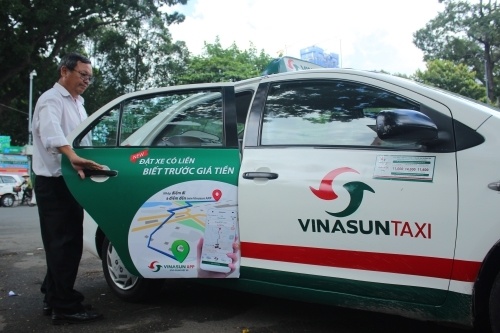
    Taxi operator Vinasun reported a loss of VND66 billion ($2.87 million) for the second quarter, its sixth consecutive quarterly loss as Covid-19 continued to wreck its business.

    Revenues were VND150 billion, the lowest since the company listed on the stock market in 2008.

    Before the fourth wave of Covid began at the end of April Vinasun had said its financial structure was “stable and healthy” and it hoped to increase market share in the recovering market by investing in 500 new cars to take its fleet size to 3,368 by the end of the year.

    It targeted revenues of VND1.05 trillion this year, up 4 percent from 2020, and expected to reduce its losses to VND79 billion from VND210 billion last year.

  • Electric cars fail to get charged up without policy support

    Electric cars fail to get charged up without policy support

    A lack of policies promoting battery production and building a charging station network is preventing the electric car market in Vietnam from hitting the road running.

    At the end of March, automaker VinFast began accepting pre-orders for its first electric cars. More than 4,000 orders were placed on the very first day.

    The company has requested several incentives for electric vehicle development, including scrapping special consumption tax and registration fees on electric cars for five years.

    Some brands have imported electric and hybrid vehicles into Vietnam earlier.

    In August last year, Toyota started selling its first hybrid cars in Vietnam with low fuel consumption, giving 100 km for 4.6 liters of fuel.

    Mitsubishi also distributed its i-MiEV cars in Vietnam in 2017 and installed charging stations in some localities. However, after 10 years of making efforts to distribute them to many different markets, the company has stopped manufacturing the vehicles now.

    Last year, around 1,000 electric and hybrid vehicles were sold in Vietnam, with the latter accounting for 99 percent. The figure for gas powered vehicles was over 296,000 units.

    The Ministry of Industry and Trade said in a recent report to the government that there has not been real support policy for electric cars.

    Apart from VinFast which is manufacturing the vehicles, foreign brands like Honda, Toyota and Mitsubishi have mostly been importing electric vehicles without any concrete plan to make them in Vietnam.

    Experts say that the lack of a systemic policy to support the industry concerning the manufacturing of battery, the development charging infrastructure, prices and emission.

    “Batteries need to have high durability and have quick charge function, while the charging station network should be widespread. These factors are what missing in Vietnam’s electric car industry,” said an expert in the auto industry who asked not be identified.

    VinFast is set to tackle these challenges with plans to set up over 2,000 charging stations nationwide by the end of this year.

    The industry ministry report said that prices for electric vehicles are not enticing enough compared to fuel vehicles.

    A 15 percent special consumption tax on electric cars, compared to 30-50 percent on fuel cars, is not enough to bring electric car prices down to an attractive level to customers, it said.

    Another challenge is electric vehicles will still be using coal-fired and oil-fired electricity which has high emission, as renewable energy is not stable and has high price tag, the it added.

    Dau Anh Tuan, head of the Vietnam Chamber of Commerce and Industry’s legal department, proposed that cars be applied a special consumption tax based on how much carbon dioxide they release into the environment, which will help encourage people to switch to electric vehicles.

    Policies should focus on supporting Vietnamese companies to make electric vehicles, not foreign ones, he added.

  • Vietnam Embassy requests hastening nonstop Bamboo Airways flight to US

    Vietnam Embassy requests hastening nonstop Bamboo Airways flight to US

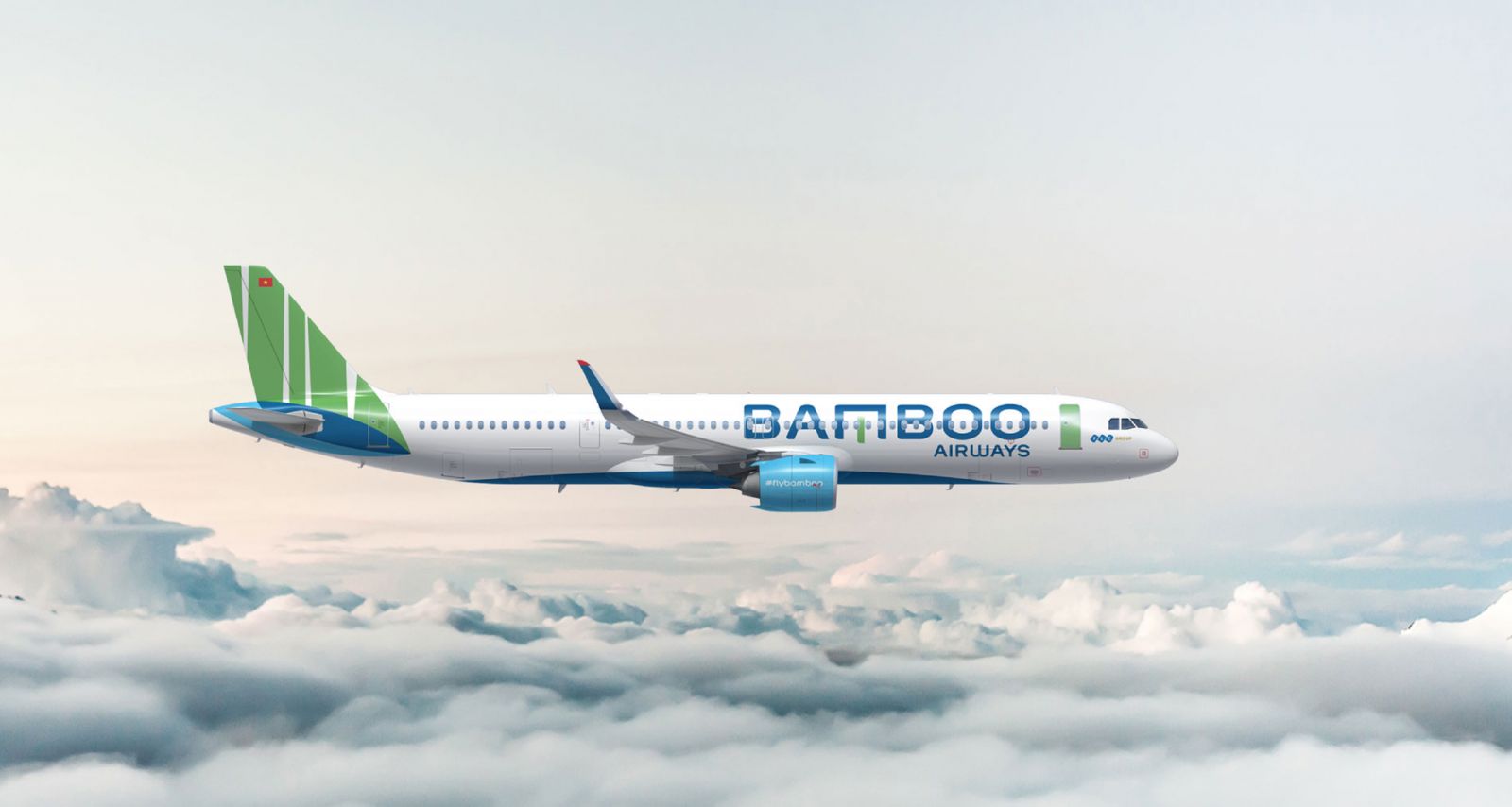
    The Vietnam Embassy in the U.S. expects further favorable conditions from US agencies for Bamboo Airways to operate its inaugural non-stop flight connecting Vietnam and the States.

    In the official dispatch on July 9, the embassy expresses its gratitude to the Department of Homeland Security, Department of State, and Federal Aviation Administration for supporting and facilitating flights to repatriate thousands of Vietnamese citizens stranded in the U.S. due to the Covid-19 pandemic.

    While international commercial flights remain suspended, Bamboo Airways has been granted permission to conduct charter flights to transport goods and passengers to the U.S., the foreign mission of Vietnam emphasized.

    Regarding the plan, the embassy requests continued support from all concerned parties. On Nov. 6, 2020, Bamboo Airways was licensed to conduct flights connecting the States and Vietnam by the U.S. Department of Transport. On June 23, 2021, the airline submitted the necessary documents to the Federal Aviation Administration of the U.S. to complete procedures for its first charter flight.

    “The embassy would appreciate it if the relevant U.S. agencies could consider all the submitted documents by the Bamboo Airways on June 23 at their earliest convenience,” the dispatch stated.

    In fact, Bamboo Airways was officially designated to exploit charter flights to the U.S. in May 2021. The airline has acquired slots to conduct regular non-stop flights from Ho Chi Minh City to San Francisco and Los Angeles.

    As of now, Bamboo Airways has fulfilled technical requirements to conduct non-stop charter flights to the U.S. with its wide-body Boeing 787-9 Dreamliner fleet, approved by the Civil Aviation Authority of Vietnam.

    The airline is rushing to establish a representative office in the U.S., in cooperation with San Francisco International Airport and Los Angeles International Airport.

    According to a Bamboo Airways representative, the carrier is working with U.S. agencies to complete procedures for its first non-stop flight to depart at the end of July or early August.

    Bamboo Airways has officially entered into cooperation with the International Air Transport Association (IATA) to pilot the digital health passport IATA Travel Pass, marking significant progress in the airline’s preparation for international routes reopening. Besides, the carrier is implementing Covid-19 vaccinations for all employees and related affiliates, creating perimeter protection for seamless operation. Bamboo Airways’s Covid-19 prevention process is considered the most comprehensive and effective, achieving an absolute level of 7/7.

  • HSBC sees challenges to Vietnam economy in H2

    HSBC sees challenges to Vietnam economy in H2

    HSBC expects Vietnam’s economy to face challenges related to foreign exchange and interest rates in the second half of this year.

    Ngo Dang Khoa, head of global markets at HSBC Vietnam, said recent outbreaks of Covid-19 have sparked worries about production being interrupted for a long time, which would affect the country’s recovery.

    “With many industrial parks being closed down and social distancing prolonging, growth momentum in the third quarter, in particular, will surely face many challenges.”

    Social distancing to prevent the disease from spreading has affected consumer outlook and the recovery of services and tourism, while the new coronavirus mutants and slow vaccination would delay the reopening of borders to foreign investors and tourists, he said.

    “It is necessary to adopt timely fiscal and monetary policies to safeguard the economy.”

    It would be difficult to maintain a stable dong-U.S. dollar exchange rate in the second half unlike in the first mainly because of Vietnam’s trade deficit, inflation worries and the possible rise in U.S. interest rates, he said.

    He predicted the exchange rate to be VND23,100 to the dollar by year-end.

    Asian countries including Vietnam have yet to see inflationary pressure, but if prices continue to increase, it might have to increase interest rates, he said. Vietnam should not increase interest rates too early or too quickly since its economy has been severely affected by the pandemic, he said.

    HSBC recently revised upward its forecast for Vietnam’s economic growth next year to 6.8 percent from the earlier 6.5 percent but lowered it to 6.1 percent from 6.6 percent for this year.

  • Vietnam Airlines plans cargo carrier in Covid-19 response

    Vietnam Airlines plans cargo carrier in Covid-19 response

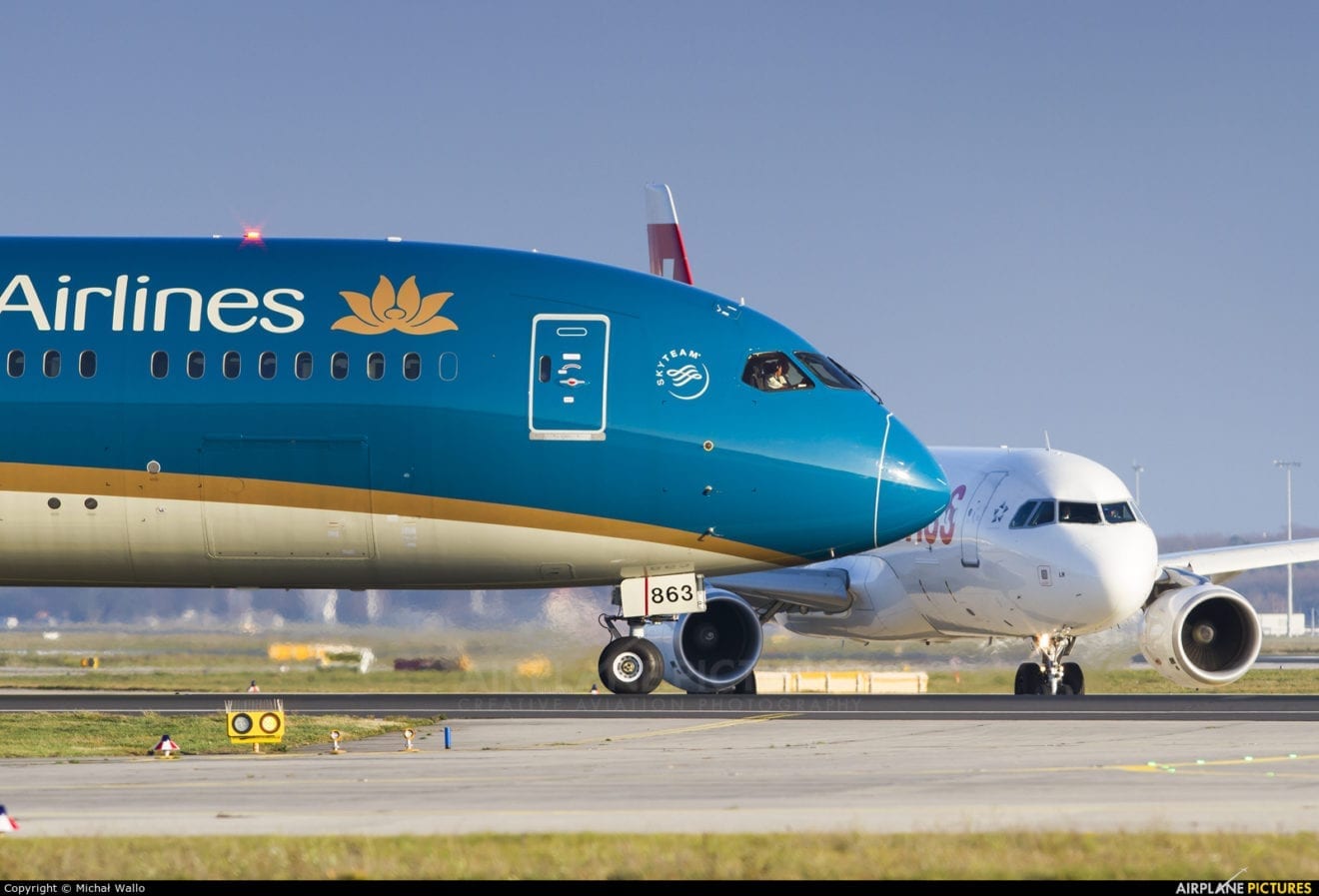
    National flag carrier Vietnam Airlines plans to form a cargo carrier as part of efforts to shore up its business that has been hard hit by Covid-19 outbreaks.

    The carrier has converted seven passenger planes into cargo carriers – five wide-bodied Airbus A350s and two narrow-bodied A321s, Vietnam Airlines chairman Dang Ngoc Hoa said at its annual shareholders’ meeting Wednesday.

    In June, its cargo transport revenue, which normally accounts for 10 percent of the total, surpassed that of passenger transport.

    According to Vietnam Airlines CEO Le Hong Ha, the airlines has considered establishing a cargo carrier for years, but the time was not considered opportune.

    Over the past two years, and especially in recent months, cargo transport has generated bigger revenues, so Vietnam Airlines is considering the plan more seriously, Ha said.

    Chairman of retail company Imex Pan Pacific Group, Johnathan Hanh Nguyen, has asked for permission to establish a cargo airline named IPP Air Cargo with an investment of $100 million, but the national aviation authority has informed the transport ministry that it will not recommend the establishment of any new carrier until 2022, given the pandemic situation.

    Budget airline Vietjet has re-configured 4 Airbus A321s to transport cargo.

    Meanwhile, foreign express delivery giants like DHL and UPS have increased flights and payloads to transport goods to Vietnam by air.

    According to a transport ministry report sent to the government, the proportion of cargo transport in local airlines’ total revenues in one year amid the Covid-19 outbreaks tripled against the pre-pandemic period.

    In the first half of this year, Vietnam Airlines racked up losses of some VND9.823 trillion (nearly $427.1 million). It has estimated consolidated losses of VND14.526 trillion this year, up nearly 30 percent against last year, and consolidated revenues of nearly VND37.4 trillion, down 11.6 percent.

  • Supermarkets find customers hoarding goods to resell

    Supermarkets find customers hoarding goods to resell

    Some customers have taken undue advantage of its price stabilization program to buy large volumes of goods and resell them at higher prices, leading supermarket chain Saigon Co.op says.

    The Saigon Union of Trading Cooperatives said the unethical hoarding has resulted in frequent shortages of some goods, especially chicken eggs. To deal with the problem, it has had to set limits for the number of eggs each customer can buy at a time.

    Similarly, supermarket chain MM Mega Market has set a maximum limit of 30 eggs per customer.

    Nguyen Nguyen Phuong, vice director of the HCMC Department of Industry and Trade, told reporters Monday that over the past few days, prices at supermarkets and convenience stores have been fairly stable, but some individuals have bought groceries in large volumes for stocking and alleged reselling.

    Relevant organizations have talked to the individuals about the hoarding, and if they continue their unfair practice, market management agencies would handle the issue, he said.

    According to Saigon Co.op, prices of vegetables, fruits, meat, eggs, milk, and rice in its supermarkets have remained unchanged, though those in the markets outside increased sharply.

    Regarding goods orders placed online, Saigon Co.op has delivered over 70 percent, and it is speeding up delivery.

    HCMC imposed its second 15-day citywide social distancing order starting last Friday as the current epicenter seeks to curb the spread of Covid-19.