Tag: Vietnam

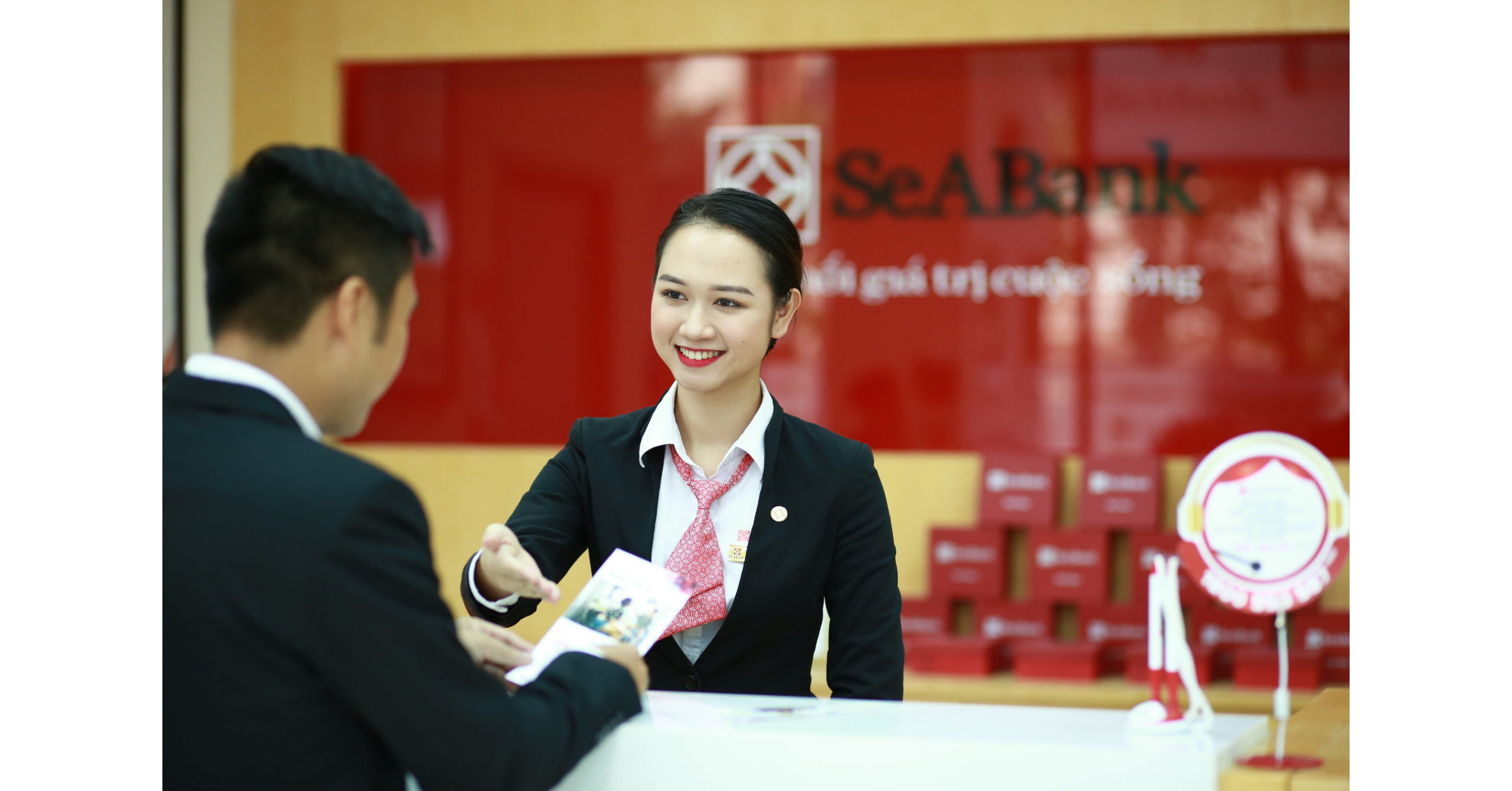
  • SeABank offers shares below half the market price

    SeABank offers shares below half the market price

    Private lender SeABank is offering 136 million shares to existing shareholders at the price of VND15,000 (over $0.6), lower than market value in late August by 58 percent.

    New share transactions are expected to take place in the last two quarters of this year, lifting SeABank’s chartered capital to VND14.784 trillion.

    Foreign shareholders also have the right to buy more shares, though their total rate of share ownership in SeABank remains capped at 5 percent.

    SeABank plans to raise VND2.040 trillion through this share issuance, of which VND1.540 trillion would be lent to corporate and individual clients and replace capital mobilized from other sources. The rest would be invested in government and credit institution bonds.

    By the end of June, SeABank assets stood at over VND186.930 trillion, while its bad debt ratio dropped to 1.76 percent. It made before-tax profits of nearly VND1.560 trillion in the first half of this year, compared with VND1.729 trillion in the whole of last year.

  • Another Vietnamese noodles product recalled in Europe

    Another Vietnamese noodles product recalled in Europe

    An instant noodles product of Thien Huong has been recalled in Norway due to the presence of a banned substance, the second such incident in Europe this month.

    The “dried noodles with chicken – and beef spices” of Ho Chi Minh City-based Thien Huong has been found to contain ethylene oxide, which is banned from food products in the country.

    Vietnamese authorities have ordered Thien Huong to provide relevant samples to examine the claim.

    A spokesperson for Thien Huong said Monday the recalled product is sold exclusively in Norway and not in Vietnam.

    It has been sold for four months in “small” volume, the spokesperson said, adding there is no ethylene oxide in any part of the production.

    Thien Huong exports to the E.U., the U.S., Africa, Japan and South Korea.

    On Aug. 20, the Food Safety Authority of Ireland (FSAI) announced batches of Hao Hao and Good branded noodles were being recalled after they were also found to contain ethylene oxide.

    Kajiwara Junichi, general director of Acecook Vietnam that produced the products, said the firm has abided by all the rules in Vietnam and in all the countries that it exports noodles to.

    The firm has contacted its suppliers who have asserted they do not use ethylene oxide during production, he said, stressing Acecook Vietnam does not allow the use of ethylene oxide in any production process.

  • Vietcombank gets new chairman

    Vietcombank gets new chairman

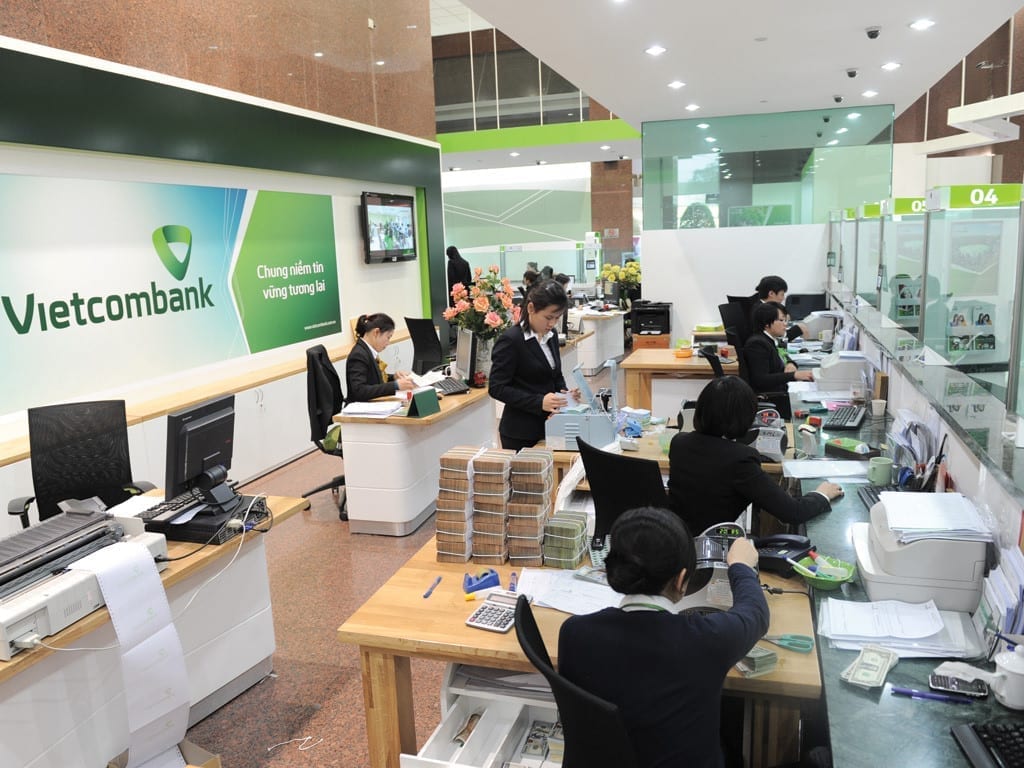
    Vietnam’s biggest state-owned lender, Vietcombank, has named Pham Quang Dung as its new chairman until 2023.

    Dung, 48, has been its CEO and a member of the board since 2014.

    Nguyen Thanh Tung, deputy director, temporarily takes over as CEO until a new person is appointed.

    Dung has 27 years’ experience in the financial and banking industry.

    He joined Vietcombank in 1994, and has served in various positions including deputy director of a financial division in Hong Kong and deputy director of the bank.

    The previous chairman of the bank, Nghiem Xuan Thanh, was appointed the Secretary of the Party Committee of Hau Giang Province in early July.

    Vietcombank is 74.8 percent owned by the government, 15 percent by Japan’s Mizuho Corporate Bank and the rest by other shareholders.

  • Covid impact sees Vietnam retail sales drop

    Covid impact sees Vietnam retail sales drop

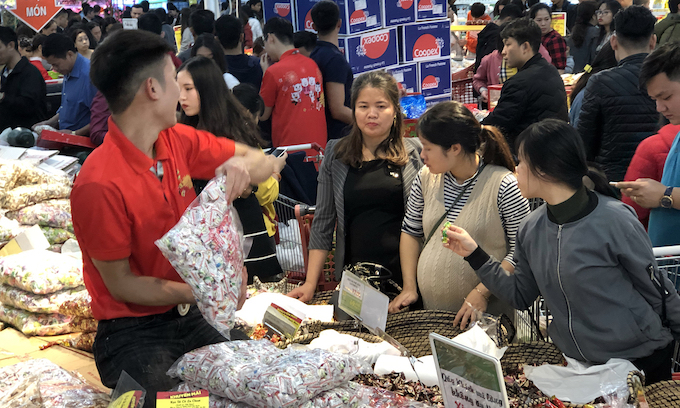
    Vietnam retail sales plunged 33.7 percent year-on-year in August as the country faced stricter restrictions due to the ongoing Covid-19 pandemic.

    According to the General Statistics Office, August’s retail sales plunged 10.5 percent compared to July. In the first eight months of this year, revenue from retail trade and service declined 4.7 percent year on year, reaching US$133.43 billion.

    The Covid-19 situation in the country has seen varying degrees of lockdown in Vietnam’s major cities including Hanoi and HCMC since June.

    In HCMC, retail revenue is estimated to reach US$1.5 billion, falling 15.9 percent month on month. The e-commerce sector, which had been expected to flourish as demand soared, recorded negative growth due to the restriction of delivery services under the Prime Minister’s Directive No.16.

    Restaurants – including online ordering with delivery or pickup – have been banned from trading for nearly two months in Ho Chi Minh City.

  • Vietnam stops selling domestic flight tickets

    Vietnam stops selling domestic flight tickets

    The Civil Aviation Authority of Vietnam (CAAV) on Monday requested airlines to stop selling tickets for domestic flights until further notice.

    Airlines would need to refund tickets for customers who’ve already purchased theirs from July 21, the CAAV added.

    The number of flights from cities and localities under Covid-19 social distancing orders as dictated by Directive 16 would be limited as well, it said.

    Since July, the CAAV has requested airlines to limit the number of flights from socially distancing localities to Hanoi amid concerning coronavirus threats. The Hanoi-HCMC flight route, an important one, has been limited to two flights a day at maximum.

    Domestic flight passengers must present effective negative coronavirus test papers.

    Vietnam closed its borders and canceled all international flights in March last year, and has since allowed only certain categories of visitors with strict Covid-19 quarantine requirements.

    The country has recorded 445,292 local Covid-19 cases since the fourth coronavirus wave hit Vietnam in late April.

  • Ireland recalls Vietnam’s Hao Hao noodles over food safety concerns

    Ireland recalls Vietnam’s Hao Hao noodles over food safety concerns

    The Food Safety Authority of Ireland has recalled some batches of Acecook Vietnam’s Hao Hao and ‘Good’ branded noodles for containing banned substances.

    On Aug. 20, the Food Safety Authority of Ireland (FSAI) announced that batches of Hao Hao and Good noodles are being recalled owing to the presence of ethylene oxide – an illegal pesticide.

    Ethylene oxide is not authorized for use in foods in the European Union (EU), of which Ireland is a member.

    There are three products in the FSAI’s recall list, two of which are from Acecook Vietnam, a shipment of Hao Hao spicy and sour shrimp noodles with an expiry date of Sept. 24, 2022 and Good noodles with an expiration date until Nov. 10, 2022.

    Besides, China’s Yato seafood noodles, with an expiration date of Nov. 30, 2022, were also revoked by Ireland.

    According to the FSAI, the consumption of products contaminated with ethylene oxide does not pose an acute hazard to the user, but could lead to other long-term health problems. Therefore, the agency recommends minimizing exposure to this substance.

    The Ministry of Industry and Trade (MoIT) on Saturday morning said it had sent a request to Acecook Vietnam JSC to promptly report on its production processes and procedures, and explain the difference between products consumed domestically and those exported.

    In addition, the MoIT is also reviewing the entire list of products distributed by Acecook Vietnam countrywide, checking and clarifying production processes and identifying violations.

    An Acecook representative said: “We are conducting a meeting and will have an official announcement for consumers soon.”

    Vietnam presently has approximately 50 companies producing instant noodles, including both domestic and foreign. Currently, instant pho and instant noodles made in Vietnam are present in more than 40 markets.

  • Vietnam Airlines aims to start first US route in October

    Vietnam Airlines aims to start first US route in October

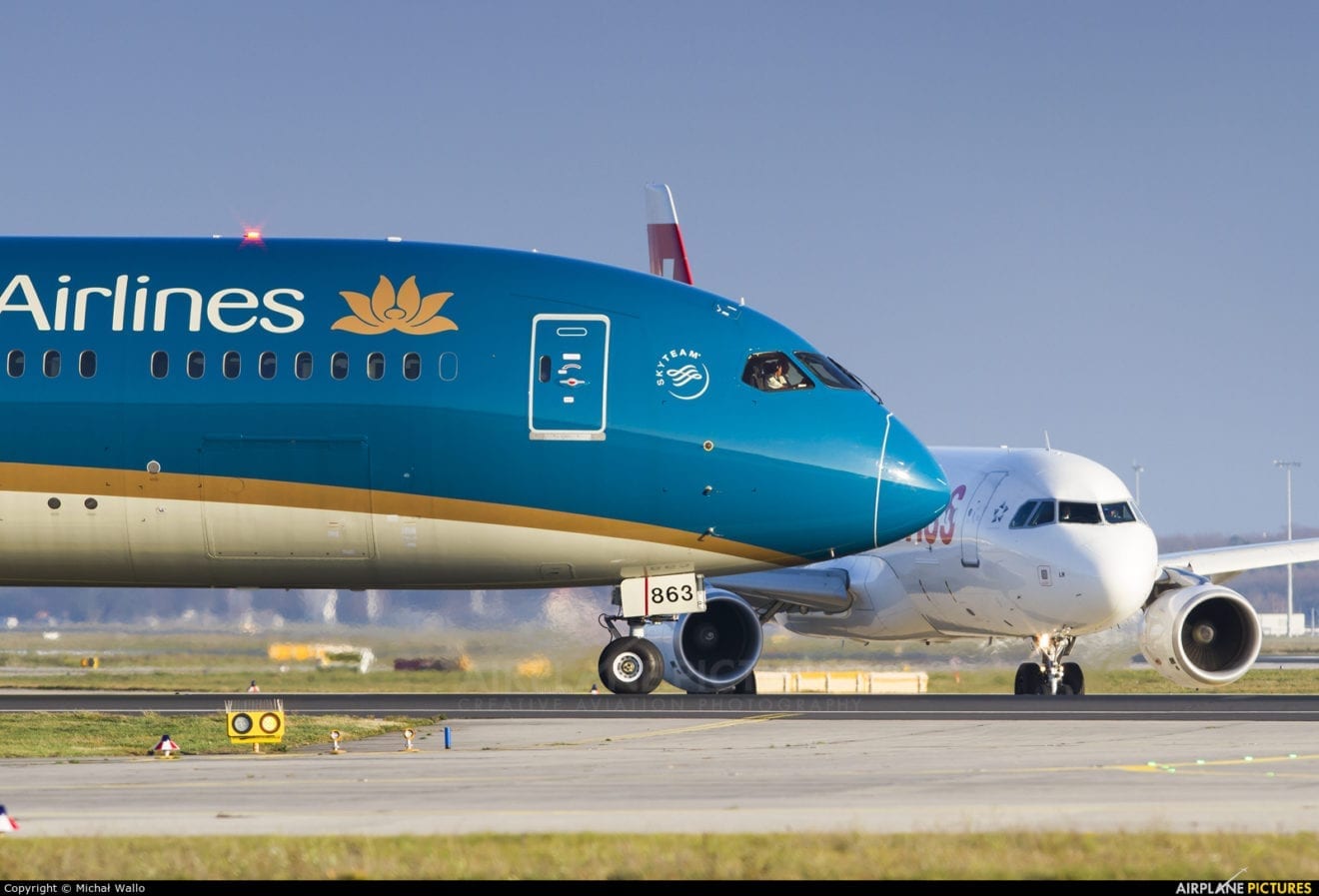
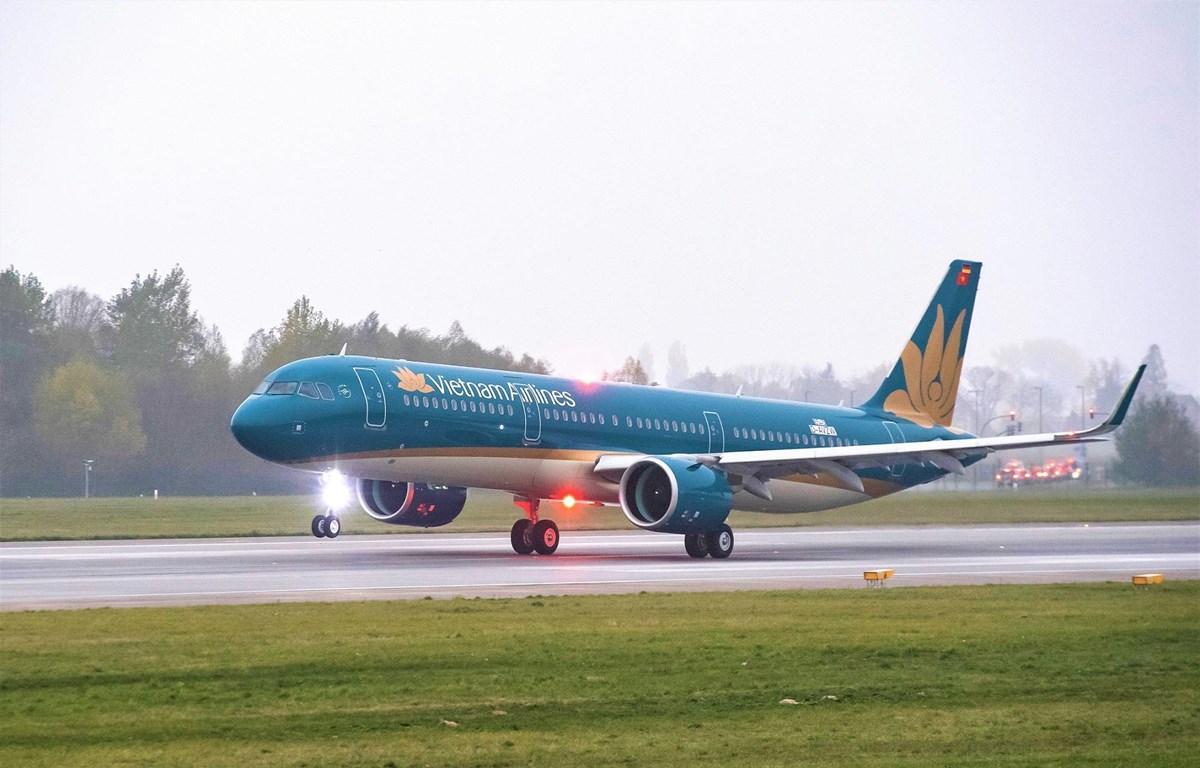
    Vietnam Airlines is planning to operate regular flights between Vietnam and the U.S. starting October, seeking to fulfill a dream of nearly two decades.

    The state-owned carrier will use either Boeing 787 or Airbus SE A350 aircraft for its inaugural U.S. route from Ho Chi Minh City to San Francisco with one refueling stop, CEO Le Hong Ha said.

    Since last year, the airline has been operating irregular charter flights to repatriate Vietnamese from the U.S. during the Covid-19 pandemic.

    The airline will rely on transporting cargo to offset initial low passenger demand, Ha said.

    Vietnam Airlines has been the worst-Covid-19-hit carrier in Vietnam. It has recorded a loss of about VND7 trillion ($306.65 million) in the first half this year, Ha commented.

    The airline in 2003 was ordered by the Ministry of Transport to begin direct services to the U.S. by 2005. However, concerns about profitability kept the airline from realizing the goal.

    Other Vietnamese airlines like budget carrier Vietjet and startup Bamboo Airways have all voiced interest in flying directly to the U.S.

    Bamboo Airways in May acquired slots to operate regular direct flights from HCMC to San Francisco and Los Angeles starting Sep. 1. But it is unclear whether flights would commence given the current severity of Covid-19 in Vietnam.

    In the first seven months of this year, Vietnamese carriers served 13.7 million passengers, down 32 percent year-on-year, according to General Statistics Office

  • Carriers in dire straits and need support

    Carriers in dire straits and need support

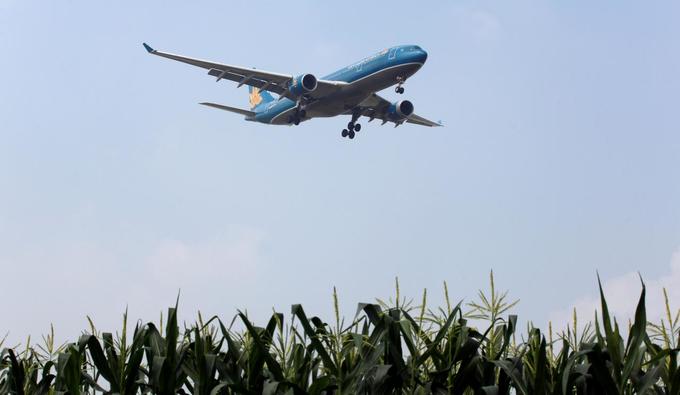
    Vietnamese carriers are confronting major financial challenges as revenues plunge and debt soars. They need urgent government intervention to improve their cash flow, a report says.

    Since Covid-19 entered the country early last year, airlines revenues have plunged by 80-90 percent, according to a recent report by the Vietnam Aviation Business Association (VABA).

    National flag carrier Vietnam Airlines posted a loss of nearly VND5 trillion ($219 million) in the first quarter, the highest quarterly loss ever, and the Ministry of Planning and Investment has said that the company is on the verge of bankruptcy.

    Budget airline Vietjet is short of VND10 trillion to cover its expenses, and startup airline Bamboo Airways shares the predicament.

    The VABA report proposes that the government extends its support on airlines’ loans to include those registered since June 10 last year.

    The current support, including a delay in payment and a reduction in interest, only applies to loans recorded before that date.

    The report also proposes that the support lasts for three to six months after the government announces that the Covid-19 pandemic has ended or the country turns to “a new normal.” The carriers need time to recover after the pandemic has been contained, the report says.

    In the first seven months of this year, Vietnamese carriers served 13.7 million passengers, down 32 percent year-on-year, according to the General Statistics Office.

  • 95 pct made-in-Vietnam auto parts for foreign brands

    95 pct made-in-Vietnam auto parts for foreign brands

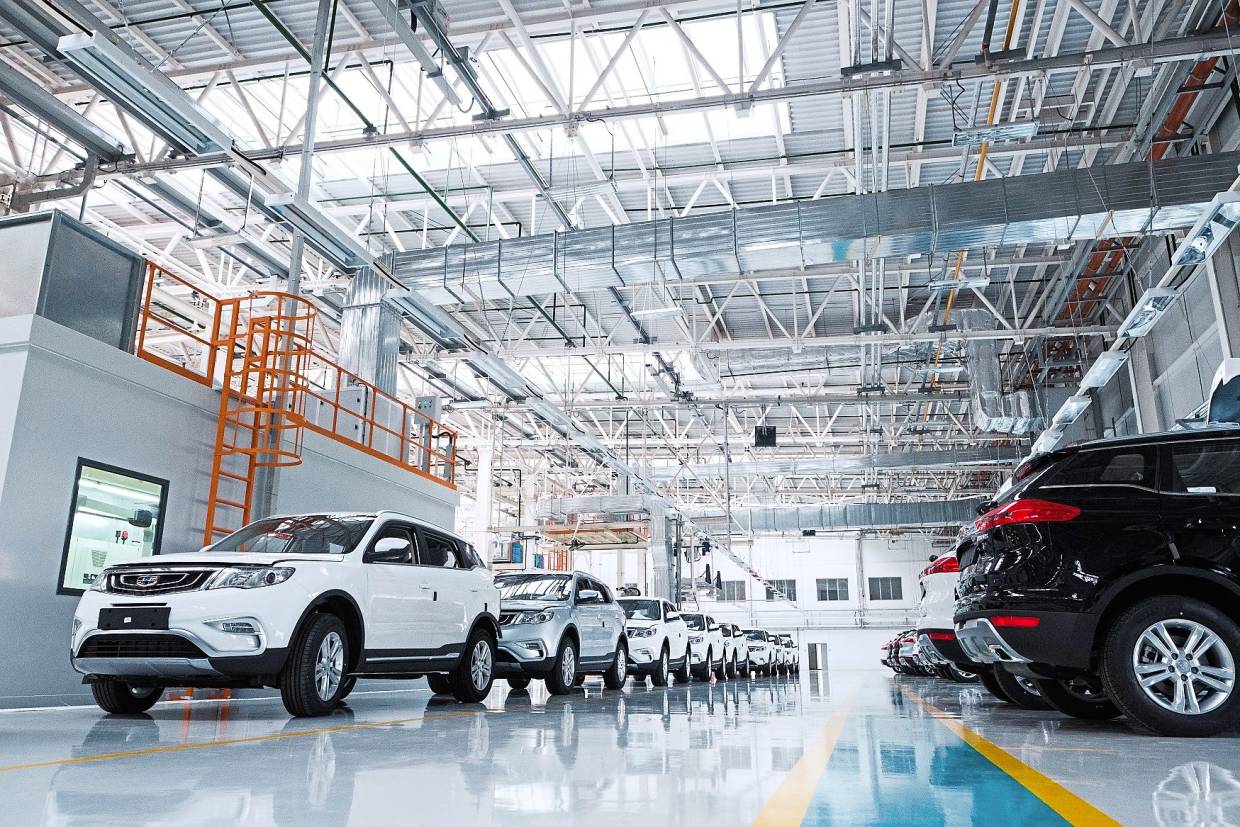
    Nearly 95 percent of auto parts produced in Vietnam are for foreign brands, showing a lack of localization in the industry.

    Of the 287 items that have been approved by the Ministry of Science and Technology as of Aug. 17, 15 were registered for VinFast cars.

    The rest were all for foreign brands. A total 226 were for Toyota, 15 for Ford and 10 for Honda.

    This means Toyota accounts for nearly 79 percent of the registered items.

    None of these items include parts for Hyundai and Mazda vehicles, although TC Motor (which assembles Hyundai cars) and Thaco (which assembles Mazda cars) have both previously affirmed they had “high” localization rates.

    TC Motor claims the rate at around 20 percent.

    Most parts are frames, chairs, and wires that are considered basic. There are no complicated parts like engines and gearboxes.

    Vietnamese officials have been calling for a higher localization rate of cars produced in the country for over two decades but the target has not been achieved.

  • Online market places for neighborhoods in Hanoi become popular

    Online market places for neighborhoods in Hanoi become popular

    With shops closed and delivery services facing restrictions due to the Covid-19 outbreak in Hanoi, apartment dwellers have stepped infill the supply gap by selling online.

    Thu, a clerk at a media company, who is working from home amid the social distancing, said: “I orders goods online for home delivery and pay through bank transfer. The goods are hung on my apartment door.”

    The online market, which serves Thu’s apartment block and others nearby, has over 2,000 members who buy and sell items like fish sauce, salt, cooking oil, rice, vegetables, fruits, meat, eggs, and processed foodstuffs, she said.

    Prices are slightly higher than at traditional markets, but people like Thu accept that because “we don’t have to go outside, minimizing contact and the risk of contracting the disease.”

    In the beginning many sold goods online for a little bit of extra income and even just for fun, but later, when their jobs were severely affected by the pandemic, it became their main source of income.

    “I order fresh pork from my hometown in the countryside, pack and deliver the meat to people in my residential area,” she said.Thai, a kindergarten teacher in Hanoi’s Ha Dong District, started selling foodstuff on an online market for residents of her apartment block when her kindergarten closed down.

    “Within 30 minutes of advertising pork online I often get orders for 50 kilograms.”

    Quang, an administrator of an online market of an apartment block in Cau Giay District, said the market sells essential goods with clear regulations on product quality and non-cash payment, and so has recently become busier, especially amid the Covid outbreak.

    Hanoi has gone over a month under a citywide social distancing order starting July 24, the longest such period since the novel coronavirus first appeared in the country. It has extended its social distancing order until September 6 as the novel coronavirus threat persists.

    The capital has recorded 2,909 local Covid-19 cases since the fourth coronavirus wave hit the country late April.
  • Gojek launches car service in HCMC

    Gojek launches car service in HCMC

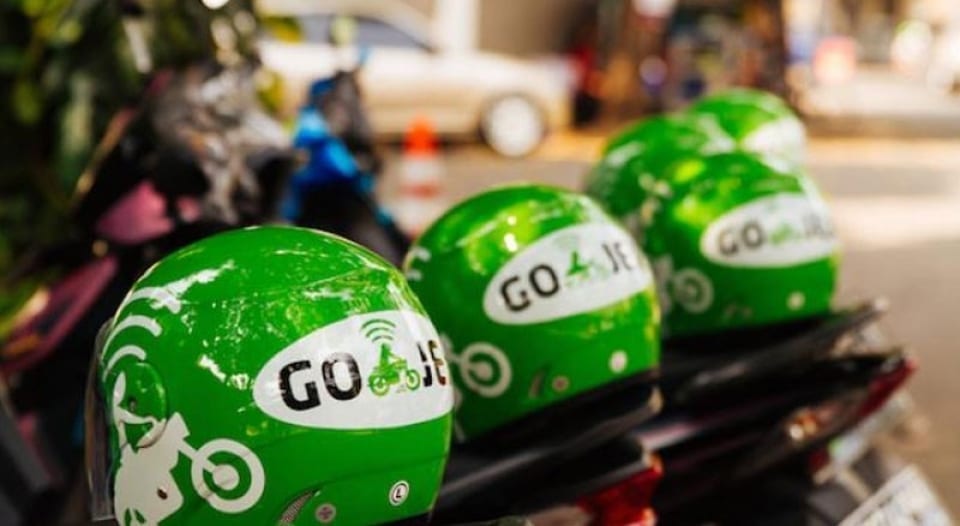
    Gojek on Thursday debuted its four-wheel ride-hailing service GoCar, first prioritizing healthcare workers before expanding to the public later this year.

    The Indonesian ride-hailing company started the service with 50 vehicles in Ho Chi Minh City dedicated to serving healthcare workers from five hospitals and medical command centers.

    All driver-partners are required to test Covid-19 negative before their first trip and on a weekly basis after that.

    Gojek has arranged for drivers to stay at hotels from now until late September when the city’s social distancing campaign is set to end.

    “We have made all the necessary preparations to launch GoCar this year,” said Duc Phung, Gojek Vietnam general manager.

    “When the pandemic escalated in HCMC and social distancing regulations were put in place, we pivoted quickly, adjusting the service to focus on supporting healthcare workers.”

    GoCar is the latest addition to Gojek’s line-up of offerings in the Vietnamese market, which include on-demand services for motorbike-hailing (GoRide), parcel delivery (GoSend) and online food delivery (GoFood).

    Its competitors Grab and Be have been offering car services for years.

  • Vietnam leads globally in cryptocurrency adoption

    Vietnam leads globally in cryptocurrency adoption

    Vietnam leads globally in cryptocurrency adoption with 41 percent of respondents claiming to have bought Bitcoin and the like, according to a recent survey.

    Twenty percent of Vietnamese said they had purchased Bitcoin, the highest among 27 countries polled with 42,000 respondents, according to the survey by U.S. based financial consultancy Finder.

    “Remittance payments may have played a significant role in these numbers, with cryptocurrency an option for migrants who want to send money home and avoid exchange fees,” the report stated.

    Despite having the 53rd largest economy based on gross domestic product, Vietnam placed 13th in realized Bitcoin gains for 2020, according to Cointelegraph.

    Adoption was especially high in Asia, with 30 percent of respondents in Indonesia and India claiming to have bought cryptocurrency, the Finder’s survey found.

    In Malaysia and the Philippines, this proportion was 29 percent and 28 percent, respectively.

    There were between 1,160 and 2,511 respondents for each country covered in the study.

    Data from Statista in February showed Vietnam had the second-highest rate in terms of cryptocurrency use among 74 surveyed economies, driven by remittance payments.

    Bitcoin and other cryptocurrencies are not recognized as legitimate means of payment in Vietnam. The State Bank of Vietnam has warned that owning, trading and using cryptocurrencies are risky and not protected by law.

  • China reopens border gate with Vietnam

    China reopens border gate with Vietnam

    China has reopened one of its border gates in Guangxi with Vietnam after closing it for several days due to Covid-19 fears.

    Trade resumed Wednesday at Tan Thanh Border Gate in the northern province of Lang Son after customs officials of both countries agreed on Covid-19 safety measures.

    There are over 1,000 trucks stuck at the gate and another major gate in the same province, Huu Nghi, said Nong Hai Thang, director of border gate management in Lang Son.

    “Trucks need to wait two days to pass the gate.”

    The delay is caused by China imposing more stringent examinations on vehicles and products to prevent Covid-19 contagion.

    There are 12 big and small border gates in Lang Son.

    Vietnam has recorded nearly 290,000 Covid-19 cases since the end of April.

    China was Vietnam’s second-largest export market in the first seven months with a value of $28.7 billion, up 24 percent year-on-year, according to the General Statistics Office.

  • Vietnam biggest buyer of Cambodia’s mangoes

    Vietnam biggest buyer of Cambodia’s mangoes

    Cambodia exported 140,000 tons of fresh mangos, or 86.8 percent of its total exports of the fruit, to Vietnam in the first seven months of this year.

    Citing data from the Cambodian Ministry of Agriculture, Forestry and Fisheries, the Vietnam Trade Office said the nation exported 161,228 tons of mangos between January and July, a year-on-year surge of 248 percent.

    Besides fresh mangos, Cambodia exported nearly 13,525 tons of mango jam, including 77 tons to Vietnam, 1,000 tons to Thailand and 11,000 tons to China in the seven-month period.

    Cambodia, which cultivates mangoes on 126,668 hectares at present, exported 845,274 tons of mangos worth over $473.2 million last year, mostly to Vietnam, Thailand, China, South Korea, Singapore, Russia and France.

  • Instant noodle producers gain from Vietnamese craving

    Instant noodle producers gain from Vietnamese craving

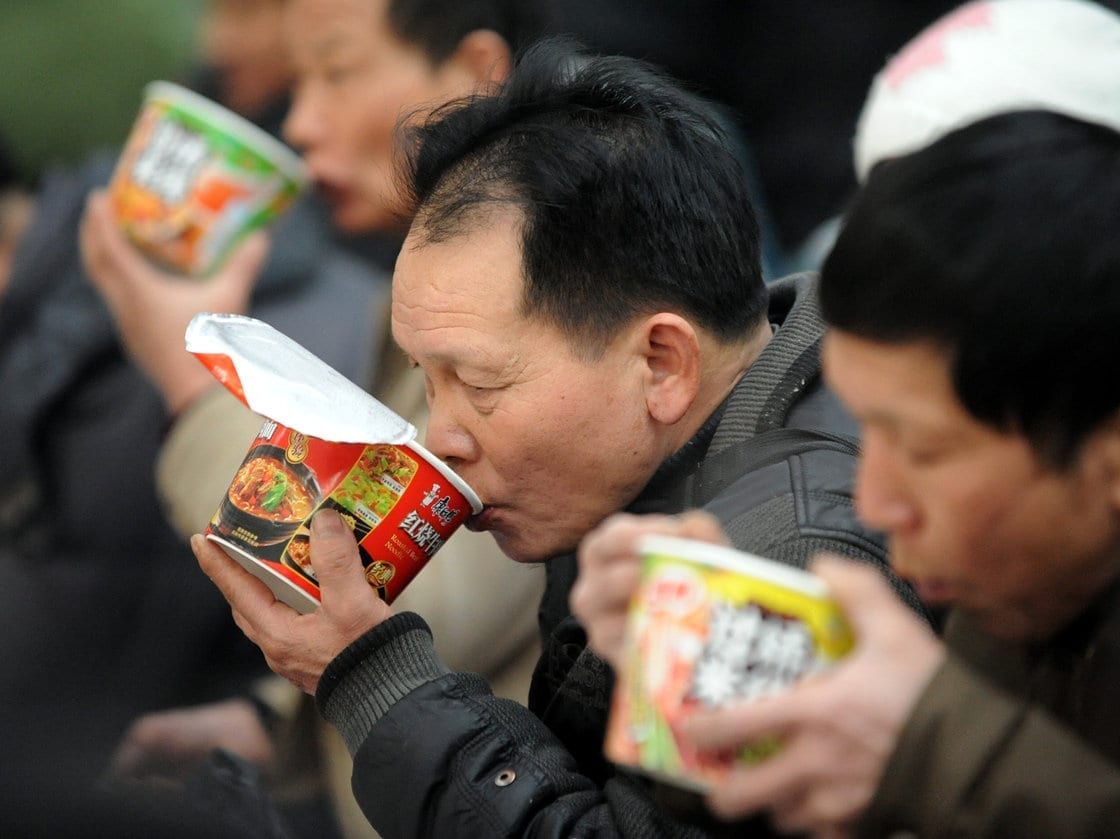
    Noodle companies in Vietnam posted strong figures last year as the country became the third-largest market globally with over 7 billion servings.

    Masan Consumer, which makes Omachi and Kokomi noodles, saw revenues from packaged food, including noodles, rising 38.5 percent from 2019 to nearly VND6.9 trillion ($302 million) last year.

    Sales of Omachi noodles rose 32 percent, with the brand claiming 45 percent of the high-end market. Omachi was also the best-selling noodle brand in supermarkets.

    In the mid-end segment, Kokomi saw sales growing 43 percent to become the best-selling brand in the northern region.

    Masan Consumer continued to post strong figures so far this year with revenue growing 10 percent to VND11 trillion.

    The company expects instant noodles and porridge products to rise double-digit for the whole year.

    Japanese producer Acecook posted revenue of VND11.5 trillion last year, 1.6 times that of Masan Consumer’s packaged food sales.

    The company claims to account for half of Vietnam’s instant noodles market. It forecasts sales to reach 350 million products next year, twice that of 2017.

    Smaller noodle producers also recorded stable figures. HCMC-based Vifon leaders once told press it made around VND200 billion a month.

    Another company, Colusa-Miliket, saw revenue falling 2 percent to VND624 billion last year.

    There are about 50 noodle businesses in Vietnam including foreign companies. The country exports to 40 markets.

    Vietnam became the third-largest instant noodles market with over 7.03 billion servings consumed last year, up two places from a year before.