Tag: Vietnam

  • Global delivery firms increase flights to Vietnam amid e-commerce boom

    Global delivery firms increase flights to Vietnam amid e-commerce boom

    Express delivery giants like DHL and UPS are increasing their transport capacity to Vietnam thanks to rising demand due to the Covid-19 pandemic.

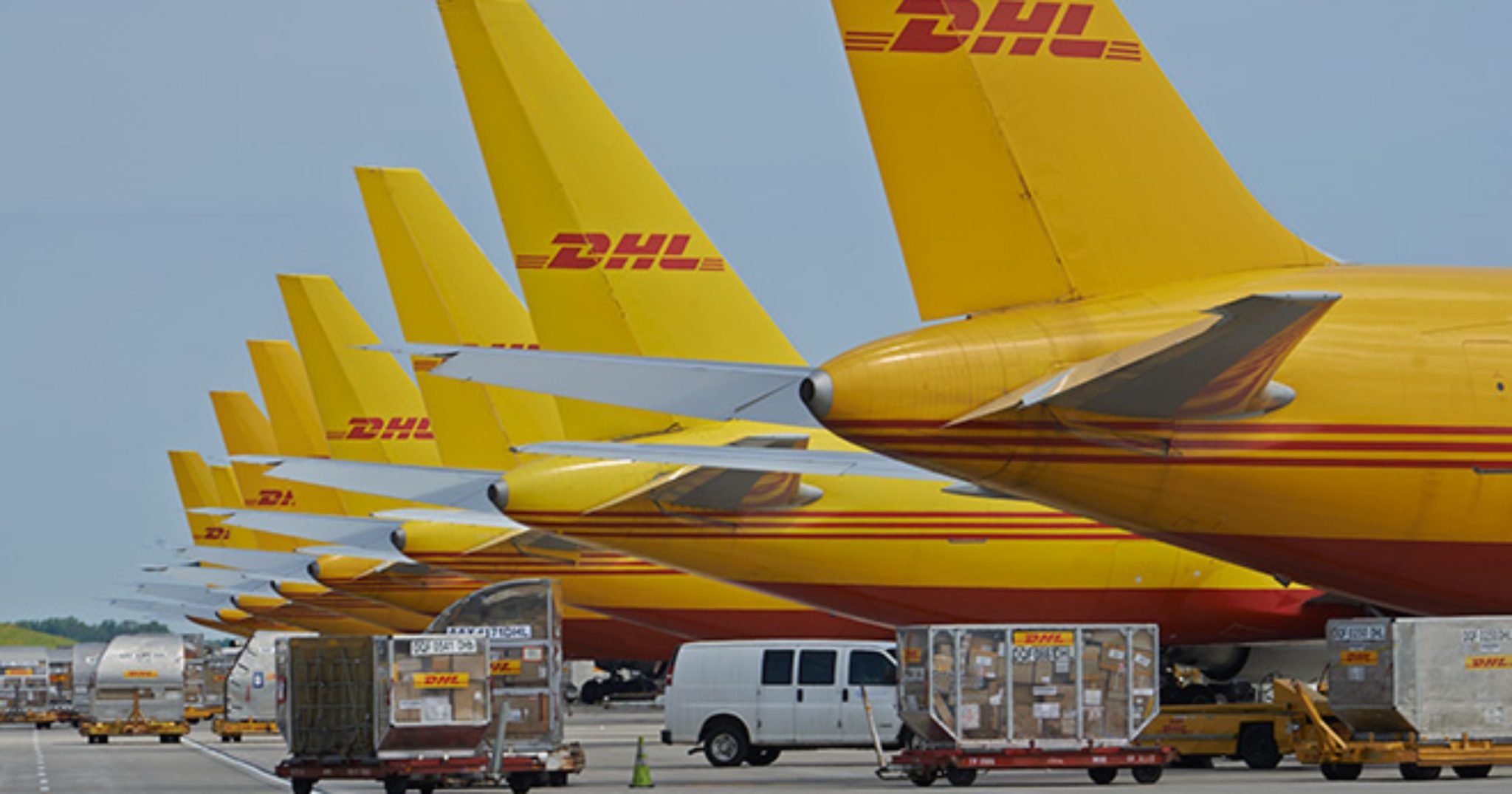
    Germany-headquartered DHL Express recently announced a new delivery route from Hong Kong to Ho Chi Minh City using wide-body Airbus A330 aircraft.

    There would be six one-way trips a week, each with a capacity of up to 62 tons of cargo, it said.

    This is to mainly serve the rising online shopping demand, it added.

    It will also upgrade the aircraft used on the Hanoi – Hong Kong route from Boeing 737-400s to 737-800s to serve Vietnam’s surging exports.

    Most consumers are now looking at delivery speed as a key component of their shopping experience, Bernardo Bautista, CEO of DHL Express Vietnam said.

    Last year U.S.-based UPS launched its first service to Vietnam from its hub in China to increase delivery speed.

    Vietnam does not have a dedicated cargo airline, and industry insiders estimate foreign companies hold an 80 percent aviation logistics market share.

    Johnathan Hanh Nguyen, chairman of retail company Imex Pan Pacific Group, recently announced plans to establish a cargo airline at an investment of $100 million.

    Vietnam’s e-commerce market expanded by 18 percent last year to $11.8 billion, the only country in Southeast Asia to record double-digit growth amid the pandemic, according to the Vietnam e-Commerce and Digital Economy Agency.

  • Alibaba betting big on Vietnam e-commerce potential

    Alibaba betting big on Vietnam e-commerce potential

    Fast increasing online groceries demand and the high growth potential of Vietnamese e-commerce market are factors driving Chinese giant Alibaba’s investment in Vietnam.

    A consortium led by the Chinese e-commerce giant invested $400 million in The CrownX, a subsidiary of conglomerate Masan Group that operates retail chain WinMart.

    The investment was seen as a chance for Lazada, Alibaba’s e-commerce platform, to create a business relationship with WinMart for the online groceries business, Singapore-based technology media company Tech in Asia said.

    Kenny Ho, Head of Investment for Southeast Asia at Alibaba, said the combination of Alibaba’s online retail expertise, Lazada’s e-commerce platform in Vietnam and Masan’s leading offline network will be a strong catalyst for modernizing Vietnam’s retail landscape.

    WinMart will become the preferred grocery retailer on Lazada, while its outlets will be used as pick-up points for online orders, Ho said.

    The investment by Alibaba indicates that the company is tapping into a pandemic-fueled growth in the demand for online groceries, Tech in Asia reported.

    The pandemic has elevated groceries into the hottest e-commerce vertical. Vietnamese consumers who have tried online grocery shopping have doubled in 2020, according to a report from Google, Temasek, and Bain & Company, with over 75 percent indicating they would continue the practice even after the pandemic has subsided.

    Another reason for Alibaba’s investment in Vietnam is its high growth potential. The nation’s e-commerce market expanded by 18 percent last year to $11.8 billion, the only country in Southeast Asia to record double-digit growth amid the pandemic, according to the Vietnam e-Commerce and Digital Economy Agency.

    A report by market research company Global Data’s E-Commerce Analytics said Vietnam’s e-commerce is likely to see compounded annual growth of 18.8 percent between 2020 and 2024, with the value rising to $26.1 billion.

    Vietnam has a stable growth economy, which grew by 2.9 percent last year despite the Covid-19 pandemic. The number of middle-class households in the country is expected to reach 17 million by 2030.

  • Fintech startup gets $2 mln seed funding from global investors

    Fintech startup gets $2 mln seed funding from global investors

    Vietnamese fintech startup Infina has raised $2 million in seed funding from five global venture capitalists.

    The investors are Japan’s Saison Capital, Indonesia’s Venturra Discovery, Singapore’s 1982 Ventures, the U.S.’s 500 Startups, and Korea’s Nextrans.

    Some Google and Netflix executives are also taking part in this round.

    The startup has developed an investment app called Infina that enables users to make term deposits, invest in certificates of deposit and exchange traded funds. Most users are between the ages of 25 to 40 and looking for alternatives to investing in long-term asset classes like real estate.

    The seed funding will be used to increase the number of users and diversify the investment portfolio, and hire experts to analyze customers’ risk preferences.

    It plans to expand into other countries in future, but for the time being is focused on the Vietnamese market.

    The company said that around 500,000 securities trading accounts were opened in the first five months of 2021, a 20 percent year-on-year increase, according to the Vietnam Securities Depository.

    This along with Vietnam’s high Internet penetration rate, which was at around 70 percent as of January, and the fact that more than three-fourths of Internet users have used online financial services before, enable apps like Infina to gain traction.

    Infina was launched in January 2021 by James Vuong, who used to be an engineer in the U.S.’s Silicon Valley before returning to Vietnam to serve as vice president of investment at Vietnam’s first venture capital fund IDG Ventures.

    Vuong said many Internet users began using digital services, including for investments, with the interest rate cuts by the central bank to help businesses cope with Covid-19 prompting many investors to look for alternatives with higher returns than bank deposits.

  • Coffee chains race to establish global presence

    Coffee chains race to establish global presence

    Vietnamese coffee chains are moving to establish themselves in foreign markets as part of expansion plans as well as a strategy to deal with increased domestic competition.

    Tea and coffee chain Phuc Long has just announced plans to open its first store in California in July.

    TNI King Coffee last month launched its first store in the U.S. It has already opened its first outlet in South Korea with a partner.

    Highlands Coffee, one of the biggest Vietnamese coffee chains, has started branching out to other markets since 2011. It now has 39 franchised outlets in the Philippines.

    Cong Ca Phe has six outlets in South Korea and two in Malaysia, while E-Coffee opened its first store in Laos last year.

    The branching out decisions of these brands have happened in the wake of heavy competition in Vietnam’s café chain industry.

    In 2019, Highlands Coffee saw its revenue rise 32 percent year-on-year to VND2.2 trillion ($95 million), after having risen at roughly the same rate in 2018. It was followed by popular competitors like The Coffee House, Starbucks and Phuc Long.

    In terms of outlets, Highlands Coffee ranks top with 437 at the time of publishing, followed by Trung Nguyen E-Coffee with 414, The Coffee House with 180, Phuc Long with 82 and Starbucks with over 60.

    Opening coffee chains in foreign markets, particularly the U.S., is a strategy that Vietnamese chains have been thinking of and preparing for the last 10 years, said branding expert Vo Van Quang.

    “They used to have concerns of going from a small country to a big one, but now they have overcome that fear because they see a lot of potential in entering a huge market,” he said.

    One of the biggest advantages for Vietnamese coffee chains in the U.S. market is that consumers there are not as particular as European ones.

    “Most Americans do not have high standards for coffee. They consider it only as a necessity to help them stay awake to work,” he said, adding that in other markets like France or Japan consumers are more difficult to please.

    Another major advantage is that Vietnamese food and drinks have already established trust in the U.S. as a delicious and healthy alternative to fast food.

    “With two million Vietnamese in the U.S., there are now Vietnamese restaurants in every state. Pho and banh mi have become popular dishes among locals there,” said Quang, referring to the iconic Vietnamese noodles soup and sandwich.

    These types of dishes can be included in the menu of coffee chains to increase their competitiveness, he added.

    The potential of foreign markets has had Vietnamese coffee chains thinking big.

    TNI King Coffee, for example, plans to launch an additional 19 outlets in the U.S. by the end of this year and targets to hit 100 stores there by next year.

    “Opening the first store in the U.S. markets is a strong development step for TNI King Coffee in the global market,” said founder and CEO Le Hoang Diep Thao.

    The company had earlier talked about having 1,000 stores in South Korea, but mentioned no specific time frame.

    Branching out to other markets is a sensible move as local coffee chains have been fighting within a small market in recent years, Quang said, adding: “Recent moves by Phuc Long and King Coffee show that coffee chains have adopted a bigger vision to grow larger abroad.”
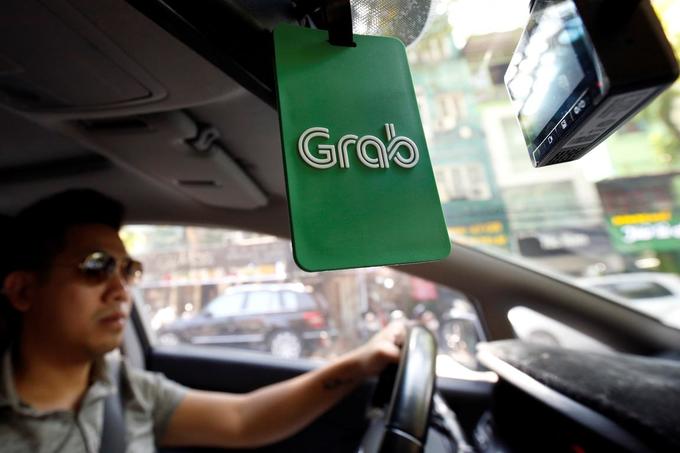
  • Ride-hailing firm Grab to launch electric cars in Vietnam

    Ride-hailing firm Grab to launch electric cars in Vietnam

    Ride-hailing firm Grab plans to launch electric car services in Vietnam and Indonesia after piloting a program in Singapore at the end of this year.

    Grab is partnering with South Korea’s automotive manufacturer Hyundai Motor to encourage the adoption of electric vehicles in Southeast Asia.

    Both parties will test new business models including battery and electric vehicles leasing, thus lowering the entry barrier for its driver as the cost to own an electric car is high.

    Grab had said in an earlier report that some of the concerns that make drivers reluctant to use electric vehicles are their price, lack of charging stations and long waiting time for the battery to be fully charged.

    Russell Cohen, Grab’s managing director of operations, said that the company hopes governments will have incentive policies and essential infrastructure like charging stations so that electric vehicles will have many opportunities to develop.

    Grab and Hyundai have been partners since 2018. In 2019, the ride-hailing firm purchased 200 Hyundai Kona electric cars for its car-hiring service GrabRentals in Singapore.

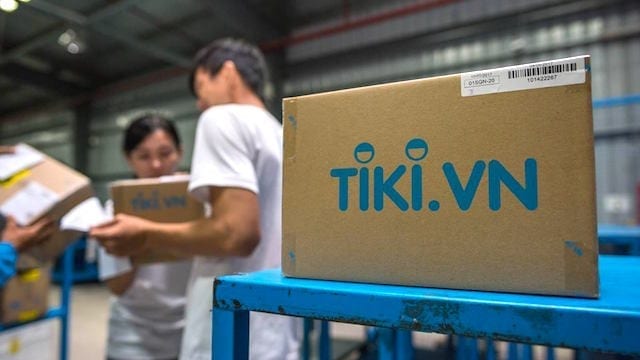
  • Tiki raises $43.5 mln via corporate bonds

    Tiki raises $43.5 mln via corporate bonds

    E-commerce platform Tiki has raised VND1 trillion (nearly $43.5 million) over the last three months by issuing corporate bonds.

    Issued from 16 March to June 13, the bonds are non-convertible with a fixed interest rate of 13 percent per annum, one of the highest rates in the local market.

    Over 97 percent of Tiki bonds’ buyers are Vietnamese individual professional investors. Two domestic institutional investors and two foreign investors also bought the bonds.

    Tiki will use the VND1 trillion to increase its working capital, expand warehouses, invest in subsidiaries, and fund advertisement and marketing campaigns, among others.

    After suffering losses in recent years, Tiki still has to spend big to grab market shares from rivals like Shopee, Lazada, and Sendo.

    Tiki reported losses of over VND750 billion in 2018, and more than VND320 billion in 2019.

  • Vietnam economy to expand 6.7 pct in 2021

    Vietnam economy to expand 6.7 pct in 2021

    Singaporean lender United Overseas Bank (UOB) forecast Vietnam’s GDP would grow by 6.7 percent this year.

    It said Vietnam’s economic growth trajectory remained on track, with exports in the first five months growing 35.5 percent year-on-year, while imports rose 54 percent.

    Foreign direct investment (FDI) inflows remain upbeat so far in 2021, a reflection of investor confidence and Vietnam’s relevance in the global supply chain. Registered capital FDI this year as of May hit $14 billion, rising marginally by 1 percent from last year.

    However, the fourth outbreak of Covid-19 that started on April 27 has resulted in movement restrictions and lockdowns that disrupted a range of business and manufacturing operations, it said in a Friday report.

    UOB said the recent outbreaks of Covid-19 and the discovery of new virus variants certainly pose a downside risk to the economy, as vaccination rates have been low relative to neighboring countries.

    One factor to watch, according to UOB, is Vietnam’s inflation rate, which has risen to 2.9% year-on-year in May. Inflation rates in May increased by 0.16 percentage points compared to April, the highest growth rate since September 2020, driven by the growth in transportation and housing prices.

    The government has a growth target of 6.5 percent this year.

  • Railways seeks bailout as Covid-19 rages

    Railways seeks bailout as Covid-19 rages

    Vietnam Railways (VNR) is seeking a VND800 billion ($34.82 million) loan to fund operations amid plummeting demand for its services because of the Covid-19 pandemic.

    The state-owned company has requested the government for the funds, saying that if the pandemic impacts persist until the next year, it would run out of money to pay staff salaries.

    It is, therefore, proposing that the government gives it an “emergency” loan and provide support for its 13,000 employees, who are either suspended or working part-time.

    It is also proposing that over 6,000 employees are prioritized for vaccination; and that infrastructure fees and land fees are lowered or scrapped for the projects it is implementing.

    Last month, the company suspended 393 trains, and there were times when just one pair of trains was used for the North-South route.

    The company’s revenues in the first five months fell 19 percent year-on-year to VND1.11 trillion and 40 percent from 2019, when the pandemic was yet to hit the country. It posted a loss of over VND1.32 trillion last year.

  • Digital mutant orchids go on sale at cryptocurrency marketplace

    Digital mutant orchids go on sale at cryptocurrency marketplace

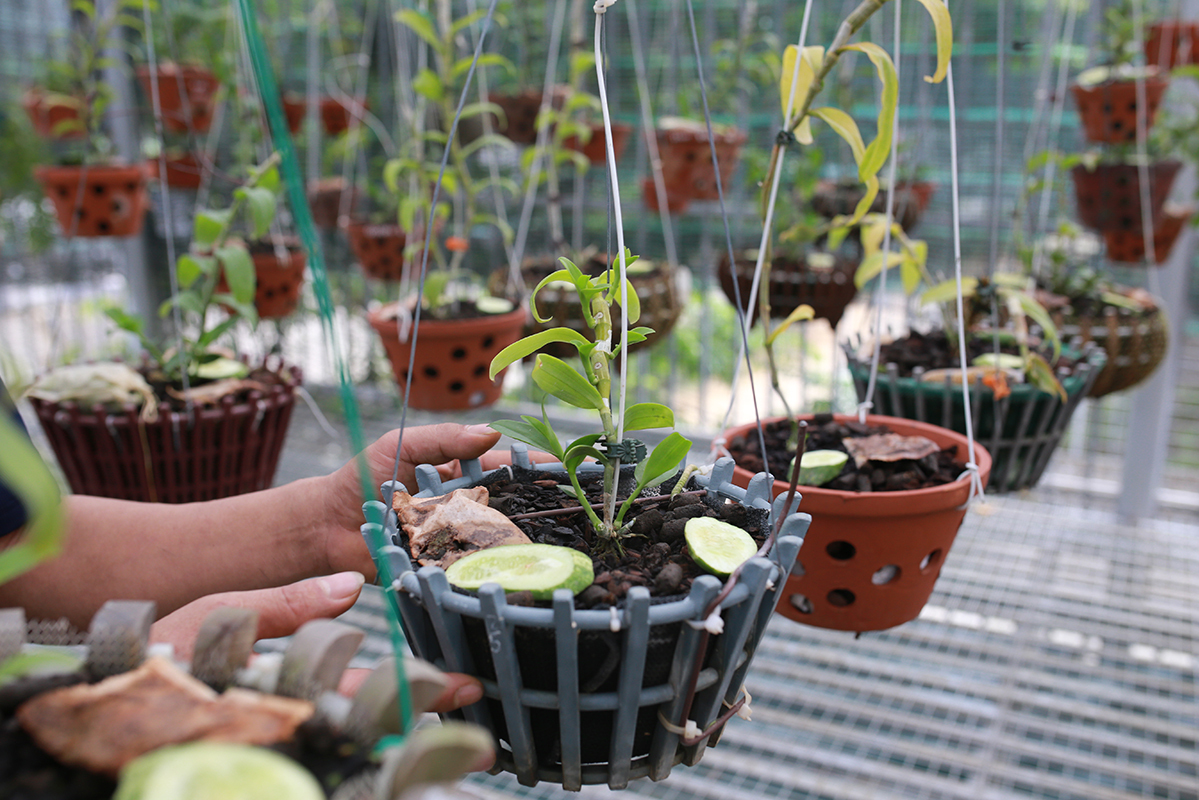
    Vietnam’s so-called mutant orchids are being turned into unique digital assets and being sold for up to thousands of dollars online.

    On the digital goods marketplace OpenSea.io, hundreds of items are displayed when a user types the keyword “Orchidaceae.”

    These items are non-fungible tokens (NFTs) which are units of data stored on a digital ledger called a blockchain that certifies a digital asset to be unique.

    In other words, NFTs transform digital works of art and other collectibles into one-of-a-kind, verifiable assets that are easy to trade on the blockchain, and a person can now buy a digital orchid plant using cryptocurrency like Ethereum.

    “The Hong My Nhan has glossy wings, harmonious pink color. Usually, the sepals are a bit darker than the wings,” says the description of a piece of the orchid that costs $428.

    These products are not real orchids. Instead, the buyer will own a digital version of the plant which is guaranteed to be sold in a limited number.

    “Although the buyer won’t own the physical plant, he or she can still show off the orchid without having to take care of it,” said digital currency expert Phan Duc Nhat.

    A Phu Tho orchid with an asking price of around $100 will have a maximum of 2,000 NFTs, while the more luxurious Co Do orchid with the asking price of $12,500 will only have 100 NFTs.

    But so far the highest bid for such an NFT is only 0.2 Etherum, or more than $400.

    The rush for the so-called mutant orchids has flooded social media in Vietnam in recent months, with investors spending hundreds of million dong (VND100 million = $4,340) to own a physical plant, hoping to sell it for a profit later.

  • Fintech startup Mfast raises $1.5 mln

    Fintech startup Mfast raises $1.5 mln

    Fintech startup Mfast has raised $1.5 million in its Pre-Series A funding from a group of investors led by Do Ventures.

    Mfast is a fintech platform that enables Vietnamese to access, use and introduce financial and insurance service packages as well as other product segments.

    After three years of operations in Vietnam, it has served nearly 600,000 users, with 75-80 percent of its end-users coming from remote provinces and rural areas.

    The amount disbursed to its financial partners has climbed to more than VND5 trillion ($217 million).

    Mfast’s mobile app claims to connect the underserved populations with financial and insurance institutions to give them access to basic financial services.

    Amy Do, investment manager of JAFCO Asia, a co-investor in the round, said that the fund had made the decision because of the great potential of the consumer credit and insurance market in Vietnam, as shown in the solid traction of the company despite the ongoing pandemic.

    Do Ventures is a $50 million early-stage venture capital fund that serves as a strategic partner for startups.

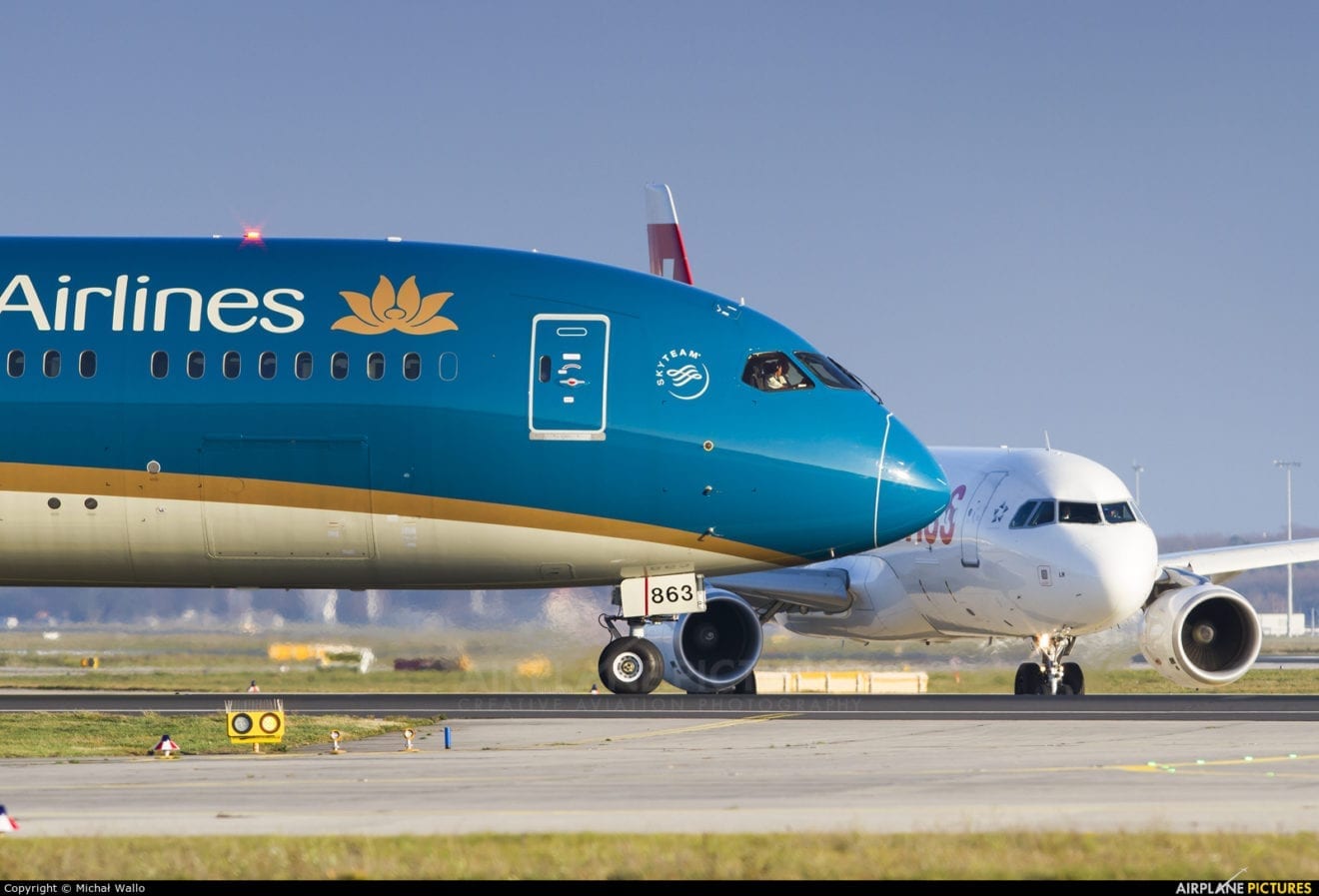
  • Struggling Vietnam Airlines to receive $174 mln loan

    Struggling Vietnam Airlines to receive $174 mln loan

    An interest-free loan of VND4 trillion ($173.9 million) will be soon disbursed to national flag carrier Vietnam Airlines, which is on the brink of bankruptcy over Covid-19 impacts.

    The legal procedures for an aid package designated for the local aviation sector have been completed, and the VND4 trillion loan, part of the package, is “scheduled to be disbursed to Vietnam Airlines late June or early July,” Dang Anh Tuan, head of the carrier’s Communications Department, told VnExpress Monday.

    Earlier, late last year, the National Assembly had approved an aid package of VND12 trillion for the troubled carrier.

    At a press briefing held Monday by the State Bank of Vietnam, the country’s central bank, Nguyen Tuan Anh, head of the central bank’s Credit Department, said three local banks, SeABank, MSB and SHB, have pledged to offer Vietnam Airlines loans totaling VND4 trillion sourced from the central bank’s refinancing operations.

    Vietnam Airlines’ overdue debts have surged to VND6.24 trillion. According to a report recently drafted by the Ministry of Planning and Investment, the carrier, which racked up losses of nearly VND5 trillion in the first quarter of 2021, is likely to make losses of VND10 trillion in the first half of this year.

    As of March 31, Vietnam Airlines posted negative undistributed after-tax profits of more than VND14,218 billion, compared with its registered capital of VND14.19 trillion. If this problem is not solved, Vietnam Airlines shares coded HVN on the local stock market will be delisted.

    On April 15, the Ho Chi Minh Stock Exchange put HVN shares on the warning list because the carrier was posting big losses.

    At its extraordinary general meeting in late 2020, Vietnam Airlines said it would use VND8 trillion from its share issuance to pay all overdue debts, compensate for shortages of capital for production and business, and repay short-term and long-term loans from banks.

  • Car imports from China up 6.5-fold

    Car imports from China up 6.5-fold

    Vietnam imported 9,400 vehicles from China in the first five months of the year, 6.5 times higher than in the same period last year, according to the customs department.

    Of them, nearly 5,600 were special purpose vehicles and 2,840 were trucks, with passenger cars accounting for the rest.

    China remained the third-largest source of vehicles for Vietnam behind Thailand and Indonesia.

    Thailand dominated with 33,140 vehicles, double the figure from the same period last year, and Indonesia accounted for 18,340 units, up 16.2 percent, with the two accounting for 80 percent of imports.

    Under the ASEAN Trade in Goods Agreement that took effect in 2018, import tariffs on vehicles within the bloc are zero.

    Vietnam’s imports jumped by 78 percent to over 65,700 units.

    Auto sales rose 53 percent to 126,894 units, according to the Vietnam Automobile Manufacturers Association.

  • Hairdressers, manicurists make house calls to survive Covid

    Hairdressers, manicurists make house calls to survive Covid

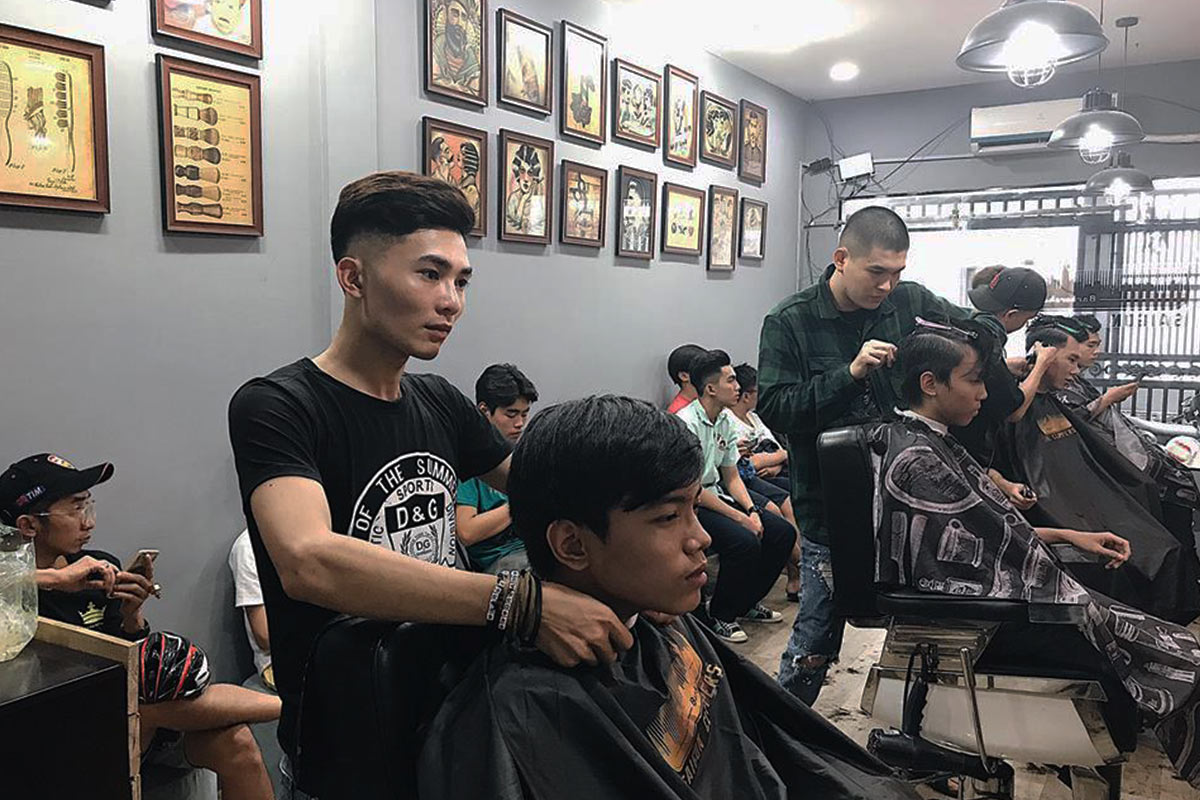
    Barbers in Hanoi and HCMC are going to customers’ homes to make a living as their shops remain closed due to the Covid-19 pandemic. For a month now Nguyen Thai Hoang, 27, a hairdresser in Hanoi’s Long Bien District, has had his business disrupted, and he has begun to visit his customers instead.

    He said: “Since the city ordered salons to close we have no choice but to provide services at our customers’ homes. It’s the only way we earn a living amid the pandemic.” His monthly income of around VND10 million ($435) has fallen by 90 percent after the fourth wave of Covid hit Vietnam two months ago.

    On a Facebook group with 1,400 members in Hanoi, there are around 20 posts every day by barbers offering to visit customers’ houses for VND50,000-100,000 plus transportation.

    “We’ll bring mirrors, masks, protective shields, and rubber gloves to ensure your safety,” one post by a salon in Thanh Xuan District with 20 barbers said.

    “Our job is the same but we have to travel a lot more so it is more challenging,” a barber in Hanoi’s Ha Dong District who asked not be identified said.

    “We still have to pay rents so this is the best we can do while we wait for everything to reopen.”

    Many people have not had a proper haircut since the end of April when everything closed.

    “No salon near my building is open, so I get a barber to come and trim my hair in the hallway of my apartment,” Le Manh Hung, who lives in Hoang Mai District, said.

    “It was uncomfortable to have neighbors walk by and stare, but I got what I needed.”

    On social media there are also many offers for nail, spa, and skin care services.

    In HCMC’s Tan Binh District, last month Mai had to shut her hair and nail salon, which is the main source of income for her family.

    “I had to ask for time to pay rent,” the 40-year-old woman said. She has been providing customers with hairdressing and nail services at home to earn some money.

    However, authorities have expressed concern about this. Nguyen Hong Tam, deputy director of the HCMC Center for Disease Control, said people cannot maintain a minimum distance of two meters when doing hair and nails, and therefore this is a violation of Covid-19 regulations.

    “Going to customers’ homes means shops are still operating, and this is also a violation,” he said.

    But hairdressers are concerned about putting food on the table for their family. Hoang, who has to take care of his mother and grandmother, has three customers booked for tomorrow and he has no intention of canceling them.

  • Garment production may slow down over Covid-19

    Garment production may slow down over Covid-19

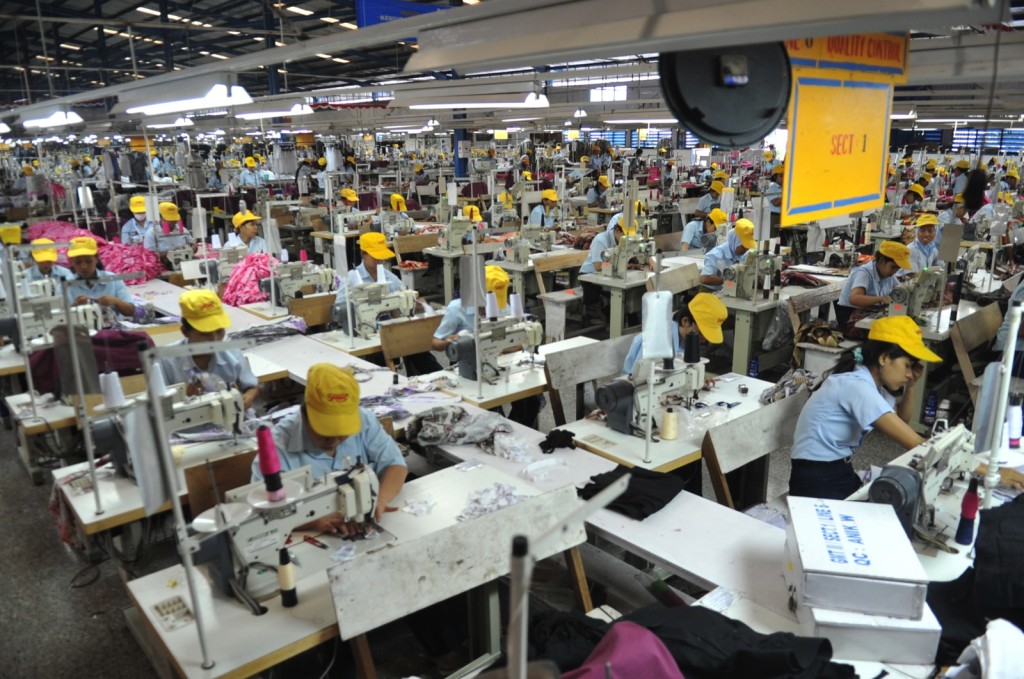
    The textiles and garment sector is likely to be impacted by the Covid-19 situation getting more complicated across Vietnam. Industry insiders say the pandemic situation in HCMC, in particular, will drag the sector down in the remaining months of the year.

    The pandemic has already penetrated some industrial parks in HCMC, so if the staff of garment and textile firms get infected, work would stop and fulfillment of orders would slow down, said Pham Xuan Hong, head of HCMC Association of Garment, Textile, Embroidery, and Knitting (AGTEK).

    Garment and textile firms are labor-intensive affairs with many workers concentrating in certain places, so the risk of Covid-19 breaking out in factories is very high, said Le Tien Truong, chairman of Vietnam National Textile and Garment Group (Vinatex), adding that the production chain is likely to be broken amid the outbreak.

    Vinatex has 150,000 workers nationwide, with most of its affiliates having an average workforce of 2,000 each.

    In the first three waves of Covid-19, no Vinatex affiliates reported any Covid-19 infection. In the ongoing fourth wave, some enterprises in the northern province of Bac Ninh and the central city of Da Nang have reported infected workers.

    “This is the first time in 18 months of Covid outbreaks that workers in Vinatex affiliates have been infected with the disease, forcing them to stop production and face considerable losses,” the Vinatex chairman said.

    If production comes to a halt due to Covid-19, goods delivery will be delayed, causing losses for producers and exporters, he said.

    Affected enterprises will have to shift to transporting goods by air, instead of by sea to ensure timely shipment. This would make the shipment prohibitively expensive, Truong noted.

    Vinatex and AGTEK have proposed the government prioritizes vaccination against Covid-19 for garment and textile workers. Most garment and textile firms have said they are willing to cover all vaccination costs.

    Vietnam’s textiles and garment export turnover reached $5.8 billion in the first five months, a year-on-year rise of 4.8 percent.

  • Coworking space companies respond to Covid with new solutions

    Coworking space companies respond to Covid with new solutions

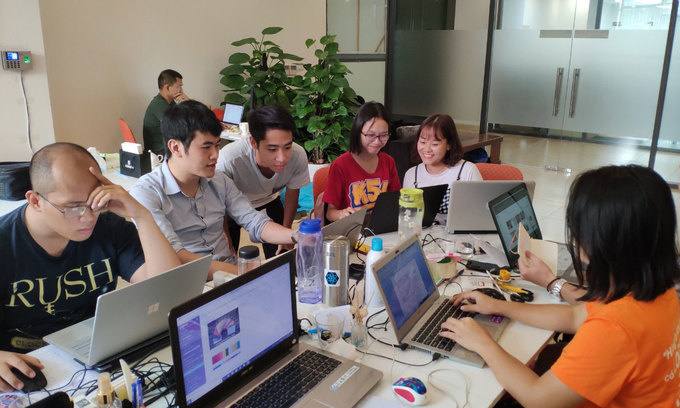
    Coworking space operators in Vietnam have launched a number of Covid response services and even prepared for expansion after the pandemic is controlled.

    This month Dreamplex, which has five coworking spaces in Hanoi and HCMC, unveiled a service called the temporary office for companies with a payroll of at least four. With three facilities in HCMC, cirCo recently provided an online meeting solution for firms that lack equipment and technicians.

    A few days before HCMC mandated social distancing in early June, Toong inaugurated a new 1,250sq.m coworking space in District 3 after an earlier one in March in District 1.

    Its CEO, Duong Do, said 75 percent of the new office in District 3 was booked even before it opened.

    “The pandemic has helped us become sharper and more flexible in designing our services,” he said.

    Early last year, Toong’s occupancy rate was 80 percent in HCMC and 70 percent in Hanoi, but since mid-2020 they have risen sharply.

    The number of clients in the capital has tripled during the pandemic, with revenues rising by some 15 percent in 2020, Do said.

    Balder Tol, WeWork’s general manager for Australia and Southeast Asia, told VnExpress that demand for coworking space has been on the rise.

    The first Covid wave in Vietnam last year only slightly affected demand as many enterprises allowed their staff to work from home.

    However, when the pandemic prolonged, they began to pay attention to coworking spaces, and small companies now tend to seek flexible working spaces instead of traditional ones, he said.

    Some coworking space operators are ready to expand. Toong is about to open a new facility in HCMC and planning more in Hanoi and Da Lat and to cooperate with Wink Hotels for three projects in Da Nang and Can Tho.

    Dreamplex has announced plans to open a new facility each in HCMC’s Thu Duc City in October and District 4 in November.

    But the firms face challenges in achieving sustainable growth since serviced offices are more suitable for startups or enterprises with a workforce of 30 or fewer, according to property experts.