Tag: Vietnam

  • Vietnam economy to expand 6.7 pct in 2021

    Vietnam economy to expand 6.7 pct in 2021

    Singaporean lender United Overseas Bank (UOB) forecast Vietnam’s GDP would grow by 6.7 percent this year.

    It said Vietnam’s economic growth trajectory remained on track, with exports in the first five months growing 35.5 percent year-on-year, while imports rose 54 percent.

    Foreign direct investment (FDI) inflows remain upbeat so far in 2021, a reflection of investor confidence and Vietnam’s relevance in the global supply chain. Registered capital FDI this year as of May hit $14 billion, rising marginally by 1 percent from last year.

    However, the fourth outbreak of Covid-19 that started on April 27 has resulted in movement restrictions and lockdowns that disrupted a range of business and manufacturing operations, it said in a Friday report.

    UOB said the recent outbreaks of Covid-19 and the discovery of new virus variants certainly pose a downside risk to the economy, as vaccination rates have been low relative to neighboring countries.

    One factor to watch, according to UOB, is Vietnam’s inflation rate, which has risen to 2.9% year-on-year in May. Inflation rates in May increased by 0.16 percentage points compared to April, the highest growth rate since September 2020, driven by the growth in transportation and housing prices.

    The government has a growth target of 6.5 percent this year.

  • Railways seeks bailout as Covid-19 rages

    Railways seeks bailout as Covid-19 rages

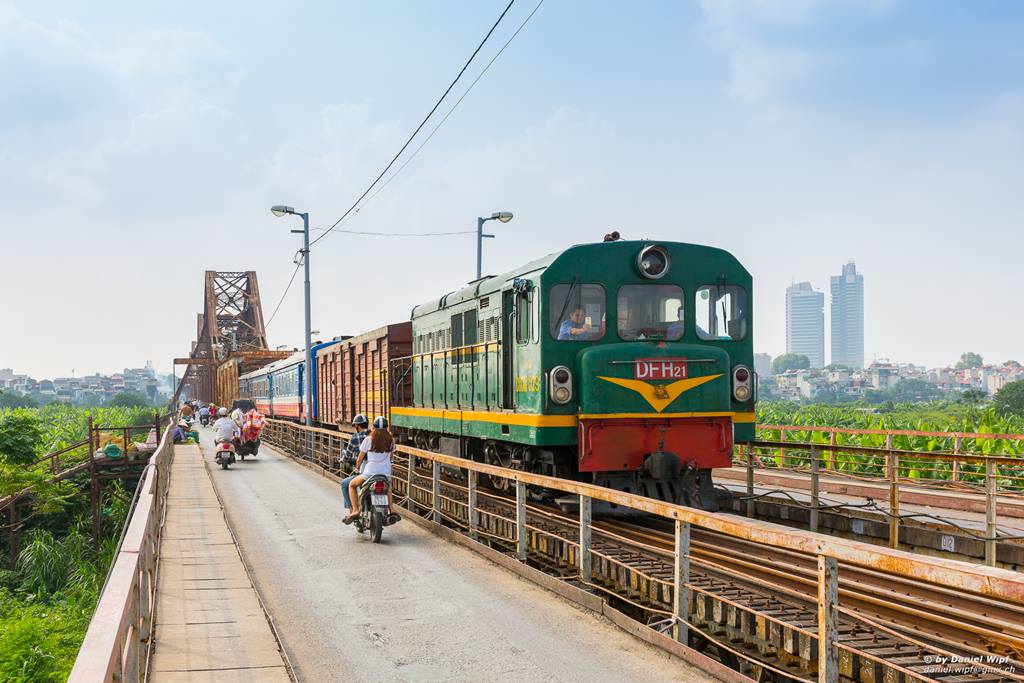
    Vietnam Railways (VNR) is seeking a VND800 billion ($34.82 million) loan to fund operations amid plummeting demand for its services because of the Covid-19 pandemic.

    The state-owned company has requested the government for the funds, saying that if the pandemic impacts persist until the next year, it would run out of money to pay staff salaries.

    It is, therefore, proposing that the government gives it an “emergency” loan and provide support for its 13,000 employees, who are either suspended or working part-time.

    It is also proposing that over 6,000 employees are prioritized for vaccination; and that infrastructure fees and land fees are lowered or scrapped for the projects it is implementing.

    Last month, the company suspended 393 trains, and there were times when just one pair of trains was used for the North-South route.

    The company’s revenues in the first five months fell 19 percent year-on-year to VND1.11 trillion and 40 percent from 2019, when the pandemic was yet to hit the country. It posted a loss of over VND1.32 trillion last year.

  • Digital mutant orchids go on sale at cryptocurrency marketplace

    Digital mutant orchids go on sale at cryptocurrency marketplace

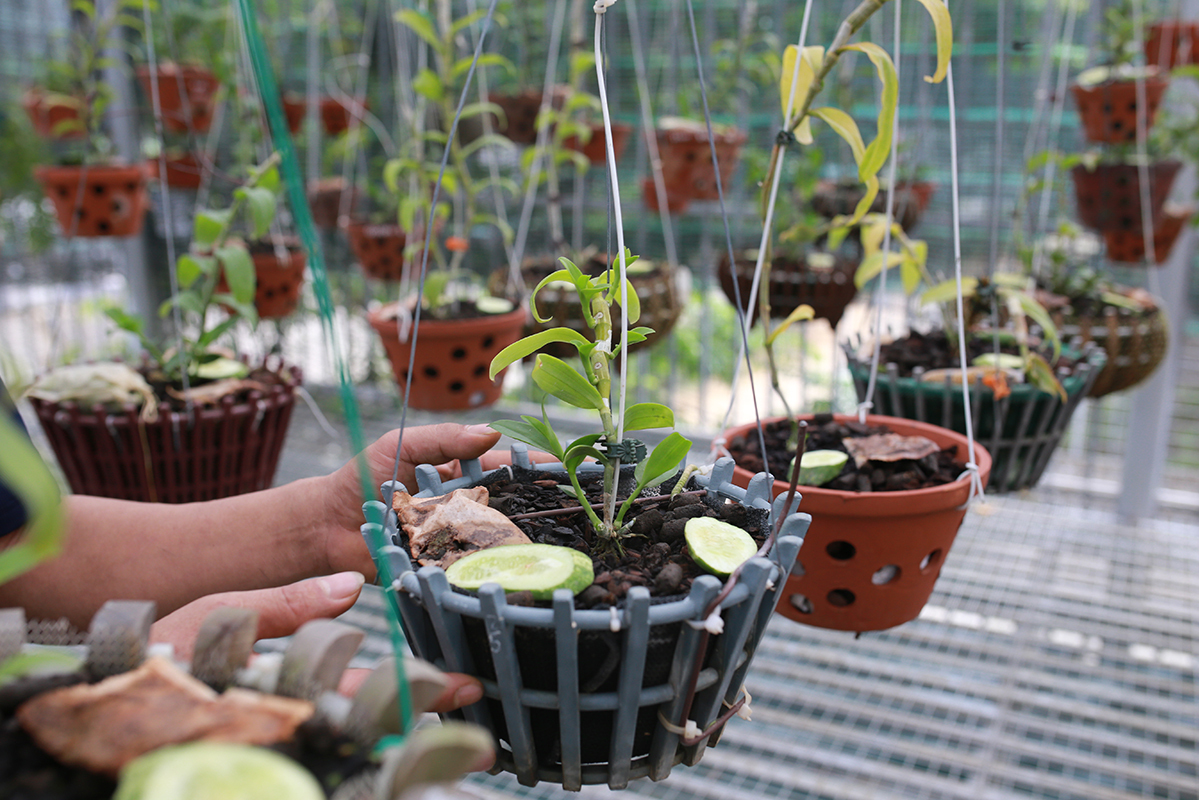
    Vietnam’s so-called mutant orchids are being turned into unique digital assets and being sold for up to thousands of dollars online.

    On the digital goods marketplace OpenSea.io, hundreds of items are displayed when a user types the keyword “Orchidaceae.”

    These items are non-fungible tokens (NFTs) which are units of data stored on a digital ledger called a blockchain that certifies a digital asset to be unique.

    In other words, NFTs transform digital works of art and other collectibles into one-of-a-kind, verifiable assets that are easy to trade on the blockchain, and a person can now buy a digital orchid plant using cryptocurrency like Ethereum.

    “The Hong My Nhan has glossy wings, harmonious pink color. Usually, the sepals are a bit darker than the wings,” says the description of a piece of the orchid that costs $428.

    These products are not real orchids. Instead, the buyer will own a digital version of the plant which is guaranteed to be sold in a limited number.

    “Although the buyer won’t own the physical plant, he or she can still show off the orchid without having to take care of it,” said digital currency expert Phan Duc Nhat.

    A Phu Tho orchid with an asking price of around $100 will have a maximum of 2,000 NFTs, while the more luxurious Co Do orchid with the asking price of $12,500 will only have 100 NFTs.

    But so far the highest bid for such an NFT is only 0.2 Etherum, or more than $400.

    The rush for the so-called mutant orchids has flooded social media in Vietnam in recent months, with investors spending hundreds of million dong (VND100 million = $4,340) to own a physical plant, hoping to sell it for a profit later.

  • Fintech startup Mfast raises $1.5 mln

    Fintech startup Mfast raises $1.5 mln

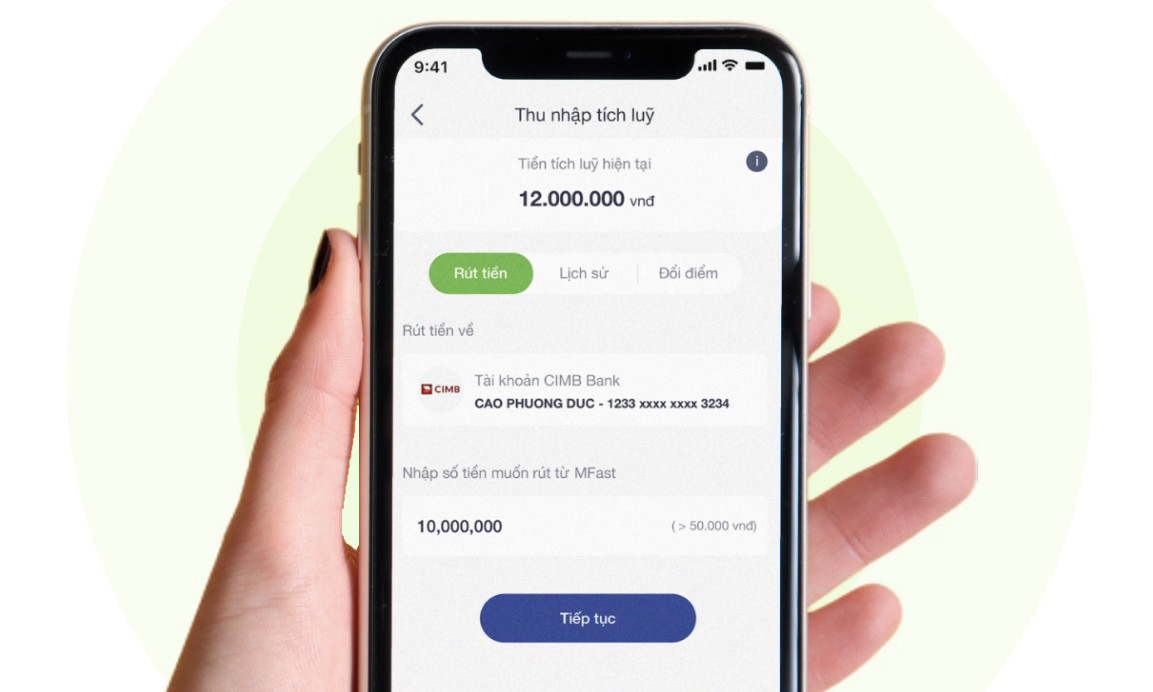
    Fintech startup Mfast has raised $1.5 million in its Pre-Series A funding from a group of investors led by Do Ventures.

    Mfast is a fintech platform that enables Vietnamese to access, use and introduce financial and insurance service packages as well as other product segments.

    After three years of operations in Vietnam, it has served nearly 600,000 users, with 75-80 percent of its end-users coming from remote provinces and rural areas.

    The amount disbursed to its financial partners has climbed to more than VND5 trillion ($217 million).

    Mfast’s mobile app claims to connect the underserved populations with financial and insurance institutions to give them access to basic financial services.

    Amy Do, investment manager of JAFCO Asia, a co-investor in the round, said that the fund had made the decision because of the great potential of the consumer credit and insurance market in Vietnam, as shown in the solid traction of the company despite the ongoing pandemic.

    Do Ventures is a $50 million early-stage venture capital fund that serves as a strategic partner for startups.

  • Struggling Vietnam Airlines to receive $174 mln loan

    Struggling Vietnam Airlines to receive $174 mln loan

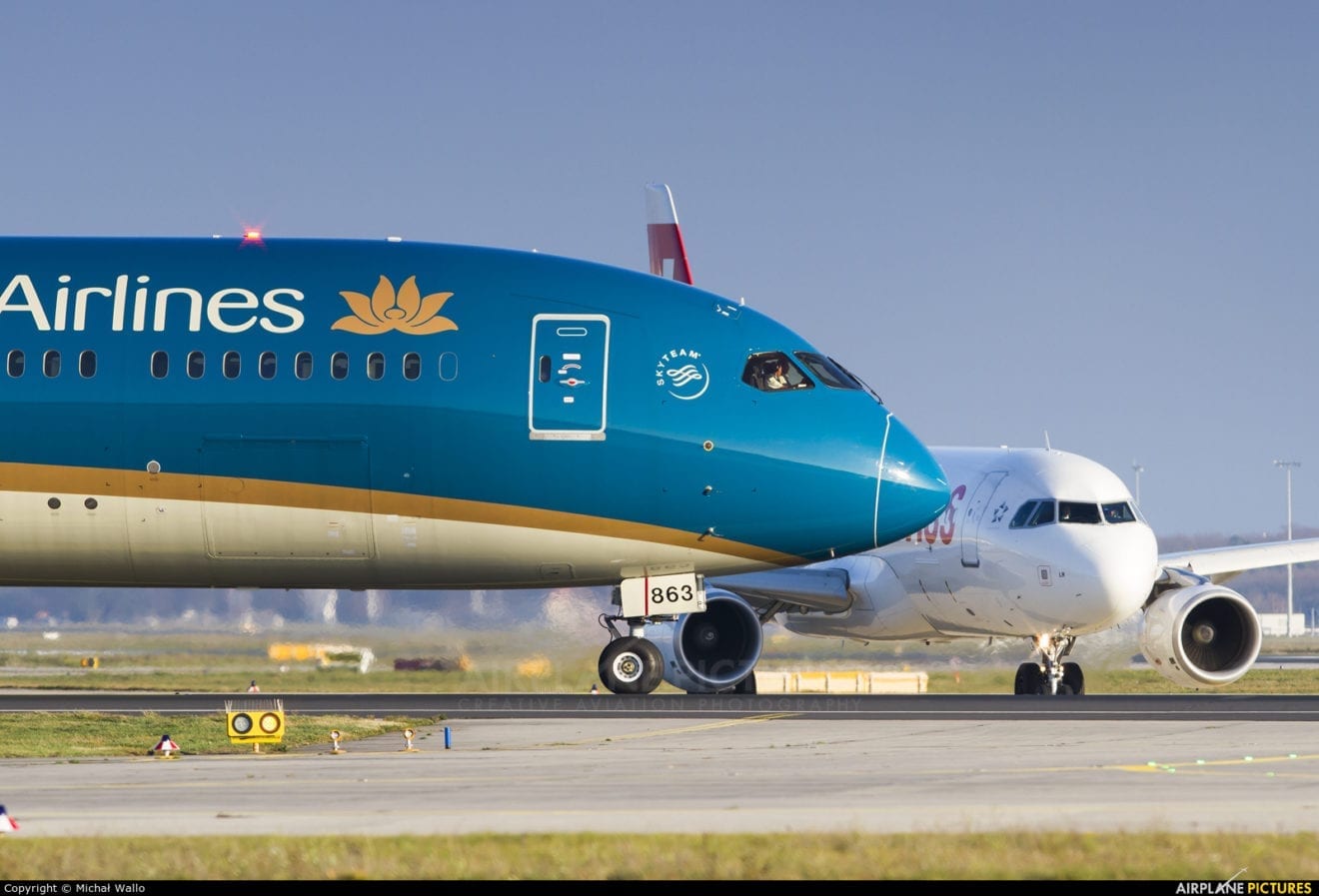
    An interest-free loan of VND4 trillion ($173.9 million) will be soon disbursed to national flag carrier Vietnam Airlines, which is on the brink of bankruptcy over Covid-19 impacts.

    The legal procedures for an aid package designated for the local aviation sector have been completed, and the VND4 trillion loan, part of the package, is “scheduled to be disbursed to Vietnam Airlines late June or early July,” Dang Anh Tuan, head of the carrier’s Communications Department, told VnExpress Monday.

    Earlier, late last year, the National Assembly had approved an aid package of VND12 trillion for the troubled carrier.

    At a press briefing held Monday by the State Bank of Vietnam, the country’s central bank, Nguyen Tuan Anh, head of the central bank’s Credit Department, said three local banks, SeABank, MSB and SHB, have pledged to offer Vietnam Airlines loans totaling VND4 trillion sourced from the central bank’s refinancing operations.

    Vietnam Airlines’ overdue debts have surged to VND6.24 trillion. According to a report recently drafted by the Ministry of Planning and Investment, the carrier, which racked up losses of nearly VND5 trillion in the first quarter of 2021, is likely to make losses of VND10 trillion in the first half of this year.

    As of March 31, Vietnam Airlines posted negative undistributed after-tax profits of more than VND14,218 billion, compared with its registered capital of VND14.19 trillion. If this problem is not solved, Vietnam Airlines shares coded HVN on the local stock market will be delisted.

    On April 15, the Ho Chi Minh Stock Exchange put HVN shares on the warning list because the carrier was posting big losses.

    At its extraordinary general meeting in late 2020, Vietnam Airlines said it would use VND8 trillion from its share issuance to pay all overdue debts, compensate for shortages of capital for production and business, and repay short-term and long-term loans from banks.

  • Car imports from China up 6.5-fold

    Car imports from China up 6.5-fold

    Vietnam imported 9,400 vehicles from China in the first five months of the year, 6.5 times higher than in the same period last year, according to the customs department.

    Of them, nearly 5,600 were special purpose vehicles and 2,840 were trucks, with passenger cars accounting for the rest.

    China remained the third-largest source of vehicles for Vietnam behind Thailand and Indonesia.

    Thailand dominated with 33,140 vehicles, double the figure from the same period last year, and Indonesia accounted for 18,340 units, up 16.2 percent, with the two accounting for 80 percent of imports.

    Under the ASEAN Trade in Goods Agreement that took effect in 2018, import tariffs on vehicles within the bloc are zero.

    Vietnam’s imports jumped by 78 percent to over 65,700 units.

    Auto sales rose 53 percent to 126,894 units, according to the Vietnam Automobile Manufacturers Association.

  • Hairdressers, manicurists make house calls to survive Covid

    Hairdressers, manicurists make house calls to survive Covid

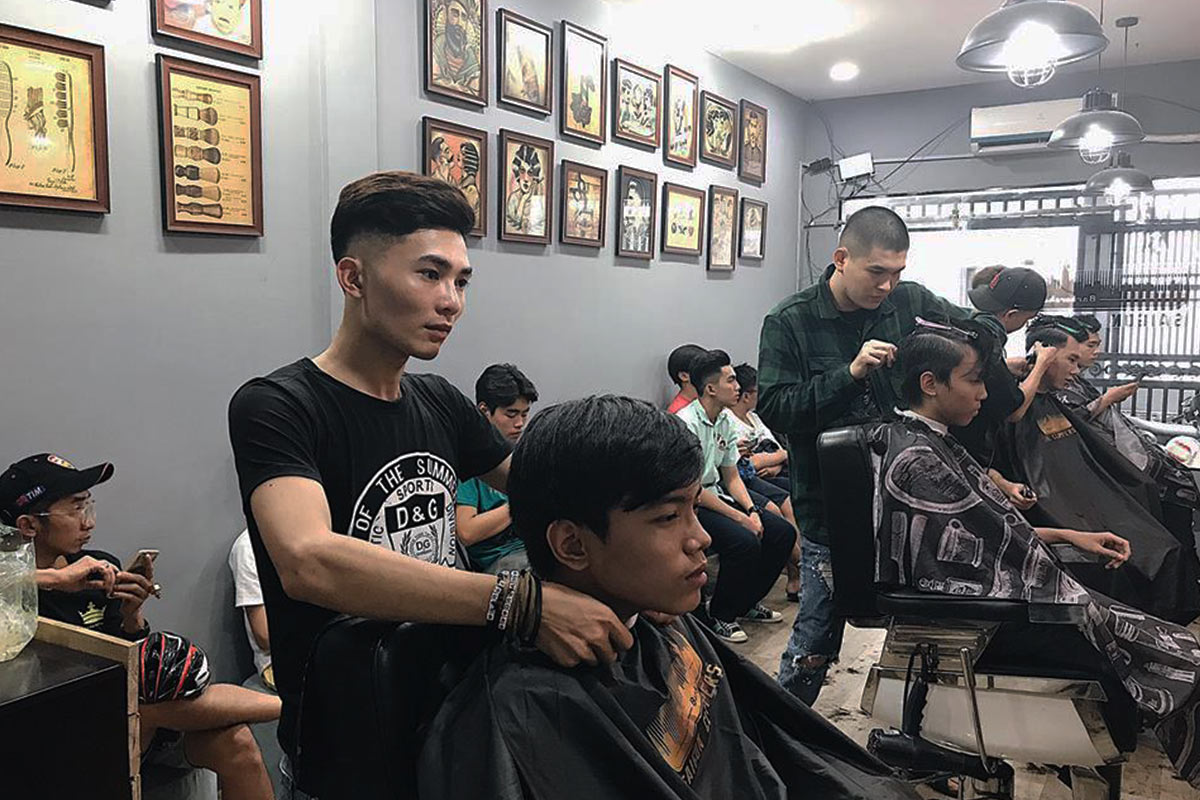
    Barbers in Hanoi and HCMC are going to customers’ homes to make a living as their shops remain closed due to the Covid-19 pandemic. For a month now Nguyen Thai Hoang, 27, a hairdresser in Hanoi’s Long Bien District, has had his business disrupted, and he has begun to visit his customers instead.

    He said: “Since the city ordered salons to close we have no choice but to provide services at our customers’ homes. It’s the only way we earn a living amid the pandemic.” His monthly income of around VND10 million ($435) has fallen by 90 percent after the fourth wave of Covid hit Vietnam two months ago.

    On a Facebook group with 1,400 members in Hanoi, there are around 20 posts every day by barbers offering to visit customers’ houses for VND50,000-100,000 plus transportation.

    “We’ll bring mirrors, masks, protective shields, and rubber gloves to ensure your safety,” one post by a salon in Thanh Xuan District with 20 barbers said.

    “Our job is the same but we have to travel a lot more so it is more challenging,” a barber in Hanoi’s Ha Dong District who asked not be identified said.

    “We still have to pay rents so this is the best we can do while we wait for everything to reopen.”

    Many people have not had a proper haircut since the end of April when everything closed.

    “No salon near my building is open, so I get a barber to come and trim my hair in the hallway of my apartment,” Le Manh Hung, who lives in Hoang Mai District, said.

    “It was uncomfortable to have neighbors walk by and stare, but I got what I needed.”

    On social media there are also many offers for nail, spa, and skin care services.

    In HCMC’s Tan Binh District, last month Mai had to shut her hair and nail salon, which is the main source of income for her family.

    “I had to ask for time to pay rent,” the 40-year-old woman said. She has been providing customers with hairdressing and nail services at home to earn some money.

    However, authorities have expressed concern about this. Nguyen Hong Tam, deputy director of the HCMC Center for Disease Control, said people cannot maintain a minimum distance of two meters when doing hair and nails, and therefore this is a violation of Covid-19 regulations.

    “Going to customers’ homes means shops are still operating, and this is also a violation,” he said.

    But hairdressers are concerned about putting food on the table for their family. Hoang, who has to take care of his mother and grandmother, has three customers booked for tomorrow and he has no intention of canceling them.

  • Garment production may slow down over Covid-19

    Garment production may slow down over Covid-19

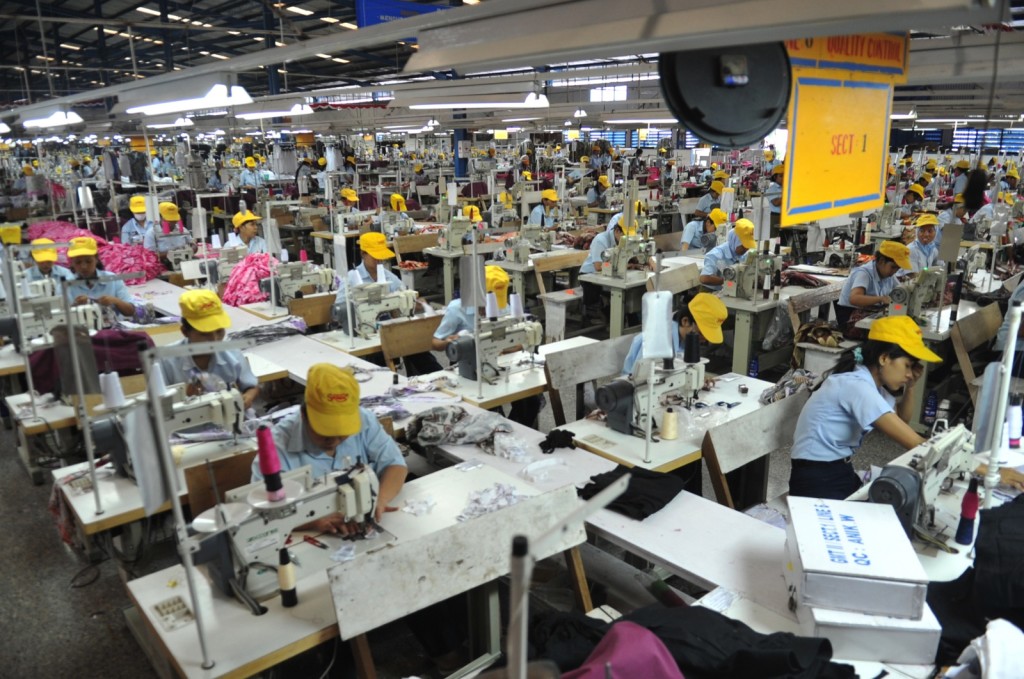
    The textiles and garment sector is likely to be impacted by the Covid-19 situation getting more complicated across Vietnam. Industry insiders say the pandemic situation in HCMC, in particular, will drag the sector down in the remaining months of the year.

    The pandemic has already penetrated some industrial parks in HCMC, so if the staff of garment and textile firms get infected, work would stop and fulfillment of orders would slow down, said Pham Xuan Hong, head of HCMC Association of Garment, Textile, Embroidery, and Knitting (AGTEK).

    Garment and textile firms are labor-intensive affairs with many workers concentrating in certain places, so the risk of Covid-19 breaking out in factories is very high, said Le Tien Truong, chairman of Vietnam National Textile and Garment Group (Vinatex), adding that the production chain is likely to be broken amid the outbreak.

    Vinatex has 150,000 workers nationwide, with most of its affiliates having an average workforce of 2,000 each.

    In the first three waves of Covid-19, no Vinatex affiliates reported any Covid-19 infection. In the ongoing fourth wave, some enterprises in the northern province of Bac Ninh and the central city of Da Nang have reported infected workers.

    “This is the first time in 18 months of Covid outbreaks that workers in Vinatex affiliates have been infected with the disease, forcing them to stop production and face considerable losses,” the Vinatex chairman said.

    If production comes to a halt due to Covid-19, goods delivery will be delayed, causing losses for producers and exporters, he said.

    Affected enterprises will have to shift to transporting goods by air, instead of by sea to ensure timely shipment. This would make the shipment prohibitively expensive, Truong noted.

    Vinatex and AGTEK have proposed the government prioritizes vaccination against Covid-19 for garment and textile workers. Most garment and textile firms have said they are willing to cover all vaccination costs.

    Vietnam’s textiles and garment export turnover reached $5.8 billion in the first five months, a year-on-year rise of 4.8 percent.

  • Coworking space companies respond to Covid with new solutions

    Coworking space companies respond to Covid with new solutions

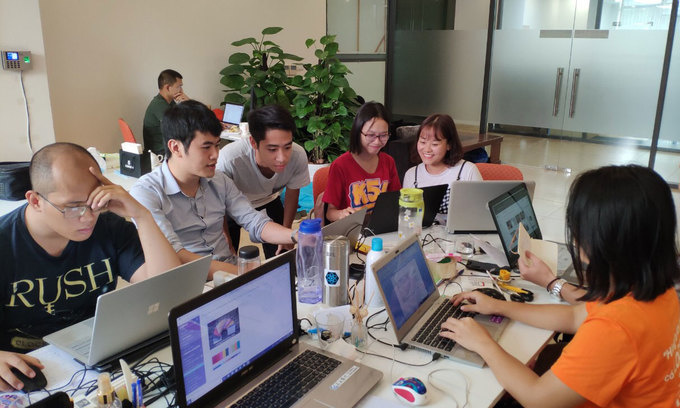
    Coworking space operators in Vietnam have launched a number of Covid response services and even prepared for expansion after the pandemic is controlled.

    This month Dreamplex, which has five coworking spaces in Hanoi and HCMC, unveiled a service called the temporary office for companies with a payroll of at least four. With three facilities in HCMC, cirCo recently provided an online meeting solution for firms that lack equipment and technicians.

    A few days before HCMC mandated social distancing in early June, Toong inaugurated a new 1,250sq.m coworking space in District 3 after an earlier one in March in District 1.

    Its CEO, Duong Do, said 75 percent of the new office in District 3 was booked even before it opened.

    “The pandemic has helped us become sharper and more flexible in designing our services,” he said.

    Early last year, Toong’s occupancy rate was 80 percent in HCMC and 70 percent in Hanoi, but since mid-2020 they have risen sharply.

    The number of clients in the capital has tripled during the pandemic, with revenues rising by some 15 percent in 2020, Do said.

    Balder Tol, WeWork’s general manager for Australia and Southeast Asia, told VnExpress that demand for coworking space has been on the rise.

    The first Covid wave in Vietnam last year only slightly affected demand as many enterprises allowed their staff to work from home.

    However, when the pandemic prolonged, they began to pay attention to coworking spaces, and small companies now tend to seek flexible working spaces instead of traditional ones, he said.

    Some coworking space operators are ready to expand. Toong is about to open a new facility in HCMC and planning more in Hanoi and Da Lat and to cooperate with Wink Hotels for three projects in Da Nang and Can Tho.

    Dreamplex has announced plans to open a new facility each in HCMC’s Thu Duc City in October and District 4 in November.

    But the firms face challenges in achieving sustainable growth since serviced offices are more suitable for startups or enterprises with a workforce of 30 or fewer, according to property experts.

  • Vietnam’s credit growth doubles

    Vietnam’s credit growth doubles

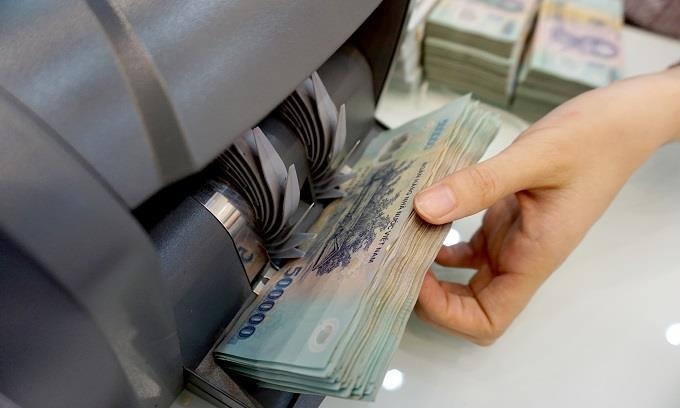
    Bank credit growth from January 1 to June 15 was 5.1 percent, double the rate recorded in the same period last year.

    The jump came despite the fourth wave of Covid-19 because the State Bank of Vietnam made monetary policy more flexible and directed banks to focus on funding manufacturing and reduce lending to sectors with high risks, its deputy governor, Dao Minh Tu, said Monday.

    Average loan interests in April fell by 0.3 percentage points from December, he added.

    The central bank has also directed banks to delay debt payment or lower or scrap interests on customers affected by the Covid-19 pandemic to help their business recovery.

    Nearly 676,700 customers have seen the interests of their debts removed or reduced with a total outstanding loan of nearly VND1,278 trillion.

    The bank will continue to pursue a flexible monetary policy until the end of the year keep inflation under control and support an economic recovery.

    The pandemic has boosted demand for online payment. In the first four months, internet payment value surged 31 percent year-on-year.

  • Amazon, Alibaba race to recruit Vietnamese merchants

    Amazon, Alibaba race to recruit Vietnamese merchants

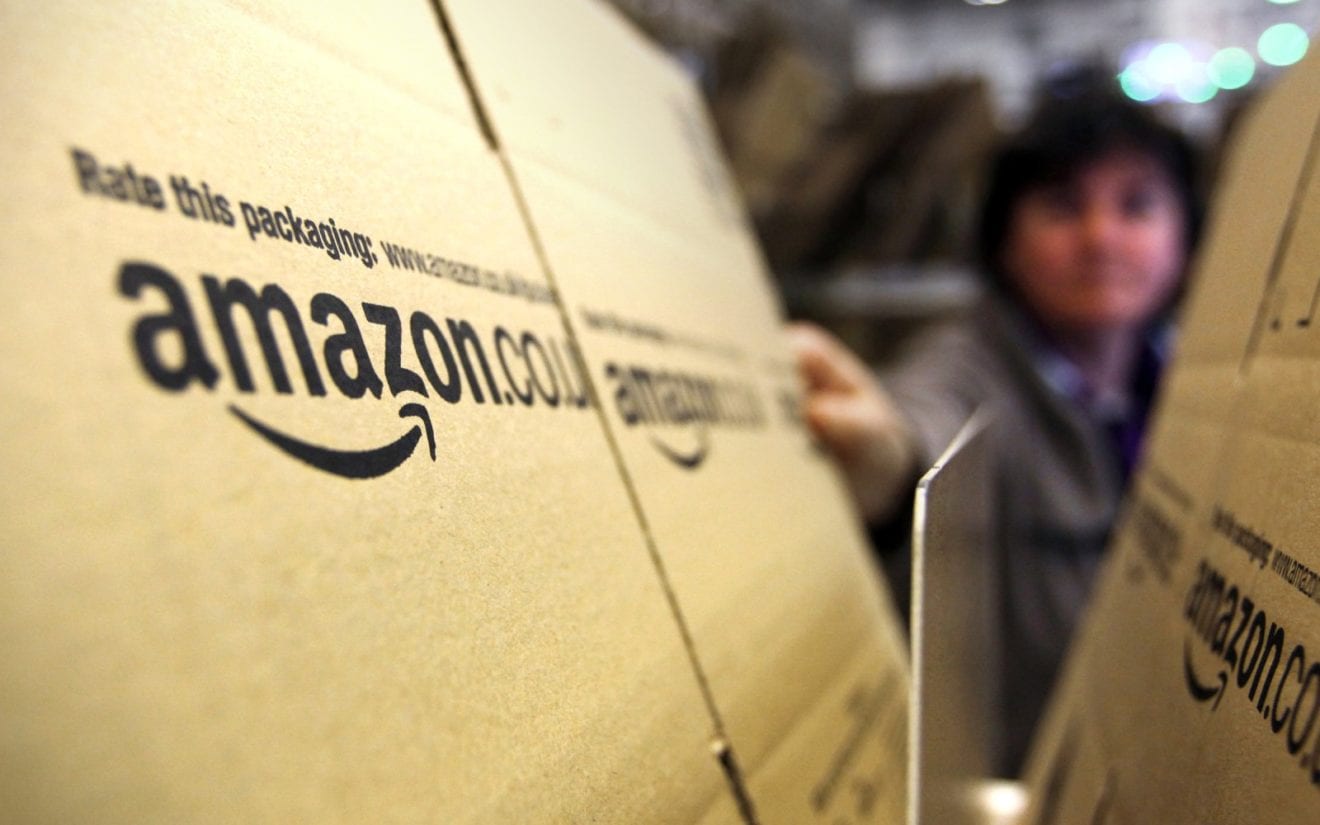
    Global giants Amazon and Alibaba are racing to recruit more Vietnamese vendors on their platforms seeking to boost their share of a booming e-commerce market.

    Amazon saw the number of Vietnamese merchants exporting at least $1 million worth of goods from Vietnam triple last year. The surge was driven by demand for tools, kitchenware, handicrafts, home goods, and apparel.

    “Vietnamese sellers have enriched our global product selection,” Gijae Seong, head of Amazon Global Selling in Vietnam, told Nikkei Asia.

    Amazon Global Selling is a business set up to recruit more Vietnamese merchants on Amazon, seeking to boot e-commerce trade between Vietnam and its largest export market the U.S.

    The company opened a Hanoi office in March to train new sellers, adding to its Ho Chi Minh City branch.

    Seong said companies “have competitive advantages in manufacturing” in Vietnam, where a wave of factories have relocated from China to sidestep the trade war with the U.S. and to reduce other costs and risks.

    China’s Alibaba has also been making moves to have more Vietnamese sellers.

    In March, a company representative said that it planned to have over 10,000 Vietnamese small and medium-sized enterprises selling on its platform by 2025.

    It has been working with government authorities since last year to run training programs for Vietnamese vendors.

    As of March, over 300 companies have been provided consultancy in online cross-border sales.

    The competition between the two giants is heating up as e-commerce booms in Vietnam with rising demand for online shopping amid the Covid-19 pandemic.

    It’s e-commerce market expanded by 18 percent last year to $11.8 billion, the only country in Southeast Asia to record double-digit growth amid the Covid-19 pandemic, according to the Vietnam e-Commerce and Digital Economy Agency.

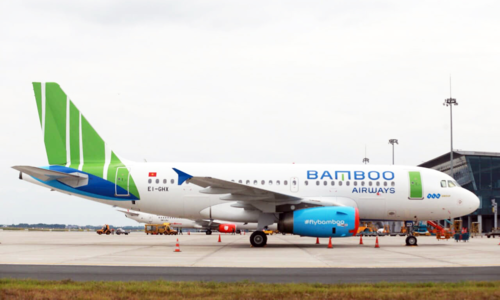
  • Bamboo Airways to trial digital health pass

    Bamboo Airways to trial digital health pass

    Bamboo Airways officially entered into cooperation with the International Air Transport Association (IATA) to trial the IATA Travel Pass, laying a solid foundation for the airline’s reopening of international routes.

    In coordination with IATA, Bamboo Airways will begin preparations to trial the IATA Travel Pass on international flights in the coming months. With this move, Bamboo Airways demonstrates its commitment to relaunching international routes, opening borders safely as well as reviving the battered tourism industry.

    IATA Travel Pass is a digital health wallet where passengers can upload and share their Covid-19 tests and vaccination certificates for travel. Health information is an essential factor for both governments and carriers to conduct safe flights during and after the pandemic.

    The IATA Travel Pass is considered a safer and more effective solution compared to current paper-based procedures, especially when it comes to a multitude of test and vaccination data that needs securing.

    The app has been developed with the highest levels of data privacy and security, so passengers always remain in control of their Covid-19 health information. Besides, governments can be confident that passengers who are OK to Travel are in full compliance of Covid-19 travel requirements, said Nick Careen, IATA senior vice president for Airports, Passenger, Cargo and Security.To create the digital health wallet, passengers download the IATA Travel Pass app, and register a digital identity using their passports. Once passengers have been tested and/or vaccinated, labs will securely send data to the individual’s app. It then verifies this information and checks that passengers meet the travel requirements for their destination. If they do, they will receive an “OK to Travel.” Passengers can also choose to share this with airlines and authorities.

    By ensuring passengers meet Covid-19 health requirements for their destination, Travel Pass will facilitate more seamless transportation, playing a crucial role in the reopening of international routes in the near future.

    As of June, more than 60 airlines in the world have announced the pilot of IATA Travel Pass, including Singapore Airlines, Qatar Airlines, Air New Zealand, Air Serbia, Emirates, Etihad, Ethiopian Airlines, Iberia, Korean Air, Malaysia Airlines, Qantas, et

    As a member of IATA, Bamboo Airways is closely collaborating with the body, authorities and related units to pilot the Travel Pass app in line with government regulations on “digital health passports” or “vaccine passports”. With this trial, Bamboo Airways aims to establish an area to check the compliance of passengers at the airport and provide the government with valid information to ensure safe flights and repel the pandemic.

    Bamboo Airways is promoting the digital transformation process and effectively fulfilling the market demand and practical requirements of a “new normal” phase.

    “Alongside the valuable partnership with IATA, it’s our conviction that Bamboo Airways will substantially contribute to the revival and sustainable development of aviation in the future,” said Dang Tat Thang, CEO of Bamboo Airways.

    Thang believes the tech solution would be the cornerstone of international routes reopening, especially Bamboo Airways’ non-stop flights connecting Vietnam and the U.S.

    Bamboo Airways has successfully conducted many repatriation charter flights from South Korea, Japan, Taiwan, Australia, the Philippines, Poland, Norway, etc. The airline is also completing procedures to launch non-stop flights to many countries in Asia-Pacific, including Australia, exploit the European market, and gather pace in the operation of non-stop flights connecting Vietnam and the U.S. as soon as the government allows. Complying with the Civil Aviation Authority of Vietnam on the three-phase plan for restarting international routes, Bamboo Airways has prepared a corresponding scheme and suitable strategy based on close observation of the market and pandemic.

    At the same time, Bamboo Airways is implementing Covid-19 vaccinations for all employees and related affiliates.

    Bamboo Airways strictly complies with disease prevention measures as guided by the National Steering Committee for the Prevention of Covid-19, the Ministry of Health, the Steering Committee of the Ministry of Transport, and the Civil Aviation Authority of Vietnam, including temperature screenings at the airport, providing hand sanitizers and masks at check-in areas, departure gates and on planes, spraying disinfectant after flights, regularly maintaining HEPA filters on aircraft, etc.

    As of now, Bamboo Airways’ Covid-19 prevention process is considered the most comprehensive and effective, achieving an absolute level of 7/7 by Airlines Ratings.

    Bamboo Airways currently operates over 60 domestic and international routes, transporting 7.5 million passengers on safe flights. The airline has also maintained the highest on-time flight rate in Vietnam’s aviation market in three years up to 2021.

    The airline’s international 5-star standard-oriented service has been recognized by domestic and international passengers and media with a customer satisfaction rate of 4.5/5. Bamboo Airways was honored as Vietnam’s Best Airline, Asia’s Leading Regional Airline, and the favorite airline voted for by golfers.

  • Laos to supply Vietnam power from Mitsubishi-built wind farm

    Laos to supply Vietnam power from Mitsubishi-built wind farm

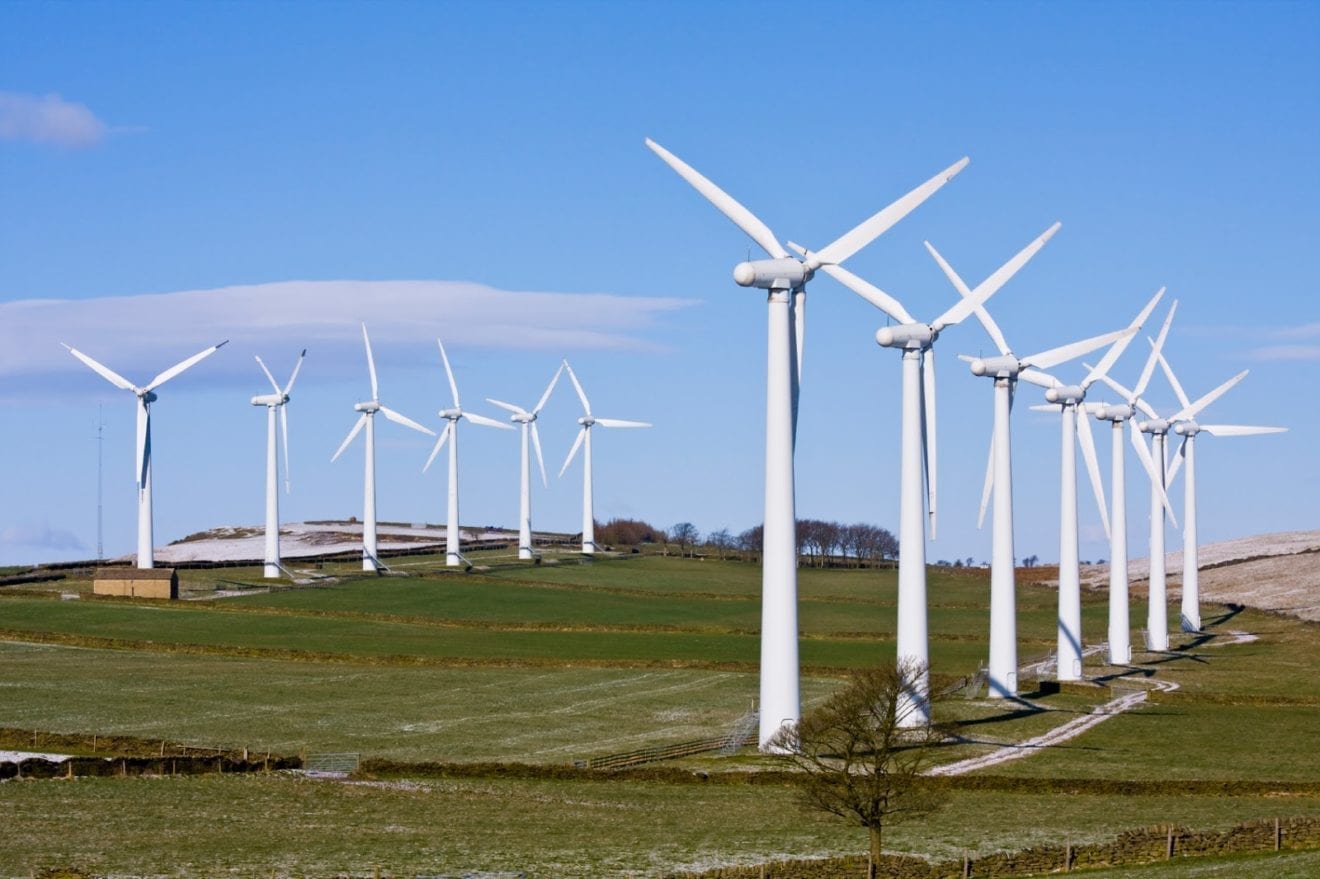
    Japan’s Mitsubishi Corporation will develop Southeast Asia’s largest wind farm in Laos to supply electricity to Vietnam, where demand is expected to grow continuously.

    The 600-megawatt onshore project, the first wind farm in Laos, will be located in the southern provinces of Sekong and Attapeu, the company said in a statement.

    By installing a dedicated transmission line to Vietnam, power from the wind farm, which is set to begin commercial operations by 2023, will be sold to national utility Vietnam Electricity for 25 years.

    It is expected that Vietnam’s growing economy will have high demand for power, especially during the dry season, when hydropower generation is limited.

    The onshore wind farm is being developed as part of a memorandum of understanding on power interchange signed between the Vietnamese and Lao governments in October 2016.

    It is expected to be the first cross-border electricity interchange from wind power generation in Southeast Asia.

  • Vietnam gets set to tax e-commerce revenue

    Vietnam gets set to tax e-commerce revenue

    Vietnam plans to tax 1.5 percent of annual e-commerce revenues of VND100 million ($4,297) and higher as part of leveling the field between traditional and online retail merchants.

    A decree with new regulations is set to take effect on August 1, but authorities have said they might give e-commerce platforms more time to prepare for the taxation regime.

    E-commerce platforms will need to provide authorities with monthly reports on their merchants, revenues, bank accounts, and types of goods.

    Tax officials had said earlier that the current taxation regime is unfair to traditional sellers who have to pay other overheads, while online sellers have been escaping several taxes.

    Taxing sellers through e-commerce platforms would also help prevent the sales of contraband and fake goods, the officials said.

    Vietnam’s e-commerce market expanded by 18 percent last year to $11.8 billion, the only country in Southeast Asia to record double-digit growth amid the pandemic, according to the Vietnam e-Commerce and Digital Economy Agency.

  • Vietnamese rice faces competition from India in Philippines

    Vietnamese rice faces competition from India in Philippines

    The Philippines is set to import a lot of rice from India at $100 cheaper per ton than Vietnamese rice as it diversifies its supply sources.

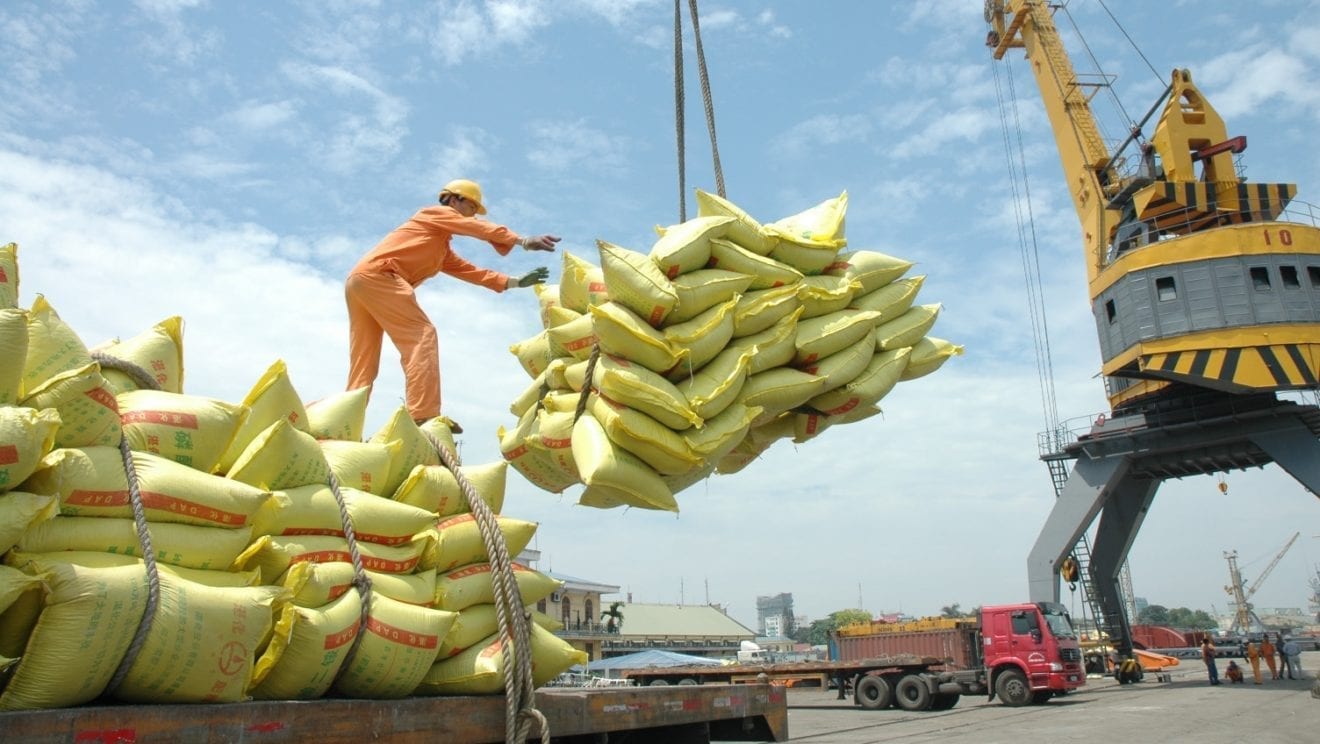
    A report by the Agricultural Products Processing and Development Department (Agrotrade) shows that in the first five months of this year, Vietnamese rice exports reached 2.7 million tons at $1.48 billion, down 11.3 percent in volume and 5 percent in value over the same period last year.

    There’s no significant demand by foreign traders as they wait for the summer-autumn harvest season, the report said.

    On the other hand, the price of Vietnamese rice is much higher than that of India and Thailand. A ton of Vietnamese rice is $20 higher than that of Thai rice and over $100 per ton over Indian rice.

    On average, Vietnam’s rice export price in the first four months of this year reached $543 per ton, up 15.4 percent year-on-year. The Philippines is Vietnam’s largest rice-consuming market, accounting for 35.6 percent, but export to this market decreased 20.7 percent in volume and 4.9 percent in value over the same period last year. Similarly, rice exports to Indonesia also decreased sharply by 71.1 percent year on year.

    According to Agrotrade, market demand in the coming time will be high, but Vietnamese rice will face competition in the international market when the prices of Thai and Indian rice are more attractive to buyers.

    Recently, the Philippines eliminated import duties for ASEAN, non-ASEAN, and “Most Favored Nation” (MFN) nations with the goal of increasing imports of cheaper rice from India and Pakistan.

    Specifically, the Philippines has lowered import duties for MFN on rice to a single rate of 35 percent. It had previously imposed a 40 percent in-quota tariff rate and 50 percent out-of-quota tariff rate.

    On June 7, Philippines Finance Minister Carlos Dominguez announced that the country would seek more rice from countries outside Southeast Asia with the goal of diversifying supplies and keeping import prices at a reasonable price. Accordingly, India is a country with cheaper rice that can become a main supplier.

    Vietnam has been the main rice supplier to the Philippines so far. In addition, the Philippines also buys rice from Thailand and India, apart from other countries outside Southeast Asia.

    Vietnam is set to produce 43 million tons of paddy and export 6.5 million tons of rice this year, according to the Ministry of Agriculture and Rural Development.

    The nation was the world’s second-largest rice exporter last year at 6.25 million tons.