Tag: Vietnam

  • Vietravel eyes stake sale in new airline

    Vietravel eyes stake sale in new airline

    Vietravel is seeking to sell an unspecified stake in its new airline which began flying earlier this year.

    The travel giant will seek shareholders’ approval at the annual general meeting at the end of this month to sell the stake. Vietravel Airlines is wholly owned by Vietravel.

    It began operating on several domestic routes amid the Covid-19 pandemic with three aircraft and is not expected to break even for at least a few years.

    Last year Vietravel reported a loss of VND90 billion ($3.9 million), twice the profit it earned in 2019.

    It made a loss of VND70 billion in the first quarter of this year.

    But it targets a pre-tax profit of VND10 billion this year.

  • Vietnam rejects five new airport proposals

    Vietnam rejects five new airport proposals

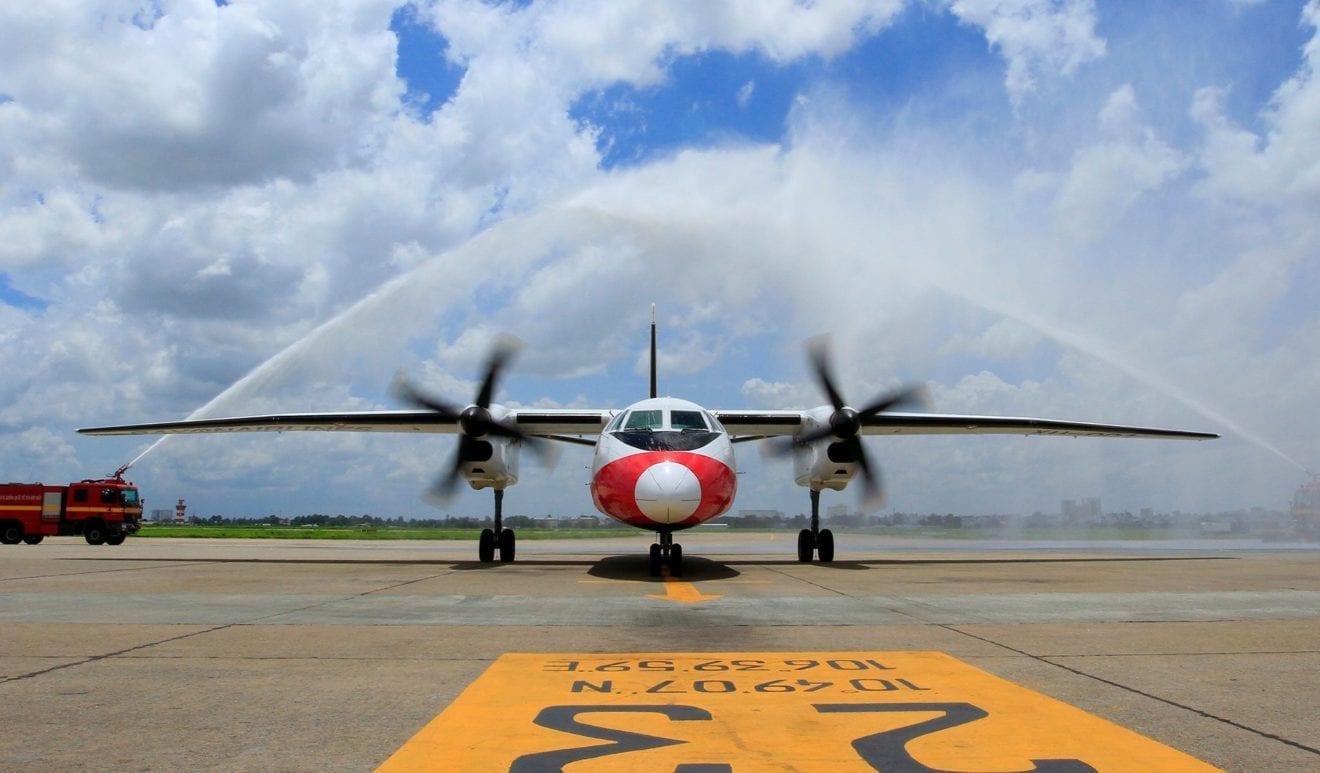
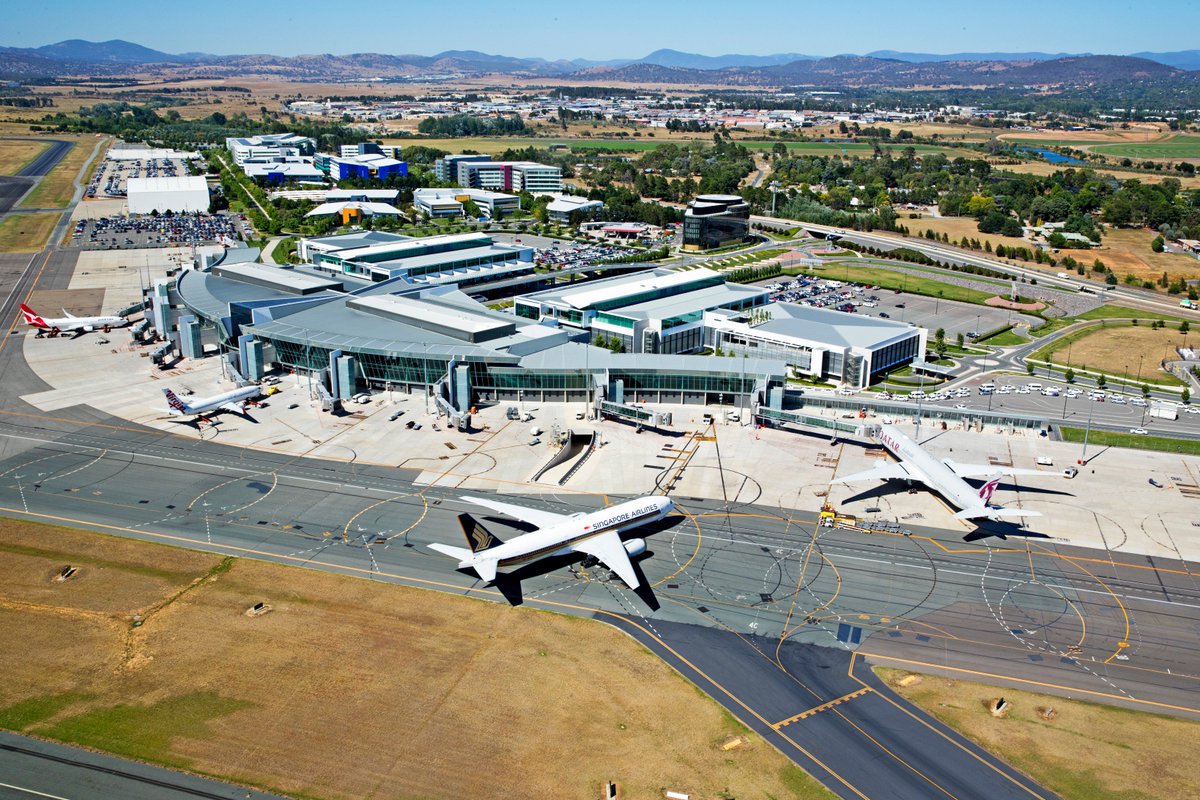
    Aviation authorities have rejected the proposal of five localities to build their own airports and suggested that only one be added to the current master plan.

    Airport proposals by the northern provinces of Ha Giang, Bac Giang and Ninh Binh as well as the central provinces of Binh Phuoc and Ha Tinh have been rejected by the Civil Aviation Authority of Vietnam (CAAV).

    The CAAV has proposed to the Ministry of Transport that the number of airports in the country stays at 28 by 2030, and just one more airport in the northern province of Cao Bang be built by 2050, bringing the total nationwide to 29.

    Vietnam has 22 airports operating at present and six more approved for construction by 2030, including the Long Thanh International Airport in the southern province of Dong Nai and Sa Pa Airport in the northern province of Lao Cai.

    Officials and experts have expressed concern over an airport glut in the country.

    Nguyen Anh Dung, deputy head of the Department of Planning and Investment under the Transport Ministry, said that all airports with annual traffic of under two million passengers a year are recording losses.

    Airports built within 100 kilometers of each other are likely to result in low efficiency, according to case studies done in other countries, he added.

    Aviation expert Nguyen Bach Tung said that some of the proposals have been rejected because of unsuitable topography, like the mountainous terrain in Ha Giang and the vast rice fields in Ninh Binh that are the main source of livelihood for the locals.

    Other proposals have been rejected because the airports would be too close to existing ones. For instance, residents of Ha Tinh and Ninh Binh can use the Vinh International Airport or the Tho Xuan Airport, respectively, because these two are within 100 kilometers of the localities.

    Pham Van Toi, deputy chairman of the Vietnam Association on Aviation Science and Technology, said that many proposals have been made without a thorough examination of their merits and demerits.

    Ha Giang, for example, proposed an airport for both military and civilian purposes, even though it has limited land and airspace, he said.

    The CAAV has also identified a possible land area for a second international airport in the northern city of Hai Phong, which had been planned by the government in 2011.

    The airport is set to be located in Tien Lang District, around 120 kilometers to the southeast of Noi Bai International Airport, and will serve to absorb overflow at the Hanoi’s airport and the existing Cat Bi International Airport in Hai Phong.

    Tung said that Tien Lang has a land fund of 4,000-6,000 hectares available for building an airport with a capacity of up to 100 million passengers a year, which is four times that of the Noi Bai airport in Hanoi.

    This location is also within 100 kilometers from four other northern provinces – Ha Nam, Thai Binh, Nam Dinh and Hai Duong, he said.

    Toi also said that Tien Lang was a suitable location because it has good road connectivity with Hanoi, while the existing Cat Bi airport cannot be expanded as it is located near a river.

    A spokesperson for construction company Tedi, which is advising authorities on the construction of the Tien Lang airport, said existing airports in the north can still meet demand from now until 2040, and authorities should take a call on whether the airport is needed later.
  • Vietnamese lychee to be sold online for first time

    Vietnamese lychee to be sold online for first time

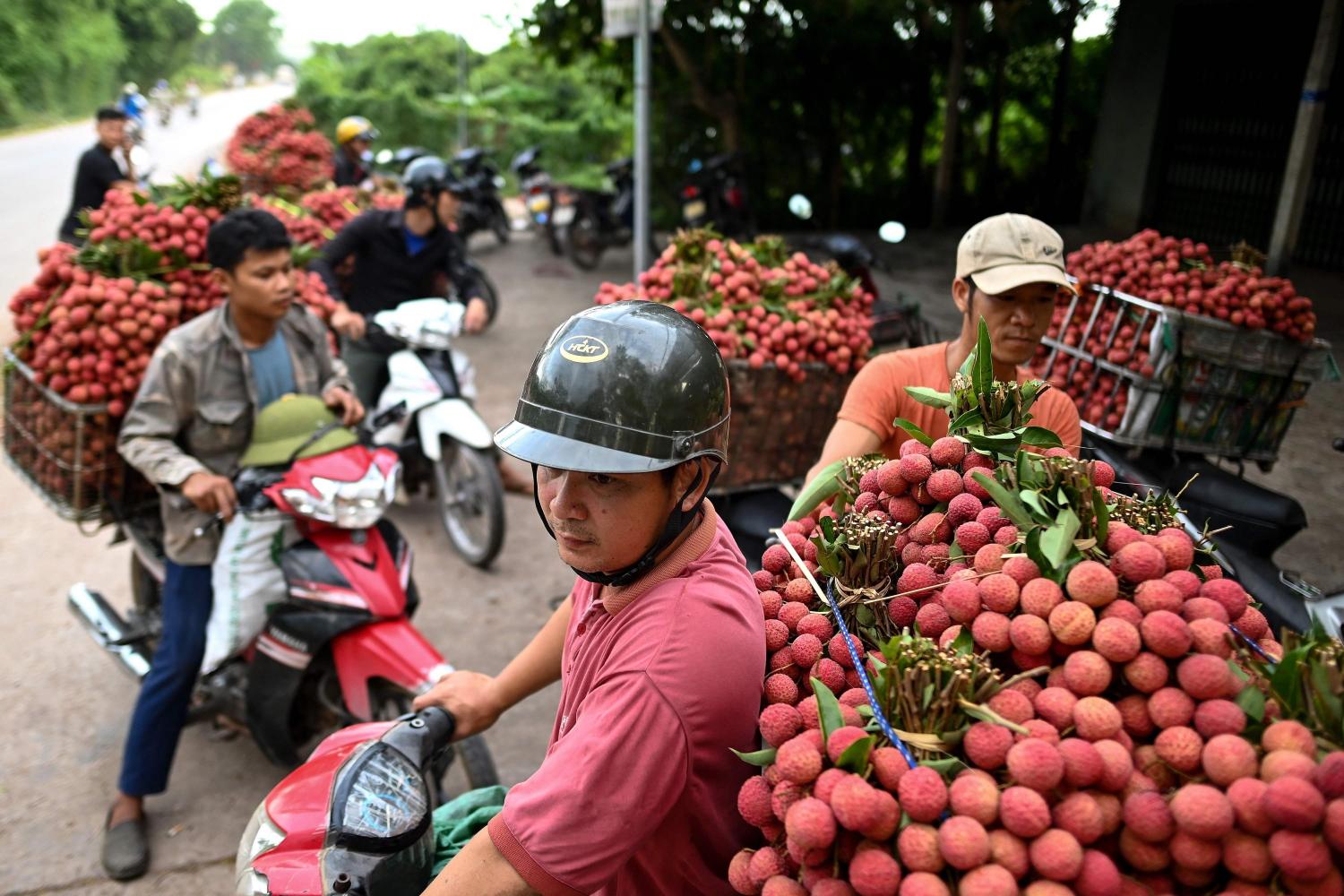
    Lychees grown in Hai Duong Province will be sold on e-commerce platforms Voso, Sendo, Lazada, and China’s Alibaba on Saturday, according to the Vietnam Trade Promotion Agency.

    It would be the first time that the fruits are sold online, and the agency said the biggest hurdle to this is farmers’ lack of knowledge of e-commerce, online marketing, selling and customer support, and quality control.

    It has collaborated with the northern province’s Departments of Agriculture and Rural Development and Industry and Trade to provide training to lychee farmers and traders in setting up and operating stores on the four e-commerce platforms.

    Hai Duong harvested 43,000 tons of lychee last year and exported half of it, including 1,600 tons to Japan, Australia, and the U.S. It expects to harvest 55,000 tons this year, and export half to China.

    In nearby Bac Giang Province, the director of the Department of Industry and Trade, Tran Quang Tan, estimated 180,000 tons of lychees would be harvested this year, with half of it exported to China, 10 percent to Japan, and another 10 percent to the U.S., the EU, and Australia.

    The harvest will take two months starting May end.

    Around 300 Chinese merchants have registered to visit Vietnam to buy lychees in Bac Giang.

    Local authorities will arrange transportation for them at the border, test them for Covid-19 and quarantine them for 14 days.

    The northern provinces of Bac Giang and Hai Duong are Vietnam’s lychee growing hubs, with the former having the largest area for lychee cultivation, which was 28,000 hectares last year, according to Bac Giang Portal. Hai Duong province came in second with 10,000 hectares.

  • Gojek shifts gears to introduce car rides in Vietnam

    Gojek shifts gears to introduce car rides in Vietnam

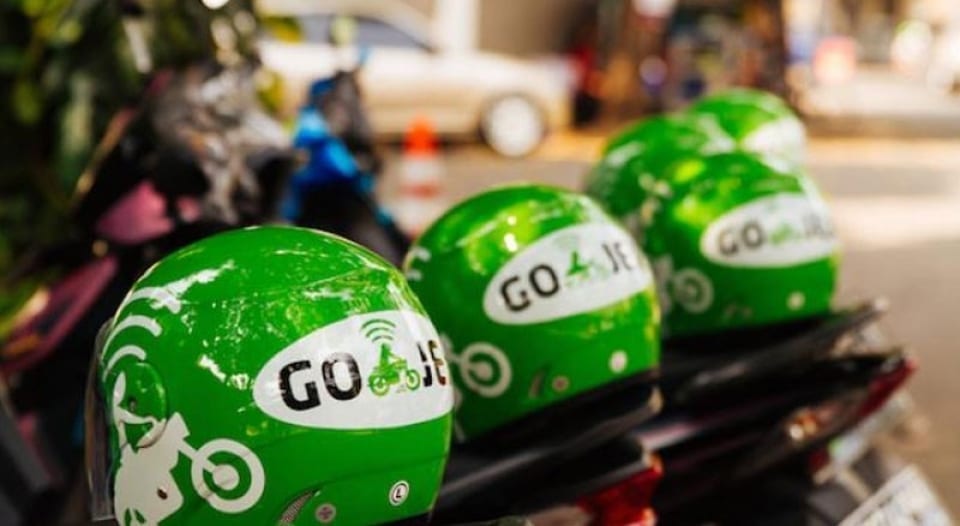
    Indonesia-based ride-hailing company Gojek will start offering car rides service in Vietnam in the next few weeks and allow cashless payments later this year.

    Gojek Vietnam CEO Phung Tuan Duc said Wednesday that the new service will be called GoCar.

    He did not mention a specific date for the launch but said the service will comply with all pandemic prevention measures.

    Duc said that although Gojek is a latecomer for its GoCar service, “the ride-hailing market and on-demand services will continue to flourish, with lots of space for other ride-hailing players to develop. So we have confidence in expanding the business.”

    Administrators of Gojek drivers’ official group on Facebook announced that car drivers introduced to Gojek by transport cooperatives can become the riders for the GoCar service. A total of 17 transport cooperatives have been working with Gojek.

    Gojek entered Vietnam in August 2018 as GoViet. The company became Gojek Vietnam last year. It offers three services at present – motorbike rides (Gojek), delivery of goods (GoSend), and food delivery (GoFood). Other ride-hailing companies like Singapore’s Grab and Vietnam’s Be have all these three services plus car rides.

  • Ferrari Vietnam recalls cars over faulty airbags

    Ferrari Vietnam recalls cars over faulty airbags

    Ferrari Vietnam is recalling 24 cars for airbag faults that can cause severe damage in the event of a crash.

    The recall covers five models: 458 Speciale, 488 GTB, 488 Spider, California T, and F12 Berlinetta. The recalled cars were produced between March 2014 and July 2017, according to a statement submitted by the automaker to the Vietnam Register.

    The front passenger airbags in these vehicles are produced by Japanese auto parts producer Takata Corporation. It has been found that humidity can penetrate and damage them. In some crashes, activation of the airbag can break the inflator inside into pieces and push them through the inflated airbag, causing serious damage to users

    Customers can bring their vehicles for a free replacement of the faulty parts at Ferrari’s only showroom and service center in HCMC. The replacement should take one to three hours. The recall will run in one year from May 7, 2021.

    Ferrari opened its first showroom in HCMC’s District 7 in 2019 to sell old cars and provide maintenance service. Recently, it started to sell new Ferraris in Vietnam, but is yet to make a sale.

  • Rice exports cross $1 bln on higher prices

    Rice exports cross $1 bln on higher prices

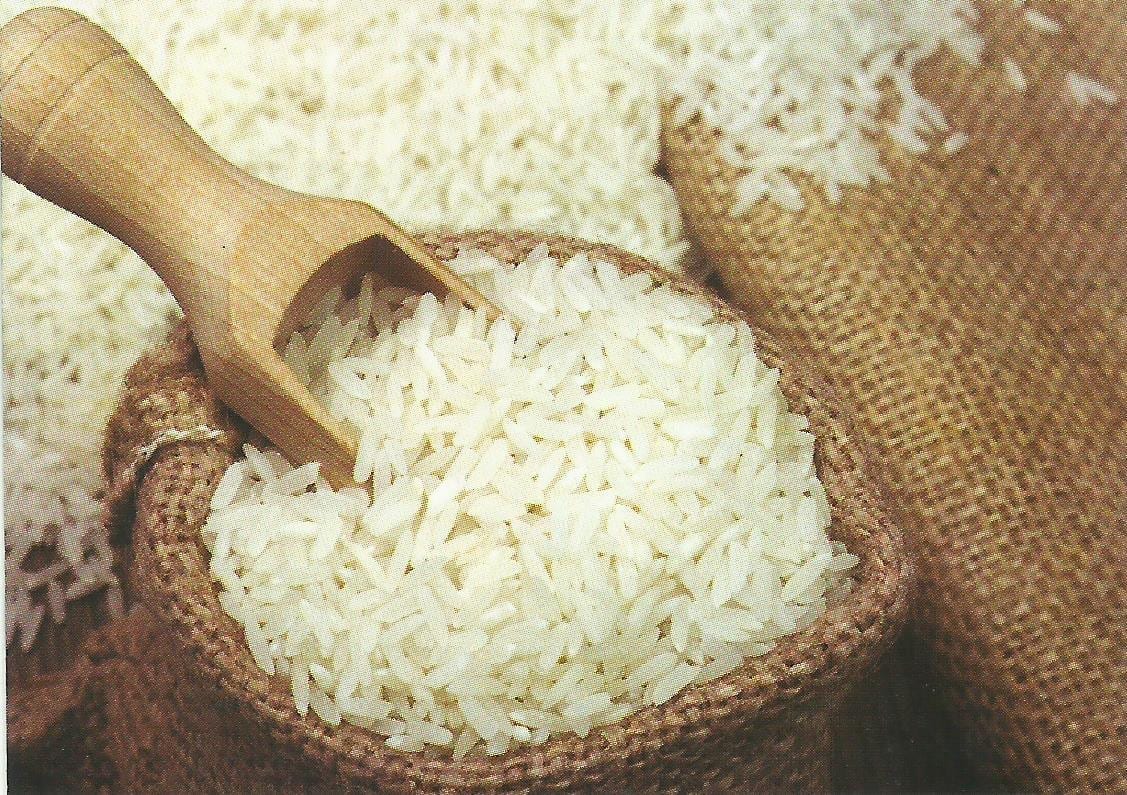
    Vietnam has exported $1.01 billion worth of rice in the first four months of 2021, up 1.2 percent year-on-year, thanks to higher rice prices.

    The volume of rice exports during the period dropped 11 percent year-on-year to 1.9 million tons, according to the Ministry of Industry and Trade.

    However, as the average export price rose 13.4 percent year-on-year to $534 per ton, its value topped that of last year.

    The Vietnam Food Association has forecast that the nation’s rice export value will continue to rise because of higher selling prices.

    Vietnam plans to produce 43 million tons of paddy and targets exporting 6.5 million tons of rice this year, according to the Ministry of Agriculture and Rural Development.

    The nation was the world’s second-largest rice exporter last year at 6.25 million tons.

  • Vietnam stock market daily trading value closes in on Singapore

    Vietnam stock market daily trading value closes in on Singapore

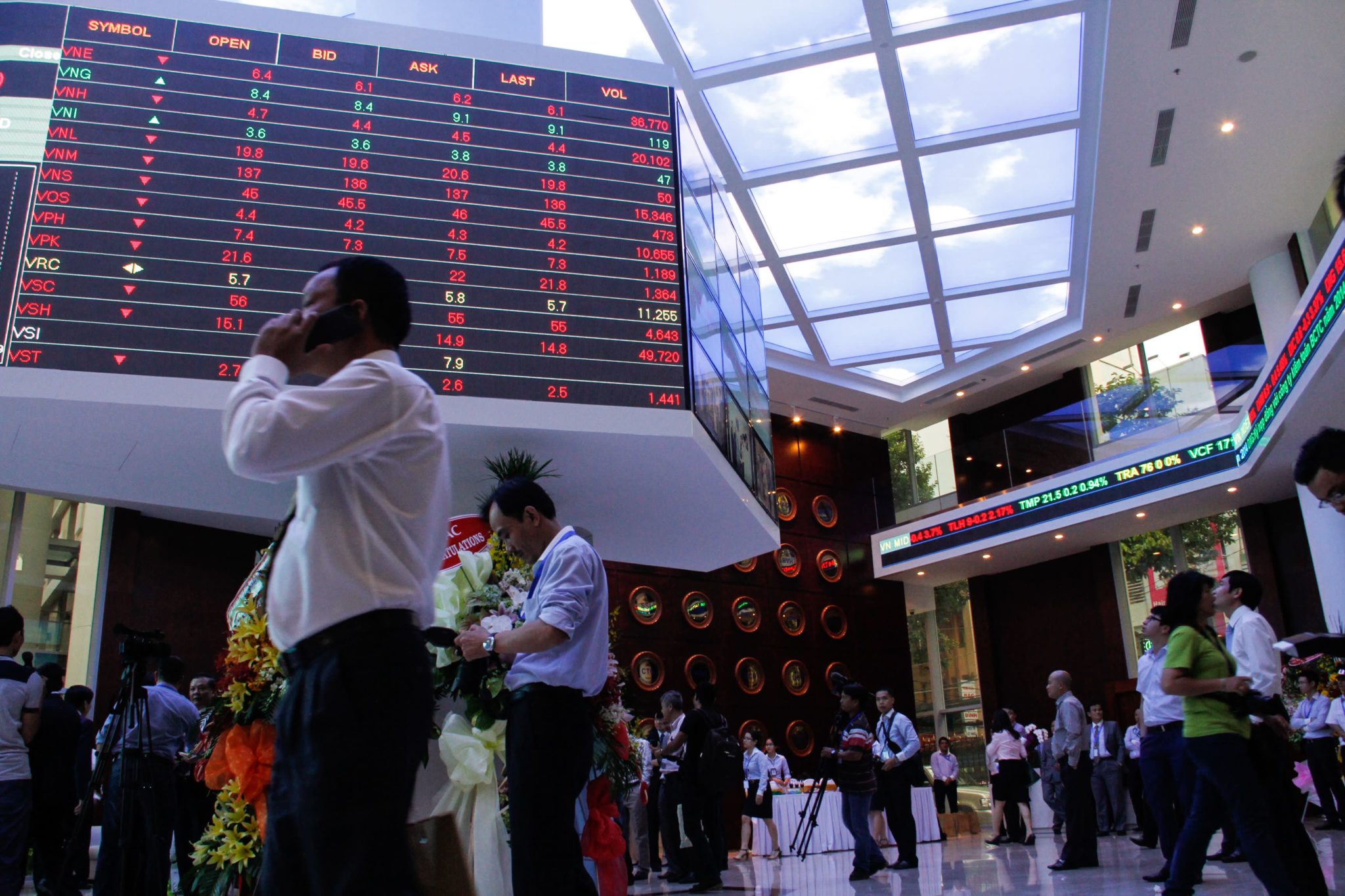
    The average daily securities trading value surged 5.6 times year-on-year in April to $725 million, nearly equivalent to that of Singapore, according to HSBC.

    The lender said in a recent report that the figure, which far exceeds those of Malaysia and Indonesia, was due to the increase in new investors and recovery of the economy.

    In March, the number of new trading accounts hit a record 113,900, taking the total to over 3.02 million.

    The economic recovery is underpinned by strong FDI flows, improvements in the manufacturing segment, and increased consumption, the report said.

    The benchmark VN-Index has risen 12.9 percent in the year-to-date compared to 4.2 percent for Asia ex-Japan.

    The index has repeatedly scaled new peaks this year after surpassing the psychological barrier of 1,204 points first reached in 2018.

    HSBC expected the market to continue to rise in the absence of alternative asset classes and bank deposit rates in decline.

    Though foreign investors have been pulling out of the stock market, HSBC said they would not be able to ignore Vietnam for much longer since it has proved to be one of the most resilient growth economies and 24 out of the 30 blue chips have still not reached the foreign cap.

    Besides, despite rising to record levels, the VN-Index remains 5 percent lower than its five-year average level with a price-to-earnings ratio of 15.1.

  • Vietnam to reduce thermal power production

    Vietnam to reduce thermal power production

    Vietnam targets reducing coal-fired power production by 6 percent this year to prioritize solar and wind energy even as it grapples with limited transmission capacity.

    This means a cut of 8 billion kilowatt-hours from a projected 126 billion kilowatt-hours of coal-fired power this year. National utility Vietnam Electricity (EVN) estimates total production from all sources at 260 billion kilowatt-hours.

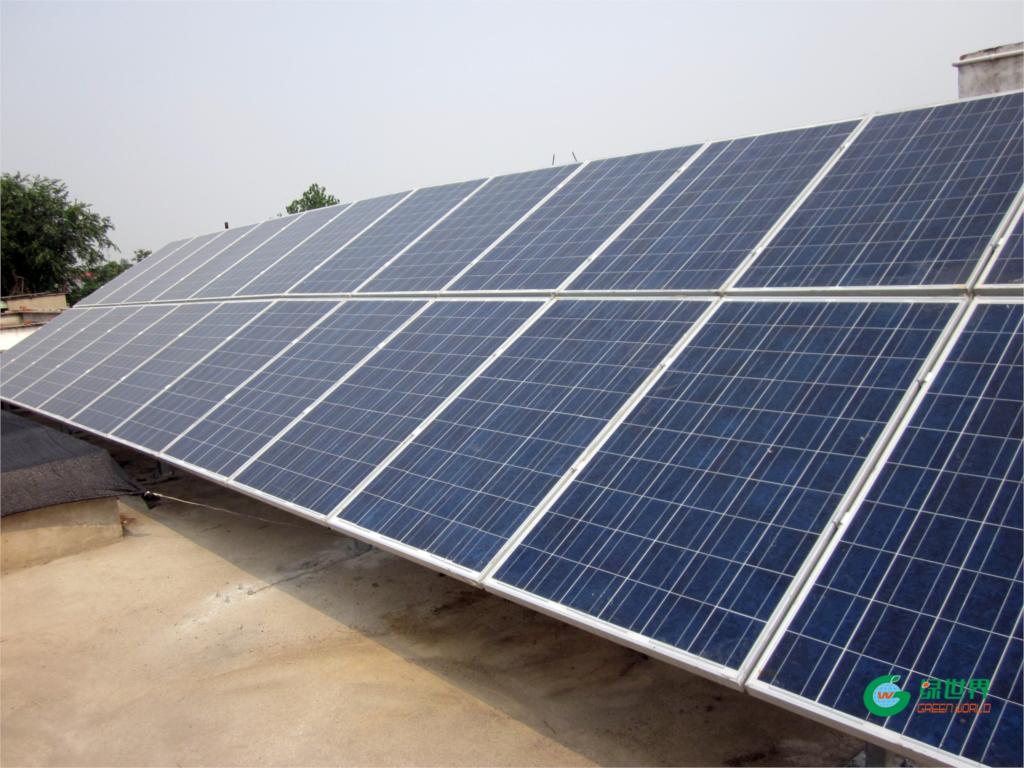
    EVN has also suspended around 8,000 megawatts of hydropower plant capacity from 11 a.m. to 12 p.m. every day in the first four months of this year to prioritize solar power intake, which peaks at noon.

    However, reducing the intake from coal-fired and hydropower plants comes with consequences, with the rising frequency of turbine restarts increasing the risk of system failures.

    The number of restarts due to oversupply last year surged 2.6 times over 2019 to 192. In the first four months this year alone, there were 334 restarts.

    With these cuts, EVN seeks to prioritize solar and wind power intake and also wants to double their production from last year to 32 kilowatt-hours this year.

    Solar and wind power capacity is set to hit 20,000 megawatts this year, accounting for 30 percent of the total supply.

    But due to the limited capacity of the transmission lines, renewable energy only accounts for 12 percent of total production. The figure is set to rise to 17 percent in the next five years.

    The rest of the production comes from traditional sources like thermal power and hydropower.

    EVN has earlier said it will also cut 15-20 percent of solar and wind power capacity to reduce pressure on the national grid.

    “Cutting down renewable energy is something EVN does not desire because it hurts developers,” Nguyen Duc Ninh, director of the National Load Dispatch Center under EVN, said at a meeting Tuesday.

    The dilemma that Vietnam faces now, having an oversupply of renewable energy but limited transmission capacity, has happened because of poor management and planning, experts say.

    Tran Dinh Long, deputy chairman of the Vietnam Electrical Engineering Association (VEEA), said that the boom in solar power in recent years shows a lack of anticipation of the burden they would place on the national grid.

  • Vinamilk leaps six notches in Top 50 global dairy companies

    Vinamilk leaps six notches in Top 50 global dairy companies

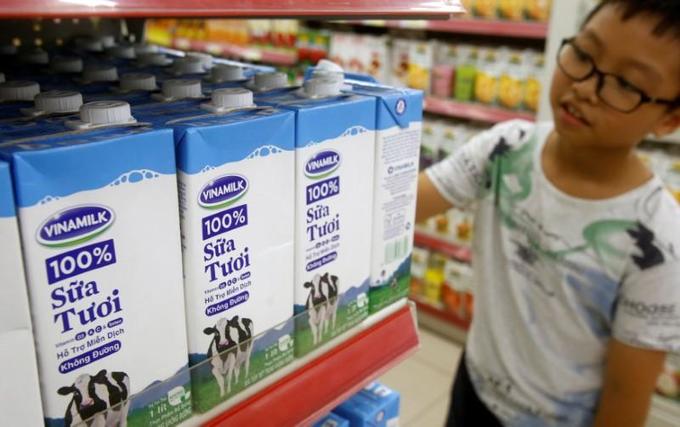
    Vinamilk has climbed six ranks to 36th in the top 50 world dairy producers with the highest turnovers, according to Plimsoll, a British financial analysis agency.

    With revenue of $2.6 billion in 2020,Vinamilk is the only representative in Southeast Asia to be listed among the Top 50 leading dairy companies in the world. The top 10 include firms from the U.S., New Zealand, Europe, and China.

    In 2017, Vinamilk made the list for the first time. After four years, the company’s revenue has continuously improved in the chart rankings. In 2020, despite Covid-19 impacts, Vinamilk still posted a 5.9 percent increase in revenue over the same period in 2019 and 17 percent compared to 2017, rising six ranks on the world dairy industry map.

    A report from Nielsen also shows Vinamilk is leading the domestic dairy market in key segments, including liquid milk, powdered milk, and condensed milk. Vinamilk has recently introduced new products to consumers, including Vinamilk Green Farm fresh milk, fresh milk with bird’s nest, premium juice Fruit Love, and Hero fruit milk. With a wide variety of new and quality products that meet diverse nutritional needs, the Vinamilk brand has been the most chosen by Vietnamese consumers for eight consecutive years, according to Kantar Worldpanel’s Asia Brand Footprint 2020.

    Vinamilk currently owns 13 factories, 13 farms, with a herd of about 150,000 cows, producing more than 250 types of products.

    The company has exported its products to 56 countries and territories, with a total turnover of more than $2.4 billion. Since 2017, Vinamilk’s export revenue has grown continuously along with the expansion of new export markets.

    In the first quarter of 2021, Vinamilk’s export revenue increased by 7.9 percent over the same period last year.

    To rank higher on the world dairy industry map, Vinamilk has promoted corporate governance and sustainable development as its focal points in the future direction.

    A sustainable development strategy aims at ensuring sustainable values for the economy, society, and environment.

    Mai Kieu Lien, general director of Vinamilk, said the company would maintain stability in production and business and further promote cohesion and value sharing with stakeholders.

    “At Vinamilk, sustainable development will be oriented towards advanced models of the world dairy industry. Specific action plans and initiatives would be implemented along all parts of the value chain, from research and development, farm systems, factories to supply,” Lien maintained.

  • Samsung Vietnam proposes direct purchase of renewable energy

    Samsung Vietnam proposes direct purchase of renewable energy

    Electronics giant Samsung Vietnam has proposed that it joins a trial program to purchase power directly from renewable power plants instead of monopoly distributor Vietnam Electricity.

    Choi Joo Ho, CEO of Samsung Vietnam, submitted the proposal to the Ministry of Industry and Trade last week. He asked that the company participates in the Direct Power Purchase Agreements (DPPA) policy that is being studied for a three-year trial.

    Three to four other big companies also want to join the program, a person familiar with the matter told VnExpress.

    The program will allow manufacturing companies with a minimum of 22-kilovolts power lines to negotiate and buy directly from solar and wind power plants.

    In the first three years, when the policy will be trialed, the customer needs to buy at least 80 percent of the agreed amount of power.

    Solar and wind farms with a capacity of 30 megawatts or more can sign these agreements and need to begin commercial operation within nine months of joining the pilot program.

    The program with a total capacity of around 1,000 megawatts is set to start this year and run until 2023. At the end of the trial period, the ministry will review it and take a decision on making the arrangement permanent.

    The program is being considered amid the challenges solar power plants face in running at full capacity due to the limited capacity of the country’s transmission lines. Vietnam is set to cut up to 1.74 billion kilowatt-hours of renewable energy in the second half this year to deal with national grid overload, Vietnam Electricity, has announced.

  • Vietnam replaces China as largest furniture exporter to US

    Vietnam replaces China as largest furniture exporter to US

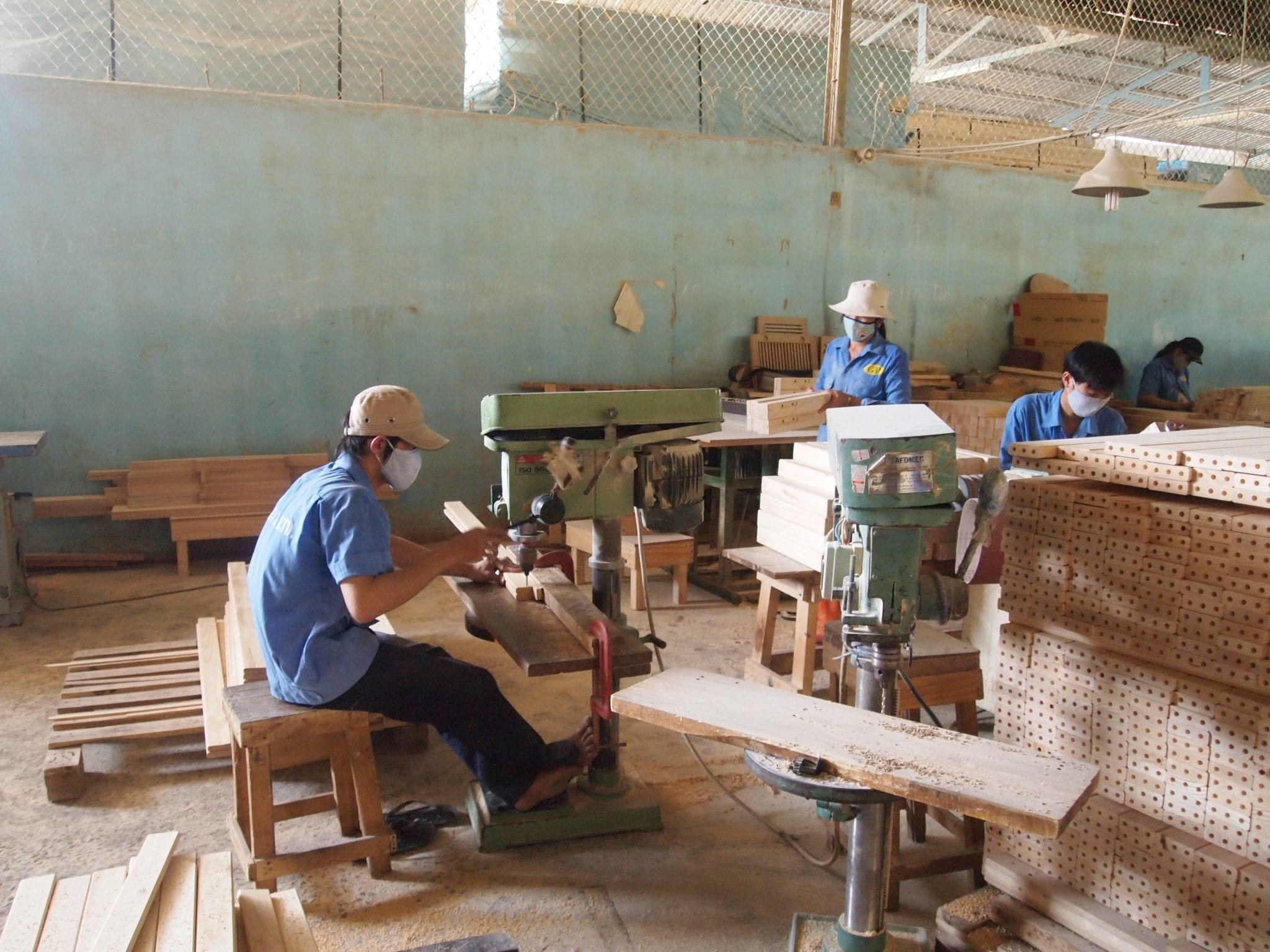
    Vietnam has overtaken China as the largest furniture exporter to the U.S. as tariffs drive manufacturers out of the world’s second-largest economy.

    Vietnam exported $7.4 billion worth of furniture to the U.S. last year, compared to China’s $7.33 billion. This marked a 31 percent year-on-year surge for Vietnam, while that of China fell 25 percent.

    The shift has happened over the past two and a half years with the U.S. imposing tariffs as high as 25 percent on almost all furniture categories from China, pushing manufacturers to move out.

    In 2018 and 2019, Vietnam’s furniture shipments to the U.S. rose by double digits each year, while that of China fell by double digits.

    “That doesn’t surprise me at all,” said Fred Henjes, CEO of Riverside Furniture Corp. “We are no longer buying products out of China, and I know there are many others besides us.”

    Strong import categories of this company from Vietnam include bedroom, dining room, and home office furniture, Furniture Today quoted him as saying.

    Another company, Klaussner Home Furnishings, sources all of its wood furniture from Vietnam now. Its sales in the wood segment from Vietnam were up 10 percent last year.

    The U.S. was Vietnam’s largest export market in the first four months at $30.3 billion, up 50 percent, followed by China at $16.8 billion, up 32.4 percent.

  • Honda Vietnam to recall cars over fuel pump issue

    Honda Vietnam to recall cars over fuel pump issue

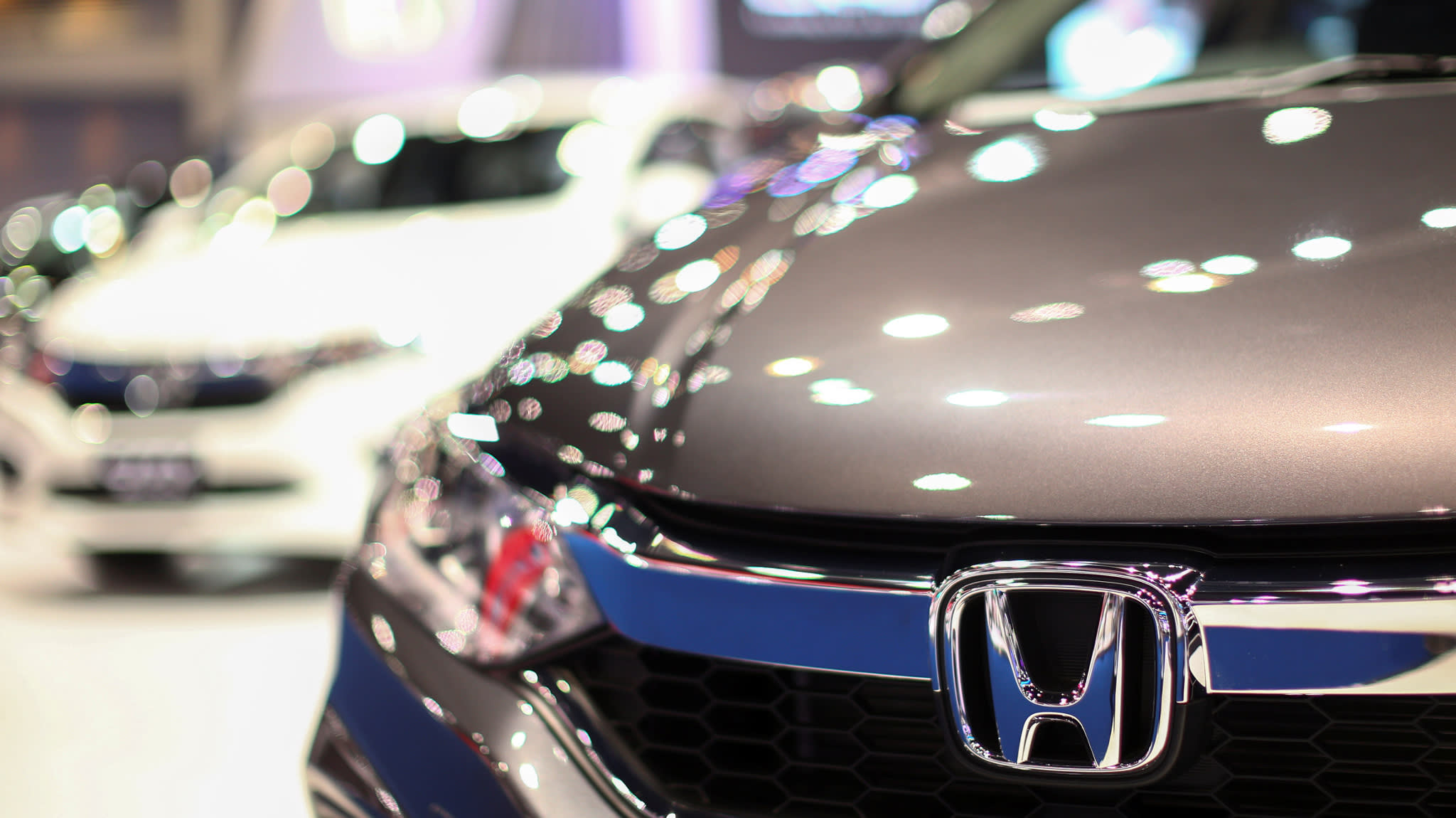
    Honda Vietnam has announced it would recall 27,640 locally assembled and imported vehicles to resolve a fuel pump malfunction.

    The affected models are City (8,626 units), Civic (3,624 units), CR-V (10,687 units), HR-V (3,630 units), Jazz (630 units) and Accord (442 units) made in 2019. Out of nearly 28,000 defective vehicles, 19,014 were locally assembled, with the rest imported from Thailand. The recall will start this Wednesday.

    Faults related to the fuel pump installed in these vehicles may involve defective impellers. Over time, the pump may crack, deform and prevent the engine from starting or stalling.

    At present, there is no record of safety threats due to the fuel pump error in the Vietnamese market. Vehicle owners are advised to visit authorized dealerships to have their engines checked.

    Replacements will be made when spare parts become available. Spare parts and related services would be completely free of charge. For vehicles imported through non-genuine import dealerships, in case customers request, Honda Vietnam would still provide relevant information.

    Honda was the fourth best-selling auto brand in Vietnam in the first quarter of this year with 6,782 units sold, up 24.7 percent year-on-year.

  • Vietnam largest gold market in Southeast Asia

    Vietnam largest gold market in Southeast Asia

    Vietnam is the largest gold market in Southeast Asia and among the top 10 markets in the world, a recent study has found.

    Last year consumer demand in Vietnam was 39.8 tons, higher than Indonesia’s 37.6 tons and Singapore’s 9.4 tons, according to the World Gold Council (WGC).

    Gold is the top asset class for 68 percent of Vietnamese investors, it said citing a study of 2,000 investors in March last year.

    The outlook for the precious metal is positive with 81 percent of people who bought gold in the past considering buying more, nearly twice the global average of 45 percent.

    Seventy-six percent supported opening a gold investment account at banks to formalize the gold market. Currently, most buy gold at shops.

    “Research shows demand for gold in Vietnam is strong and there is support to develop new investment products such as buying gold through digital platforms or opening a gold investment account,” Andrew Naylor, director in charge of ASEAN at the World Gold Council, said.

  • Airport ground service firm reports $1.4 mln loss

    Airport ground service firm reports $1.4 mln loss

    Taseco Air Service JSC, owner of restaurants, duty-free shops, and advertising contractor at several airports across Vietnam, has posted a VND31.8 billion ($1.4 million) loss in Q1.

    This is the fourth consecutive quarter that the firm has reported a loss as it goes through one of the most challenging times for the aviation industry. International flights remain restricted after more than a year and the Covid-19 outbreak triggered late January hampered domestic travel recovery.

    The firm’s revenue fell 70 percent year on year to VND58.3 billion.

    It currently operates over 100 restaurants and souvenir shops at seven international airports nationwide.

    The firm has targeted VND317 billion in revenues this year, down 12 percent from last year. It expects to suffer a VND83.87 billion loss this year.

  • Share issuance value surges as businesses expand

    Share issuance value surges as businesses expand

    The share issuance value of listed companies as of mid-April this year was more than 1.6 times that of 2020 as businesses seek to expand operations.

    As of April 13, 54 listed companies have announced plans to issue more shares this year to raise nearly VND44.7 trillion ($1.94 billion), according to financial data provider FiinGroup.

    In the first quarter, 43 companies raised nearly VND19.8 trillion, accounting for nearly 70 percent of the total amount raised last year.

    With Vietnam being able to contain its Covid-19 outbreaks relatively efficiently, businesses are seeking to recover and expand production. Therefore, there is high demand for raising capital, a FiinGroup report says.

    The biggest issues this year are set to be that of national flag carrier Vietnam Airlines and agriculture giant HAGL Agrico, together accounting for one-third of the projected total.

    Vietnam Airlines is set to raise VND8 trillion through share issuance this year, seeking to reduce its debt-over-equity ratio from 6.2 to 5.2.

    HAGL Agrico is set to raise VND 7.4 trillion.

    Several brokerages are also planning to issue more shares amid rising demand for margin debt as new investors pour cash into the stock market.

    VNDirect plans to raise VND2.2 trillion, while Ho Chi Minh City Securities wants to raise VND2.1 trillion.