Tag: Vietnam

  • Elon Musk’s tweets send Vietnamese crypto investors into spiral of anxiety

    Elon Musk’s tweets send Vietnamese crypto investors into spiral of anxiety

    Elon Musk’s recent tweets have partly contributed to sending Bitcoin and other cryptocurrencies tumbling, and Vietnamese investors into losses and diminishing their hope in the future of digital currencies.

    Thien Tuan from the northern town of Mong Cai has seen his VND30 million ($1,300) investment in several cryptocurrencies depreciate by nearly 40 percent in the last few days.

    The 28-year-old had entered the crypto market in early April with no prior investment experience. Half of his savings is now in XRP, which has fallen 36 percent since mid-April, and Dogecoin, which has lost half its value in two weeks.

    He says: “Some of my friends have advised me to exit the market and look for other reliable assets like gold. I’m worried my losses will rise to 80-90 percent in the coming weeks.”

    On several Facebook groups of which he is a member, hundreds of people are expressing similar concerns about Bitcoin, Dogecoin and other cryptocurrencies after their prices plunged due to the remarks made by Musk and other reasons.

    In March Mush had announced that customers could buy Tesla cars using bitcoin, but on May 13 he said in a tweet the company had suspended the plan. Bitcoin lost 12 percent almost immediately.

    In another Twitter comment on May 17 Musk seemed to imply Tesla could sell its Bitcoin holdings, which sent the cryptocurrency down another 8 percent.

    The world’s most popular coin has lost 47 percent from its peak in mid-April, while other cryptocurrencies too are down by double digits.

    Other factors that contributed to the falls are China further cracking down on digital currencies and Binance Holdings, the largest cryptocurrency exchange, being investigated by U.S. authorities for money laundering and tax offenses.

    Tran Cuong, 22, of Hanoi invested $700 in Bitcoin and Dogecoin, and says “I have lost nearly $500 due to Elon Musk’s tweets.”

    The sharp falls have raised concerns among coin miners in Vietnam.

    Viet Hung of the southern province of Dong Nai only started mining a month ago and was expecting to recoup his investment by the end of the year.

    “Now that the market has plunged, I don’t know whether to continue mining or sell the equipment and cut my losses,” he says.

    Minh Huy, a seller of mining rigs in HCMC, says many prospective buyers have suspended purchase plans to watch how the market moves before making a final decision.

    Some of these deals are potentially worth billions of dong (VND1 billion = $43,500).

    “The plunging market not only hurts investors but also hardware suppliers,” Huy says.

    Hoang Bao of Hanoi, who has years of experience in coin mining, says he has yet to see people sell off equipment, but feared that if prices keep falling the market could soon turn “chaotic.”

    “The worst-case scenario is that rigs will be left to gather dust like last time, but this time it will be on a much bigger scale,” he says, referring to the 2018 Bitcoin selloff.

    Bitcoin and other cryptocurrencies are not recognized as a legitimate means of payment in Vietnam. The State Bank of Vietnam has warned that owning, trading and using cryptocurrencies are risky and not protected by law.
  • Masan acquires 20 pct stake in Phuc Long tea chain

    Masan acquires 20 pct stake in Phuc Long tea chain

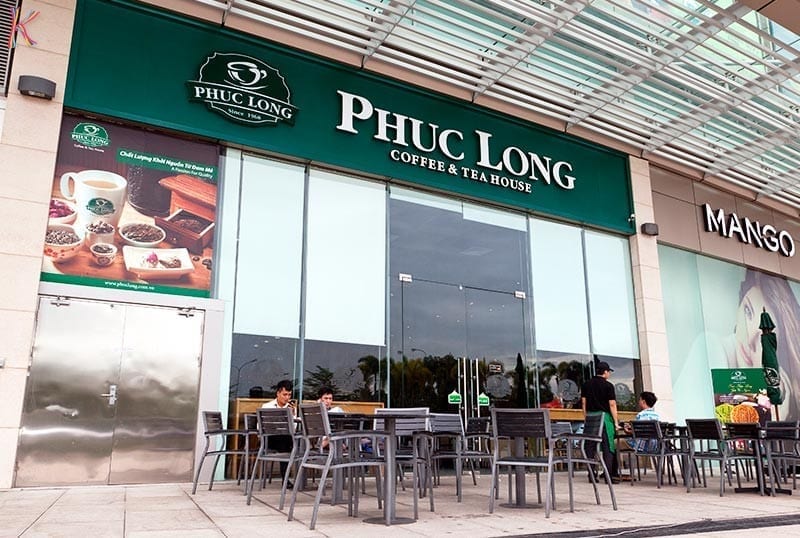
    A subsidiary of the Masan Group conglomerate has signed an agreement to acquire a 20 percent stake in tea shop chain Phuc Long Heritage Jsc.

    Masan’s The Sherpa Company Ltd will pour $15 million into the company, established last week to own the Phuc Long brand, which is among the most popular beverage brands in Vietnam with 82 stores nationwide.

    The deal puts Phuc Long Heritage’s valuation at $75 million.

    It will help establish Phuc Long kiosks in over 2,200 VinMart+ convenience stores to provide tea and coffee to consumers.

    In the last three months, four pilot kiosks have been opened in Ho Chi Minh City and another 1,000 will be set up in the next 18-24 months.

    “I believe that in combining the Phuc Long products and VinMart+ network of more than 2,200 stores today and 10,000 stores in the next five years, we will provide 100 million Vietnamese consumers with the opportunity to enjoy the freshest, most delicious tea and coffee,” said Truong Cong Thang, CEO of VinCommerce.

    Each kiosk will share 20 percent of its revenue with VinMart+, adding 4 percentage points to the profit margin of the retail chain.

    Vietnam’s tea and coffee market is valued at $2.3 billion and is expected to grow more than 10 percent per year, according to data from Masan, which also estimates that popular brands like Highlands Coffee, The Coffee House and Starbucks account for 25 percent of the market.

  • Tuna exports soar

    Tuna exports soar

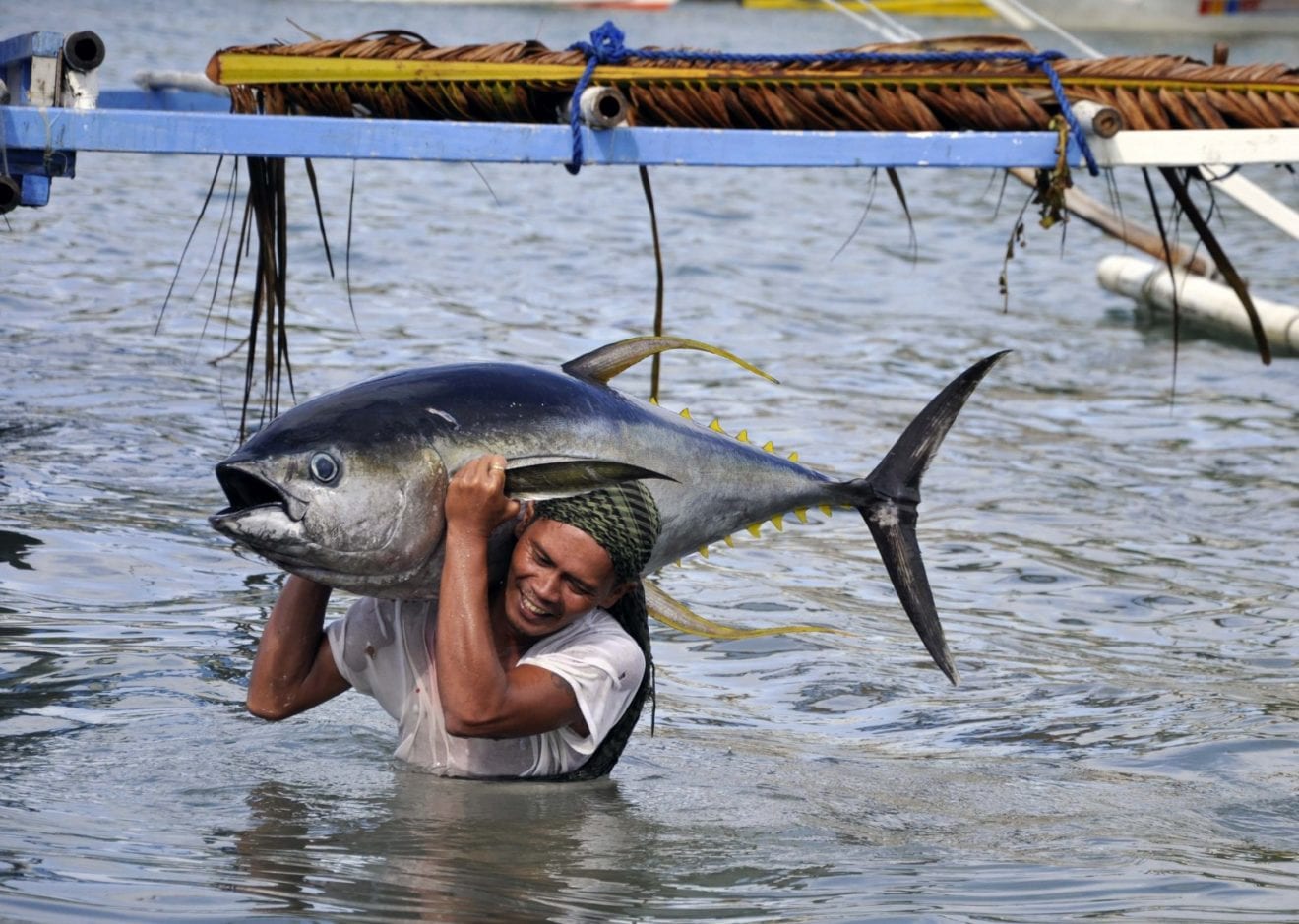
    Vietnam exported $74 million worth of tuna in April, a 50 percent year-on-year surge, with the U.S. and E.U. buying more.

    According to the Vietnam Association of Seafood Exporters and Producers (VASEP), tuna exports to the U.S. saw the highest growth with a 56 percent year-on-year surge in April.

    The association also reported a change in the export structure with the export of fresh and frozen tuna to the U.S. rising in April, while that of canned products decreased. Exports to the E.U. and members of the Comprehensive and Progressive Agreement for Trans-Pacific Partnership (CPTTP) trade pact also saw increases of 31 percent and 42 percent in April, respectively.

    The association said tuna exports to these major markets will continue to rise because preferential tariffs under free trade agreements are attracting foreign importers.

    Vietnam has exported $226 million worth of tuna by the end of April this year, up 15 percent year-on-year, even as the number of importing markets reduced to 63 from 90 last year.

  • VietinBank to pay dividends in shares for last three years

    VietinBank to pay dividends in shares for last three years

    The government has approved VietinBank’s plans to pay dividends for 2017-19 at a total rate of 28.79 shares for every 100 owned.

    The government owns a 64.46 percent stake in the lender.

    CTG shares gained 6.1 percent to rise to a new all-time high of VND51,200 ($2.22) on Monday, and has gained 48 percent this year.

    Its pre-tax profits rose by 2.7 times year-on-year in the first quarter to VND8.06 trillion.

  • India starts anti-dumping investigation of solar cells from Vietnam

    India starts anti-dumping investigation of solar cells from Vietnam

    The Indian Ministry of Commerce and Industry has launched an anti-dumping probe into solar cells originating from China, Thailand and Vietnam.

    It follows a petition by the Indian Solar Manufacturers Association.

    The dumping margins related to the products under investigation have not been disclosed, with the ministry merely saying they exceed the 2 percent threshold.

    The Trade Remedies Authority of Vietnam said producers and exporters should contact the Indian ministry to register for questionnaires and keep breast of relevant information emanating from India.

    Any action deemed uncooperative can lead to India imposing anti-dumping duties, it warned.

    “High taxes will result in Vietnamese producers losing their competitive advantage and lose part or even all of the market share in India.”

  • Buy2Sell Vietnam joins with CJ Logistics to boost innovation

    Buy2Sell Vietnam joins with CJ Logistics to boost innovation

    Buy2Sell Vietnam has signed a memorandum of understanding on cooperation with CJ Logistics to support imports and exports in Vietnam.

    Under the partnership, CJ Logistics will provide logistics services to e-commerce merchants and buyers of Buy2Sell Vietnam nationwide, importing goods from foreign countries into Vietnam and vice versa.

    Entering Vietnam in 1996, CJ Logistics Vietnam belongs to CJ Group, one of the largest companies in South Korea covering a wide range of services like entertainment, food, agriculture, and logistics.

    CJ Logistics Vietnam oversees logistics including Sea FF, Air FF, and W/L. CJ Korea Express Freight Vietnam is the first company in the country to receive the level one certificate from Transported Asset Protection Association in Vietnam. The company offers first-class logistics services in food, FMCG, electronics, steel, textile, and tire industries.

    The company maintains close links with all major airlines, ports, shipping lines, terminals and serves as a global agent for international freight from Vietnam.

    CJ logistics’ services include import and export of cargo, special cargo, cargo insurance, IATA services, and door-to-door shipping, optional trucking services, bulk cargo, oversized cargo services, and heavy-lift cargo.

    Buy2Sell Vietnam is a leading B2B e-commerce platform with the largest source of imported goods in the country since 2015.

    It is distributing more than 200,000 goods from more than 60 countries around the world and has over 120,000 wholesalers in Vietnam. Buy2Sell is in partnership with UOB Bank (Financial lending BizMerchant) and large retailers like Lotte Mart and SC Vivo City.

  • Alibaba, partners invest US$400 million in retail arm of Vietnam’s Masan

    Alibaba, partners invest US$400 million in retail arm of Vietnam’s Masan

    Chinese e-commerce giant Alibaba Group Holding and partners have invested $400 million in the retail unit of Vietnamese conglomerate Masan Group, Masan said on Tuesday.

    The consortium, which includes Alibaba Group and Baring Private Equity Asia, has paid for a 5.5 percent stake in Masan’s retail arm, The CrownX, the company said in a statement.

    The CrownX, founded in 2019, is valued under the deal at $6.9 billion, equivalent to $93.50 a share, the statement said. Parent company Masan will hold 80.2 per cent of retail units.

    The deal will expand Alibaba’s presence in Southeast Asia after its $4 billion investment in e-commerce firm Lazada in 2018.

    “The CrownX will work closely with Lazada to accelerate our digital transformation into an ‘all-in-one platform to serve consumers both offline and online purchases,” Masan said in the statement.

    The company said it was in talks with other investors on an additional investment of between $300 million to $400 million in The CrownX with that deal expected to close in 2021.

    Masan shares opened up 5.57 percent on Tuesday to 110,000 dong after the announcement, giving the company a market capitalization at $5.3 billion.

  • E-mart set to quit Vietnam

    E-mart set to quit Vietnam

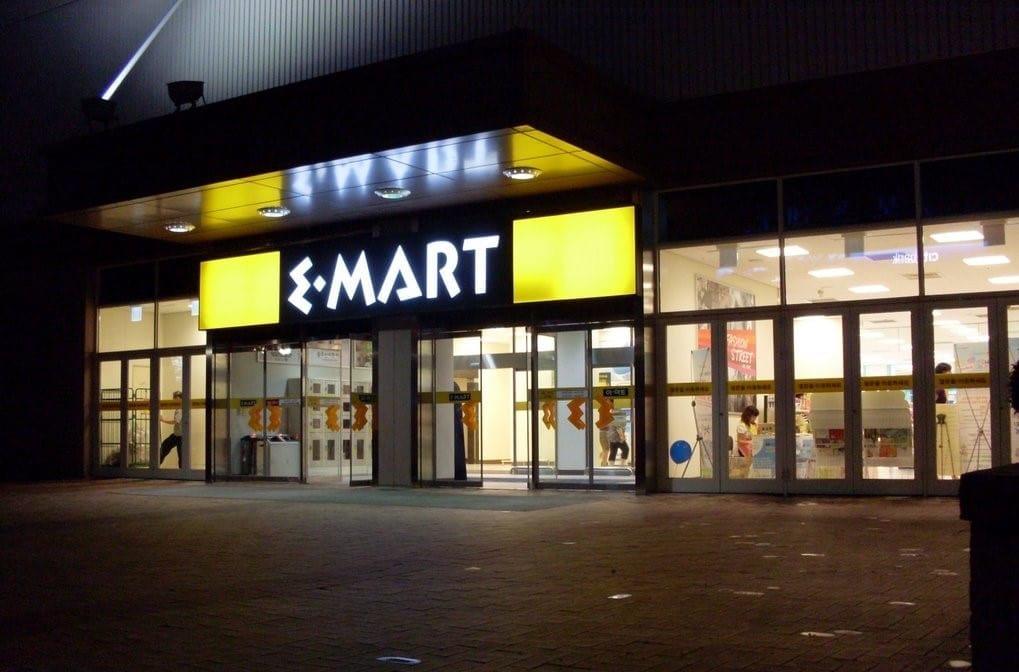
    South Korean supermarket chain E-mart is to exit its Vietnam business, with reports suggesting it will be sold to local car manufacturer Truong Hai Auto Corporation (Thaco Group).

    According to The Korea Times, E-mart announced earlier this week that it will sell E-mart Vietnam to Thaco Group. However, a spokesperson of Thaco said the group has not signed any agreements with the South Korean firm.

    E-mart has spent five years trying to establish a footprint in Southeast Asia, but in Vietnam had managed to open only one store, a second suspended due to local licensing setbacks.

    A South Korean media report said E-mart would take royalty fees from Thaco Group and its supermarket will be run as a franchise.

    “Our strategic alliance with Thaco will not only pay us royalties for using the E-mart brand in Vietnam, but also give us the opportunity to export our private-brand products,” an E-mart employee told The Korea Times.

    Predictions that the South Korean supermarket chain would exit Vietnam arose last year. However, its representative then denied the news and said it was looking into other options such as a strategic alliance or business partnership.

    Thaco Group’s commercial-services arm includes managing and operating mix-used business models including shopping malls, hotels and developing business lines such as supermarkets, food courts and cinemas.

    The group is currently operating businesses at Yangon Myanmar Center Complex in Myanmar and building its Socar Sala mixed-used complex in Ho Chi Minh City’s District 2.

  • Vietnam sees 480 pct surge in cars imported from China

    Vietnam sees 480 pct surge in cars imported from China

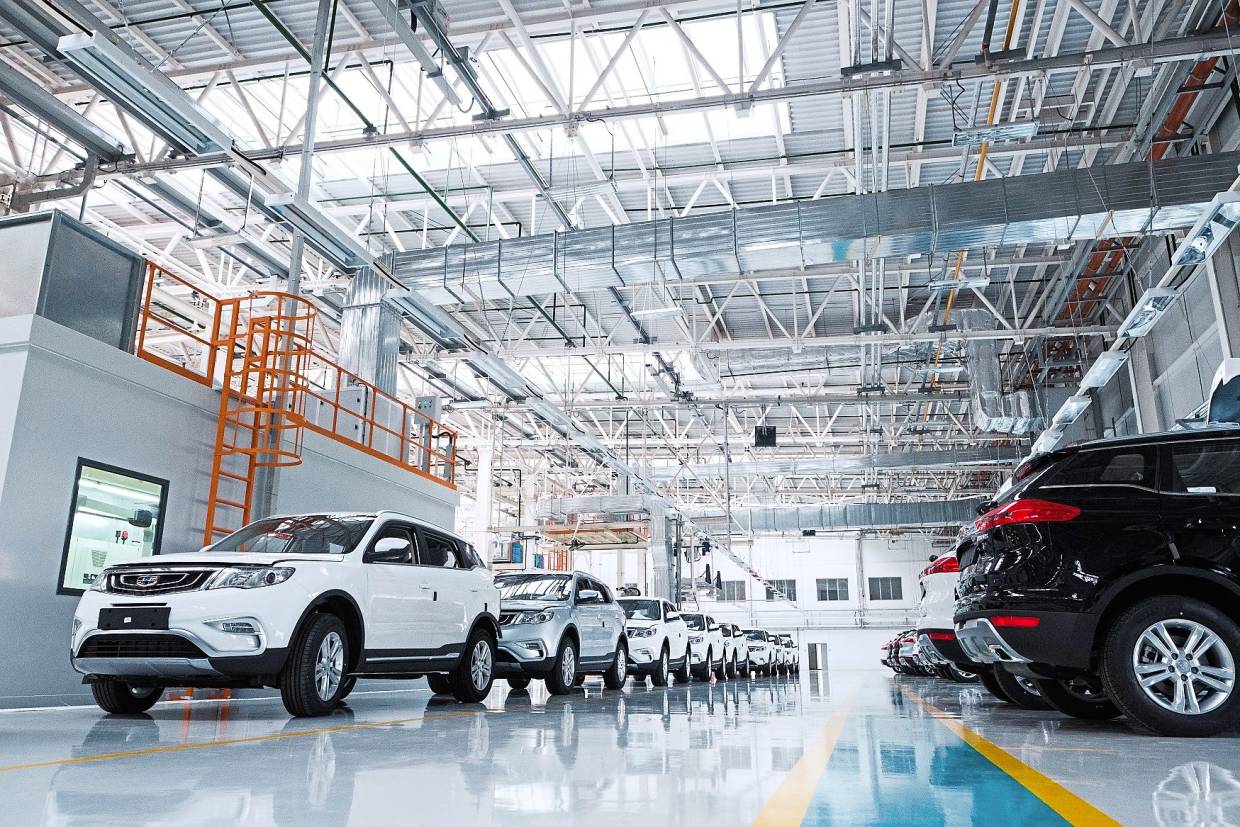
    Vietnam imported 6,633 completely built-up (CBU) cars from China in the first four months, a 480 percent surge over the same period last year.

    Industry insiders explain the increasing popularity of cars imported from China to good designs and modern features.

    Despite the major increase, however, China remained the third-largest CBU car supplier for Vietnam in the first four months behind Thailand and Indonesia.

    Thailand dominated auto imports with 25,732 vehicles, a 74 percent year-on-year increase, according to the General Department of Vietnam Customs. It was followed by Indonesia with 13,873 units, up 4.7 percent.

    The two countries together accounted for 79 percent of April’s CBU imports.

    Thailand and Indonesia have led the list of Vietnam’s car suppliers ever since the ASEAN Trade in Goods Agreement (ATIGA) took effect in 2018, owing to the zero import tariffs.

    Vietnam’s total car imports in the first four months marked a 56.5 percent year-on-year growth at 50,161 vehicles.

    The nation’s auto sales in the first four months surged 58 percent year-on-year to 101,309 units, signaling a recovery from last year’s pandemic blows.

  • Alibaba invests in VinMart operator The CrownX

    Alibaba invests in VinMart operator The CrownX

    A consortium led by Chinese e-commerce giant Alibaba will invest $400 million in the subsidiary of conglomerate Masan Group that operates retail chain VinMart.

    The consortium, including Baring Private Equity Asia, one of the largest private equity firms in Asia, has signed an agreement to acquire a 5.5 percent stake in The CrownX, a deal that values the company at $6.9 billion.

    Masan will own an 80.2 percent stake in the company after the deal.

    With Alibaba on board, The CrownX will partner with its Southeast Asian e-commerce company Lazada to accelerate the offline to online market in Vietnam.

    VinCommerce, the subsidiary of The CrownX that operates the VinMart supermarket and VinMart+ convenience store chains, will be the preferred grocery retailer on Lazada in Vietnam, and its outlets will be used as pick-up points for online orders.

    “The transaction marks a shared vision … that The CrownX has the potential to establish Vietnam’s first tech-enabled consumer ecosystem and expand its reach to serve consumers nationwide,” Masan said in a statement.

    It is also in discussions with other investors for a further strategic investment of $300 – 400 million in The CrownX, and they are expected to close this year.

  • Citizens, businesses hurt as rising prices raise inflation concerns

    Citizens, businesses hurt as rising prices raise inflation concerns

    Experts say the government will find it difficult to rein in inflation this year as surging food and materials prices hurt citizens and businesses.

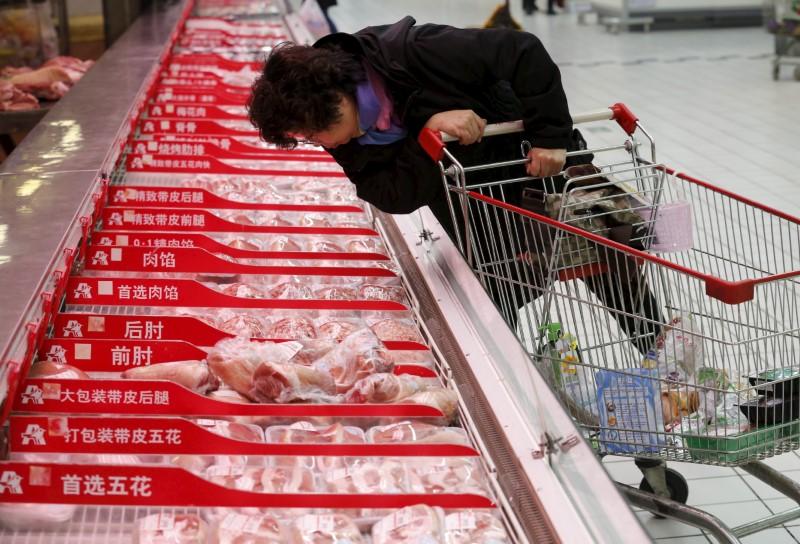
    Loan and her husband in HCMC’s District 5 spent around VND120,000- 200,000 ($5.22-8.70) per day last month on feeding their family of three, almost double that of the same time last year. They say the prices of vegetables and meat have been increasing since the beginning of the year.

    Hoa, another HCMC resident, has seen her spending on family meals increased by 65 percent to VND5 million per month. She says the prices of cooking gas and many ingredients she needs have been rising.

    “The prices of some products have doubled since the beginning of the year. I’m spending out of my savings.”

    Ngoc Chau, head accountant for a construction company in Tan Binh District, has seen prices of a bowl of noodle soup rising nearly 20 percent to VND65,000 the past few months.

    “I have been reluctant to eat out these days.”

    In the first four months of this year, the prices of materials and ingredients have risen by 4.64 percent year-on-year, with the surge strongest in the agriculture, forestry and fisheries sector, up 6.77 percent, according to the General Statistics Office.

    The GSO has cautioned that although inflation was 0.29 percent in the first quarter, the lowest in 20 years, keeping it under the targeted 4 percent this year won’t be easy as many economies including the U.S. have introduced economic stimuli to boost recovery.

    The Ministry of Agriculture and Rural Development said that animal feed prices have surged 30 percent since the beginning of the year and is set to rise further in the second quarter.

    Fuel prices, meanwhile, have increased by 19 percent since the beginning of the year.

    Do Van Khuoi, director of supplies at Saigon Food, said that prices have been rising due to the limited supply of goods domestically and shortage of materials globally.

    There are signs that some suppliers are increasing their reserves to indulge in speculative pricing, he added.

    “Disrupted supply chains due to difficulties in transporting goods amid the pandemic have also pushed up prices.”

    Khuoi said that in recent months, the prices of spices have risen by 5-10 percent, rice and seafood by 5-20 percent and material for plastic production by 15-70 percent.

    A spokesperson for food processor Vissan also said that many food companies were facing “headaches” because of rising material prices. Some suppliers have requested a 15 percent increase starting this month.

    Most businesses say they are trying to look for alternative sources of materials and ingredients to lower prices.

    Authorities have also been working to stabilize prices.

    Pham The Anh, head economist of the Vietnam Institute for Economic and Policy Research (VEPR), said that Vietnam and many other economies face high risks of rising inflation this year as prices of some products like steel and fuel have been surging at around 20-30 percent.

    Economist Nguyen Duc Thanh said that authorities are facing difficulties in controlling inflation, as keeping prices low will hurt businesses that are already hit by the Covid-19 pandemic, while allowing prices to rise will hurt low-income people.

    The domestic department market under the Ministry of Industry and Trade said it has been working with businesses to ensure adequate supply to keep prices from surging suddenly.

    It has also been working with customs and agriculture authorities to ensure the stable delivery of goods, especially between localities with a high number of Covid-19 cases.

    Deputy Prime Minister Le Minh Khai has also ordered relevant government bodies to take keep fuel prices stable.

  • Vietnam seeks to stabilize steel prices

    Vietnam seeks to stabilize steel prices

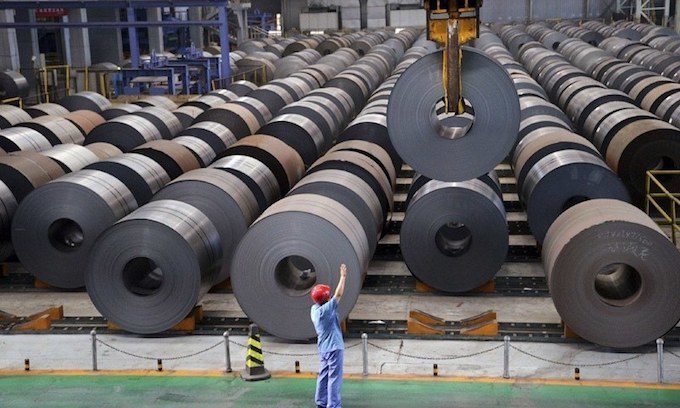
    The government has asked steelmakers to implement several steps to control rising steel prices that are hurting construction contractors.

    Deputy Prime Minister Le Minh Khai has asked the Ministry of Industry and Trade to push for increased domestic steel production towards stabilizing prices. Steel production in Q1 reached 7.6 million tons, a year-on-year increase of 34 percent, according to the Vietnam Steel Association (VSA)

    He also said the export of steel should be lowered to ensure that local demand is met. Steel exports in Q1 rose 59.5 percent year-on-year to 1.6 million tons, according to the VSA.

    Meanwhile, VSA has asked its members to prioritize using raw materials for steel production from local producers instead of imported them at high prices so that their operating expenses and selling prices are lowered.

    Steel prices in Vietnam have experienced a 40-50 percent surge since the beginning of the year, according to the VSA, forcing construction contractors to suffer losses and turn down contracts.

  • Ministry says no to cuts in auto registration fees

    Ministry says no to cuts in auto registration fees

    The Ministry of Finance has rejected a proposal to reduce auto registration fees by half, saying it is not necessary for the current setting.

    The proposal was made by the Vietnam Automobile Manufacturers Association (VAMA), seeking support for manufacturers amid the Covid-19 pandemic.

    However, the Ministry of Finance said that the government had already implemented different measures to support businesses and citizens last year, including extending the deadline for payment of taxes and land use fees and incentives on special consumption tax for cars manufactured or assembled locally.

    “After reviewing the proposal, the Ministry of Finance sees that lowering registration fee is not suitable with the current setting,” it said.

    Last year, the government had provided a 50 percent discount on the registration fees for cars produced domestically.

    The move lowered the government’s revenues by VND6 trillion ($260 million).

    The Ministry of Finance also denied VAMA’s request to lower the production of cars under an import tax incentive program.

  • Banks dominate Vietnam’s profit makers list

    Banks dominate Vietnam’s profit makers list

    Seven banks are in the list of Top 10 most profitable listed companies in Q1, recording increases in pre-tax profits.

    Topping the list are two state-owned lenders Vietcombank and VietinBank. The former recorded VND8.6 trillion ($373.9 million) in pre-tax profits, up 65 percent year-on-year, while the latter posted VND8 trillion, up 171 percent.

    Another state-owned bank, BIDV, made it to the list at eighth place, with pre-tax profit surging 87 percent to VND3.4 trillion.

    The surge for the three state-owned banks follows very low figures recorded in the same period last year as a result of the onset of the Covid-19 pandemic.

    Of the four private banks in the top 10 list, Techcombank ranked fifth with a 77 percent surge in pre-tax profits to VND5.5 trillion. It was followed by MBBank and VPBank, posting 108 percent and 38 percent rises in pre-tax profits to VND4.58 trillion and VND4 trillion, respectively.

    Private lender ABC was in tenth place with pre-tax profits rising 61 percent to VND3.1 trillion.

    Like the state-owned lenders, the four private banks experienced an increase in net interest income as well as non-interest income well above the growth in operating costs and provision for doubtful debts.

    Brokerage Rong Viet Securities Corporation (VDSC) has forecast the banks will continue to see profit growth in the next three quarters. However, growth would not be as high as the 50 to 100 percent-plus rates of Q1.

    Steelmaker Hoa Phat Group was the most profitable non-bank enterprise on the list, ranking third, up from the eighth place in the same period last year.

    It was the only non-bank enterprise in the top 10 that saw a growth in pre-tax profit, which tripled to VND7.7 trillion.

    The steel giant has benefited from surging steel prices that have lifted its revenue for the period by 60 percent year-on-year to VND31 trillion.

    The other two non-bank enterprises in the list, real estate giant Vinhomes and diary giant Vinamilk, both experienced a drop in profits.

    Vinhomes reported VND7 trillion in pre-tax profits, down 30 percent, to rank fourth on the list.

    Vinamilk’s pre-tax profits fell 6 percent to VND3.15 trillion as it finished Q1 as the ninth most profitable listed firm.

    Two enterprises in Q1 2020 top 10 list, have fallen out – the state-owned Petrovietnam Gas Corp (PV Gas) and main airport operator Airports Corporation of Vietnam (ACV).

    PV Gas saw its pre-tax profits fall 10 percent due to surging selling expenses and operation costs. The ACV, meanwhile, saw its pre-tax profits fall to half that of the same period las year as the pandemic hit the aviation industry particularly hard, slashing deeply the number of flights and passengers.

  • Launch of direct Vietnam-US flight routes a challenging journey

    Launch of direct Vietnam-US flight routes a challenging journey

    Acquiring flight slots at U.S. airports is only the beginning of a challenging journey to making the Vietnam-U.S. direct route a reality, experts say.

    Private carrier Bamboo Airways recently acquired slots to operate regular direct flights from Ho Chi Minh City to San Francisco and Los Angeles starting September.

    The airline plans to begin charter flights starting July and regular flights in September with four flights a week.

    The flights would be operated using the long-haul Boeing 787-9 Dreamliner aircraft. The carrier said it was rushing to complete the final steps in the process of building its personnel apparatus, including pilot and flight crew training, to get ready for operating direct flights to the U.S.

    While the latest development stirs new hopes for direct flights between the two countries, something that airlines and officials have been discussing and working on for nearly two decades, there are still many hurdles to overcome.

    Aviation expert Nguyen Thien Tong said that apart from flight slots, each Vietnamese airline will need to acquire various safety permits from U.S. agencies before getting the go-ahead for direct flights.

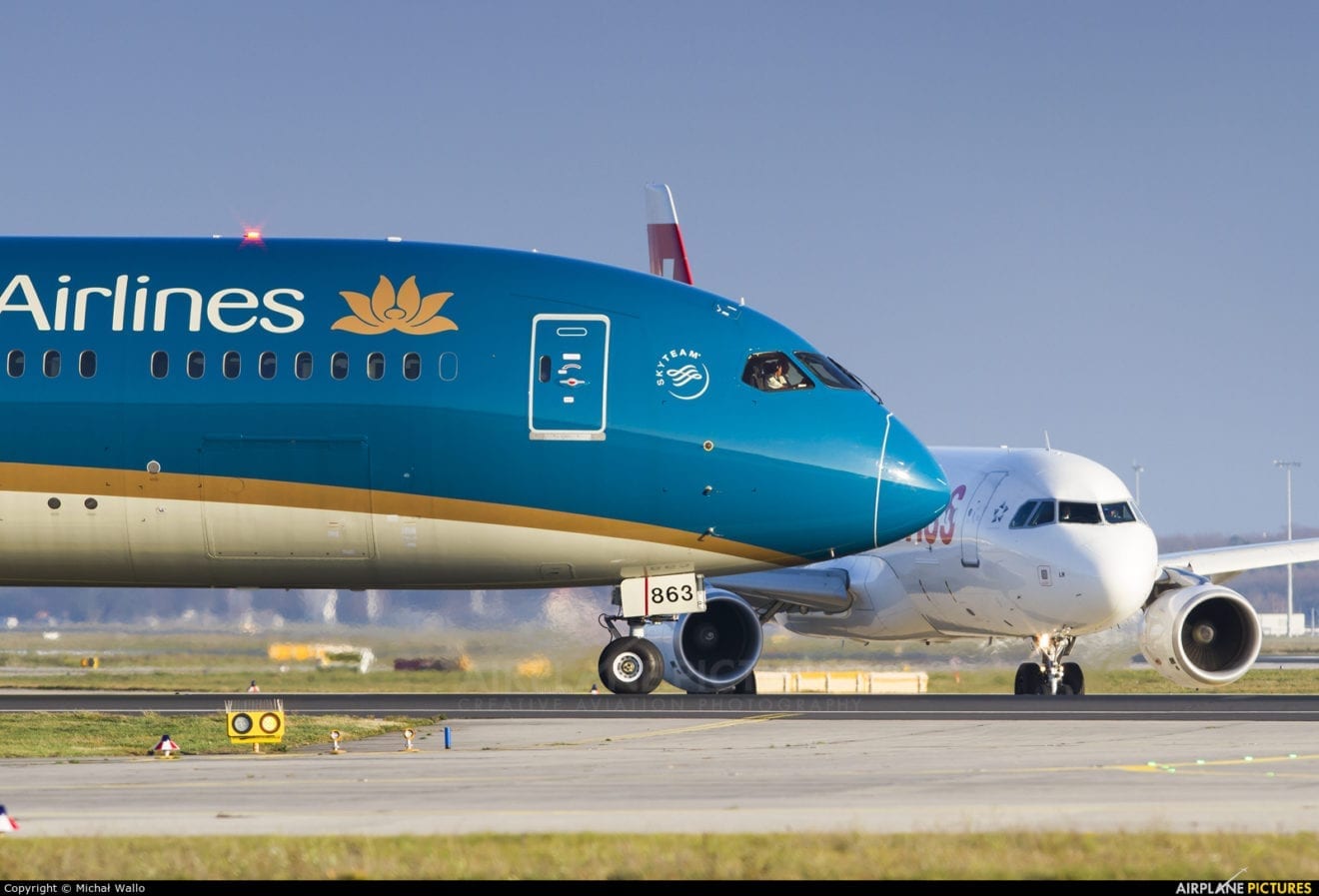
    Vietnam Airlines, with decades of experience in the industry, seems to be the most promising candidate to secure these permits, while Bamboo Airways, having operated for only two years, might face stiff challenges in proving its capability to conduct such long direct flights, he told VnExpress International.

    Last September, national flag carrier Vietnam Airlines had became the first Vietnamese airline to secure permits from the U.S. Department of Transportation for direct flights to the U.S.

    The airline last month received licenses from the Civil Aviation Authority of Vietnam (CAAV) to operate the Airbus A350 aircraft to the U.S. It had already acquired a permit for the Boeing 787.

    Last year, Vietnam Airlines conducted over 20 charter flights between the two countries.

    But, for regular flights, various permits are needed from the Federal Aviation Administration (FAA), the Transportation Security Administration (TSA) and the U.S. Customs and Border Protection (CBP).

    The TSA is one of the toughest obstacles with its stringent requirements. It will send experts to examine Vietnamese airports before proceeding further.

    A CAAV official told local media that the current fleet of Vietnam Airlines and Bamboo Airways with their Boeing 787-9 and the Airbus 350 won’t be able to fly directly to the U.S. at full capacity (over 300 seats).

    For long direct flights, the Boeing 777x and Airbus A350-1000 are needed, but the two carries do not own such jets, he said.

    Apart from concerns over technical challenges, experts have also questioned the profitability of Vietnam-U.S. direct flights.

    Vietnam Airlines CEO Le Hong Ha said the carrier might have to bear a loss of $30-50 million a year in the first five years of operating direct Vietnam-U.S. flights.

    Bamboo Airways chairman Trinh Van Quyet had earlier calculated that the airline could earn VND8 billion ($346,700) a month from direct flights with return ticket prices of around $1,300.

    But it is difficult to confirm those figures, especially as U.S. airlines, such as United Airlines and Delta Air Lines have launched and suspended direct flights to Vietnam after making losses, Tong said.

    There are currently no direct routes between the two countries, and passengers have to transit through Hong Kong, South Korea or Taiwan, taking 18-21 hours in all. A direct flight would shorten the travel time to 15-17 hours.

    Tong also said that with the ongoing Covid-19 pandemic it is unclear when a regular direct route will be established.

    Americans are among the top foreign visitors to Vietnam, with 687,226 arrivals in 2019, and an ethnic Vietnamese population of over 2.1 million in the U.S. is also expected to be a steady source of travel demand.