Tag: Vietnam

  • Sun Group lures Vietnamese talents by investing in working environment

    Sun Group lures Vietnamese talents by investing in working environment

    With a dynamic and far-reaching recruitment strategy, Sun Group offers employees a work-life balance and opportunities through sustainable and community-oriented projects.

    Over 14 years, Sun Group has developed iconic landmarks in Vietnam, including unique resorts, world-class entertainment complexes, and real estate ecosystems.

    Sun Group has created its own organizational culture, continually attracting and retaining young, dynamic, and highly sought-after talent in Vietnam. It seeks to hire and train highly qualified and principled individuals.

    The group has sought out talents in Vietnam since the beginning. To attract and retain top talent, it offers not only competitive salaries but also a forward-thinking and positive working environment, where employees can develop their careers and benefit from international labor standards.

    “We invest in the well-being of employees, making sure they always feel valued and happy to be part of such a dynamic team. A positive, high-energy and friendly workplace would inspire personnel to do their best,” a Sun Group representative said.

    To handle work pressure, Sun Group creates a work-life balance at the office. It offers wellness programs, sports events, on-site gym facilities, even smoking cessation programs to promote healthy lifestyles.z

    Sun Group strives to take care of its employees in the same way a family would. For employees working far from home, the company provides accommodation, on-site childcare facilities, and transit services.

    Charity programs like Sunflower Fund and Warm Spring support the poor and disadvantaged. “We empower them to be the best version of themselves, boosting creativity as a work culture while retaining a sense of homeliness and togetherness,” the representative said.

    “Sun Group contributes to the sustainable recovery of Vietnam’s tourism industry amid Covid-19, and minimizes the impact of the crisis on its employees by implementing flexible policy solutions toward ‘the new normal’.”

    By launching campaigns like Go Green, No Plastic Waste, Stop Smoking, Live Happily – Live Healthily, Sun Talents and Change for Future, it aims to spread the message of sustainable and healthier living.

    Despite operations being severely affected by Covid-19, Sun Group still strives to contribute to the sustainable recovery of Vietnam’s tourism industry, and its actions continue to minimize the impact of the crisis on its employees.

    During a challenging time, the company swiftly acted, implementing plans and offering flexible policies to help employees adjust to the ‘new normal’. Sun Group also rolled out various cultural and social media activities to encourage a positive spirit across communities and maintain employee morale.

    Responding to the Covid-19 impact on global tourism, the group introduced exciting products and services to boost the industry while supporting the government to eliminate this disease.

    Developed by Sun Group, Van Don International Airport has welcomed thousands of flights over the past year, welcoming Vietnamese returning home from countries affected by the pandemic.

    In central Vietnam, Sun Group set up Tien Son field hospital in just three and a half days to treat Covid-19 patients. A team of Sun Group professionals was dispatched to Chi Linh Town, Hai Duong, hotspot of a recent outbreak, to support field hospital construction.

    “The outbreak came just two weeks before Tet (Lunar New Year), an occasion for family reunions, so I feel a little bittersweet about this outstanding effort. At Sun Group, we all wished to make a contribution in the hope of controlling infections in Hai Duong, so people could welcome the new year safely and happily. It was nothing compared to the ceaseless efforts being made by the doctors, nurses and soldiers on the frontline, who have been battling to contain and eliminate the virus,” said Pham Hoang Tuan, Project Manager in Capital Region of Sun Group.

    A Sun Group representative said: “Creating positive working environment, caring for employees as family and inspired them to make a difference… all of these are the reason to explain why Sun Group has consistently been identified as one of the best companies and one of the leading employers in Vietnam.”

    In 2020, the group received the “Top 5 Real Esate Companies”, “Top 100 Vietnam Best Places to Work 2020” and “Top 50 for Vietnam’s Most Attractive Employers 2020” awards.

    Sun Group was named on the “Top 10 Excellent Companies with Responsive Human Capital Initiative” list, a prestigious award in the field of human resources.


  • Australian firm seeks patent for Vietnam rice variety

    Australian firm seeks patent for Vietnam rice variety

    An Australian firm has sought a patent for Vietnamese rice varieties ST25 and ST24.

    According to intellectual property authority, IP Australia, T&L Global Foods Supply PTY LTD on April 22 sought to register ‘Rice; Best Rice of the World’ trademarks for the two varieties.

    It is the sixth company internationally – the other five are in the U.S. – to seek to appropriate ST25.

    Both were developed in Vietnam by farmer-scientist Ho Quang Cua, with ST25 going on to win the first prize in the 2019 World’s Best Rice Contest held in the Philippines and ST24 the second prize in the 2017 contest in Macau.

    Ngan Tran, director of Maygust Trademark Attorneys in the Australian capital Canberra, said it takes three to four months to carry out checks for patent registration.

    If an application meets all the requirements, the IP agency would issue a notice accepting the trademark and disclose the information enabling anyone with an objection to file within two months, she explained.

    If there is no objection, the patent would be granted, she said.

    Of the five applications for ST25 submitted to the United States Patent and Trademark Office (USPTO), only the one by I&T Enterprise Inc. has crossed the first stage.

    The Vietnam Trade Office in the U.S. is helping a Vietnamese company fight I&T.

    The USPTO is set to publish the application by I&T on May 4, and Cua and his son’s company need to file an objection by June 4.

    Several ministries are assisting Cua’s company, which has also hired a law firm.

  • Fraudulent digital apps stalk, rob Vietnamese netizens

    Fraudulent digital apps stalk, rob Vietnamese netizens

    Investment platforms offering quick, handsome profits are mushrooming in Vietnam as fraudsters look to take advantage of gullible social media users.

    Over 700 reports have recently been filed with HCMC police by thousands who have been tricked by smartphone app Coolcat. The extent of fraud is estimated at VND200 billion ($8.7 million), the police said.

    This is just one of many apps that have made their appearance in Vietnam recently, aiming to trick investors with promises of quick and easy profits.

    Over 160 investors this month claimed to have been tricked by Bounty, a website that rewards users with money if they interact with online vendors on social media, such as liking a post on Facebook or subscribing to a YouTube channel. There are 10 levels of users, and users up their levels by putting in more money, which will allow them to complete tasks with higher profits.

    Ngoc, an investor, was able to gain VND1.4 million ($61) in just a few days, so she decided to invest a total of VND194 million in the platform and invited others to join.

    But on April 24, Bounty investors started to leave the groups and stopped posting on social media; and three days later, the website interface was changed from Vietnamese to Chinese.

    Another platform, Lifeshop, allows users to make money by placing fake orders on online shopping websites. By placing 12 orders a user can make VND25,000, but he or she can make more by spending money to advance to higher levels.

    Similarly, an app called Lucky Money offers commissions of 1-5 percent for each task a user completes, without providing any information about the company behind it.

    Hatching eggs apparently can make money too, with the app TamaGo promising 5 percent interest in just eight hours if investors put in a sum of money to “hatch” a digital egg.

    Promoters of the app say it is developed in Singapore and is being welcomed in Japan and South Korea, but offer no statistics or other evidence.

    “You will never lose,” they assert.

    Dinh Trong Thinh, senior lecturer at the Academy of Finance in Hanoi, said that many investors are drawn to this kind of investment because they think they can withdraw early without making losses.

    This business is not regulated in Vietnam and investors have to engage in them at their own risk, he said.

    Early birds might make some money with these platforms, but later investors will likely lose, he added.

    Ngo Tan Vu Khanh, a faculty member of University of Economics Ho Chi Minh City, said that creating an app is very easy these days. Whenever a suspicious app crashes, another will replace it. Developers can even make several such apps with some adjustments of users interface to lure new investors in, he said.

    Until there is a legal framework to regulate such apps, users should not invest in them as the chance of losing money is very high, he added.

  • Panasonic stops producing TVs in Vietnam

    Panasonic stops producing TVs in Vietnam

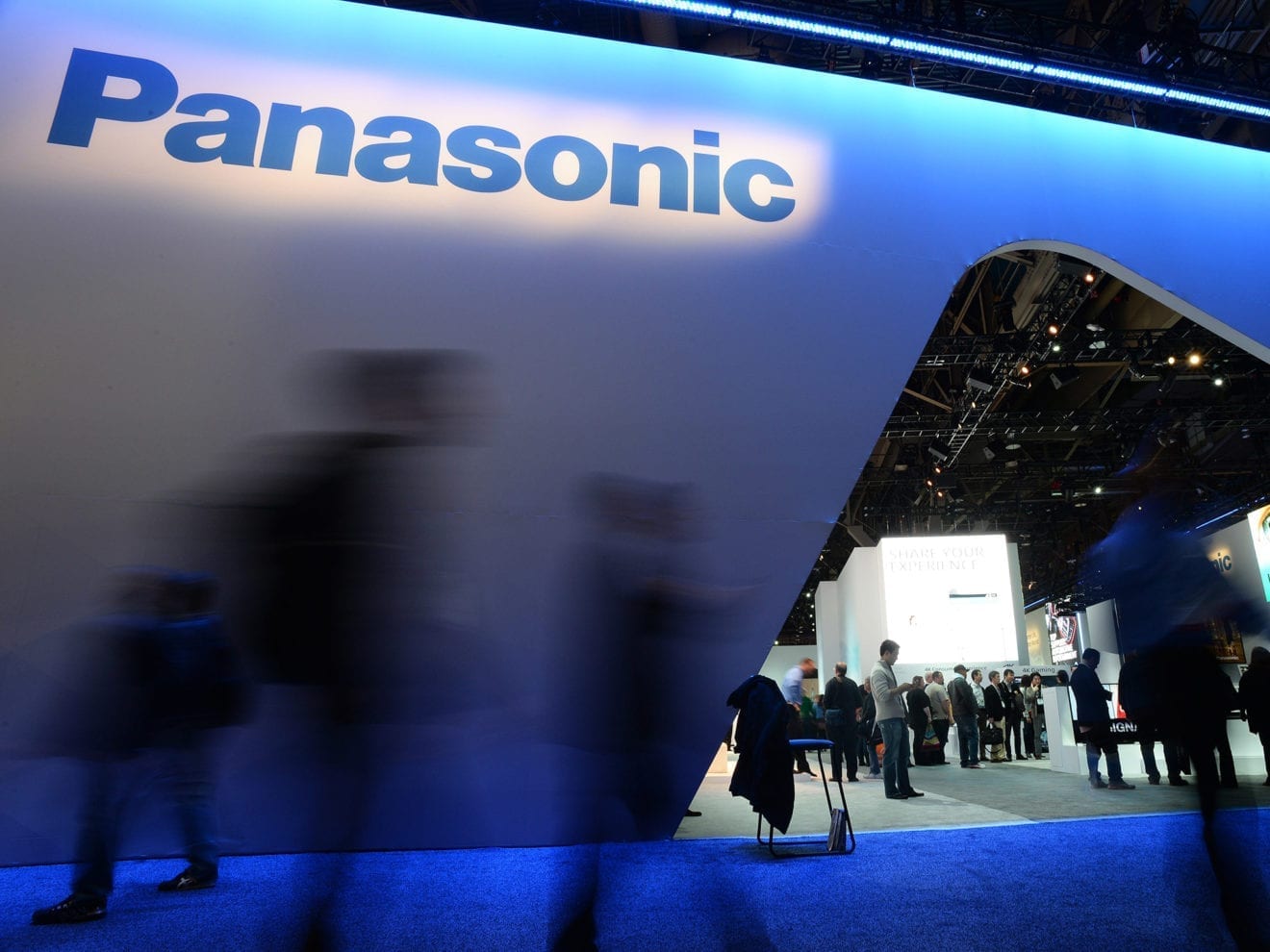
    Japanese electronics giant Panasonic will end TV production in Vietnam and India by the end of fiscal 2021.

    Panasonic decided to negotiate with Chinese rival TCL, the world’s third-largest TV maker, to handle its outsource production, after considering many major manufacturers.

    It said the development of low-end TVs, which have low margins, will be outsourced to cut costs.

    The company has followed other leading Japanese brands in scaling down TV production – an area formerly a major competitive advantage for the country’s electronics industry. Panasonic will continue to produce its own high-end TVs, mainly for sale in Japan. However, the company will also consider consolidating or shrinking production locations at home and abroad.

    “Panasonic’s TV business has been struggling due to fierce competition from Chinese and South Korean rivals.”

    Panasonic used to hold 10 percent of the global TV market share but gradually lost its appeal when low-cost competitors from China appeared. Previously, Panasonic withdrew from the plasma TV segment and discontinued production in the U.S. and China.

    According to British research firm Omdia, by 2020, Panasonic ranked 12th worldwide in TV shipments with a 1.8 percent market share.

    Sales and production of TVs account for less than 10 percent of Panasonic’s total revenue. This segment was profitable in the fiscal year ending March 2021 thanks to strong development of the domestic market.

    However, the company soon found the opportunity to earn long-term profits from TVs is no longer stable. They were forced to restructure their businesses, similar to many other Japanese brands.

    Previously, in 2012, Japanese electronics firm Hitachi terminated its domestic TV production and sold its entire brand in 2018. That same year, Japan’s electronics maker Toshiba also sold all of its TV assets to China’s electronics maker Hisense Group. Meanwhile, Sony has restructured its business model by reducing sales channels and some inefficient product lines.

    Panasonic annually sells about six million TVs worldwide.

    In Vietnam, Panasonic has eight companies, including Panasonic System Networks Vietnam in Hanoi which specializes in products for the export market like phones, projectors, and others, and refrigerator and washing machine factories, an R&D center scattered across different locations, from Hanoi to central Da Nang and southern Ho Chi Minh, Can Tho cities.

  • Vietnamese studio bags $1 mln funding for new blockchain game

    Vietnamese studio bags $1 mln funding for new blockchain game

    Vietnamese game studio Topebox and its blockchain partner KardiaChain have raised $1 million for an upcoming blockchain game called My DeFi Pet.

    The investors include Shanghai-based venture capital firms Axia8 Ventures, OKEx Blockdream Ventures, and the venture capital fund of cryptocurrency exchange OKEx in Hong Kong. Vietnam-based venture capitalist Megala Ventures and Chinese game developer Animoca Brands have also pitched in.

    Based in HCMC, Topebox is the developer of hit games like Pocket Army, Sky Dancer: Free Falling, and King Rivals. It had bagged $1 million in the seed funding round from Singapore’s mobile game publisher Habby in April last year.

    My DeFi Pet is its first blockchain gaming project, which is set to launch globally in mid-May. The game will include decentralized finance (DeFi) and non-fungible token (NFT) features. NFT is a unit of data stored on blockchain that certifies a digital asset to be unique and therefore not interchangeable.

    Accordingly, players can earn tokens while playing the game, get rewards by participating in the game’s events and make profit from selling in-game characters.

    The Topebox developer team includes experienced game producers from Vietnam’s gaming giant VNG and leading global mobile video games developer Gameloft.

    It aims to have it business appraised and valued at $150 million in the next 3-5 years.

    Before My DeFi Pet, Vietnam had developed another blockchain game called Axie Infinity, released in 2018. It was developed by Vietnamese game developer Sky Marvis and was the first blockchain game developed in Southeast Asia.

  • Honey exports set for anti-dumping probe in US

    Honey exports set for anti-dumping probe in US

    The U.S. Department of Commerce has received demands for anti-dumping investigations into honey imported from Argentina, Brazil, India, Ukraine, and Vietnam.

    According to the Trade Remedies Authority of Vietnam, for the first time ever the country’s honey products face the risk of being investigated for trade remedies in the U.S.

    The complainants are the American Honey Producers Association and the Sioux Honey Association, who have listed 12 Vietnamese firms in the petition and calculated the dumping margin at 207.08 percent.

    They want the anti-dumping investigations to be done for the period from October 1 last year to March 31 this year, and want damage investigation done from the beginning of 2018.

    Data from U.S. customs shows Vietnam exported 50,700 tons of honey products in 2020, or 25.8 percent of that country’s total honey imports.

    The DOC will decide whether to launch an investigation within 20 days.

    The U.S. International Trade Commission is reviewing the two associations’ lawsuits to assess the damage done to the U.S. honey production industry.

  • China cryptocurrency craze drives hard drive shortage in Vietnam

    China cryptocurrency craze drives hard drive shortage in Vietnam

    Large capacity hard drives are virtually out of stock in Vietnam because of a cryptocurrency mining craze in China.

    Customers and market observers say local people have been buying large-capacity hard drives in bulk and reselling them to the Chinese amidst a new mining craze for the Chia cryptocurrency in China.

    People who need to buy large space hard drives have commented on online groups for computer component buyers that they could not find any 6TB or larger-spaced hard drives, so they were having to buy smaller ones to merge into a large one.

    Hoang Lam, Subject Matter Expert of data storage company Seagate Vietnam said that Seagate’s 4TB hard drives have been out of stock since last month because “many of our customers bought the hard drives in bulk, from hundreds to thousands in one order, instead of a few units in one order as usual.”

    A computer component distributor in HCMC said that their hard drive sales surged by 50 percent last month despite prices rising 10-20 percent, and now the store is out of stock.

    Thanh Phong, a cryptocurrency miner and cryptocurrency mining gear seller, said the chokehold on large capacity hard drives supply in Vietnam was caused by the cryptocurrency mining boom for Chia in China.

    Chia is built around a cryptographic technique called Proof of Space and Time, which allows the cryptocurrency to be mined with unused storage space on hard drives rather unlike others like Bitcoin or Ethereum that use graphics cards. The more unused storage on the hard drive, the more Chia can be mined.

    Phong said that the Chia craze is yet to spread to Vietnam. Therefore, Vietnamese were buying hard drives in bulk to sell them to China.

    The Chinese miners have been stockpiling hard drives, preparing for Chia’s launch in May. As a result, hard drives with large capacities, from 4TB to 18 TB, have already been sold out on many Chinese e-commerce platforms.

    According to manmanbuy.com, a Chinese website that tracks and compares historical prices of products on China’s popular e-commerce platforms, the price of hard drives has surged 300 percent since the end of last year.

    Chia is the brainchild of Bram Cohen, the creator of BitTorrent, a peer-to-peer protocol that allows users to distribute data and electronic files over the Internet in a decentralized manner. Cohen created Chia in 2017 with the aim of making a cryptocurrency that consumes less energy and generates less carbon when mining, compared to Bitcoin or Ethereum.

  • Vietravel posts $3 mln loss in Q1

    Vietravel posts $3 mln loss in Q1

    Tourism company Vietravel has already posted a loss of VND72.8 billion ($3.15 million) this year, or 81 percent of the loss it suffered in the whole of last year.

    Revenues fell nearly 65 percent to VND277 billion as the Covid-19 outbreaks in the first quarter hit travel.

    Its accumulated losses as of the end of March were over VND102 billion, or higher than its equity.

    The company targets an increase of 411 percent in revenue to VND6.24 trillion this year and a pre-tax profit of VND10 billion.

    In the first quarter it spent nearly VND59 billion on its new carrier, Vietravel Airlines, which began operations at the end of last year.

  • European companies in Vietnam say confidence en route to pre-pandemic levels

    European companies in Vietnam say confidence en route to pre-pandemic levels

    The Business Climate Index of European companies in Vietnam has climbed back to near pre-pandemic levels amid the economic recovery.

    It rose 10.3 percentage points in the first quarter from the previous quarter to 73.9 percent, according to a survey released by the European Chamber of Commerce in Vietnam (EuroCham).

    This is the fourth straight quarterly increase since the index plunged to a historic low of 26.7 points in the first quarter of last year due to Covid-19.

    “The Business Climate Index confirms once again that Vietnam is open for business,” EuroCham Chairman Alain Cany said.

    While countries continue to struggle with the impact of Covid, Vietnam has ensured that companies could continue to operate as close to normal as possible, and this is driving the confidence of European business chiefs, he added.

    Sixty-seven percent of respondents said their business outlook for the second quarter is either “excellent” or “good”, up 12 percentage points from this quarter.

    Forty-one percent expected their payroll to expand in the second quarter.

    “The fact that more business leaders are anticipating a rise in their headcount and investment plans are a vote of confidence in Vietnam’s long-term prospects,” Thue Quist Thomasen, CEO of YouGov Vietnam, which conducted the survey, said.

    Over 60 percent of EuroCham members have benefited from the EU-Vietnam Free Trade Agreement since it came into effect in August last year.

  • Doors open wider for Vietnam exports to the US

    Doors open wider for Vietnam exports to the US

    A large demand for agricultural produce and electronics products as well as rising e-commerce potential give Vietnamese exporters greater opportunities in the U.S. market, experts say.

    The U.S. is a market with much potential for Vietnamese companies, especially as Vietnam has been able to keep the Covid-19 pandemic under control, said Nguyen Huu Tien, director of the HCMC Investment and Trade Promotion Centre.

    The U.S. was Vietnam’s largest export market in the first four months with the value of shipments surging 50 percent year-on-year to $30.3 billion.

    Top export categories included machinery and equipment, textile and garment, and computers and electronics.

    Last year, Vietnamese exports to the U.S. ranked third in Asia after China and Japan.

    Ken D. Duong, director of international law firm TDL, said that traditional categories such as agriculture produce and fisheries were posting strong figures despite the pandemic.

    U.S. companies have stopped purchasing some hardwood products from China and are looking for alternative markets, he said, adding that last year, many Vietnamese companies were able to take advantage of this and got large orders.

    Many Vietnamese-Americans are looking for suppliers in Vietnam to export products to the U.S., he added.

    There are a lot of opportunities for electronics export because a number of American and Taiwanese firms have established factories in Vietnam to research and develop internet of things products.

    “There are signals that indicate that Vietnam could become a hub for researching and manufacturing advanced tech products,” Duong said.

    Amazon Global Selling Wednesday announced a new campaign in partnership with the Vietnam e-Commerce and Digital Economy Agency (iDEA) that would help Vietnamese sellers sell more products on Amazon.

    But other experts said there were challenges that Vietnamese exporters face, such as trademarks. They cited the latest example of a Vietnamese rice brand, ST25, which won an international contest as the world’s best variety, being trademarked by a U.S. company.

    Duong said that usually it costs $1,000-1,800 to register a trademark in the U.S. Around 50 percent of mid-sized Vietnamese companies in the U.S. register their brand and the ratio is just 10 percent for small firms.

    Vietnamese suppliers need to understand U.S. regulations on intellectual property to step up in the global supply chain, he added.

    Dang Hoang Hai, head of the iDEA, said that as many Vietnamese sellers are reluctant to export their products to the U.S. via e-commerce, his organization will provide more training to help hundreds of small and medium companies sell their products on Amazon.

    Although there has been speculation about the U.S. rejoining the Comprehensive and Progressive Agreement for Trans-Pacific Partnership (CPTPP), U.S. officials have said that this would not happen in the short term.

    Mary Tarnowka, executive director of American Chamber of Commerce in Vietnam, cited a report by a Fulbright University professor to show that U.S. President Joe Biden will not consider signing another free trade agreement until the middle of his term.

  • Online concierge pharmacy platform POC raises $4.5 mln to improve services in Vietnam

    Online concierge pharmacy platform POC raises $4.5 mln to improve services in Vietnam

    Pharmacy Online Concierge Pharma has secured $4.5 million in an equity financing round to digitize pharmacies in Vietnam.

    Based in Vietnam and Hong Kong, the platform helps stakeholders such as pharmacies, drug manufacturers, distributors, wholesalers, and consumers to digitally manage their interactions.

    It raised the money from Picus Capital of Germany, Goat Capital and FJ Labs that of the U.S., Febe Ventures 500 Startups Vietnam of Singapore, and several unnamed angel investors. It is one of the biggest rounds at this stage in Vietnam.

    POC Pharma said it would use the money to improve its services in Vietnam, focusing on selling pharmaceutical products online first and then aiming to launch in more countries.

    Its services include trade programs and trade offers management, content and information sharing, data integration and visualization, customized customer engagement, multichannel commercialization, and order management. Established in 2020 by Thomas Miklavec and Charles Defrance, POC helps pharmacists manage all their processes, increasing revenues and profits while improving their quality of service.

    The startup said it has five global pharmaceutical company customers, including Bayer and Pfizer, and more than 20,000 pharmacies in 22 different markets use its platform.

  • Bamboo Airways hikes capital yet again

    Bamboo Airways hikes capital yet again

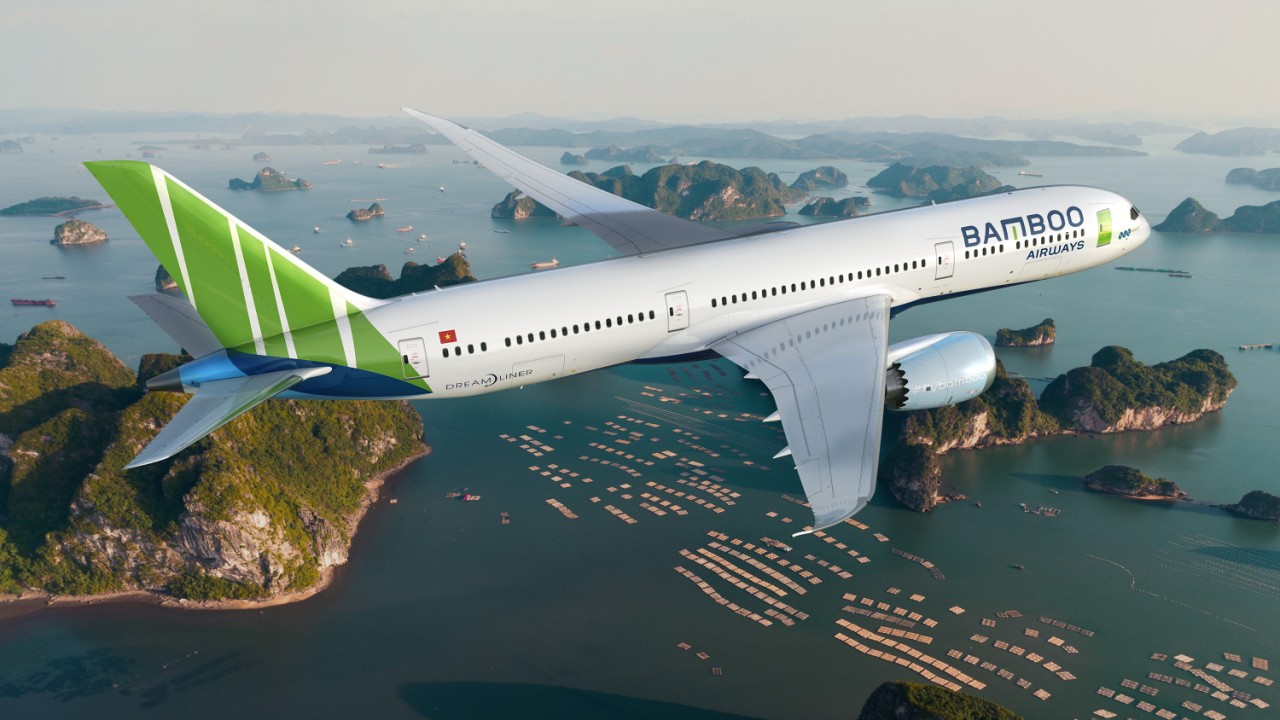
    Private carrier Bamboo Airways has increased its charter capital by 28 percent to VND16 trillion ($695 million), the highest in the industry.

    Since it was set up in May 2017 with a capital of VND700 billion, this is the airline’s seventh hike.

    Its chairman, Trinh Van Quyet, said this month the airline is considering an initial public offering of shares in the U.S. this year to raise $200 million.

    It is expected in the third quarter, with the company likely to offer a 5-7 percent stake.

    It also plans to expand its fleet from 30 aircraft to 40.

    Last year, Bamboo Airways carried over seven million passengers to account for a 20 percent market share, and hopes to increase it to 30 percent this year.

  • Habeco chairman blames low profit target on Covid-19

    Habeco chairman blames low profit target on Covid-19

    The chief of the company that produces Hanoi Beer, Habeco, expects sales to be hit badly by Covid-19 this year and profits to plummet to a decade low.

    The brewery targets post-tax profits of VND255 billion ($11 million), down 64 percent from last year.

    Its chairman Tran Dinh Thanh said a fresh outbreak of Covid-19 in January means tourism companies, hotels and restaurants continue to languish, directly causing a decrease in the sales of alcoholic beverages.

    The company’s revenues in the first quarter of this year were down 39.6 percent from the previous quarter to VND1.1 trillion ($48.5 million).

    Rising competition with many brewers introducing new products in the mid-priced market segment in which Habeco mainly operates is also a reason for falling sales, he said.

    “If the pandemic is contained this year, the company will definitely surpass the profit target.”

    It is striving to maintain its position as one of the biggest brewers in the northern and central regions, and working to expand its business in the south, he added.

    Last year, beer consumption fell 22.6 percent because of Covid-19 impacts as well as the impact of a law increasing fines for driving under the influence.

  • Vinhomes revenues double, but profits sharply down

    Vinhomes revenues double, but profits sharply down

    Property giant Vinhomes reported a 99 percent year-on-year rise in first-quarter revenues to VND12.9 trillion ($564.6 million).

    But pre-tax profits were down 30 percent to VND7 trillion due to rising selling expenses.

    At the end of last year, the company had claimed to have 16,800 hectares of lands for residential and commercial projects.

    It recently received approval from the government to develop the Dai An urban area in the northern province of Hung Yen, which will spread over 294 hectares, cost VND32.6 trillion and be completed in 2027.

    It plans to complete and hand over three other urban areas this year, one in Hung Yen and two in Hanoi.

  • VietinBank Securities expects surge in profits

    VietinBank Securities expects surge in profits

    VietinBank Securities targets pre-tax profits of VND180 billion ($7.8 million) this year, up 20 percent from 2020, as the stock market continues to rise.

    The company secured a $30-million loan from a consortium of four Taiwanese banks in March and another $60 million from Korea’s Woori Bank and Taiwan’s Fubon Bank and Cathay United Bank a month later.

    It is its highest profit target since 2017, with CEO Tran Phuc Vinh explaining that the low deposit interest rates which are diverting funds into the stock market, and the increasing number of new investors are the factors for the optimism.

    The loans provide it with funds for margin financing and investing in corporate bonds and certificates of deposit, Vinh said.

    It reported a 20 percent rise in revenues to VND610 billion last year and an 8 percent increase in pre-tax profits to VND151 billion.

    Vietnam’s benchmark VN-Index has risen 10.5 percent from the end of last year to 1,219.75 points Tuesday. Brokerage FPT Securities forecast that VN-Index could hit 1,351-1,400 points this year.

    The stock market saw nearly 258,000 new trading accounts opened in the first quarter, accounting for 65 percent of the figure recorded in 2020 as a whole, according to the Vietnam Securities Depository (VSD).

    This took the total number of accounts to nearly 3.02 million as of last month, equivalent to 2.8 percent of Vietnam’s population.