Tag: Vietnam

  • Vietnam among WeWork’s top markets in Southeast Asia

    Vietnam among WeWork’s top markets in Southeast Asia

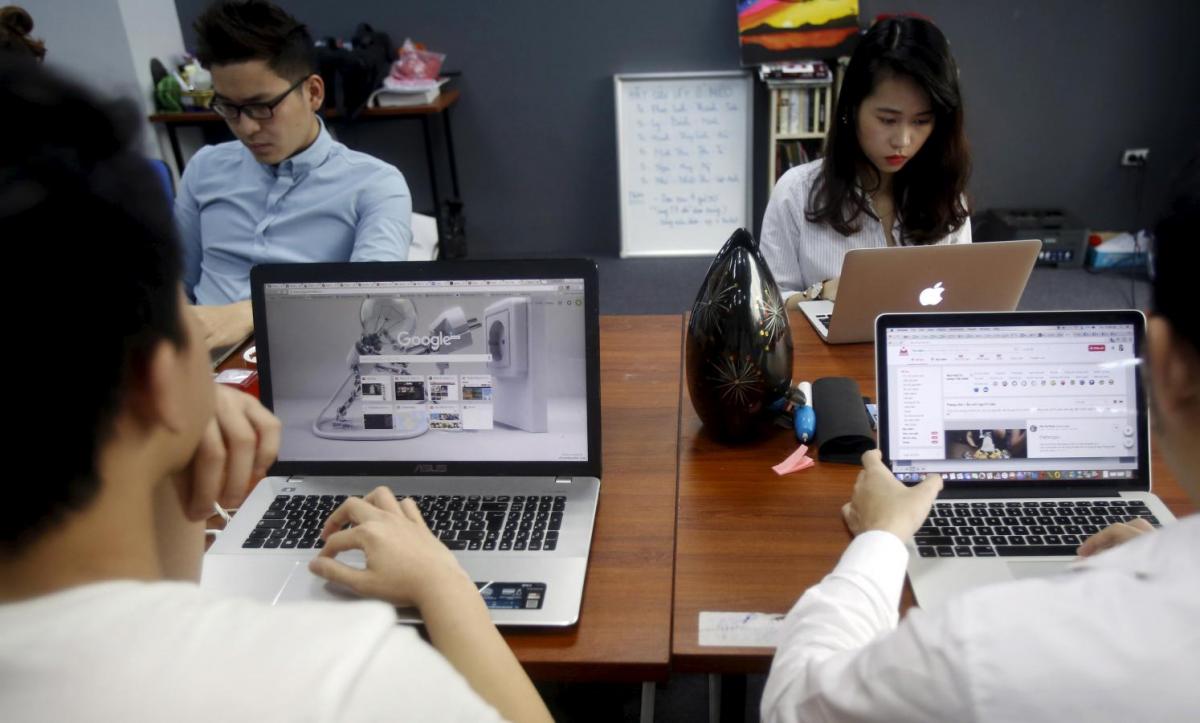
    Vietnam is among the top countries in Southeast Asia for coworking space provider WeWork, growing by 8 percent since early last year.

    Most of its customers in the country are in technology, pharmaceuticals, and manufacturing, while financial organizations are among the new ones, Elizabeth Laws Fuller, WeWork’s head of growth in Southeast Asia said.

    It entered Vietnam in 2018 and now has two locations in Ho Chi Minh City out of its 30 in Southeast Asia.

    Vietnam is seeing rising demand for coworking space.

    A recent survey by WeWork and market research firm International Data Corporation found that 80 percent of companies plan to use coworking space in the next three years.

    Another reason for the improving figures in Vietnam is its success in containing the Covid-19 pandemic and sustaining economic growth, Fuller said.

    Many global corporations have been investing or expanding in Vietnam in recent years, and they have a demand for flexible workspace, she said.

    The pandemic has changed companies’ perception of coworking space, and in the long term customers would not be only small and medium-sized players but also large companies, she added.
  • Restaurant chain operator Golden Gate’s profit plummets

    Restaurant chain operator Golden Gate’s profit plummets

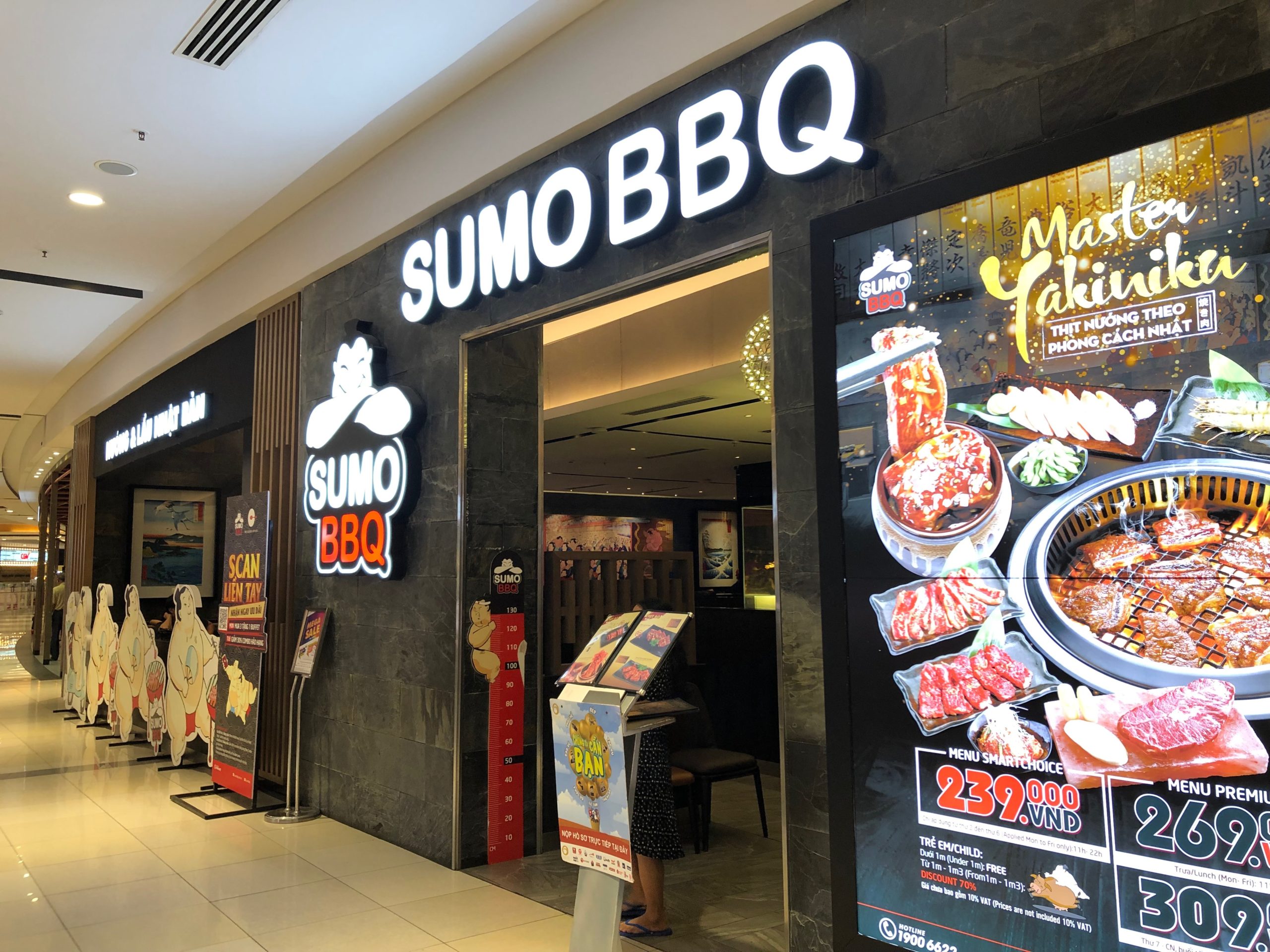
    Restaurant chain operator Golden Gate saw its post-tax profit plunge 79.8 percent year-on-year to VND65 billion ($2.8 million) in 2020.

    It posted VND4.5 trillion in revenue, down 5 percent year-on-year, according to its financial statement.

    Golden Gate attributed the plunge in profits to the Covid-19 pandemic, which forced the company to temporarily close all of its restaurants in March and April last year as the country underwent social distancing.

    It had to cut expenses and implement food delivery services. A total of 18 of its restaurants were shut down last year.

    By the end of 2020, its total assets and liabilities were valued at VND2.3 trillion and VND1.1 trillion, respectively.

    Golden Gate was founded in 2005 with its first restaurant in Hanoi, the Ashima mushroom hotpot restaurant. It currently runs over 400 restaurants under 21 brands nationwide, with over 4,000 employees.

  • Citigroup to exit consumer banking in Vietnam

    Citigroup to exit consumer banking in Vietnam

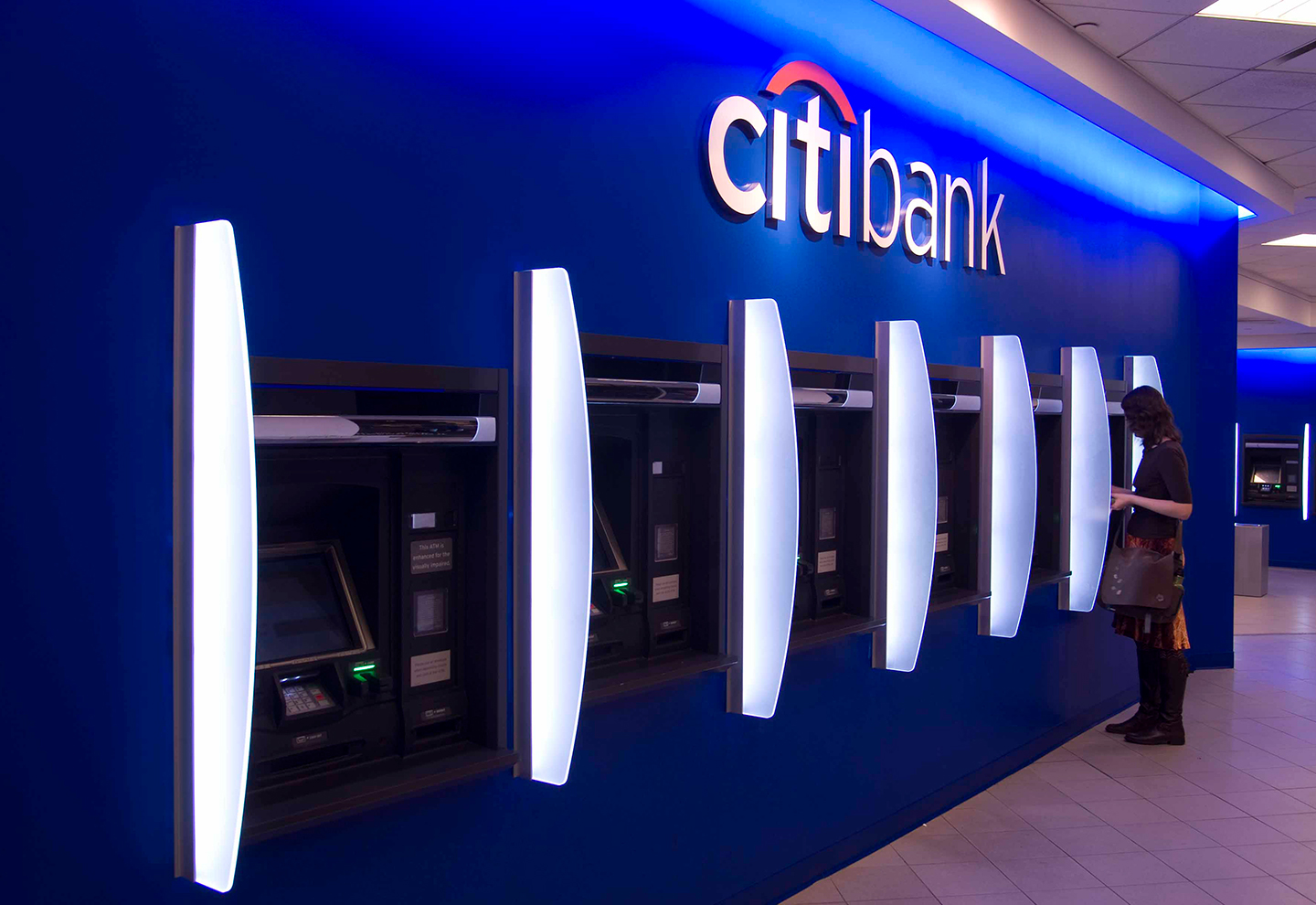
    America’s Citigroup will exit 13 international consumer banking markets, including Vietnam, to shift its focus to four wealth centers.

    The move is part of the bank’s strategic decision to direct investments and resources to businesses with the greatest scale and growth potential, it stated, adding its main markets will include Singapore, Hong Kong, the United Arab Emirates and London.

    Apart from Vietnam, 12 other markets to be affected are Australia, Bahrain, China, India, Indonesia, South Korea, Malaysia, the Philippines, Poland, Russia, Taiwan and Thailand.

    “While the other 13 markets have excellent businesses, we don’t have the scale we need to compete. We believe our capital, investment dollars and other resources are better deployed against higher returning opportunities in wealth management and our institutional businesses in Asia.”

    The bank has not specified when it would leave Vietnam.

    Citigroup in 1994 became the first U.S. financial institution licensed to open a branch in Hanoi. It opened its second branch in Ho Chi Minh City in 1998.

  • Used automobile import quotas fail to attract interest

    Used automobile import quotas fail to attract interest

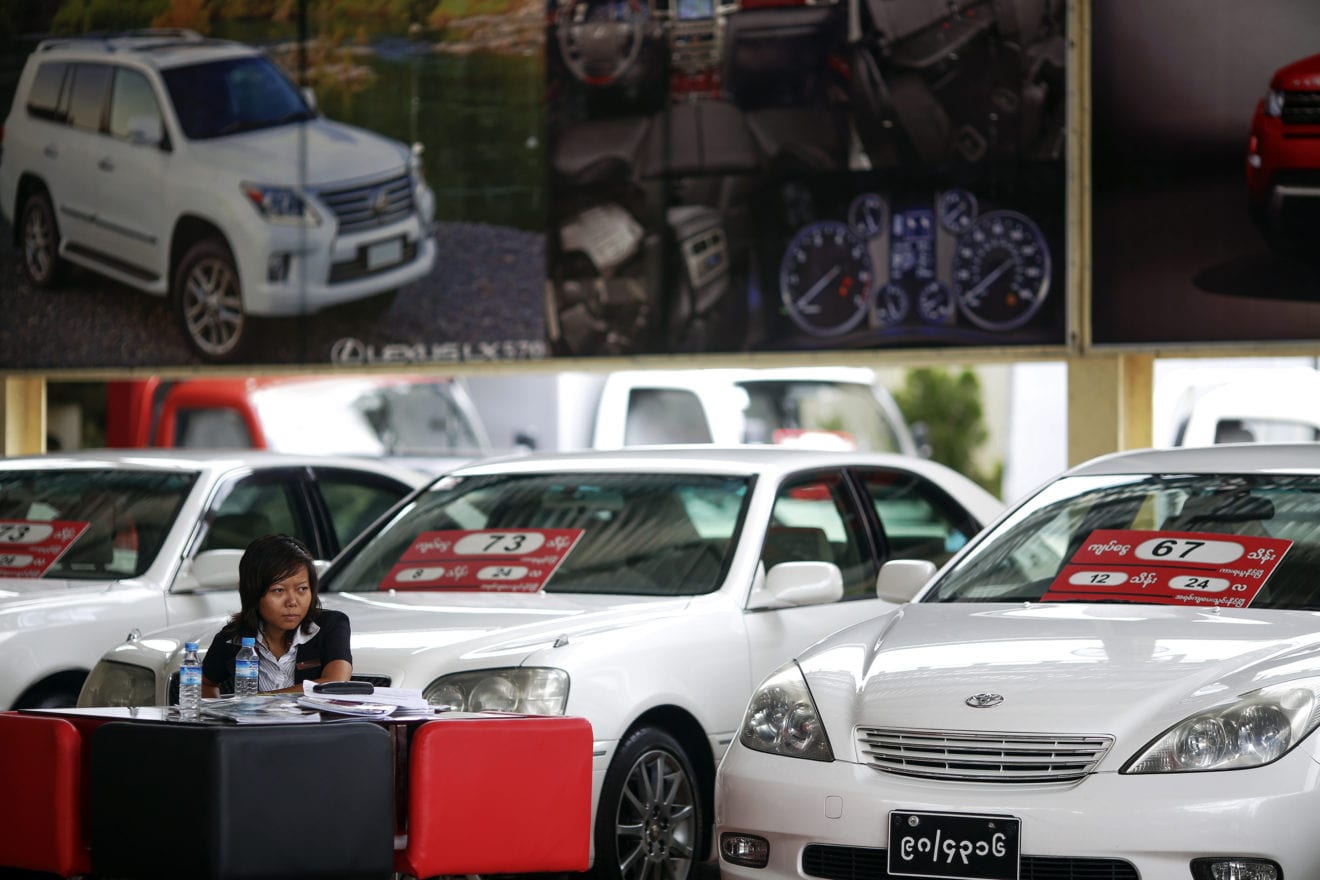
    The auction of import quotas for used cars at low tariffs under a free trade deal has been canceled after it failed to attract interest.

    Under the Comprehensive and Progressive Agreement for Trans-Pacific Partnership, a certain number of used cars can be imported annually, and the Ministry of Industry and Trade auctions the right to import them.

    This year, the quota was for 72 vehicles, and the deadline for bidding was March 31, but no bids were received for them.

    The auction was first held last year, and two importers won the quota for 66 cars.

    According to a car dealership, enterprises are not interested in bidding since they have to comply with stringent import regulations.
    “Car dealerships prefer buying cars that are manufactured locally since the procedures are a lot less complicated.”

    The annual quota will increase to 150 by 2034. The ministry said the auction would continue to be held next year.

  • US removes Vietnam from currency manipulator list

    US removes Vietnam from currency manipulator list

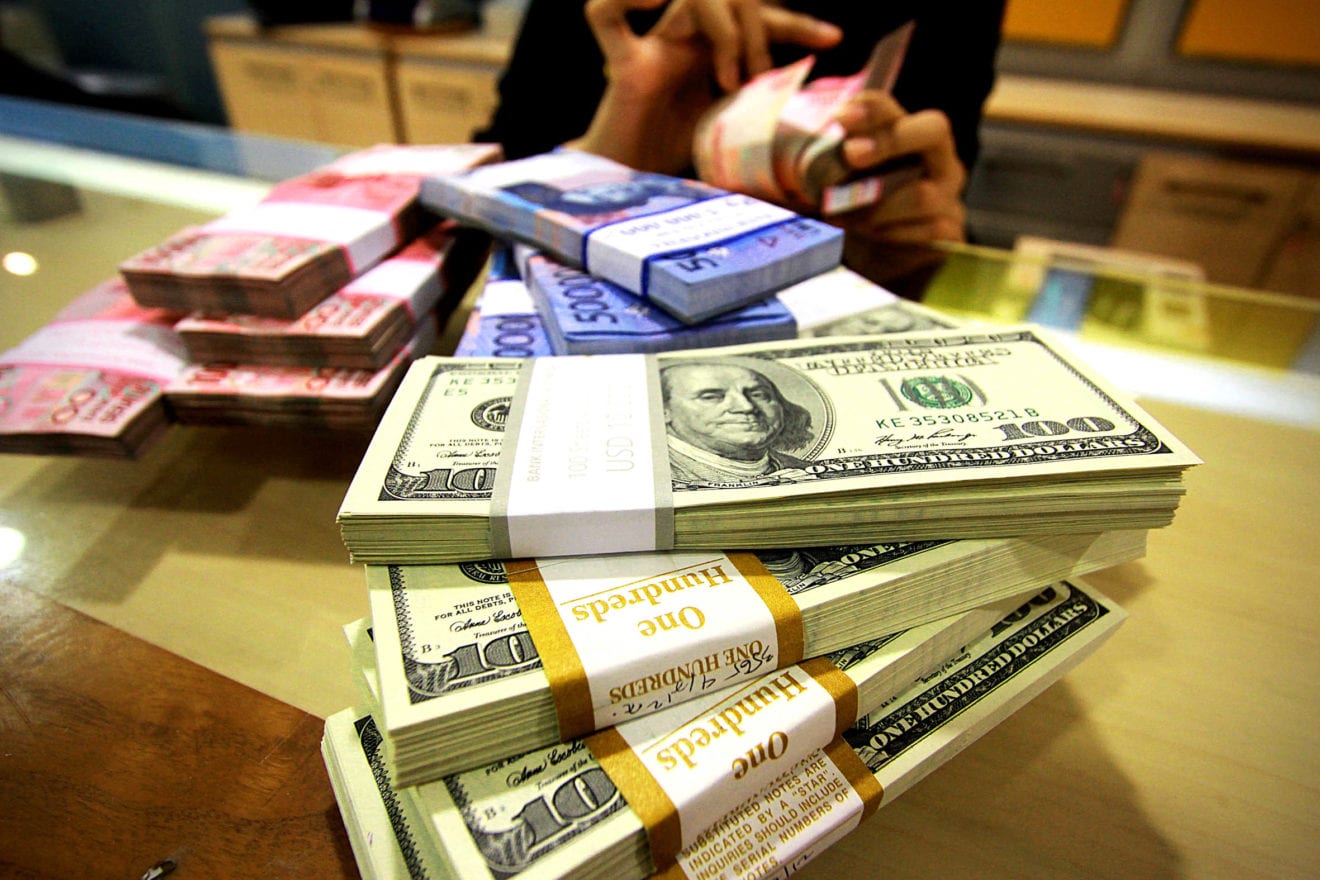
    The U.S. has removed Vietnam from the list of economies it considers currency manipulators, reversing a decision made by the Trump administration in December.

    Its Treasury Department said Friday that no economy currently meets the U.S.’s criteria to be labeled manipulators, but warned that Vietnam, Switzerland, and Taiwan would be under enhanced monitoring.

    There is insufficient evidence to conclude they are manipulating their exchange rates.

    A country is labeled a currency manipulator if it sells its currency and buys U.S. dollars to depreciate the former to benefit its exports.

    “For calendar year 2020, we have not made a finding regarding the manipulation designation,” a department official told reporters.

    Vietnam had last December rejected the U.S.’s currency manipulator allegations, reiterating that its monetary policies do not target unfair trade advantages and that it would continue to work with the U.S. to ensure a “harmonious and fair” trade relationship.

    The State Bank of Vietnam (SBV) said Saturday that Vietnam’s monetary policies in recent years have only sought to control inflation and ensure economic stability, and not derive unfair trade advantages.

    It said it has been working to increase exchange rate flexibility, resulting in improvements in the foreign currency market, and these efforts have been acknowledged by the U.S. Treasury Department.

    Vietnam would continue to work with the U.S. to ensure a harmonious and fair trade relationship, it said.

    Truong Van Phuoc, former chairman of the National Financial Supervisory Commission, said that the U.S. Treasury’s lifting of the label could make Vietnam more confident in its trade and monetary policies.

  • Vietnam’s largest wind power plant enters operation

    Vietnam’s largest wind power plant enters operation

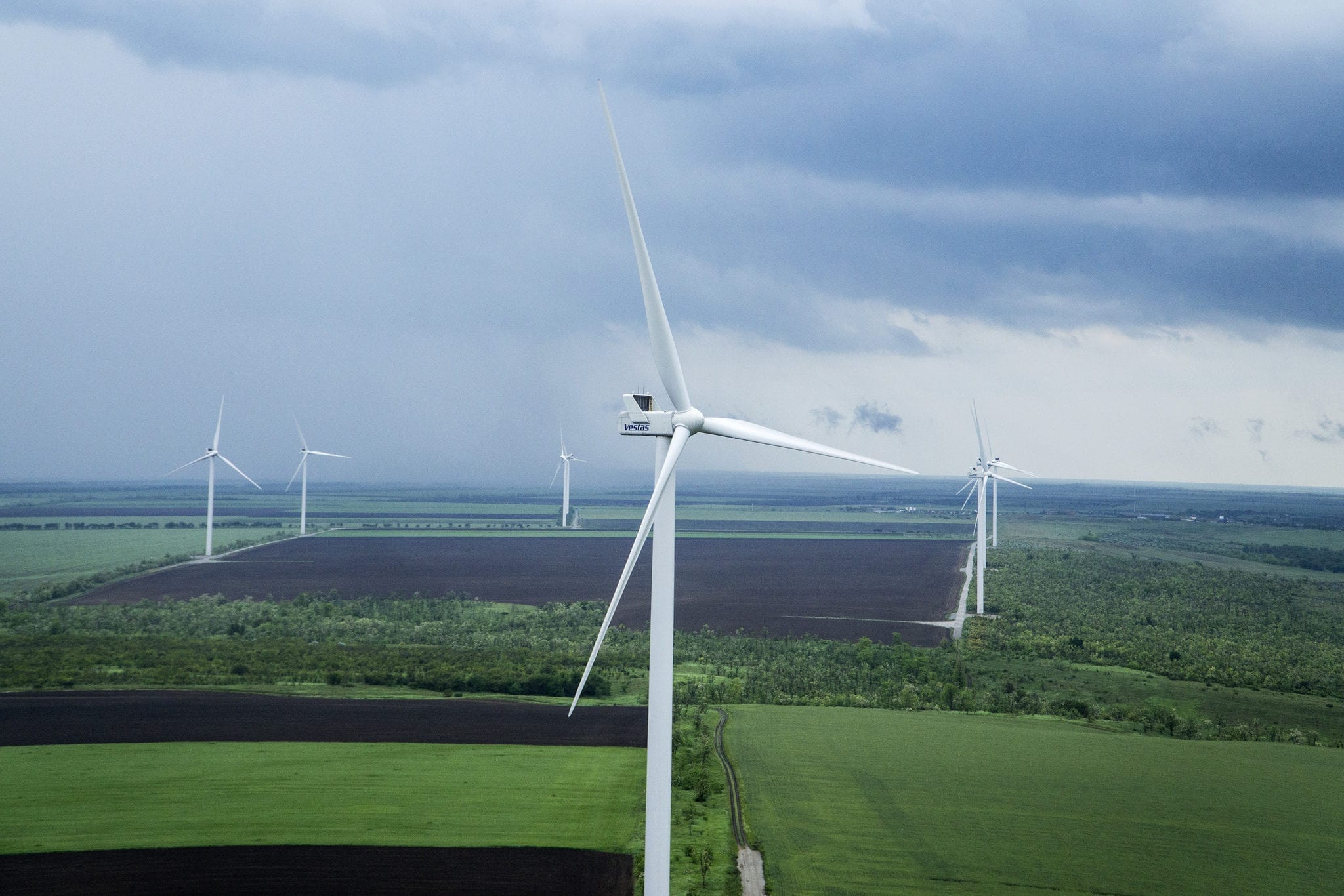
    HCMC-based energy firm Trungnam Group Friday has put its wind power plant in central Ninh Thuan Province into operation, considered the country’s largest to date.

    The plant, which spreads over an area of 900 hectares in Thuan Bac District, has 45 turbines with a total capacity of 151.95 megawatts that costs VND4 trillion ($173.4 million), the Government portal reported.

    The wind power plant is combined with a 204 MW solar power plant to form the solar-wind farm complex considered the largest in Southeast Asia. The complex will supply a total 950 million kWh per year for the country’s grid.

    The private energy company has added a total 1,064 MW to the national grid comprising hydropower, solar and wind power. It plans to have a renewable output of nearly 10,000 MW by 2027.

    Tran Quoc Nam, chairman of Ninh Thuan, said the province is now taking the lead with 32 solar power projects with a total capacity of 2,257 MW, and three wind power projects with an accumulative capacity of 329 MW.

    Vietnam has great potential for renewable energy with its long coastline and 2,700 hours of sunshine a year on average.

    Solar power currently accounts for just 0.01 percent of the country’s total power output, but the government plans to increase the ratio to 3.3 percent by 2030 and 20 percent by 2050.

    Vietnam aims to produce 10.7 percent of its electricity from renewable energy sources by 2030, mainly through solar and wind power projects.

  • Bamboo Airways plans US IPO in Q3

    Bamboo Airways plans US IPO in Q3

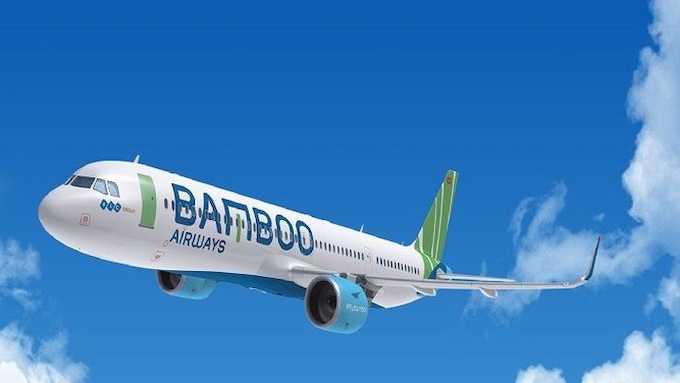
    Private carrier Bamboo Airways is considering an initial public offering of shares in the U.S. this year to raise $200 million.

    The IPO is expected to take place in the third quarter, with the company likely to offer a 5-7 percent stake to secure a market capitalization of up to $4 billion, quoted its chairman, Trinh Van Quyet, as saying on Wednesday.

    It is preparing for the issuance together with an international auditing firm and plans to list on the New York Stock Exchange.

    Last month, Quyet had announced the airlines’ plans to list 105 million shares on either the Ho Chi Minh Stock Exchange or Hanoi Stock Exchange at an initial price of VND60,000 ($2.61), but on Wednesday he said that has now become “a backup plan.”

    “The US IPO will be part of our efforts to expand our services globally.”

    It expected to operate charter flights to the U.S. from July this year and thrice-weekly commercial flights from HCMC to San Francisco from September.

    The airline has received a permit from the U.S. Department of Transportation to carry passengers and cargo to that country.

    This year it also plans to expand its fleet from 30 aircraft to 40, and launch flights to other new destinations like Australia, Germany, Japan, and the U.K. if the Covid-19 pandemic is under control.

    It currently flies on 60 domestic routes.

    Last year, it carried over seven million passengers to account for a 20 percent market share, and hopes to increase it to 30 percent this year.

  • Vietnam eyes $4 bln in shrimp exports

    Vietnam eyes $4 bln in shrimp exports

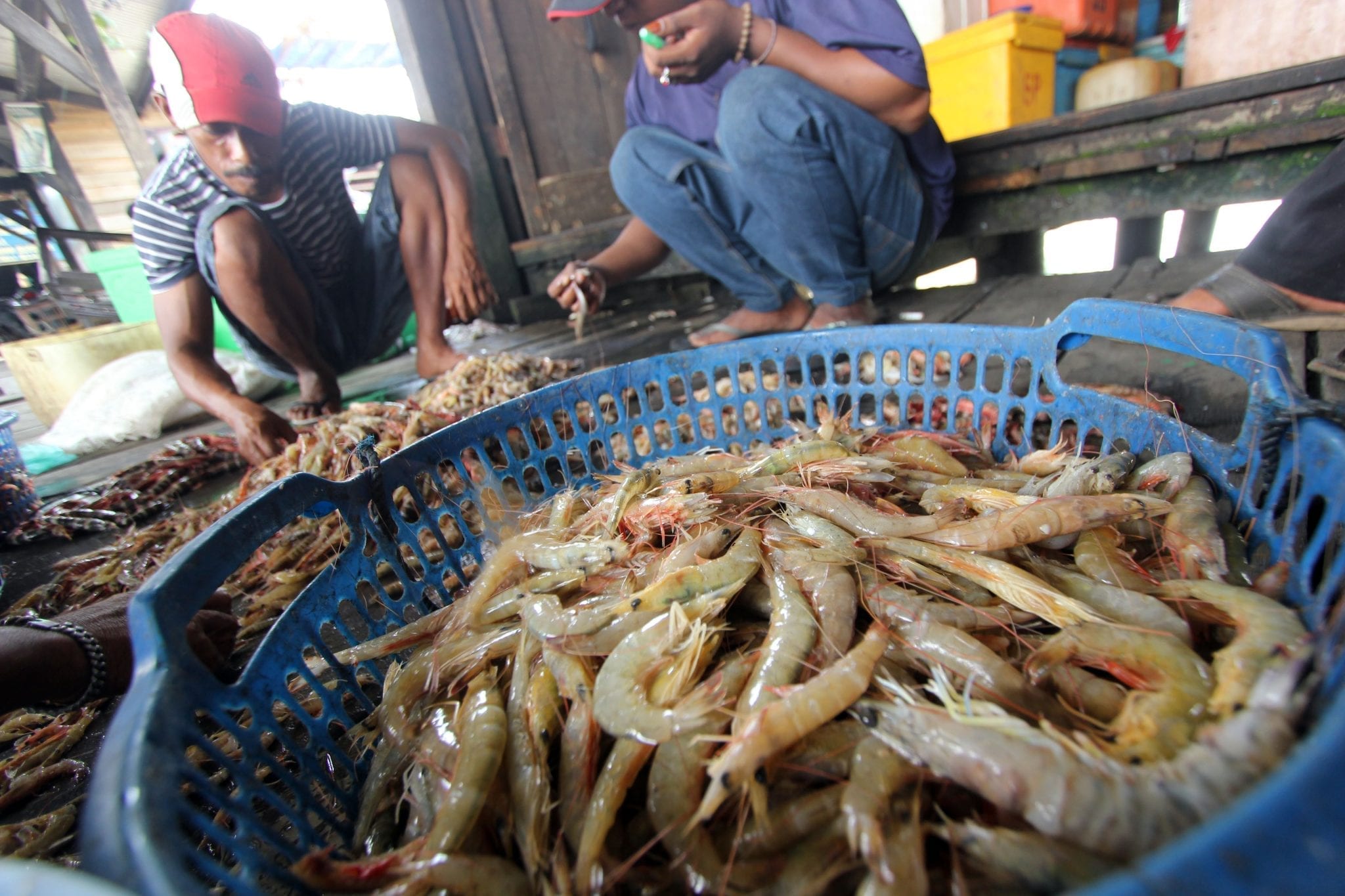
    Vietnam targets a 5 percent increase in shrimp exports this year to $4 billion.

    It also targets output of 930,000 tons and having 740,000 hectares of shrimp farms, said Tran Dinh Luan, director of the Directorate of Fisheries, said at the VietShrimp Aquaculture International Fair in Can Tho City on Wednesday.

    He expected Vietnam to become the world’s biggest producer of farmed shrimp by 2045 with an output of four million tons and a 25 percent global market share.

    Now there are 200,000 hectares of high-tech shrimp farms, 95 percent of them in the Mekong provinces of Bac Lieu and Soc Trang, mostly belonging to foreign companies.

    Shrimp exports face difficulties since costs have risen by 20 percent due to a 200-500 percent jump in transport costs, Luan said, pointing out that shipping a container of shrimp to Europe has increased from $1,500 to $6,500, and even $7,500.

    Last year, shrimp exports were up 11.7 percent to $3.8 billion, and output had been 900,000 tons.

  • Vietnam Railways pleads for government funding as staff remain unpaid

    Vietnam Railways pleads for government funding as staff remain unpaid

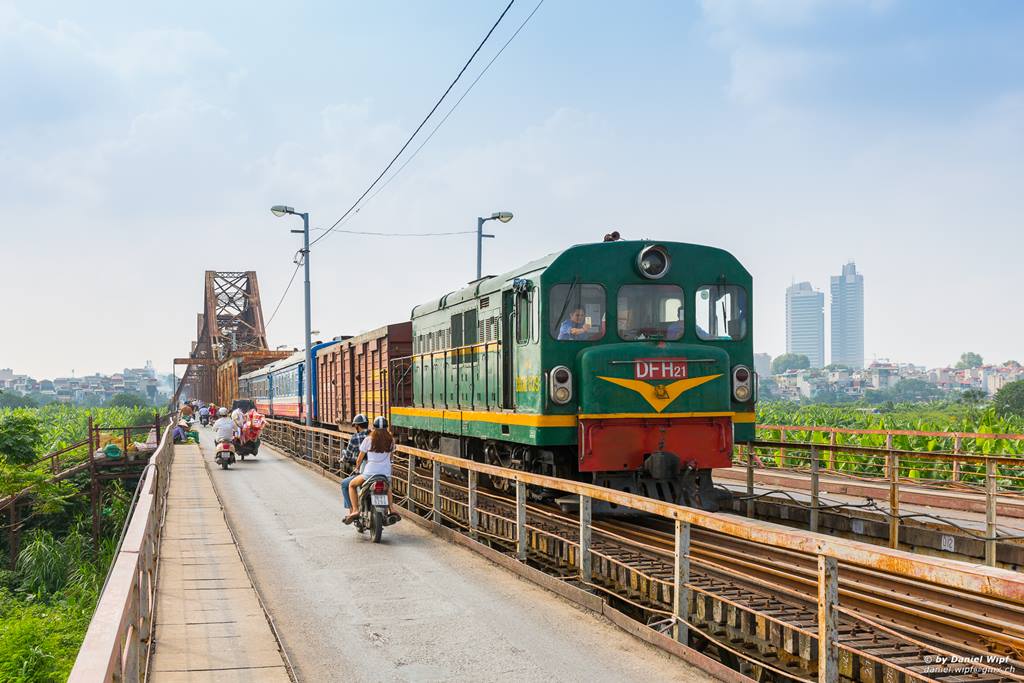
    Vietnam Railways owes its 11,300 workers four months’ salaries due to a funding delay by the government, and fears this could cause many to quit.

    It reminded the government that it was supposed to receive VND2.8 trillion ($121.3 million) at the beginning of this year, but has not, forcing it to pay minimum compensation to staff.

    Vu Anh Minh, its chairman, said the delay could cause barrier operators at grade crossings and patrol staff to quit since they have the lowest incomes.

    “The issue has pushed the company to the end of its road. We might not survive until the end of this month.”

    This is not the first time VNR has been forced to beseech the government for funding. Last year too it owed its staff salary for months but managed to survive that crisis.

    The problem can be tracked to a dispute between two government agencies. Last year VNR became one of 19 state-owned companies whose oversight passed to the Commission for the Management of State Capital at Enterprises (CMSC), an entity that manages the government’s $43 billion investment in various companies.

    The CMSC refused to provide funds, saying maintenance workers should be paid by the Ministry of Transport since it controls the maintenance and infrastructure budget.

    But the ministry cannot provide funds to any entity it does not manage.

    A temporary solution was agreed upon last year and the transport ministry provided the needed sum of VND2.5 trillion.

    But there has been no decision yet on whether the same thing will happen this year, leaving VNR and its staff in the lurch.

    VNR wants the government to provide the money through the CMSC.

  • Buy2Sell Vietnam adds new stores in HCMC

    Buy2Sell Vietnam adds new stores in HCMC

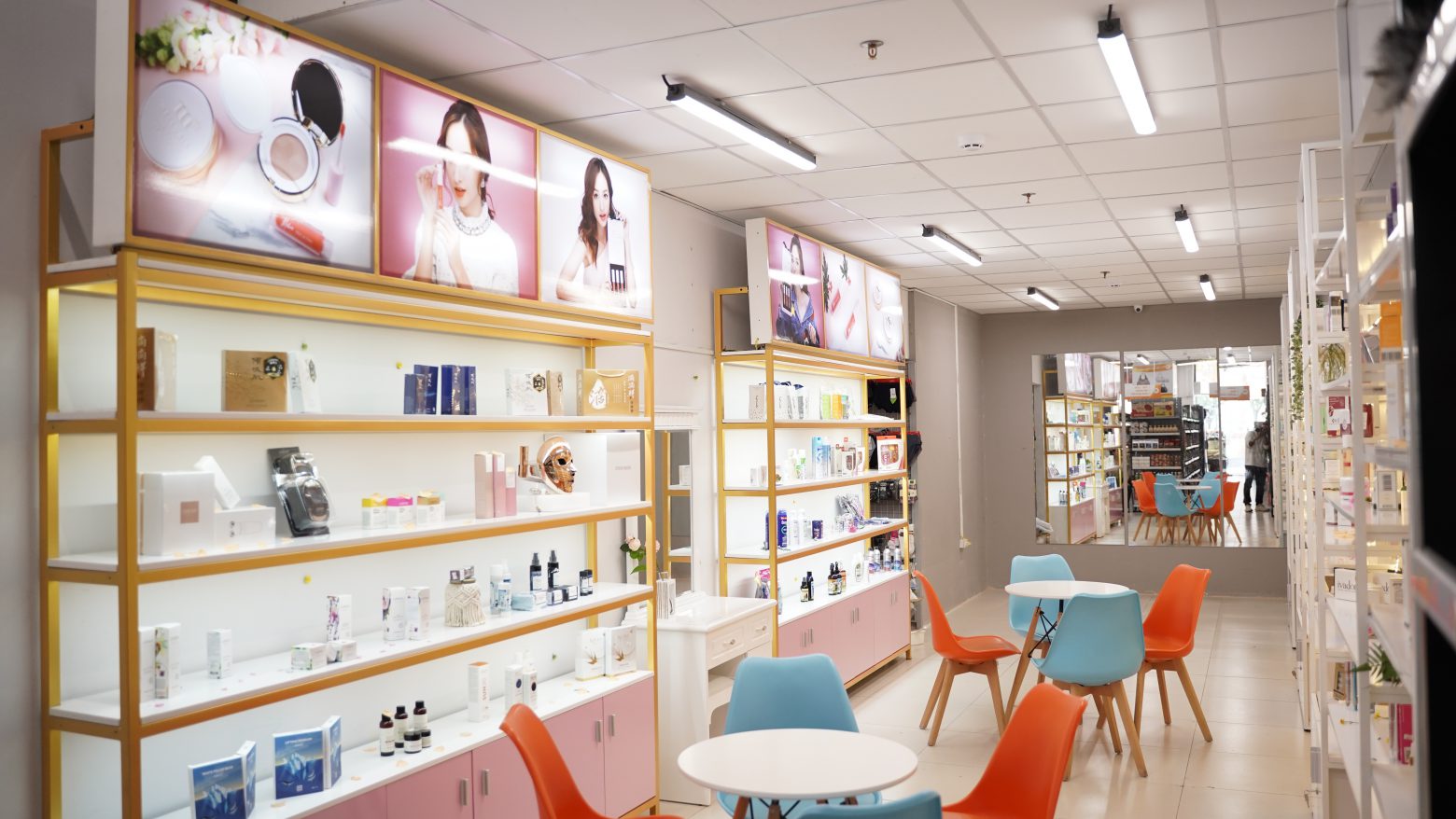
    The B2B e-commerce platform’s newly opened stores are located in two of the most crowded shopping locations in Ho Chi Minh City, Lotte Mart and SC VivoCity Shopping Mall.

    Buy2Sell has launched a cosmetics store at Lotte Mart Vietnam, offering attractive choices and new selections of high-end cosmetic brands from Europe, South Korea, and the U.S.

    “Buy2Sell will continue to act as a strategic partner of Lotte Vietnam, distributing goods and developing a brand identity for foreign companies through Lotte Mart’s distribution system for a long time, broader coverage,” a Buy2Sell representative said.

    Lotte Mart is a retail brand of South Korea’s Lotte Group, a major supermarket chain in Asia. It now runs 46 stores in Indonesia, 14 in Vietnam and 123 in South Korea.

    On March 24, Buy2Sell continued to open a new store in SC Vivo City, specializing in a wide range of unique international appliances, accessories, gifts, food, and beverage, electronics and pet products.

    SC Vivo City is an all-in-one destination with five floors, offering the latest fashion products, hypermarkets, movie theaters, restaurants, entertainment, education and lifestyle brands. The shopping mall covers a total of 62,000 square meters.

    Since 2015, Buy2Sell Vietnam has distributed a diverse range of branded goods to the medium and high-end Vietnamese market.

    The company has signed distribution agreements with thousands of international suppliers and distributed over 200,000 items, including cosmetics, food and beverage, fashion, household appliances, pharmaceuticals and electronics items, imported from over 60 countries around the world.

  • ABBank seeks to hike capital through rights issuances of shares

    ABBank seeks to hike capital through rights issuances of shares

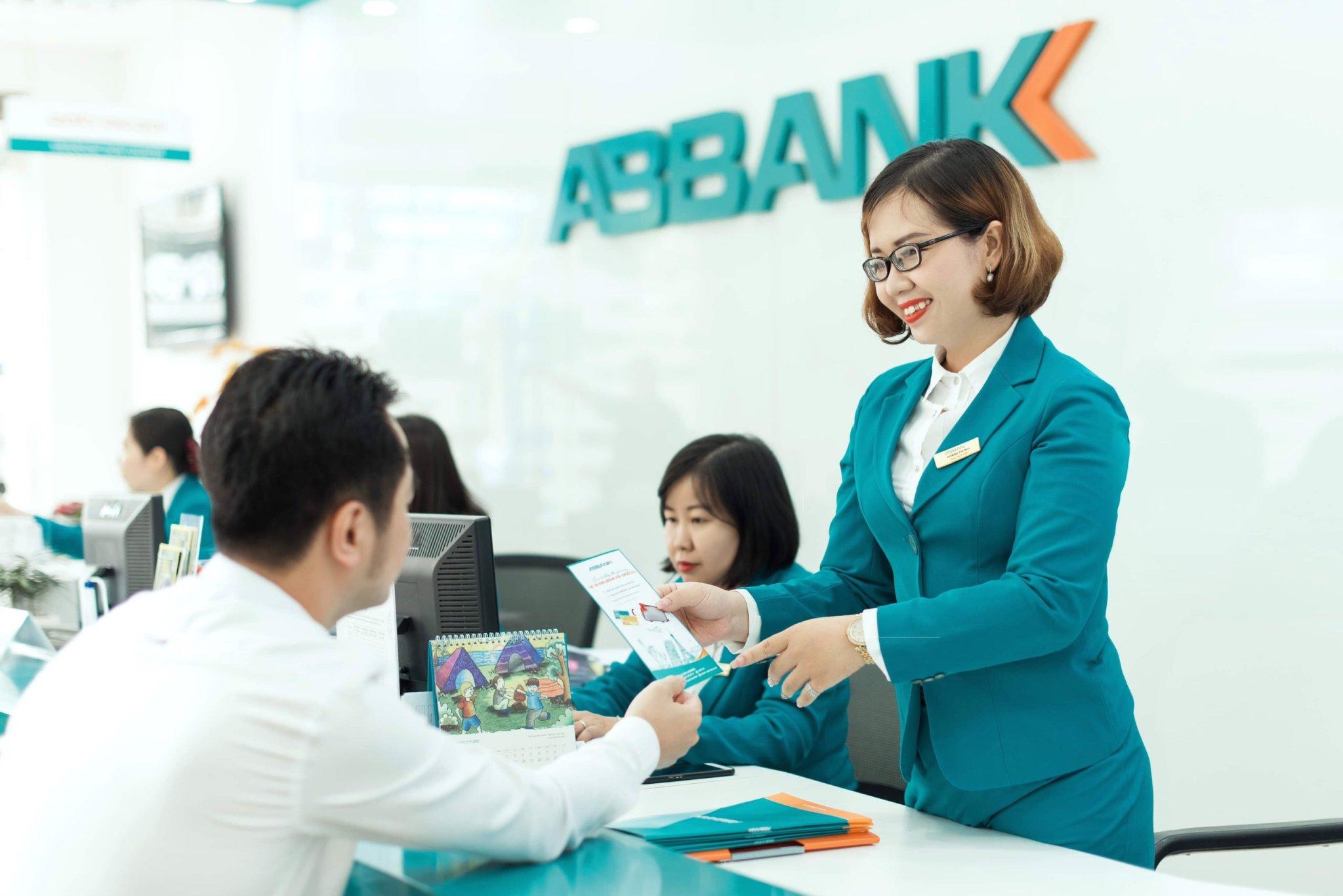
    ABBank plans to increase its charter capital by 65 percent to VND9.4 trillion ($407 million) through rights issuances of shares to existing shareholders.

    There will be two issuances, one each in the second and third quarters of this year, the Hanoi-based lender said in a plan it outlined to shareholders.

    The bank, established in 1993, plans to use the money raised for expansion and ensuring capital adequacy.

    It targets increasing pre-tax profits by 44 percent this year to VND1.97 trillion. It achieved 10 percent profit growth last year.

  • Hanoi Beer producer profits to slump to 10-year low

    Hanoi Beer producer profits to slump to 10-year low

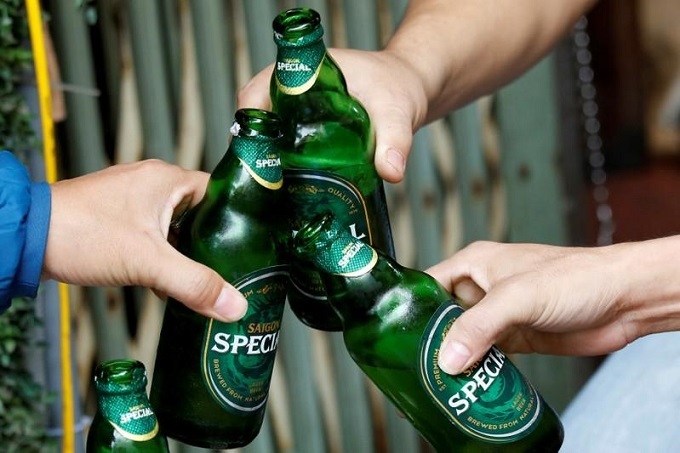
    The producer of Hanoi Beer expects sales to be badly hit by the Covid-19 pandemic this year and profits to fall to a 10-year low as a result.

    The Hanoi Beer Alcohol and Beverage Jsc forecast post-tax profits of VND255 billion ($11 million), down 59 percent from 2020.

    Habeco said in a report that tourism companies, hotels, and restaurants continue to suffer due to Covid-19, and this would directly cause a decrease in consumption of alcoholic beverages.

    Another difficulty it cited was the rising competition with many brewers introducing new products in the popular market segment in which Habeco mainly operates.

    But it said it would strive to maintain its position as one of the biggest brewers in the northern and central regions.

  • Thailand’s top coffee chain to expand in Vietnam

    Thailand’s top coffee chain to expand in Vietnam

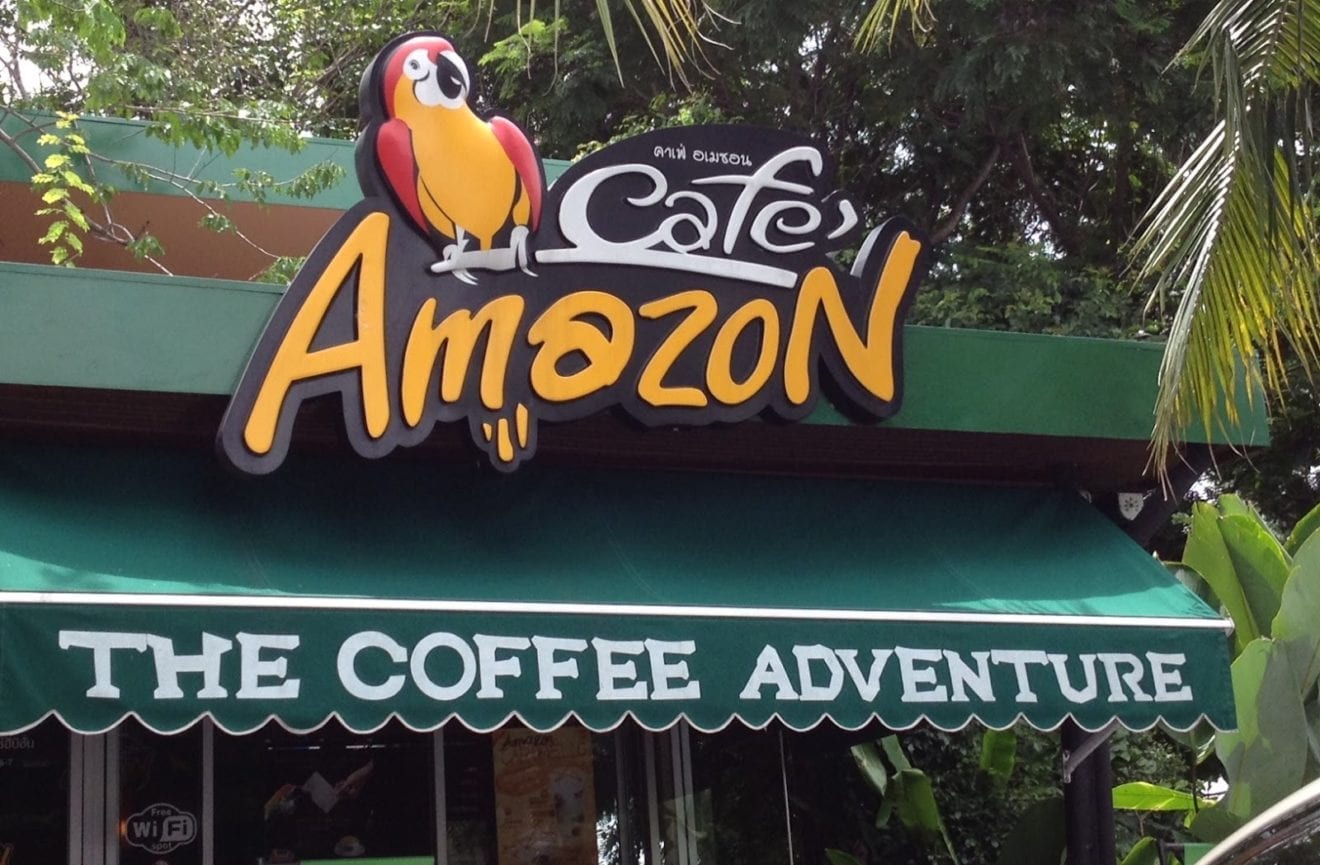
    Thailand’s leading coffee chain Café Amazon plans to expand in Vietnam after five months of establishment in the country.

    A spokesperson said recently the chain sees long-term potential in Vietnam and will expand in Ho Chi Minh City and neighboring provinces this year, but did not reveal specific figures.

    The chain opened its first outlet in southern Ben Tre Province last October, and later two in Tien Giang Province and Tra Vinh Province in December, all in Go! Supermarkets operated by Thai giant Central Retail.

    It also opened in December an outlet in HCMC.

    Thailand’s Central Group owns 40 percent of Café Amazon Vietnam, while the remainder belongs to another Thai fuel distributor PTT Oil and Retail Business.

    Café Amazon has over 3,000 stores in 10 countries.

    In Vietnam, it will have to compete with long-established domestic players like Highlands, Phuc Long, The Coffee House and Trung Nguyen.

    The market in the past has seen the withdrawal of foreign brands like NYDC – New York Dessert Café and Gloria Jean’s Coffees.

  • Kumho Tire eyes expansion of Vietnam plant

    Kumho Tire eyes expansion of Vietnam plant

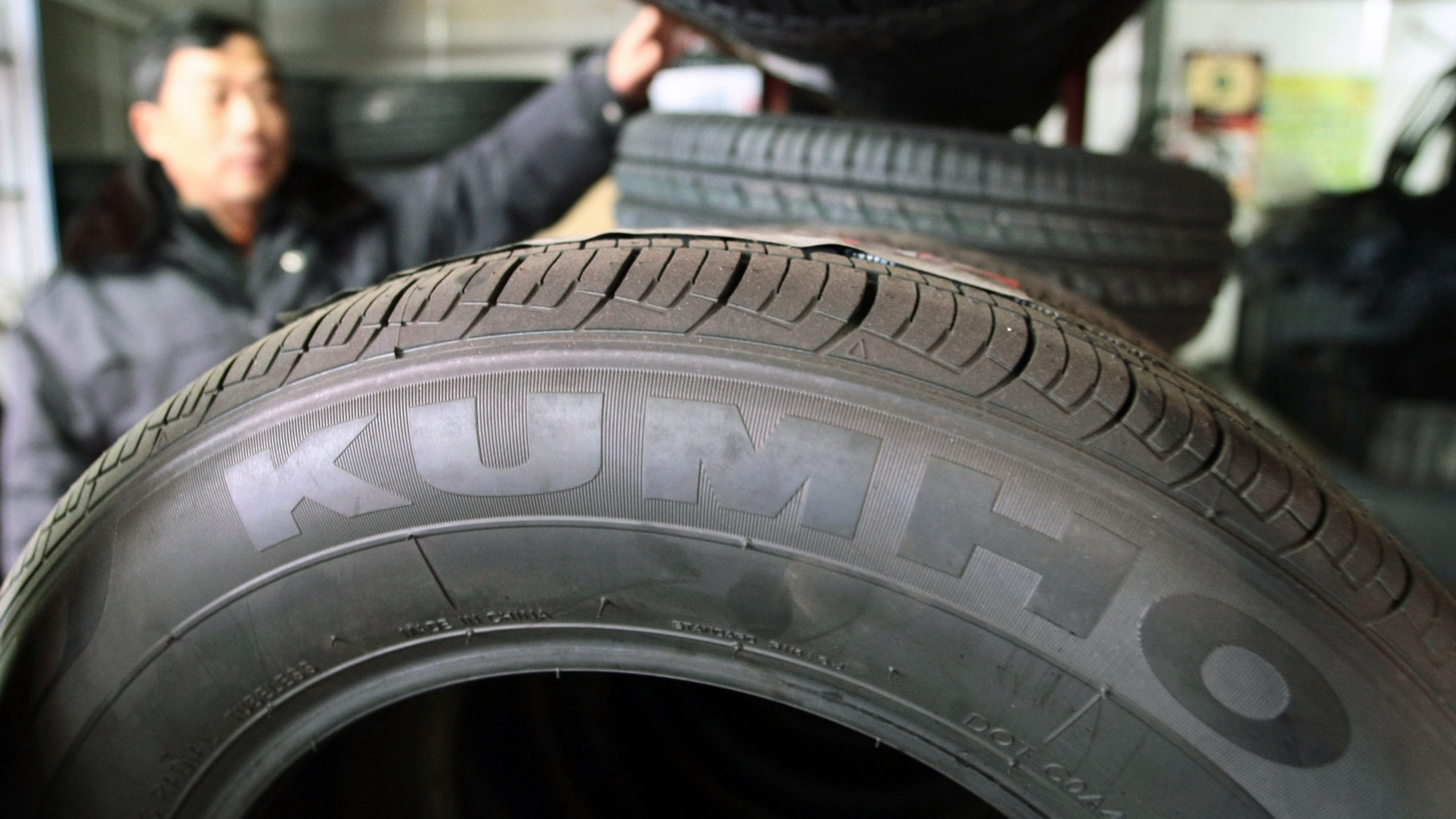
    South Korea’s Kumho Tire plans to invest $305 million to expand its plant in Vietnam.

    The expansion, when completed in the first quarter of 2023, is expected to nearly double the plant’s capacity to 9.3 million tires a year.

    “After considering our plans to increase exports to North America and potential U.S. anti-dumping duties, we came to the conclusion that increasing the capacity of the Vietnamese plant would be the best solution,” a Kumho executive said.

    The $200-million plant in the My Phuoc 3 Industrial Park in the southern province of Binh Duong was built in 2008 to manufacture passenger car and light truck radial tires and is the company’s only plant in Southeast Asia.

    In January, China’s Jinyu Tire invested $320 million to expand its factory in the southern province of Tay Ninh.

  • Eximbank seeks to pay dividends after 7 years

    Eximbank seeks to pay dividends after 7 years

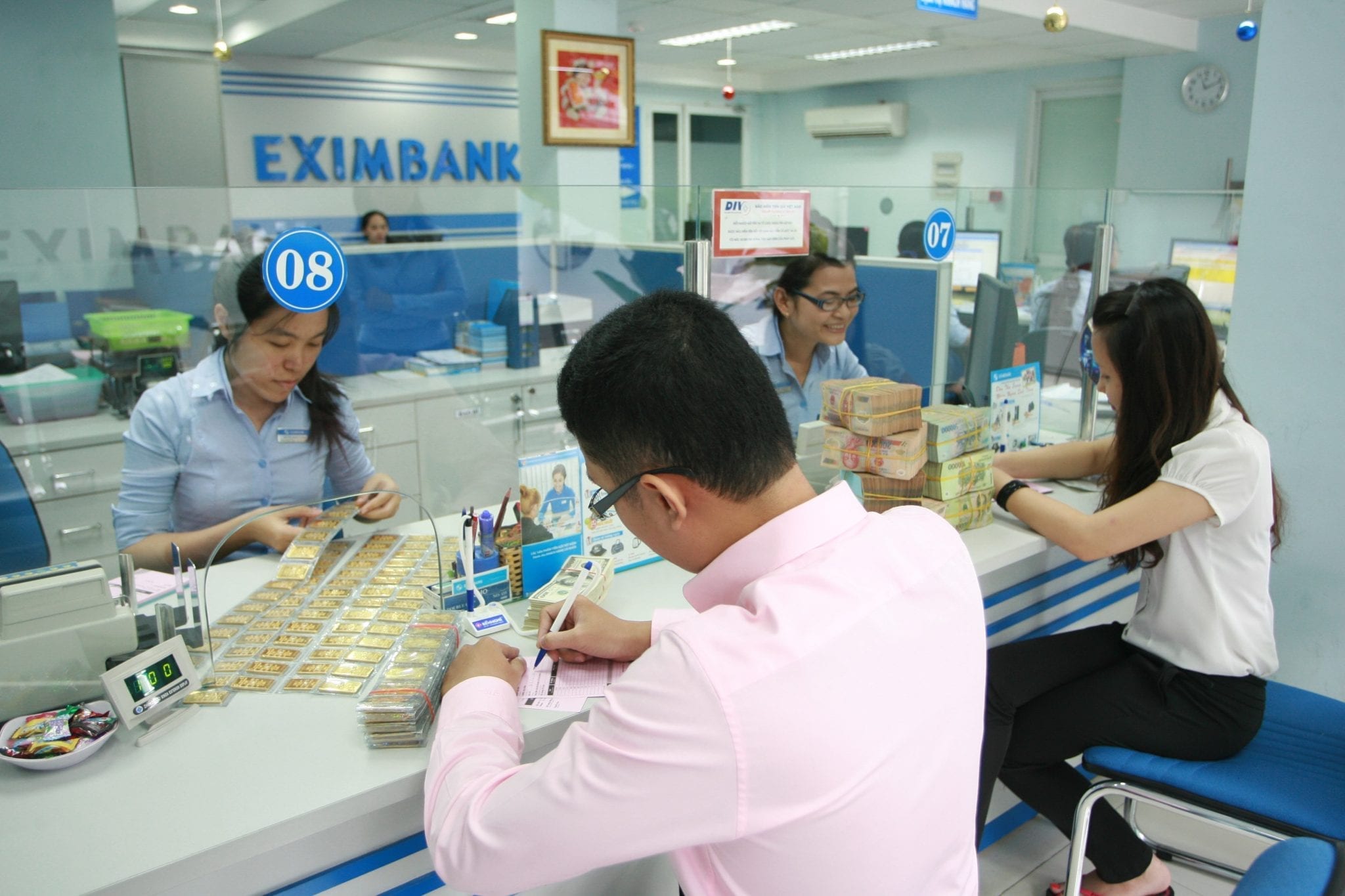
    Lender Eximbank has sought approval from the State Bank of Vietnam to pay a dividend of VND1,800 ($0.07) per share for 2020.

    The bank sold its bad debts to the state-owned Vietnam Asset Management Company (VAMC) in 2015 against bonds on the condition it is not allowed to pay dividends until the bonds are fully redeemed.

    According to documents it has circulated among shareholders, it redeemed the last of the bonds on March 30.

    The last time it paid dividends was for 2013.