Tag: Vietnam

  • SpaceX satellite Internet faces regulatory hurdles in Vietnam

    SpaceX satellite Internet faces regulatory hurdles in Vietnam

    U.S. aerospace company SpaceX can only launch its satellite Internet service Starlink in Vietnam if it ties up with a local partner, Vietnam’s Department of Telecommunications said.

    SpaceX, owned by South African-American billionaire Elon Musk, recently announced that Starlink, now in its beta testing phase, would be launched in Vietnam next year and customers could preorder it for $99.

    However, telecommunications and Internet companies are in the list of conditional businesses, which requires the foreign enterprises to partner with a Vietnamese enterprise that is licensed to provide telecom services or establish a joint venture.

    According to the Department of Telecommunications, foreign enterprises are not allowed to independently provide internet and telecommunication services in Vietnam.

    The Department of Telecommunications told VnExpress that the company has yet to apply to launch the service in Vietnam.

    The department said prospective subscribers should consider carefully before making the pre-order since “it is unsure if Starlink can provide satellite Internet services in Vietnam.”

    The pre-order is currently available in 15 countries, according to its website.

  • Vietnam plans more solar, wind power cuts

    Vietnam plans more solar, wind power cuts

    Vietnam is set to cut up to 1.74 billion kilowatt-hours of renewable energy in the second half this year to deal with national grid overload.

    A plan proposed by the National Load Dispatch Center (NLDC), under the national utility Vietnam Electricity (EVN) intends to cut 180 million kilowatt-hours per month in the third quarter and 350-400 million kilowatt-hours per month in the last quarter.

    This time frame corresponds with the expected third and further quarter annual flooding in the northern, and central-southern regions, respectively, when hydropower power supply would increase.

    The proposed amount of 1.74 billion kilowatt-hours is 34 percent higher than EVN’s previous plan to cut 1.3 billion kilowatt-hours of renewable energy this year.Cutting solar and wind power has been the go-to solution for EVN since last year, after a surge in the number of such plants strained the national grid.

    As solar power plants depend on the number of sunshine hours during the day, authorities still have to rely on traditional sources such as coal, gas and hydropower to ensure grid stability.

    This is why solar power, whose output could fluctuate by up to thousands of megawatts in seconds depending on the intensity of sunlight, is the first to be cut when there is an overload.

    Another reason for the output cut is slower growth in consumption. Last year, due to Covid-19 impacts, demand grew by less than 2.5 percent compared to 10 percent in previous years.

    The cuts have hurt renewable energy developers. A leader of a solar power company in the central province of Ninh Thuan, who asked not be identified, said his plant has seen output cut since the end of last year.

    The company has to bear losses of hundreds of million Vietnamese dong (VND100 million = $4,300) each month, not to mention suffer interest payment to banks, he added.

    The Phu Lac Wind Power Plant in the central province of Binh Thuan is also suffering output cuts.

    The plant’s CEO, Bui Van Thinh, said both developers and EVN were victims in this situation as the number of new plants exceed the government’s original plan, while there is a lack of synchronization in source and transmission investment.

    The transmission line has reached its max capacity as dozens of plants come online, he said, adding: “Our revenues have plunged and the situation is tense.”

    Although energy authorities had earlier warned of power shortages this year, the boom in renewable power development has in reality created an oversupply, creating problems for EVN.

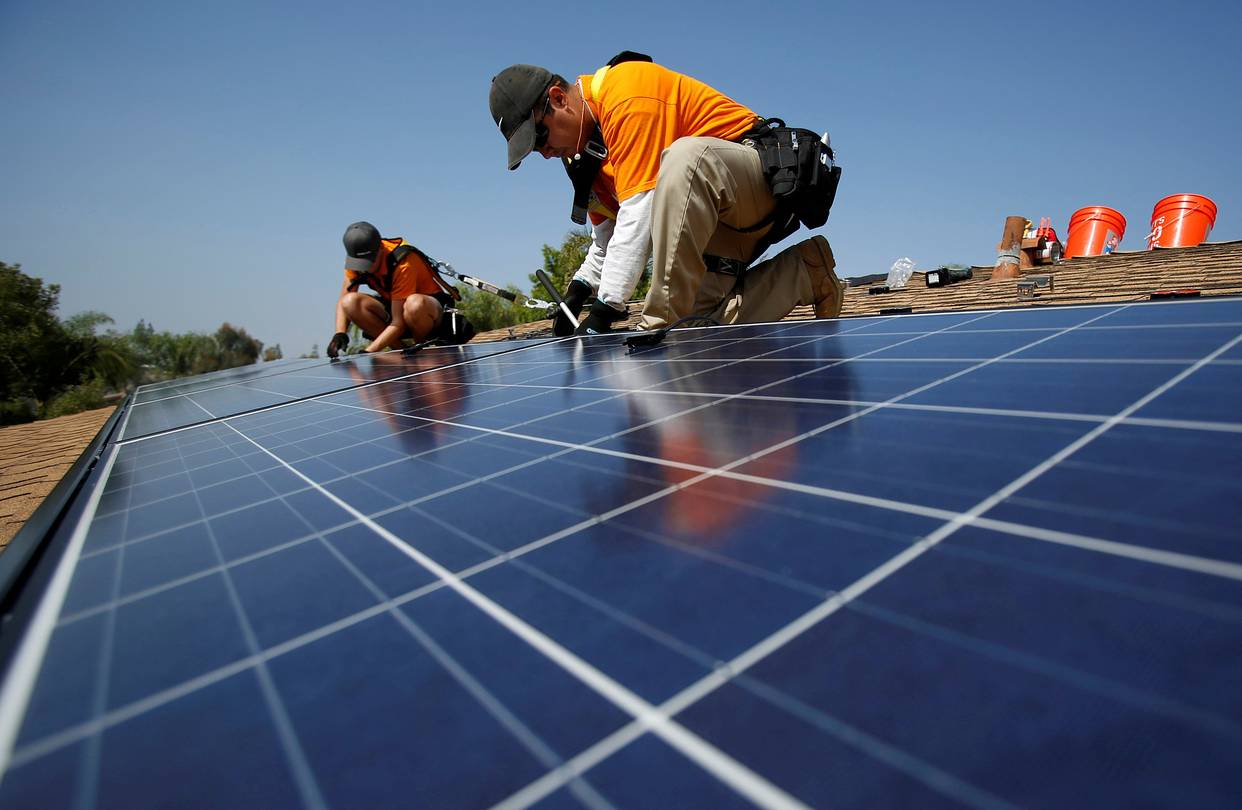
    Solar capacity surged to 19,400 megawatts-peak at the end of last year, accounting for 25 percent of total power capacity. This capacity came from over 100 farms and 101,000 rooftop constructions.

    Last year, authorities cut solar power by a total of 365 million kilowatt-hours after the Ninh Thuan and Binh Thuan grids were overloaded.

  • Bamboo Airways warned for overselling tickets

    Bamboo Airways warned for overselling tickets

    Vietnam’s aviation authorities have ordered Bamboo Airways to stop selling tickets for the wrong flight slots after many passengers complained of canceled and delayed flights.

    Each airline has an allocated number of flight slots, meaning a specific period of time wherein an aircraft can take off or land at an airport depending on the latter’s capacity, but Bamboo Airways has sold tickets for slots that it does not have, according to the Civil Aviation Authority of Vietnam (CAAV).

    In recent weeks customers have been complaining about Bamboo Airways frequently canceling or delaying flights, especially on the Hanoi-Da Nang route.

    On March 4, the budget carrier published a public apology over its changing of schedules, blaming it on maintenance work happening at the Noi Bai International Airport.

    However, a representative of Noi Bai airport said the maintenance work had finished earlier and that flight schedules were not affected by it.

    The CAAV has informed Bamboo Airways that if it ignored the warning and continued to offer tickets for the wrong flight slots, the carrier will not get more slots for six months.

    In January, Bamboo Airways, Vietjet, and Vietnam Airlines all received warnings for selling tickets for the wrong slots for the annual Tet (Lunar New Year) holiday.

  • HDBank profit up 87 pct

    HDBank profit up 87 pct

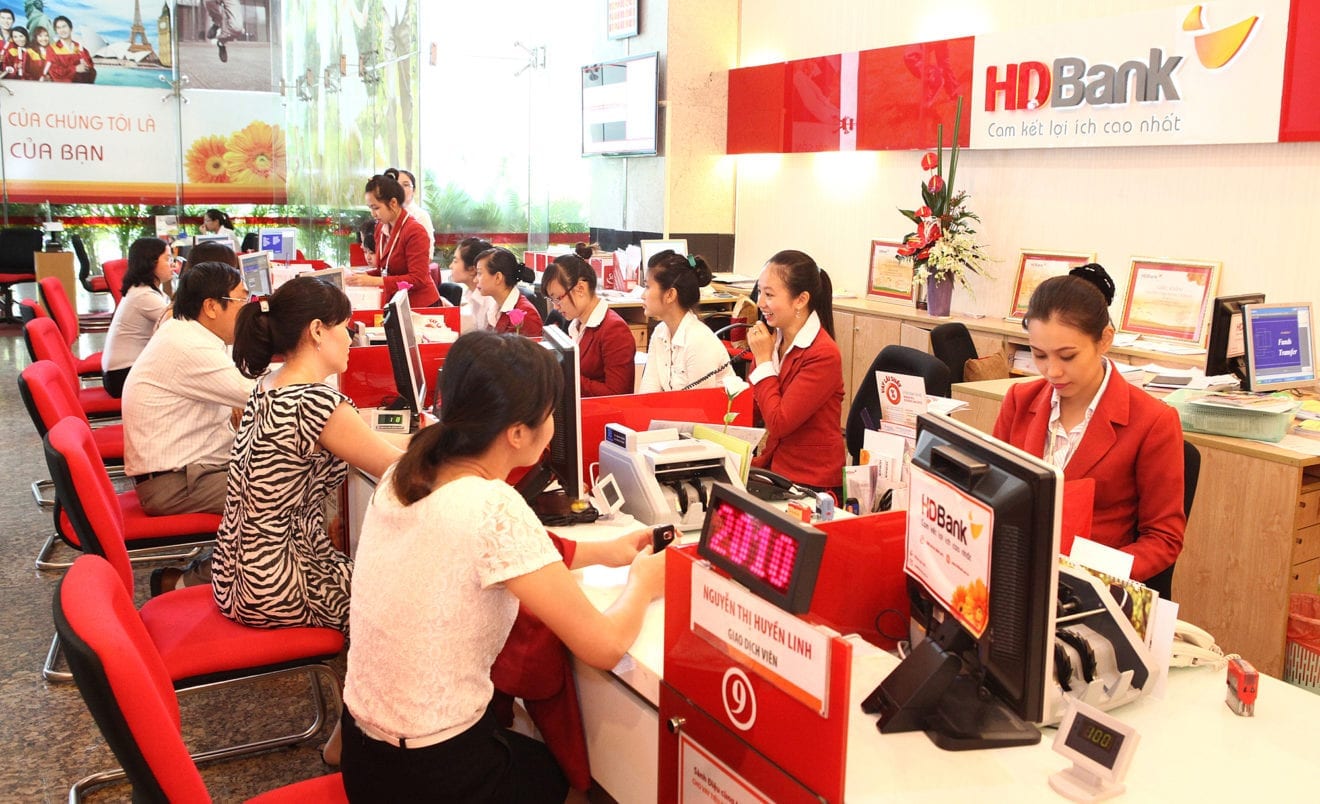
    HDBank reported a 67 percent increase year-on-year in consolidated profit in the first quarter to over VND2 trillion ($86.9 million).

    Its outstanding loans at the end of the quarter were VND198 trillion, up 5 percent from the end of last year. The parent bank’s profit was VND1.8 trillion, up 87.7 percent. The lender also owns consumer finance company HD SAISON.

    It targets full-year profits of VND7.28 trillion, an increase of 25 percent from 2020, and credit growth of 26 percent. It plans to pay a 25 percent dividend for 2020 in the form of stocks.

    HDBank is among the few banks that have not signed an exclusive bancassurance contract.

    The bank recorded VND5.8 trillion in consolidated profit last year, a year-on-year increase of 15.9 percent.

  • IMF sees Vietnam economy growing

    IMF sees Vietnam economy growing

    Vietnam’s economy is set to grow at 6.5 percent this year, well above the ASEAN average of 4.9 percent, as it shrugs off the impacts of Covid-19.

    It is the second-highest rate forecast by the International Monetary Fund for ASEAN-5 countries. The Philippines tops with 6.9 percent, Malaysia ties Vietnam at 6.5 percent, Indonesia is expected to grow at 4.3 percent, and Thailand at 2.6 percent.

    Vietnam’s growth could rise to 7.2 percent in 2022, the IMF said.

    Its unemployment rate of 3.3 percent last year is set to drop to 2.7 percent this year, the second-lowest among the ASEAN-5 and only higher than Thailand’s 1.5 percent. In the first quarter of this year GDP growth was 4.48 percent, 0.8 percentage points higher year-on-year.

    Market research company Fitch Solutions has forecast Vietnam will grow at an average of 6.5 percent through the next decade.

    The government targets 6.5–7 percent growth target for 2021-25.

  • Vietnam allows Boeing 737 Max to enter its airspace again

    Vietnam allows Boeing 737 Max to enter its airspace again

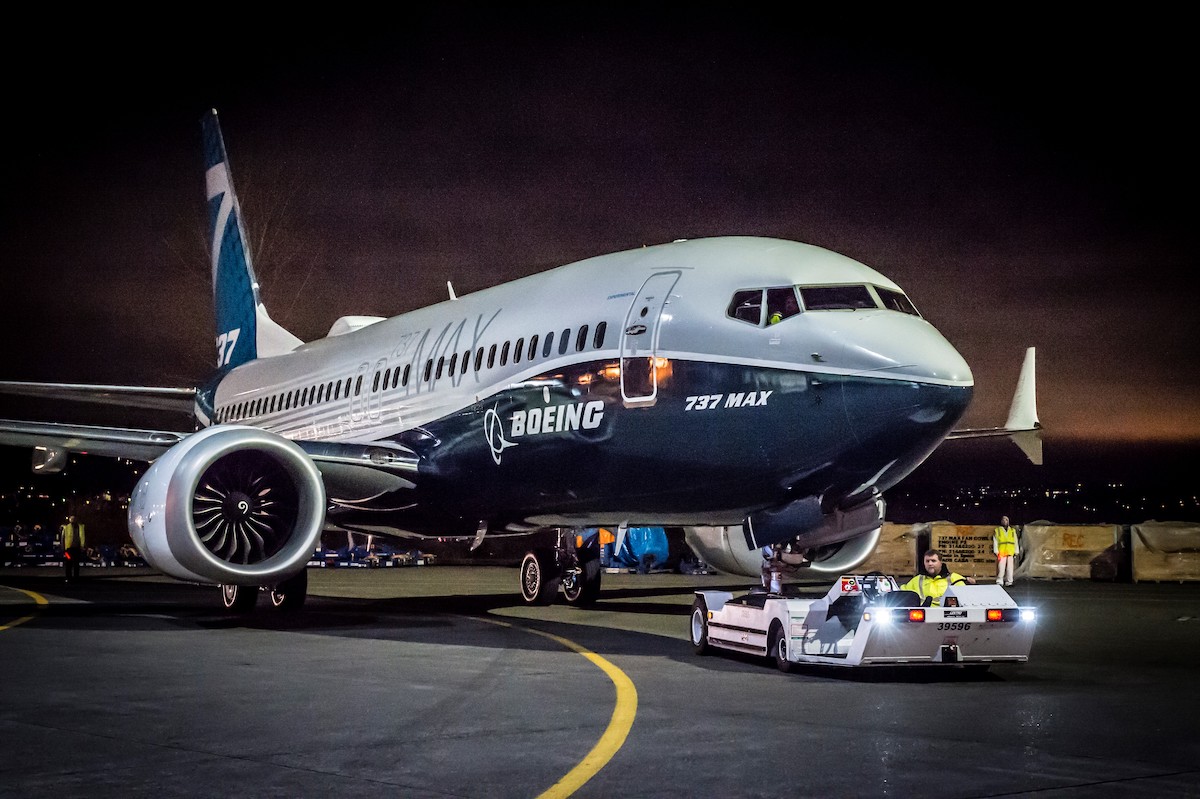
    Vietnam’s Transport Ministry has allowed the Boeing 737 Max aircraft to pass through the country’s airspace after two years.

    The decision was taken following a proposal made by the Civil Aviation Authority of Vietnam (CAAV) last month, citing Boeing’s efforts to address technical issues of the aircraft and assessments by aviation authorities in the U.S. and Europe.

    However, the ministry has ordered CAAV to continue monitoring related issues and updating itself with information from peers in China, Australia, and Russia, countries that have not yet opened up their airspace for this aircraft model.

    The ministry also said that after these countries lift their respective bans on the aircraft and if it meets Vietnamese regulations, the CAAV can report it for the ministry to consider permission for the aircraft to operate in and be imported into Vietnam.

    The U.S. allowed the Boeing 737 Max to resume operations in December and Europe did so in January.

    The Boeing 737 Max aircraft was grounded worldwide in March 2019 after 346 people were killed in two crashes in the space of a few months in Indonesia and Ethiopia.

  • Vingroup reports acquisition, sale of multiple companies

    Vingroup reports acquisition, sale of multiple companies

    Vietnam’s biggest private conglomerate Vingroup sold stakes in five companies and acquired shares in six others last year, according to its audited consolidated financial statement.

    It sold 80 percent each of MV Real Estate JSC and the MV1 Real Estate JSC to Mitsubishi Corporation and Nomura Real Estate Development of Japan, and 90 percent of S-Vin Vietnam Real Estate Trading JSC to Japanese real estate company Samty Co., Ltd.

    Vingroup earned profits of nearly VND16.9 trillion ($728.45 million) from the three deals.

    It also sold a 25 percent stake in Phu Quoc Tourism Development and Investment JSC for a profit of over VND1.4 trillion, and currently owns a 5 percent stake.

    The conglomerate signed a deal with the Phu Quoc Tourism Development and Investment JSC to operate hotels, golf courses, and beachfront villas in Phu Quoc Island’s Bai Dai ecotourism area and Vinpearl Safari.

    It sold a 40 percent stake in animal feed company Viet Thang Feed JSC and now owns 26.34 percent of it.

    Vingroup spent over VND15 trillion to buy mining company Huong Hai-Quang Ngai Company Limited, real estate companies Dai An Investment Construction JSC and Nguyen Phu Trading Investment JSC, and hotel and restaurant operating firms Hon Mot Tourism JSC and Cam Ranh Invest JSC.

    It bought a 96.5 percent stake in Bao Lai Investment JSC, which mines and processes white marble to produce ground calcium carbonate powder for VND2.7 trillion. Last year Bao Lai reported a loss of VND367 billion.

    Vingroup reported revenues of VND110.4 trillion, down 15.5 percent from 2019. Its pre-tax profit was VND13.9 trillion, a year-on-year decrease of 10.7 percent.

  • Vietnam Airlines once again calls for setting minimum fares

    Vietnam Airlines once again calls for setting minimum fares

    Vietnam Airlines wants aviation authorities to set floor fares and increase the ceiling, saying it would ensure fair competition among carriers.

    In a proposal it sent to the Civil Aviation Authority of Vietnam, it wants the fare ceiling to be increased by VND50,000-250,000 ($2.17-10.86), and minimum fares to be 35 percent of the ceiling, or VND787,500-1.01 million.

    It claimed having minimum fares would ensure fair competition among airlines and help them overcome the hardship caused by the Covid-19 outbreak, but said they could be scrapped once the aviation industry recovers from the pandemic.

    Analysts said if the proposal is accepted, airlines would not be able to offer free flight tickets under promotions, and tourism companies and passengers would be the losers.

    In 2017, Vietnam Airlines had suggested fixing minimum domestic fares of VND1.54-4.2 million ($68-$185), while its subsidiary Jetstar Pacific had proposed VND600,000-1.2 million.

    But both were rejected by the Ministry of Transport.

  • H&M caught in a catch 22 as Vietnam boycott begins

    H&M caught in a catch 22 as Vietnam boycott begins

    H&M’s attempt to mend fences in China after angering consumers there with its stance against forced labor appears to have triggered another boycott next door in Vietnam.

    The Swedish fashion retailer drew Vietnam’s ire after it posted a map on its website that depicts islands in the South China Sea as Chinese territory. Vietnam has a competing claim on the islands. H&M changed the map at the request of authorities in China, according to Vietnamese media.

    Authorities in Shanghai said they summoned H&M’s local unit last week to address an issue with a map on its website, though it is unclear if this is the same map as the one angering Vietnamese citizens.

    In Vietnam, Twitter and Facebook users have been circulating images of a crossed-out map of China next to a map of Vietnam reflecting Hanoi’s claims to the islands and demanding the company apologize or have its 11 stores in the Southeast Asian country shuttered.

    The company has been attempting to win back consumers in China, where it became a lightning rod for public anger after multiple foreign brands stopped carrying items made using cotton from Xinjiang because of reports of human rights and labor abuses in the Muslim-majority region. It has been the subject of boycotts, and a number of its physical stores have been forced to close by landlords since the controversy flared up. H&M stores even disappeared from leading mapping service Baidu Maps and ride-hailing platform Didi Chuxing.

    The territorial dispute in the South China Sea is a hot-button topic in Vietnam. Hanoi has been one of, if not the most, vocal governments pushing back against Beijing’s claim to govern most of the sea, though the U.S. often calls for freedom of navigation in the region, calls which European powers have recently echoed.

    The dispute is not just a matter of government interest, either. When maps of the region are published, the Vietnamese public looks closely to see how the islands are portrayed. Backlash has followed perceived slights from an array of institutions, from the Hollywood film “Abominable” to the maps in passports issued by Beijing. Even the U.S. Embassy in Hanoi was accused of misrepresenting the territorial issue in September, when it posted on Facebook a Vietnam map with the islands, only to later delete the archipelagos.

    While the uproar in Vietnam adds to H&M’s recent headaches in Asia, the company is just one of several multinationals caught up in the Xinjiang controversy. Nike, Adidas, Burberry and others are also struggling with the balance between retaining Chinese shoppers and complying with Western laws against forced labor and other human rights violations. The U.S., Canada, the European Union and the U.K. all slapped sanctions on China in March, citing the country’s human rights violations against Uyghur Muslims.

  • Thai cement giant to make Vietnam ‘top priority’ market

    Thai cement giant to make Vietnam ‘top priority’ market

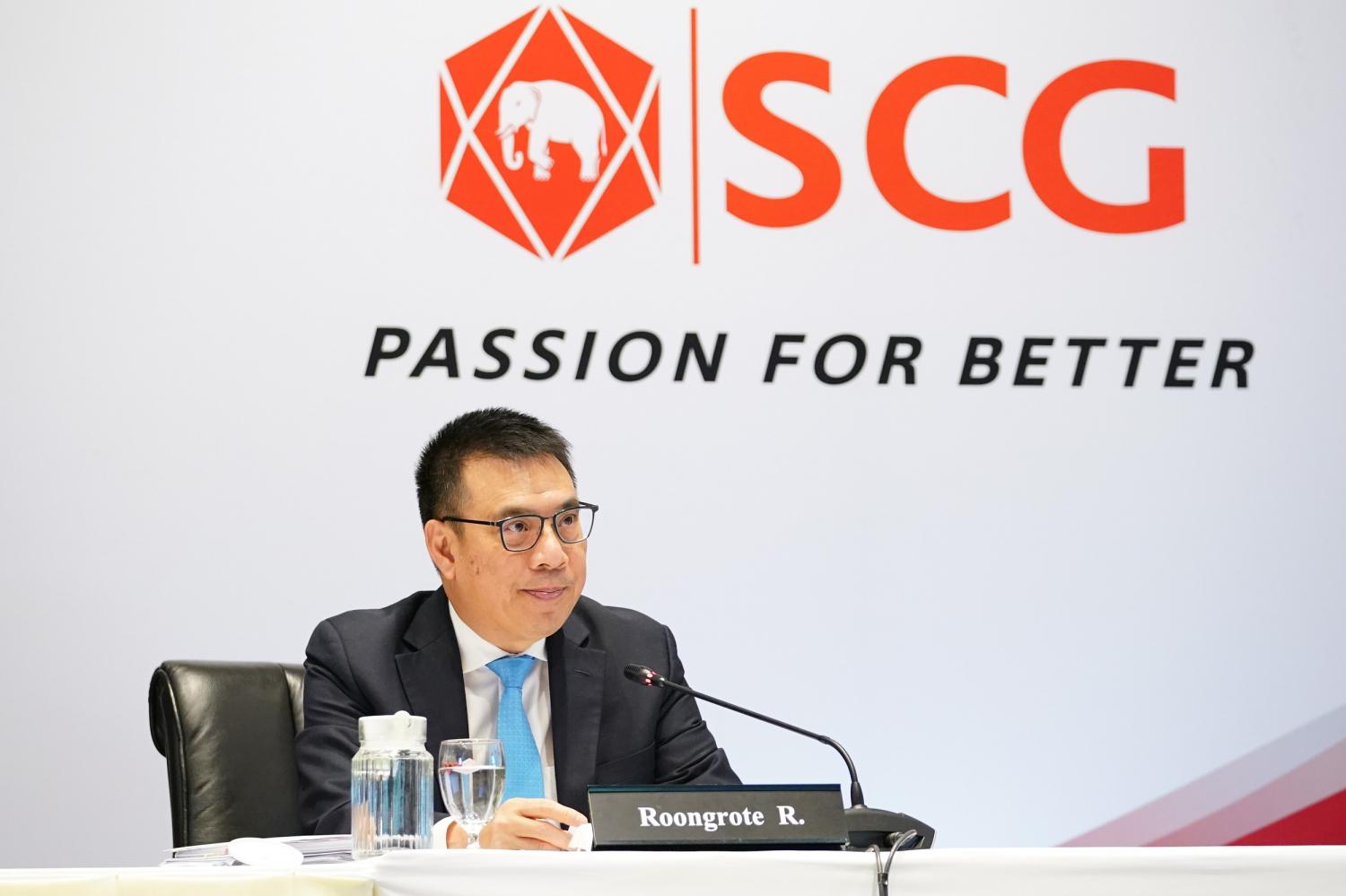
    Siam Cement Group (SCG), one of Thailand’s leading industrial companies, has earmarked Vietnam as its top priority market in upcoming years.

    Once a petrochemicals plant comes online in southern Vietnam, the company anticipates revenue from Southeast Asia excluding Thailand would rise to 35 percent of the total from the current 26 percent, its CEO Roongrote Rangsiyopash told Nikkei.

    “We have several projects ongoing, some big ones like a chemicals complex in northern Vietnam. That one, fortunately, has had no impact from the pandemic,” he added.

    The group has seen a trend of localized production within ASEAN and will make this a focus.

    “For the next few years, I foresee Vietnam would be our top priority,” Roongrote stated.

    SCG recently signed an agreement to buy 70 percent of Duy Tan Plastics, the largest manufacturer of rigid plastic packaging products in Vietnam, bringing its number of packaging companies in the country to eight.

    The group started investing in Vietnam in 1992. It has over 20 subsidiaries in Vietnam in the cement and building materials, chemicals and packaging industries. It has been investing in the packaging industry for over a decade.

  • Techcombank expects profit growth

    Techcombank expects profit growth

    Vietnam’s largest private lender Techcombank targets an increase of 25 percent in this year’s pre-tax profits to a record VND19.8 trillion ($858 million).

    It expects credit to grow by 12 percent. Profits rose by 23 percent last year to VND15.8 trillion.

    It has undistributed profits of VND26.7 trillion, which it plans to use to fund operations. It has not paid dividends for the last 10 years.

    In a year when businesses struggled to repay loans due to the impact of the Covid-19 outbreak, the lender saw provisions for bad debts triple to VND2.66 trillion.

    Meanwhile, the bank’s board is seeking shareholders’ permission to make Ho Anh Ngoc, a brother of chairman Ho Hung Anh, a director.

    Ngoc, 39, has a doctorate in economics from Macquarie University in Australia. He has held several positions in the bank since 2017 and is currently chairman of the bank’s southern representative board.

  • Vietnam startup CEOs earn less than Indonesian, Singaporean peers

    Vietnam startup CEOs earn less than Indonesian, Singaporean peers

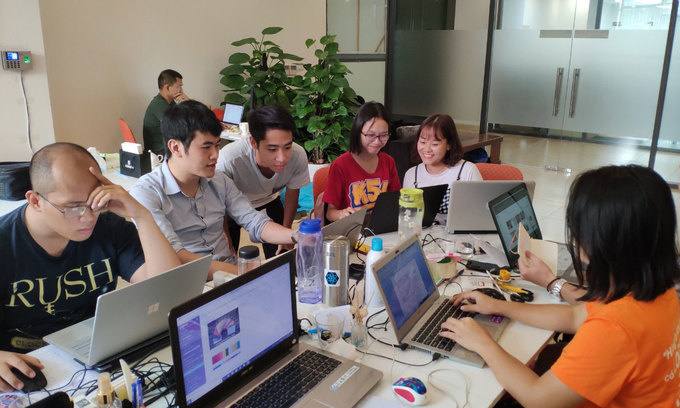
    The CEOs of early startups earn a median salary of $1,000 per month, lower than those in Indonesia and Singapore, a recent report says.

    A startup in the $0–5 million funding stage pays its CEO $2,000 a month in Indonesia and $4,000 in Singapore, according to a recent report by Southeast Asia-focused venture capital firm Monk’s Hill Ventures and Asia-Pacific jobs site Glints.

    For startups in the $10-50 million funding stage, CEOs in Vietnam get paid $6,000, compared to $11,500 in Singapore.

    But vice presidents engineering in Vietnam startups in the Series B stage earn up to $10,000 a month, same as in Singapore, while the monthly remuneration in Indonesia is $7,100.

    Due to an oversupply of fresh graduate junior engineers in markets such as Indonesia and Vietnam, starting salaries can be low; however, they quickly grow with a few years of experience to the $700–1,200 range.

    Engineers in Vietnam typically earn higher salaries than those in Indonesia but lower than their Singapore peers, the report says.

    A senior frontend developer, for example, earns up to $2,800 in Indonesia, $3,500 in Vietnam and $9,500 in Singapore.

  • Hanoi to take over metro operation in May

    Hanoi to take over metro operation in May

    Hanoi’s first metro line Cat Linh – Ha Dong is set to be handed over to city authorities in May for commercial operation.

    The company that built it, China Railway Sixth Group Co Ltd., on Wednesday began the process of handing over the Cat Linh – Ha Dong Metro Line to local authorities.

    The handover will take three to four weeks.

    Deputy Transport Minister Nguyen Ngoc Dong told reporters Wednesday that since January, Hanoi authorities have been working to finish the last details of the project, like setting up signs for disabled passengers, installing a device to prevent the conductor from falling asleep and adding more staff at each station to supervise and assist passengers embark and disembark.

    Each train on the route will be capable of carrying 960 passengers. A one-way trip will take 23 minutes, including a 30-second stop at each station.

    There will be a train every 10-15 minutes in the initial period, with higher frequency during rush hours.

    The Cat Linh – Ha Dong Metro Section is set to be the first such project to operate in Vietnam. It runs 13 kilometers on elevated tracks through 12 stations from downtown Dong Da District to Yen Nghia in Ha Dong District in the southwestern part of the city.

    The project has been delayed for years and missed several commercial operation deadlines with the Ministry of Transport blaming the Chinese contractor for its inexperience.

    Last year, its safety evaluation was delayed several times because the Chinese and French experts who had returned home late January and were unable to return to Vietnam since international flights were grounded due to the Covid-19 pandemic.

    The section, one of eight lines planned in the city of 8.3 million, is expected to partly resolve chronic traffic congestion and motivate more residents to use public transportation.

  • Vietnam Airlines to resume commercial flights to Asian destinations this week

    Vietnam Airlines to resume commercial flights to Asian destinations this week

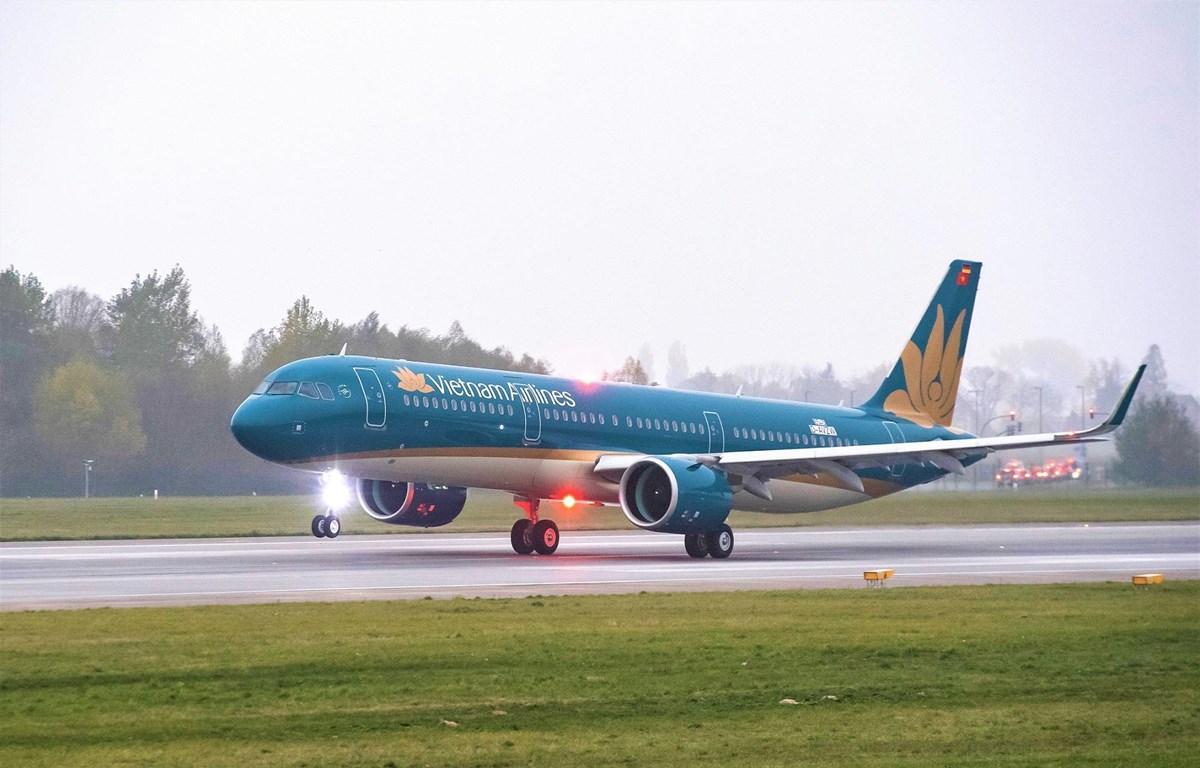
    Vietnam Airlines will reopen international commercial flights connecting Hanoi and HCMC with several Asian destinations including South Korea, Japan and Australia, starting this Saturday.

    The national flag carrier said flights from Hanoi to South Korea’s Incheon City will depart every Thursday while there will have seven flights from Hanoi to Japan’s Narita City in April, with the first scheduled to depart on April 3.

    The carrier will also operate one flight from Hanoi to Australia’s Sydney every Saturday, while flights from HCMC to Sydney would depart every Thursday and Sunday.

    On return trips, the carrier would only carry Vietnamese citizens being repatriated or foreign experts with permission to enter the country. Vietnam is yet to open its doors to foreign tourists.

    A representative of the carrier said the resumption of these international routes are meant to meet growing travel demand of Vietnamese citizens wishing to study and work abroad as well as stranded foreigners longing to return home.

    In addition to these routes, the national flag carrier is planning to operate inbound commercial flights to carry passengers from Japan, South Korea and Taiwan, but is awaiting the government’s approval for this move.

    Vietnam closed national borders and canceled all international flights in March last year. Since then, only Vietnamese repatriates, foreign experts and highly-skilled workers are being allowed in with stringent conditions.

    Vietnam Airlines had said earlier that it is awaiting approval from the U.S. government to launch regular direct flights to that country.

    Vietnamese aviation authorities Wednesday proposed allowing vaccinated foreign passengers into the country from September without requiring centralized quarantine.

  • Apple to accredit independent repair shops in Vietnam

    Apple to accredit independent repair shops in Vietnam

    U.S. consumer electronics giant Apple will extend to Vietnam a program that provides independent repair shops with access to genuine parts.

    In a blogpost Monday, the company said it would open registrations for the program later this week for Vietnam and 37 other markets including Australia, South Korea and the UAE.

    In other countries like China, it will begin later this year.

    This means customers will not need to visit Apple authorized service providers to get their iPhone and Macbook problems fixed and can instead go to third-party repair providers.

    Interested businesses can join the program for free but must have an Apple-certified technician (certification is also free) doing the repairs.

    The technicians must pass exams through an online authorized testing center and the certification is updated on a product basis annually.

    Apple said further applicants must be an established business with documents available for review by it, and have easily accessible premises and not a residential address.

    “Qualifying repair providers can purchase genuine Apple parts and tools at the same price as [authorized service providers] and receive free access to training, repair manuals and diagnostics,” Apple wrote.

    There are already over 1,500 accredited independent repair shops in the U.S., Canada and Europe.