Tag: Vietnam

  • Vietnam stock market reaches new historic peak

    Vietnam stock market reaches new historic peak

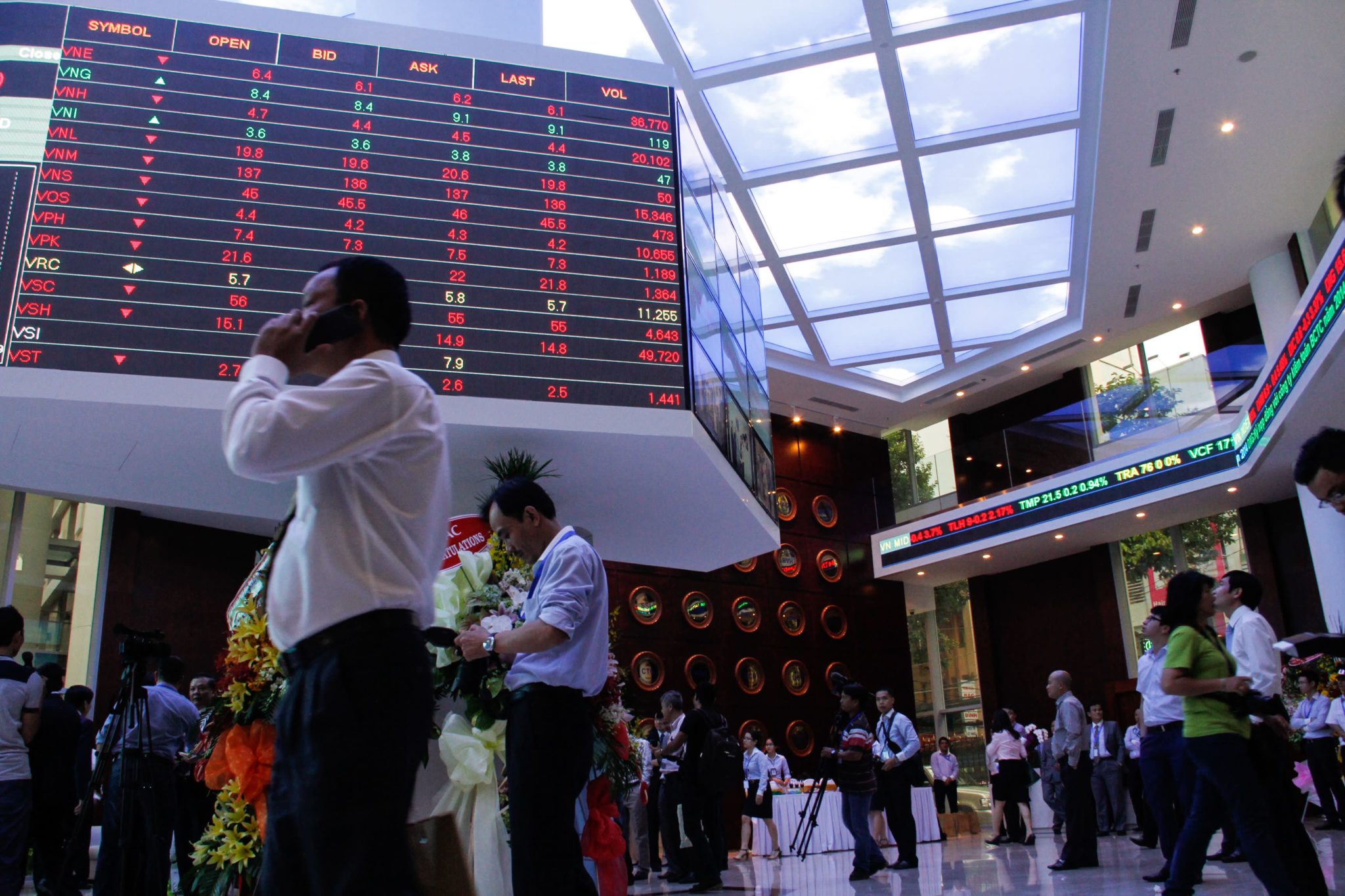
    Vietnam’s benchmark VN-Index surged 2.07 percent to a new historic peak of 1,216.10 points Thursday, driven by Vingroup and Vietcombank tickers.

    The index rose throughout the day after breaking the 2018 peak of 1,204 points in the morning. It continued to surge in the afternoon and ended with a near 25-point gain.

    This is its biggest daily gain in six weeks. The index has ended in the green four sessions in a row.

    Trading value on the Ho Chi Minh Stock Exchange (HoSE), on which the index is based, surged 16 percent to VND16.94 trillion ($735 million). The bourse saw 334 stocks gain and 106 lose.

    VIC of the biggest conglomerate Vingroup contributed most to the VN-Index gain with 4.6 points. The ticker rose 4.3 percent, its seventh gaining session in a row, up by a total 15 percent since March 23.

    VCB of state-owned lender Vietcombank pulled the index up by 2.1 points with volume tripling from Wednesday to rise 2.2 percent.

    Other major contributors included HPG of steelmaker Hoa Phat Group, VHM of real estate giant Vinhomes and VNM of dairy giant Vinamilk, together pushing the index up by 4.4 points.

    The strongest blue-chip gainer was SSI of leading brokerage SSI Securities Corporation with a ceiling increase of 6.9 percent, followed by TCH of real estate company Hoang Huy Investment Financial Services JSC with a 5.9 percent gain.

    Foreign investors broke off four consecutive net selling sessions with a net buying value of VND45 billion. They focused on VIC, HPG and STB of Ho Chi Minh City-based lender Sacombank, which surged 17 percent in the last six sessions.

    The HNX-Index for stocks on the Hanoi Stock Exchange, home to mid and small caps, surged 2 percent, while the UPCoM-Index for the Unlisted Public Companies Market added 0.37 percent.

  • Vietnamese exporters squeezed by Suez blockage

    Vietnamese exporters squeezed by Suez blockage

    The congestion caused by the Suez Canal blockage is delaying the shipment of Vietnamese goods to Europe and the Americas, and the exporters are fretting.

    The owner of a seafood exporting company in the southern province of An Giang is waiting for a five-container ship to pass through the canal on its way to France.

    However, the ongoing congestion will not allow the ship to exit the canal until Friday or Saturday, delaying the shipment by two weeks, exposing the company to fines of 0.3-0.5 percent of the order value.

    This is the first major delivery of the company this year and the owner fears major damage, given the high value of the shipment. He is hoping that the buyer will acknowledge the force majeure circumstance and not impose any fine.

    Many Vietnamese logistics companies are in the same boat after the six-day blockage caused by the mega-ship Ever Given disrupted the global supply chain by jamming the shortest shipping route between Europe and Asia.

    Even though the ship was moved on Monday, Le Duy Hiep, chairman of the Vietnam Logistics Business Association, said most companies were still seeing their shipments delayed.

    Imports from Europe and the Americas to Vietnam are also being put off, he said.

    “Nearly 400 ships, including those from Vietnam, are queued up at the canal. It will take days to clear all the ships, causing damage to both logistics companies and exporters,” he said.

    Europe is one of Vietnam’s biggest seafood export markets with a value of more than $1 billion last year. The resurgence of Covid-19 in some countries there and the Suez blockage is causing major difficulties for Vietnamese exporters.

    Truong Dinh Hoe, general secretary of the Vietnam Association of Seafood Exporters and Producers (VASEP), said that Vietnam and many other countries are short of containers for exports and face surging freight rates, and the Suez blockage could make this go even higher.

    Tran Thanh Hai, deputy head of the export-import department under the Ministry of Industry and Trade, said that the blockage is a wake-up call for Vietnamese businesses. He urged them to be more careful and prepare for worst-case scenarios.

    For example, transporting goods by train from Vietnam to Germany costs slightly higher than ships, but takes 15-20 days less, and businesses should consider this an alternative option, he said.

    Businesses should also buy the insurance and think of it as part of their regular expenses instead of taking chances, he added.

  • VinMart to become WinMart

    VinMart to become WinMart

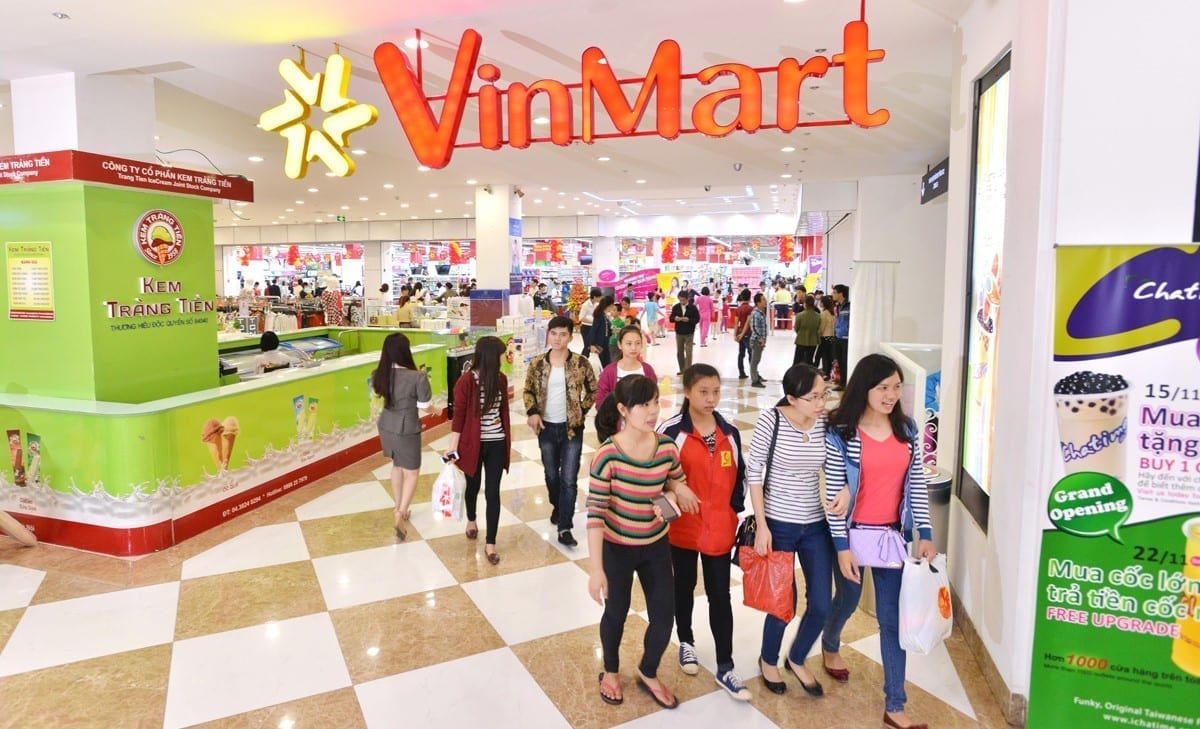
    A year after conglomerate Masan Group acquired it from Vingroup, the VinMart retail chain is set to become WinMart.

    The rebranding would take place after the restructuring of the retail chain is complete, Truong Cong Thang, CEO of The CrownX, a subsidiary that operates VinMart, said at the Masan annual general meeting Thursday.

    The CrownX reported a 14 percent rise in revenues last year to VND31 trillion ($1.35 billion), with VinMart+ convenience stores achieving revenue growth of 42 percent despite shutting down over 744 underperforming stores.

    Danny Le, CEO of Masan Group, said the company plans to increase the number of VinMart and VinMart+ outlets by 30,000 in the next five years, with 20,000 of them being franchised.

    In December 2019, the company acquired a 83.74 percent stake in VinCommerce, the subsidiary of Vietnam’s biggest private conglomerate, Vingroup, which operated VinMart chain.

    The chain, which reported a $100-million loss in 2019, broke even last year, and Masan now targets annual sales of $7-10 billion and double-digit profit growth by 2025.

  • Vietnamese carriers restart direct US flight race

    Vietnamese carriers restart direct US flight race

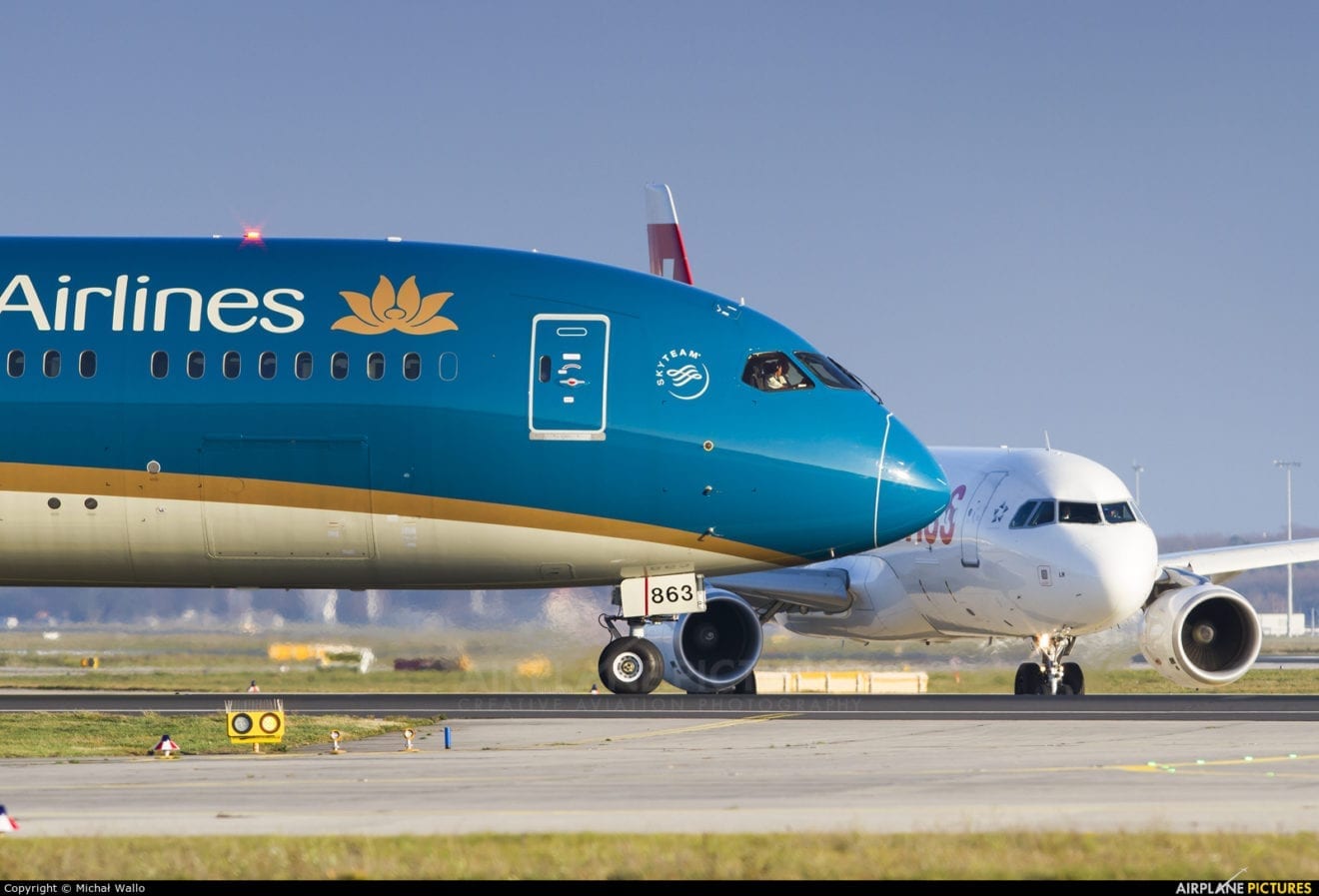
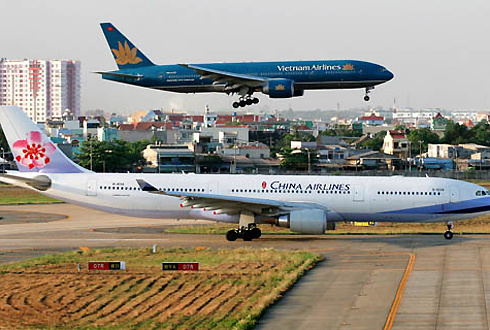
    Bamboo Airways and Vietnam Airlines are locked in a race to become the first Vietnamese carrier to establish a direct route to the U.S. The race has been re-triggered by the large demand for such flights amid the Covid-19 pandemic.

    Trinh Van Quyet, chairman of Bamboo Airways, said that the global vaccination campaign will help create a boom in the aviation industry by the end of this year. This is why the airline wants to fly directly to the U.S. in the last quarter of this year, he said.

    He had earlier announced a plan to make Bamboo Airways the first Vietnamese carrier to conduct regular direct flights to the U.S. However, it failed to meet its own deadline last year.

    The board of directors of flag carrier Vietnam Airlines has also approved a plan to launch direct flights to the U.S. early next year, saying it was the right time to do it. Since May last year, the airline has conducted 12 repatriation flights from the U.S. It has used up the number of repatriation flights allowed by U.S. authorities and is now seeking permission for regular flights.

    Such flights will help utilize its wide-body fleet, which has been in low demand due to the pandemic. Vietnam has considered regular direct flights to the U.S. since 2003, but profitability concerns have made carriers hesitant. Vietnam Airlines leaders have said earlier that low demand and fierce competition could lead to annual losses of $30 million in the first five years.

    American carriers have faced the challenges that Vietnamese carriers face now, and stopped direct flights between the two countries long ago. United Airlines launched a direct service in 2007 but pulled the plug on it in 2012, while Delta Air Lines flew its direct service for a mere six months in 2008. No American carrier has launched a direct flight since.

    The market entrance of Bamboo Airways in 2019 stirred up the race again, with its leadership expressing confidence that it was possible to make a profit with direct flights to the U.S.

    Bamboo Airways chairman Quyet had calculated that the airline could earn VND8 billion ($346,700) a month from direct flights with a return ticket price of $1,300.

    Without direct flights, people have to transit in East Asia while traveling between Vietnam and the U.S., and the journey can take 18-21 hours. A direct flight would shorten the travel time to 15-17 hours.

  • First quarter sees 16 percent rise in business closures

    First quarter sees 16 percent rise in business closures

    Around 23,800 are temporarily closed, up 28.2 percent, and more than 5,000 have permanently ceased to do business, a 26.4 percent increase, while 11,300 others are completing dissolution procedures.

    The majority are small, newly-established companies that were vulnerable to the impacts of the Covid-19 pandemic.

    Some 29,300 enterprises were established during the quarter, down 1.4 percent, and 14,700 others resumed operations after temporarily closing.

    A survey of the manufacturing sector by the GSO found 68.6 percent of firms saying their business situation is better than in the previous quarter, and 85 percent believing it would improve next quarter.

    The majority said strong competition was the main factor affecting their business. Other factors included low demand, resource crunch, raw material shortage, and lack of human resources.

    Only 27.8 percent of firms reported an increase in the number of domestic orders from the previous quarter, and 25 percent said there was an increase in exports.

  • AEON to build $190-mln shopping mall in northern province

    AEON to build $190-mln shopping mall in northern province

    Vice-chairman of Bac Ninh People’s Committee, Vuong Quoc Tuan, said the province would provide support for the key project to get underway as soon as possible.

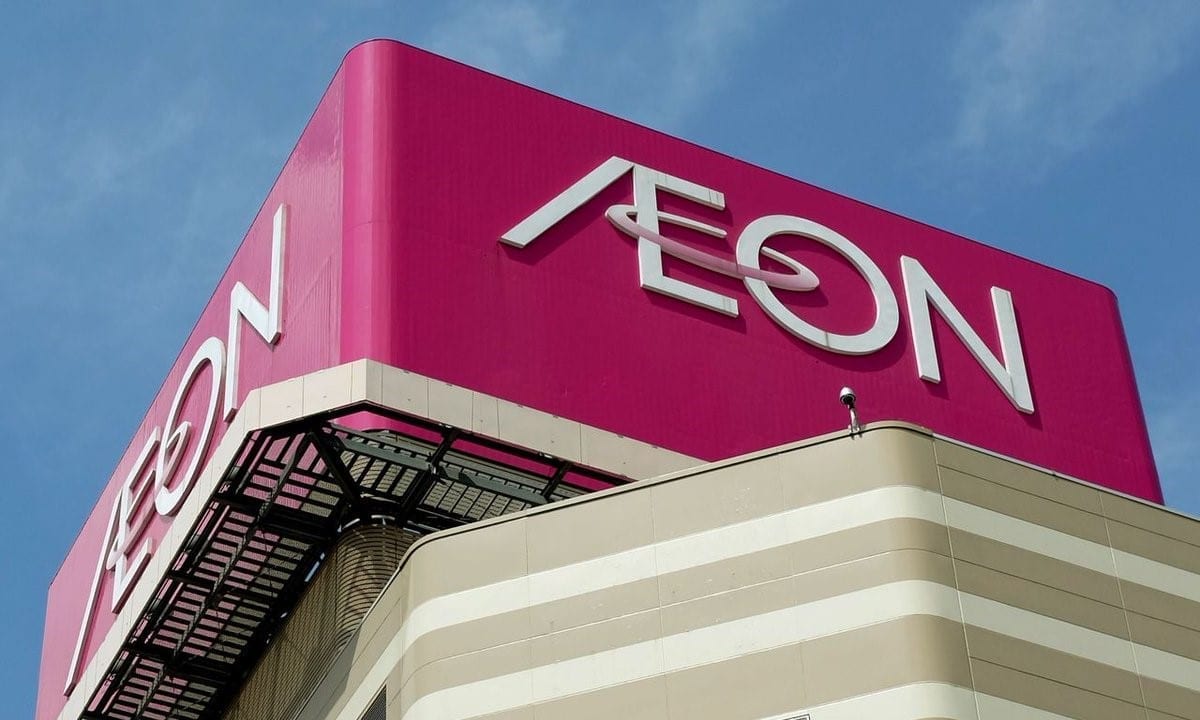
    General director of AEON Mall Vietnam, Nakagawa Tetsuyuki, said the Bac Ninh Province’s traditional products and farm produce would be sold at the outlet and possibly be exported to Japan. Around 3,000 jobs would be created, he added.

    In February AEON had signed an MoU with Thua Thien-Hue to do market research for opening an AEON mall in the central province. It is likely to cost $160 million.

    AEON has six malls in HCMC, Hanoi and Hai Phong and the southern province of Binh Duong.

    It plans to have 20 across the country by 2025 with the total investment of $2 billion.

  • Bamboo Airways secures flight slots in London

    Bamboo Airways secures flight slots in London

    Bamboo Airways has got a slot allocated at London’s Heathrow Airport to fly six times a week from Hanoi and HCMC starting in May.

    The flights would be operated using the airline’s long-haul Boeing 787-9 Dreamliner aircraft.

    The carrier had stated its intention to fly to the British capital and Frankfurt in Germany in the first quarter of 2021, but was delayed due to the closure of Vietnamese borders to keep out Covid-19.

    It has announced plans to make an initial public offering this year and raise VND6.3 trillion ($2.73 million).

  • Vietnam targets $10 bln worth of fruit, vegetable exports

    Vietnam targets $10 bln worth of fruit, vegetable exports

    A fruit and vegetable sector development plan approved by the government seeks to increase exports to $8-10 billion by 2030.

    Processed fruits and vegetables are expected to account for at least 30 percent of this, with two million tons expected to be shipped abroad, double the volume in 2020.
    The plan also seeks to attract investment to establish 50-60 medium and large-scale fruit and vegetable processing facilities with modern technologies that can compete in the international market.

    The government will offer incentives for such investment

    Existing fruit and vegetable warehouses and processing facilities will be upgraded, and farms, processing plants and distribution channels will be linked.

    Exports of fruits and vegetables fell by 13 porcent last year to $3.26 billion due to the impact of Covid-19, according to the Ministry of Agriculture and Rural Development.

    But exports to some countries with stringent quality standards, such as the U.S, South Korea and Japan, increased by 5-11 percent.

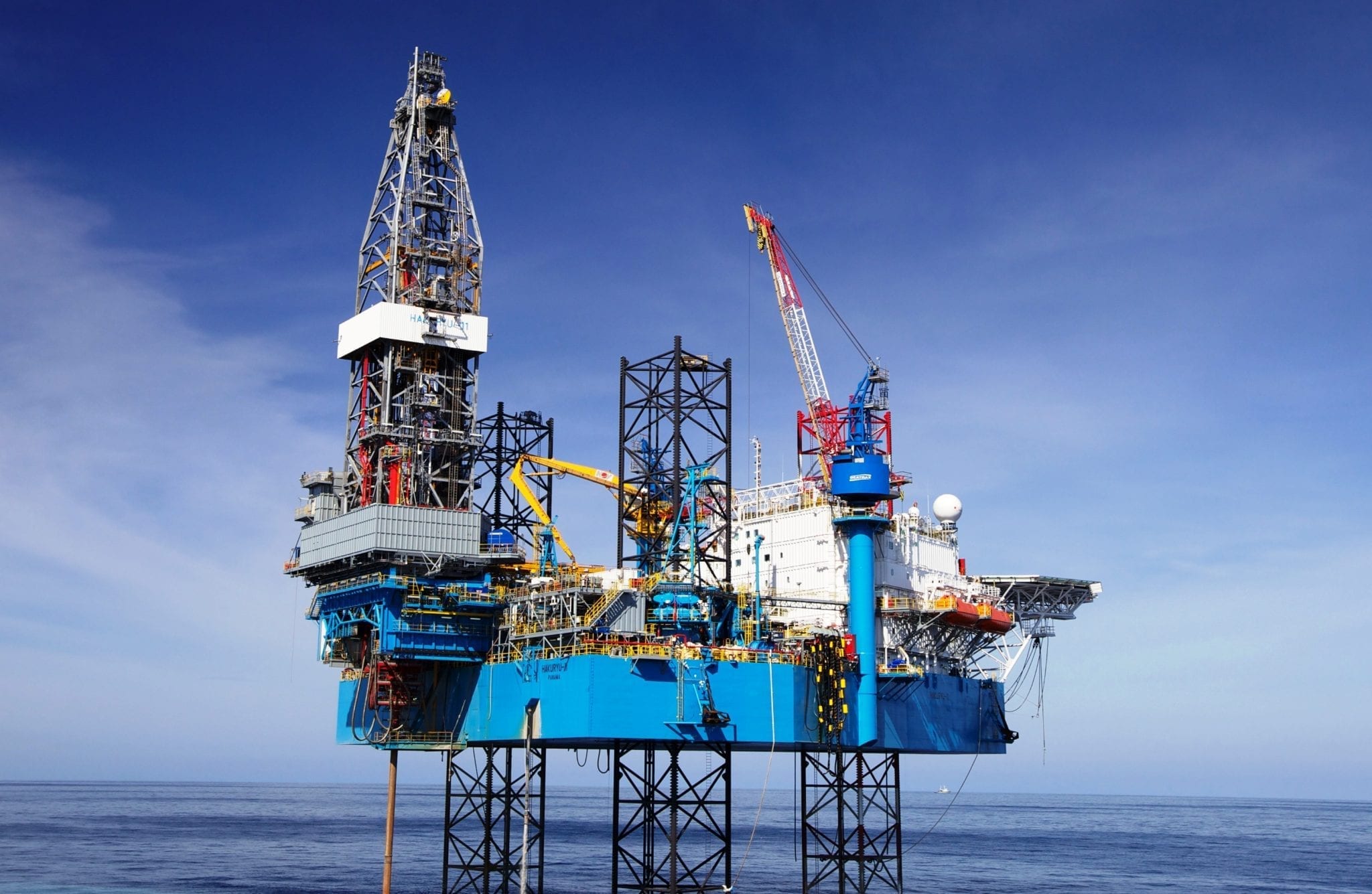
  • Crude oil exports plunge as resource depletes

    Crude oil exports plunge as resource depletes

    Vietnam’s crude oil export is plunging, partly because of depleting resources. An industrialist says the situation can only improve after new fields come online in several years.

    Crude exports volume from January 1 to February 15 this year fell nearly 50 percent year-on-year to 354,700 tonnes, according to Vietnam Customs.

    Most of Vietnam’s oil and gas fields have been harnessed for over 20 years ago and run their course, said Hoang Ngoc Trung, deputy director of Petrovietnam Exploration Production Corporation Ltd.

    In the last five years, crude oil prices have been falling, which has affected investment in searching for new fields, he told the Tuoi Tre newspaper.

    The corporation’s output was 3.8 million tonnes last year, down marginally from 2019, and the figure is set to fall another 10 percent this year.

    However, Vietnam’s crude oil prices remain higher than the global average.

    The global average price of Brent crude oil last year was $41.8 per barrel, but Vietnam sold them for $43.7, 4.5 percent higher.

    In the first two months, Brent crude was $58.53 per barrel, compared to $59.94 percent in Vietnam.

    Trung said exploitation volume is set to recover in the next two or three years with several new fields such as Dai Hung and White Lion coming online.

  • Vietnam Airlines on threshold of regular direct flights to US

    Vietnam Airlines on threshold of regular direct flights to US

    Vietnam Airlines is awaiting approval from the U.S. government to launch regular direct flights to the country to serve repatriation needs of the Vietnamese community.

    A representative of the national flag carrier told VnExpress that a large number of Vietnamese citizens living in the U.S. wish to return home, but the carrier has already operated all repatriation flights permitted by the U.S. authorities.

    From May to August last year, the carrier has carried out a total 12 repatriation flights as permitted by American aviation authorities to bring Vietnamese citizens home amid the complicated developments of the pandemic.

    The Board of Directors of Vietnam Airlines has just approved a plan to launch regular direct flights to the U.S., saying this is the appropriate time to do it using the wide-bodied Boeing Dreamliner. They expect that this move will help increase revenue and minimize financial damage inflicted by the pandemic.

    As soon as the carrier receives approval from the U.S. government, it will operate regular flights to repatriate Vietnamese citizens as well as carry foreign experts and diplomats wishing to enter Vietnam for work.

    Depending on the recovery of the aviation market and when the Covid-19 pandemic is contained, the airline expects to operate direct flights between Vietnam and the U.S. from 2022 onwards.

    The U.S. Federal Aviation Administration issued a Category 1 rating to the Civil Aviation Authority of Vietnam under its International Aviation Safety Assessment program in 2019, meaning it met safety standards to operate flights to the U.S.

    Vietnam Airlines also got the green light to operate direct flights from Hanoi and Ho Chi Minh City to several American destinations in September 2019. No such a flight under the permit has been scheduled to date.

    There are currently no non-stop routes between the two countries, and passengers have to transit through East Asia, the journey taking between 18-21 hours. A direct flight would bring the travel time down to 14-16 hours.

    Vietnam Airlines reported a loss of over VND11.1 trillion ($483 million) last year after the Covid-19 pandemic grounded all its international flights.

  • Vingroup eyes $500 mln convertible bond issue in Singapore

    Vingroup eyes $500 mln convertible bond issue in Singapore

    Vietnam’s biggest private conglomerate, Vingroup, is seeking shareholders’ approval to raise $500 million by issuing international redeemable convertible bonds.

    The bonds will be issued this year and listed in Singapore, but will not be traded in Vietnam.

    The first-ever international bond issuance by Vingroup, which has interests in property development, automobiles and smartphones, will have a tenor of five years and a fixed or floating coupon rate or a combination of both.

    Interest will be paid biannually, and the bonds can be converted into shares of Vinhomes, Vingroup’s real estate subsidiary.

    However, Vingroup has the right to redeem the bonds at the end of the third year if the Vinhomes share is above a certain price.

    The money raised will be used to pay loans and pump up the capital of its subsidiaries.

    Vingroup has so far issued VND5 trillion ($217 million) worth of bonds in the domestic market.

    It has been pouring money into expanding its manufacturing business, which it has earmarked as a main focus in the coming years. It began selling its VinSmart phones in the U.S. earlier this year and plans to sell electric cars there next year.

  • Rice price surges 18 pct

    Rice price surges 18 pct

    Vietnam’s rice price in the first two months surged 18.2 percent year-on-year to $547.9 per ton, but with lower volume in most markets.

    Total volume fell 29.4 percent to over 656,000 tons, according to Vietnam Customs.

    The Philippines remained the largest importer but with volume down 28 percent year-on-year to 256,000 tons.

    Other markets that saw volumes drop by double-digits include Malaysia (–75 percent), the United Arab Emirates (–56 percent) and E.U. (–23 percent).

    China claimed second place with a 140-percent increase to 159,200 tons.

    Strong rises in volume were seen in Taiwan, up 80 percent, and France, up 47 percent.

    Vietnam’s rice exports grew by 9.3 percent last year to $3.07 billion, according to the Ministry of Industry and Trade.

  • Aviation industry to suffer $649 mln loss

    Aviation industry to suffer $649 mln loss

    Vietnamese carriers could suffer a loss of more than VND15 trillion ($649 million) this year with the suspension of commercial international flights still in effect.

    The Vietnam Aviation Business Association says in a report sent to the Ministry of Planning and Investment that domestic airlines had already posted a loss of over VND18 trillion last year, with revenues plunging by VND100 trillion year-on-year.

    In the first two months of this year, domestic carriers transported just 66,600 international passengers, down 98.8 percent year-on-year.

    The association has repeated its request for credit assistance from the government.

    Budget airline Vietjet Air has asked for a credit package of VND4-5 trillion for the 2021-2023 period, with an interest rate of 4 percent.

    The association has also proposed reducing the environmental tax on fuel to VND900 – 1,000 per liter and extending deadlines for paying taxes, including corporate income tax, value-added tax, and personal income tax.

    Bamboo Airways has called for a refinanced, zero interest long-term loan of VND5 trillion from commercial banks.

    Earlier, the government approved a bailout package for national flag carrier Vietnam Airlines, with the State Bank of Vietnam (SBV) allowed to provide a refinanced loan of up to VND4 trillion at zero interest.

    Aviation was among the worst hit sectors in 2020. The number of air passengers declined by 43 percent to 66 million, while cargo transport was down 15 percent to 1.3 million tons.

    Insiders have said that it will take at least until 2023 for the aviation industry to recover to pre-pandemic levels.

  • Vietnam pilots Mobile Money project for cashless payments

    Vietnam pilots Mobile Money project for cashless payments

    Vietnam’s Prime Minister Nguyen Xuan Phuc has given the green light for the Mobile Money pilot project, thereby allowing mobile phone subscribers to use their telecommunications accounts to make money transfers and payments up to a limited value for products and services strictly in Vietnam.

    This pilot project came into effect on 9 March 2021 and will be conducted over two years. It will be implemented nationwide, particularly in rural areas to improve access to financial services and encourage cashless payment via mobile devices.

    Businesses require licenses to provide intermediary mobile money services, as well as licenses for public mobile terrestrial telecommunications networks to tap on telecommunications network and data. Customers are required to register their mobile accounts with an identity card, citizen identification or passport and use mobile services for at least three consecutive months.

    This pilot project was first submitted to the Prime Minister for approval in May 2020, prompting Vietnam’s major telecommunications services providers like Viettel, VNPT and MobiFone to add payment as a line of business.

    Vietnam has a population of 129.5 million mobile subscribers, of which 43.7 million owns smartphones. This pilot will serve as a basis for the relevant authorities to develop legal regulations around the service in the country.

  • Bright prospects seen for Vietnam property market

    Bright prospects seen for Vietnam property market

    Economic stability, positive investor sentiment, strong demand, and a diverse range of products are keeping the property market robust. The assumption that Covid-19 would cause the market to slump has proven baseless, and market research aftermarket research shows property prices increasing across the board.

    Vietnam’s bright economic prospects and strategies adopted by many major property developers also contribute to the market’s strength.

    According to the World Economic Outlook Report, a survey by the International Monetary Fund (IMF), in 2020 Vietnam’s economy grew at 2.4 percent, one of the four highest rates in the world. Its effective anti-epidemic strategy and economic growth are expected to be highlights this year too. Fitch Ratings forecast Vietnam’s GDP to grow at 7.5 percent even of there is a new outbreak.

    “Vietnam has well-controlled the pandemic, so we think the economy will recover when domestic demand bounces back,” Sagarika Chandra, head of Vietnam analysis at Fitch Ratings, said.

    Nguyen Xuan Thanh, a Fulbright University lecturer and member of the prime minister’s Economic Advisory Group, said the positive investor sentiment despite the Covid-19 crisis is driven by the stable economy and sound financial system.

    The belief that everyone would surely get vaccinated this year further strengthens investor sentiment, he said.

    “Stocks and real estate are still good investments.”

    The market has seen a geographic shift from areas such as HCMC. If in the past the most important southern market was Saigon, it is now its satellites such as Binh Duong, Dong Nai and Long An provinces and others with tourism potential such as Binh Thuan, Ba Ria – Vung Tau and Khanh Hoa.

    Bui Nguyen Huyen Trang, senior director for Vietnam at JLL, stressed the importance of property developers in construction and urban planning.

    “They must carefully study urban planning to create sustainable value for their large-scale projects.”

    During Covid-19 times, businesses with strong foundation, offering a wide range of products towards demand for home ownership would have more opportunities to succeed.

    The eastern part of Ho Chi Minh City is forecast to be a property hotspot, when Thu Duc City has been officially established, pushing housing prices in this area to record levels.

    With rapidly improving infrastructure that boosts regional connectivity, satellite towns and tourist cities in Binh Duong, Dong Nai, Ba Ria – Vung Tau, and Binh Thuan are of immense interest to investors.

    Terence Alford, director of capital markets and investment services at Colliers Vietnam, said developers tend to search for alternative locations to HCMC to increase value.

    They also focus on creating living spaces to not only increase choices for customers but also contribute to improving the quality of life, setting new trends and offering new life experiences.

    Novaland, a property developer, has recently released its financial report. In 2020 the company achieved profit after tax of VND3.91 trillion, 7 percent higher than it targeted and up 15.3 percent from 2019.

    Total consolidated revenues from sales of units and projects and services were VND8.6 trillion. As of December 31, 2020, Novaland’s total assets were worth VND144.54 trillion, an increase of 60.6 percent from a year earlier.

    In 2020 Novaland disbursements were allocated for M&A activities and project development. The company continues to raise funding from reputed financial institutions at home and abroad despite Covid-19, showing the trust in which it is held by partners.

    Novaland introduced new products in the last few months of 2020. Despite pandemic impacts, resort real estate projects such as the NovaWorld Phan Thiet and NovaWorld Ho Tram still drew great attraction.

    Experts do not foresee the property market crashing this year despite an increase in price levels, but instead expect it to remain strong due to strong demand, economic growth and stability and businesses’ clever strategies.

    In a recent report titled ‘Ready for a new cycle from 2021,’ VNDirect Securities Company said Vietnam’s property market has a seven-year cycle.

    In 2021 it is getting ready to enter a cycle of high growth amid positive factors such as amendments to the 2020 Construction Law and 2020 Investment Law and a forecast of solid economic growth this year.

    “The development of infrastructure and lower mortgage interest rates will have a direct impact on the real estate market. The upward trend in prices will continue due to the growing demand for housing,” VNDirect added.