Tag: Vietnam

  • Japan’s venture capitalist invests $700,000 in Vietnamese media start-up

    Japan’s venture capitalist invests $700,000 in Vietnamese media start-up

    Japan’s venture capital firm Genesia Ventures led the seed funding round of Vietnam based media startup Vietcetera with the investment of $700,000.

    The deal, finalized during the first quarter of 2020, is being made public after Vietcetera received its digital media license from the government, Bloomberg quoted its co-founder and CEO, Hao Tran, as saying.
    Silicon Valley-based Hustle Fund Management also took part in the seed funding.

    Vietcetera expects to complete its Series A funding of at least several million dollars in the first half of 2021, Tran said.

    Vietcetera is a digital media company targeting the nation’s growing middle class, based in HCMC. It provides Vietnamese and English content ranging from general business articles to lifestyle stories and podcasts.

    Tran said the funds will support expansion of its data science platform, accelerate product development and expand market share. Vietcetera’s website last year grew its readership by 700 percent, he added.

    Vietnam’s online media market is expected to reach $7 billion in 2025 from $3.3 billion in 2020, while its e-commerce market is projected to grow to $29 billion in 2025, according to a report by Google, Singaporean investment firm Temasek and American consulting company Bain & Company.

    Its e-economy is forecast to increase to $52 billion in value in 2025 from $14 billion last year, with e-commerce at $29 billion, according to the report.

    There were 72 million social media users in Vietnam in January 2021, according to the “Digital 2021: Vietnam” report compiled by strategic marketing consultancy Kepios Pte, social media management firm Hootsuite Media Inc. and social media marketing firm We Are Social Ltd.

    YouTube is the most popular social media platform with 92 percent of internet users aged 16-64, the report said. Facebook and local social network Zalo, owned by Vietnam’s VNG Corp., attracted 91.7 percent and 76.5 percent of users, respectively.

  • Vietnam women’s e-commerce leadership ratio second highest in Southeast Asia

    Vietnam women’s e-commerce leadership ratio second highest in Southeast Asia

    Forty-six percent of e-commerce business leaders in Vietnam are women, the second-highest in Southeast Asia, according to a survey.

    The survey has been conducted in Hong Kong and six Southeast Asia countries by market research company iPrice Group.

    This figure was lower than that of Hong Kong (55 percent) but higher than that of Thailand (44 percent), the Philippines (39 percent) and three other Southeast Asian countries, showed the survey.

    Vietnam’s figure has improved from 37 percent in 2018.

    In Southeast Asia, however, there is still a gender gap in top positions. Only 31 percent of women have C-level roles – executive levels such as CEO or chief financial officer (CFO).

    In the vice president position, just 38 percent are women.

    Overall, there is a 40-60 disparity between women and men when it comes to being in positions of power.

    “Given centuries of gender inequality and women taking time off for child-rearing, the disparity isn’t as wide as we may have assumed,” the iPrice report said.

  • VinFast to produce batteries for electric cars in Vietnam

    VinFast to produce batteries for electric cars in Vietnam

    Automaker VinFast has signed a memorandum of understanding on strategic cooperation with Taiwan’s ProLogium Technology Co.. Ltd. on production of batteries for electric cars in Vietnam.

    Under the MoU signed Wednesday, the two parties will set up a joint venture to manufacture solid-state batteries for electric cars. The joint venture will be licensed to use ProLogium’s patented solid-state battery pack assembly technology.

    This is a strategic step for VinFast in mastering battery technology for electric vehicles, laying a foundation for its research and development of smart and advanced electric vehicles in the future.

    Founded in 2006, ProLogium is the world’s leading solid-state battery maker. In 2017, ProLogium became the first company in the world to have a test line for solid-state battery technology for automotive applications.

    Its solid-state batteries have passed safety tests in Europe and China, which are the world’s largest electric vehicle markets.

    It is also cooperating with large electric cars manufacturers to test a new battery technology and expects to deploy it for mass-production in 2023-2024.

    By using solid-state batteries, VinFast electric cars will be able to go longer distances, reduce charging time, and increase the total number of times they can be charged.

    VinFast’s partnership with ProLogium is a part of its plan to become a global smart electric car brand.

    In January, VinFast introduced three new electric self-driving car models. It is also setting up electric charging stations nationwide, aiming at 40,000 charging ports for electric bikes and cars by the end of 2021.

    VinFast sold 31,500 cars in Vietnam last year. Since entering the auto industry three years ago the company now has a plant in the northern province of Hai Phong and R&D centers in Australia, Germany and the U.S.

  • Steel industry expected to recover this year

    Steel industry expected to recover this year

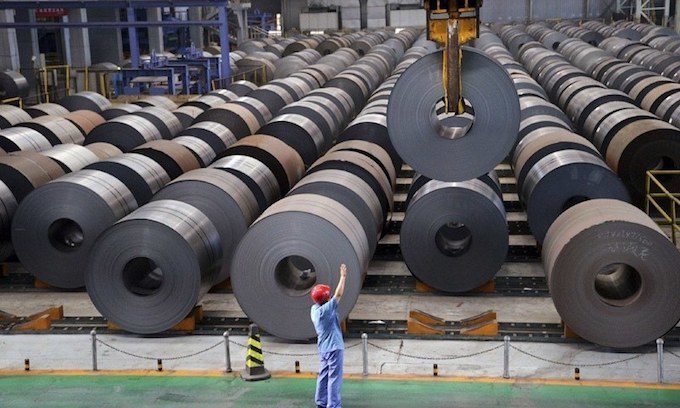
    Vietnam’s steel industry is expected to recover this year with rising export orders, thanks to improved global demand and surging domestic consumption.

    Market leader Hoa Phat Group last month exported over 12,000 tonnes of products, mostly cold-galvanized steel, to North and South America.

    This followed an export of 10,000 tonnes in January to Belgium and Spain.

    The company targets producing 300,000-400,000 tonnes of steel products this year, 30-40 percent of which are likely to be exported.

    Its competitor Hoa Sen Group last month set a new export record of 121,000 tonnes of galvanized steel worth more than $100 million. The group has a network of over 85 countries and territories, with main markets being the U.S, Mexico, Europe, and Southeast Asia.

    Vietnam’s steel industry is expected to see growth of 5-6 percent this year, with global demand set to rise by 4.1 percent thanks to a recovery in developed markets, according to the Vietnam Steel Association (VSA).

    Other drivers for growth include expectations of rising public investment in infrastructure, the recovery of the real estate market and more foreign direct investment, said VSA deputy chairman Trinh Khoi Nguyen.

    The industry started 2021 strongly, with a 61 percent year-on-year rise in production volume to 2.65 million tonnes.

    Domestic sales in the period rose 55 percent to 2.12 million tonnes, while exports rose 53 percent in value to $553 million.

    These figures indicate robust recovery prospects this year after VSA saw half of its members reporting plunging revenues last year, especially in the first and second quarter, due to Covid-19 impacts.

    However, trade officials have warned that rising safeguard measures could hurt the industry.

    Last month, Indonesia imposed an anti-dumping duty of 3.01-49.2 percent on Vietnam cold steel sheets.

    In January, Malaysia revised duties on cold-rolled coils of alloy and non-alloy steel from Vietnam to 7.42-33.7 percent for the period between January 24 and May 23.

    The U.S. and Canada have also slapped anti-dumping duties on Vietnam’s steel products in recent years.

    The Trade Remedies Authorities of Vietnam has advised local steelmakers to diversify their markets to avoid being punished with such duties.

    Nguyen Thi Thu Trang, director of the Vietnam Chamber of Commerce and Industry’s (VCCI) WTO Center, said that steel producers need to prepare themselves with knowledge of regulations on international safeguard measures and cooperate with other countries’ trade authorities to resolve issues.

  • Big C brand name to be fully replaced by Tops Market, GO!

    Big C brand name to be fully replaced by Tops Market, GO!

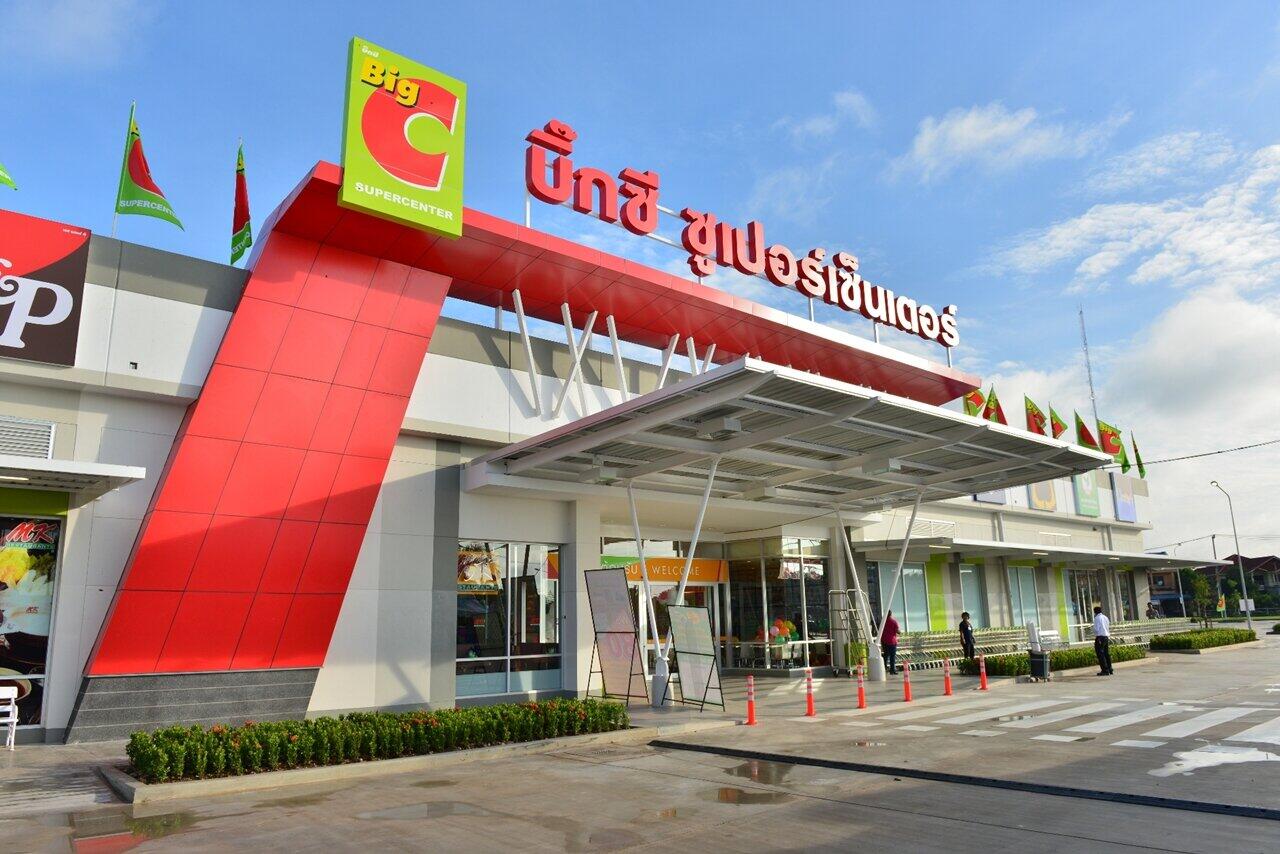
    Retail chain Big C plans to rebrand all its outlets as Tops Market or GO! this year, laying the Big C name to rest after 22 years in Vietnam.

    Thailand’s Central Retail, its owner, began the process on March 1 by changing the names of three Big C outlets in HCM City, in An Phu and Thao Dien in District 2 and Au Co in Tan Phu District, to Tops Market.

    The four stores in Hanoi in Tu Liem, Ha Dong, Thanh Tri, and Thanh Xuan districts will be renamed soon.

    By the end of last year five Big C hypermarkets in Nha Trang City, Can Tho and Ha Long cities and Binh Duong and Vinh Phuc provinces had their names changed to GO!.

    The company said the rebranding is meant to create a new look and upgrade its shopping space.

    Central Group bought Big C Vietnam from France’s Casino Group in 2016 for over $1 billion.

    From 2022, the Big C brand will only exist in Thailand, where it is owned by TCC Group led by tycoon Charoen Sirivadhanabhakdi.

  • Central province seeks approval for 2nd casino

    Central province seeks approval for 2nd casino

    Khanh Hoa authorities have recommended the issue of a license for Vinpearl Company to build a $2.24-billion casino in the central province.

    The casino is proposed to be built on Hon Tre Island near famous beach town Nha Trang along with tourism and amusement components.

    It requires approval from the Politburo, which is at the apex of the Communist Party, and government. If approved it will be the second in the province after an earlier, $2.02-billion casino received the green light in 2019.

    The Ministry of Finance said an assessment needs to be done on the impacts of the proposed casino on local tourism and socio-economic growth.

    The government has for long treated gambling as a social evil and prohibited Vietnamese from entering casinos.

    But in January 2019 it opened certain casinos to Vietnamese as part of a three-year trial and will continue to do so on a case-by-case basis.

    Vietnamese who want to gamble in a casino must be over 21, earn a minimum of VND10 million ($430) a month and have no criminal record or objections from their family.

    A group of casino owners recently sought the government’s permission to let Vietnamese in to make up for foreigners’ absence due to the Covid-19 international travel restrictions.

    Vietnam has eight casinos which earned revenues of VND2.5 trillion in 2019, according to Ministry of Finance data.

  • Bulgari enters Vietnam with a comeback

    Bulgari enters Vietnam with a comeback

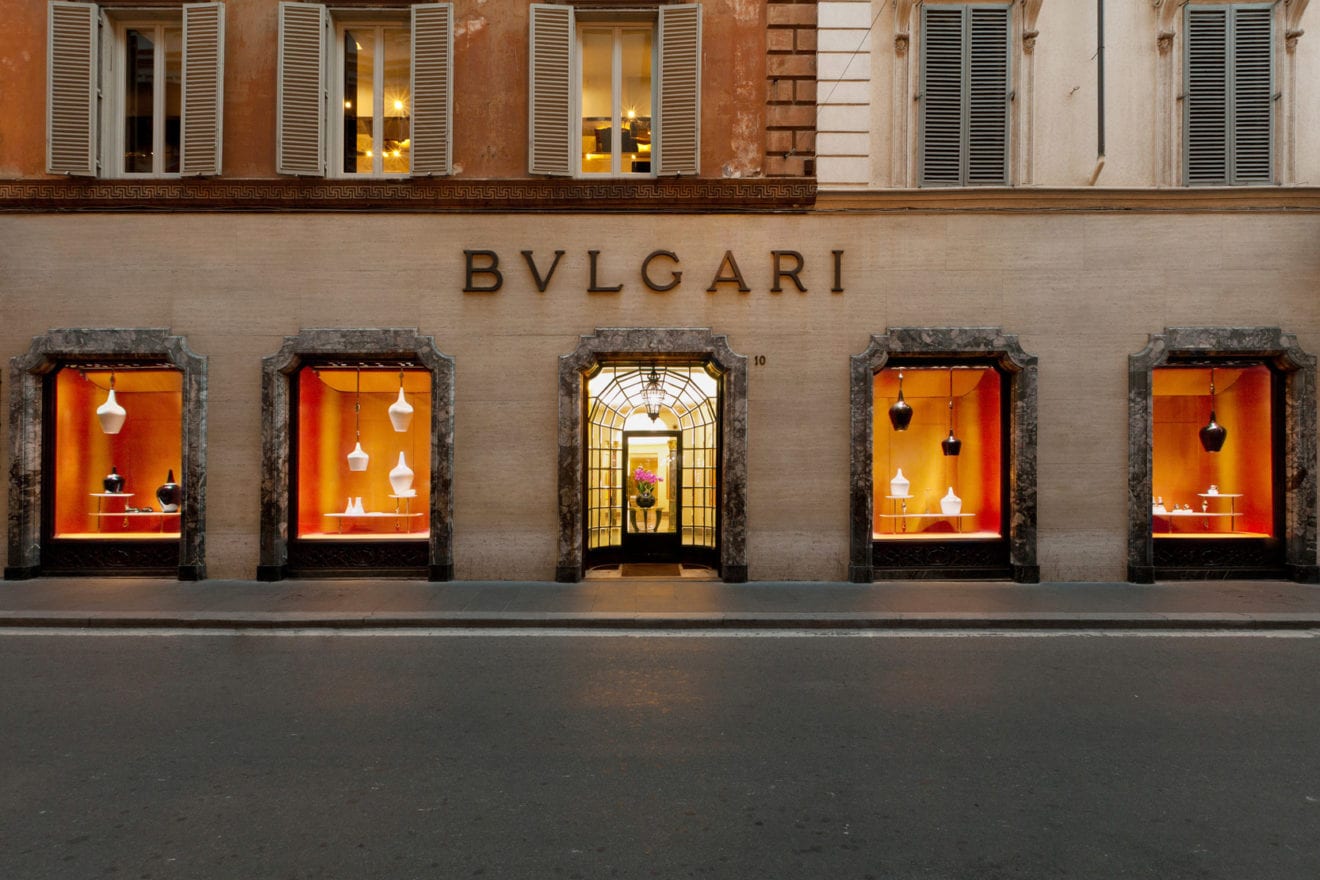
    Italian luxury house Bulgari has opened its first brick-and-mortar store in Ho Chi Minh City, marking its comeback in the country.

    Spanning 194sqm, the Bulgari Vietnam store is located at Union Square shopping centre, featuring the brand’s full range of jewelry, including its famous Serpenti rings, bracelets and necklaces.

    Bulgari first entered Vietnam in 2014 via local distributor Imex Pan Pacific Group and operated until March 2019. In this comeback, the brand set up a member company named Bulgari Vietnam in the country for direct import and distribution.

    According to the brand’s spokesperson, Vietnam is considered as a potential market for the luxury sector due to stable economy and rapid growth. According to data company Statista, Vietnam’s luxury goods market is estimated to reach US$1.14 billion this year and achieve 7.17 per cent growth annually until 2025.

    “We believe this is a good time to bring the brand back to Vietnam,” said the spokesperson. “Overcoming current obstacles will help us to reach a potential customer base that in normal circumstances, they would shop our products overseas.”

    Due to the on-going Covid-19 situation in the country, the brand operated without any launching event.

  • VinFast eyes global market, to open car plant in US

    VinFast eyes global market, to open car plant in US

    VinFast plans to set up an automobile plant in the U.S. as part of its strategy to start selling there in 2022, Bloomberg reported on Tuesday.

    The company, a subsidiary of conglomerate Vingroup, did not provide details about when it will be set up or where.

    Bloomberg quoted its CEO Thai Thanh Hai as saying: “VinFast’s vision is to become a global smart electric car company and the U.S. is one of the first international markets that we will focus on.

    “We will initially develop high-end models for the U.S.”

    The company also plans to open 35 showrooms and service centers this year in California state where it has received a license to test autonomous vehicles on public streets.

    Malaysian newspaper The Star quoted Hai as saying VinFast believes it can win over American and other overseas customers leery of buying an automobile from a Vietnamese company they know little or nothing about by offering top-quality vehicles with high safety standards and advanced technology.

    The company has R&D centers in Australia, Germany and the U.S.

    VinFast, founded by Vietnam’s first billionaire Pham Nhat Vuong, began selling cars with BMW-licensed engines in 2019.

    Last year it sold 31,500 units, all in Vietnam, where 296,634 cars were sold in all.

  • Seafood Exports Edge up in Vietnam

    Seafood Exports Edge up in Vietnam

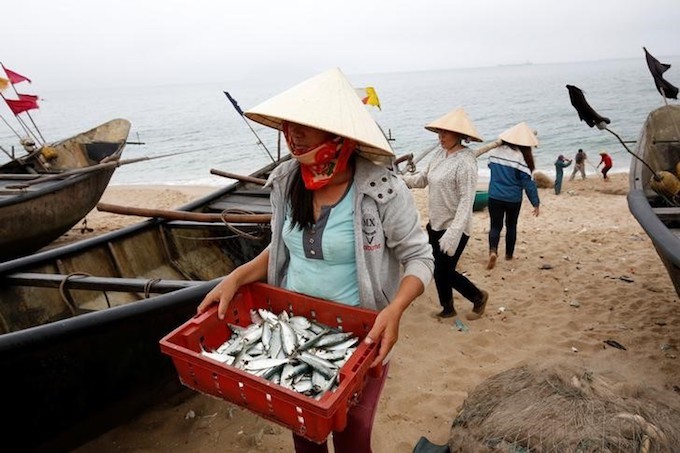
    Seafood exports in the first two months of 2021 rose by 2.2 percent year-on-year to over $1 billion, according to the Vietnam Association of Seafood Exporters and Producers.

    Pangasius fish accounted for 21 percent of the exports at $214 million, up 1.7 percent. Shrimp exports topped $380 million, a year-on-year decrease of 0.8 percent.

    VASEP explained that, due to the impact of Covid-19, global demand is high for products that could be preserved for long, are easy to cook at home and are reasonably priced such as frozen and processed white leg shrimp.

    Black tiger shrimp exports plunged due to high prices.

    VASEP estimated exports would be worth $640 million in March, with shipments to the U.S., E.U. and CPTTP trade deal member countries continuing to rise.

  • Pawn shop chains raise big bucks to expand

    Pawn shop chains raise big bucks to expand

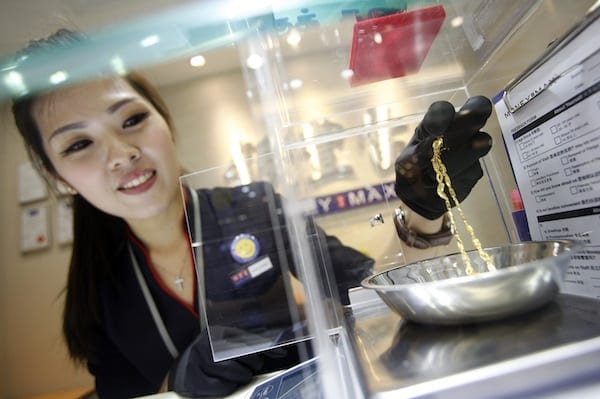
    Vietnamese pawn shop chains have been attracting increasing investment for several years now as large demand for quick loans prompt their expansion.

    Leading jeweler Phu Nhuan Jewelry (PNJ) recently announced that it would acquire a 30 percent stake in pawnshop chain Golden Friend Jsc.

    The Ho Chi Minh City-based pawn shop chain was founded in 2017 with a charter capital of VND1 billion ($43,400), which was raised after six months to VND10 billion.

    The company introduces itself as a strategic partner of PNJ. It has 21 pawn shops, all located inside PNJ stores.

    Earlier this month, HCMC-based pawn shop chain T99 raised VND20 billion from a famous singer, after having received a similar amount from another celebrity last year.

    Another chain, F88, one of the earliest pawn shops chains in the country, raised VND10 billion from a celebrity in 2019 after receiving funds from foreign investors like Mekong Enterprise Fund III and Granite Oak. The chain has 180 shops in 25 localities.

    Pawn shop chains have become more popular in recent years, as they attract customers by offering more professional services than traditional pawn shops.

    Some of them say customers can get a loan money in 15-30 minutes via a quick review process for collateral assets, which can include smartphones, jewelry, motorbikes and cars.

    Most chains have been posting impressive growth figures. F88 last year saw outstanding loans rise 230 percent from 2019 while revenues rose 220 percent. The actual figures were not disclosed.

    The chain, which has nearly 2,000 employees, saw its equity rise 160 percent last year. It raised VND400 billion through bonds last year.

    Another chain, Vietmoney, saw its revenue rise 270 percent year-on-year last year. It has recently sold a 30 percent stake to two foreign investment funds.

    T99, which only entered the market earlier this year, targets having 500 shops nationwide in the next three years and to list on the stock market.

    Observers say that the pawn shop industry has high growth prospects thanks to a high demand for quick loans.

    Around 48 percent of the population has incomes of under $300 per month, and these are potential customers for consumer loans, according to financial data service provider FiinGroup.

    The CEO of F88, Phung Anh Tuan, said it is estimated that 70 percent of Vietnamese citizens still lack access to professional financial services, and this means there is great growth potential for the pawn shop industry.

    Le Dat Chi, deputy head of the School of Finance under the University of Economics Ho Chi Minh City, told local media that as there are many Vietnamese who are not eligible to receive loans from banks, pawn shop chains will serve their credit demand.

    However, more regulations are needed to manage this type of service so they will not be taken undue advantage of by loan sharks, which could have bad consequences for the financial system, he added.

  • State-owned banks lag behind in lending growth

    State-owned banks lag behind in lending growth

    State-owned lenders have been achieving slower credit growth than the industry average for the last five years while private banks are on the fast lane.

    Of the ‘Big Four’ state-owned banks, BIDV, Agribank and VietinBank recorded growth rates that were less than the industry average of 14.6 percent a year in 2016-20 period, according to a note by Rong Viet Securities.

    Vietcombank was the only one to buck the trend with growth of 16.2 percent.

    “Most of the increase in the credit market share in recent years went to private lenders, while the state-owned lenders’ share dwindled,” the report said.

    The latter lost a combined 1.42 percentage point of the market share, it said.

    Part of the reason has been state-owned lenders’ inability to increase capital and to dilute state ownership, it said.

    Meanwhile, private lenders like Techcombank, Military Bank and VPBank posted average growth of over 20 percent in the period, while Saigon Hanoi Bank achieve 18.8 percent and ACB, 17.4 percent.

    Some like TPBank and VIB even achieved growth rates of over 30 percent and 25 percent though their share of credit remained small at 1.4 percent and 1.9 percent.

    Rong Viet Securities analysts said since credit would continue to play an important role in helping the economy achieve GDP growth of 6-8 percent, lending growth is expected to remain in double digits.

  • Casinos want entry for locals since foreigners cannot fly into Vietnam

    Casinos want entry for locals since foreigners cannot fly into Vietnam

    Casinos want the government to allow Vietnamese entry to make up for foreigners’ inability to come to the country due to Covid-19 flight restrictions.

    A group of casino owners recently petitioned authorities that their facilities in major travel destinations such as Quang Nam and Ba Ria – Vung Tau should be allowed to take advantage of domestic demand.

    Their revenues have plummeted due to the lack of foreign visitors amid flight restrictions, they said.

    Only two casinos, one on the southern island of Phu Quoc and the other in Van Don in the northern province of Quang Ninh, are now allowed to admit Vietnamese.

    The government has for long treated gambling as a “social evil” and prohibited Vietnamese from entering casinos. In January 2019, it began a three-year trial to open certain casinos to Vietnamese. The program does not specify the list of casinos, and licenses are instead given on a case-by-case basis.

    Vietnamese who want to gamble in a casino must be over 21, earn a minimum of VND10 million ($430) a month and have no criminal record or objections from their family.

    The entry fee is VND1 million ($43) for a day and VND25 million ($1,000) for a month.

    Vietnam has eight casinos which earned total revenues of VND2.5 trillion in 2019, according to Ministry of Finance data.

    At Casino Corona in Phu Quoc, the first to allow Vietnamese entry, locals accounted for 45 percent of gamblers in 2019.

  • Steel giant to manufacture containers for first time in Vietnam

    Steel giant to manufacture containers for first time in Vietnam

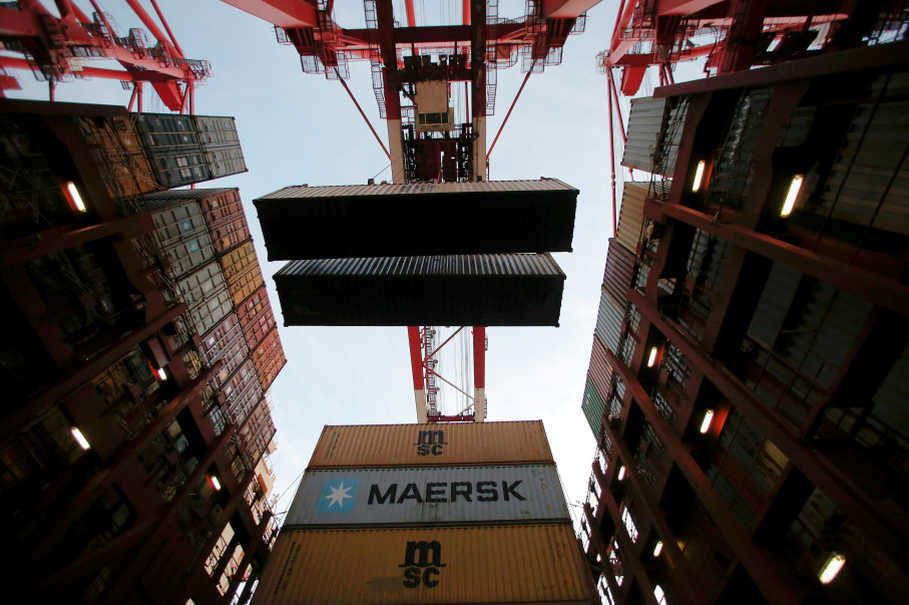
    Steelmaker Hoa Phat plans to manufacture 500,000 twenty-foot equivalent unit containers a year to mitigate a shortage since containers are stuck at ports after Covid-19 hit trade.

    It plans to build its first container manufacturing factory in Binh Duong or Dong Nai province and near Cat Lai Port in HCMC and Cai Mep – Thi Vai International Port in Ba Ria – Vung Tau Province.

    The southern region has an especially high demand for containers. Market research by Hoa Phat in fact found that three out of every four containers are used there.

    Nguyen Manh Tuan, vice chairman of the Hoa Phat Group, said the containers would be made of weather-resistant hot-rolled coil steel with enhanced corrosion resistance produced at its Hoa Phat Dung Quat 2 steel plant to be launched in early 2022.

    The logistics sector is suffering from a severe container shortage since many remain in various ports around the world, unable to offload their goods, while demand for containers to export to Europe and the U.S. is high.

    At the end of 2020, the Vietnam Maritime Administration had to order container shipping lines to publicly declare their freight rates and surcharges, saying it had received numerous complaints about inflated prices due to a shortage of containers and warning it would not tolerate gouging.

    Most shipping lines have hiked freight by 2-10 times in the last three months.

    In Vietnam, there is no container production.

    Tuan explained that the price of weather-resistant hot-rolled coil steel used for making containers is high, and would cause losses for companies if they have to import it.

    “Hoa Phat can produce this type of steel,” he said.

  • Sun Life Vietnam reveals strategy to increase insurance market share

    Sun Life Vietnam reveals strategy to increase insurance market share

    In December 2020, Sun Life Vietnam signed a partnership agreement with ACB to expand its budding bancassurance system.

    The new, 15-year partnership with ACB came into effect on the first day of 2021. ACB will distribute Sun Life Vietnam’s products at their 371 branches in 48 provinces, offering innovative and comprehensive financial solutions to millions of potential clients.

    The deal with ACB came after Sun Life’s first exclusive distribution deal with Tien Phong Commercial Joint Stock Bank (TPBank) just a year prior. The two partnerships prove what great stock Sun Life Vietnam puts into the emerging distribution channel and industry-leading collaborations.

    Larry Madge, CEO of Sun Life Vietnam, said: “We believe our cooperation with ACB and TPB will help us significantly expand Sun Life Vietnam’s client reach and enhance our position in the market.”

    Sun Life Vietnam products are now widely available to millions of TPBank and ACB customers, complementing the insurer’s extensive agency network.

    The two bank partners will also collaborate with Sun Life Vietnam on digitally enhancing their offering, client experience and training to ensure the best consultancy services.

    “The new partnership with ACB will be a powerful boost to our distribution capabilities and will enable us to scale up operations even faster. At the same time, we are accelerating the expansion of our agency network by opening new offices across the country and will also continue developing our existing partnership with TP Bank,” said Madge.

    Since the beginning of 2020, Sun Life Vietnam has been steadily increasing its charter capital while boosting investment in technology, branding, products, and services to meet changing client needs and adapt to new trends and a new working environment.

    For example, as Covid-19 was a complete game-changer for the entire industry, Sun Life Vietnam had to roll out several new solutions to adapt to the new landscape.

    The insurer developed Sun Fast, a solution where their advisors and clients could conduct virtual meetings and the entire consultation and purchasing process digitally. They can fill out and sign applications virtually, without face-to-face interaction, so they are not left without protection even during social distancing.

    In December, Sun Life Vietnam also introduced a new QR payment method to improve convenience.

    According to Vietnam Report, there will be more large-scale collaborations between banks and insurance businesses, with an increasing proportion of insurance revenue generated through bancassurance. Deals between FWD and Vietcombank or Sun Life Vietnam, ACB and TPBank all point in this direction.

    The insurance market is still looking at excellent growth potential due to the low number of insurance policyholders in the country, while the middle-class ranks proliferate.

    Remarkably, bancassurance has been growing even more substantial and now contributes nearly 30 percent of total life insurance sales. The annual average growth rate in 2016-2019 was 30 percent, and while the segment was hit hard by Covid-19, it still grew by 19 percent throughout 2020.

    Madge commented: “The Vietnamese economy has been growing steadily by 6-7 percent in recent years, and with the great job the Vietnamese government has done to manage Covid-19 while maintaining the economy, we have high hopes this rapid growth will continue.”

    “Currently, the Vietnamese insurance market is underpenetrated and only accounts for 1.4 percent of the GDP. Simultaneously, the global average is 3.4 percent.”

    Bancassurance deals offer benefits to all three sides – the insurance company, bank, and clients. It provides an efficient distribution channel to the insurance company, increasing its market reach, revenue, and potential client base.

    Meanwhile, it brings significant investment to the bank partner and improves relations with clients via a comprehensive set of products and services. The client can also enjoy improved protection from daily risks through insurance products while accessing flexible services from both the bank and insurer.


  • Vietnam beats global average in sustainable lifestyles

    Vietnam beats global average in sustainable lifestyles

    Vietnam is ahead of the global average in adopting healthy and sustainable lifestyles, a survey has found.

    Forty seven percent of respondents in Vietnam said they had supported a socially responsible company last year, against a global average of 33 percent, the survey by research company GlobeScan and digital payment firm Visa said.

    Eighty two percent said they had sought out information related to healthier lifestyles last year, well above the global average of 56 percent.

    The survey, which polled 27,000 people in 27 countries and territories, also found that people in Vietnam are taking proactive steps towards healthier and more sustainable lifestyles.

    Ninety percent said they had made changes to their lifestyles last year to be more environment-friendly, and 87 percent made changes to be healthier.

    Vietnamese also display a high interest in environment-friendly lifestyle choices, with 81 percent saying they had sought out information about them last year against a global average of 47 percent.

    “It is encouraging to see that consumers in Vietnam are already taking concrete steps to lead healthy and sustainable lifestyles,” Dang Tuyet Dung, Visa country manager for Vietnam and Laos, said.

    Asked what companies could do to help them live healthily and sustainably, Vietnamese listed a desire for new products that are better for both people and the environment as a top priority.