Tag: Vietnam

  • Vietnamese banks continue to ascend global brand rankings

    Vietnamese banks continue to ascend global brand rankings

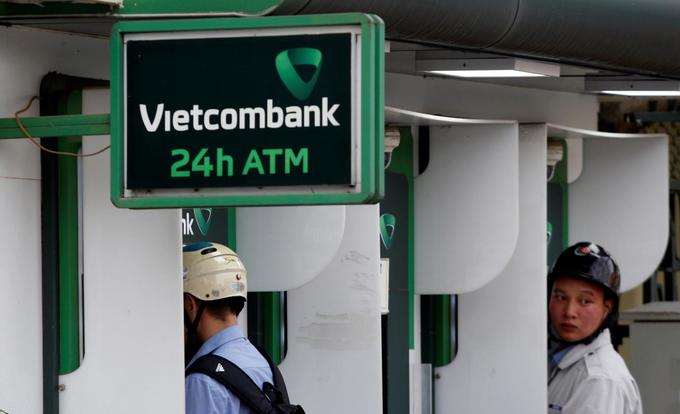
    Nine Vietnamese lenders, five of them state-owned, have risen up the list of the world’s 500 most valuable banking brands.

    State-owned Agribank, one of the ‘Big 4’ state-owned lenders, jumped 17 places to 173th in the annual ranking put out by U.K. consultancy Brand Finance.

    Fellow state-owned lenders Vietcombank and VietinBank rose 27 and 61 spots to 180th and 216th.

    BIDV was at 246th and MB at 374th, up 30 and 12 spots.

    Of the private lenders, VP Bank rose 37 places to 243rd and the country’s private player, Techcombank, jumped 57 spots to 270th.

    Sacombank and ACB rose 30 and 23 places to 392nd and 397th.

    The report said VietinBank was one of 10 fastest-growing banks globally last year.

    “Vietnam’s banking sector has seen the greatest year-on-year brand value growth of any nation in the rankings with 23 percent,” the consultancy said.

    “Vietnam’s ability to effectively control and constrain Covid-19 has allowed it to buck the sector-wide trend of declining brand value.

    “Internal reforms have strengthened accountability in the Vietnamese financial sector, which has had the knock-on effect of boosting not just revenues, but brand reputation and trust.”

    Vietnam’s banking sector has recorded cumulative brand value growth of 753 percent in the last five years, the second-highest rate in the rankings.

    “Since the Vietnamese government introduced its strategy to boost accountability and the strength of the banking sector, including more stringent capital requirements and greater transparency, customer perception has improved,” Brand Finance said.

    China’s ICBC was the world’s top bank brand.

    Chinese banks maintained their dominance in the rankings, accounting for 33 percent of total brand value and seven of the 10 top climbers.

  • Vietnam Airlines to invest $430 mln to offer ground services at Long Thanh airport

    Vietnam Airlines to invest $430 mln to offer ground services at Long Thanh airport

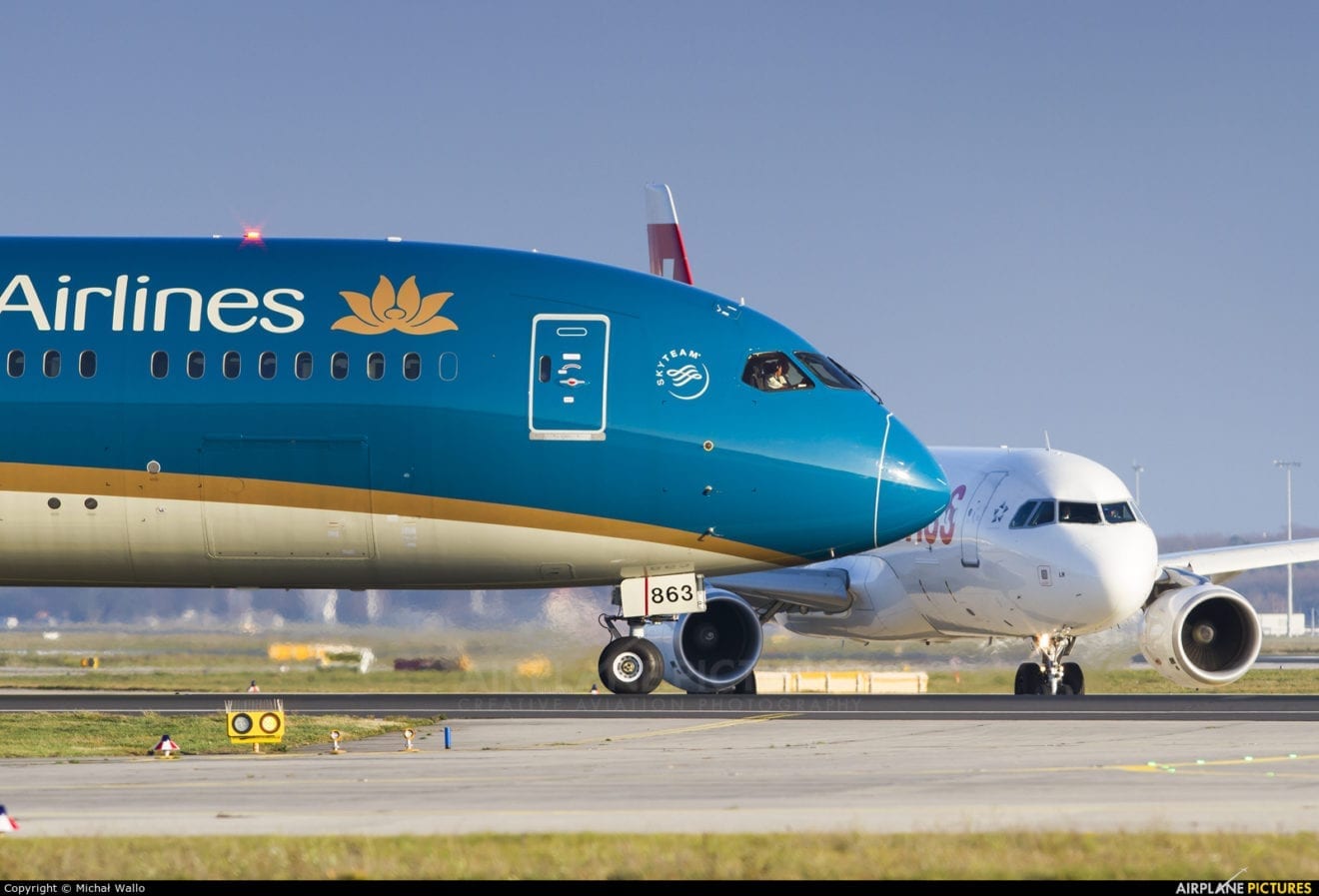
    Vietnam Airlines plans to invest VND9.9 trillion ($430 million) in the under-construction Long Thanh International Airport to become a provider of ground services and in-flight meals.

    It plans to provide aircraft maintenance services, supply jet fuel and meals, serve passengers in lounges, and set up duty-free shops, the carrier said in a proposal to authorities.

    These are services the state-owned carrier already provides at major airports in the country.

    It will bring in 30 percent of the amount from its own resources and borrow the rest.

    Its subsidiaries can either set up facilities at the airport or joint ventures with the Airports Corporation of Vietnam (ACV), which oversees the construction and would operate the airport, the proposal said.

    It hopes to get a dedicated area at the airport to build hangars for aircraft maintenance and in the terminal to prioritize its customers.

    Construction of the first of three phases of Long Thanh International Airport in the southern province of Dong Nai, 40 kilometers east of Ho Chi Minh City, began in January.

    The $4.6-billion first phase of the airport is set to be completed by 2025 when it will be able to handle 25 million passengers and 1.2 million tons of cargo a year.

    The final phase will be completed by 2040, when the airport will have four runways and four passenger terminals. It will have a capacity of 100 million passengers and five million tons of cargo.

  • Workers in high demand as factories expand production

    Workers in high demand as factories expand production

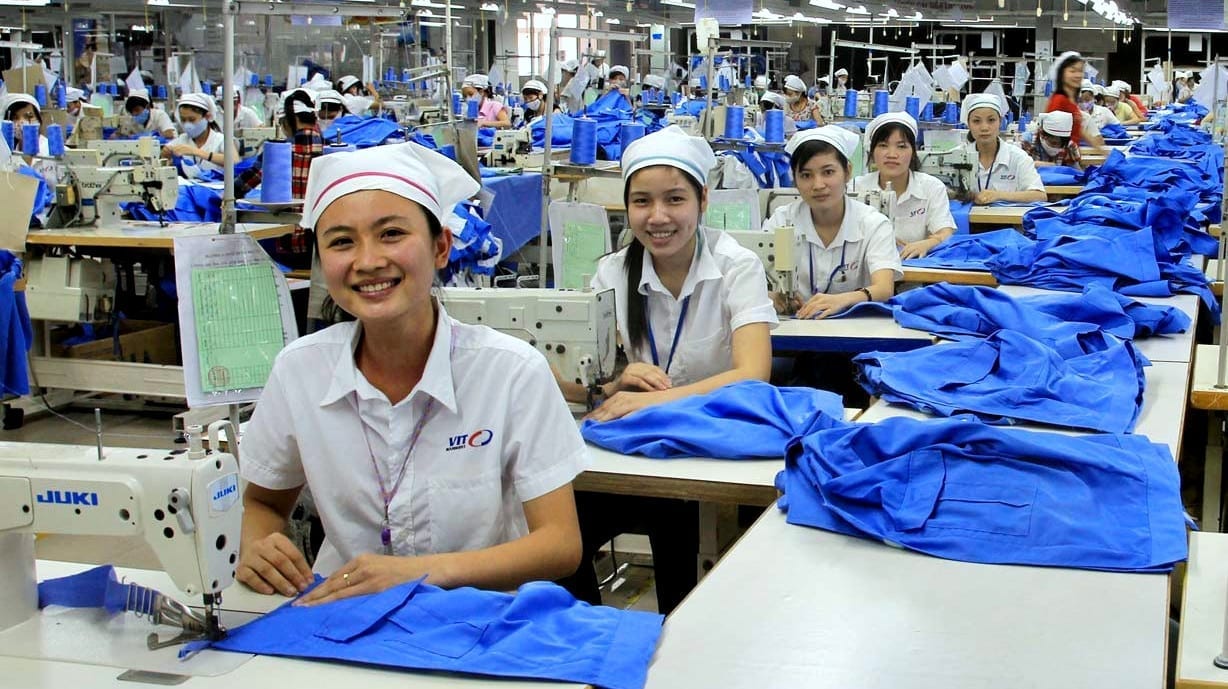
    Several localities have reported demand for thousands of workers as manufacturers seek to scale up production.

    In some industrial parks in the southern provinces of Dong Nai and Binh Duong, hundreds of companies have put up hiring notices this week.

    South Korean textile firm Taekwang Vina in Dong Nai is looking for 3,000 workers as it plans to establish four more production chains this year.

    The company offers a minimum monthly salary of minimum VND7 million ($304). Anyone with basic literacy can apply.

    Another South Korean textile firm in the province, the Chang Shin Vietnam Company, which has 35,000 workers, is also recruiting an unspecified number of new workers as the number of orders received by the end of this year has already exceeded capacity, prompting it to build two new workshops.

    In Binh Duong, official data shows local companies are looking for nearly 40,000 workers in several sectors including textiles, wood processing and household products manufacturing.

    Companies are sending recruiters to sit near main roads to increase the chances of contacting candidates.

    “Businesses are struggling to find workers even though they are offering high salaries of VND7-13 million a month plus benefits,” Nguyen Kim Loan, chairwoman of the Binh Duong Labor Federation, told local media.

    In the northern province of Bac Ninh, where many multinational manufacturers have set up plants, the demand for workers is estimated at 15,000.

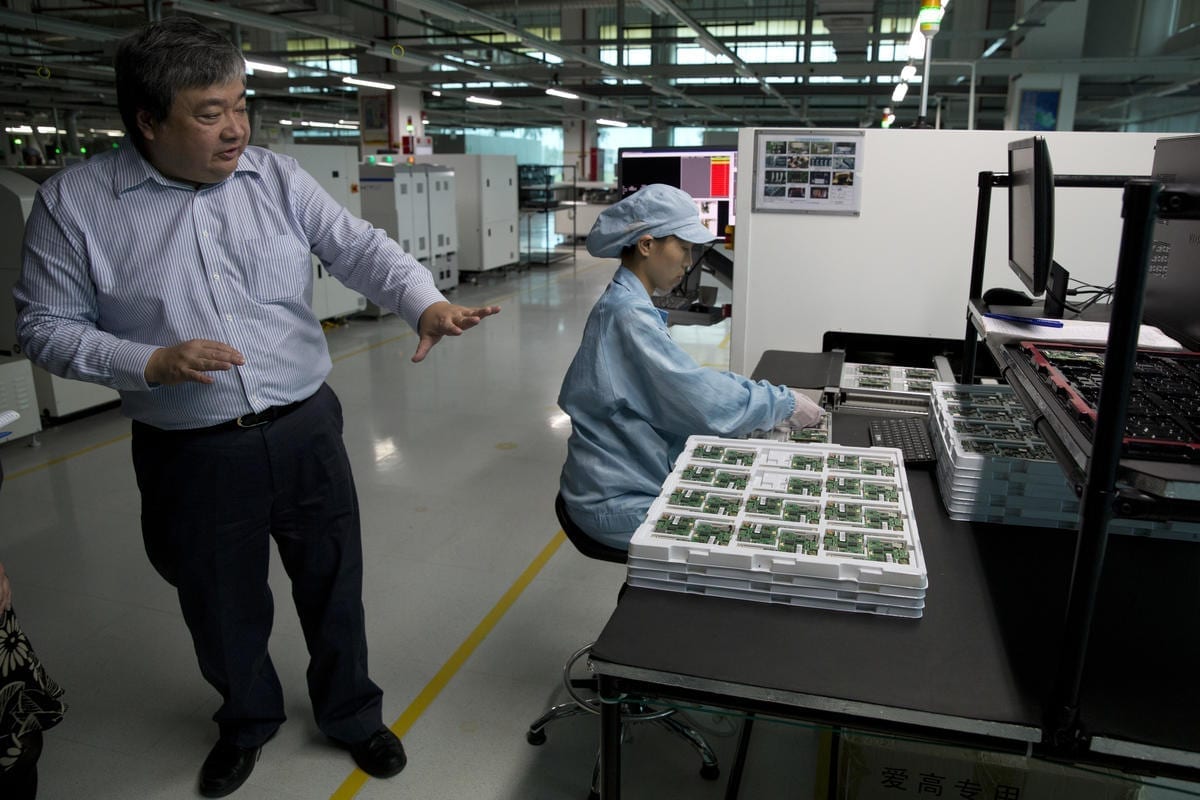
    Foxconn, a major supplier for Apple, is hiring 1,000 workers in Bac Ninh and the neighboring province of Bac Giang. It received a license in January to build a $270-million plant produce laptops and tablets in Bac Giang.

    Nguyen The Quyet, chairman of the union of workers at industrial parks in Bac Ninh, said that many companies were unable to complete orders last year due to disruptions caused by the Covid-19 pandemic and were seeking to make up now.

    Another reason is a surge in new orders this year from many countries, pushing factories to expand production and employ more people, he added.

    Recruitment demand was highest among electronics and vehicle parts producers, he said.

    Vietnam’s industrial production index rose over 22 percent year-on-year in January as the economy recovered from Covid-19 impacts, according to the General Statistics Office.

    The country’s GDP growth could hit 7.5 percent this year, compared to 2.9 percent last year, according to credit rating company Fitch Ratings.

  • Vietnam, New Zealand to expand fruit trade this year

    Vietnam, New Zealand to expand fruit trade this year

    Vietnamese limes and pomelos could be exported to New Zealand soon, following a commitment made Wednesday during the first agricultural dialogue between the two countries.

    The virtual dialogue was co-chaired by Ray Smith, Chief Executive of the New Zealand Ministry for Primary Industries, and Dr Le Quoc Doanh, Vice Minister of Vietnam’s Ministry of Agriculture and Rural Development (MARD).

    A New Zealand embassy press release said the two leaders had confirmed their shared commitment to finalizing new fruit access for each other this year, so consumers can enjoy New Zealand strawberries and squash in Vietnam and Vietnam’s limes and pomelos in New Zealand.

    The two sides signed an Agriculture Cooperation Arrangement (ACA) after the dialogue.

    The ACA will enable both sides to advance their key agricultural interests in enhancing bilateral trade, reducing agricultural greenhouse gas emissions, promoting food safety, utilizing agriculture research and technology, and fostering rural development, the release said.

    The New Zealand Ministry for Primary Industries is already supporting agriculture cooperation with MARD through activities in plant health, veterinary epidemiology and electronic certification.

    These activities complement New Zealand’s ongoing development program in the country, which has a number of agriculture projects including one on premium fruit development in the southern province of Tien Giang, another on rural dam safety project in central Vietnam, and yet another on safe vegetables in central Binh Dinh Province.

    Smith and Doanh affirmed that the strategic partnership between the two countries has created a solid foundation for increasing bilateral agricultural cooperation and connections.

    Vietnam is New Zealand’s 14th largest trading partner, with two-way trade valued at over $1.4 billion as of September 2020.

    Vietnam has received licenses to export fresh mango, dragon fruit and rambutan to New Zealand so far. It imports apple, kiwi fruit, kiwi berry, blue berry, cherry and persimmons.

  • Three VinSmart phone models make US debut

    Three VinSmart phone models make US debut

    Three smartphone models produced by VinSmart, a unit of Vietnamese private conglomerate Vingroup, have been sold in the U.S. since earlier this year.

    Carrier AT&T distributes the phones under the names Fusion Z, Motivate, and Maestro Plus through its own stores and some retail chains like Walmart.

    The model codes match those of three VinSmart models licensed by the U.S. Federal Communications Commission (FCC) to be sold in the U.S.

    Their prices range from $39 to $89, including promotions and a two-year warranty.

    All three 4G models have six-inch screens and operate on the Android 10 operating system.

    VinSmart was partnering with AT&T to produce smartphones, with around two million units in the first batch.

    VinSmart declined to comment on the reports.

    The three phones are part of 10 smartphone models approved by the FCC, including Vsmart Aris, the latest mid-range model produced by VinSmart and is being sold in Vietnam.

    VinSmart’s factory, located in Hoa Lac Hi-Tech Park in Hanoi, is capable of producing 125 million smartphone units annually.

  • Bamboo Airways hikes capital by 50 pct

    Bamboo Airways hikes capital by 50 pct

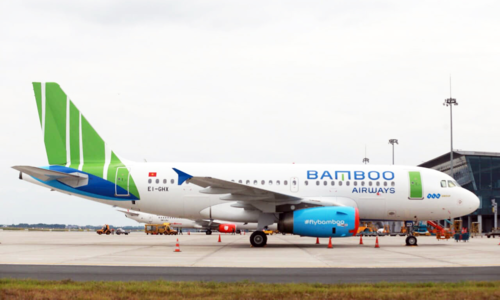
    Bamboo Airways has increased its charter capital by half to VND10.5 trillion ($458 million), its fifth hike in less than four years since establishment.

    The airline, in which conglomerate FLC owns a 51.29 percent stake, posted a pre-tax profit of over VND400 billion last year, up 34 percent from 2019.

    The airline began flying in 2019, and carried over four million passengers last year, a 40 percent increase from the previous year.

    It has a fleet of nearly 30 aircraft and plans to expand it to 50 this year. It has the best on-time performance in the country.

  • Vietjet acquires 67 pct in express delivery startup

    Vietjet acquires 67 pct in express delivery startup

    Budget airline Vietjet has invested VND31.5 billion ($1.36 million) to acquire a 67 percent stake in shipping startup Swift247 which seeks to improve the linkage between air and road delivery.

    The company, co-founded by Tommy Nguyen, son of Vietjet CEO Nguyen Thi Phuong Thao, has a charter capital of VND47 billion. Its CEO, Ha Nang Viet, owns 26 percent of the company.

    The Ho Chi Minh City-based company, founded in 2019, delivers products between Southeast Asian destinations within 24 hours by combining air and road transport. Other delivery services take days.

    It offers a delivery time of as low as five hours between Hanoi and HCMC.

    The company also has a tie-up with ride-hailing company Grab.

  • Vietnam cryptocurrency use second highest in the world

    Vietnam cryptocurrency use second highest in the world

    Vietnam has the second-highest rate of in terms of cryptocurrency use among 74 surveyed economies, driven by remittance payments, a new report says.

    The report on survey results released by Statista, a global provider of market and consumer data, says 21 percent of respondents in Vietnam said that they used or owned cryptocurrency in 2020, second after Nigeria (32 percent).

    The Philippines ranked third at 20 percent, followed by Turkey and Peru, both at 16 percent, said the survey which covered 1,000-4,000 respondents per country.

    The rest of the top 10 comprised Switzerland, China, the U.S., Germany and Japan.

    For Vietnam and the Philippines, remittance payments play a role in the widespread use of cryptocurrency,” the report said.

    The high cost of sending money across borders in conventional ways has caused many to turn to local cryptocurrency exchanges, catering to overseas workers and their families, it added.

    However, cryptocurrency has not been recognized as a legitimate means of payment in Vietnam. The State Bank of Vietnam has warned that owning, trading and using cryptocurrency was risky and not protected by laws.

    Earlier reports have noted that while the Vietnamese diaspora typically sent remittances to Vietnam to support their families, there has been a shift in recent years. Now, a significant portion of remittances is used as investments for doing business in the country.

    Around 580,000 Vietnamese citizens work overseas now, up from 500,000 in 2010, according to the Department of Overseas Labor under the Ministry of Labor, Invalids, and Social Affairs.

  • Vietnam moves up in e-commerce readiness

    Vietnam moves up in e-commerce readiness

    Vietnam has jumped three places to 63rd in the latest global e-commerce readiness ranking, faring better than several regional peers, a UN report says.

    With a score of 61.6 points on a scale of 100, Vietnam did much better than Indonesia (83rd), the Philippines (96th), Laos (101st), Cambodia (117th) and Myanmar (130th), according to the B2C (business-to-consumer) E-commerce Index report released this week by the United Nations Conference on Trade and Development.

    The ranking measured 152 economies around the world on their readiness to engage in online commerce based on four indicators with a high correlation to online shopping: internet server access; postal service reliability; share of the population who use the internet; and share of the population aged above 15 who have an account with a financial institution or mobile-money-service provider.

    According to the report, nearly 70 percent of Vietnamese people use the internet and 31 percent of individuals aged 15 and above have bank accounts or mobile bank accounts.

    In terms of internet server access and postal reliability, Vietnam scored 64 and 83 percent respectively.

    The report also showed online shoppers in Vietnam account for 36 percent of internet users and 18.7 percent of the 96-million population.

    Switzerland was on top of the index, followed by the Netherlands and Denmark.

    “The Covid-19 pandemic has made it more urgent to ensure countries trailing behind are able to catch up and strengthen their e-trade readiness,” said Shamika Sirimanne, director of UNCTAD’s technology and logistics division, adding that the index underscores the need for governments to do more to ensure more people can avail of e-commerce opportunities.

    “Otherwise, their businesses and people will miss out on the opportunities offered by the digital economy, and they will be less prepared to deal with various challenges,” she said.

    According to an e-commerce development plan approved by the Vietnamese government last year, the sector’s revenues should reach $35 billion by 2025 and account for 10 percent of the total. The government also targets 55 percent of the population shopping online by 2025.

    Vietnam’s e-commerce market expanded by 18 percent last year to $11.8 billion, the only country in Southeast Asia to record double-digit growth in the sector amid the Covid-19 pandemic.

  • Indonesia slaps anti-dumping duties on cold steel sheets imported from Vietnam

    Indonesia slaps anti-dumping duties on cold steel sheets imported from Vietnam

    The Indonesian Anti-dumping Committee has concluded that Vietnam is dumping cold steel sheets following a 16-month-long investigation.

    Indonesia will apply anti-dumping duties of 3.01-49.2 percent on imports from Vietnam. But some major exporters are set to get away with low duties, according to the Trade Remedies Authority of Vietnam.

    Hoa Sen Group will pay 5.34 percent and Ton Dong A Corporation will pay 3.01 percent.

    The Trade Remedies Authority of Vietnam said it has been informed by the committee that Vietnamese and Chinese cold steel sheets are being imported into Indonesia at a price lower than in those countries, hurting domestic companies.

    In August 2019, the Indonesian committee announced it was opening the anti-dumping investigation. In July last year, it made a preliminary conclusion that the item under investigation was indeed being dumped.

    Immediately TRAV sent a letter objecting to some unreasonable aspects of the preliminary conclusion. KADI decided to extend the investigation for six months.

    Its final conclusion was announced on February 17.

  • Viettel leaps 32 places in global brand ranking

    Viettel leaps 32 places in global brand ranking

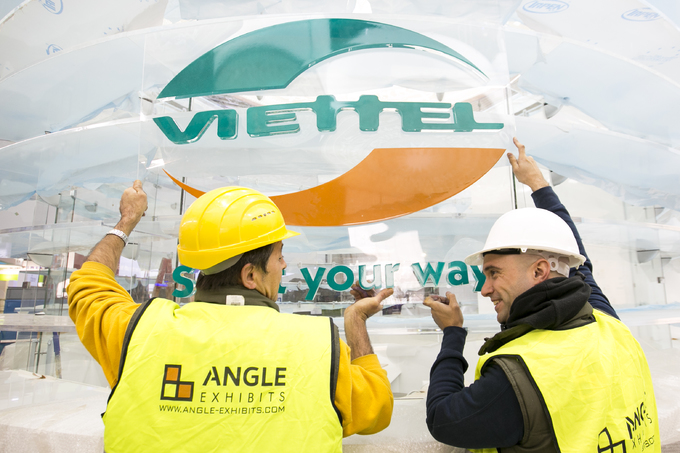
    Vietnam’s largest telecommunication service provider Viettel has climbed 32 positions to rank 325th most valuable brand in the world in 2021.

    Currently valued at $6.01 billion, up 3.4 percent from the previous year, Viettel is the only telecom brand in Southeast Asia to break into the global ranking compiled by Brand Finance, a London-based branded business valuation consultancy.

    The military-owned firm reported revenues of VND264 trillion ($11.47 billion) last year, up 4.4 percent from 2019, and a pre-tax profit of VND39.8 trillion, up 4.1 percent.

    Viettel attributed the results to digital transformation and its switch from being a telecom services provider to a digital services provider. In 2020, the platforms it developed included digital infrastructure, solutions, content, finance, and cybersecurity.

    By manufacturing 5G equipment and trialing 5G services, the company made Vietnam one of only six countries in the world to master the technology.

    The Brand Finance Global 500 list covers 20 sectors in 29 markets, using a sample size of 55,000 adults over 18 years old.

    There are just 34 telecom companies in the 2021 listing of the world’s top 500 brands by value. Most of them saw their values fall last year.

  • Vietnam ranked among world’s top 10 emerging logistics markets

    Vietnam ranked among world’s top 10 emerging logistics markets

    Vietnam has jumped three spots to eighth in this year’s global index of emerging logistics markets after emerging as a popular manufacturing hub.

    The country had an overall score of 5.67 out of 10 in the 2021 Emerging Markets Logistics Index released by leading logistics company Agility.

    The firm ranked 50 economies based on three factors that make them attractive to logistics providers, freight forwarders, shipping lines, air cargo carriers, and distributors: domestic logistics opportunities, international logistics opportunities and business fundamentals.

    Vietnam performed well in international opportunities, ranking fourth globally. It was 18th in domestic logistics opportunities and 21st in business fundamentals, which include regulatory environment, credit and debt dynamics, contract enforcement, anti-corruption safeguards, price stability, and market access.

    “Vietnam has made strides as a manufacturing destination as a small number of companies has looked to ease dependence on Chinese production as a result of U.S.-China trade friction, rising costs and the Covid-19 crisis,” the report said.

    Vietnam’s climb by three places to eighth demonstrates it effectively contained the spread of the virus, positioned itself deftly to absorb manufacturers seeking to leave China and possesses an enviable investment pipeline across a number of sectors, including fashion and electronics, which could see its rise continue in 2022, the report said.

    China remained the world’s leading emerging logistics market followed by India. Indonesia (3rd) and Malaysia (5th) were Southeast Asian countries that did better than Vietnam in the ranking.

    According to the Vietnam Logistics Business Association’s latest survey, there are around 30,000 logistics companies in the country, 4,000 of them foreign-owned.

    The industry has been growing at 12-14 percent annually and is now worth $40-42 billion.

  • Electronics exports boom driven by FDI

    Electronics exports boom driven by FDI

    Vietnam’s electronics exports have been booming due to consistent foreign investment in the sector, HSBC said in a recent report.

    The country’s exports rose by 50.5 percent year-on-year in January, with the primary driver of growth being Samsung’s recently released Galaxy S21 smartphone.

    Electronics exports last year were a record $96 billion, or a third of the country’s total exports.

    It attributed the rapid rise to Samsung’s investments since 2008. The South Korean company now has six plants in Vietnam.

    The country has also emerged as a growing supplier of chips with over 11 percent of the global market share in 2019 after growing at 300 percent that year.

    Its increasing production of computers has also supported chip production.

    U.S. company Intel set up a $1-billion chip assembly and testing facility in 2006, and in January 2021 reportedly injected another $475 million to manufacture 5G products and core processors.

    U.S. tech giant Apple has been producing Airpods since May 2020, and is likely to start producing iPads as early as mid-2021.

    Foxconn, a key supplier for Apple, received a license in January to build a $270-million plant in the northern province of Bac Giang. The Taiwanese contract manufacturer has so far invested $1.5 billion in Vietnam.

    Vietnam’s competitive policies will continue to attract quality FDI, which is crucial in helping the country move up the value chain.

    The country has to improve labor productivity through better education and vocational training. The other priority is improving infrastructure, said the report.

  • Fresh infusion takes LG Display’s Vietnam investment to $3.25 bln

    Fresh infusion takes LG Display’s Vietnam investment to $3.25 bln

    LG Display will invest an additional $725 million in its manufacturing facility in the northern port city of Hai Phong to take its total investment to $3.25 billion.

    The money will be used to expand the factory starting in March. Manufacturing will begin in May.

    It will create 5,000 new jobs, and contribute around $5 million annually to the government’s coffers.

    LG Display first invested in Hai Phong in April 2016, and currently employs over 13,900 people.

  • Bamboo Airways adds A321NEO ACF to fleet

    Bamboo Airways adds A321NEO ACF to fleet

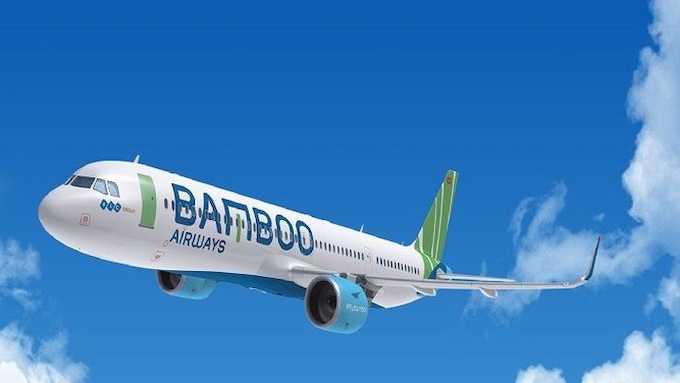
    The brand new aircraft model Airbus A321NEO ACF (also known as Airbus Cabin Flex) with number VN-A222 departing from Hamburg, Germany, landed at Noi Bai International Airport, Hanoi, at 6 a.m. on February 7, officially joining Bamboo Airways’s fleet.

    Airbus A321NEO ACF is the first narrow-body aircraft to join Bamboo Airways’s fleet in 2021, following the Embraer modern jet that did so in January 2021.

    With the addition of A321NEO ACF aircraft, Bamboo Airways will be operating A320/A321NEO fleet of 10 aircraft, together with wide-body Boeing 787-9 Dreamliner aircraft and regional jet Embraer 190, 195.

    The airline plans to expand its fleet to 100 aircraft by 2025, including at least 30 A321NEO aircraft under the purchase agreement signed with Airbus. After landing at Noi Bai, Bamboo Airways A321NEO ACF was disinfected in accordance with standard regulations and instructions from the government.

    The entire aircraft was sprayed and sanitized thoroughly in 30 minutes, with special focus on items and areas which are commonly touched by passengers such as dining tables, handrails, entertainment screens, etc.

    “Safety of pandemic prevention is always the ultimate goal of Bamboo Airways in all operating processes. Therefore, the comprehensive sterilization process is strictly followed by the airline to ensure that A321neo ACF aircraft meets the safety standards before being put into service,” said a representative of Bamboo Airways.

    As the newest aircraft in the A320 family, A321NEO ACF has an upgrade in cabin structure that enhances efficiency and hardware interior, advantaging both the operator and passengers.

    It is equipped with a cutting-edge engine, allowing at least 16 percent cut in fuel consumption, up to 75 percent reduction of noise and 50 percent of emissions cut.

    The aircraft is being addressed by Airbus as the base for the airline to continue developing a line of narrow-body aircraft for longer flight routes such as the A321LR.

    Bamboo Airways adjusts an additional upgrade of seating space, legroom, reclining as well as aisle area to suit Vietnamese passengers.

    Bamboo Airways reduces the A321NEO ACF passenger cabin design to 223 seats, instead of the original 244 seats, comprising two classes of business and economy. The interior design is sophisticated and prevalent, delivering the brand identity of the airline.

    Along with the sterilization and disinfection of aircraft, amid the pandemic, Bamboo Airways always implements a full range of prevention measures to ensure maximum safety for passengers and crew members.

    Dining tables in the cabin’s seats were turned over, the storage compartment, the toilet were also opened to be sprayed with disinfectants in every corner. The disinfection solution used was CH2200, applied according to medical standards and proven not to affect passengers’ health.
    `
    As soon as completing the fumigation procedure, A321NEO ACF aircraft will be put into operation in many key routes to meet the travel demand in the Lunar New Year and early spring. To this date, Bamboo Airways has not recorded any employee positive for Covid-19.

    In the morning of February 7, at Rach Gia airport, Bamboo Airways also held the opening ceremony of Hanoi – Rach Gia route, officially marking the milestone of Bamboo Airways as the first airline in history to operate direct flights connecting the capital with Rach Gia.

    This is a continuation to the airline’s launch of Ho Chi Minh City – Rach Gia route on February 4, 2021.

    In recent years, Bamboo Airways has implemented numerous programs and services, helping passengers to save travel costs and have safe travel options during the complicated and unexpected pandemic.

    For example, the Bamboo Pri-Flight charter service allows passengers group of under 20 people to rent a full flight using Bamboo Airways narrow-body jets.

    Customers can freely choose the itinerary and departure time, guaranteed social distancing, prioritize fast check-in and in-flight service with business-class standards, combined with the most convenient, private and secure flight experience.

    Bamboo Airways has operated over 50 routes, transporting nearly 7 million passengers with absolute safety.

    In 2020, the airline has operated more than 40 percent of capacity compared to 2019 and maintained the leading rate of on-time performance in Vietnam’s aviation industry.

    Bamboo Airways was also voted as “The Airline with the Best Service”, “The leading regional Airline in Asia.” The airline aims to occupy 30 percent of domestic aviation market share by 2021.