Tag: Vietnam

  • Nearly half of Vietnamese fear job losses due to automation

    Nearly half of Vietnamese fear job losses due to automation

    Forty-five percent of Vietnamese are worried about losing their jobs to machines in the future, a survey has found.

    Most respondents, 83 percent, think technology would change their jobs in the next 3-5 years, and 90 percent think that would happen in the next 6-10 years, according to the survey by global accounting giant PwC, which polled over 1,100 people in November and December last year.

    This poses a demand for enabling a future-ready workforce, it said.

    Dinh Thi Quynh Van, general director of PwC Vietnam, said: “While an upgrade or investment in technology can be immediate, equipping people with the right skills to meet the needs of the future, helping them thrive in the changing conditions of the digital world require time and constant effort.”

    The evolution of technology also caused for optimism, with 90 percent saying it would improve their job prospects in the future.

    In comparison, a 2019 PwC report said the global rate was 60 percent.

    Grant Dennis, chairman PwC Vietnam, said: “Our survey findings reflect the accelerated presence and influence of technology in the workplace and the pace of change that is to come in Vietnam.”

    Nearly nine out of 10 people said they are provided with opportunities to various extents to improve their digital skills at work, indicating that businesses are doing their part to meet the upskilling needs of their workforce.

    Some 93 percent of respondents said they are already making efforts to reskill and upskill to adapt to technological changes.

  • Vietnam among world’s 10 largest aviation markets

    Vietnam among world’s 10 largest aviation markets

    Its effective pandemic response has seen Vietnam become the 10th largest aviation market with a week-on-week growth of 12 percent in domestic seat capacity.

    Vietnam registered an additional 117,000 seats between March 8-15, raising its total scheduled capacity to 1.07 million seats, according to data released Tuesday by British aviation analysis company OAG.

    Despite this impressive growth, the figure was still down 31.4 percent against the pre-pandemic level in January 2020, the company said.

    China is still the world’s largest aviation market, with over 16 million seats, followed by the U.S. and India. Indonesia and Japan rounded out the top five.

    “The recent steady if not earth-shattering increases in global capacity are very welcome and reflect as much optimism rather than confidence in the recovery process through the next few months,” OAG said.

    “There remain far too many variables for anyone to be really confident about the shape of a recovery, but vaccine passports and other initiatives are all helping to build some momentum.”

    Experts have suggested that Vietnam test “vaccine passports” on certain groups of entrants before adopting an official policy for the holders.

    Vietnam has recorded 904 cases in its latest Covid-19 outbreak since Jan. 28, but most of the 13 affected localities have gone through many days without any domestic transmission of the novel coronavirus.

    With the pandemic more or less contained, air travel demand has returned to normal, with many cities and provinces, including Hai Phong, Hanoi, Ho Chi Minh City, and Quang Ninh, allowing tourism services to resume.

  • Alibaba has major ambitions for Vietnamese businesses

    Alibaba has major ambitions for Vietnamese businesses

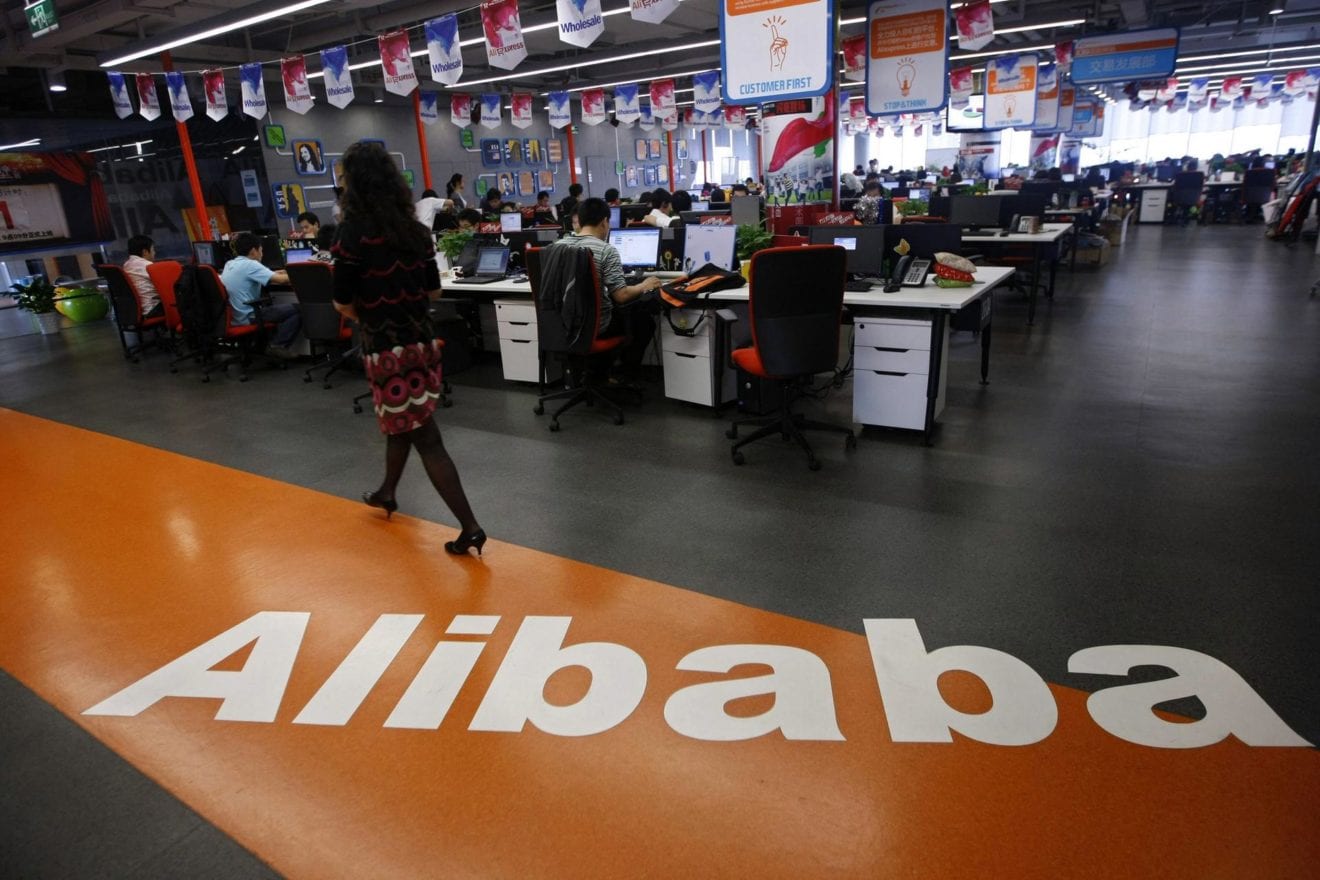
    Chinese e-commerce giant Alibaba wants to have over 10,000 Vietnamese small and medium-sized enterprises selling on its platform by 2025.

    Its government relation and business development manager, Vu The Tung, who revealed this at a ceremony to sign a memorandum of understanding with the Vietnam Trade Promotion Agency on Tuesday, said his company would help Vietnamese businesses increase their exports by promoting their products.

    The two signatories have been running a training program since August last year to enhance Vietnamese businesses’ ability to participate in global e-commerce.

    Vu Thi Minh Thuy, manager of the agency’s information technology application center, said through the training program over 300 companies have been provided consultancy in online cross-border sales.

    Fifty agriculture, aquaculture, food processing, and packaging companies became ready to sell on Alibaba’s e-commerce platform after completing training in October, she said. The two sides hope to have 1,200 Vietnamese enterprises on the platform by the end of 2021.

    Deputy Minister of Industry and Trade Do Thang Hai, who hailed Alibaba’s support, said: “The Vietnam Trade Promotion Agency and Alibaba will continue to look for enterprises to take part in the training program, and create recognition for Vietnamese brands on Alibaba’s e-commerce platform. They are also planning to create an exclusive section for Vietnamese products on the Alibaba website.”

  • Leverage for Vietnam agricultural products to take off

    Leverage for Vietnam agricultural products to take off

    International integration offers Vietnam agri-products opportunities to scale the value chain, though with strict requirements. Vietnam typically exports eight types of agricultural, forestry, and aquatic products with an annual turnover of over $1 billion, many of which have achieved high positions in the global market.

    However, experts say Vietnam’s agricultural sector has yet to develop modern production methods due to its small scale and lack of technological applications. As a result, agricultural production has low productivity, competitiveness, and added value.

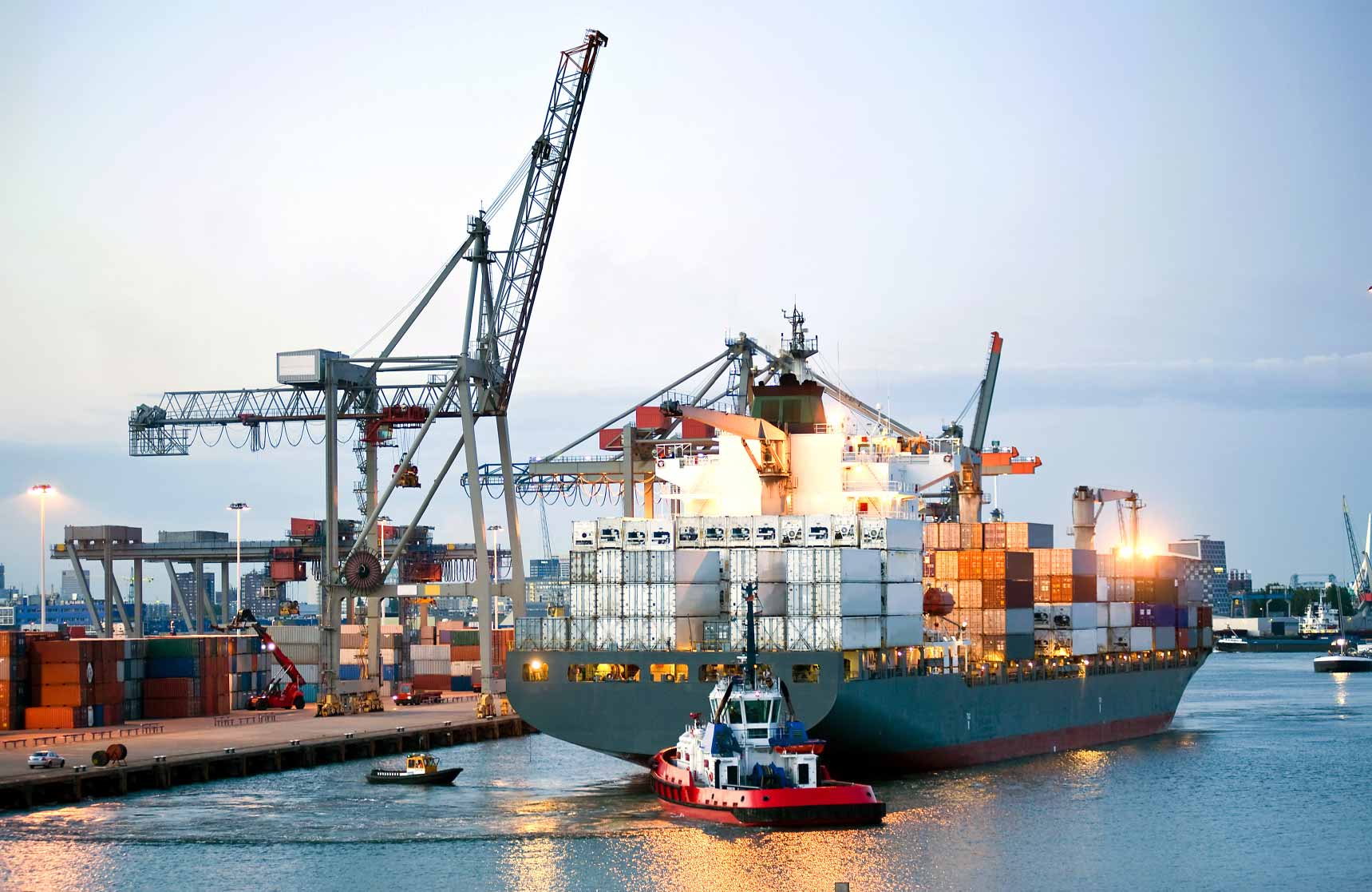
    To optimize the stages of the agri-product value chain, one solution is to remove bottlenecks in production and preservation. Also, food loss needs to be reduced, transportation costs optimized, and stable output markets found for agri-products.

    Economic experts say to boost the sustainable development of Vietnam’s agri-products, priority policies are needed for Mekong Delta, the nation’s rice basket.

    Government’s resolution No. 120 on the sustainable development of the Mekong Delta in response to climate change has a hundred-year vision with several distinct investment phases. Accordingly, priority must be given to investment in logistics and transport infrastructure, seen as the lifeblood of the economy.

    The government has approved a five-year $2 billion allotment for infrastructural development in the area.

    Nguyen Phuong Lam, director of the Can Tho branch of Vietnam Chamber of Commerce and Industry, said Mekong Delta has recently made heavy investments in infrastructure and diversified transportation means to improve the trade flow of agri-products.

    Once opened for traffic, Trung Luong-My Thuan Expressway is expected to significantly speed up product delivery.

    With regards to logistics, Lam said that for a long time, localities across the Mekong Delta have only focused on stages from the field to factory but paid little attention to those from the factory to port, shipping, packaging, and inspection despite their decisive role in the competitiveness of agri-products.

    “That is the reason why it is very important to develop logistics centers that are capable of handling all stages of agri-production from Mekong Delta to ports and consumption markets. This would reduce waiting times and cumbersome procedures.”

    Logistics companies are urged to resolve this pressing problem. Most recently, the first phase of Hanh Nguyen Logistics Center, a self-contained logistics hub for all agricultural export procedures, entered operation in southern Hau Giang Province. Situated in a prime location, the logistics center provides convenient access to the Mekong Delta and southeast region.

    Pham Tien Hoai, Hanh Nguyen Logistics CEO and board chairman of Tien Thinh Group, said, “After many years of supporting farmers, we want to create a breakthrough for them so their work is less strenuous and they achieve greater results.”

    The opening of a logistics center will connect all stages in the agricultural supply chain and open more markets.

    “Customers and farmers need only bring their products to the center, we will take care of the rest, from cleaning to preserving and irradiating. We also handle the transportation, customs clearance, exports, and financial procedures to find suitable markets for products,” Hoai added.

    The workshop titled “Logistics Leverage for Mekong Delta Agri-products” will take place by the end of March, with the participation of economic and logistics experts, along with representatives of leading agricultural enterprises.

    The initiative will raise many issues that hinder the resilience of Mekong Delta agri-products, offering comprehensive solutions to reach foreign markets.
  • PG Bank merger plans collapse… again

    PG Bank merger plans collapse… again

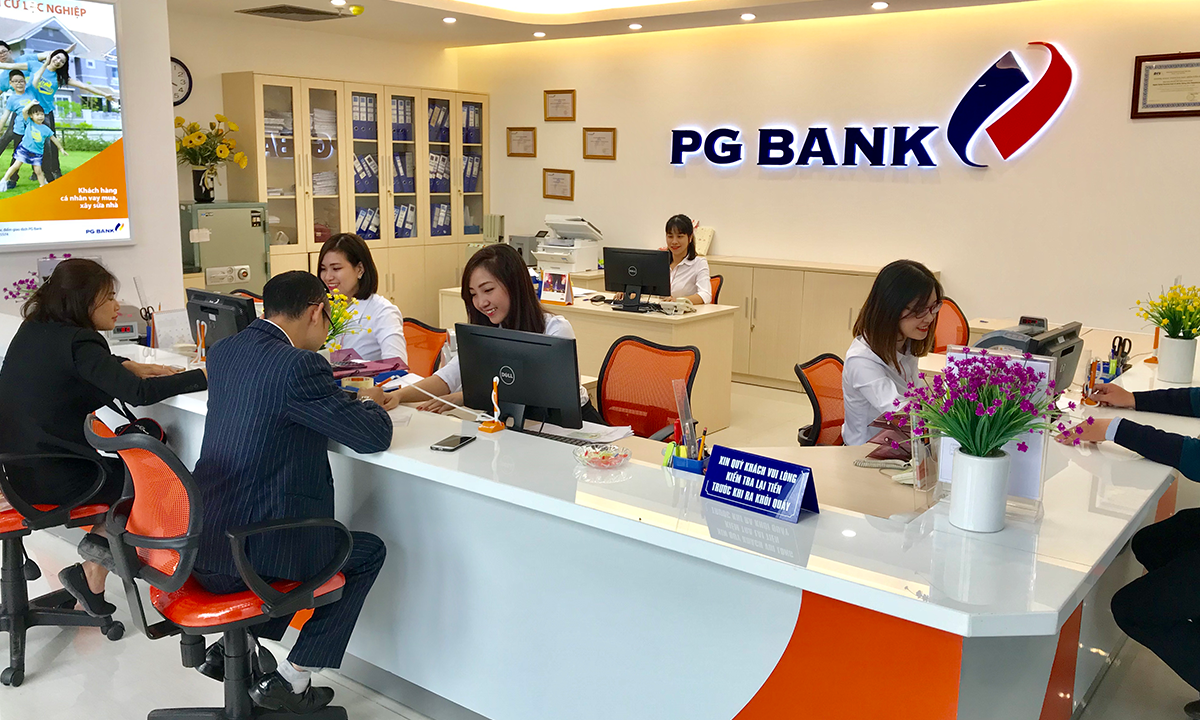
    The proposed merger between PG Bank and HDBank is set to be called off, making it the former’s third failed merger bid in the last six years.

    The management of fuel distributor Petrolimex, which owns a 40 percent stake in PG Bank, has expressed disappointment in the delay in merging at the bank’s last two annual general meetings. Its earlier aborted merger bids were with state-owned VietinBank and Military Bank (MB).

    PG Bank announced in 2014 plans to merge with VietinBank. Bank mergers usually mean a larger bank acquiring a smaller one or two banks merging into one and acquiring a common identity.

    Vietnam saw its share of such deals at that time like SCB acquiring Tin Nghia Bank and De Nhat Bank, SHB acquiring Habubank and Western Bank merging with PVFC to form PVcomBank.

    But PG Bank wanted to keep its own brand and operate as “a bank within a bank,” something without precedence, and predictably the deal collapsed despite four years of talks.

    MB announced the same year that it was looking for potential acquisitions and PG Bank was one of its targets. The two held negotiations but no deal was signed.

    HDBank immediately came up with a merger proposal, but three years on the two have not been able to finalize a deal.

    The repeated failures have taken a toll on the bank. It has not been able to expand since 2014 since an expansion would affect the valuation.

    Its charter capital remains unchanged at VND3 trillion ($130 million).

    In 2019, it had said the delay in merging with HDBank was affecting its business and caused employee turnover to increase.

  • ACB expects profits to top $460 mln

    ACB expects profits to top $460 mln

    Asia Commercial Bank has set itself a profit target of VND10.6 trillion ($460.8 million) for 2021, up 10 percent from last year.

    If it manages to achieve the target, it will join a select group of lenders to surpass the VND10 trillion mark comprising state-owned lenders Vietcombank, VietinBank, MBBank, Vietnam’s largest private bank Techcombank, and VPBank.

    It also targets growing its assets by 10 percent and credit by 9 percent and keeping non-performing loans under 2 percent.

    ACB plans to pay 25 percent dividends for 2020 and 2021 in the stocks.

    Its profit target is lower than forecasts by some securities companies. Vietcombank Securities expects ACB to achieve a profit of VND11.7 trillion, while KIS Vietnam, owned by Korea Investment & Securities Co., Ltd, said it is likely to top VND11.3 trillion.

    The expectations are based on its high credit growth in 2020 of 15.7 percent against 11 percent for the banking industry and a bancassurance deal it recently struck with Canadian insurance company Sun Life with an upfront fee of VND8.5 trillion.

    ACB’s profits rose by 27.7 percent last year to VND9.6 trillion.

  • Vietnam posts $665 million trade surplus with the UAE

    Vietnam posts $665 million trade surplus with the UAE

    Vietnam posted a $665 million trade surplus with the United Arab Emirates (UAE) in the first two months of 2021, alongside an increase in both exports and imports.

    Vietnam’s exports to the UAE rose 60 percent year-on-year $737 million, while imports increased 44 percent to $72 million, according to the General Department of Vietnam Customs.

    Total Vietnam-UAE trade value surged 58 percent year-on-year during this period.

    Phones and components were Vietnam’s foremost exports to the UAE with a value of $551 million, up 108 percent year-on-year. Exports of agriculture and aquaculture products also experienced robust growth. Cashew exports hit $10.3 million, a year-on-year rise of 600 percent.

    Vietnam’s main import from the UAE is the plastic raw material, reaching $41.8 million, a year-on-year increase of 66 percent. Among the products imported from the UAE, only petroleum products saw a 42 percent year-on-year decline to $2.5 million.

  • 35 pct of businesses lay off workers due to pandemic

    35 pct of businesses lay off workers due to pandemic

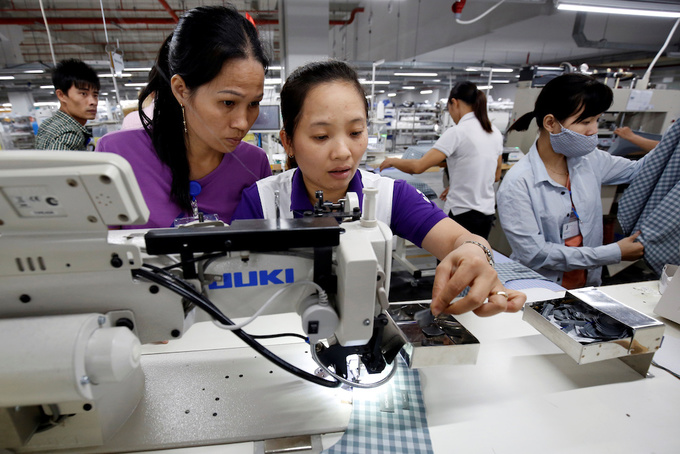
    Thirty-five percent of businesses had to let staff go after being hit by the effects of the Covid-19 pandemic, which disrupted supply chains, a survey has found.

    The dwindling number of workers was one of the four major difficulties businesses faced during the pandemic, the others being difficulties in approaching customers and disruptions in cash flows and supply chains, the survey, done by the Vietnam Chamber of Commerce and Industry (VCCI) and the World Bank, said.

    Textile and garment was the sector with the highest number of companies reporting negative impacts (97 percent), followed by information and communications (96 percent) and electrical equipment (94 percent), the survey, which polled nearly 10,200 businesses, said.

    Overall, 87 percent of companies reported negative impacts.

    Small and micro businesses established less than three years ago were most affected by the Covid-19 pandemic, Dau Anh Tuan, head of the VCCI’s legal department, said.

    But the government’s support policies were helpful, 70 percent of respondents said.

    Businesses called for more long-term solutions such as increasing public investment, completing ongoing infrastructure works, and providing stimulus packages.

    The VCCI has called on the government to provide financial support to companies that maintain a high employment rate and subsidize the cost of training to improve workers’ skills.

    Vietnamese businesses should take the opportunities thrown up by the pandemic as major Japanese, U.S., E.U., and Australian companies are looking to shift their supply chains out of China, it added.

    The VCCI also did a survey of 1,564 foreign companies in Vietnam and found 87.9 percent were affected by the pandemic and 22 percent had to lay off workers.

  • Auto sales up 21 pct in 2021

    Auto sales up 21 pct in 2021

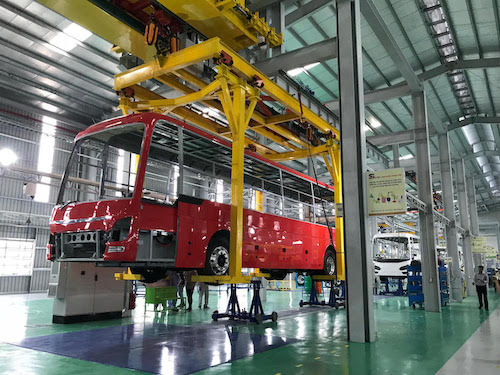
    Auto sales in the first two months of the year jumped by 21 percent to 40,017 units.

    Passenger vehicles dominated sales at 71 percent, according to the Vietnam Automobile Manufacturers Association.

    Local company Truong Hai Auto (Thaco) led the market with 14,964 units representing a 39 percent year-on-year increase.

    It was followed by Toyota (6,848), and Mitsubishi (4,605).

    Honda and Ford rounded off the top five.

    Last year sales had fallen by 8 percent to 296,634 units as the Covid-19 pandemic badly affected the economy, hitting people’s incomes and discretionary spending.

  • IT engineers’ salaries soar as supply cannot meet demand

    IT engineers’ salaries soar as supply cannot meet demand

    IT engineers with five years’ experience are getting paid salaries of VND120 million ($5,200) a month amid rising demand for their skills.

    A software/solutions architect in Ho Chi Minh City earns up to VND160 million while a software engineer gets VND120 million, according to recruitment company Adecco Vietnam.

    A DevOps engineer, who is responsible for software development and IT operations, can get VND90 million and a data engineer, VND80 million.

    As corporations focus on digital transformation, demand for IT personnel is rising, but Vietnam’s pool of qualified candidates is small, it said.

    “With the huge rise in demand for digital media, cloud and security solutions, IT infrastructure roles are highly sought after.”

    IT professionals with good communication skills who adapt quickly to new technology trends have huge opportunities, especially with the rise of artificial intelligence and big data, it said.

    For senior positions such as chief information officer and chief technology officer, the salary could go up to VND400 million.

  • FLC Group’s Bamboo Airways shares drops

    FLC Group’s Bamboo Airways shares drops

    After Bamboo Airways hiked charter capital to VND10.5 trillion ($458 million) in February, Vietnamese conglomerate FLC Group’s shares in the airline has reduced from 51.29 percent to 39.4 percent.

    The airline was founded in May 2017 with a total charter capital of VND700 billion. In less than four years, it has increased its charter capital five times.

    In February 2021, the airlines increased its charter capital for the fifth time to VND10.5 trillion, all of it contributed by private investors. With this adjustment, Bamboo Airways ranks second in terms of charter capital among six domestic airlines, only behind flag carrier Vietnam Airlines with VND14.2 trillion.

    In 2020, the airline reported a 34 percent year-on-year increase in pre-tax profits to VND400 billion. It was among the few airlines which made a profit during the pandemic year.

    It also had the best on-time performance in 2020, with an on-time performance rate of 96 percent. In the first two months of 2021, the rate has increased to 97 percent.

    Property developer FLC, which currently owns 39.4 percent stake of Bamboo Airways, posted VND421 billion in pre-tax profit in 2020, a year-on-year increase of 43 percent.

  • Malaysian firm to buy stake in five solar farms in Vietnam

    Malaysian firm to buy stake in five solar farms in Vietnam

    A subsidiary of Malaysia’s largest power utility, Tenaga Nasional Berhad, plans to acquire a 39 percent stake in five Vietnamese solar power projects from Singapore’s Sunseap Group.

    The farms were built last December in southern Vietnam and have a total capacity of 21.6 MW.

    After selling 39 percent to TNB Renewables, likely this month, Sunseap will own a 51 percent stake in them.

    President and CEO of TNB, Datuk Bahrain Din, said the deal would mark TNB’s entry into Vietnam’s fast-growing renewable energy and utility market.

    Sunseap Group owns projects in Singapore, Australia, Vietnam, China, Taiwan, and Cambodia.

    In 2019, it completed the $150-million solar farm, the solar power plant CMX Renewable Energy Vietnam, one of the country’s largest in central Ninh Thuan Province.

    TNB has projects in the UK, Kuwait, Turkey, Saudi Arabia, Pakistan, India, and Indonesia, and expects to have 8.3 GW of renewable energy by 2025.

    Of the foreign investors in Vietnam’s renewables sector, the majority are from Thailand.

    In 2020 Thailand’s Super Energy Corporation Public Company invested $456.7 million to build four solar plants in southern Vietnam, Loc Ninh 1, 2, 3, and 4.

    Gulf Group increased its ownership of two solar farms in the southern province of Tay Ninh from 49 percent to 90 percent in the second quarter of last year.

    In 2019, AC Energy, a subsidiary of the Philippines’ Ayala company, and Vietnam’s BIM Group established BIM/AC Renewables to develop projects in the central Ninh Thuan Province.

  • World Bank okays $86 mln for energy efficiency in Vietnam

    World Bank okays $86 mln for energy efficiency in Vietnam

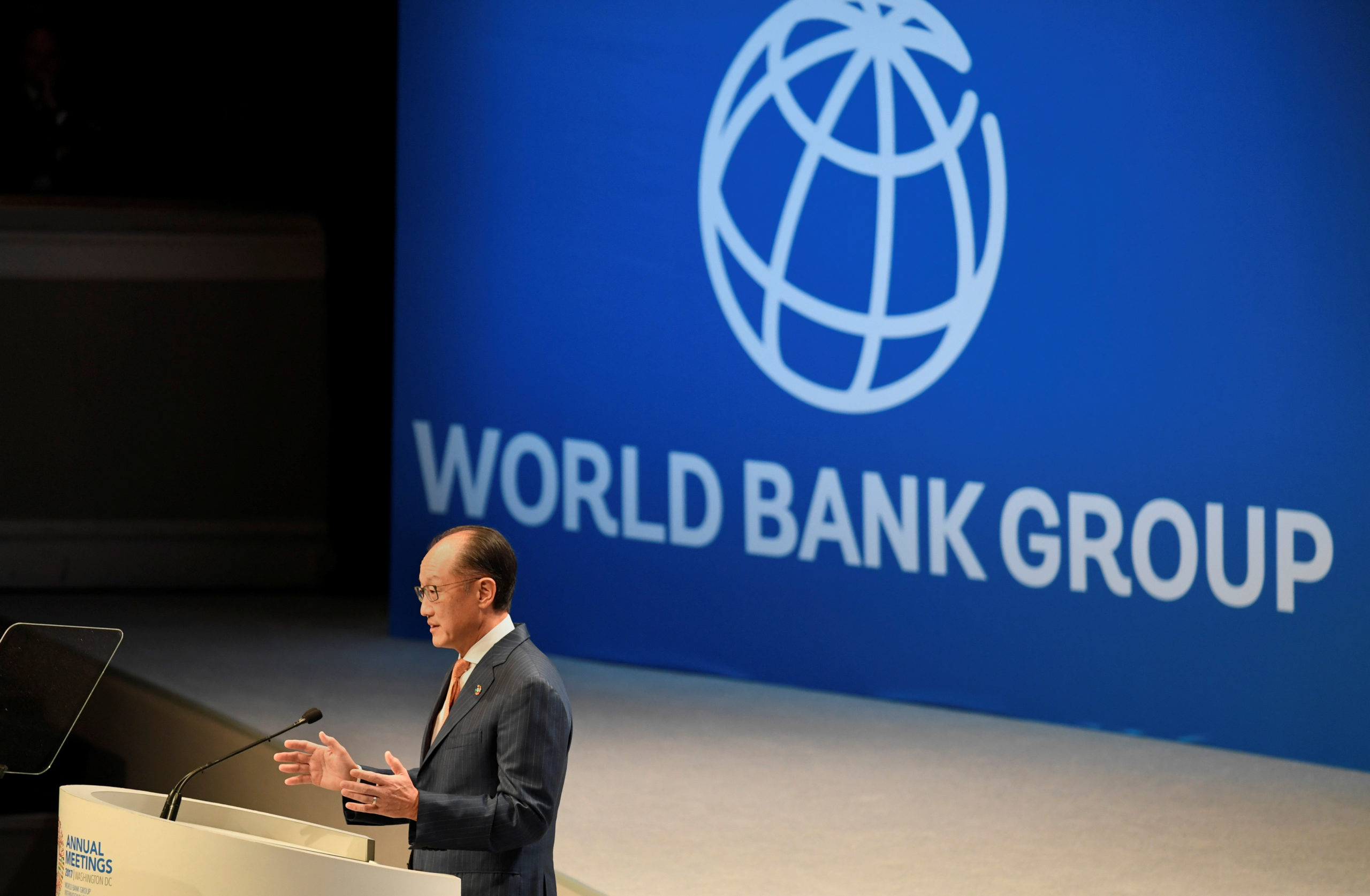
    The World Bank will provide Vietnam with $86.3 million to support the development of a commercial financing market for investing in industrial energy efficiency.

    The provision includes a $8.3 million grant used to build private sector capacity to execute energy efficiency projects, the bank said in a statement.

    It will also provide technical assistance to the Ministry of Industry and Trade and relevant authorities to strengthen policy frameworks on energy efficiency.

    The remaining amount will be used to establish a risk-sharing facility to provide credit guarantees to support local banks in providing loans for energy efficiency projects.

    By reducing lending risks, the facility is expected to mobilize around $250 million of commercial financing to be provided to industrial enterprises and energy service companies at competitive terms and with low collateral requirements.

    “Scaling up energy efficiency is the single best and lowest cost option to achieve multiple goals at once: meeting energy demand, preventing pollution and reducing greenhouses emission while also increasing industry competitiveness,” said World Bank country director for Vietnam, Carolyn Turk.

    The World Bank estimates that Vietnam could save up to 11 gigawatts of new generation capacity by 2030 if comprehensive demand-side energy efficiency investments are carried out.

    The energy efficiency investment need for key industries in Vietnam has been estimated at around $3.6 billion.

  • Vietjet to sell 17.7 mln treasury shares

    Vietjet to sell 17.7 mln treasury shares

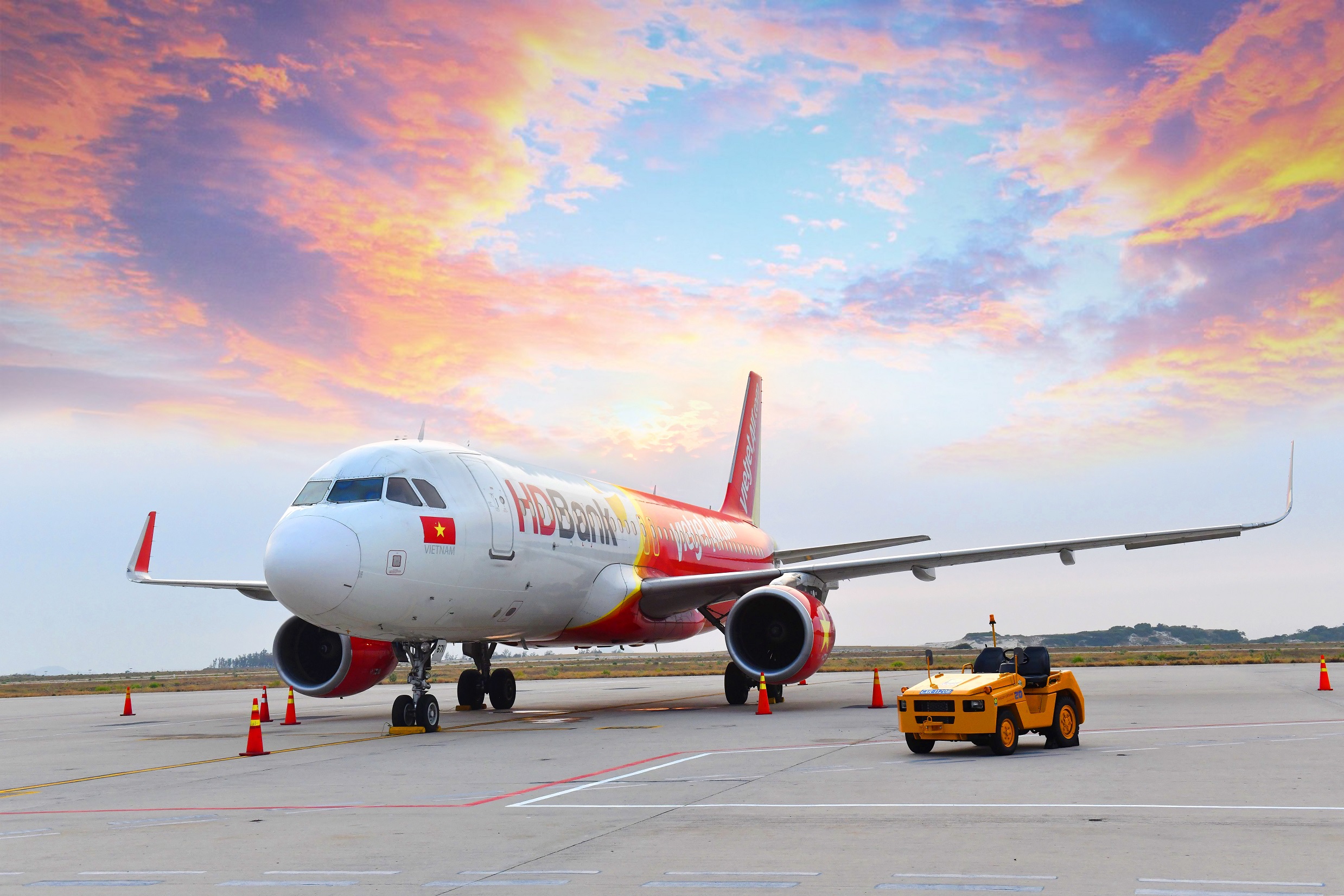
    The board of budget carrier Vietjet has approved a proposal to sell 17.7 million treasury shares equivalent to 3.28 percent of its charter capital.

    It would help fund expansion and preparations for recovery after the pandemic this year, the airline said.

    Vietjet’s VJC shares closed at VND136,000 ($5.89) on March 8, and at this price the carrier will earn over VND2.4 trillion from the deal.

    It plans to complete the transaction in the first half of this year.

    Vietjet had bought the shares in August 2019 for VND132,063 each. In June 2020, the carrier announced it was seeking to sell them to a strategic investor.

    Vietjet was among the few airlines to make a profit and not fire any employee amid the Covid-19 pandemic last year. It recorded a consolidated after-tax profit of VND70 billion in 2020.

  • Vietnam considers airspace permission for 737 MAX aircraft

    Vietnam considers airspace permission for 737 MAX aircraft

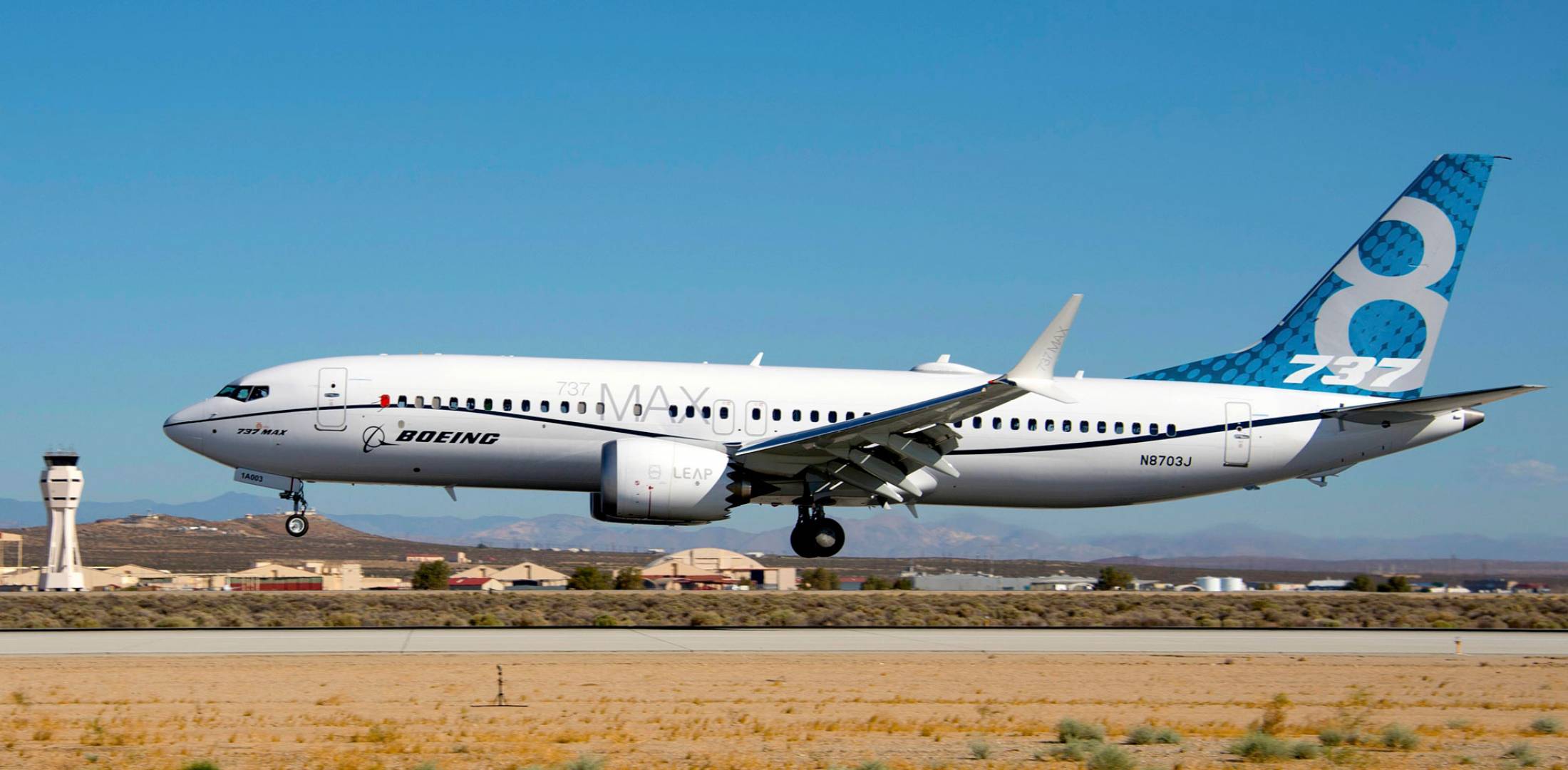
    Vietnam aviation authorities have proposed that the Boeing 737 Max aircraft be allowed to pass through the country’s airspace after two years of grounding.

    The proposal was made after the Civil Aviation Authority of Vietnam (CAAV) reviewed Boeing’s efforts to improve the aircraft and the evaluation of major aviation authorities such as the U.S. Federal Aviation Administration and the European Union Aviation Safety Agency.

    The U.S. allowed the resumption of Boeing 737 Max operations in December and Europe did so in January.

    China and Russia have not opened up their airspace, and when restrictions are lifted in these countries the CAAV will propose that this aircraft is allowed to operate in and imported into Vietnam.

    The Boeing 737 Max was grounded worldwide in March 2019 after 346 people were killed in two crashes in the space of a few months in Indonesia and Ethiopia.