Tag: Vietnam

  • Airport ground services firm targets $4.1 mln profit

    Airport ground services firm targets $4.1 mln profit

    Its revenue target is VND795 billion, a 7 percent rise. The targets were announced at the company’s annual general meeting on Tuesday.

    It is set to benefit from the start of the new Vietravel Airlines by leading tour company Vietravel last January and the gradual resumption of international flights from July.

    “Many countries including Vietnam are considering issuing vaccine passports to resume international flights, which will enable the aviation industry to recover,” the company’s chairman Dang Tuan Tu, said.

    Last year the company reported revenues of VND746 billion, a 53 percent decline, and profits of VND88 billion, down 74.5 percent as international flights were grounded and tourism came to a standstill.

    The average number of flights it served per day last year was 70 percent down from the normal 350.

  • Major seafood firm reports 25 pct profit fall

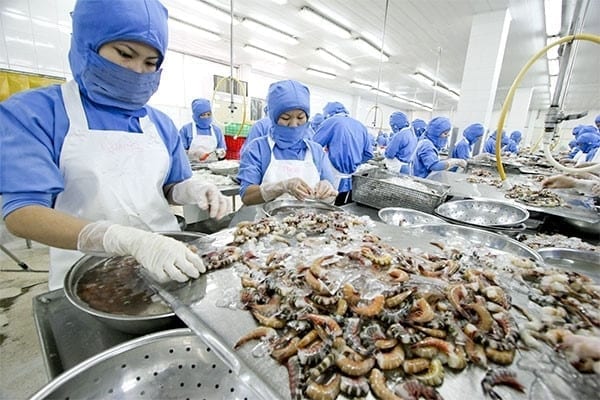
    Major seafood firm reports 25 pct profit fall

    It attributed the falling profit to a 20 percent drop in income from financial activities and a 27 percent increase in cost of goods sold during the period.

    The company also said that the pandemic has changed consumer behavior in its main export markets like the U.S., Japan, Canada, Australia and New Zealand. They have prioritized buying essential products.

    Seafood exports to these markets fell by half in the first quarter of the year, contributing to a year-on-year revenue drop of 12 percent to VND1.6 trillion.

    The company aims to export $638 million worth of shrimp this year.

    Its total asset value at the end of March was nearly VND7.4 trillion.

    It has targeted revenues of VND15.7 trillion and post-tax profit of VND1.4 trillion this year.

  • Mobile World sets sights on significant 2021 improvements

    Mobile World sets sights on significant 2021 improvements

    The Mobile World Investment Joint Stock Co. targets VND125 trillion ($5.4 billion) in net revenues and VND4,750 billion ($206.6 million) in after-tax profits this year. The targets are respectively 15 and 21 percent higher than the company’s 2020 figures.

    The company has said in a statement that while the market still carries risks amidst the Covid-19 pandemic, it is determined to return to double-digit growth. This is the tenth consecutive year that it has set growth goals with increased revenue and profit targets.

    The firm plans to establish the Dien May Xanh Supermini chain with more than 1,000 stores by the end of this year. Their Bach Hoa Xanh chain that sells vegetables, seafood, meat and fast-moving consumer goods (FMCG) will be expanded with large stores with areas of more than 500 square meters in major metropolises.The company’s backbone business is retailing of smartphones and electronics, and this is expected to contribute around 75 percent of sales, with the rest coming from food and consumer goods.

    Mobile World will also focus on online sales, develop its Bluetronics chain in Cambodia, its high-tech agricultural project named 4KFarm and pharmacy chain An Khang.

    Last year, Mobile World earned VND108,546 billion ($4.72 million), up 6.2 percent year on year. Its after-tax profit was VND3,920 billion ($170.5 million).

    Mobile World has over 4,000 outlets in Vietnam and 37 in Cambodia. It opened nearly three new outlets a day on average last year. The company plans to become the top retailer in Southeast Asia by 2030.

  • Nuclear energy, an option for Vietnam in the long run

    Nuclear energy, an option for Vietnam in the long run

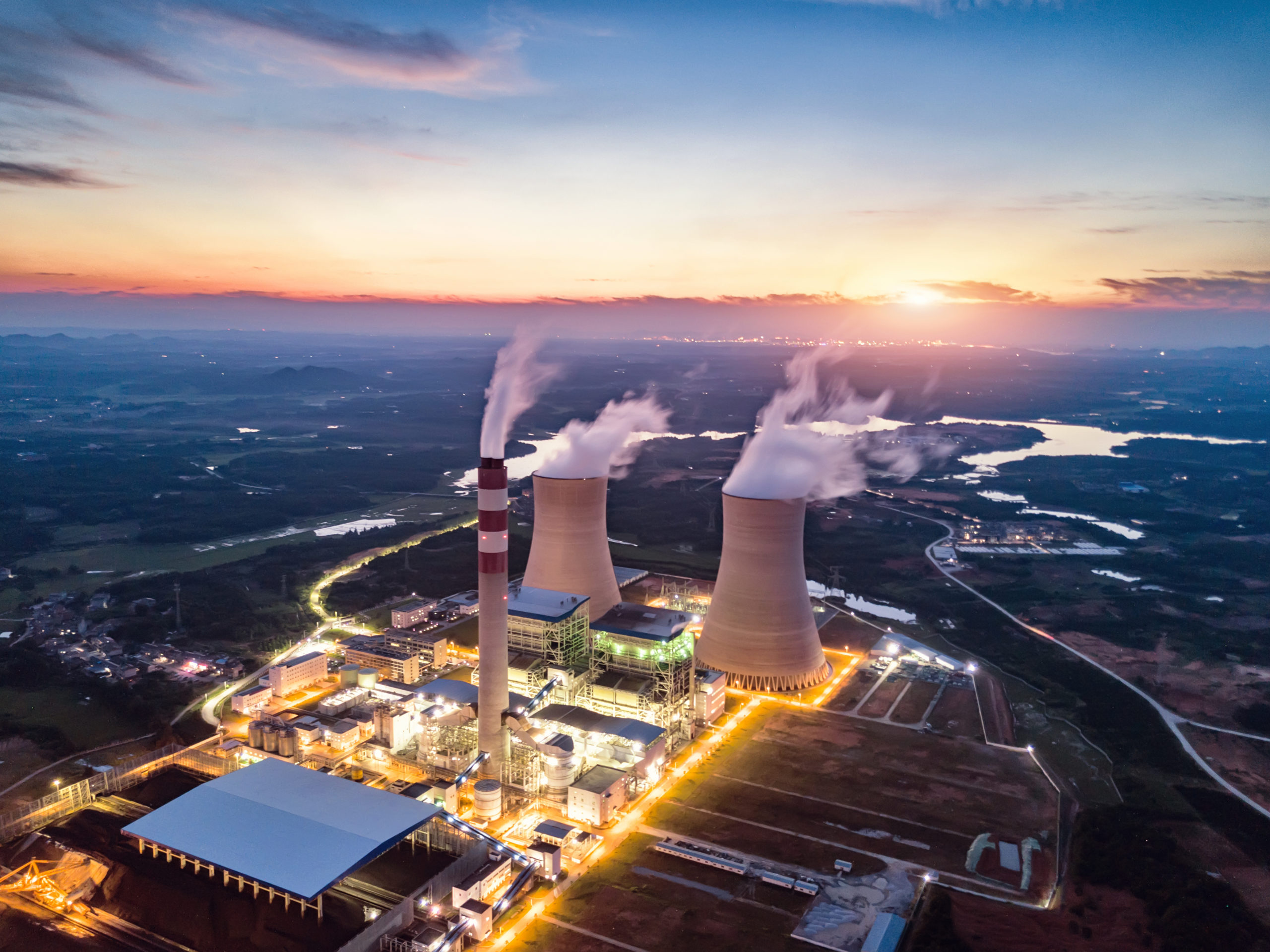
    Clean and reliable nuclear energy could help Vietnam meet its growing power demand over the long term and ensure its development is not derailed, experts say.

    Prof Sheldon Landsberger of the University of Texas at Austin, the U.S., an expert in nuclear and radiation engineering, said: “With a population of nearly 100 million people, Vietnam will need a lot of energy. The country has to figure out what is the best way of getting electricity.”

    It is crucial for Vietnam to sustain the growing standard of living of its people and have competitive industries, he said.

    While renewable energy sources such as solar and wind could be unreliable depending on the climate, nuclear plants could work 24 hours on all 365 days a year, he pointed out.

    It is a stable source like coal, and enables electricity storage as well, he said.

    However, unlike coal, nuclear energy is free from carbon emissions and does not pollute, he said.

    Talking about the status of nuclear energy around the world, he said it is “very mixed” with parts of Western Europe planning to continue with it but others phasing it out.

    The world would run out of coal and gas, maybe later this century, Landsberger said.

    “For that reason, Vietnam, like other countries, has to look not five or 10 years down the road but 30 or 40 years.”

    Dr. Steven Biegalski, nuclear and radiological engineering, and medical physics program chair, Georgia Institute of Technology, the U.S., said in his country nuclear power is still coming out on top today. Americans are seeing a significant reduction in using coal and natural gas, two main competitors of nuclear energy.

    Dr. Sama Bilbao y Leon, director-general, World Nuclear Association, said nuclear energy could help ensure not only the grid stability of a country but also produce heat used in industrial processes and transportation. With this, countries could decarbonize various sectors, she said.

    Vietnam could also use nuclear energy to produce fresh water, something that Middle Eastern countries are looking into, she said.

    Prof Ken-ichi Fukumoto of the Research Institute of Nuclear Engineering, University of Fukui, Japan, said nuclear power is a realistic solution for Vietnam to ensure power supply.

    In fact, despite the Fukushima accident in 2001, Japan still uses nuclear energy because it is reliable and reduces carbon dioxide emissions, he said. However, new plant development is now restricted as the public are concerned about their safety.

    Germany, despite abandoning nuclear power at home, buys nuclear power from neighbor France, he pointed out.

    Author of “A Question of Power: Electricity and the Wealth of Nations,” Robert Bryce, said Vietnam, like other developing countries in Asia, is seeing rapid growth in electricity demand and should include advanced nuclear reactors in plans to expand its electric grid.

    There are several challenges to building new nuclear reactors, including cost, the time required and fuel production and disposal, but if Vietnam is to help reduce global greenhouse gas emissions, it should include nuclear in its electricity portfolio, he said.

    Jennifer Gordon, a senior fellow at the Global Energy Center, Atlantic Council, the U.S., said it is now an important time for Vietnam to start discussions about investment in nuclear energy.

    In 2009 Vietnam had planned to build two nuclear power plants in the south-central province of Ninh Thuan at a cost of several billion dollars, but the National Assembly shot down the proposal in 2016 on cost grounds.

    Vietnam would not build old types of reactors if it is starting a nuclear program now, Gordon pointed out. To ensure safety, the newer types of reactors shut down automatically without human management, she said, citing the example of the sodium-cooled fast reactor.

    “Advanced reactors are in development that should be taken into account by Vietnam.”

    Landsberger said in Vietnam, nuclear energy could be a combination with wind, solar and tide.

    Vietnam should keep in mind that the climate is changing and so being dependent on renewable energies, including hydropower, would be shortsighted, he said, suggesting that Vietnam should consider a baseload, or the minimum amount of electric power delivered, of 30-40 percent from nuclear plants.

    South Korea and Japan are good examples of successful economies partly thanks to nuclear energy development, he said. They have steady electricity prices over long periods of time and do not have to rely on other countries, he pointed out. Vietnam should look at all areas of energy and choose the best path forward based on economics, he said.

    Speaking about costs, he said nuclear power would be expensive, but Vietnam should weigh all factors. For instance, people would have health expenses if the country has pollution (caused by fossil fuels), and Vietnam could get a lot of support as a developing country from the International Atomic Energy Agency.

    “Nuclear power is a very long-term plan.”

    Biegalski said there is a significant and earnest desire in the U.S. to look at the next generation of nuclear power technologies.

    He said he understood there is a fear in various countries after the accident in Fukushima, but when people look at the data they would see no one died as a result of the reactors, whereas the tsunami claimed 15,000 lives.

    Leon said small modular reactors offer an advantage since they are scalable.

    Fukumoto said it is desirable to examine the latest technologies if Vietnam is considering nuclear energy. Small modular reactors, which are being opted in the U.S, Canada and Japan, offer greater economic benefits and have higher safety standards including in the disposal of nuclear wastes and while decommissioning, he said.

    Bryce said nuclear energy is the safest form of electricity generation, adding that Vietnam, like other countries, would need to adhere to safety protocols around the handling of nuclear materials and operation of nuclear plants.

    Biegalski said Vietnam needs to build regulatory frameworks and develop a workforce before producing nuclear power. So it should start investing in training programs in universities, he said.

    “It is a long process; it is not like you can turn a switch and it happens today.”

    Landsberger said Vietnam needs to invest in nuclear engineering programs to train technicians, reactor operators, regulators, and environmental scientists. It should have an open discussion about the public health benefits of nuclear power compared to burning fossil fuels, he said.

    Fukumoto expressed optimism that Vietnam and Japan could begin cooperation in training that had been discussed before when the projects in Ninh Thuan Province were under consideration.

    It is necessary for the Vietnamese government and other related stakeholders to have a deep understanding of nuclear power generation and Japan’s experience, he said.

    Leon said when a country wishes to develop nuclear energy, there is a lot of international support and co-operation, and newcomers could learn best practices from other countries that have effective nuclear power programs.

    Leon said if people in Vietnam and other countries feel uncomfortable about using nuclear energy after the Fukushima accident, it is completely reasonable.

    So, if the Vietnamese government is looking at nuclear energy, the first thing that needs to be done is talking to the public, making sure people understand the facts about nuclear energy, she said.

    “There should be a consensus on how Vietnam wants to move forward with different energy choices.”

  • TPBank posts 41 percent surge in profits

    TPBank posts 41 percent surge in profits

    The bank said a surge in net interest income and a cut in operational expenses has boosted its Q1 performance.

    Its net interest income grew 30 percent in the period, while operational expenses dropped 10 percent, according to the bank’s financial statement.

    It said that its pre-tax profit growth was average compared to other lenders’ growth rates of 50 percent or even over 100 percent during the same period.

    For example, the increase in Q1 pre-tax profit was 135 and 110 percent respectively for the state-owned VietinBank and Military Commercial Bank (MBBank). Private lender ACB, meanwhile, saw a 61 percent increase in its Q1 pre-tax profit.

    TPBank’s Q1 revenue was up 15.2 percent year-on-year to VND2.78 trillion.

    By March end, both its outstanding loans and capital mobilization increased 4 percent to VND124.3 trillion and VND120 trillion, respectively. Non-performing loans were at 1.19 percent.

    The bank has set a target of VND5.5 trillion in pre-tax profit for 2021, a year-on-year increase of 25 percent.

  • Global firms dominate Vietnam electronics exports

    Global firms dominate Vietnam electronics exports

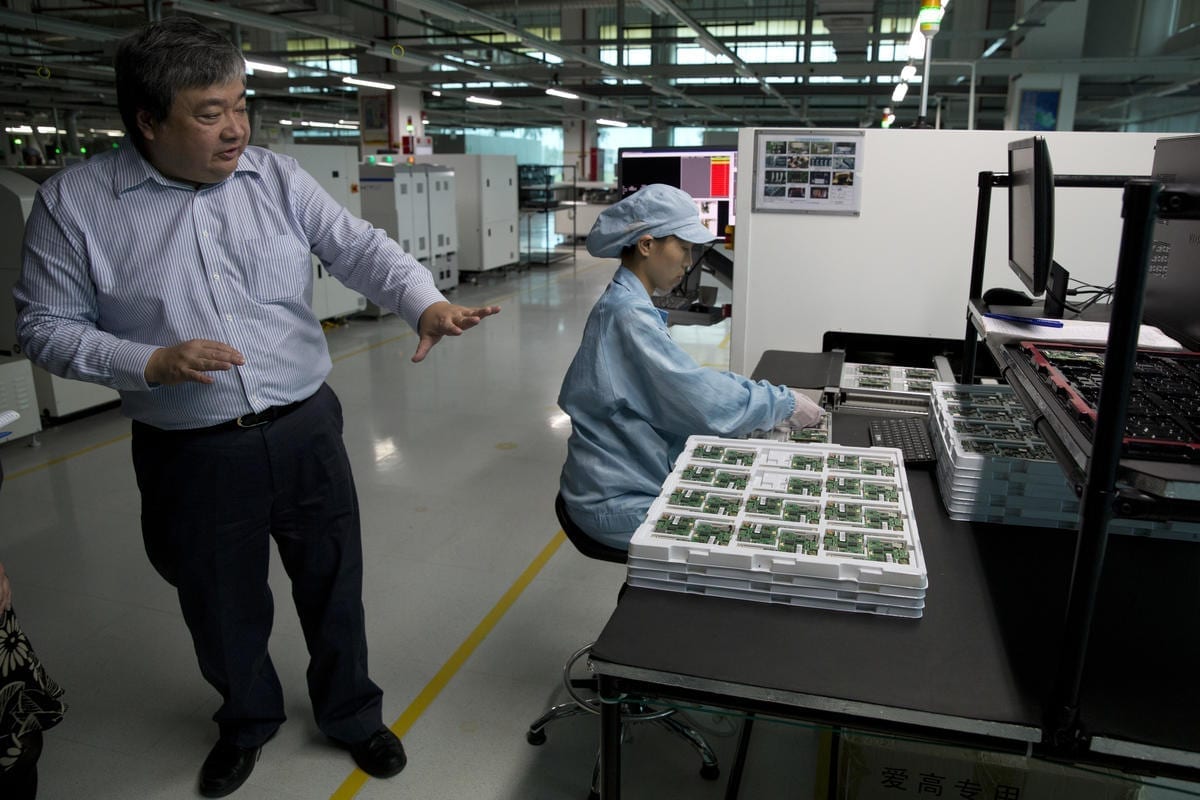
    In the first quarter this year, exports of phones and components were worth $14.1 billion, 99 percent of it by foreign firms.

    Exports of computers and parts exports topped $12 billion, with foreign companies accounting for 98 percent.

    The agency said the rate of use of local parts in the industry is 5-10 percent, with Vietnamese businesses in the supply chain mostly producing low added-value products.

    There are several domestic smartphone brands like Vsmart produced by VinSmart, a subsidiary of conglomerate Vingroup, and Bphone by cybersecurity company BKAV, but the market is dominated by foreign brands.

    The agency said: “The products made by domestic firms do not meet the demand in terms of quality or design. The linkages between foreign firms and their local counterparts remain weak.”

    But it admitted Vietnamese businesses have been striving to improve quality so that they could enter the supply chains of foreign companies, pointing out for instance that the number of local tier-1 suppliers (who supply products directly to a company without going through intermediaries) of Samsung had increased from four in 2014 to 35 last year.

    Local electronics firms should identify their core products, target their market segments, stay ahead of consumer trends, and keep up with the global technological development to create competitive products, it said.

    “They should take advantage of trade deals such as the EU–Vietnam Free Trade Agreement,” the agency stressed.

  • ​Saigon zoo posts $304,000 loss due to Covid-19

    ​Saigon zoo posts $304,000 loss due to Covid-19

    The Saigon Zoo-Botanical Garden Company Ltd has reported a VND6.8 billion ($304,300) loss for 2020 as Covid-19 kept people away from its zoo.

    Its revenues fell by 38.6 percent to VND70 billion, the lowest in six years.

    The 157-year-old zoo in District 1 closed for two months from March 20 last year as part of Covid containment measures, and again shut on July 25 when a new wave began.

    It set itself targets of VND114 billion in revenues and VND2.2 billion in pre-tax profits at the beginning of this year as the pandemic seemed to be contained.

    The zoo subsequently revised the targets downward to VND81 billion and breakeven.

    It raised ticket prices from VND30,000 to 40,000 for children and from VND50,000 to 60,000 for adults since January.

    The zoo has over 125 species of animals and birds.

  • Gojek Vietnam drives past a driver milestone

    Gojek Vietnam drives past a driver milestone

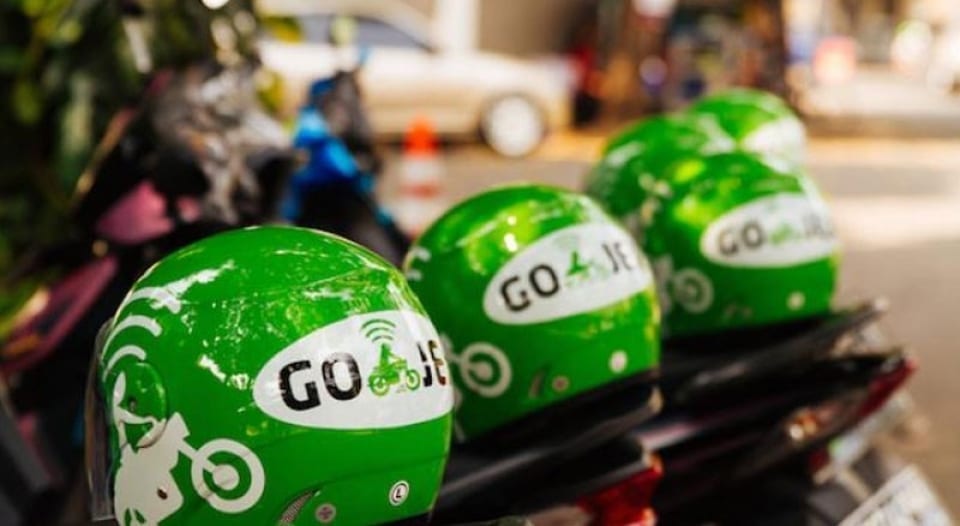
    The number of motorbike taxi drivers riding for ride-hailing firm Gojek Vietnam has crossed the 200,000 mark with millions of commuters using its app.

    Competitor Be said last month it had 100,000 motorbike and car drivers.

    Singapore’s Grab, the market leader, has not released its driver figures for the two years. It had reported in May 2019 that it had 195,000 driver associates in Vietnam.

    But Gojek and Grab have different interpretations of their figures. Gojek’s 200,000 drivers are “registered and active,” meaning they have recently turned on their apps, but it does not necessarily mean they have necessarily served a customer.

    Grab drivers are categorized as “transacting users,” or those who have served a customer in a recent period of time.

    Gojek is currently focused on three services – motorbike rides and delivery of goods and food. Grab and Be have all of these three services plus car rides.

    Gojek entered Vietnam in August 2018 as GoViet. The company became Gojek Vietnam last year.

    Vietnam’s transport and food Internet market grew by 50 percent year-on-year to $1.6 billion last year, according to a study by Google, Temasek and Bain & Company.

  • Vietcombank, Vinhomes tickers drive VN-Index up

    Vietcombank, Vinhomes tickers drive VN-Index up

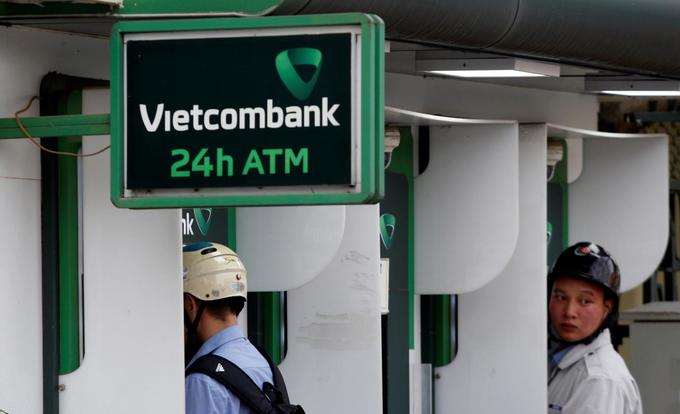
    Vietnam’s benchmark VN-Index rose 0.61 percent to 1,268.28 points Tuesday, a new peak, led by Vietcombank and Vinhomes tickers.

    The index was on an upward trend throughout the day, hitting the 1,286 mark in the early afternoon before falling to the 1,260 range. It closed with a near 8-point gain.

    Trading value on the Ho Chi Minh Stock Exchange (HoSE), on which the index is based, rose 17 percent to VND23.1 trillion ($1 billion), the highest of the past five sessions. The bourse saw 187 tickers gain and 227 lose.

    VCB of state-owned lender Vietcombank contributed most to the gain of VN-Index this session with 4.5 points.

    It rose 4.6 percent to a three-month high. The ticker has gained 6.8 percent in the last two sessions.

    VHM of real estate giant Vinhomes contributed 3.6 points to VN-Index’s rise. It closed with a 3.9 percent gain, hitting a new historic peak.

    VNM of dairy giant Vinamilk pushed the index up by 1.8 points. It rose 3.3 percent, with 6.99 million shares being traded, the highest since November 2017.

    PDR of Phat Dat Real Estate Development rose 4.6 percent to a new all-time peak. This is its third session in the green.

    MWG of electronics retail chain Mobile World also hit a new peak with a 3.7 percent gain.

    On the losing side, TCH of real estate company Hoang Huy Investment Financial Services plunged 2.6 percent. It has lost 14 percent in the past 11 days.

    Foreign investors were net sellers for the fifth session in a row to the tune of VND553 billion, down 25 percent, with strongest pressure on VHM, VNM and CTG of state-owned lender VietinBank.

  • Steel makers see profits skyrocket

    Steel makers see profits skyrocket

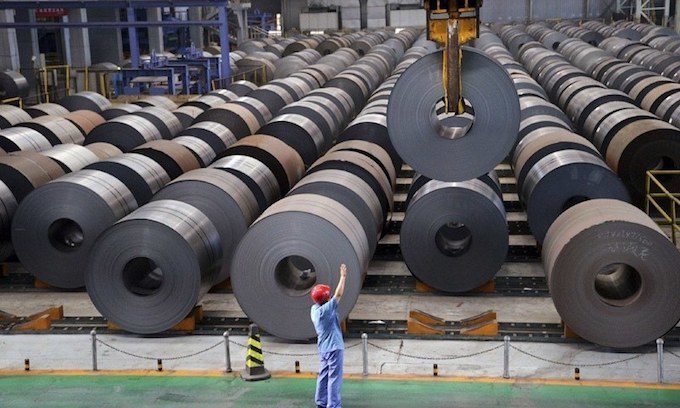
    Steel manufacturers in Vietnam have seen profits increase as much 30-40 times in the first quarter as demand surges and prices rise.

    In Hanoi, Me Lin Steel saw a post-tax profit surge 41 times year-on-year to VND15.5 billion ($672 million), as steel prices started rising towards the end of last year and the company managed to cut costs.

    Tien Len Group in the southern province of Dong Nai saw its post-tax profit rise 30 times year-on-year to over VND120 billion, meeting half of this year’s target.

    Meanwhile, the Thai Nguyen Iron and Steel (TISCO) company in the northern province of Thai Nguyen, which has been reporting repeated losses, posted its highest first-quarter profit in the last three years at VND44 billion.

    The Hoa Phat Group has not released its profit figures, but saw March sales hitting a new record one million tons, the highest monthly figure ever.

    The profit surge has happened as steel prices skyrocket due to limited availability of materials from China and India even as the global economy recovers from Covid-19 impacts.

    Material prices have risen 30-40 percent from early March and are expected to continue rising until the end of the third quarter, according to the Vietnam Steel Association.

    Analysts with leading brokerage SSI Securities Corporation have said that local steel producers are benefiting from the recovery of the real estate market, foreign direct investment and public spending on infrastructure.

    Some big companies, like HPG of steelmaker Hoa Phat Group, can take advantage of the low supply of hot-rolled coil steel and do even better next year, they said.

  • Gold bullion producer SJC reports 11 pct rise in profits

    Gold bullion producer SJC reports 11 pct rise in profits

    State-owned Saigon Jewelry Company reported a pre-tax profit of VND75 billion ($3.2 million) for 2020, up 11 percent from the previous year.

    The company’s revenue rose 26 percent to VND23.49 trillion in 2020, but its financial expenses tripled because of provisions made for the loss of financial investments.

    Established in 1988, SJC is a wholly state-owned enterprise belonging to Ho Chi Minh City. Revenues were up 26 percent at VND23.49 trillion, well below its target of VND25.7 trillion.

    It has been the sole producer of gold bullion in the country since 2012, and has around 90 percent of the bullion market.

  • Alameda Research invests in Vietnamese blockchain technology startup

    Alameda Research invests in Vietnamese blockchain technology startup

    U.S. quantitative cryptocurrency trading firm Alameda Research has invested $4 million in Coin98 Finance, a Vietnamese startup and developer of decentralized finance protocols and applications.

    Decentralized finance (DeFi) refers to the financial applications that are built on top of blockchain networks.

    According to Forbes, the deal demonstrates the growth of DeFi across Asia as Vietnam, South Korea and Japan see signs of rising demand for it and an increase in the number of active and experienced teams building crucial infrastructure around it.

    In 2019 Coin98 Finance developed a crypto wallet, Coin98 Wallet, which supports coins and tokens on many blockchains including Bitcoin, Ethereum, Solana, and Binance Smart Chain.

    It saw around $20 million traded in March.

    Thanh Le, the CEO of Coin98 Finance, said the interest from top venture capital firms and investors like Alameda mostly stem from its large existing user base.

    “Before we started doing a raise, we already built Coin98 Wallet and quickly acquired over 200,000 users in Asia. The product is quite established and captured a decent market share in Southeast Asia markets.

    “Compared with thousands of blockchain projects who only come up with only an idea, we already ship the product out and are being used by hundreds of thousands of people.”

  • Car imports from China increase sixfold

    Car imports from China increase sixfold

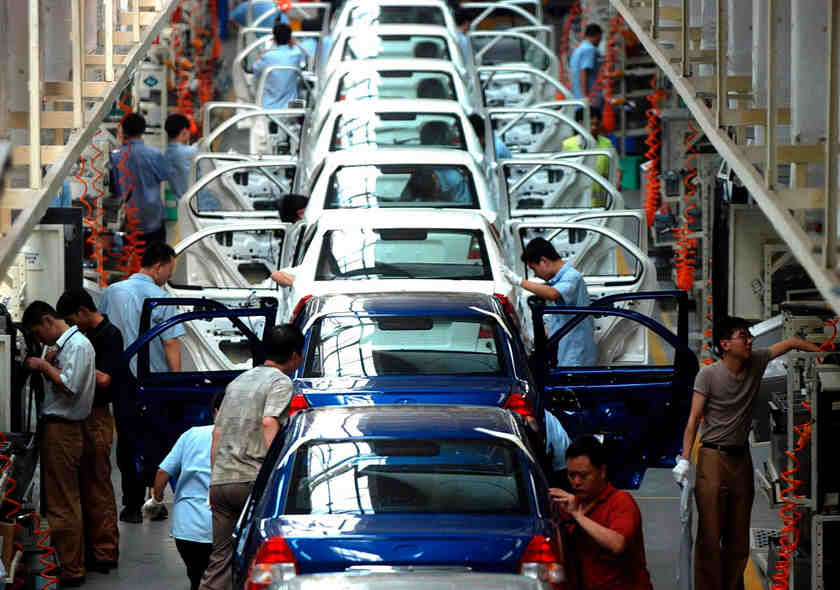
    Vietnam imported 3,945 completely built-up (CBU) cars from China in Q1, six times over the same period last year, according to the General Department of Vietnam Customs.

    Despite the surging number of cars imported from China, the country was the third-largest car supplier of Vietnam, after Thailand and Indonesia.

    Up to 80 percent of the completely built-up (CBU) cars imported to Vietnam in Q1 were from Thailand and Indonesia. The number of imported cars from Thailand was 19,300 units, up 56 percent year-on-year, while those from Indonesia stood at 8,950 units, down 26 percent year-on-year.

    Thailand and Indonesia have always led the list of Vietnam’s car suppliers ever since the ASEAN Trade in Goods Agreement (ATIGA) took effect in 2018, owing to the zero import tariff. Meanwhile, imported Chinese cars are dealt an import tariff of 47-70 percent.

    Vietnam imported around 35,300 CBU cars in Q1, a year-on-year increase of 31.1 percent.

    Auto sales rose by 36 percent year-on-year between January and March to 70,952 units, according to Vietnam Automobile Manufacturers Association (VAMA).

  • Pandemic grounds 39 Vietnam aircraft

    Pandemic grounds 39 Vietnam aircraft

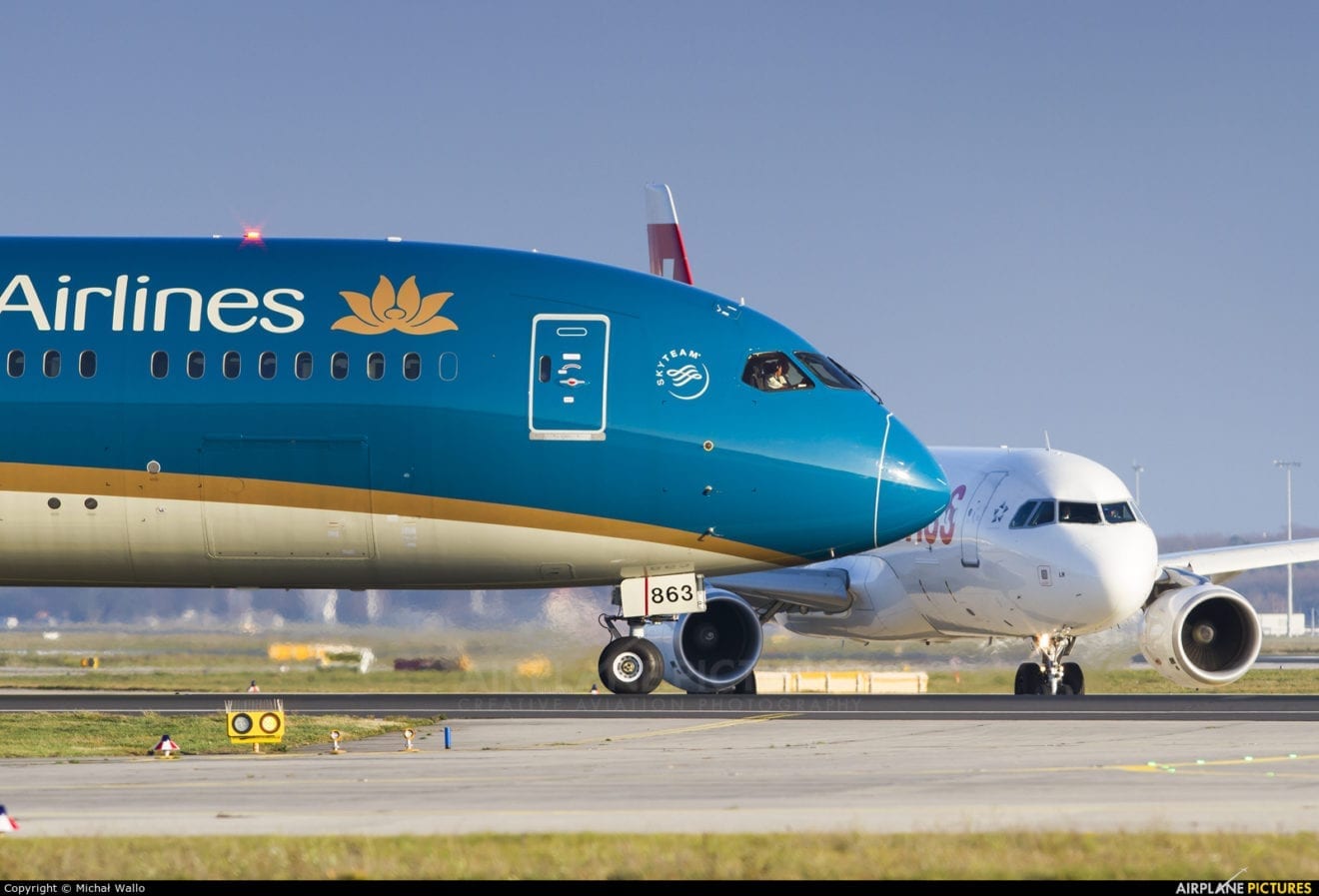
    Vietnam had 39 aircraft, or over 14 percent of its fleet, grounded in the first quarter after a new Covid-19 outbreak cut travel demand.

    Eighteen of the grounded aircraft belonged to national flag carrier Vietnam Airlines, 14 to budget carrier Vietjet, four to Pacific Airlines and three to Bamboo Airways, according to the Civil Aviation Authority of Vietnam (CAAV).

    Vietnam’s fleet of 269 aircraft is 13 more than it had last year.

    The country closed the borders and canceled all international flights in March last year, allowing in only certain categories of people with stringent conditions.

    Vietnamese carriers served 5.8 million passengers in the first quarter this year, down 45 percent year-on-year.

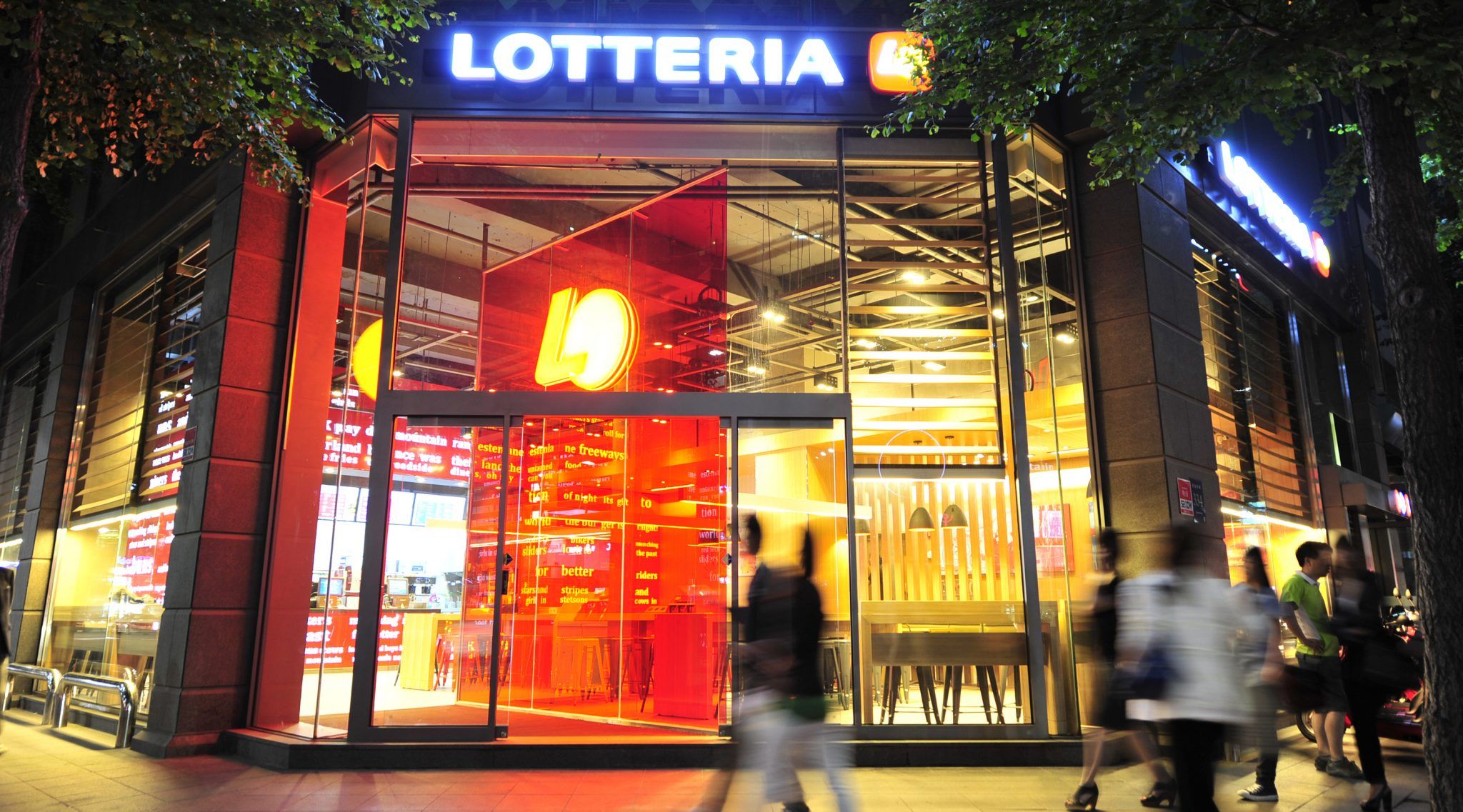
  • Lotte Vietnam denies reports it will close Lotteria fast-food chain

    Lotte Vietnam denies reports it will close Lotteria fast-food chain

    Lotteria Vietnam has said that it will continue its business expansion in Vietnam amid Korean media reports of its closedown over a net loss of nearly US$9 million.

    The company, which is operated by Lotte GRS under South Korea’s Lotte Group, dismissed a media report that it would cease operations in Vietnam, a spokesperson told Tuoi Tre (Youth) newspaper on Saturday.

    There is an inaccurate understanding of the Korean media report, the Lotteria Vietnam spokesperson added.

    Lotteria Vietnam is proceeding with its normal business while an expansion is underway.

    The firm is expected to invest in a new plant at Long Hau Industrial Park in Long An Province, just outside Ho Chi Minh City, and open ten Lotteria stores in 2021.

    “We are working with our parent company in South Korea to clarify its new strategy,” the spokesperson told Tuoi Tre.

    The spokesperson further explained that Lotteria Vietnam is still operating its franchise business and has reached almost 100 franchised restaurants.

    Entering the Vietnamese market in 1998, Lotteria Vietnam is running over 260 outlets and is among the top fast-food chains in the Southeast Asian country.

    The Korea Times reported on Sunday that Lotteria Vietnam is not closing down.

    “It is true that Lotte GRS is leaving the Indonesian market but we are continuing with our franchise and food retail businesses in Vietnam,” the newspaper quoted a Lotte GRS official as saying.

    The paper seemed to correct its report on Friday that had cited “a Lotte GRS official” as saying “Lotteria Vietnam and others have met the requirements for closure starting this year.”

    Friday’s article said that Lotte GRS was in the process of closing down “Lotte Group’s food material supplier in Vietnam, which was established in early 2020 to expand Lotte GRS’ business in neighboring Southeast Asian countries.”

    “Lotteria franchises in Vietnam have all stopped operations and its headquarters in Seoul is reviewing the possibility of closing down the business within this year,” The Korea Times reported.

    The report went on to elaborate that Lotteria Vietnam did not make any profit for Lotte GRS in 2020.

    “Lotteria Vietnam’s book value stood at 26.8 billion won [$24 million] as of early last year, but declined to 15.6 billion won [$14 million] after recognizing 11.2 billion [$10 million] won in valuation losses,” the article said.

    “Its net loss surpassed 10 billion won [$8.9 million] in one year.”