Tag: Vietnam

  • Auto sales surge 40 pct

    Auto sales surge 40 pct

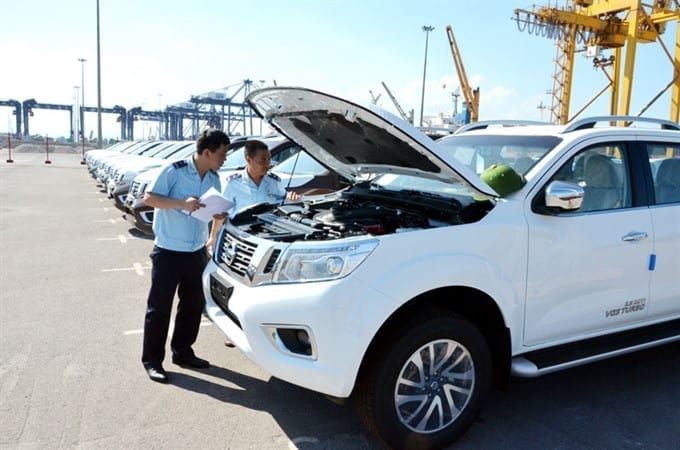
    Auto sales in the first six months rose 40 percent year-on-year to 150,481 units, according to Vietnam Automobile Manufacturers Association (VAMA).

    Passenger vehicles saw sales rise 37 percent in the period, while commercial vehicles grew 48 percent and special-purpose vehicles, 68 percent.

    Local brand Truong Hai Auto Corporation retained the top spot with 51,685 units, up 51 percent.

    Toyota saw sales growing 16 percent to 29,239 units, while the figures for Mitsubishi were 45 percent and 14,915 units.

    Honda and Ford made up the rest of the top five.

    The best-selling car model in the first six months was the hatchback VinFast Fadil, followed by two sedans, Hyundai Accent and Toyota Vios.

    Last year sales had fallen by 8 percent to 296,634 units as the Covid-19 pandemic badly affected the economy, hitting people’s incomes and discretionary spending.

  • Vietcombank H1 profit surges 35 pct

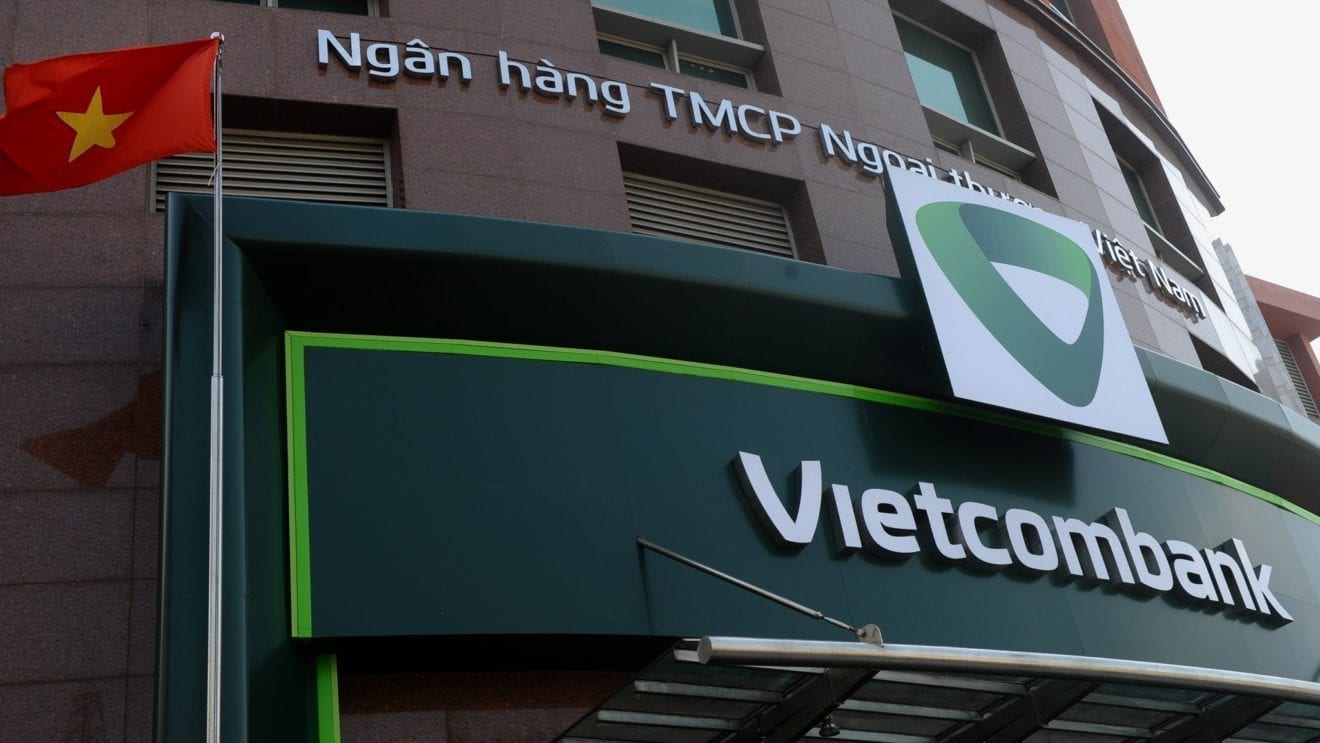
    Vietcombank H1 profit surges 35 pct

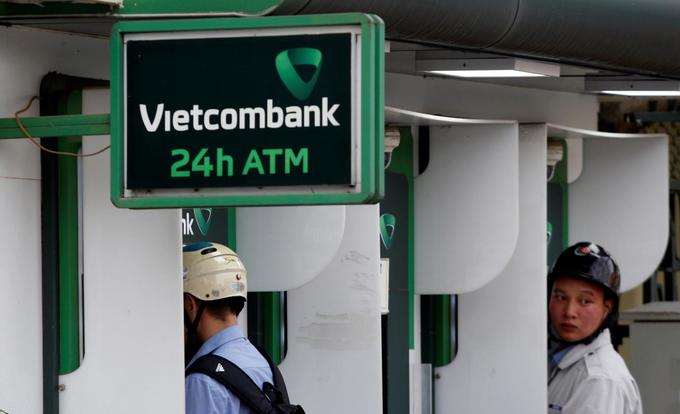
    State-owned lender Vietcombank reported a VND14.8 trillion (nearly $643.5 million) profit in the first half of the year, up more than 35 percent year-on-year.

    A senior Vietcombank official who did not want to be named said Monday that the rise in profit can be attributed to a 60 percent year-on-year increase in non-interest income, mainly from services.

    In the first half of the year, the bank made bancassurance revenues of some VND500 billion.

    In its first-half review meeting held late last week, Vietcombank said that as of late June, its outstanding loans rose over 9.8 percent against late 2020 to VND920 trillion.

    The credit growth of more than 9.8 percent approaches the ceiling rate of 10.5 percent set by the State Bank of Vietnam for the whole year, so Vietcombank has proposed that the central bank increases it to 14 percent.

    Its bad debt ratio increased from 0.6 percent early this year to 0.91 percent by the end of the second quarter, due to the Covid-19 outbreak.

    The Vietcombank official said profit growth in 2021 is projected to be lower than the first half surge as credit growth has approached the ceiling rate, and the bank plans to continue to lower lending interest rates in the second half. Its bad debts are likely to increase further because of the pandemic.

  • Thai energy firm BCPG signs Laos wind power sale with Vietnam

    Thai energy firm BCPG signs Laos wind power sale with Vietnam

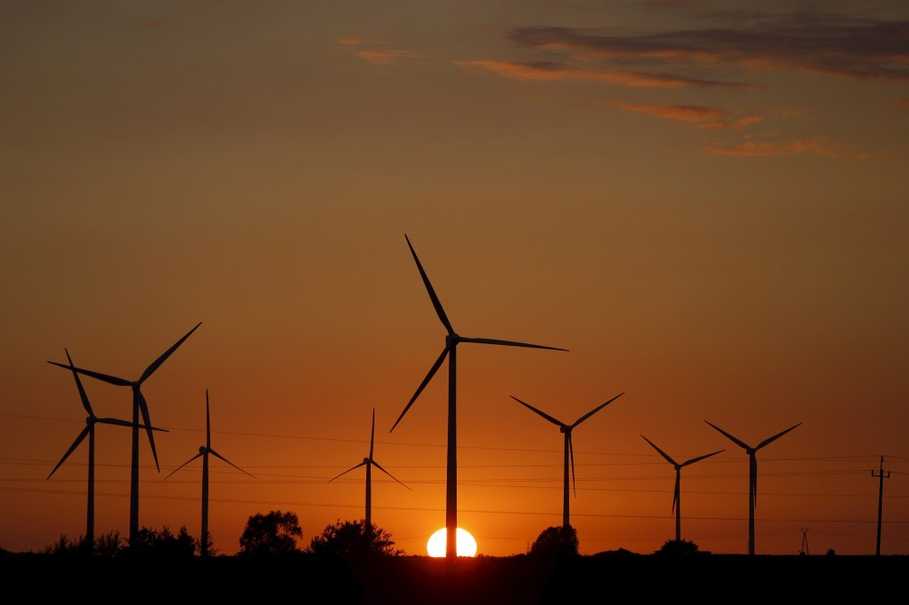
    Thai renewable energy firm BCPG Pcl on Tuesday said that its consortium had signed a 25-year agreement to deliver wind energy from a 600-megawatt project in Laos to Vietnam.

    An agreement between Vietnam’s electricity firm EVN and Impact Energy Asia Development (IEAD), of which BCPG holds a 45 percent stake, will supply electricity through a 500-kilovolt transmission line from Laos to Quang Nam province in Vietnam.

    Impact Wind Investment, backed by Japan’s Mitsubishi Corporation, holds a 55 percent stake in IEAD.

    Construction on the Monsoon Wind Project will commence in 2022 with commercial operations targeted for 2025. It would be the Association of Southeast Asian Nations’ largest wind farm, BCPG said in a statement.

  • Government to keep 65 pct stake in banks, airport operators

    Government to keep 65 pct stake in banks, airport operators

    The government will retain minimum ownership of 65 percent in state-owned banks and airport operators that privatize from now through 2025.

    It will keep a similar rate in large mining companies.

    The rates will be 50-65 percent in airlines and water utilities, basic chemical production and fuel importing companies.

    But companies that have a bearing on national security, such as landmine producers and map makers, will not be privatized.

    Others, where it will continue to own 100 percent, are power transmission and national grid management, currency printing and gold bullion production.

  • Banking sector eyes growth potential

    Banking sector eyes growth potential

    Vietnam Report JSC recently announced the nation’s Top 10 prestigious and effective public companies for 2021 with six banks including Vietcombank, ACB, VPBank, VIB, MBBank and Techcombank.

    Over the past two years, these banks have been recognized by economists and investors for their financial strength and communication capacities, their growth potential, level of sustainable development, quality of corporate governance and the positions in the industries.

    By the end of June 10, the banking industry accounted for 34 percent of HCMC Stock Exchange market capitalization with stock prices growing 18 percent in one month, 40 percent in three months, and 77 percent in six months, respectively.

    According to analysts, the above-mentioned banks have helped the banking industry affirm its position as one of the major pillars of Vietnam’s economy as the sector has contributed to regulating financial supply and demand for businesses and individuals, especially in the context of the economy being challenged by the Covid-19 pandemic.

    A JP Morgan report showed Vietnamese banks offer the best combination of growth and return on equity (ROE) in ASEAN at 18 percent, double that of other countries in the bloc.

    According to analysts, there are three growth drivers for the strong growth of the banking industry in the medium and long-term including the strength of the local economy, self-improvement and digital transformation.

    According to the World Bank, though Vietnam has been affected by the Covid-19 pandemic, the local economy still boasts many positive achievements, demonstrating its sustainable internal strength.

    Meanwhile, Vietnam is among the few economies predicted to grow positively in the coming years with major drivers being domestic production, along with consumption and exports. The banking industry, with its role as a financial support for the whole economy, is also forecast to continue growing in resonance with the national economy.

    At the same time, Vietnam’s population is expected to reach 120 million by 2050, an increase of over 20 percent compared to the present, with the middle-class proportion to double from 13 percent to 26 percent by 2026. That will open up golden opportunities for banks especially those that have considered retail business a core area.

    Currently, Vietnam International Bank (VIB), Asia Commercial Bank (ACB), Saigon Thoung Tin Commercial Joint Stock Bank (STB), Vietnam Prosperity Joint Stock Commercial Bank (VPBank) and Military Commercial Joint Stock Bank (MBBank) are recognized as five leading private banks with top retail loans.

    Notably, VIB and MBBank rank top with a compound growth rate of 49 percent and 31 percent respectively over the past five years. VIB is also considered the leading retail bank as its outstanding retail balance accounts for over 86 percent of the total outstanding balance, of which over 95 percent of retail loans have collateral.

    The banking industry has been experiencing positive changes in recent years. The dynamic business model, effective application of digital transformation and significant improvement in internal strength have brought impressive business results.

    In addition, the State Bank of Vietnam has accelerated the application of international risk management standards. That has contributed to improving the transparency of information, enhancing the prestige of local banks to domestic and international investors.

    The below table, sourced from audited financial reports of relevant banks from 2016 – 2020, mentions key financial indicators that clearly show the top six banks obviously stand out from median industry performance.

    Banks % ROE % ROA % CIR % NPL & VAMC % CAR CAGR Profit before tax 2016-2020 (%)
    VIB 29.6 2.2 40 1.7 10.1 70
    ACB 24.3 1.9 42 0.6 11.1 55
    VPB 21.9 2.6 29 3.4 11.7 27
    VCB 21.1 1.4 33 0.6 9.6 28
    MBB 19.1 1.9 39 1.1 10.4 31
    TCB
    18.4
    3.1 32 0.5 16.1 41
    Industry median 18.8 1.6 39 1 10.8 39

    Quickly embracing digital transformation

    The banking sector’s strong growth in recent years is also attributable to the endless efforts of local banks in quickly embracing digital transformation. The banks that have actively participated in digital transformation will meet the increasing needs of customers while launching new products and services to both better serve their clients and increase business efficiency.

    Among them are VIB, MBBank and Techcombank, which have launched digital product packages like digital accounts, bank cards and completely free digital banking services to better facilitate customers.

    Amid the Covid-19 pandemic, digital solutions offered by these banks have assisted customers to make transactions and conduct basic banking services online instead of visiting branches or transaction offices.

    Analysts said banks that have a clear digitalization strategy will soon boost their market share and quickly lead the sector in terms of growth rate and quality of services. This has happened in markets like the U.S., Australia and Singapore.

    They added with the three above-mentioned growth drivers, sustainable development with many distinctive imprints of the six banks in the Top 10 is expected to be a bright spot for the banking industry and the Vietnamese economy in future.
  • Covid shuts HCMC’s biggest wholesale market

    Covid shuts HCMC’s biggest wholesale market

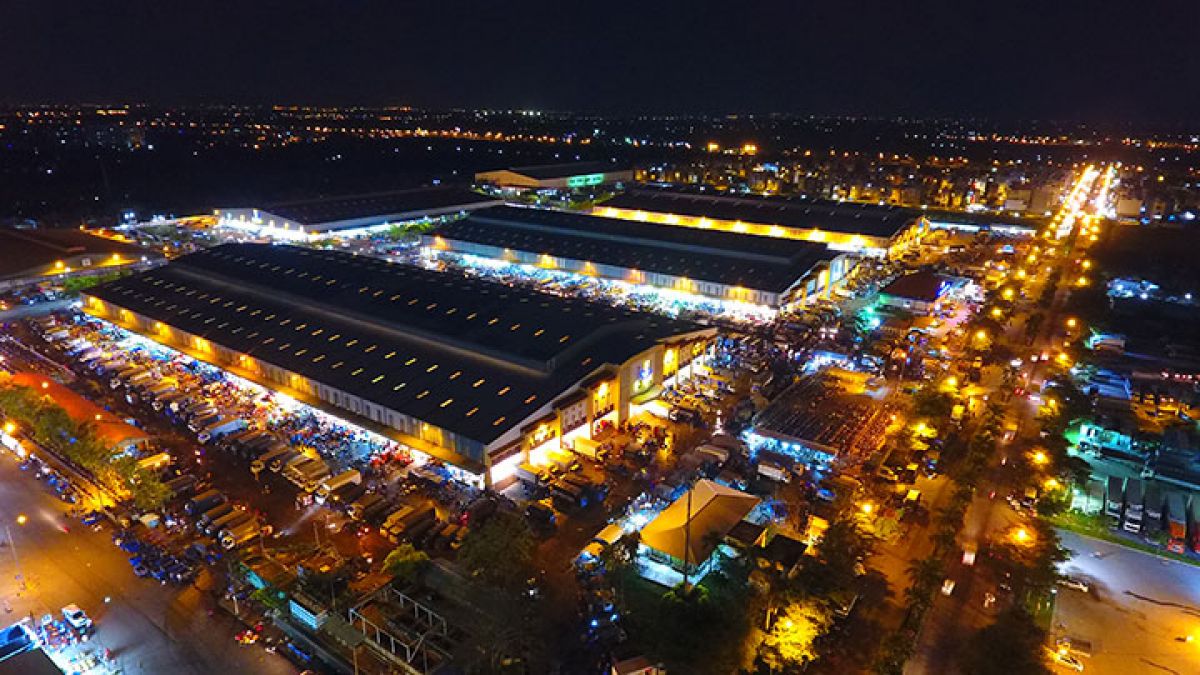
    HCMC’s biggest wholesale market, Binh Dien, which has a growing number of Covid-19 cases linked to it, will shut down on Tuesday.

    Authorities in District 8, where it is situated, said they made the decision after the infection began to spread to other areas from the market. As of July 4, 56 Covid-19 cases have been found to have linkage with Binh Dien market.

    From 8 a.m. no goods can be delivered, and by 8 p.m. all the stocks have to be liquidated.

    The closure will continue until further notice.

    Vendors are starting to change their sales method, instead of meeting customers in the market they will deliver directly to them, market managers said, adding that they have set up a website prior so customers can buy from it.

    With Hoc Mon Wholesale Market shut last week, two of the three major wholesale markets are closed in the country’s Covid epicenter, which has over 6,900 cases confirmed in the latest wave.

  • Vietnam begins to make switch to online car sales

    Vietnam begins to make switch to online car sales

    Three auto brands have begun to sell online as they seek to take advantage of the country’s e-commerce boom.

    Since January this year customers have been able to go to the VinFast website, select the model, customize color and interiors, and indicate mode of payment.

    They can then go to the nearest showroom to complete the purchase. VinFast offers to deliver the car to the customers’ doorstep. Customers who want to pay in installments can submit their profiles online. Mercedes launched online sales March. Customers can customize their vehicles and a dealership is suggested to them. The sales procedures are however completed in person.

    TC Motor, which assembles Hyundai vehicles, last month began to allow customers to compare its cars online and see how much they cost after promotions, taxes and fees.

    Auto companies are actually late in adopting technology in sales, Nguyen Trung Kien, chief technology officer at digital marketing company Novaon MarTech, said.

    “When customers become familiar with online transactions, online sales options are inevitable.”

    It has taken a long time for auto companies to start offering online sales since theirs are expensive products and customers are used to the idea of physically touching them before making a purchase decision, he said.

    But with the development of technology, auto manufacturers could now go directly to customers and gradually cut out the middlemen, and also get to know their customers’ needs more, he added.

    But industry insiders expect it to take a long time to change customers’ preference from shopping offline for cars to online.

    “There are many perks in online shopping for cars but to make the decision customers still need to come to showrooms and see with their own eyes and touch with their own hands,” the marketing director of a Japanese auto company in Vietnam, who asked not be identified, said.

    In order to reach the same level as Tesla, meaning customers do not need to test drive the cars before making the purchase, auto manufacturers need to first create firm trust in product quality, the marketing director added.

    Auto sales in Vietnam rose 53 percent year-on-year in the first five months to 126,894 units, according to the Vietnam Automobile Manufacturers Association.

  • Foreigners in Vietnam face settlement headache

    Foreigners in Vietnam face settlement headache

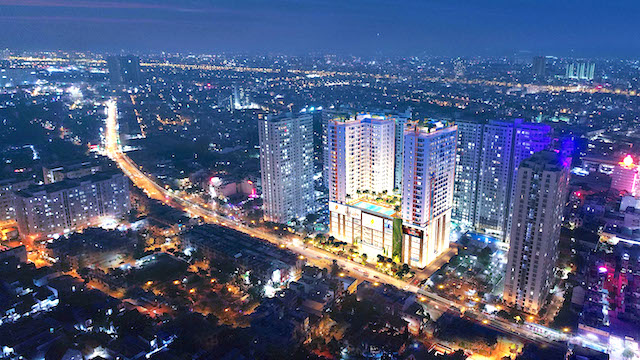
    The foreigner community has high expectations for quality apartments with synchronized amenities and a favorable location, though good housing options remain limited.

    According to a survey by InterNations, in 2021, Vietnam ranked among the top 10 countries with a foreigner satisfaction rating of more than 86 percent. It was proved in particular by the fact that 9 percent of expats in Vietnam had an annual income of more than $250,000, compared to only 3 percent globally, giving the domestic real estate market, particularly in the high-end and luxury segments of residential and vacation property, a certain customer base.

    To provide foreigners the best living options, Phu Thinh Green Park offers more than 500 smart apartments designed to high-quality standards by Phu Thinh Group. Located in the Ha Dong administrative center with numerous corporate headquarters and international organizations, Phu Thinh Green Park is surrounded by a series of important routes, including Quang Trung, Tran Phu, Nguyen Trai, Le Trong Tan, To Huu, Phuc La, Xa La, Nguyen Xien, and Hanoi metro stations. These customers are mostly experts, high-income employees with strict requirements for living quality, facilities, and proximity to expat communities. However, it is difficult for a foreign specialist to access suitable rental housing that meets excellent living standards and apartment quality, even in a big city like Hanoi.

    Residents can also walk within five minutes to the metro station, supermarkets, commercial centers, administrative centers, hospitals, schools, and golf courses. Foreign tenants who prefer public transportation will soon have the option of taking the Cat Linh – Ha Dong railway. Furthermore, the project is well connected to Thang Long Avenue, where tens of thousands of international professionals work.

    The internal utility system meets all living needs for residents via a 300 square meter overflowing swimming pool, A-class offices, commercial centers, landscaped parks, and rooftop cafes.

    Green Park Phu Thinh is located next to a 100-hectare sports park with four fresh seasons, suitable for recreation and entertainment. The bulk density of trees is like a natural air conditioner for the local atmosphere. The temperature on summer days is usually 2-3 degrees Celsius lower than in other regions.

    Moreover, Phu Thinh Green Park is a place of cultural interference of different countries, which creates a community with diverse lifestyles. Located between the Hyundai Hillstate area and Booyoung Residence, Phu Thinh Green Park attracts a lot of foreigners, mainly from Japan, China, and Korea.

    A square meter in Phu Thinh Green Park costs VND27 million ($1,170). The project is now open for sale during the third quarter of 2021. Documents and handovers are legally transparent to ensure the rights and profits of customers. With each apartment handed over, the basic equipment system will be installed according to standard amenities.

    “Synchronous development of traffic infrastructure of Ha Dong District is strictly guaranteed for a rental profit of 5-6 percent per year and/or a high capital growth of 30-50 percent in the next two to three years. Green Park is suitable for real estate investors expecting high profits and safety,” a project representative said.

    In early 2021, due to the sharp increase of iron and steel prices and transportation costs, the value of an apartment could exceed the purchase price, he added.

  • Inflation in Vietnam likely to be below 3 pct this year

    Inflation in Vietnam likely to be below 3 pct this year

    Inflation this year is likely to be 2.5-3 percent, well below the target of 4 percent set by the National Assembly, due to low consumer demand, analysts said.

    Global prices of strategic materials are likely to climb in the next few months due to geopolitical tensions and Covid-19, but food and foodstuff prices in Vietnam are expected to remain stable due to strong supply and weak demand, the Ministry of Finance’s price management department said at a seminar on the price and market situation on Friday.

    The consumer price index (CPI) was up 1.47 percent year-on-year in the first half of the year, its slowest rise since 2016, according to the General Statistics Office.

    The prices of some foodstuffs like pork and chicken fell, while those of petrol and commodities rose sharply.

    Nguyen Ba Minh, head of the Institute of Economics and Finance, said the CPI would rise by some 2.5 percent this year.

    Le Quoc Phuong, former deputy director of the Vietnam Trade and Industry Information Center, too expected inflation to be below 3 percent.

    Dinh Trong Thinh, an economist at the institute, said if the Covid-19 situation worsens, and Vietnam’s economy grows at 6.8-7 percent in the second half of this year, inflation would be 3.3-3.5 percent.

    If the economy grows at 7-7.4 percent, the inflation would be 3.8-4 percent, he said.

    The government expects growth of 6-6.5 percent in the second half this year depending on the Covid situation.

  • Japanese retailer Muji opens first store in Hanoi

    Japanese retailer Muji opens first store in Hanoi

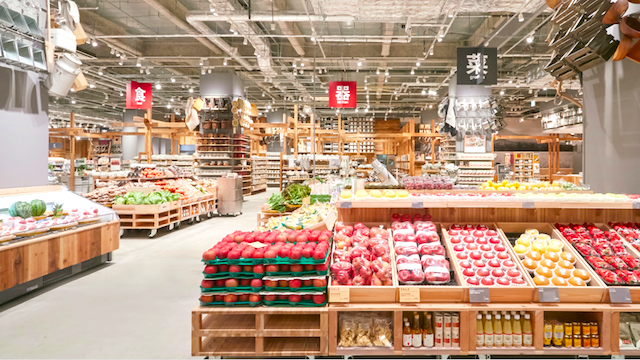
    Japanese chain retailer Muji opened its first store in Hanoi on Saturday after opening one in HCMC last November. The store, which spans 2,000 square meters at Vincom Center Metropolis on Lieu Giai Street, is the second to be opened in Vietnam.

    The flagship store in Hanoi provides around 5,000 products, ranging from fashion, cosmetics to household items, interior design and food.

    Tetsuya Nagaiwa, Muji’s head of Vietnam business, said the chain spent two years searching for a suitable location for the Hanoi store, a much longer process compared to its HCMC endeavor.

    The southern metropolis’s downtown District 1 is a no-brainer when it comes to choosing a location for a store. But Hanoi has multiple locations with different capacities for attracting customers, Tetsuya explained.

    Vincom Center Metropolis was eventually chosen since it is in an area with a big Japanese population and is wide enough to host a large store.

    Tetsuya said Muji’s current strategy is to take hold of Hanoi and HCMC, both major cities, to boost brand recognition. Afterward, depending on factors like economic development and population, Muji would consider opening more stores in other cities.

    Vietnam is among the world’s most promising retailer markets right now, Tetsuya said, adding the country has attracted a large number of investors thanks to its ever-growing economy and a young population with a middle-class income.

    Certain Muji products sold in Vietnam would be cheaper than other markets’ as they are produced by domestic manufacturers, he said, without revealing exact information regarding the domestic factories.

    Muji, founded in 1980, has over 1,000 stores in 33 countries and territories.

  • Construction steel prices fall further

    Construction steel prices fall further

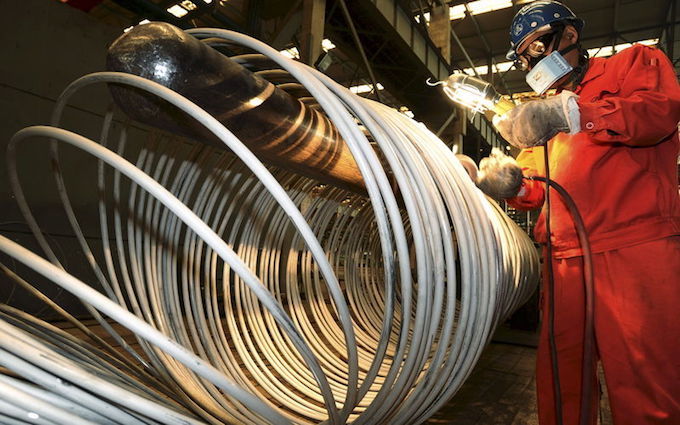
    The price of Vietnamese construction steel dropped to below VND17 million ($732) per ton, but contractors said this was still high.

    The Viet Duc Steel Company said it has lowered prices of steel bars and coils by VND300,000 per ton from July 1, while the Thai Nguyen Iron & Steel Joint Stock Corporation reduced the prices of steel coils by VND300,000 to around VND16.7 million per ton.

    The prices of a ton of steel coils produced by the Hoa Phat Group and the Vietnam-Italy Steel Joint Stock Company are VND300,000-600,000 lower than in June.

    The decline in prices of construction steel in the Vietnamese market over the past few weeks has been attributed to lower prices of steel billets in the world market.

    The most-traded steel rebar on the Shanghai Futures Exchange, for October delivery, closed down 2.9 percent at 5,014 yuan ($774.60) a ton.

    Another contributing factor is weaker demand for construction materials in some localities that have already entered the rainy season.

    However, many construction contractors said the prices of domestic steel products were still high, cutting deep into their profit, leaving them with smaller profits. Steel costs account for 10-30 percent of a construction project.

    Vietnam produced nearly 12 million tons of steel products of different kinds in the first five months of this year, a year-on-year rise of more than 38 percent while exporting nearly 2.8 million tons, up 80 percent.

    The country exported 1.1 million tons of steel to China in the five-month period, twice that of last year, according to the General Department of Vietnam Customs.

  • VietinBank pre-tax H1 profits up 75 pct

    VietinBank pre-tax H1 profits up 75 pct

    State-owned lender VietinBank has recorded pre-tax profits of VND13 trillion ($565.2 million) in the first six months of 2021, a year-on-year increase of 75 percent.

    Its ratio of non-performing loans at the end of Q2 was 1.38 percent, chairman Le Duc Tho said, adding that the targeted non-performing loans ratio for this year was 1-1.2 percent

    The bank’s total assets value at the end of June was VND1.4 quadrillion ($60.8 billion), while its loans outstanding were VND1.06 quadrillion, according to its CEO Tran Binh Minh.

    Capital mobilization as of June reached VND1.2 quadrillion, up 3.4 percent year-on-year.

    The bank plans to increase its charter capital by 29 percent to over VND48 trillion this year by paying dividends in shares.

  • New high-end apartment supply up 120 pct

    New high-end apartment supply up 120 pct

    In the first six months, 7,040 new high-end housing units were launched in HCMC, up 123 percent year-on-year, accounting for 59 percent of new supply.

    Mid-range supply rose 295 percent to 4,908 units, accounting for 49 percent of new supply, while no new affordable unit was launched, according to a report by the Ho Chi Minh City Department of Construction.

    This shows an imbalance in the HCMC real estate market where developers focus on the high-profit, high-end and luxury market while ignoring the affordable segment, boasting strong demand.

    The HCMC Real Estate Association (HoREA) predicts the imbalance would cause negative consequences in housing security.

    HCMC plans to increase its residential area per capita to 21.04 square meters by the end of the year, up nearly 2 percent from now. To do this, it needs an additional eight million square meters.

  • Another forex trading platform swindles hundreds of thousands of dollars

    Another forex trading platform swindles hundreds of thousands of dollars

    Yet another fraudulent foreign exchange trading platform that cheated people out of hundreds of thousands of dollars has been exposed in HCMC. Nga, a resident of HCMC’s District 7 spends most of her time these days reading updates about FXTradingMarkets in a Facebook group with 4,200 members.

    On June 25, the group received a screenshot of a notice believed to be from the Lion Group, which ran the platform, that it would cease to operate from the next day onwards. Nga has invested VND1.4 billion ($60,700) in the platform; and many others have also invested billions of dong. Now, they do not know how they can get back the money.

    A month earlier, the HCMC police had warned people not to trade on currency trading platforms, saying there was a high risk of losing their money. They had found that four people from the Lion Group were hosting forums in various places to talk about how to get rich quick.

    Since 2019, the group has been advertising FXTradingMarkets as a platform headquartered and licensed in the UK and linked to another platform called UKTrade.

    An investor had to deposit at least $1,000 and would get its equivalent in FXT, a cryptocurrency the platform uses to trade.

    Investors would bet on whether a currency would rise or fall within the next 30 seconds. If they were right, they got 95 percent of the bet as profit, but lose everything if they were wrong.

    However, the platform also advertised that everyone could earn one percent a day on their investment if they allowed “experts” to make the bet on their behalf.

    Investors also got a commission if they introduced new clients.

    At first, the investors could trade the FXT currency with their leader for cash, but starting at the end of February, the platform no longer allowed this trade, and investors had to trade in other cryptocurrency markets with a rate of 1 FXT equals $0.3, meaning a 70 percent loss.

    “When similar platforms crashed, we were concerned, but the managers told us not to worry,” Nga said.

    Many celebrities endorsed FXT and so investors continued to place their trust in it, she said.

    Earlier this month the platform posted a notice saying “upgrade ongoing” and did not allow investors to see their account balance. On June 25, when the leaders gave their final notice, 1 FXT was worth $0.0022.

    That means Nga’s investment of $60,000 was then worth only $133, or a 99.78 percent loss.

    The other platform UKTrade also crashed on June 26.

    Tam of Thu Duc District said he invested VND2.8 billion in UKTrade in April but “most of the money is now gone,” adding that thousands of investors lost 95 percent of their money on May 10.

    “Because of the pandemic, our experts were not able to analyze the market,” the leaders told investors, asking them to either pour more money in to recover the loss or be removed from the system.

    Tam and around 10 other investors joined together to report the platform to the police. Together, they have lost a total of VND6 billion.

    Vo Thi Dieu Hien in the central province of Binh Thuan in early May invested VND319 million, but in less than a week she saw all her cryptocurrency gone.

    The leaders asked her to submit another 30 percent of her capital to “save” her account and promised higher profits. She did not, and her account was locked right after.

    “That’s when I realized I was tricked, so I reported it so others won’t fall into the same trap.”

    HCMC and Binh Thuan police said they have received the reports and have done initial investigations. They found that FXTradingMarkets was registered and has servers in the U.S.

    There are signs that the administrators are setting up a new website with similar user interface and functions at sp500stock.com, the police said. The website was no longer available at the time of publishing.

    This is the latest of many of forex trading platform frauds that have been uncovered in Vietnam of late. Thousands of investors have been duped, even though authorities have repeatedly warned them that these platforms are illegal and highly risky.

  • Vietnam to trial virtual currency

    Vietnam to trial virtual currency

    The Vietnamese government has ordered its central bank to study virtual money using blockchain technology over three years amid rising interests in this type of currency.

    The State Bank of Vietnam will be in charge of studying and trialing the use of virtual money from this year until 2023 as part of key objects in mastering core technologies, according to a government decision.

    The government does not give a clear definition of virtual currency and assets.

    For now, cryptocurrencies remain an illegal means of transaction in Vietnam. However, the trading of Bitcoin and the like is popular with many investors using foreign platforms and social media to make money from this asset.

    Vietnam has the second-highest rate of cryptocurrency usage among 74 economies, according to a survey by market researcher Statista.