Tag: Vietnam

  • Vietnam winning greater share of US apparel imports

    Vietnam winning greater share of US apparel imports

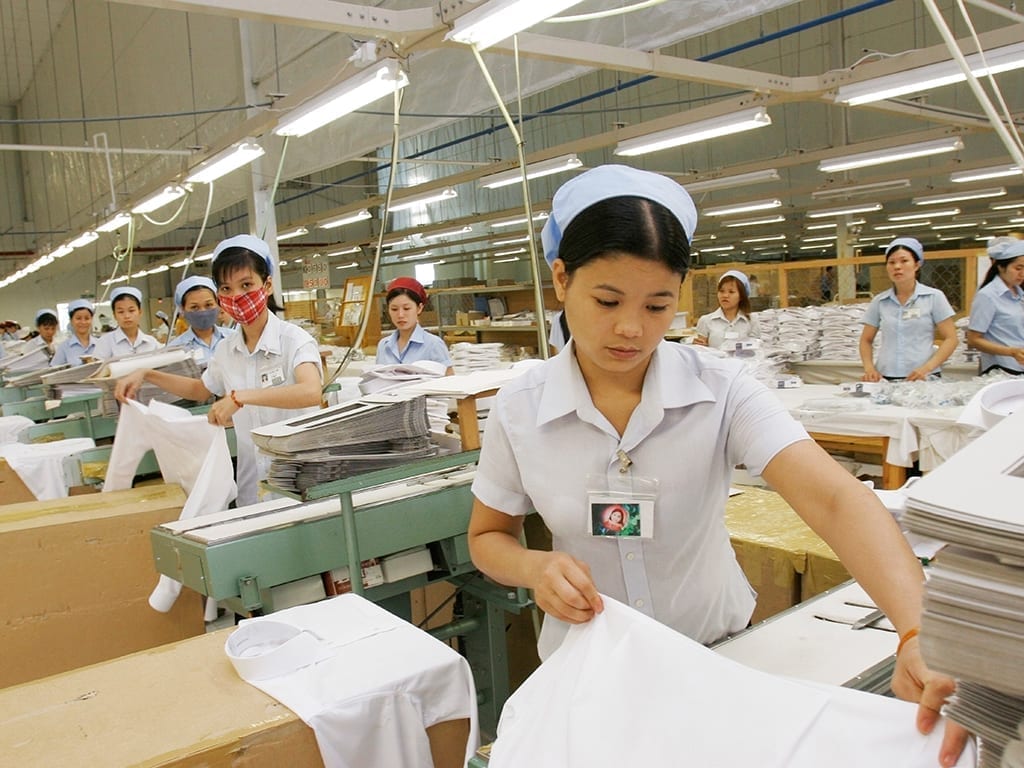
    Vietnam’s share of US apparel imports has benefited as China’s share in the market is slipping in the wake of the Sino-US trade war.

    According to the US Department of Commerce’s Office of Textiles and Apparel, Vietnam’s share increased to 14.26 percent last year, up from just 7.72 percent in 2010.

    Michelle Russell, an apparel correspondent at GlobalData, says Vietnam’s garment sector has clearly benefited from the ongoing tit-for-tat trade spat between the US and China during the last two years as producers and buyers diversify their supply chains.

    Brands have chosen Vietnam and Bangladesh as its alternative sources as additional tariffs are imposed on most garments imported from China.

    China’s share of the market slipped from 41.9 percent in 2018 to 39.9 percent last year, on top of a year-on-year decline in the unit prices of apparel imported into the US.

    “Despite China remaining the cheapest of the top-10 garment supplier countries, the country’s share of US imports declined last year. Meanwhile, Vietnam is becoming something of a global manufacturing powerhouse and has clearly reaped the benefits thanks to its younger and lower-wage workforce, its preferential trade policies and its logistics – the country boasts 14 major ports,” said Russell.

    The EU-Vietnam Free Trade Agreement (EVFTA) between Vietnam and the European Union, which will remove most tariffs between the two parties over the next 10 years, has been approved by the European Parliament this week. However, Vietnam still faces challenges ahead that will require Vietnam to gradually change the structure of its economy.

  • Auto sales plummets in January

    Auto sales plummets in January

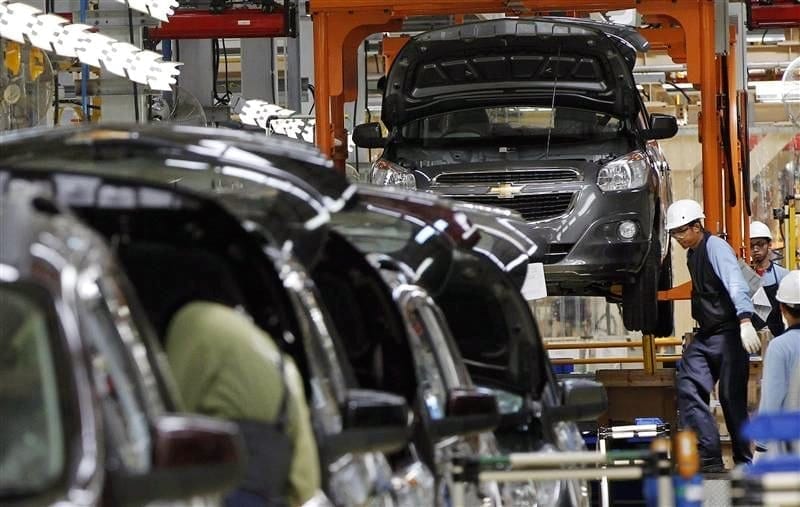
    January automobile sales fell by 52 percent over the previous month and 53 percent year-on-year, according to the Vietnam Automobile Manufacturers Association (VAMA).

    A total of 15,787 vehicles were sold last month, including 12,807 passenger cars, 2,757 commercial vehicles and 223 special multi-purpose vehicles.

    The sales figures were compiled by VAMA, an association of all auto manufacturers in Vietnam except Hyundai TC. The 5,944 units sold by Huyndai TC last month would take the total to 21,731.

    VAMA attributed the decline in sales to the Lunar New Year (Tet) holiday, when the country took a week off (January 23-29). The holiday is usually a quiet period for the car market, it noted, adding that people tend to buy cars at the end of the year, about a month before the Tet holiday, and sales in the days leading up to the break would usually fall.

    Of the vehicles sold, domestically assembled cars still accounted for nearly two-thirds of sales, reaching 9,599 units, down 51 percent over the previous month. Imported completely-built-up (CBU) cars made up the remaining 6,188 units, down 54 percent over December last year.

    Domestic carmaker Truong Hai Auto (Thaco) retained the top spot in January, accounting for over 33 percent of sales by all VAMA members. Trucks and sedans made up most of its sales.

    Toyota Motor Corp. retained its second spot at 25.8 percent, followed by Honda and Mitsubishi, with 12.6 percent and 11 percent, respectively.

    Vietnam saw car sales of 322,322 in 2019, up 11.7 percent year-on-year, according to VAMA.

  • Seafood exports plummet

    Seafood exports plummet

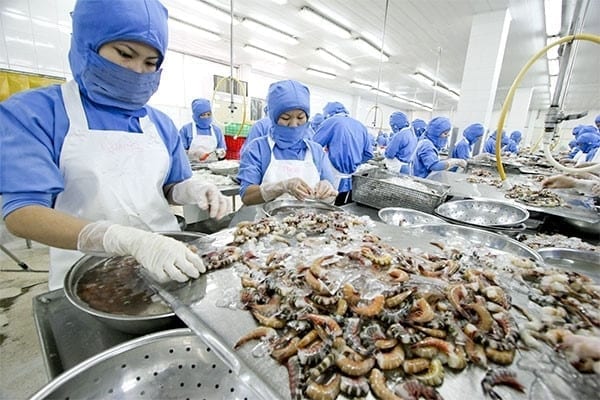
    Seafood exports in January fell 25 percent year-on-year and are set to continue falling due to the novel coronavirus outbreak.

    They fell to $556 million, with exports of pangasius fish falling by 64 percent, octopus by 50 percent and tuna by 30 percent, the Vietnam Association of Seafood Exporters and Producers said in a report.

    It attributed the drop to the seven-day Lunar New Year (Tet) holiday in January, adding exports would continue to fall in February and March since the epidemic has limited exports to China.

    In the worst case, seafood exports to China will fall 30 percent in the first half to $400 million. But if there is limited border trade, the impact could be mitigated somewhat.

    China was Vietnam’s fourth-largest market last year, with exports being worth $1.23 billion after rising 22 percent.

  • Former Grab leader appointed CEO of VinID

    Former Grab leader appointed CEO of VinID

    Former CEO of Grab Financial Group Vietnam, Nguyen Tuan Anh, is the new general director of Vingroup’s loyalty program VinID.

    Tuan Anh, who had left the ride-hailing firm last month, confirmed his new appointment with VnExpress, saying he had taken over last Friday.

    The VINID Joint Stock Company (VinID) said that it expected Anh would help strengthen its apparatus to compete with other rivals and become an independent service company.

    Anh left Grab Vietnam last month after six years. He is credited being the person who laid the first bricks for the company’s operations in Vietnam in 2014 and paving the way for the successful deployment of its ride-hailing services, especially GrabBike.

    Born in 1982, Anh graduated in Information Technology from the National University of Singapore. Prior to joining Grab, he had worked with American web services provider Yahoo and several other startups.

    VinID JSC was established in July 2018. It has a chartered capital of VND3 trillion ($129.4 million) and is 80 percent owned by Vingroup, Vietnam’s biggest private conglomerate.

  • Vietnam retail sales down

    Vietnam retail sales down

    Retail sales in Vietnam’s commercial capital Ho Chi Minh City surged 11.2 percent last month to an estimated US$4.8 billion.

    But celebrations may be short-lived with the coronavirus impacting spending patterns in February and the early timing of Lunar New Year boosting January’s figures.

    According to official government data, Ho Chi Minh City retail sales in key sectors including food & beverage, household appliances and apparel reached US$3.25 billion for the month, all spurred by increased demand during Lunar New Year (it is customary for Vietnamese to wear new clothes to mark the onset of a new year).

    And while shopping malls and convenience stores have suffered declining footfall due to the coronavirus crisis in February, supermarket sales have surged dramatically since reopening after the holiday, which officially ended on January 29.

    According to a spokesperson from the South Korean-owned Emart, the supermarket chain has since experienced double-digit daily sales growth, peaking at 40 percent one day. Most commonly purchased products are fresh food, dry food (such as instant noodles, sugar, rice), hand sanitizer and antiseptic water.

    “Sales of fast-moving consumer goods increased by more than 50 percent,” said the spokesperson. “While dry food increased 1.5 times, toilet paper sales nearly doubled.”

    Although the number of other retail sectors experienced declining sales, the average retail sales growth seemed to hold up, the spokesperson said.

    Supermarket and hypermarket operator Saigon Co.op also reported significant growth since the coronavirus outbreak. Fastest-moving items were essential consumer goods, especially sanitizing and consumer health products.

    Meanwhile, the coronavirus crisis has left major shopping malls and department stores such as Vincom and Takashimaya into what local media have described as “deserted” venues as people avoid going to public areas.

    For convenience stores, the circumstances are little better. Korean c-store chain GS25 has reported sales have dropped by 40 percent.

    Retail industry experts in Vietnam predict that consumption will shift from electronics products to health items and that supermarkets and e-commerce will replace traditional markets due to lower perceived risk of virus transmission.

    As of February 13, there have been only 15 confirmed cases of coronavirus infection recorded in Vietnam, of which six are listed as having fully recovered.

  • Vietnam scraps plans to limit foreign ownership in e-payment firms

    Vietnam scraps plans to limit foreign ownership in e-payment firms

    Vietnam’s central bank has decided not to cap foreign ownership of e-payment companies at 49 percent after consulting with experts.

    Foreign investment plays an important role in payment intermediaries’ functioning since they rely on technology, and limiting foreign ownership would hamper foreign investment in this segment and the fintech sector in general, the State Bank of Vietnam (SBV) said in a statement on Monday.

    In some digital payment firms, foreign ownership already exceeds 49 percent, and so a change in regulations could affect their activities, it said.

    The SBV had released a draft of its foreign ownership cap proposal in November for consultation, saying it wanted to balance the ease of attracting foreign capital with ensuring an active role for local firms in the fintech sector.

    According to the central bank, by the end of the first quarter this year, there were 27 e-wallets in the market though five parent companies owned 90 percent of them. The five, which the SBV did not name, have foreign ownership of 30-90 percent, it said.

    Economists have said that the potential for cashless payment in Vietnam is huge due to a growing middle class and rapidly improving telecom infrastructure. The government wants to make 90 percent of all transactions cashless by the end of this year.

    But the reliance on cash remains overwhelming, with 80 percent of Vietnamese preferring to use cash for daily transactions, according to the Ministry of Industry and Trade.

  • Textiles firms launch emergency production of antibacterial masks

    Textiles firms launch emergency production of antibacterial masks

    Textiles businesses, including several with no prior experience, have begun producing antibacterial masks after authorities announced a daily need of 10 million.

    At the beginning of last week, Toan, an employee of the Dong Xuan Knitting Company in the northern province of Hung Yen, was transferred to an antibacterial cloth production line. His company had begun making this new product following the novel coronavirus (2019-nCoV) outbreak.

    Toan and her colleagues now try to use their afternoon break to produce more masks in order to meet the amount needed each day as well as earn some overtime income.

    “Most of us are doing an extra half-shift of overtime every day. Because we make more money, everyone is happy and trying to take advantage of the situation,” he said.

    The Dong Xuan company has set up a similar antibacterial cloth production line in one of its factories in Hanoi. Its director Tran Viet said although the company has not worked in medical supplies before, it was applying Japanese technology to produce antibacterial fabric given the current scarcity of masks.

    Viet estimated that the company now produces 7-8 tons of anti-bacterial fabric every day, enough for Dong Xuan and its partners to produce up to 300,000 masks each day.

    “We are working every hour to improve productivity, so after it stabilizes, we will see if we can serve orders in other epidemic affected areas if needed,” Viet said.

    Le Tien Luong, general director of The Vietnam National Textile and Garment Group (Vinatex), one of the largest textile makers in Vietnam, said the company needed about three to four days to rearrange production lines, train workers in new technology, as well as transfer designs from affiliate companies to make masks, which was a new product to the group.

    TNG, a company based in northern Thai Nguyen Province specializing in producing garments and fashion for export, has also joined the emergency production of masks, using nano- fabric.

    The company was able to kick off production of antibacterial nano masks just three days after it submitted designs and standards for approval from the Ministry of Health, said TNG chairman Nguyen Van Hoi. Currently, the enterprise has increased working hours and allocated as many workers as possible to ensure it rolls out 20,000 masks a day. TNG said it will also work with the Thai Nguyen Department of Health to give out one million free masks to people.”Raw materials used to produce clothes and production lines are now prioritized for making masks. Soon 2 million masks will be completed and released to the market to help ease shortages, and soon after, TNG will be able to mass produce them,” Hoi said.

    Bui The Kich, general director of the Dong Nai Garment Corporation, said his enterprise has also been producing anti-bacterial fabric at maximum capacity. The company now produces around 10-15 tons of the fabric every day, and one kilogram of it is used to make approximately 300 disposable antibacterial masks.

    Truong Thanh Hoai, head of the Department of Industry under the Ministry of Industry and Trade, said producing 10 million antibacterial masks every day, as requested by the Ministry of Health’s request, required 400 tons of antibacterial fabric and enterprises working at full capacity.

    However, he pointed out that the Health Ministry has not issued standards and regulations for the antibacterial cloth masks. It needs to do so as soon as possible so that “users can trust the products,” Hoai said.

    Vietnam officially declared the nCoV outbreak an epidemic on February 1. Out of the 14 confirmed infection cases so far, three have been discharged from hospitals: a Nha Trang hotel receptionist, a Chinese man from Wuhan, and one of the workers who returned from Wuhan.

    The global death toll of the epidemic has reached 910– one each in the Philippines and Hong Kong, and the remaining in mainland China.

  • Vietjet opens three more direct routes connecting Vietnam with India, boosting the regional connection further

    Vietjet opens three more direct routes connecting Vietnam with India, boosting the regional connection further

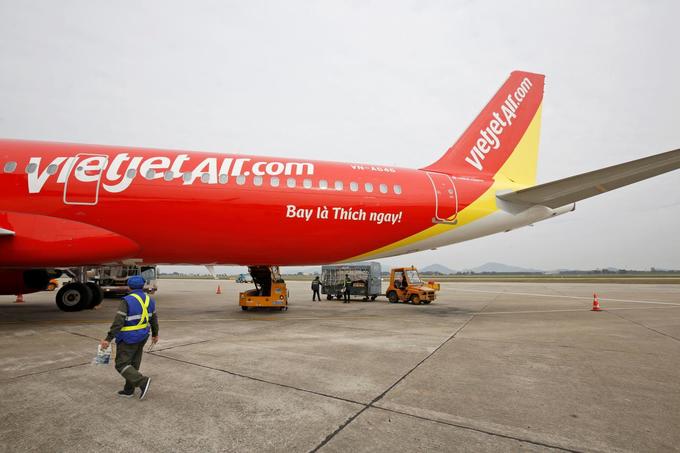
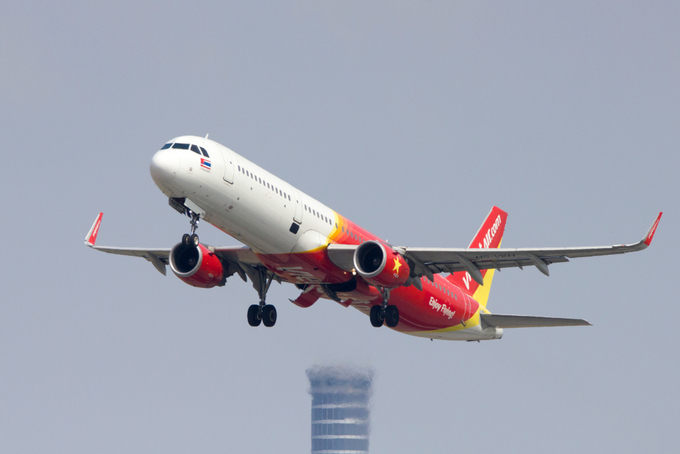
    To meet rising demand for air travel between Vietnam and India as well as across the region, Vietjet has announced three new direct routes connecting Vietnam’s three largest hubs, Da Nang, Hanoi and Ho Chi Minh City, with two of India’s largest economic, political and cultural centres, New Delhi and Mumbai.

    The Da Nang – New Delhi and Hanoi – Mumbai routes will commence operations starting from 14 May 2020 with a frequency of five flights per week and three flights per week respectively. The Ho Chi Minh City – Mumbai route will operate four weekly flights starting from 15 May 2020.

    “We are excited to continue connecting Vietnam destinations to the market of over 1.2 billion population in India after receiving positive feedback regarding our previous two direct flights that linked both Ho Chi Minh City and Hanoi with New Delhi,” said Vietjet Vice President Nguyen Thanh Son.

    “With just over five hours of flight time per leg, and a convenient flight schedule throughout the week, Vietjet’s newest routes between Vietnam and India will create many more trade and tourism opportunities between the two countries, helping to boost the economies of both. The expansion of Vietjet’s flight network into India also reaffirms the airline’s ongoing commitment to continuously help flyers in saving cost and time. Passengers can enjoy flying on our new and modern aircraft, and taking transit flights to famous destinations across Southeast Asia, including Malaysia, Indonesia, Singapore, Thailand and many other countries, thanks to Vietjet’s extensive flight network in the Asia Pacific region,” he added.

    Located in Central Vietnam, Da Nang not only possesses beautiful beaches but also world-famous tourist attractions, such as the Golden Bridge, Ba Na Hills, Dragon Bridge, and much more. The city also serves as a gateway to many of the country’s most famous heritage sites, including the ancient town of Hoi An, the former imperial citadel in Hue city, the world’s biggest cave Son Doong and many other fascinating destinations. Meanwhile, Hanoi and Ho Chi Minh City are Vietnam’s two largest political, financial, economic and cultural hubs, offering tourists a heady mix of historical sites, cultural activities, incredible shopping options, cosmopolitan dining as well as amazing street food.

    In recent years, India has emerged into one of Asia’s most exciting and attractive destinations thanks to its diverse cultural, religious, culinary and tourist attractions. Besides the incredible capital of New Delhi, Mumbai, once known as Bombay, serves as one of India’s most important financial and economic centres and is an extremely enchanting destination in its own right. India is also well-known as an ancient and captivating land with many treasures of cultural heritage, colorful festivals and historic religious sites.

    With the addition of the three new routes, Vietjet will become the operator with the most direct routes between the two countries, offering five direct routes from and to India. The airline currently operates the HCMC/Hanoi – New Delhi services at a frequency of four weekly flights and three weekly flights, respectively.

    As the people’s airline of choice, Vietjet always keeps up to date with the latest travel trends to introduce new flying opportunities to more and more people at reasonable prices. The new-age carrier has also implemented a program called “Protect the planet – Fly with Vietjet”, which involves a series of meaningful activities, such as “Let’s clean up the ocean”, “Take action against plastic waste”, and many more initiatives, to help create a green planet for all of humanity and protect the environment for future generations.

    Flight schedule of new flights between Vietnam and India:

    Flight Flight code Frequency Departure
    (Local time)
    Arrival

    (Local time)

    Da Nang – New Delhi VJ831 5 flights/week

    Mon, Wed, Thu, Fri, Sun

    18:15 21:30
    New Delhi – Da Nang VJ830 5 flights/week

    Mon, Wed, Thu, Fri, Sun

    22:50 5:20
    Hanoi – Mumbai VJ907 3 flights/week

    Tue, Thu, Sat

    20:20 23:30
    Mumbai – Hanoi VJ910 3 flights/week

    Wed, Fri, Sun

    00:35 6:55
    HCMC – Mumbai VJ883 4 flights/week

    Mon, Wed, Fri, Sun

    19:55 23:30
    Mumbai – HCMC VJ884 4 flights/week

    Mon, Tue, Thu, Sat

    00:35 7:25
  • Fruit containers stuck as China border gate closes

    Fruit containers stuck as China border gate closes

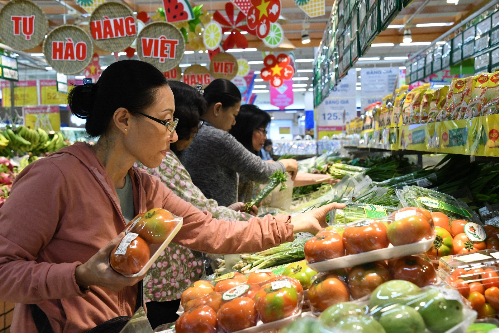
    Over 200 container trucks full of fruit stand idle near a northern border gate as the new coronavirus outbreak halts cross-border trade.

  • Viettel soars in global valuable brand ranking

    Viettel soars in global valuable brand ranking

    Vietnam’s largest telecommunication service provider Viettel has climbed 126 positions to be ranked 355th most valuable brand in the world in 2020.

    Currently valued at VND134.9 trillion ($5.8 billion), up 34 percent compared to 2019, Viettel was placed 102nd in Asia, and 7th in Southeast Asia, according to Brand Finance, a London-based branded business valuation consultancy.

    The company saw its consolidated revenues increase by 7.4 percent in 2019 over 2018, and it currently occupies 53 percent of Vietnam’s mobile network market.

    Viettel successfully operated 5G phone calls on self-developed equipment on January 17, and is expected to commercially launch 5G services this June. It plans to expand its operations both within Vietnam as well as in 10 foreign markets.

    There are just 36 telecom companies in the 2020 listing of the world’s top 500 brands by value. Most of the  36 branks saw their values fall. Over the past five years, the combined value of all telecom brands in the Brand Finance Global 500 listing has fallen slightly, reaching $558.4 billion in 2020, compared to $567.7 billion in 2015.

    The Brand Finance Global 500 list covers 10 sectors in 29 markets, using a sample size of 50,000 adults over 18 years old. For the latest ranking, surveys were conducted online from September to December 2019.

  • Leading tour operator reports losses

    Leading tour operator reports losses

    Vietravel reported a VND14.1 billion ($606,000) loss in the last quarter of 2019 largely due to rising financing costs.

    Its profit margin slipped in the final quarter, with sales rising by 9.13 percent to VND1.45 trillion ($62.33 million) but cost of goods sold increasing by 10.48 percent to VND1.35 trillion ($58.03 million), according to the company’s latest consolidated financial statement.

    Vietravel’s revenues mainly came from selling tours, goods and tickets on flights it chartered. Q4 financial expenses topped VND26.66 billion ($1.15 million) after ballooning seven-fold year-on-year as the company obtained over VND160 billion ($6.89 million) in short-term loans from various banks.

    Vietravel merely said the loans were to supplement operating capital without elaborating.

    The loss came after three profitable quarters, and in the same quarter of 2018 the company had made a post-tax profit of VND7.3 billion ($313,800).

    Consolidated revenues for full-year 2019 came to VND7.26 trillion ($312 million), up 0.28 percent year-on-year, while post-tax profits fell 32 percent to VND39.93 billion ($1.72 million).

    It applied for a license for setting up an airline last year, and said it plans to launch its first flight late this year using either the narrow-body Airbus A321neo or Boeing 737.

    In the last two years it operated around 300 charter flights a year, both domestically and internationally.

    If licensed, Vietravel Airlines will enter a fiercely competitive aviation market which already has six players: Vietnam Airlines, Vietjet, Jetstar Pacific, Vietnam Air Services Company (VASCO), Bamboo Airways, and newly-licensed military-run carrier Vietstar Airlines, the last two making their debut last year.

    Analysts have forecast 2020 to be a difficult year for tourism companies with the outbreak of the new deadly nCoV pneumonia virus, which has caused Vietnamese airlines to suspend most flights to China.

    The arrival of Chinese tourists, who accounted for 32 percent of all visitors to Vietnam last year, is also expected to fall sharply.

  • Vietnam’s Pharmacity eyes 1000 stores by end of 2021

    Vietnam’s Pharmacity eyes 1000 stores by end of 2021

    Vietnam’s largest pharmacy retailer Pharmacity has raised VND730 billion (US$31.8 million) in a fresh funding round as it ramps up its expansion plans.

    According to a statement, the new funding will be used for further store network expansion. However, the identity of the investors was not revealed.

    Pharmacity, which previously has received backing from Mekong Capital, aims to open 350 new stores this year and reach 1000 stores by the end of next year.

    The company is targeting more than VND3 trillion (US$130 million) in revenue.

    Last year, Pharmacity achieved revenue growth of 129 percent year on year, it said in a statement.

    Prior to the latest funding round, Pharmacity had successfully raised VND150 billion (US$6.44 million).

  • Vietnam Airlines, Jetstar Pacific cut China flights

    Vietnam Airlines, Jetstar Pacific cut China flights

    Vietnam Airlines and Jetstar Pacific will stop flights on some routes to China and reduce them on others amidst the ongoing coronavirus outbreak.

    National flag carrier Vietnam Airlines will suspend routes between Vietnamese localities and China’s Beijing, Shanghai, Guangzhou and Shenzhen cities starting February 4. It will stop flying to and from China’s Chengdu starting February 5, and Macau starting February 6.

    The airline will also suspend flights on the Hanoi-Hong Kong route from February 6 and reduce the number of flights between Ho Chi Minh City and Hong Kong from 10 to 7 per week starting the same day.

    It will disinfect all aircraft upon returning to Vietnam from China to prevent the spread of 2019-nCoV, which originated in Wuhan City of Hubei Province in mainland China.

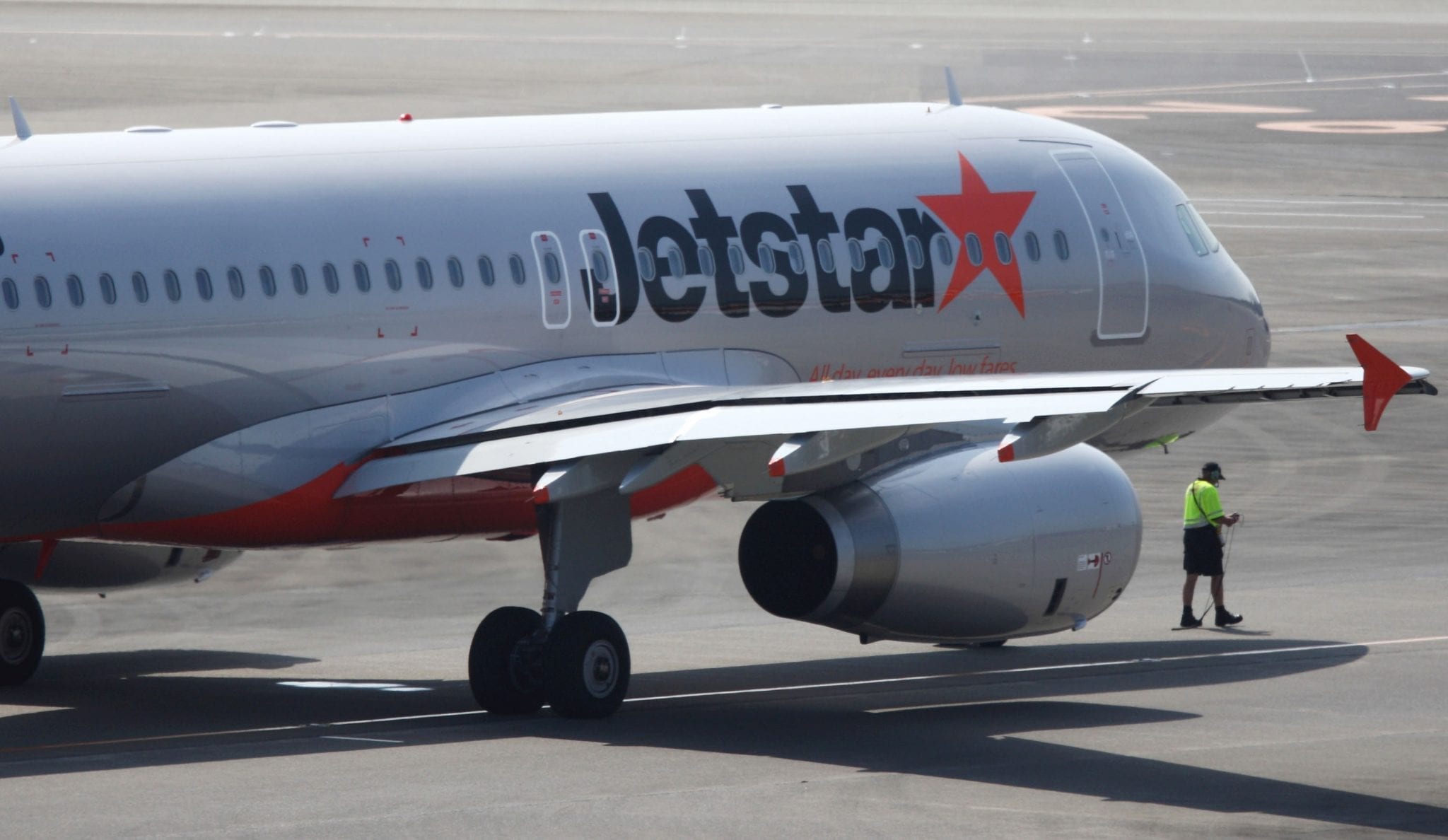
    Jetstar Pacific, the budget carrier of Vietnam Airlines, will stop operating flights on the Hanoi-Hong Kong route starting February 6, Hanoi-Guangzhou starting February 9 and HCMC- Guangzhou starting February 11.

    Passengers who wish to fly between the mentioned destinations before the suspension can change dates free of charge or ask for a refund from both airlines.

    Budget carrier Vietjet had earlier announced that it will suspend all China flights starting Saturday.

    Over 30 airlines in the world have suspended all or certain flights to China in the wake of nCoV, which as of Saturday had killed 259 people in the country.

    As of Friday, Vietnam had quarantined 97 people, of whom 32 remain isolated pending test results, according to the Ministry of Health.

    As of Saturday morning, the country has recorded six confirmed cases of infection: two Chinese nationals, and four Vietnamese, including three returning from Wuhan, and a female hotel receptionist who has caught the coronavirus infection from the two Chinese nationals presently quarantined in Saigon.

  • Vietnam inflation climbs to 7-year peak in January

    Vietnam inflation climbs to 7-year peak in January

    The consumer price index (CPI) in January jumped 6.43 percent year-on-year, the biggest increase seen in 7 years.

    It also rose 1.23 percent over last December, with the high increase this year attributed to the surge in eating out, shopping and travel demands of people during Tet or the Lunar New Year, Vietnam’s biggest national holiday.

    The General Statistics Office (GSO) said that in the CPI basket, 10 major groups of consumer goods and services saw their price indices rise in January, led by food and catering services with a 2.29 percent increase.

    It was followed by housing and construction materials costs, up 1.47 percent; transportation, 0.69 percent; beverages and tobacco 0.65 percent; and garments and footwear, 0.33 percent. Meanwhile, post and telecommunications decreased slightly by 0.03 percent.

    The government has targeted keeping CPI below 4 percent in 2020 this year, the same as the last three years, but GSO head Nguyen Bich Lam has warned that this may be difficult to achieve, given impacts of the African swine fever epidemic, which wiped out 6 million pigs last year, forecast to remain a major challenge.

  • Vietjet Commences First Ever Direct ServiceLinking Hanoi and Bali

    Vietjet Commences First Ever Direct ServiceLinking Hanoi and Bali

    In celebration of Lunar New Year 2020, new-age carrier Vietjetofficially commences its newest direct route linking Hanoi and Bali, Indonesia on the second day of Lunar New Year. This is Vietjet’s second service to the popular holiday destination, following the Ho Chi Minh City – Bali route that has been in operation from May 2019. It is also the first direct route departing from Vietnam’s capital city to Bali.

    Speaking at the opening ceremony, Chairwoman of Vietjet’s Board of Directors Nguyen Thanh Ha said, “Vietjet was founded with a pioneering mission to connect the skies. We are proud to be the first airline to operate direct flights between Hanoi and Bali. The new route, operated from the second day of the Lunar New Year, will meet the New Year’s travel demand of the locals and international travelers with less travel time and cost. Not only connecting the two most attractive cultural tourism destinations in Asia, the Hanoi – Bali route will also further promote cooperation between the countries in ASEAN.”

    The Hanoi – Bali route operates daily return flights from 26 January 2020. The flight departs from Hanoi at 10.00 am and arrives in Bali at 4.25 pm. The return flight takes off from Bali at 5.30 pm and lands in Hanoi at 9.55 pm. All are in local times.

    As Vietnam’s capital city, Hanoi offers an unforgettable vacation with its rich history. Founded more than one thousand years ago, tourists will be astonished by Hanoi’s architecture and colonial facades. Bali, one the most popular island destinations in Indonesia and all of Asia, is often called “The Island of the Gods” and often described as a tropical paradise. Voted as one of the best islands in the world, Bali is a destination of pristine, beautiful landscapes and unique cultural charms.