Tag: Vietnam

  • Vinamilk signs $20 mln Dubai export contract

    Vinamilk signs $20 mln Dubai export contract

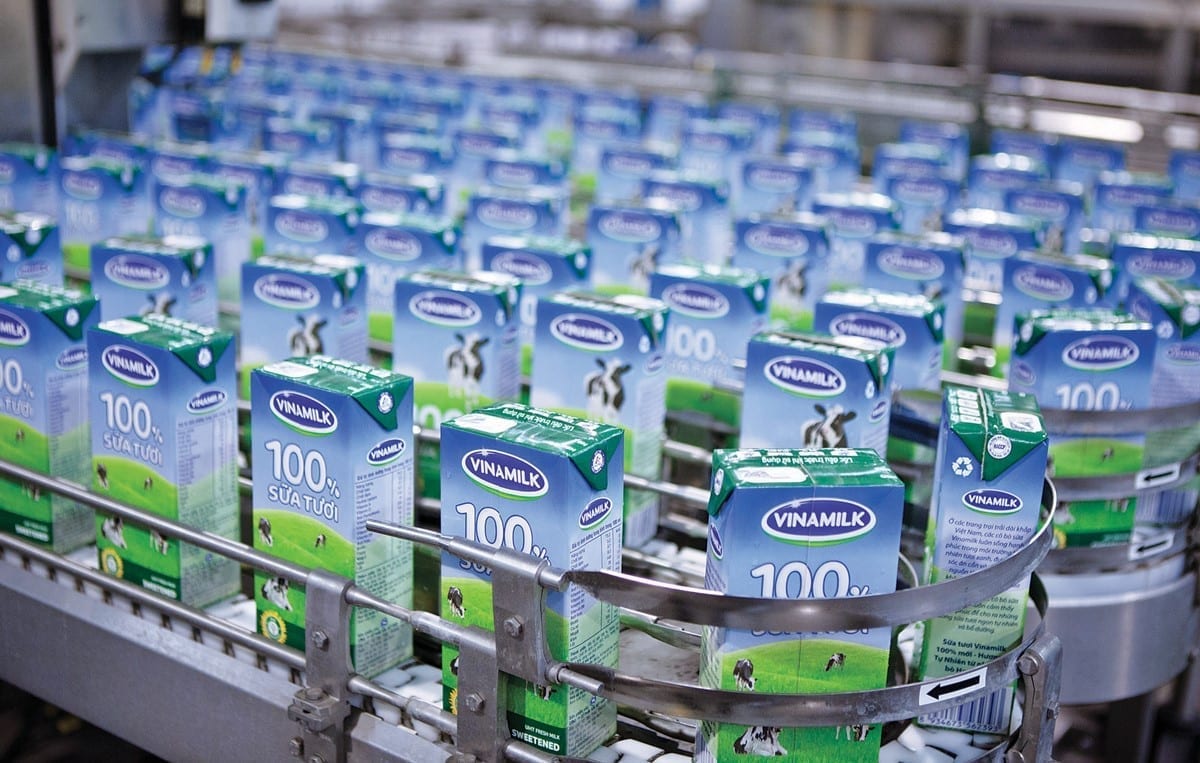
    Vinamilk has signed a $20 million deal with a distributor in Dubai to supply dairy products from the second quarter of 2020.

    Vietnam’s biggest dairy company said in a statement that the deal with the distributor, whom it did not identify, was signed at the Gulfood Dubai 2020 trade exhibition this week.

    The Middle East currently accounts for 75 percent of Vinamilk’s exports. Its other major foreign markets are Japan, South Korea, Singapore, and China.

    Vinamilk, one of the world’s 50 largest dairy producer, saw its export revenues rise 14.8 percent last year to VND5.17 trillion ($223 million).

  • Audi Vietnam recalls SUVs to fix loose fender trims

    Audi Vietnam recalls SUVs to fix loose fender trims

    Audi Vietnam is recalling 618 Q5 SUVs to fix loose rear wheel fender trims that could be a road hazard if they detach.

    The affected Q5 vehicles were manufactured between January 2017 and August 2019 in Mexico, according to Audi Vietnam’s filing with Vietnam Register, the vehicle registration, inspection and quality control agency of the Ministry of Transport.

    Due to errors in the assembly process, a piece of the rear wheel fender trim may loosen during use and eventually detach from the SUV, and could become a hazard to other vehicles on the road, Audi Vietnam said in its filing.

    Audi Vietnam said it has so far not recorded cases of the piece falling off, but urged customers to take their vehicles to Audi Vietnam’s authorized dealers as soon as possible, who will secure the trim piece free of charge. This would take about 30 minutes, the company said.

    The recall program will take place from February 25, 2020 to February 25, 2023. Audi Vietnam said it will also service cars that were not officially imported but brought into the country individually (like diplomatic vehicles, for instance), upon receiving approval from the parent company.

    Audi opened its first dealership in Saigon in 2008, and now possesses three dealerships, the other two in Hanoi and Da Nang. It does not publish official sales figures in Vietnam.

  • Gold prices hit 7-year high

    Gold prices hit 7-year high

    Vietnam’s gold prices hit a seven-year high Friday as the coronavirus outbreak pushed investors to seek safer assets.

    The country’s second-largest jewelry company, DOJI, was selling gold at VND45.59 million ($1,964) per tael (1.2 ounces), up 1.3 percent from Thursday, the highest since January 2013.

    Phu Nhuan Jewelry, meanwhile, sold its gold at VND45.75 million ($1,971), up 1.7 percent.

    The domestic price surge followed a global rise in gold prices of 0.9 percent to $1,635 per ounce Friday, the highest in seven years.

    Gold has become a more attractive investment option as the ongoing novel coronavirus outbreak will have negative impacts on the global economy.

    The gold price rise has happened alongside a fall in stocks. On Friday, Vietnam’s benchmark VN-Index fell 3.5 percent from the beginning of the year to 933.09 points.

  • Bamboo Airways suspends S.Korea flights to contain coronavirus

    Bamboo Airways suspends S.Korea flights to contain coronavirus

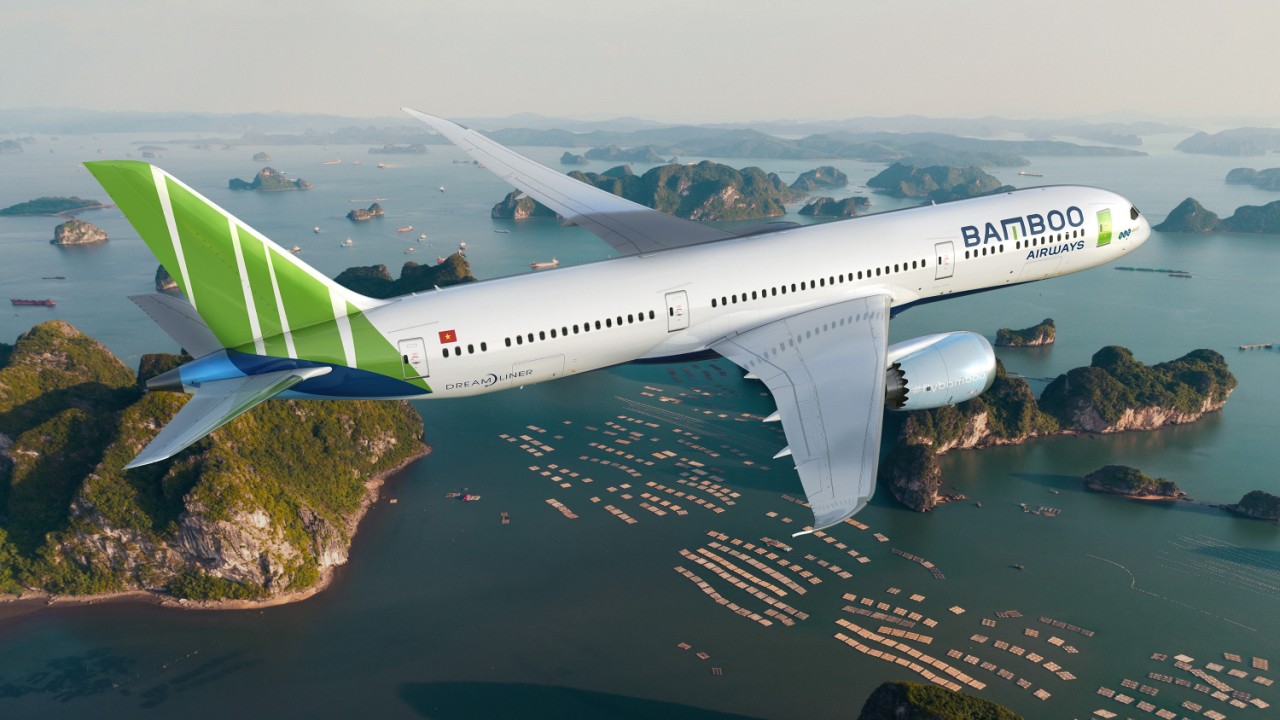
    Vietnam’s private airline Bamboo Airways will suspend all routes to and from South Korea to stem the spread of the novel coronavirus.

    Both routes from central Da Nang and Nha Trang to Seoul’s Incheon International Airport will cease operation starting February 26, it stated Monday.

    The airline is currently operating seven trips a week on each route with the narrow-body Airbus A21neo capable of carrying nearly 200 passengers.

    It stated flight suspension is vital to warding off the coronavirus from South Korea where the number of confirmed cases has reached 763, and death toll 7 as of Monday.

    Last year, South Korea was Vietnam’s second-largest tourism market behind China with 4.3 million visitors, up 23 percent year-on-year.

  • Mos Burger launching in Vietnam

    Mos Burger launching in Vietnam

    Mos Burger in Vietnam will open its first store in Ho Chi Minh City later this year.

    The company plans to set up a joint venture in the country next month and open 10 outlets in the next three years.

    Last October, Mos Burger partnered with Danang Tourism College to run a training program called Bentonamu Kazoku where Vietnamese candidates could undertake training courses at Mos Burger stores in Japan before returning home to work as managers.

    The company said it will recruit 350 people in four years under its work-visa program.

    Mos Burger in Vietnam’s recruiting strategy is not only to enhance the quality and training of staff there but also to help its Japanese franchisees address labor shortages arising from the country’s ageing population.

    While Vietnam may be the fast-growing retail market in Southeast Asia, it could prove a challenge for Mos Burger as other fast-food franchises have discovered that changing local consumers’ habits of eating cheap street food to relatively expensive burgers is not an easy mission.

  • Vietnam loosens regulations for car imports

    Vietnam loosens regulations for car imports

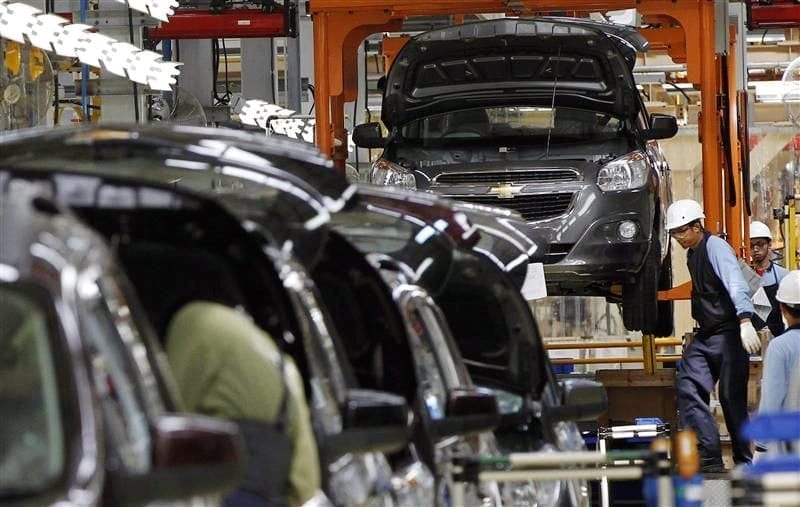
    Vietnam has scrapped the requirement for vehicle type approval certificates for car imports and eased customs clearance procedures.

    On February 5 the government amended provisions of Decree 116, which had imposed stringent conditions on the assembly, import and maintenance of automobiles since 2018.

    Importers no longer need to produce vehicle type approval certificates (VTAs) issued by authorities in the country of origin. VTAs, which confirm that production samples of a design meet specified performance standards, had been made compulsory by Decree 116.

    Besides, imported cars no longer need to undergo rigorous quality tests if they are identical to previously imported vehicles that had been tested in the last 36 months.

    Decree 116 had required each individual batch, without exception, to be tested at the time of import.

    “Decree 116 was enacted to tighten quality control of imported cars,” the owner of a Japanese car dealership said. “But once it has fulfilled its mission to get businesses in line with Vietnam’s quality standards, VTAs and other such certificates become redundant.”

    Immediately after Decree 116 came into effect on January 1, 2018, car imports plummeted 85 percent year-on-year in the first quarter as importers scrambled to procure the document.

    Governments in Vietnam’s major car supplying countries such as Thailand and Indonesia, which had never issued this type of document before, had to start doing so to prevent losing exports.

    According to industry insiders, Decree 116 was enacted as a non-tariff barrier to protect the domestic industry against a potential flood of car imports as a result of zero tariffs under the ASEAN Free Trade Agreement in 2018.

    Businesses quickly adapted to the new regulations, and car imports picked up again in the second half of the year, and have been rising until now.

    Unlike importers of Japanese vehicles, who took a lot of time to get VTAs, German carmakers such as Mercedes, Porsche, Truong Hai (BMW), Volkswagen, and Audi were not affected much since their country already issued the document.

    However, stricter customs clearance procedures did slow down luxury car imports from Europe, and dealers had to delay delivery to customers.

    “The removal of the VTA requirement and other customs procedures will not affect us too much other than reducing the time it takes to get our cars cleared by customs,” a German car dealer said.

    The new regulation only applies to the import of unused cars, and Decree 116 still applies in full to second-hand imports.

    According to the Vietnam Automobile Manufacturers Association (VAMA), 4,281 completely built-up (CBU) cars worth $111 million were imported in January this year, down 35.4 percent year-on-year.

    Overall car sales were down 52 percent from the previous month and 53 percent year-on-year to 15,787 units.

  • Saigon metro to test run in Q3

    Saigon metro to test run in Q3

    An elevated section of Ho Chi Minh City’s Ben Thanh-Suoi Tien Metro Line 1 will be tested out within the third quarter this year.

    This elevated section crosses Ho Chi Minh City’s District 9, spanning from central Binh Thai Station to Long Binh Depot, a train maintenance center, the HCMC Management Authority for Urban Railways (MAUR) said in a report to the city’s People’s Committee.

    Once testing is complete, MAUR said it would test another section between Binh Thai and Van Thanh stations in District 2.

    The city targets project completion to advance to 85 percent before the end of this year, to officially enter operation by the end of 2021, it was added.

    The first locomotives and trains for the line, produced by Japanese manufacturer Hitachi, are set to arrive in HCMC from Japan in June.

    Hitachi is currently testing out two trains to deliver first, then will send over another 15, all of which will have three carriages each, as Metro Line 1 is being completed, the MAUR said.

    All 17 trains are part of a $370 million package signed with Hitachi in 2003, which includes delivery of other equipment such as signaling and communication, electricity generation, and electronic fee collection systems.

    On Monday, the city removed a barrier between the metro line’s two underground segments, integrating the entire length of Ben Thanh-Suoi Tien Metro Line 1. Removal of the barrier, erected to facilitate construction of both segments, paves the way for the next phase of the project – equipment installation, officials said.

    When completed, HCMC’s Metro Line 1 will span 19.7 kilometers from Long Binh in District 9 to Ben Thanh in District 1 with a total of 14 stations.

    Work on the line started in August 2012, with the elevated segment cleared in June 2018.

    It was approved in 2007 with a total investment of VND17.4 trillion ($747 million). This was raised to VND47 trillion ($2.02 billion) in 2010 after design changes and fluctuations in the exchange rate of the Japanese Yen, though the increase was not approved by relevant ministries.

    Last November, the National Assembly allowed HCMC authorities to approve a new total investment of VND43.6 trillion ($1.87 billion).

  • Vietnam IT recruiting firm raises million dollars from South Korean investor

    Vietnam IT recruiting firm raises million dollars from South Korean investor

    IT recruitment firm TopDev has secured a million-dollar investment from South Korea’s leading recruitment company Saramin HR.

    The Ho Chi Minh City-based company said in a statement Monday that the deal, whose exact value it did not reveal, would be used to increase the supply of developers through training programs for graduates.

    Saramin HR, which is listed on South Korea’s KOSDAQ, said the investment is part of its global development plan and would support TopDev’s potential expansion in Southeast Asia.

    TopDev said Vietnam has 350,000-400,000 developers now but 500,000 would be needed by 2021 as the country remains a popular outsourcing software destination for multinationals.

    Vietnam is seeing increasing investment in tech startups.

    Last year the total investment in Vietnamese tech startups surged 2.5 times to $741 million, second only to Indonesia in Southeast Asia.

  • Vietnam’s Coffee Queen abdicates Trung Nguyen throne

    Vietnam’s Coffee Queen abdicates Trung Nguyen throne

    Le Hoang Diep Thao has transferred all shares in the Trung Nguyen empire she ran with her ex-husband, pursuant to their final divorce ruling.

    Thao, former deputy director of Trung Nguyen Group (TNG), is no longer on the company’s list of shareholders, TNG announced in a statement Wednesday.

    She and her ex-husband were referred to in the media as the King and Queen of Vietnamese coffee.

    Her ex-husband, Dang Le Nguyen Vu, founder, chairman and CEO of TNG, now owns all shares in the coffee giant and its subsidiaries and has full control of the group. He has also completed a VND1.19 trillion ($51.1 million) “difference in assets” payment to Thao following their divorce ruling on December 5 last year, TNG said.

    On January 13, the Ho Chi Minh City Civil Judgment Execution Department had confirmed that it received Vu’s payment of the above VND1.19 trillion ($51.1 million) in full. The same day, the department also received a written request from the Supreme People’s Procuracy to postpone the execution of the ruling, to give it time to “consider a cassation request Thao had submitted on the judgment.”

    But because Vu had already fulfilled his obligations in accordance with the judgment in question, the City Civil Judgment Execution Department went ahead with the execution and notified the Supreme People’s Procuracy of its action on January 16.

    Vu and Thao, who got married in 1998, differed on how the group, which had developed one of the biggest brands in the country, should be run. In 2015, Thao filed for divorce.

    In March, the court of the first instance had ruled that the stocks and cash of TNG shared by Vu and Thao, as well as the couple’s cash deposits, would be split 60:40 in Vu’s favor.

    Both Thao and Vu had appealed against the entire verdict. The HCMC People’s Appellate Court on December 5 quashed both appeals, finalized the divorce, and upheld the previous judgment.

    Vu will receive all of his and Thao’s stocks in the Trung Nguyen Group, estimated at over VND5.7 trillion ($244.74 million), and have sole management rights over the Trung Nguyen coffee empire, the court had ruled.

    Vu would also receive six properties worth VND350 billion ($15.03 million) that were jointly owned by the couple, while Thao would get the remaining seven worth over VND376 billion ($16.48 million).

    Thao would also receive cash and cash equivalents, gold and foreign currency belonging to TNG that have been deposited at banks totaling VND1.76 trillion ($75.57 million). Vu was liable to pay the difference in assets to Thao, valued at VND1.22 trillion ($52.38 million), the court had ruled.

    Trung Nguyen Group, founded in 2006, is the leading coffee brand in Vietnam. The group began experiencing difficulties six years ago when Vu and Thao fell out on how the corporation should be run.

  • Vietnam winning greater share of US apparel imports

    Vietnam winning greater share of US apparel imports

    Vietnam’s share of US apparel imports has benefited as China’s share in the market is slipping in the wake of the Sino-US trade war.

    According to the US Department of Commerce’s Office of Textiles and Apparel, Vietnam’s share increased to 14.26 percent last year, up from just 7.72 percent in 2010.

    Michelle Russell, an apparel correspondent at GlobalData, says Vietnam’s garment sector has clearly benefited from the ongoing tit-for-tat trade spat between the US and China during the last two years as producers and buyers diversify their supply chains.

    Brands have chosen Vietnam and Bangladesh as its alternative sources as additional tariffs are imposed on most garments imported from China.

    China’s share of the market slipped from 41.9 percent in 2018 to 39.9 percent last year, on top of a year-on-year decline in the unit prices of apparel imported into the US.

    “Despite China remaining the cheapest of the top-10 garment supplier countries, the country’s share of US imports declined last year. Meanwhile, Vietnam is becoming something of a global manufacturing powerhouse and has clearly reaped the benefits thanks to its younger and lower-wage workforce, its preferential trade policies and its logistics – the country boasts 14 major ports,” said Russell.

    The EU-Vietnam Free Trade Agreement (EVFTA) between Vietnam and the European Union, which will remove most tariffs between the two parties over the next 10 years, has been approved by the European Parliament this week. However, Vietnam still faces challenges ahead that will require Vietnam to gradually change the structure of its economy.

  • Auto sales plummets in January

    Auto sales plummets in January

    January automobile sales fell by 52 percent over the previous month and 53 percent year-on-year, according to the Vietnam Automobile Manufacturers Association (VAMA).

    A total of 15,787 vehicles were sold last month, including 12,807 passenger cars, 2,757 commercial vehicles and 223 special multi-purpose vehicles.

    The sales figures were compiled by VAMA, an association of all auto manufacturers in Vietnam except Hyundai TC. The 5,944 units sold by Huyndai TC last month would take the total to 21,731.

    VAMA attributed the decline in sales to the Lunar New Year (Tet) holiday, when the country took a week off (January 23-29). The holiday is usually a quiet period for the car market, it noted, adding that people tend to buy cars at the end of the year, about a month before the Tet holiday, and sales in the days leading up to the break would usually fall.

    Of the vehicles sold, domestically assembled cars still accounted for nearly two-thirds of sales, reaching 9,599 units, down 51 percent over the previous month. Imported completely-built-up (CBU) cars made up the remaining 6,188 units, down 54 percent over December last year.

    Domestic carmaker Truong Hai Auto (Thaco) retained the top spot in January, accounting for over 33 percent of sales by all VAMA members. Trucks and sedans made up most of its sales.

    Toyota Motor Corp. retained its second spot at 25.8 percent, followed by Honda and Mitsubishi, with 12.6 percent and 11 percent, respectively.

    Vietnam saw car sales of 322,322 in 2019, up 11.7 percent year-on-year, according to VAMA.

  • Seafood exports plummet

    Seafood exports plummet

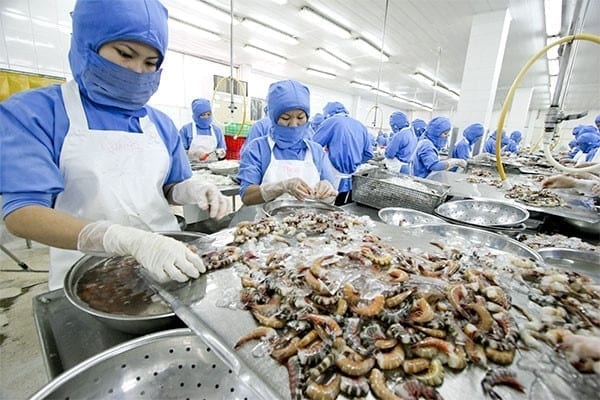
    Seafood exports in January fell 25 percent year-on-year and are set to continue falling due to the novel coronavirus outbreak.

    They fell to $556 million, with exports of pangasius fish falling by 64 percent, octopus by 50 percent and tuna by 30 percent, the Vietnam Association of Seafood Exporters and Producers said in a report.

    It attributed the drop to the seven-day Lunar New Year (Tet) holiday in January, adding exports would continue to fall in February and March since the epidemic has limited exports to China.

    In the worst case, seafood exports to China will fall 30 percent in the first half to $400 million. But if there is limited border trade, the impact could be mitigated somewhat.

    China was Vietnam’s fourth-largest market last year, with exports being worth $1.23 billion after rising 22 percent.

  • Former Grab leader appointed CEO of VinID

    Former Grab leader appointed CEO of VinID

    Former CEO of Grab Financial Group Vietnam, Nguyen Tuan Anh, is the new general director of Vingroup’s loyalty program VinID.

    Tuan Anh, who had left the ride-hailing firm last month, confirmed his new appointment with VnExpress, saying he had taken over last Friday.

    The VINID Joint Stock Company (VinID) said that it expected Anh would help strengthen its apparatus to compete with other rivals and become an independent service company.

    Anh left Grab Vietnam last month after six years. He is credited being the person who laid the first bricks for the company’s operations in Vietnam in 2014 and paving the way for the successful deployment of its ride-hailing services, especially GrabBike.

    Born in 1982, Anh graduated in Information Technology from the National University of Singapore. Prior to joining Grab, he had worked with American web services provider Yahoo and several other startups.

    VinID JSC was established in July 2018. It has a chartered capital of VND3 trillion ($129.4 million) and is 80 percent owned by Vingroup, Vietnam’s biggest private conglomerate.

  • Vietnam retail sales down

    Vietnam retail sales down

    Retail sales in Vietnam’s commercial capital Ho Chi Minh City surged 11.2 percent last month to an estimated US$4.8 billion.

    But celebrations may be short-lived with the coronavirus impacting spending patterns in February and the early timing of Lunar New Year boosting January’s figures.

    According to official government data, Ho Chi Minh City retail sales in key sectors including food & beverage, household appliances and apparel reached US$3.25 billion for the month, all spurred by increased demand during Lunar New Year (it is customary for Vietnamese to wear new clothes to mark the onset of a new year).

    And while shopping malls and convenience stores have suffered declining footfall due to the coronavirus crisis in February, supermarket sales have surged dramatically since reopening after the holiday, which officially ended on January 29.

    According to a spokesperson from the South Korean-owned Emart, the supermarket chain has since experienced double-digit daily sales growth, peaking at 40 percent one day. Most commonly purchased products are fresh food, dry food (such as instant noodles, sugar, rice), hand sanitizer and antiseptic water.

    “Sales of fast-moving consumer goods increased by more than 50 percent,” said the spokesperson. “While dry food increased 1.5 times, toilet paper sales nearly doubled.”

    Although the number of other retail sectors experienced declining sales, the average retail sales growth seemed to hold up, the spokesperson said.

    Supermarket and hypermarket operator Saigon Co.op also reported significant growth since the coronavirus outbreak. Fastest-moving items were essential consumer goods, especially sanitizing and consumer health products.

    Meanwhile, the coronavirus crisis has left major shopping malls and department stores such as Vincom and Takashimaya into what local media have described as “deserted” venues as people avoid going to public areas.

    For convenience stores, the circumstances are little better. Korean c-store chain GS25 has reported sales have dropped by 40 percent.

    Retail industry experts in Vietnam predict that consumption will shift from electronics products to health items and that supermarkets and e-commerce will replace traditional markets due to lower perceived risk of virus transmission.

    As of February 13, there have been only 15 confirmed cases of coronavirus infection recorded in Vietnam, of which six are listed as having fully recovered.

  • Vietnam scraps plans to limit foreign ownership in e-payment firms

    Vietnam scraps plans to limit foreign ownership in e-payment firms

    Vietnam’s central bank has decided not to cap foreign ownership of e-payment companies at 49 percent after consulting with experts.

    Foreign investment plays an important role in payment intermediaries’ functioning since they rely on technology, and limiting foreign ownership would hamper foreign investment in this segment and the fintech sector in general, the State Bank of Vietnam (SBV) said in a statement on Monday.

    In some digital payment firms, foreign ownership already exceeds 49 percent, and so a change in regulations could affect their activities, it said.

    The SBV had released a draft of its foreign ownership cap proposal in November for consultation, saying it wanted to balance the ease of attracting foreign capital with ensuring an active role for local firms in the fintech sector.

    According to the central bank, by the end of the first quarter this year, there were 27 e-wallets in the market though five parent companies owned 90 percent of them. The five, which the SBV did not name, have foreign ownership of 30-90 percent, it said.

    Economists have said that the potential for cashless payment in Vietnam is huge due to a growing middle class and rapidly improving telecom infrastructure. The government wants to make 90 percent of all transactions cashless by the end of this year.

    But the reliance on cash remains overwhelming, with 80 percent of Vietnamese preferring to use cash for daily transactions, according to the Ministry of Industry and Trade.