Tag: Vietnam

  • Vietnam air travel demand surges 12 pct

    Vietnam air travel demand surges 12 pct

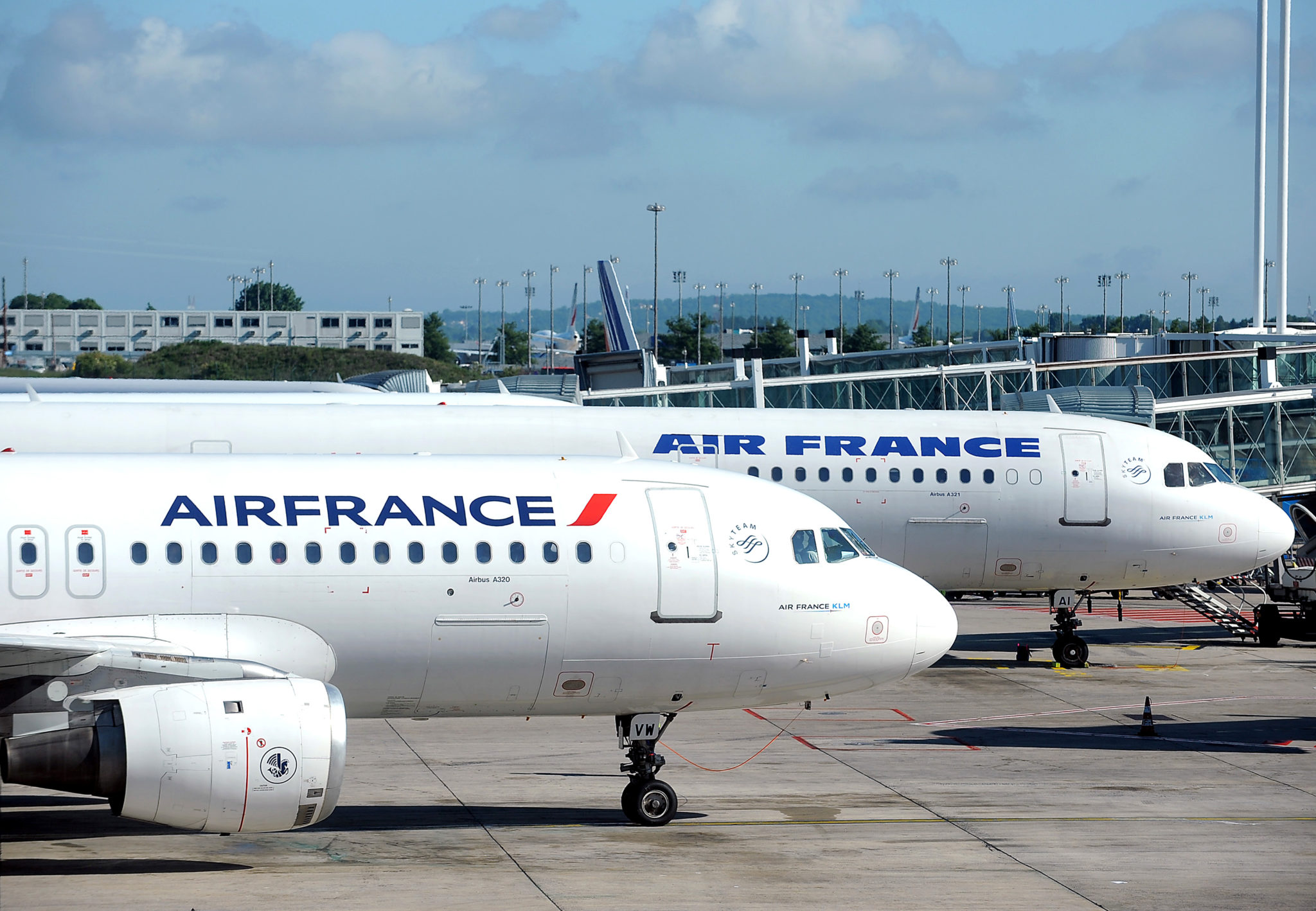
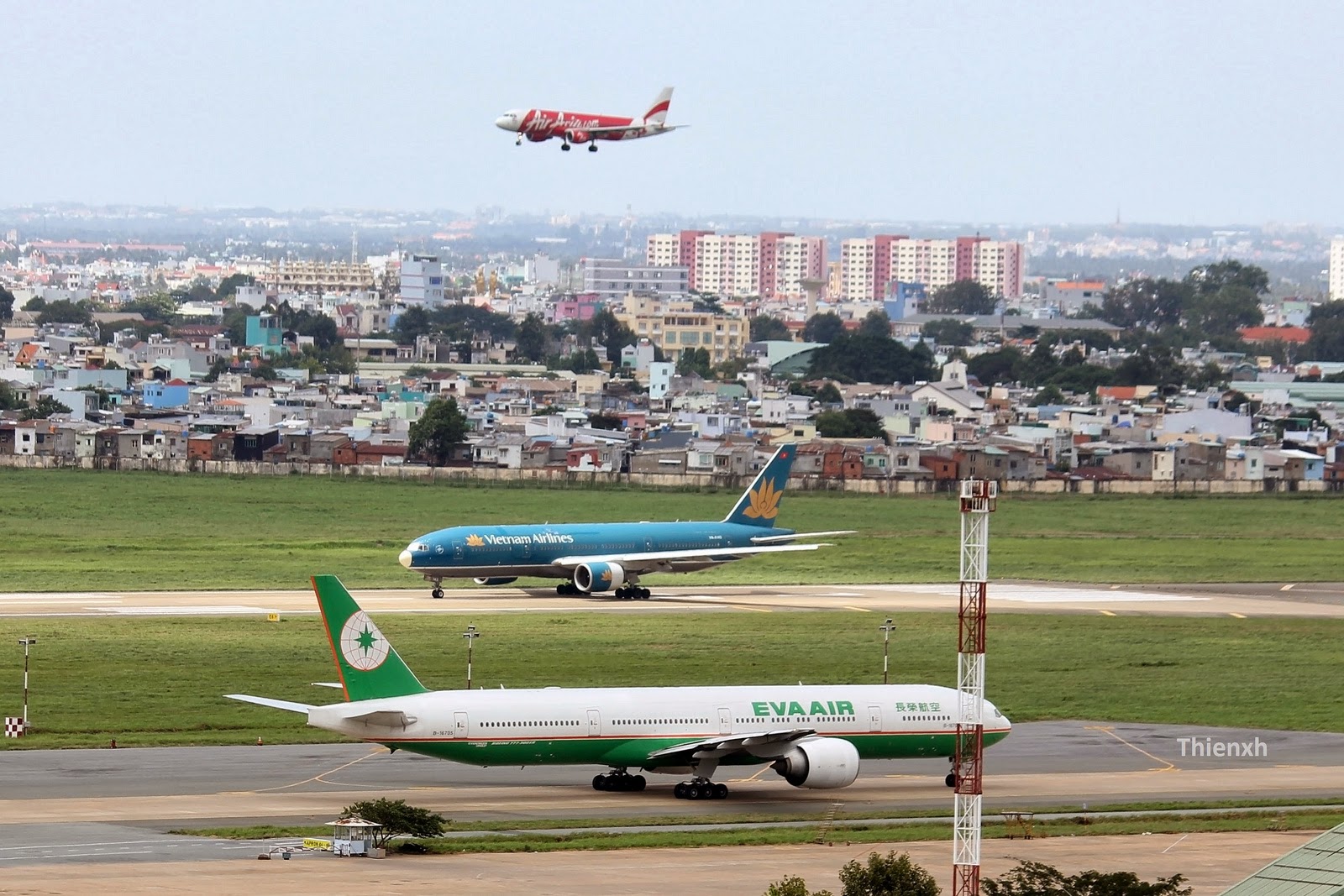
    Airports across Vietnam served near 116 million passengers this year, up 12 percent from 2018, with Vietnam Airlines Group and Vietjet dominating the market.

    About 64 percent, or 74 million passengers, were domestic, up 11 percent from last year, according to Airports Corporation of Vietnam (ACV).

    The remaining 41.7 million foreign travelers grew by 13.6 percent from last year, with Noi Bai International Airport, Da Nang International Airport and central Cam Ranh International Airport near Nha Trang experiencing the highest traffic growth.

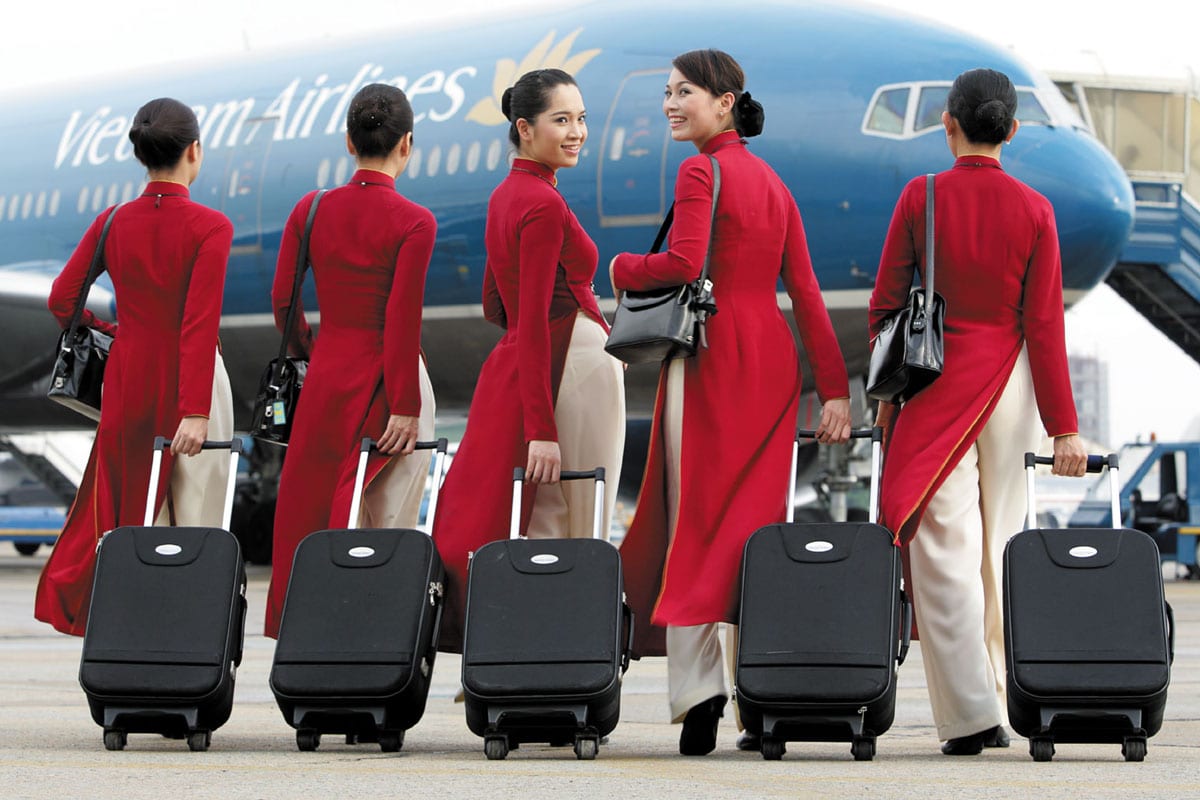
    Vietnam Airlines Group accounted for over 50 percent of the market share. It comprises national flag carrier Vietnam Airlines, low-cost arm Jetstar Pacific and Vietnam Air Services Company (VASCO).

    Budget carrier Vietjet accounted for 41.9 percent of the market.

    ACV Chairman Lai Xuan Thanh said overload will be a challenge next year as red tape in aviation infrastructure and investment constrains upgrade and expansion projects, like at Tan Son Nhat International Airport, which handles 30 percent of the country’s air passengers.

    Another concern is slower growth in foreign passenger numbers, which dropped from over 20 percent in 2016-2018 to 13.6 percent, he added.

    ACV forecasts the number of air passengers would rise by 10 percent to 127 million next year.
  • Vietnam Airlines reports record profit in 2019

    Vietnam Airlines reports record profit in 2019

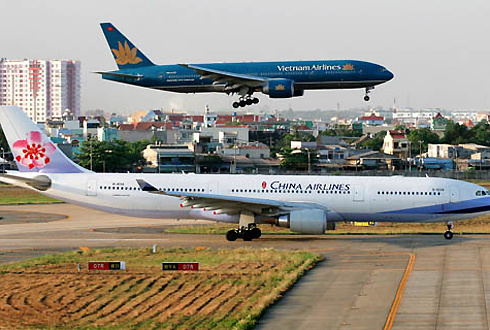
    National flag carrier Vietnam Airlines estimates its consolidated pre-tax profit for 2019 at an all-time high of VND3.37 trillion ($146 million).

    The figure also marks a 10 percent year-on-year increase, Vietnam Airlines said in a press release.

    Its consolidated revenue is estimated at VND101.18 trillion ($4.39 billion) this year, up 2.2 percent year-on-year.

    In 2019, Vietnam Airlines transported 23 million passengers and nearly 346,000 tons of cargo on 134,000 flights. The airline also began operating 22 new aircraft and 10 flight routes, bringing its fleet to above 100 aircraft.

    In 2020, it will focus on retaining its core customer segments and holding share in key markets, the airline said. It expects to invest in 50 additional narrow body aircraft between 2021 and 2015, as well as improving services and digitization of its systems.

    Vietnam Airlines is 86.16 percent state-owned, and Japanese air transportation company ANA Holdings has an 8.77 percent stake. The remaining shares are held by state-owned lender Vietcombank, private lender Techcombank, and other domestic individuals.

  • Vingroup airline expects profits in 3 years

    Vingroup airline expects profits in 3 years

    Vingroup’s Vinpearl Air, a $200 million venture, is seeking to launch its first flight in July with expectations of turning profitable by 2023.

    The new airline could also recover its investment in 5-6 years, according to an evaluation report recently submitted to the Prime Minister by the Ministry of Planning and Investment.

    The airline will have a total investment of VND4.7 trillion ($202.7 million), of which conglomerate Vingroup will contribute VND1.3 trillion ($56 million), or 28 percent. The remaining will be sourced from loans and other sources.

    Vinpearl Air is set to create 500-600 direct jobs when launched and 2,200-2,300 jobs by 2023-2024.

    It will pay a corporate income tax of VND1 trillion ($43.1 million) a year in the first five years of operation.

    Vinpearl Air plans to start off with six aircraft and increase the fleet to 30 by 2024.

    It wants to be based at the Noi Bai International Airport and park its aircraft in Hanoi as well as in other airports in Quang Ninh Province and Hai Phong City in the north, and Da Nang City and Khanh Hoa Province in the central region.

    The Ministry of Planning and Investment has said it supports the establishment of the airline, but asked the airline to provide more detailed financial calculations.

    Apart from Vinpearl Air, Vietravel Airlines and KiteAir are two other airlines seeking permission to fly this year.

    The country now has five commercial airlines: national flag carrier Vietnam Airlines, Jetstar Pacific, Vietjet Air, Bamboo Airways and Vietnam Air Services Company (VASCO).

    Airports across Vietnam served near 116 million passengers in 2019, up 12 percent from 2018, according to Airports Corporation of Vietnam (ACV).

  • Vietnam to buy 1.5 billion kWh of power annually from Laos

    Vietnam to buy 1.5 billion kWh of power annually from Laos

    State power utility EVN will buy around 1.5 billion kWh of electricity a year from Laos for two years starting in 2021.

    Under contracts it signed on Saturday, Vietnam Electricity (EVN) will buy over 596 million kWh a year from two hydropower plants belonging to Phongsubthavy Group and 632 million kWh from two plants belonging to Chealun Sekong Group from 2022.

    From 2021 it will start buying 263 million kWh annually from another plant belonging to the latter company.

    The import was approved by the Vietnamese government to mitigate power shortages predicted to hit the country from this year.

    The Ministry of Industry and Trade estimates shortages of 3.7 billion kWh in 2021 and nearly 10 billion kWh the following year.

    2023 will be the most stressful with the shortage expected to be around 15 billion kWh. From then on it will decrease, with the shortage expected to come down to 7 billion kWh and 3.5 billion kWh in 2024 and 2025 respectively.

    The industry ministry has said not more than 5-8 percent of electricity can be conserved, and the only way out is to import more from Laos and China.

    But buying from neighboring countries is only a band-aid solution, and in the long run it is necessary to speed up work on large power generation projects, it stated.

  • Vietnam sees car imports double

    Vietnam sees car imports double

    Dwindling sales of locally assembled cars and rising sales of imports are causing local manufacturers to demand more tax incentives to compete.

    In the first 11 months of the year sales of locally made vehicles fell by 13 percent year-on-year to 169,739 units, while that of imported cars doubled to 119,389, according to the Vietnam Automobile Manufacturers Association (VAMA).

    The surge in sales of imports follows a slump in 2018 due to a decree that stipulated tougher conditions for car importers, requiring them to provide certain certificates to ensure quality and countries of origin.

    The number of imported units fell by 20 percent last year, but rose 96 percent year-on-year this year to 133,700 units.

    They cost almost $3 billion, and the Ministry of Industry and Trade has estimated this figure could hit a record $3.4 billion for the full year, almost double last year’s.

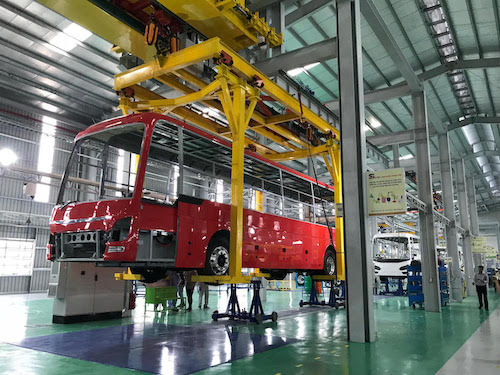
    Though locally assembled vehicles still dominate sales, the surge in imports of complete-built units concern manufacturers. Pham Van Tai, CEO of Truong Hai Auto (THACO), had suggested last month that the country should scrap imports tax on car parts that cannot be made locally.

    Vietnam has been struggling to grow its auto industry for decades. Last year 288,700 units were sold, compared to Thailand’s million-odd units and Indonesia’s 1.1 million, according to auto database Marklines.

    The country’s local parts rate for passenger cars is 7-10 percent compared to 80 percent in Thailand and 70 percent in Indonesia.

  • Vietjet Receives New 240-Seat A321neo ACF Aircraft

    Vietjet Receives New 240-Seat A321neo ACF Aircraft

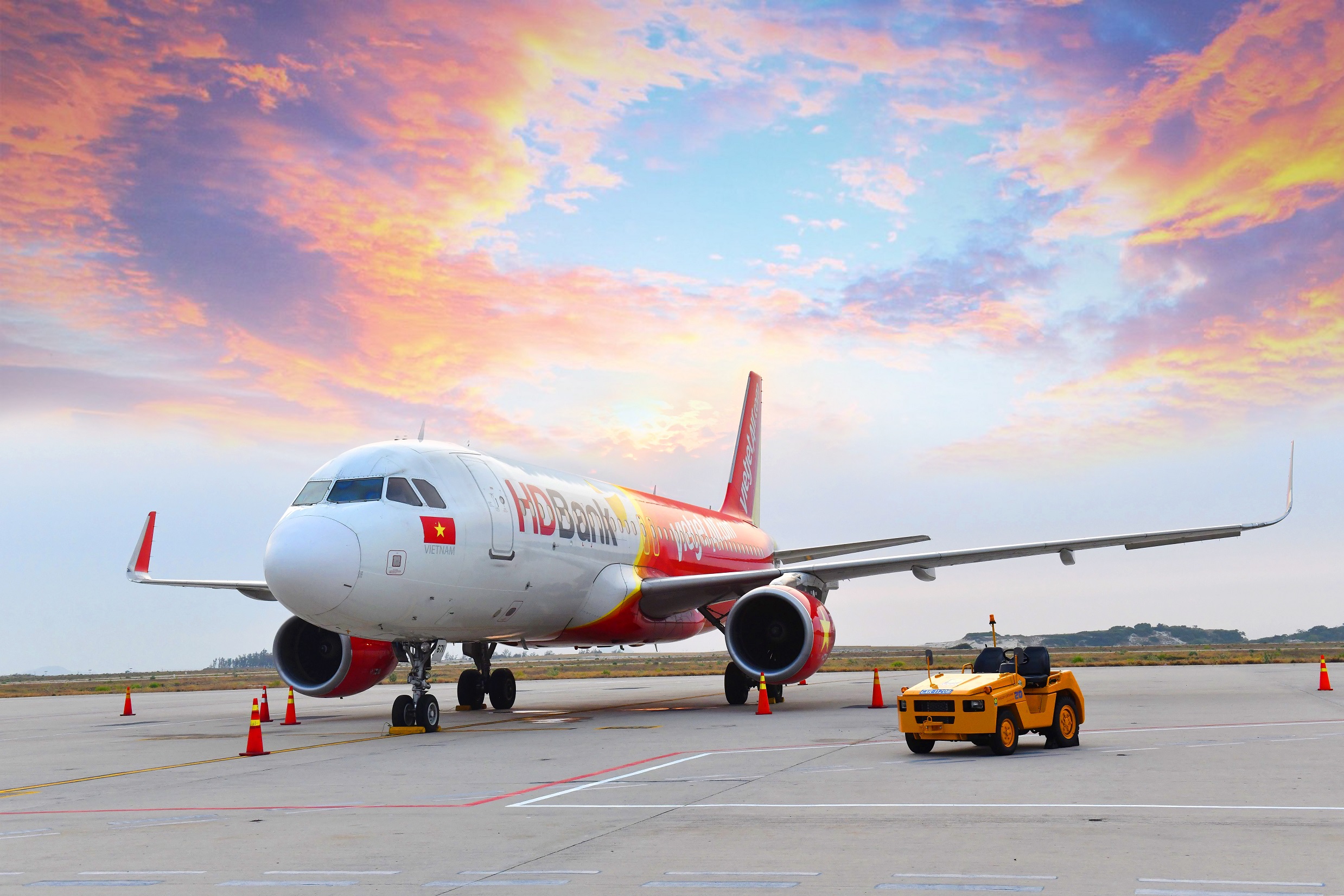
    Vietjet has received two new Airbus A321 aircraft, registered as VN-A521 and VN-A542, on 31 December 2019 at Tan Son Nhat International Airport. The total number of aircraft in Vietjet’s fleet is now 80, and the VN-A521 aircraft is the third 240-seat A321neo ACF (Airbus Cabin Flex) aircraft in the world, with the two first of its type already being operated by Vietjet. With the arrival of the new aircrafts in the end of 2019, the new-age carrier is ready to meet the high travel demands during the festive period of Lunar New Year, as well as its fleet expansion plans in 2020.

    The new aircraft features leather seats and premium interiors. In particular, Vietjet’s third A321neo ACF aircraft has an innovative cabin structure to increase the total number of seats to 240. It also features the advantages of most modern Airbus aircrafts, including comfortable seat zones, fuel consumption savings of a minimum of 16 per cent, noise reduction of up to 75 per cent and emissions reduction of up to 50 per cent.

    Vietjet currently owns one of the world’s newest and most modern fleets with an average age of only 2.7 years. Vietjet has currently transported nearly 100 million passengers, with 130 routes covering destinations in Vietnam and international routes to Singapore, India, Japan, Hong Kong, South Korea, Taiwan, Thailand, Myanmar, Malaysia, China, Indonesia and Cambodia.


  • AirAsia starts exclusive route from Kuala Lumpur to Da Lat, Vietnam

    AirAsia starts exclusive route from Kuala Lumpur to Da Lat, Vietnam

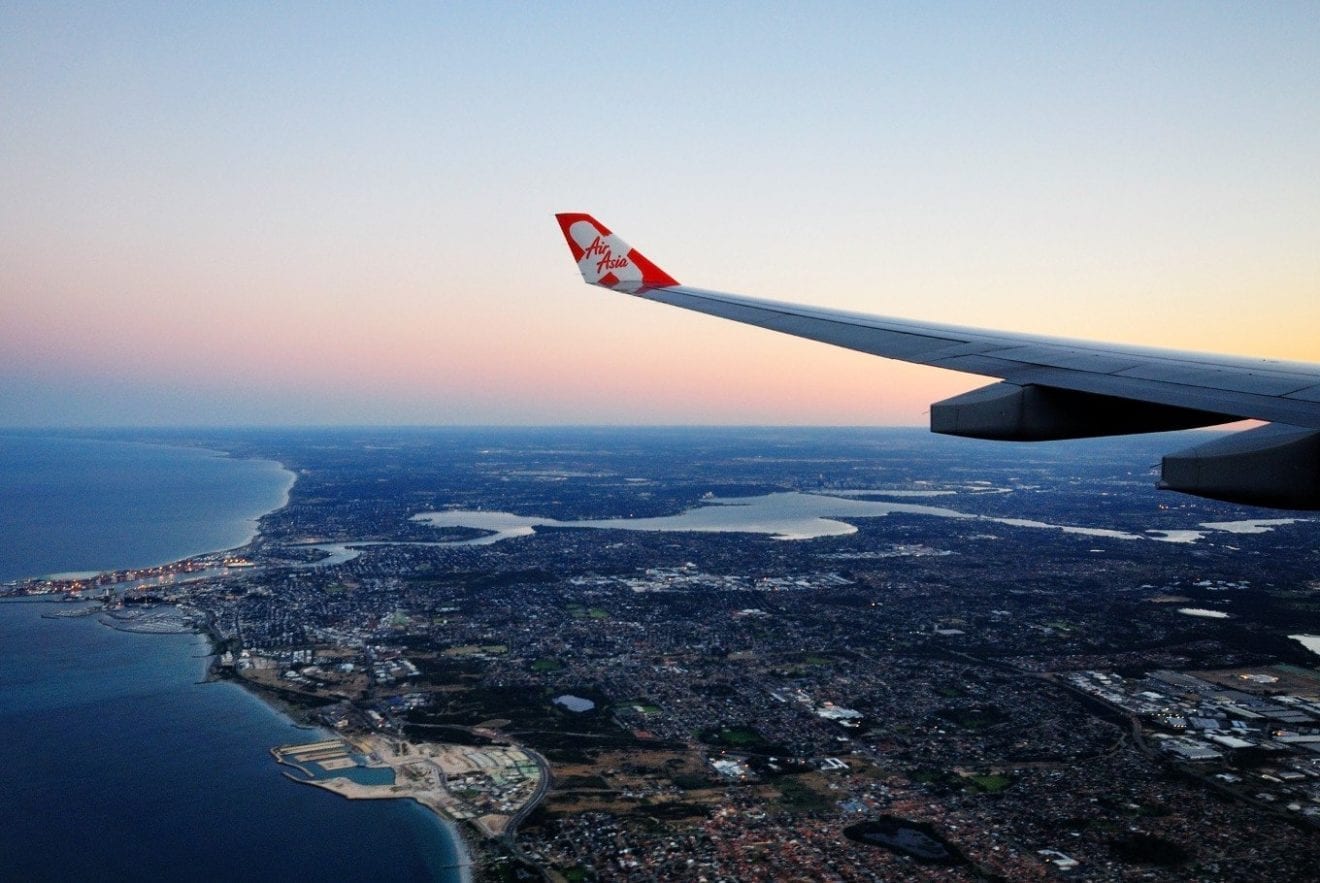
    AirAsia has unveiled its maiden flight to Da Lat, capital of Lam Dong province in the central highlands of Vietnam. The inaugural flight made history as the first international airline to offer direct services between Kuala Lumpur and Da Lat.

    Nattinee Tawanchulee, regional commercial head of AirAsia said: “We now add our latest destination to further expand footprint in Vietnam. This new direct service will provide additional air connectivity to the people in the central highlands of Vietnam to travel across the region, as well as introducing Da Lat as a holiday destination to the world. Also known as the city of eternal spring for its pleasant weather, it welcomes visitors all year round.”

    Da Lat is AirAsia’s seventh destination in Vietnam after Hanoi, Ho Chi Minh City, Da Nang, Nha Trang, Can Tho and Phu Quoc.

  • Global Christmas break can boost Vietnam stock market

    Global Christmas break can boost Vietnam stock market

    Global stock markets closing for Christmas break on Wednesday could reduce selling pressure from foreign investors and help the VN-Index recover, analysts say.

    With foreign investors have been net sellers for the majority of sessions in December, the Christmas break could ease selling pressure and help the VN-Index reach 958-961 points in the first few sessions this week, according to a report from Bao Viet Securities (BVSC).

    Vietnam’s benchmark Index closed at 956.41 points on Friday, having risen 0.44 percent with most blue chips stocks in the green, despite a foreign net sell of VND340 billion ($14.66 million).

    If the stock market can rise above 960 points, a psychological threshold, the market could enter a recovery phase, potentially rising up to 980-985 points in the near future, BVSC said.

    Although the VN-Index had plunged from 1015.59 points to 956.41 points in the last two months, downward momentum had slowed down in the past two weeks. It lost only 10 points in the last two weeks, and neared the 950 support level many times but never fell further.

    The market is also beginning to show positive signals at the end of the year, considered a peak time when exchange-traded funds (ETFs) restructure their portfolios and futures contract mature, according to analysts.

    For instance, liquidity on Friday session reached VND3.39 trillion ($146.13 million), the highest level in the last two weeks, most recent sessions recording net buys from domestic investors, with the VN-Index hovering above the opening for the duration of these sessions.

    However, liquidity remains relatively low to averages of previous months, showing that investors are still cautious and it will be difficult for the market to make a breakthrough in the last sessions of the year, according to BVSC.

    After this week, Vietnam’s stock market will have two last sessions for 2019. Many analysts have released reports focusing on long-term drivers for the market, with positive stimulus expected from amendments to Public Investment Law due next year, the U.S.-China reaching a trade agreement, and Vietnam’s steadily growing macroeconomic indicators.

    Vietnam’s economy is estimated to expand by 6.8 percent this year, with a continued trade surplus and declining public debt, according to the latest report by the World Bank

    Asian Development Bank this month revised its GDP growth forecast for Vietnam from 6.8 to 6.9 percent in 2019.

  • Vinamilk acquires majority stake in competitor

    Vinamilk acquires majority stake in competitor

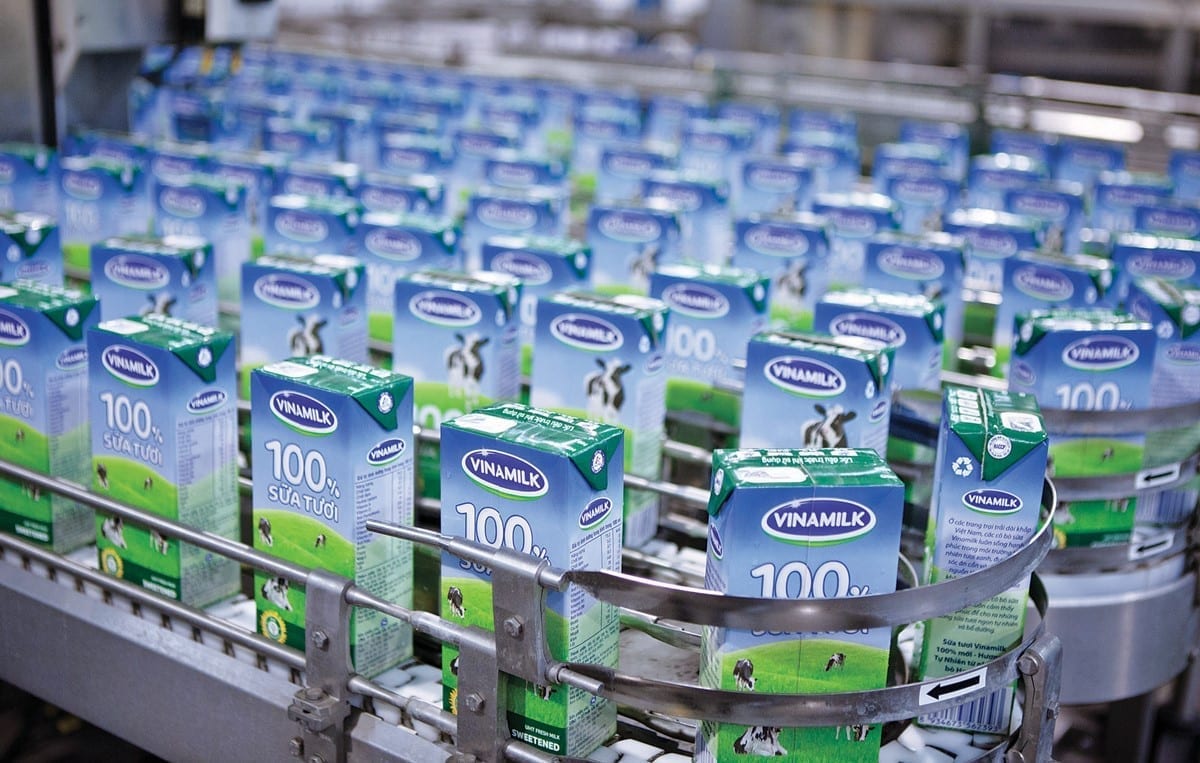
    Vietnam’s biggest dairy company Vinamilk has acquired a majority stake in Moc Chau Milk, entrenching its market dominance.

    Vinamilk, formally Vietnam Dairy Products Jsc, has increased its ownership in GTNfoods from 43.17 percent to 75 percent, the dairy giant said in a recent statement. GTNfoods own a 51 percent stake in Moc Chau Milk, the biggest dairy producer in the north.

    The majority of shares were bought on December 18, when the Ho Chi Minh Stock Exchange recorded almost VND1.8 trillion ($77.54 million) worth of GTN shares being acquired at the price of VND22,800 (98 cents) per share, 5.5 percent higher than market value.

    Vinamilk made the acquisition two days after shareholders of GTNfoods approved the sale. In March, the board of GTNfoods rejected Vinamilk’s proposal to increase ownership.

    Analysts say that the deal will expand the ecosystem of Vinamilk amidst slower growth. Moc Chau Milk accounts for 9 percent of the market, which would take Vinamilk nine years to gain at its current expansion rate, according to stock brokerage Saigon Securities Inc (SSI).

    Vinamilk accounts for over half of the dairy market. In the third quarter, it posted revenues of VND14.29 trillion ($615.58 million), up 4 percent year-on-year, against a target of 7 percent.

    Vietnam’s dairy output rose 6.9 percent to 936,000 tons last year, and is set to rise to one million tons next year and two million tons by 2030, according to the Ministry of Agriculture and Rural Development.

    The firm exports dairy products to 46 markets with 70 percent going to the Middle East.

  • Bamboo Airways targets resourceful foreign investors

    Bamboo Airways targets resourceful foreign investors

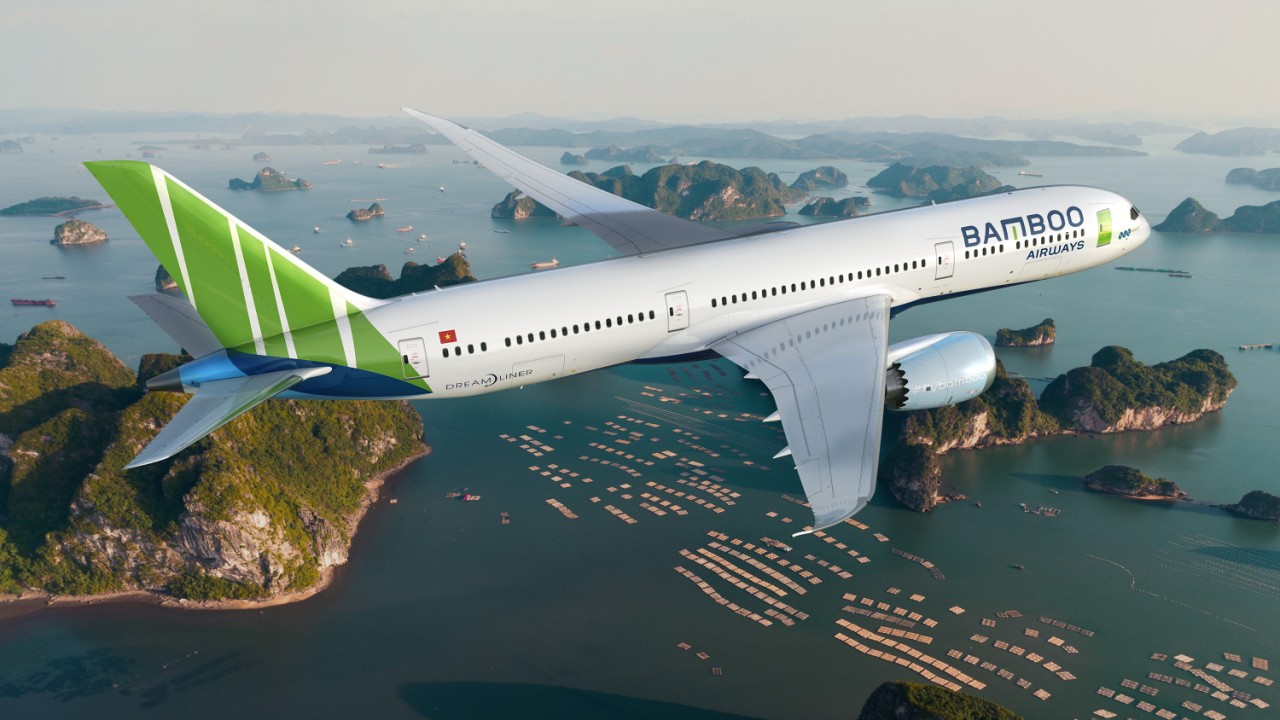
    Bamboo Airways plans to sell its shares to foreign investors for VND160,000 ($6.9) per share as part of its IPO next year. The private airline is looking for investors from the U.S., Japan and Europe with experience and resources, it said in a statement Sunday.

    Bamboo Airways wants to make an initial public offering (IPO) next year on a Vietnamese stock exchange at VND60,000 ($2.6) per share to raise $100 million.

    This planned BAV share price is higher than Vietnam Airlines HVN shares at VND34,400 ($1.48), and lower than Vietjet’s VJC shares at VND143,600 ($6.2) at the time of writing.

    The airline Sunday became the first private airline in the country to receive a wide-body Boeing 787-9 Dreamliner. The only other carrier using such aircraft is the state-owned Vietnam Airlines.

    Bamboo Airways plans to have a total of four Boeing 787-9s by January as part of a 30-aircraft fleet, most of them narrow-body Airbus A321neo aircraft,

    The airline, which began flying in January, is now operating 34 domestic and international routes. It has conducted almost 20,000 flights to date, carrying almost 3 million passengers.

    Bamboo Airways hopes to acquire 30 percent of the domestic aviation market next year as it flies 85 routes, 25 of them international.

    It also plans to operate 100 aircraft by 2025, carrying 50 million passengers annually.

  • Vietnam’s Vingroup to complete retail exit by closing VinPro chain

    Vietnam’s Vingroup to complete retail exit by closing VinPro chain

    Vingroup is to complete its exit direct retail businesses, shutting down its electronic business VinPro within this month.

    The closure of Vinpro is considered a sudden decision as the group acquired electronics chain Vien Thong A last year with more than 200 stores to strengthen VinPro’s presence. Recently, Vien Thong A’s website and Facebook page changed branding identity to VinPro.

    “VinPro outlets have very good locations in the Vincom shopping centre system,” said Quang Viet Nguyen, CEO of Vingroup. “It will be very easy to rent these premises after VinPro stops operating, without affecting the operation of Vincom centres.”

    The company has also announced the merger of its e-commerce platform Adayroi with e-payment unit VinID. According to Quang, the merger is not because its e-commerce segment was under pressure of losses as the company’s first goal is to create a platform to support the Vingroup ecosystem.

    “Merging Adayroi with VinID not only helps store data about customer behaviour but also creates a new platform where customer needs are better predicted,” Quang said.

    Earlier this month, Vingroup announced an agreement with consumer products manufacturer Masan Group, to move its VinMart supermarket and convenience-store business into Masan in a new company in which Vingroup will hold a minority stake.

    The company has said it wants to focus on industrial and manufacturing business including its motor vehicle, television, tourism and smartphone businesses. It is also about to launch an airline.

  • Pork prices keep rising to new highs

    Pork prices keep rising to new highs

    Low supplies courtesy of the African swine flu epidemic have pushed pork prices up 29.6 percent from a month earlier.

    Small-scale farmers in the northern region were selling pork at VND92,000 ($4) per kilogram, up 29.6 percent from the five-year high of VND70,000 ($3) that was reached last month.

    Industry insiders said the rise followed price increases by major pork producers. The C.P. Group, which has been increasing its pork prices steadily, has a sales price of VND81,000 ($3.5) per kilogram now.

    At the Hoc Mon wholesale market in Ho Chi Minh City, pork supply has fallen by 23.5 percent from earlier this month to 287 tons a day.

    Nguyen Tri Cong, chairman of the Dong Nai Livestock Association, said farmers in the southern province were unable to increase supply despite a high profit margin of around 50 percent at current high prices.

    Authorities have been seeking to stabilize pork prices as Tet, the Lunar New Year, approaches (last week of January 2020). This is a time when demand for pork soars. One of the solutions proposed was to increase imports.

    But Doan Ngoc Tho, CEO of meat importer THO Group, said at a recent meeting that global supply of pork has also reduced. The FOB (freight on board) prices at Vietnamese ports have doubled to $4 per kilogram, excluding taxes, he said.

    Vietnamese importers also have to contend with China importing large quantities of pork from Europe, he said.

    Furthermore, Tho said, selling imported pork has become difficult because their prices are higher than domestic pork.

    The African swine flu has claimed the lives of 5.9 million pigs since it broke out in Vietnam in February, according to the General Statistics Office. As of October, the number of pigs in stock had fallen by 20 percent year-on-year, it said.

    The country will likely face a pork shortage of 200,000 tonnes by Tet 2020, according to the Ministry of Industry and Trade.

  • Samsung smartphones market share dips to annual low in Vietnam

    Samsung smartphones market share dips to annual low in Vietnam

    Samsung smartphones’ market share slipped 2.3 percentage points to 38.45 percent in October, the first time it has dipped below 40 percent this year.

    The South Korean brand sold over 500,000 smartphones in October, an increase of 20 percent compared to the previous month, according to a report by market research firm GfK.

    But total sales of smartphones in Vietnam surged 28 percent month-on-month in October to nearly 1.37 million units, resulting in a drop in Samsung’s market share, the report said.

    A focus on high value products was also a reason Samsung lost market share in October, a representative of cellphoneS, a leading smartphone retailer in Vietnam, told VnExpress.

    In October

    With 38.44 percent market share in October, Samsung still led the Vietnam market, followed by Chinese brands OPPO and Xiaomi with 25.2 percent and 10.2 percent respectively.

    China’s Realme had dislodged Apple from its fourth position in September, gaining 6.2 percent of the market share. Apple slipped a notch to fifth place with 6.1 percent. Industry insiders said Vietnamese consumers waiting for the latest iPhone model, which was released in November, was the main reason for the falling sales in October.

    Strong sales in the first quarter of 2019 allowed Samsung to retain its leading position in terms of market share in the first 10 months this year, accounting for over 43 percent of total sales. Samsung’s market share had peaked at over 50 percent in March, two times higher than second-placed Chinese brand OPPO, according to the GfK report.

    The report said the market could see major shifts in the last two months of 2019, with Apple having released its three new Iphone 11 models, new products from Xiaomi, Realme, and Chinese phone-maker Vivo entering the market and retailers simultaneously launching discounts for year-end promotional events like the Singles Day (November 11), Black Friday, Christmas and the New Year.

  • Chili’s Grill & Bar Vietnam launches in Ho Chi Minh City

    Chili’s Grill & Bar Vietnam launches in Ho Chi Minh City

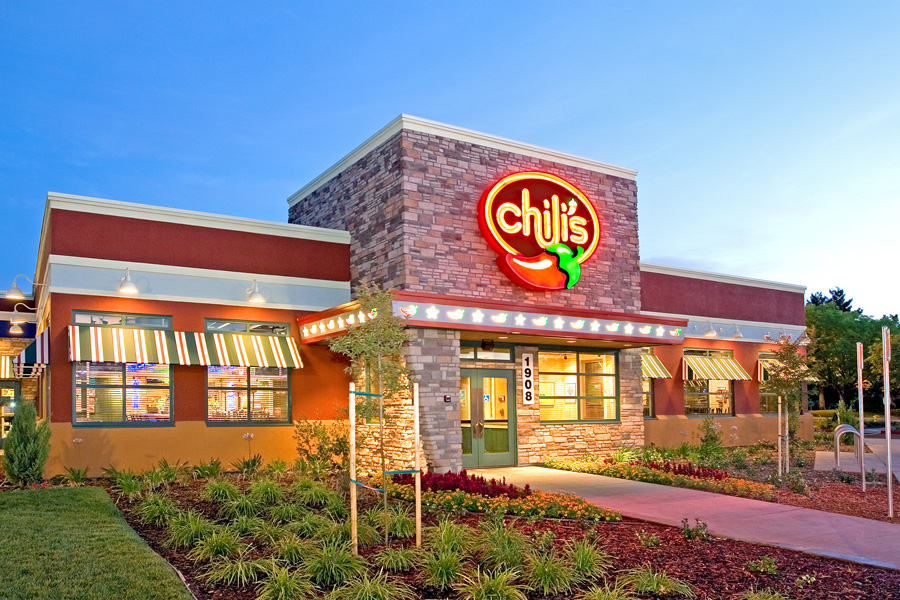
    US chain Chili’s Grill & Bar has opened its first restaurant in Vietnam in partnership with local food-franchise operator Golden Gate Restaurant Group.

    Located at SC VivoCity mall in Ho Chi Minh City’s District 7, the new restaurant is the 1700th Chili’s outlet worldwide. The restaurant offers the same dishes as other Chili’s outlets internationally, following the original restaurant-bar concept inspired by Mexican & Texas cuisines.

    According to a spokesperson, the restaurant will target “middle-income customers”.

    Chili’s Grill & Bar Vietnam representative, David Weston, considers the country a key market in Asia as many international chains has chosen the country to make their regional debut.

    Founded in 2005, Golden Gate Restaurant Group now operates more than 20 restaurant chains across the country, including Cowboy Jack’s, Hutong, Manwah and Osaka Ohsho.

    Founded in Dallas, texas, in 1975, Chili’s is now owned by US-listed Brinker International restaurant group, and operates in 33 countries worldwide.

  • Hanoi-Saigon flight time climbs 5 mins a month

    Hanoi-Saigon flight time climbs 5 mins a month

    Flying from Hanoi to Saigon takes five minutes more per month due to overload at Tan Son Nhat International Airport. Duong Tri Thana, Vietnam Airlines CEO, told a forum Wednesday continued delays at Tan Son Nhat could drag down flight quality and hamper economic growth.

    The route itself ranked as the sixth busiest domestic route in the world for 2019, up one spot from last year. Le Hong Ha, deputy general director of the flag carrier, said Tan Son Nhat has recorded low punctuality due to overload, with airlines forced to adjust flight times that cause take-off delays up to 15 minutes.

    Lai Xuan Thanh, chairman of the Airports Corporation of Vietnam, said this year, foreign airlines have struggled to find berths at Tan Son Nhat.

    The airport could only provide 2-3 percent more slots this year, meaning passenger growth is capped at 5 percent year-on-year, he added.

    However, the country is allowing the operation of new airlines despite the overload. Private carrier Bamboo Airways launched its first flights earlier this year, while three more airlines are awaiting licensing.

    Dinh Viet Thang, head of the Civil Aviation Authority of Vietnam (CAAV), said Vietnam still holds great aviation potential, with an estimated 150-180 million air passengers predicted by 2025.

    Only five airlines operate daily routes in Vietnam, with the figure in Thailand at 16, Indonesia at 12, the Philippines at 10 and Singapore at 6.

    Vietnam plans to upgrade existing and build new airports to accommodate surging travel demand, a third terminal proposed for Tan Son Nhat to up capacity by 20 million passengers a year. Tesla Plans Increasing Imported Model 3 Prices In China From January