Tag: Vietnam

  • La Chapelle Vietnam launch gets closer

    La Chapelle Vietnam launch gets closer

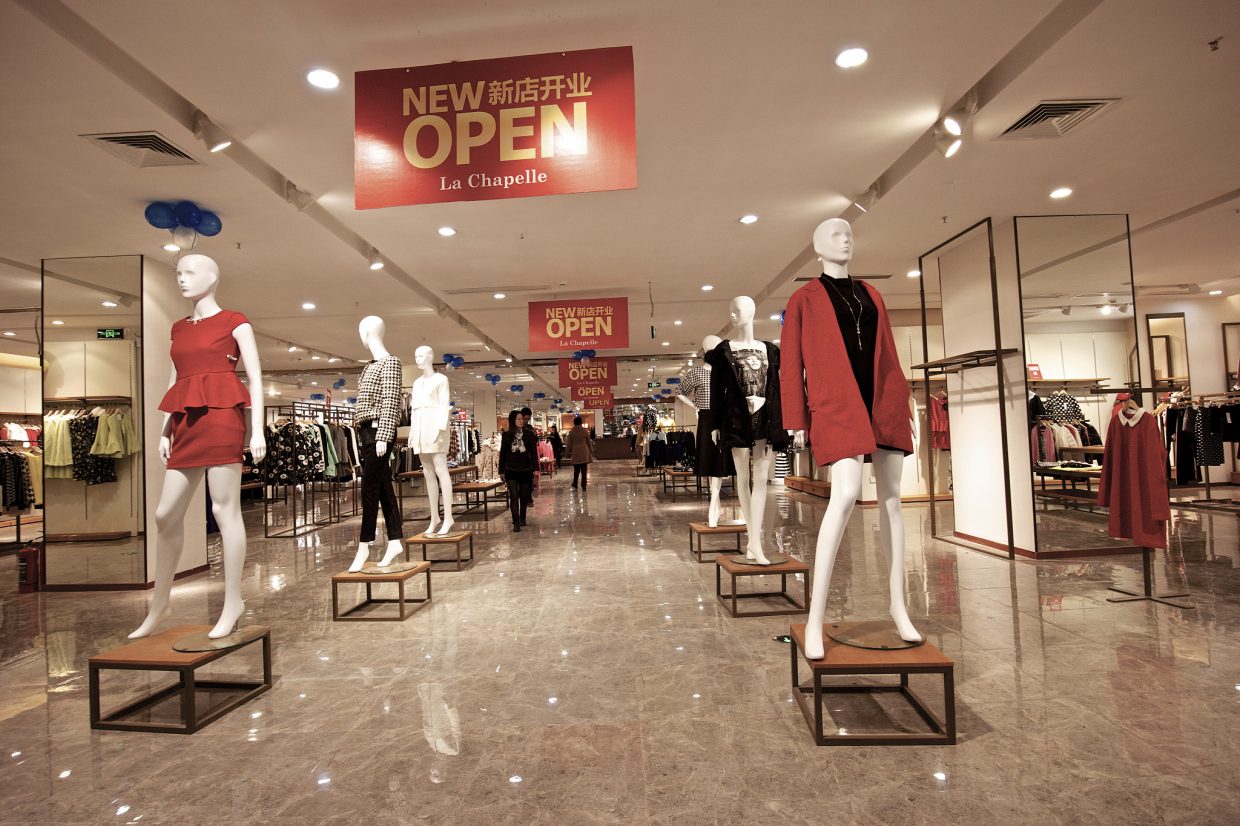
    Hong Kong-listed Chinese fashion retailer Shanghai La Chapelle is preparing to launch in Vietnam. A huge La Chapelle Vietnam standalone flagship store is under construction, next to Ho Chi Minh City’s VivoCity mall, facing to the front street of Nguyen Van Linh in District 7.

    While the opening date has not been revealed, branding has appeared on the store with the interior fitout almost complete and apparently only awaiting stock.

    The brand is using social media and online channels to recruit staff for the store and seek interest from potential nationwide distributors.

    La Chapelle Vietnam is operated by VV Mall Management Service, which owns the under-construction VV Mall in Danang. The 35,000sqm mall is set to open its doors in the second quarter of next year.

    Founded in 1998, La Chapelle has its own brands including menswear labels Jack Walk, Pote and Marc Ecko, childrenswear brand 8eM and womenswear labels La Chapelle, Puella and Candie’s.

    La Chapelle has struggled in the first nine months of this year, reporting a decline in sales of 0.5 per cent to US$889.94 million and a near 30-per-cent decline in profit to $34 million.

    Vietnam is the first country in the company’s Southeast Asian expansion plan.

  • Exporters fret over weaker yuan

    Exporters fret over weaker yuan

    While the weakening yuan has allowed Vietnamese importers to benefit from cheaper material costs, exporters are feeling the pinch. The yuan declined to 6.9075 per U.S. dollar on Nov. 6. The move has dragged the yuan down by almost 9 percent from the beginning of this year, the steepest drop in the last 10 years.

    A yuan was selling for VND3,327 on Monday, down from VND3,595 in February 5, according to Vietnam Customs. This means that the dong has gained 7.4 percent over the yuan in the last nine months.

    Experts say that this is an opportunity for Vietnamese businesses to import cheaper materials.

    Economist Bui Trinh said that the falling yuan will allow local businesses to gain from importing materials and machines, 90 percent of which are obtained from China.

    A Vietnamese plastic importer said as his firm pays with the weaker yuan, it has become more competitive in the market. Up to 70 percent of this company’s materials are imported from China.

    An importer of Chinese fruits said buying fruits from China is cheaper and prices in Vietnam remain the same. “So I’m making more profit.”

    But the falling yuan has created more difficulties for Vietnamese exporters.

    Bui Thanh Van, director of trade firm Van Phat Ltd., which exports produce to China, said that the falling yuan has lowered the amount of orders they used to get.

    Some Vietnamese produce are being priced higher than other countries in ASEAN, such as Thailand and Malaysia, and countries which are lowering their currency values to increase exports to China, he said.

    “The weakening of the yuan has made it a challenge to export to China.”

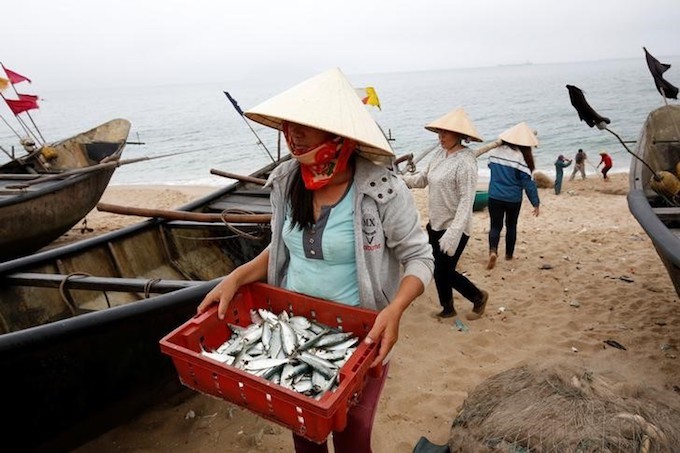
    Truong Dinh Hoe, general secretary of the Vietnam Association of Seafood Exporters and Producers, said that as China has been one of Vietnam’s top export markets in the last two years, the weaker yuan would make it difficult for seafood exporters.

    China was among the top four largest importers of Vietnamese seafood in the first eight months this year, along with Japan, South Korea and the U.S., according to the Ministry of Agriculture and Rural Development. These four markets accounted for over 54.1 percent of Vietnam’s total seafood exports in the same period, it said.

    The falling yuan will likely increase prices and lower orders from China, affecting the local seafood market, Hoe said.

    Experts are also worried that the weaker yuan will lead to an increasing number of Chinese goods entering Vietnam with more competitive prices, making the nation’s trade deficit even higher.

    From January to September this year, Vietnam had a trade deficit of $18.45 billion with China, its largest trade partner among over 200 countries and territories, according to Vietnam Customs.

    Trade turnover between Vietnam and China reached $93.69 billion last year, up 23.2 percent from 2016, accounting for 22 percent of Vietnam’s total trade turnover, Vietnam Customs reported. The figure is estimated to reach 100 billion this year.

  • Auto imports experience year-end season surge

    Auto imports experience year-end season surge

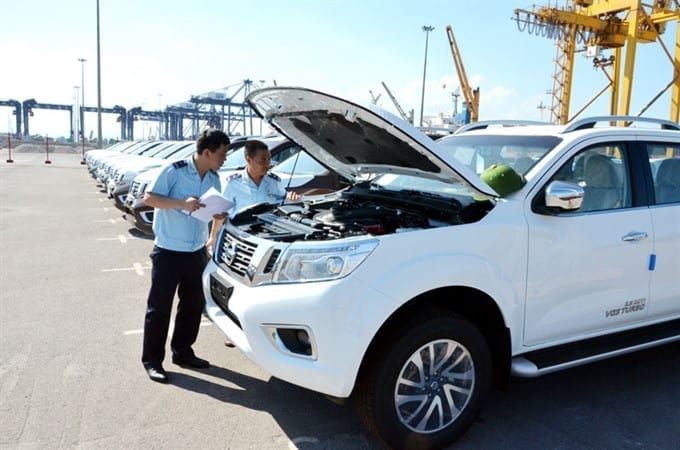
    Up to 13,000 vehicles were imported last month, almost three times the number in October 2017. October also saw the highest number of completely built units (CBUs) imported so far this year, according to Vietnam Customs. However, the total volume of imported cars in the first 10 months of this year decreased over the same period last year, because of a decree that took effect this year, setting tough conditions for car imports.

    As of the end of October, the total number of imported CBUs is estimated at over 53,000 units, down 31 percent from the 77,000 units recorded in the same period last year.

    The number of imported vehicles only started rising since August this year, after a slump that lasted more than six months.

    Vietnam imported 12,380 CBUs worth $329 million in the first half of this year, down 75.5 percent in volume and 68.3 percent in value over the same period last year, according to Vietnam Customs.

    Until now, Thailand and Indonesia have accounted for the main volume of imported CBUs. Most cars sold in Vietnam are foreign brands assembled in the country from kits.

    But a series of free trade agreements have reduced import duties and are opening up the market. A 30 percent import tax on cars from other Association of Southeast Asian Nations (ASEAN) countries was scrapped this year.

    Besides Thailand and Indonesia, Vietnam has imported cars from China, Germany, Slovakia, Hungary, Spain, and few other countries this year.

  • Vietnam, Thailand skip Philippines’ 203,000 T rice tender

    Vietnam, Thailand skip Philippines’ 203,000 T rice tender

    Rice exporters Thailand and Vietnam did not submit offers at a Philippines 203,000-tonne import tender, citing stricter terms. The tender by one of the world’s top rice importers was held to meet unfilled orders after a tender on Oct. 18 for 250,000 tons of rice by Manila’s state-owned National Food Authority (NFA) secured only 47,000 tons due to high offer prices.

    Thailand and Vietnam were the only government suppliers accredited for Tuesday’s re-tender. NFA officials said both submitted letters saying they would not participate due to the stricter terms set out by the Philippines food authority.

    NFA spokesman Rex Estoperez said import terms had been made more stringent to address concerns that arose from previous rice purchases, including health and safety issues, which would raise the cost for suppliers.

    “I can’t say if there will be another bidding,” Mercedes Yacapin, head of the tender panel, told reporters, adding the decision will be left to the NFA Council, which is made up of the country’s economic managers.

    President Rodrigo Duterte last month scrapped a 20-year-old government cap on rice imports to help curtail soaring prices of the Philippine diet staple by increasing supply.

    The Philippines is on a rice buying spree this year, with import approvals by the NFA hitting 2.4 million tonnes, just below the record 2.45 million tons bought in 2010 when rising global food prices stoked shortage fears.

    The NFA is set to hold another import tender for 500,000 tons of rice on Nov. 20.

  • Vietnam’s gaming firm profits fall 52 pct in 9 months

    Vietnam’s gaming firm profits fall 52 pct in 9 months

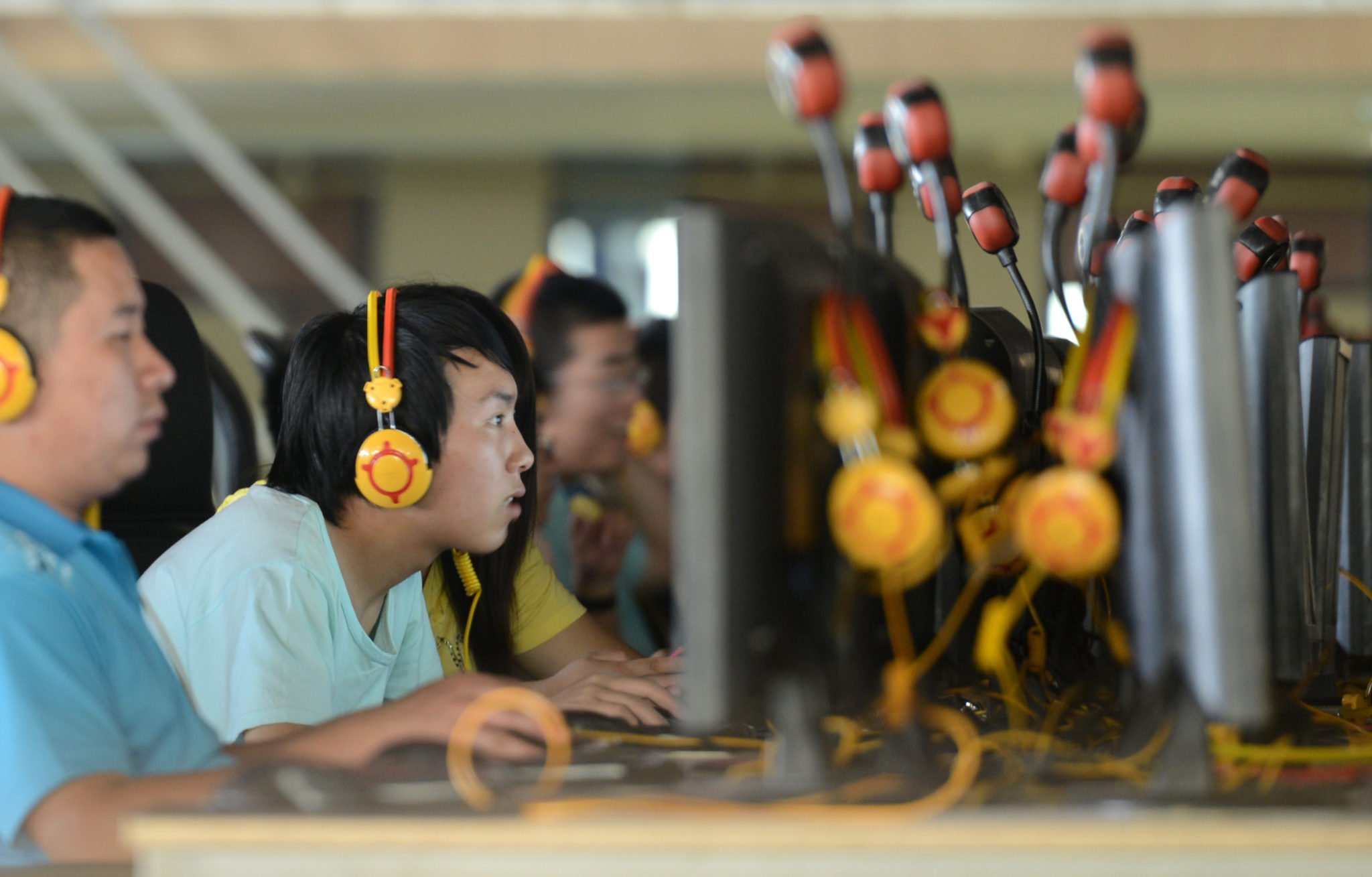
    Vietnamese online gaming giant VNG has reported Jan-Sept 2018 profits of VND152 billion ($6.5 million), a 52 percent year-on-year slump. The company has said in its third-quarter financial statement that higher expenditures have eaten into its profits.

    Selling and administrative expenses of VND853 billion ($36.7 million) and VND382 billion ($16.44 million) respectively in the nine-month period marked a 72 percent and 27 percent year-on-year surge.

    At its recent annual meeting, the company’s management board had predicted a sharp drop in profits compared to previous year as the company wanted to focus resources on investment in strategic products and diversify operations.

    The company focuses in four main areas: e-wallet, mobile product development, ecosystem building, and e-commerce.

    VNG has set a revenue target of over VND5 trillion (more than $215 million) for this year, 17 percent higher than in 2017.

    However, after-tax profit is expected to only reach VND549 billion ($23.62 million) compared to VND938 billion ($40.36 million) in 2017.

    VNG, which used to be known as VinaGame, also owns major news site Zing, popular music site Zing MP3, instant messaging app Zalo, and e-commerce site Tiki.

    Tiki, VNG’s largest investment in e-commerce, continues to suffer increasing losses. In the first half of this year, Tiki’s losses of VND102 billion (nearly $4.39 million) were more than double the same period last year.

    The cumulative loss of this e-commerce site has reached nearly VND600 billion (about $25.82 million) after seven years of operation, beginning in 2010.

  • Momo becomes first Vietnamese Fintech 100 firm

    Momo becomes first Vietnamese Fintech 100 firm

    Vietnam’s mobile, electronic wallet and payment application Momo is among the top 100 innovative fintech companies in the world. This is the first time a Vietnamese firm has broken into this special group, positioned 84th. Momo is also in the “Emerging 50” category, which includes newer companies that are at the forefront of innovative technologies and practices.

    Its products help customers in Vietnam make nationwide cash transfers, pay more than 100 types of bills, recharge mobile phone accounts, settle personal loans, and purchase services like software licenses and online game cards, airline and movie tickets, etc.

    The company’s payment system partners with 24 domestic banks and foreign payment networks, including JCB, MasterCard, and Visa.

    A judging panel comprised of senior partners from H2 Ventures and KPMG decided the final composition of the Fintech100 list.

    H2 Ventures is a global thought leader in fintech venture capital investment while KPMG is a global network of independent member firms offering audit, tax and advisory services.

    Companies were ranked based on total capital raised, rate of capital raising, location and degree of sub-industry disruption and the judging panel’s subjective rating of the degree of product, service, customer experience, and business model innovation.

    Other newcomers to the list include Argentina, Bahrain, Colombia, Czech Republic, Indonesia, Jordan, Malaysia, Myanmar, United Arab Emirates, and Thailand.

    Leading the ranking this year are China’s Ant Financial, the world’s largest third-party payments platform, JD Finance, a digital technology company and Singapore’s ride hailing firm Grab.

  • Trade war’s bark turns to bite in Asia

    Trade war’s bark turns to bite in Asia

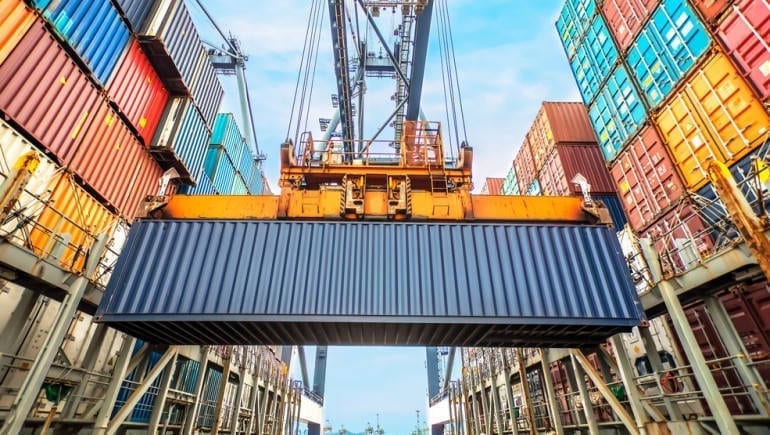
    The U.S.-China tariff slugfest has for months triggered warnings that it could impact global economic growth, and recent data indicates the tension is beginning to bite. Manufacturing gauges in several export-reliant Asian countries, as well as China, weakened in October as gloom deepens over the trade outlook.

    China’s official Purchasing Managers’ Index (PMI), which measures factory activity, came in at 50.2 in October, down from 50.8 the previous month, the latest sign of weakness in the world’s second-largest economy amid the trade war and a domestic debt problem.

    But China’s troubles are bad for the rest of the region, and the world, analysts said.

    Asian exporting countries from South Korea to Malaysia saw PMI decreases in October, according to indices compiled by Nikkei/IHS Markit.

    Taiwan saw its steepest falls in production and new business in just over three years, purchasing activity by companies fell for the first time since May 2016, and firms anticipate lower factory output in the next 12 months, Nikkei/IHS Markit said.

    “Taiwan is feeling the effects of this trade war because China is the factory for many companies in Taiwan. When the estuary is blocked, you feel the effects,” said Sun Ming-te of the Taiwan Institute of Economic Research.

    Paying the price

    South Korea’s PMI slipped to 51.0 in October from 51.3 in September, while a separate Korean business sentiment index for manufacturing sank to its lowest level in two years.

    China is South Korea’s largest trading partner, absorbing a quarter of Korean exports.

    “The situation may get worse next year due to a prolonged trade war between the US and China, growing default risks at debt-plagued Chinese firms and a slowing global economy that reduces demand for our exports,” said c, an analyst at the Korea Institute of Finance.

    Southeast Asian manufacturers were feeling the effects too, with PMI in Malaysia and Thailand slipping below the 50-point level, which indicates contraction in the sector.

    It was Malaysia’s lowest PMI since July and Thailand’s lowest in two years.

    In an interview last week, Malaysian Prime Minister Mahathir Mohamad complained that U.S. President Donald Trump — who has accused various trading partners of “ripping off” America — “seems to be withdrawing from all commitments overseas”.

    Mahathir, 93, said that hurts everyone, including the U.S.

    “We want to remain friendly with the U.S., and we want to continue trading with the US,” Mahathir said.

    “But the trade war that is going on between the U.S. and China is damaging for us. We have to pay a price for that.”

    Vietnam or bust

    The International Monetary Fund warned at its annual meeting last month that the trade friction and other threats would hobble the world economy, lowering its growth forecasts for 2018 and 2019.

    The Eurozone posted disappointing PMI figures in October, though due largely to factors other than trade tension.

    But not everyone feels the shock yet, with Japan’s manufacturing looking solid last month.

    Trump, meanwhile, faces little pressure to tame his trade rhetoric at home, with a rosy U.S. outlook marked by rising wages and low unemployment.

    And even in Asia, there will be some winners as conflict re-aligns trading patterns, economists noted.

    Vietnam, in particular, looks to gain as foreign manufacturers relocate out of China to escape the trade war crossfire and what many say is an increasingly unfair playing field for foreign companies in China.

    Vietnam PMI climbed from a ten-month low of 51.5 in September to 53.9 last month.

    “The hard data on exports and industrial production in recent months haven’t been that great. The latest survey nonetheless shows how Vietnam is weathering the U.S.-China trade war better than its ASEAN peers,” Miguel Chanco, senior economist at Pantheon Macroeconomics asia.

    “If the trade war escalates, Vietnam will be one of the prime destinations for export-oriented firms looking to move out of China.”
  • Vietjet Air targets young aircraft fleet to keep costs low

    Vietjet Air targets young aircraft fleet to keep costs low

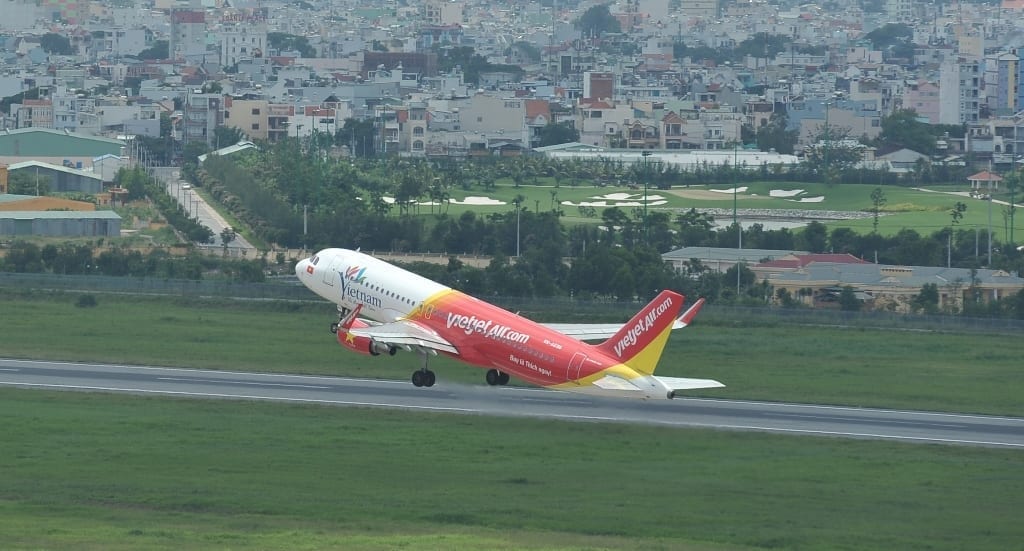
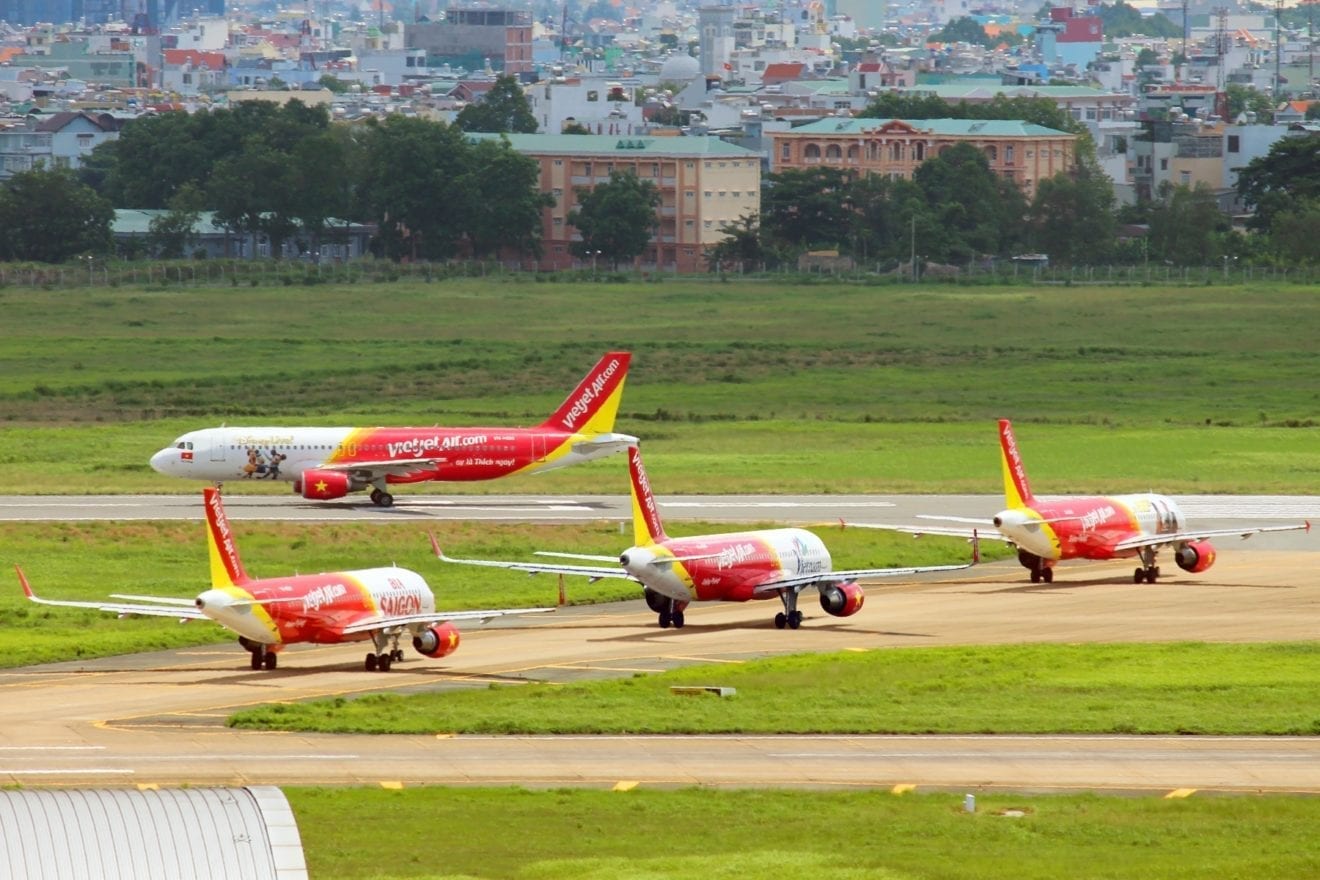
    Budget carrier Vietjet Air plans a fleet age average of three years to keep fuel and maintenance costs low. Vietjet Air is in negotiations to firm up the deal after ordering 100 Boeing 737 MAX aircraft and 50 Airbus A321neo aircraft at the Farnborough International Airshow in the U.K. in July.

    The planes are expected to be delivered between 2020 and 2025, Vietjet CEO Nguyen Thi Phuong Thao said recently.

    But some analysts have questioned whether Vietjet is equipping itself with way too much aircraft, given that it already owns 62 Airbus narrow body jets.

    The carrier, which leads the domestic market with a 45 percent share, expects to receive 30 new aircraft and “retire” 10 each year between 2020 and 2025 to keep its fleet young, Thao said.

    “The average age of Vietjet aircraft is three years now and we want to keep it that way,” she said on the sidelines of a CEO conference in Bangkok.

    The average age of Vietjet’s planes is half that of other low-cost and fast-growing carriers in Asia like Malaysia’s AirAsia, Indonesia’s Lion Air and India’s IndiGo, according to Airfleets.net.

    “The main reason for the young fleet is to keep the maintenance and fuel costs low and to ensure a good service for passengers on fresh, convenient planes,” said Thao.

    Deliveries of those planes are expected to happen from now until early next year.Last month, Vietjet inked a deal to buy 10 Airbus aircraft worth $1.24 billion from Japanese and French companies.

    Thai Vietjet, which operates under a franchise contract in Thailand, is flying with seven jets and expected to add ten more jets each year, the carrier had said this month.

    Vietjet runs 385 flights daily within Vietnam and to Japan, Hong Kong, South Korea, Taiwan, Singapore, mainland China, Thailand, Myanmar and Malaysia.

  • Vietnam urges China to import more agriculture produce

    Vietnam urges China to import more agriculture produce

    China should import more Vietnamese products, especially agriculture produce, so as to balance bilateral trade, PM Nguyen Xuan Phuc said Sunday. “As Vietnam is seeing a great trade deficit with China, you [Chinese businesses] should import more products from Vietnam, starting with agricultural products, to balance bilateral trade,” the prime minister said at a meeting with Chinese businesses in Shanghai before the November 5-10 China International Import Expo (CIIE).

    “This is in line with the policy of China’s top leaders, who have repeatedly told us that they are keen to move towards a trade balance between China and Vietnam,” he noted.

    China is currently the largest market for agricultural products in Vietnam with the export turnover of agriculture, forestry and fishery products this year estimated at over $35 billion, up nearly 9 percent over the same period last year, Phuc said.

    However, most Vietnamese produce are mostly consumed in China’s southern Yunnan Province and the Guangxi region bordering Vietnam, not in the rest of the country, he said.

    As the second largest agricultural produce exporter in ASEAN with over 20 agriculture products that have an annual export value of over $1 billion worth, Vietnam offers many products favored by Chinese consumers, the PM said.

    Many Vietnamese agriculture produce are among the world’s best, like rice, pepper, cashew, pangasius fish and shrimp, he noted, adding that its fruits, like dragonfruit, mango, longan and watermelon, have passed import standards set by Australia, the EU, Japan, South Korea and the U.S.

    These products have great potential to boost bilateral trade cooperation, the PM stressed.

    Representatives of Chinese corporations at the meeting said they value the investment potential in Vietnam and are interested in bringing Vietnamese agriculture produce to China and and the world.

    Pu Jian, executive director of the CITIC International Asset Management company, said that he could bring Vietnamese products more deeply into the Chinese market as his company specializes in importing rice, fruits and other produce.

    His corporation also owns 60 percent of McDonald shares with over 3,500 stores in China, and this could be a potential channel to consume Vietnamese produce, he added.

    Johnson Choi, executive director of China’s conglomerate Sunwah Group and general director of Sunwah Vietnam, said that his company would like to distribute Vietnamese coffee in the Chinese market and invest in Vietnam’s “green” agriculture.

    In a meeting with Chinese President Xi Jinping the same day on the sidelines of the CIIE, China’s major event seeking more import opportunities, PM Phuc stressed that Vietnam always attaches great importance to the development of friendly, stable and healthy relations with China.

    China should adopt policies and practical measures to reduce the current large trade deficit with Vietnam, he added.

    Xi said that his country doesn’t want to pursue a trade surplus with Vietnam, and will increase imports from Vietnam towards more balanced and sustainable bilateral trade.

    Vietnam-China trade reached $93.69 billion last year, up 30.2 percent from 2016. Vietnam earned $35.46 billion from exports to China, up 61.5 percent, while spending $58.22 billion on imports from the country, up 16.4 percent.

    In the first nine months this year, bilateral trade between the two countries reached $76.06 billion, up 18.7 percent over the same period last year.

    China continues to be Vietnam’s largest trading partner and the one with which it has the largest trade deficit. It is also Vietnam’s second largest export market after the U.S, according to Vietnam Customs.

  • Vietjet to finalize $6.5 billion Airbus order: sources

    Vietjet to finalize $6.5 billion Airbus order: sources

    Vietjet is set to finalize a $6.5 billion jet order with Airbus ​during a visit to Hanoi by French PM Edouard Philippe on Friday. The order for 50 A321neo jets is part of an aggressive investment in the Vietnamese fast-growing budget carrier Vietjet’s fleet that has provided lucrative business for both Europe’s Airbus and its U.S. rival Boeing.

    It is also a boost for Airbus as it seeks to turn a raft of provisional orders put together at July’s Farnborough Airshow into hard revenues, narrowing a gap against Boeing this year.

    The deal is the biggest economic component of an official visit to Vietnam by Philippe from Nov. 2-4, during which he will oversee deals with French firms and hold talks with Vietnamese counterpart Nguyen Xuan Phuc, people familiar with the matter said.

    Airbus and Vietjet both declined to comment.

    Vietnam and France also signed an agreement in September to expand defense collaboration, although details are scant.

    VietJet CEO Nguyen Thi Phuong Thao said this week that Vietjet plans to maintain an average fleet age of just three years to keep fuel and maintenance costs low.

    It placed provisional orders for the A321neo jets and 100 Boeing 737 MAX jets in Farnborough and has been negotiating to firm them up, with deliveries expected between 2020 and 2025.

    The formal signing, to take place on Friday, will help to dispel doubts over the substance of deals announced in Farnborough, which was marked by a rash of vague or incomplete order announcements.

    Finalizing such deals can involve tough negotiations as airlines try to squeeze out last-minute concessions.

    However, finance industry sources have expressed concerns about a glut of orders in Southeast Asia from airlines like Vietjet, Malaysia’s AirAsia and Lion Air of Indonesia and question whether all of the several hundreds of planes on order from the Asian low-cost carriers will actually be delivered.

    Vietjet told the Airline Economics conference in Hong Kong this week that low-cost airlines have a relatively low market position in Vietnam, and that those most successful in driving down unit costs would ride out any downturn in the market.

    Vietnam’s expansion has also been peppered with trade sensitivities as Vietjet – which says it enjoys government support – juggled Airbus and Boeing procurements: a strategy also designed to win bigger discounts.

    Two years ago, Boeing upstaged Airbus by clinching an order for 100 737s during a visit by then-U.S. President Barack Obama.

    Until then, VietJet had only bought from Airbus, including an order for 92 jets in 2013.

    Philippe’s visit is the latest example of Western leaders beating a path to Asia’s low-cost carriers, whose orders have secured thousands of manufacturing jobs, trade experts said.

  • Vietnam garment exports surge on US-China trade war

    Vietnam garment exports surge on US-China trade war

    Vietnam’s garment exports are set to rise by 14.8 percent this year to $35 billion, an industry official said on Friday. The expected growth is attributed to the fact that U.S. retailers diversify their product sourcing to keep costs under control amid an escalating trade dispute with China.

    The U.S. has already imposed tariffs on $250 billion worth of Chinese goods, and China has responded with retaliatory duties on $110 billion worth of U.S. goods.

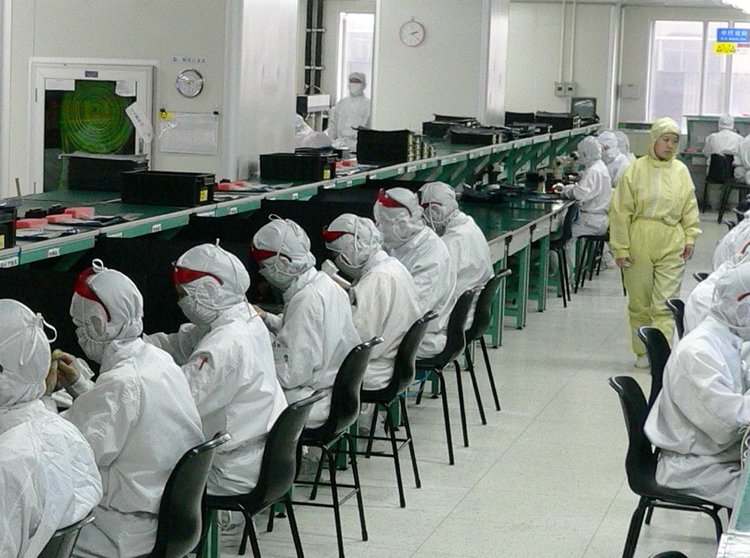
    Garments, Vietnam’s second largest export-earner after smartphones, are not yet subject to U.S. tariffs, although some manufacturers have sought to move at least some production to the Southeast Asian country, anticipating potential penalties.

    “We are seeing more and more orders coming in, especially from the United States,” Vu Duc Giang, chairman of Vietnam Textile & Apparel Association, told Reuters.

    Garment exports to the U.S. rose 12 percent in the January-October period to $10.5 billion, while exports to China surged 40 percent to $1.1 billion, according to a government statement released on Thursday.

    Ngo Quang Thoa, chairman of Swimax International Joint Stock Co, a contractor which produces swimwear and underwear products for U.S. companies such as Target and Express, said he had received a large increase in orders from the U.S. since January.

    “This is because of the trade war between the U.S. and China,” said Thoa, who added that he expected to see his exports to the U.S. increase by up to 20 percent by the end of the year.

    “Some U.S. clients are already making strategic adjustments to their business plans to diversify their supplies, even though Trump hasn’t targeted Chinese garments in the tariff war yet,” he said.

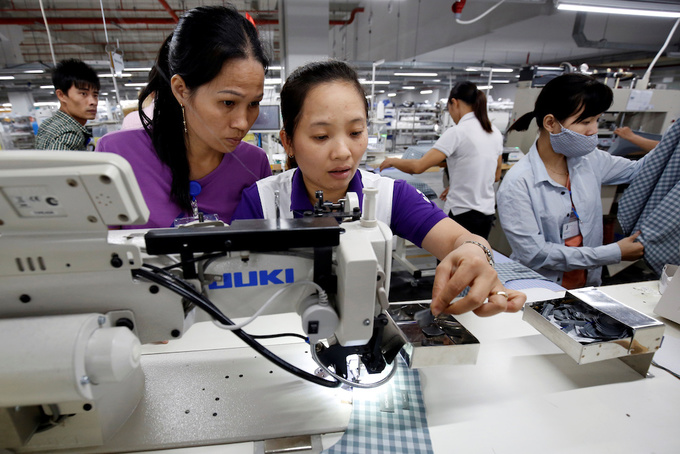
    Vietnam is home to over 6,000 textile and garment factories which employ around three million people, Thursday’s government statement said.

    Giang, chairman of Vietnam Textile & Apparel Association, told Reuters those figures were likely to grow, thanks to a plethora of Vietnamese free-trade agreements, and not just because of the U.S.-China trade spat.

    Vietnam has signed around a dozen free-trade agreements that will remove or reduce taxes on several imports and exports.

    Foreign investors poured in $2 billion in Vietnam’s garment and textile production in the first eight months of this year, Giang said.

    Most investors were from Japan, South Korea, Taiwan and China, he added.

    “They have been upping their investment in Vietnam for years,” said Giang.

  • CGV to boost its presence in Vietnamese cinema market

    CGV to boost its presence in Vietnamese cinema market

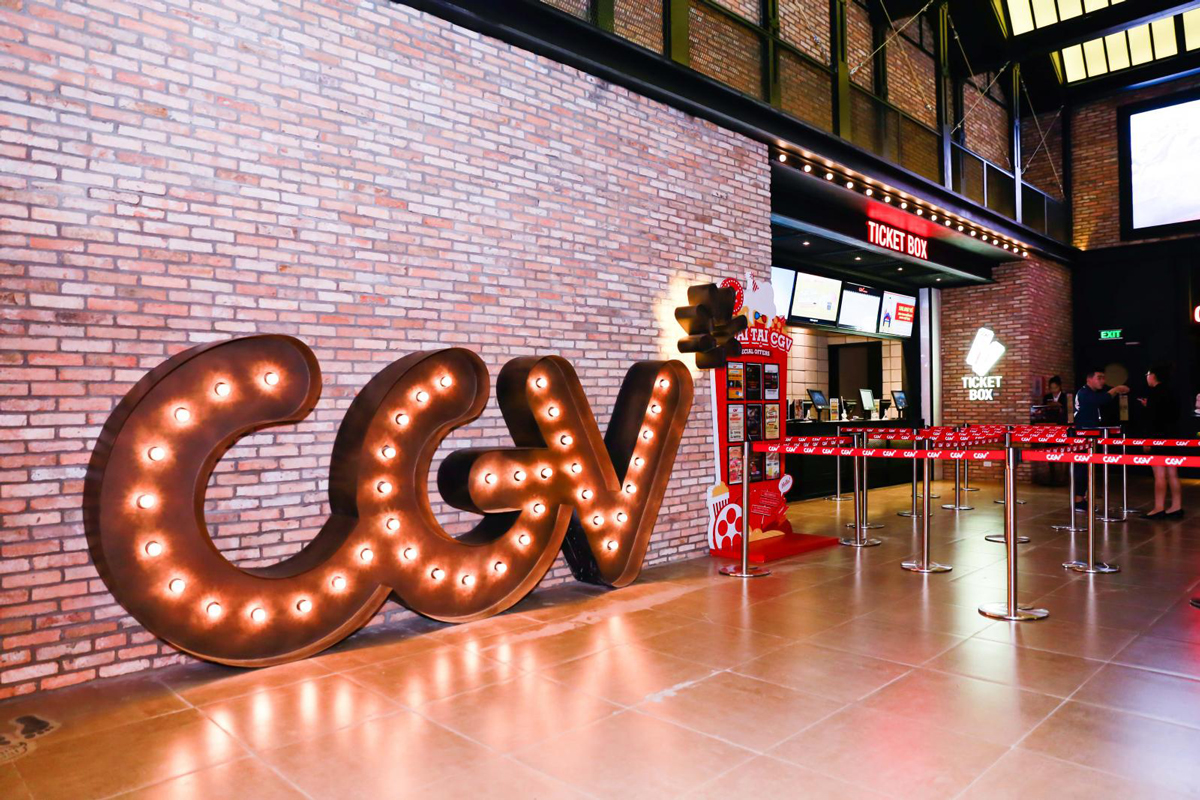
    CJ CGV Vietnam Holdings said Friday it will further expand its presence in Vietnam by maximizing funds from its planned listing in Korea this month. The cinema chain based in Vietnam is scheduled to go public on Seoul’s main Kospi bourse on Nov. 16. It plans to issue 5.71 million shares, with the share price to be set between 18,900 won ($16.80) and 23,100 won, according to the firm and the bourse operator, Korea Exchange.

    “We find great potential in the Vietnamese market, as its population is approaching 100 million and its income and domestic demand have been on a rise, but the entertainment market has not been developed,” chief Shim Jun-beom told reporters.

    Wholly owned by CJ CGV, Korea’s largest multiplex cinema chain, CJ CGV Vietnam Holdings has operated the Vietnamese chain through its subsidiary CJ CGV Vietnam since 2011.

    It now leads the market there with 347 screens at 57 cinemas. In terms of film distribution and advertisement, CJ CGV also occupies the top spot.

    “We expect our market share to grow from the current level of 41 percent to around 60 percent in five years,” he added.

    Last year, sales of the holding firm came to 128.3 billion won, up 22.6 percent from the previous year, and its operating profit rose 4.8 percent on-year to 11.4 billion won.

    It has selected Hanwha Investment & Securities and Shinhan Investment Corporation as its lead managers for the IPO.

    In July, CJ CGV CEO Seo Jung said that the company aims to increase the number of its screens around the world to 10,000 in 11 countries by 2020.

    Currently, the multiplex chain, owned by the food and entertainment conglomerate CJ, is the world’s fifth-largest cinema chain with 3,459 screens around the world.

  • Vietcombank gains preliminary agreements to open US office

    Vietcombank gains preliminary agreements to open US office

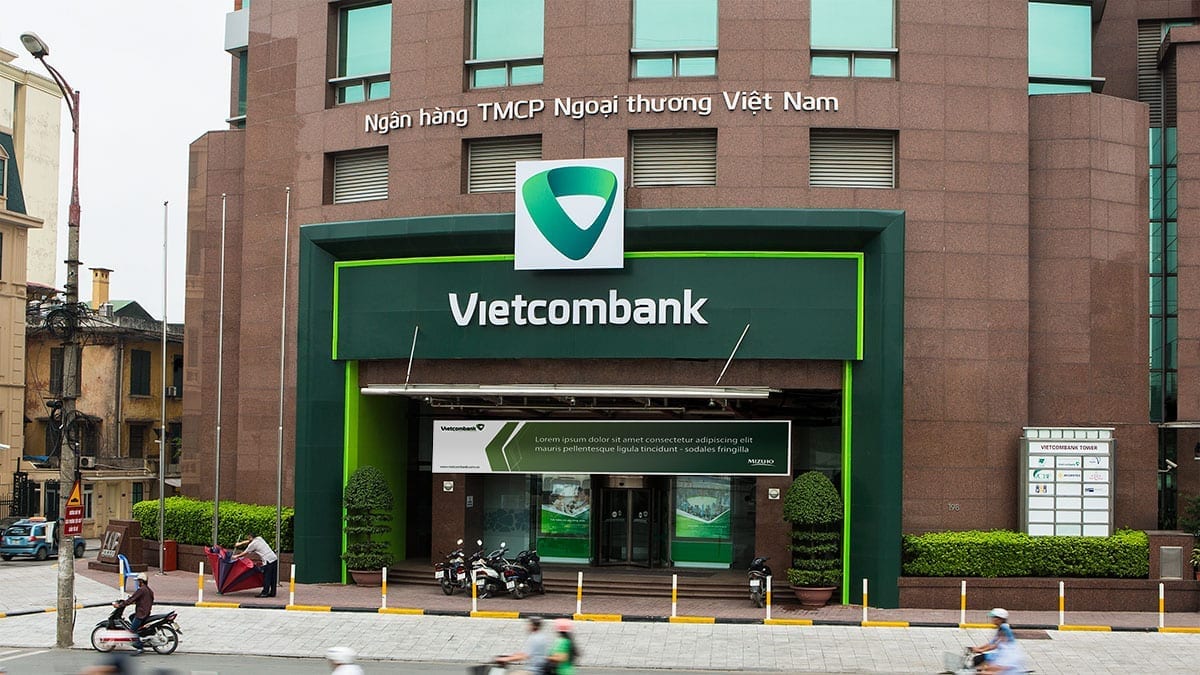
    Vietcombank VCB.HM has made a significant step in becoming the first Vietnamese bank to open a representative office in the U.S. The move by Vietnam’s biggest bank by market value comes as diplomatic ties between Vietnam and the U.S. are on the rise and is part of a push to expand internationally as it aims for a place among the world’s top 300 banking and financial groups.

    Vietcombank has obtained approval from the U.S. Federal Reserve and an agreement in principle from the New York State Department of Financial Services to open a representative office in New York City, it said on its website.

    The State Bank of Vietnam, the country’s central bank, owns 77 percent of Vietcombank. Japan’s Mizuho Bank [MZFGAE.UL] is the second biggest investor with a 15 percent stake.

    “As Vietnam becomes more attractive to U.S. investors, Vietcombank’s representative office … will be an extended arm for Vietcombank in the U.S. to support business development in this very potential market,” it said, adding that it aims to obtain a license and open a New York office as soon as possible.

    The representative office would liaise with prospective clients and banks in the U.S. and engage in other non-transactional activities such as analysis of the banking and financial services market.

    The U.S. is now one of Vietnam’s top trading partners and is expected by some analysts to benefit from the continuing U.S.-China trade conflict, offering an alternative investment and trade destination.

  • SE Asia Stocks end firmer; Vietnam gains 2.9 percent

    SE Asia Stocks end firmer; Vietnam gains 2.9 percent

    Southeast Asian stock markets ended higher on Wednesday tracking a firm finish on Wall Street, though they posted heavy losses in October.

    Financial markets across the globe faced a raft of negative factors, including Sino-U.S. trade tensions, to worries about global economic growth, higher U.S. interest rates and company earnings in the past few weeks.

    In Southeast Asia, Singaporean shares ended 1.8 percent firmer, but lost 7.3 percent this month.

    Conglomerate Jardine Matheson Holdings Ltd closed up 0.9 percent, while lender DBS Group Holdings Ltd added 2.9 percent to the bourse.

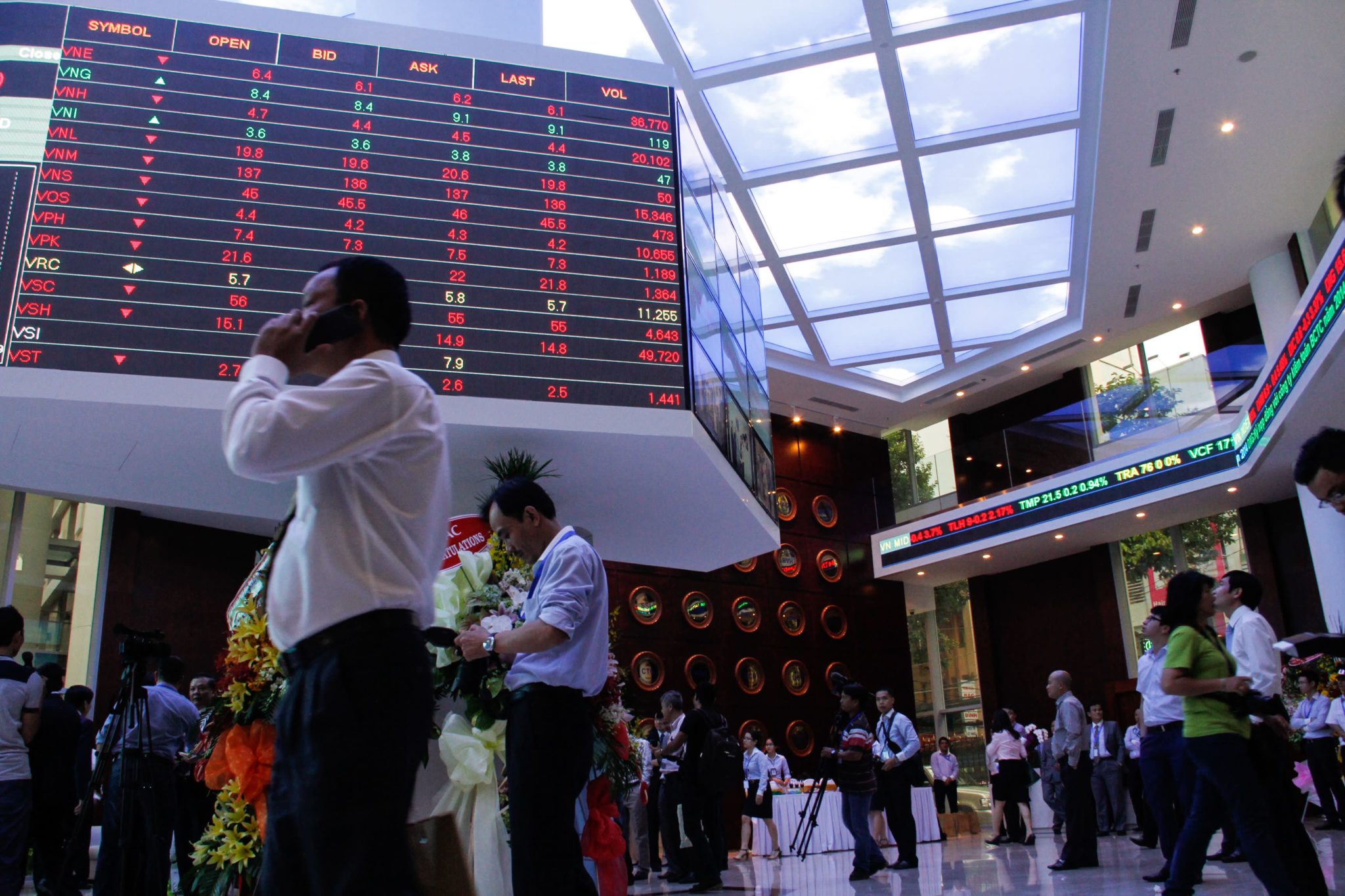
    Vietnam shares snapped nine sessions of declines to close 2.9 percent higher.

    Banking sector stocks accounted for most gains, with Joint Stock Commercial Bank for Investment and Development of Vietnam (BIDV) closing 6.9 percent higher. BIDV, Vietnam’s second-biggest bank by market value, said it intends to sell 15 percent shares to South Korea’s KEB Hana Bank.

    Meanwhile, gains in the real estate sector were led by Vinhomes JSC after the property developer posted a 177 percent surge in third-quarter net profit.

    Malaysian shares closed 1.4 percent firmer as sentiment was balanced on hopes that cost-saving measures will be included in the country’s 2019 budget due later in the week.

    The country’s newly elected government, led by Prime Minister Mahathir Mohamad, is likely to announce broad spending cuts in the budget speech scheduled on Nov 2.

    The Philippines market rebounded from previous session’s declines, underpinned by broad gains in the industrial and real estate stocks.

    Thai shares ended firmer on the back of energy stocks, which gained on higher oil prices. However, the index posted a 5.2 percent drop for the month.

    The biggest gainer on the index, petroleum and gas company PTT Pcl, closed at its highest in more than a week.

    The bourse was further cushioned by data from the Bank of Thailand, which stated September trade surplus of Thailand was at $1.96 billion, after a $0.60 billion surplus in August.

  • Make Vietnam your largest strategic base, PM urges Samsung

    Make Vietnam your largest strategic base, PM urges Samsung

    PM Nguyen Xuan Phuc has suggested that Samsung expands its scale to make Vietnam the group’s largest strategic base. Receiving Lee Jae Yong, vice chairman of Samsung Group, in Hanoi on Tuesday, Phuc said Samsung should not just stop at making Vietnam its largest smartphone production base.

    He suggested the South Korean giant expands its business to other major fields like semiconductors, infrastructure and energy in Vietnam rather than focusing mainly on manufacturing and assembling electronic products, as it has been doing so far.

    A statement posted on the government’s website cited the prime minister as saying that Samsung should work towards building its largest strategic base in the country.

    He also wanted Samsung to continue providing practical support in terms of training and technology transfer to assist Vietnam’s supporting industry.

    As Samsung is making a significant contribution to developing e-government in South Korea, the PM suggested it does the same for Vietnam.

    He promised that the Vietnamese government will keep creating favorable conditions for Samsung’s operations in the country.

    Samsung Electronics Co. has invested $17.3 billion in eight factories and one research and development center in Vietnam, creating jobs for more than 160,000 locals.

    Exports from Samsung Electronics’ factories in Vietnam totaled $54 billion last year, it said.

    In April, CEO Koh Dong-jin of Samsung Electronics told PM Phuc that the company was determined to further expand production in Vietnam.

    He said Samsung will recruit more Vietnamese employees and develop electronics in smart cities in Bac Ninh province in the northern region and other places.

    Samsung is the largest foreign investor in Vietnam and accounts for around a quarter of the country’s total export revenue. It operates two cellphone factories in Bac Ninh and Thai Nguyen provinces in northern Vietnam.

    The factories produce around half of all the cellphones that Samsung supplies to the global market.