Tag: Vietnam

  • Vingroup pours over $583 mln into Vinfast

    Vingroup pours over $583 mln into Vinfast

    Vingroup has invested VND13.6 trillion ($583.3 million) in its auto subsidiary VinFast in the first nine months of the year. VinFast, Vietnam’s first indigenous car manufacturer, is expected to eventually receive investments of $4.2 billion from the parent firm’s internal resources and loans.

    VinFast has already unveiled its first two cars, a sedan and an SUV, causing both excitement and skepticism among Vietnamese.

    From a standing start, it will create an annual capacity of 250,000 cars within the next five years or so, equivalent to 92 percent of all cars sold in Vietnam last year, according to data from the Vietnam Automobile Manufacturers Association.

    VinFast will also produce 250,000 electric scooters a year in an ambitious production target that is set to eventually increase to 1 million.

    In the first three quarters of this year Vingroup recorded over VND23.456 trillion ($1.01 billion) in net revenues, a nearly 7 percent rise year-on-year. Profit before tax topped VND2.6 trillion ($111.52 million), up 41 percent.

    As of September 30 it had total assets of VND268.23 trillion ($11.5 billion), an increase of nearly VND55 trillion ($2.35 billion) from the beginning of this year.

    Vingroup, Vietnam’s biggest property conglomerate, dominates the housing and property markets with Vinhomes. It has entered the healthcare market with Vinmec, runs a chain of supermarkets called Vinmart, and entertains tourists at Vinpearl resorts.

  • Luxasia Vietnam targets generation z buyer

    Luxasia Vietnam targets generation z buyer

    Singaporean luxury beauty and lifestyle distributor Luxasia is making moves into Vietnam. The brand will be targeting younger millennial consumers who are thought to be responsive to social media and social media influencers.

    Luxasia Vietnam is focusing on the nation’s fast-growing economy and strong population of nearly 100 million. It currently offers 20 brands in the market, but is planning to introduce more incrementally. It also has designs on developing new distribution channels via small independent perfumeries, and building an e-commerce platform.

    Luxasia’s regional MD Karen Ong said of the Vietnamese market potential for beauty products, “It is still very much big brands focused. People want to use something other people recognise.”​

    Regarding the business climate, Ong commented: “In Singapore we take things for granted. We shake on it and we think it’s done and that everyone knows what to do. But there, you have to follow up and chase. There’s a lot of email back and forth. It reminds me of how we used to do business 10 to 15 years ago.”

    “It’s still very relationship based, the speed is much slower, and even if you plan way in advance, things may not always execute the way you have planned. The follow up has to be very close and you have to be very prescriptive in the way things want to be done.”​

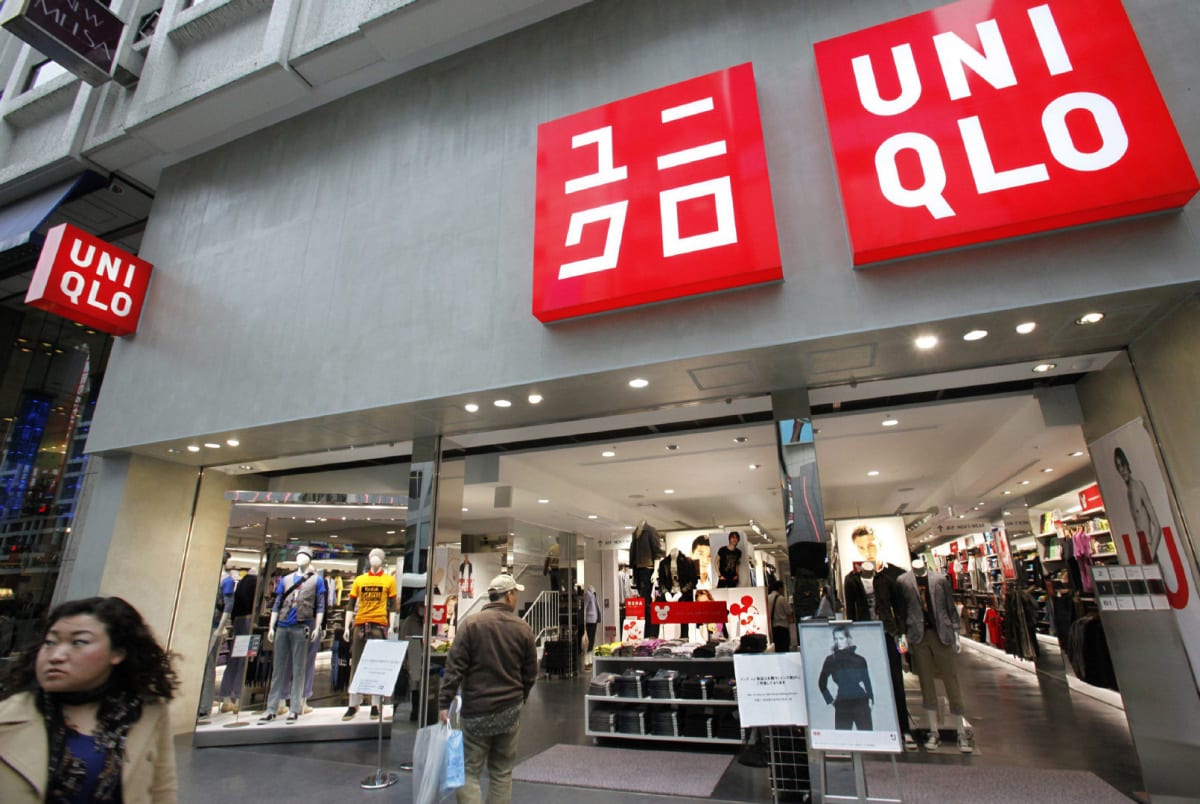
  • Uniqlo acquires stake in Vietnamese brand

    Uniqlo acquires stake in Vietnamese brand

    Uniqlo’s parent, Fast Retailing, has acquired a 35 per cent stake in Hanoi-based women’s fashion brand Elise. Elise, which has more than 100 stores across the country, is said to have received tens of millions of dollars from the deal – a figure much higher than its entire charter capital.

    This is Fast Retailing’s first significant move into Vietnam since it announced it would launch its Uniqlo brand in Ho Chi Minh City next year.

    The store will be operated by a joint venture between Fast Retailing and Mitsubishi Corporation.

    Vietnam is one of the markets Uniqlo is counting on to double its store network in Southeast Asia and Oceania to around 400 by 2022.

    Uniqlo’s arrival in Vietnam will intensify competition for foreign brands as Zara and H&M who have already successfully launched there.

    According to German firm Statistics Portal, Vietnam’s fashion revenue will annually grow 22.5 per cent from 2017 to 2022, and its clothing sales will surge to an estimated US$245 million this year.

    Another fashion group from Japan, Stripe International, has reportedly bought NEM, a Vietnamese fashion brand which targets female office workers.

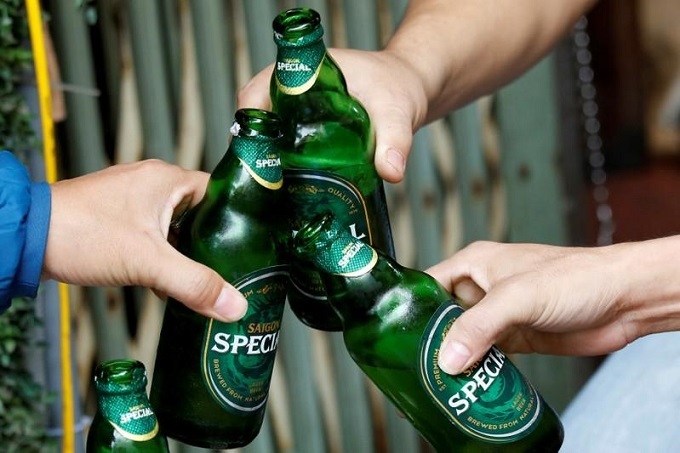
  • Profits down at Vietnam’s largest brewer

    Profits down at Vietnam’s largest brewer

    Beer maker Sabeco has reported after tax profits of $149 million in Jan-Sept 2018, down 6 percent year-on-year. The company’s total revenue in the first nine months of the year was VND25.5 trillion ($1.1 billion), 70 percent of its annual target.

    According to the company’s third quarter financial report Sabeco, formally known as Saigon Beer Alcohol Beverage Corp, beer continued to dominate its revenue structure, netting over 85 percent of total income. The remaining revenue came from packaging, other beverages and spirits.

    Sabeco recently unveiled a restructuring plan to improve profit margins by 3-4 percentage points over the next few years.

    The company plans to adjust its business operations in five key segments: manufacturing, distribution, marketing, supply chain and storage. This plan involves the leading beer maker in Vietnam considering acquiring minority stakes in beer factories and distribution units.

    The company’s management board has also announced that one of its top priorities is to develop a better distribution system in major cities, especially in HCM City. Through this, Sabeco hopes to regain market share in urban areas currently dominated by Heineken.

    According to the Ho Chi Minh City Securities Corporation, Sabeco occupies approximately 42.8 percent of the domestic beer market. Due to increasing competition from multinational companies, this figure is down slightly from 43.6 percent in the previous year. As a result, consumption growth of Sabeco’s beer was less than the industry average, totalling 1.85 billion litres.

    The corporation estimates that by the end of 2019, Sabeco’s beer market share will increase slightly to 43 percent thanks to its marketing efforts and the launch of new products. Consumption of Sabeco-made beer is also expected to increase to 1.95 billion liters.

    Thai Beverage PCL (ThaiBev) is currently the dominant shareholder in Sabeco, which sells popular beer brands kike Saigon Beer and 333.

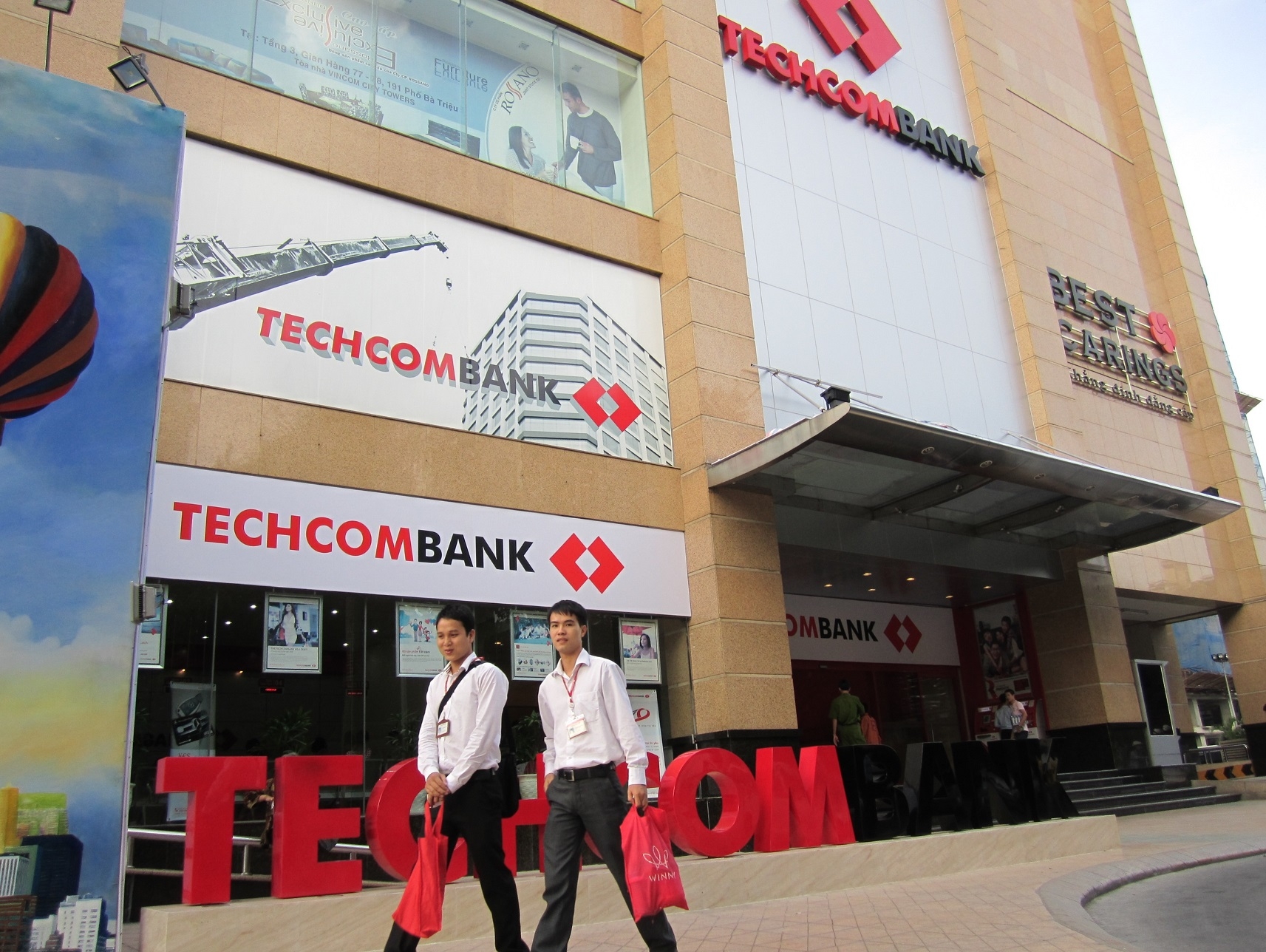
  • Vietnamese banks register more than robust profit growth

    Vietnamese banks register more than robust profit growth

    Commercial banks in Vietnam have posted impressive growth, with profits doubling or even tripling over last year’s first nine months. The Bank for Foreign Trade of Vietnam (Vietcombank) has announced profit before tax (PBT) of VND 11.68 trillion ($502.16 million) in the first nine months, a 47 percent increase compared to the same period last year.

    In the private banking sector, the current profit leader is Techcombank, which reported a 9 month PBT of VND7.77 trillion ($334.2 million), an increase of 61 percent over the same period last year. Nearly all business lines at Techcombank saw positive growth.

    Pre-tax profit of lender ACB hit a record VND4.8 trillion ($206.3 million) in the 9-month period, 2.4 times higher than the same period last year.

    The highest growth rate of the period went to Vietnam International Commercial Joint Stock Bank (VIB), with its profit before tax of VND1.72 trillion ($73.9 million), marking an increase of 176 percent over the same period last year.

    Banks relied heavily on interest income to achieve these profits. For example, VPBank granted loans worth VND 211.09 trillion ($9.08 billion), up by 17 percent over the same period last year, and corresponding figures for Vietcombank were up 15 percent to VND 616.41 trillion ($26.5 billion).

    In addition, the banks have also gained positive results from the fee-for-services approach.

    According to banking experts, with strong credit growth at the beginning of the year and the economy forecast to remain stable, bank profitability is set to continue rising sharply towards the end of the year.

    In the last months of the year, many banks’ credit facilities have been running low, but this is balanced by rising interest rates that boost their net income.

    HSBC Vietnam CEO Pham Hong Hai said that profitability of the sector will peak in 2018 and gradually fall later. The central bank may not want to maintain such high credit growth in the near future, and could work to bring it down, he explained.

    The country’s banking sector posted an estimated 18.17 percent loan growth in 2017, according to the Ministry of Finance. It has targeted growth of 17 percent this year.

    Hai said that from 2019 onwards, bad debt may re-emerge as a problem for banks after the recent credit growth and the instability of the global financial markets. Therefore, banking profits will most likely see a downward trend next year.

    State Bank of Vietnam Governor Le Minh Hung said recently that bad debts and potential bad debts amounted to 8.61 percent of total credit by the end of September.

  • EU trade pact can reduce Vietnam’s reliance on China, US

    EU trade pact can reduce Vietnam’s reliance on China, US

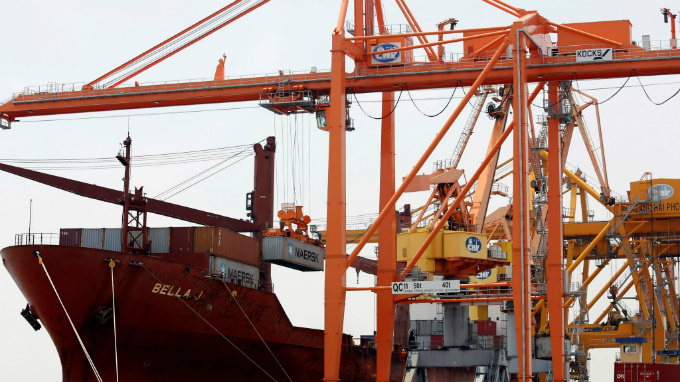
    The Vietnam-EU trade pact can diversify export markets and help reduce reliance on China and the U.S., experts say. On October 17, the European Commission submitted the EVFTA for signature and conclusion to the European Council. Once authorized by the Council, the agreement will be signed and presented by the end of this year to the European Parliament for ratification. The European Parliament is set to ratify the EVFTA early next year.

    The trade pact, which has been negotiated since June 2012, is considered a game changer as it would eliminate almost all trade tariffs between the two sides.

    Luu Bich Ho, former head of the Vietnam Institute for Development Strategies under the Ministry of Planning and Investment, said that the deal would play a major role in reducing Vietnam’s reliance on the U.S. and China, the world’s two largest economies.

    “This is obviously an opportunity for Vietnam to increase export [to the EU] to avoid being affected should the U.S. seek to limit imports from Vietnam,” Ho said.

    It’s also a chance for Vietnam to diversify its markets as it is still heavily dependent on China in trade, he added.

    In the first nine months this year, the U.S. was Vietnam’s largest export market, accounting for 19.5 percent of Vietnam’s total exports, a growth of 13.2 percent year-on-year, according to Vietnam Customs.

    Although the EU came second and accounted for 17.4 percent, this market has the smallest growth rate among Vietnam’s top six export markets at 10.5 percent.

    China was the third largest export market, had the highest growth rate of 29.9 percent. It was also Vietnam’s largest import market, accounting for 27.3 percent of Vietnam’s total imports.

  • Vietnam to navigate rough trade war waters

    Vietnam to navigate rough trade war waters

    Parliament members say the ongoing US-China trade war has had visible impacts, and Vietnam needs to reduce dependence on both nations. At the ongoing National Assembly session, several National Assembly deputies Saturday stressed the need for Vietnam to make policy changes and diversify markets.

    Ha Sy Dong, a deputy from Quang Tri Province, said that the escalating tension between the U.S. and China is not confined to trade.

    It is also a long-term political conflict that has had visible impacts on Vietnam’s economy, he said.

    “The obvious impacts are higher risks in trade, and fluctuating currency and capital flows,” Dong said.

    A report by the National Center for Socio-Economic Information and Forecast (NCIF) released in August said that Vietnam’s GDP could drop 0.03 percent this year, 0.09 percent next year and 0.12 percent in 2020 and 2021 due to impacts of the US-China trade war.

    This equals a GDP drop of VND1.65 trillion ($71 million) this year and VND5.3 trillion ($228 million) next year. The decline will climax at VND8 trillion ($344 million) in 2021.

    The Vietnam Institute for Economic and Policy Research (VEPR) had previously cautioned that the trade war could prompt large corporations to send their capital back to the developed countries as developing countries lose their attraction.

    Technology giants like Foxconn are investing more in manufacturing in the U.S. as a result of the trade war, the VEPR noted.

    “We need to diversify our markets and trade partners to reduce dependence on China and the U.S.,” Dong stressed.

    In the first nine months this year, the U.S. was Vietnam’s largest export market, accounting for 19.5 percent of Vietnam’s total exports, a growth of 13.2 year-on-year, according to Vietnam Customs.

    China was the third largest export market, with the highest growth rate of 29.9 percent. It was also Vietnam’s largest import market, accounting for 27.3 percent of Vietnam’s total imports.

    Tran Tuan Anh, Minister of Industry and Trade, said that as geographical and political tensions between the U.S. and China escalate, the Vietnamese government needs to limit risks for the country.

    He told the National Assembly that he would report in more detail on this issue.

    Taking advantage

    Dong said that Vietnam could also benefit from the tensions, exporting more to the U.S. and welcoming more foreign direct investment as companies leave China.

    U.S. sports apparel company Brooks Running has recently announced that it is considering shifting its manufacturing operations from China to Vietnam to avoid the trade war tariffs of 45 percent.

    Adidas CEO Kasper Rorsted also said in May that his company was shifting footwear sourcing from China to Vietnam, and data from Nike showed that Vietnam produced 46 percent of its footwear last year, against 27 percent in China.

    The U.S.-China trade war escalated last month as the U.S. levied new tariffs of 10 percent on about $200 billion worth of Chinese products, with the tariffs to go up to 25 percent by the end of this year.

    China retaliated immediately with 5 and 10 percent tariffs on $60 billion worth of U.S. products.

  • Vietnam agriculture export shows progress

    Vietnam agriculture export shows progress

    Vietnam’s coffee exports grew 21.5 percent and rice exports 3.4 percent year-on-year in the first ten months, government data showed on Monday.

    Coffee 

    Coffee exports from Vietnam will rise an estimated 21.5 percent between January and October from a year ago to 1.58 million tons, equal to 26.3 million 60-kg bags, the General Statistics Office said in a report on Monday.

    Coffee export revenue for Vietnam, the world’s biggest producer of the robusta bean, rose 1.1 percent to $2.98 billion in the 10-month period, the report said.

    October coffee exports were estimated at 130,000 tons, worth $230 million.

    Rice

    Rice exports in January-October from Vietnam were forecast to rise 3.4 percent from a year ago to 5.24 million tons. Revenue from rice exports in the period was forecast to grow 16.1 percent year-on-year to $2.64 billion.

    October rice exports from Vietnam, the world’s third-largest shipper of the grain, were recorded at 350,000 tons, worth $180 million.

    Energy

    Vietnam’s January-October crude oil exports plunged 45.4 percent year-on-year to an estimated 3.22 million tons.

    Crude oil export revenue in the first 10 months of 2018 fell 24.8 percent to $1.82 billion.

    Oil product imports in the 10-month period were estimated at 10 million tonnes, falling 5.1 percent from the same period last year, while the value of product imports rose 20 percent to $6.77 billion.

    Vietnam’s January-to-October liquefied petroleum gas imports increased 5.7 percent from a year earlier to 1.2 million tons.

  • Rising dollar, market glut cut Vietnam’s shrimp export value

    Rising dollar, market glut cut Vietnam’s shrimp export value

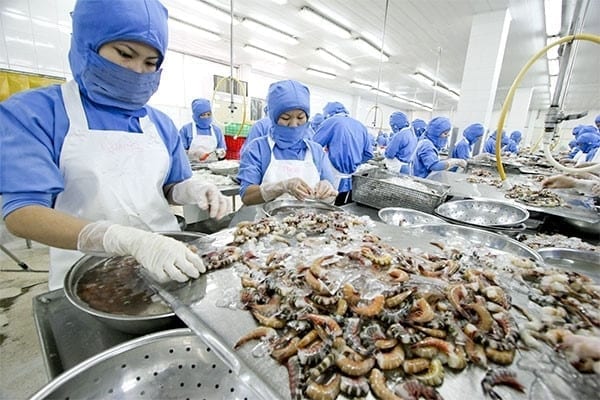
    Vietnam’s shrimp export value plunged almost 15 percent year-on-year in September, hit by the rising dollar and other factors. The Vietnam Association of Seafood Exporters and Producers (VASEP) said shrimp export value dropped by 14.8 percent year-on-year in September.

    Total shrimp export value for the first nine months of the year went down four percent year-on-year to $2.6 billion, the association added.

    The slip in export value began in the second quarter, because of several factors including excessive shrimp supply across the globe and overseas markets taking safeguard action to protect domestic enterprises, the association said.

    Global shrimp supply is expected to rise some 5.5 percent from 2017 to 2018, Undercurrent News, a global seafood news publication, quoted James Anderson, a University of Florida seafood economist, as saying.

    The situation has been worsened by the rising dollar, causing importers to buy less.

    The DXY index of the U.S. dollar versus six developed market currencies is up 4.82 percent this year, now topping the rise of the dollar against emerging market currencies.

    This saw the shrimp export value to the U.S. decrease continuously from April to July this year. In the first nine months of the year, it fell three percent year-on-year to $472.4 million.

    A similar trend can be seen in shrimp exports to the E.U., despite an impressive increase in value in the first six months of the year, the association said.

    VASEP expressed hope that if world prices improve in the coming months, Vietnam’s shrimp export output will increase in the fourth quarter and boost total value for the year to $3.85 billion, last year’s figure.

    However last year’s shrimp export value marked a year-on-year increase of 22 percent.

    Vietnam is world’s third-largest shrimp supplier, according to the agriculture ministry.

  • US sports apparel firm mulls ditching China for Vietnam

    US sports apparel firm mulls ditching China for Vietnam

    U.S. sports apparel company Brooks Running is considering shifting its manufacturing operations from China to Vietnam to avoid trade war tariffs. The firm’s CEO Jim Weber said Monday that the impact of President Donald Trump’s trade war with China is going to put a 45-percent tariff on his company’s running shoes.

    “We’re preparing for a 25 percent tariff on our business and that’s on top of 20 percent already on running shoes. It’s really going to be upsetting for us,” Weber said.

    Vietnam will be a “possible” new supply chain for Brooks, Weber said, adding that the transition will likely cost “millions” of dollars.

    Weber said he was confident that the move will allow his company to be more competitive in the U.S. and in the world as the tariffs are lower in Vietnam.

    He added that the transition, if it happened, would likely to be permanent.

    The U.S.-China trade war escalated last month as the U.S. levied new tariffs of 10 percent on about $200 billion worth of Chinese products, with the tariffs to go up to 25 percent by the end of this year.

    China retaliated immediately with 5 and 10 percent tariffs on $60 billion worth of U.S. products.

    The announcement by Brooks, which sells sports footwear, apparel, bras and accessories in 50 countries worldwide, came after Adidas CEO Kasper Rorsted said in May that his company is shifting footwear sourcing from China to Vietnam.

    Vietnam has in fact overtaken China as Adidas’ top supplier, with Vietnamese factories producing 44 percent of its shoes by volume last year against 19 percent by Chinese manufacturers, according to the company’s data.

    This is also true of Adidas’rival Nike, which had 46 percent of its footwear made in Vietnam last year, against 27 percent in China.

    Vietnam’s footwear exporters seem to be benefiting from the ongoing trade war.

    In the first nine months this year, Vietnam’s footwear exports were worth $11.74 billion, a 10.2 percent year-on-year increase.

    Vietnam is the second biggest exporter of footwear to the U.S. behind China, shipping 404 million pairs of shoes last year.

    Last year, Vietnam’s footwear exports were worth $14.65 billion.

  • SE Asia Stocks not looking good, Singapore hits 22-month low

    SE Asia Stocks not looking good, Singapore hits 22-month low

    Philippines shares regained on Friday after reduction in previous section, while regional markets fell in line with broader Asia. The previous session saw sharp losses in the Philippines and other regional markets, as a tech-fuelled rout on Wall Street spooked investors across Asia, leading to a massive sell-off in regional equities.

    Asian bourses are likely to benefit from “tentative bottom-fishing”, analysts at OCBC said in a note.

    The Philippine index, which has been the region’s worst performer this year and the biggest loser in the previous session, rose 0.7 percent, boosted by real-estate stocks.

     “This is a short-lived bounce, since it was the worst performer and had seen a steep drop yesterday, I think investors think the 6,900 level of the index is a good time to buy… the last time it hit that level, investors bought back,” said Miguel Ong, research analyst at AP Securities.

    Real estate conglomerate Ayala Land Inc gained 2.1 percent and SM Investments Corp added 1.5 percent.

    Indonesian shares also ticked up, helped by telecom and financial stocks. Sector heavyweight PT Telekomunikasi Indonesia Tbk rose 0.8 percent and PT Bank Central Asia Tbk rose 0.9 percent.

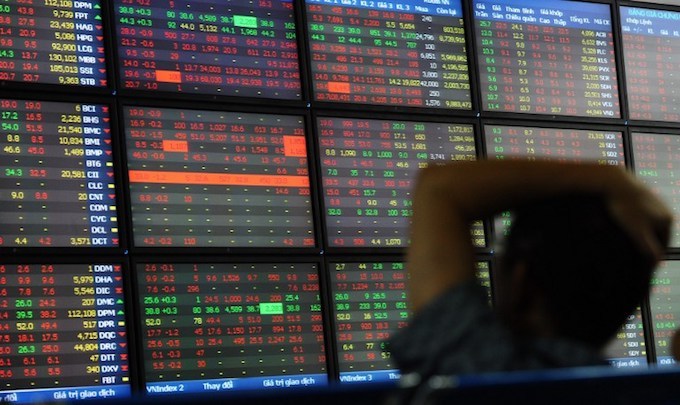
    Vietnamese stocks were on track for a seventh losing session and a fourth straight week of losses, with real estate stocks and industrials being the biggest drags on the benchmark.

    Vinhomes Joint Stock Company fell 3.7 percent and No Va Land Investment Group Corporation lost 3.1 percent.

    Singapore stocks approached their lowest in nearly 22 months, falling 1.7 percent and on track for a fourth week in the red. Financial heavyweights like United Overseas Bank Ltd lost 3.5 percent and DBS Bank’s parent company DBS Group Holdings Ltd lost 2.6 percent.

    Thai shares failed to sustain the previous session’s brief bounce and looked set to post a fourth week of losses. Its energy sector, which drove a turnaround in the index in the previous session, was the biggest drag.

    Oil and gas giant PTT PCL lost 2 percent, while PTT Exploration and Production PCL traded 2.2 percent lower.

    Malaysian stocks edged lower on the back of telecom stocks, with Telekom Malaysia Berhad shedding 1.3 percent and wireless service provider Digi.Com Berhad losing 1.7 percent.

  • Grab: becoming a taxi company a step back from Industry 4.0

    Grab: becoming a taxi company a step back from Industry 4.0

    Ride-hailing firm Grab says giving in to traditional taxi companies’ demands is akin to bowing before “angry workers threatening to smash machinery.” Grab has written to Prime Minister Nguyen Xuan Phuc expressing concern over the latest draft of a decree prepared by the Ministry of Transport under which transport firms offering services with under 9-seater cars should be registered as taxi firms before they can apply ride-hailing technologies.

    This means that Grab and other ride-hailing firms would have to register their services again as taxi businesses and comply with corresponding legal responsibilities regarding their operating licenses, drivers’ profiles and tax duties.

    “The regulation not only goes against the policy and guidelines of the Government on the application of science and technology, and on reform of administrative procedures, but also completely denies the clear benefits achieved by the pilot scheme for ride-hailing services,” the company said.

    It said that the pilot scheme has sped up development of the transportation market, helped state agencies find effective management solutions using technology, and inspired the advance of Industry 4.0 in Vietnam.

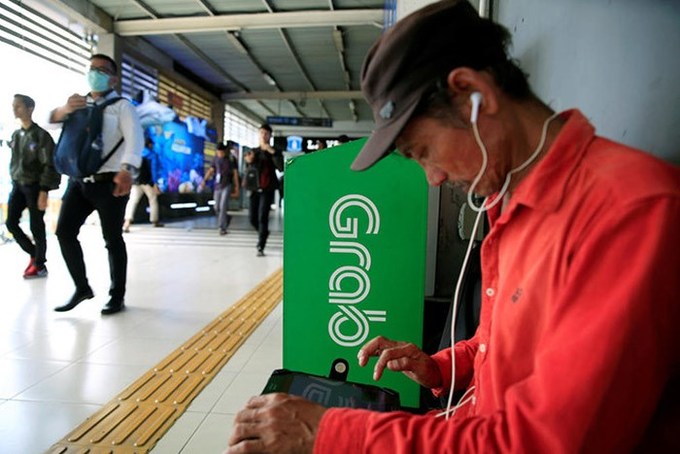
    The company is providing an essential service to 20 percent of Vietnam’s population every day, providing work for 175,000 drivers and has contributed VND270 billion ($11.5 million) to the state exchequer in taxes in the first 9 months of this year.

    It said many taxi companies have “awakened” to the revolution and are currently cooperating very well with it, as well as other ride-haling firms.

    However, there remain “traditional taxi businesses who fear innovation, losing market dominance, and competition,” the company said.

    Bad precedent

    Grab said that this (treating ride-hailing firms as taxi firms) would set a bad precedent for the whole legal system and send discouraging signals to the start-up environment in Vietnam.

    “We have to emphasize that the approval of this draft, to appease the subjective will of some traditional taxi companies, would be to oppose the benefits and advances so important to society and the economy. This will be a step backwards from Industry 4.0, to bow before ‘angry workers threatening to smash machinery,” wrote Lim Yen Hock, CEO of Grab Co. Ltd.

    On Wednesday, a standing working group of the Government announced the results of the review of the draft submitted by the Ministry of Transport, saying that based on road traffic law, transport vehicles using ride-hailing technology like Grab or Uber are in essence taxis.

    These vehicles have to be subject to regulations as taxis, and cannot be classified as ‘electronic contract-based vehicles’ to circumvent the law, evade tax, avoid costs and receive incentives that do not apply to traditional taxis, the working group said.

    The debate over Grab’s status as transportation company is not new in Vietnam.

    Vietnam’s top taxi company Vinasun has sued Grab for $1.84 million in losses, citing “unhealthy competition.”

    The ride-hailing market in Vietnam has seen new entrants after the departure of Uber, which sold its Southeast Asia operations to Grab. The newcomers include Fastgo and GoViet, the last mentioned being an affiliate of Indonesia’s Gojek.

    Current market dominator Grab has expanded its services to include GrabFood, a food delivery service, and GrabCar Business, targeting the corporate sector.

    These moves pose further challenges for long-standing taxi firms like Mai Linh, Taxi Group and Vinasun.


  • Vietnam’s VinFast in deal with PV Oil for electric car charging stations

    Vietnam’s VinFast in deal with PV Oil for electric car charging stations

    VinFast on Thursday signed a memorandum of understanding with PetroVietnam Oil Corp. to build charging stations for its electric cars and scooters.

    The company, a unit of Vietnam’s largest conglomerate Vingroup JSC, is building a $3.5-billion scooter and automobile complex in northern Vietnam, with its first production electric scooters slated to hit the streets late this year.

    Thursday’s agreement will pave the way for VinFast to deploy charging stations at 20,000 of PV Oil’s existing service stations in Vietnam by 2020, VinGroup said in a statement.

    This is part of VinFast’s plan to launch between 30,000 and 50,000 charging stations nationwide by 2020, it said.

    VinFast customers will be able to charge their vehicles or change their batteries at these stations, it added.

    VinFast Chief Executive Officer Jim Deluca said in an interview earlier this month that the firm would produce 250,000 electric scooters a year alongside 250,000 cars, in an ambitious production target that is set to eventually increase to 1 million units each a year.

    The company has started on the development of a battery electric vehicle with Germany’s EDAG Engineering.

    Vingroup, which has a market value of about $13.2 billion, also has businesses in property, hospitality, entertainment, retail, healthcare, education, agriculture and smart phone production.

  • SE Asia Stocks: Most lose ground, Vietnam dives to three-month low

    SE Asia Stocks: Most lose ground, Vietnam dives to three-month low

    Most Southeast Asian stock markets slumped on Thursday, following a tech rout on Wall Street that saw the year’s gains being wiped out. Disappointing forecasts from chipmakers beat down the tech sector, sending investors scurrying to the safety of sovereign bonds, pushing Wall Street to its worst single-day fall since 2011.

    A concoction of other negative factors like Saudi Arabia’s diplomatic tensions, fears of slowing global growth and the Brexit stalemate spooked investors, with MSCI’s broadest index of Asia-Pacific shares outside Japan dropping about 2 percent.

    Vietnamese stocks dived as much as 4 percent to an over three-month low and were on track for a sixth straight day in the red.

    Financial and real-estate stocks bore the brunt of the beating, with lender Joint Stock Commercial Bank for Foreign Trade of Vietnam (Vietcombank) losing 2.7 percent and conglomerate Vingroup JSC shedding 2.3 percent.

    Philippine shares fell 2.3 percent, dragged by banking and industrial stocks, pushing the index’s loss this week to 2.6 percent.

    “About 45 minutes into trading, net foreign selling has already reached over 100 million pesos. After last night’s bloody session on Wall Street, as expected foreigners are stepping up selling of Philippine shares, while local investors are staying on the sidelines,” said Fio Dejesus, a research analyst at RCBC Securities.

    Banking giant BDO Unibank Inc shed 3.6 percent and industrial conglomerate SM Investments Corp fell 2.7 percent.

    “It’s a flight to safety, they’re entering into lower risk assets like govt treasuries because the risk-off sentiment has hit emerging markets really hard,” he added.

    Singapore stocks saw the same dismal sentiment, giving up the previous day’s short-lived gains to take weekly losses to over 2 percent.

    Casino and gaming operator Genting Singapore Ltd fell 3.3 percent and investor Yangzijiang Shipbuilding (Holdings) Ltd lost 1.7 percent.

    Malaysian shares followed the same trajectory, shedding 0.8 percent, on track to post their sixth straight session of losses.

    Plantation and industrial heavyweight Sime Darby Berhad lost 5.9 percent and oil and gas services provider Dialog Group Berhad fell 3.9 percent.

    After the previous session’s sharp losses on energy stocks, the Thai index extended losses and were poised for a six-day run of losses.

    All sectors traded in the red, with oil and gas refiner PTT PCL losing 1 percent and lender Siam Commercial Bank PCL lost 2.2 percent.

    Indonesian shares appeared to escape the worst, trading slightly higher as gains in financial stocks offset losses in other sectors.

    Lender PT Bank Central Asia Tbk gained 0.8 percent while sector heavyweight and auto truck manufacturer PT Astra International Tbk lost 0.3 percent.

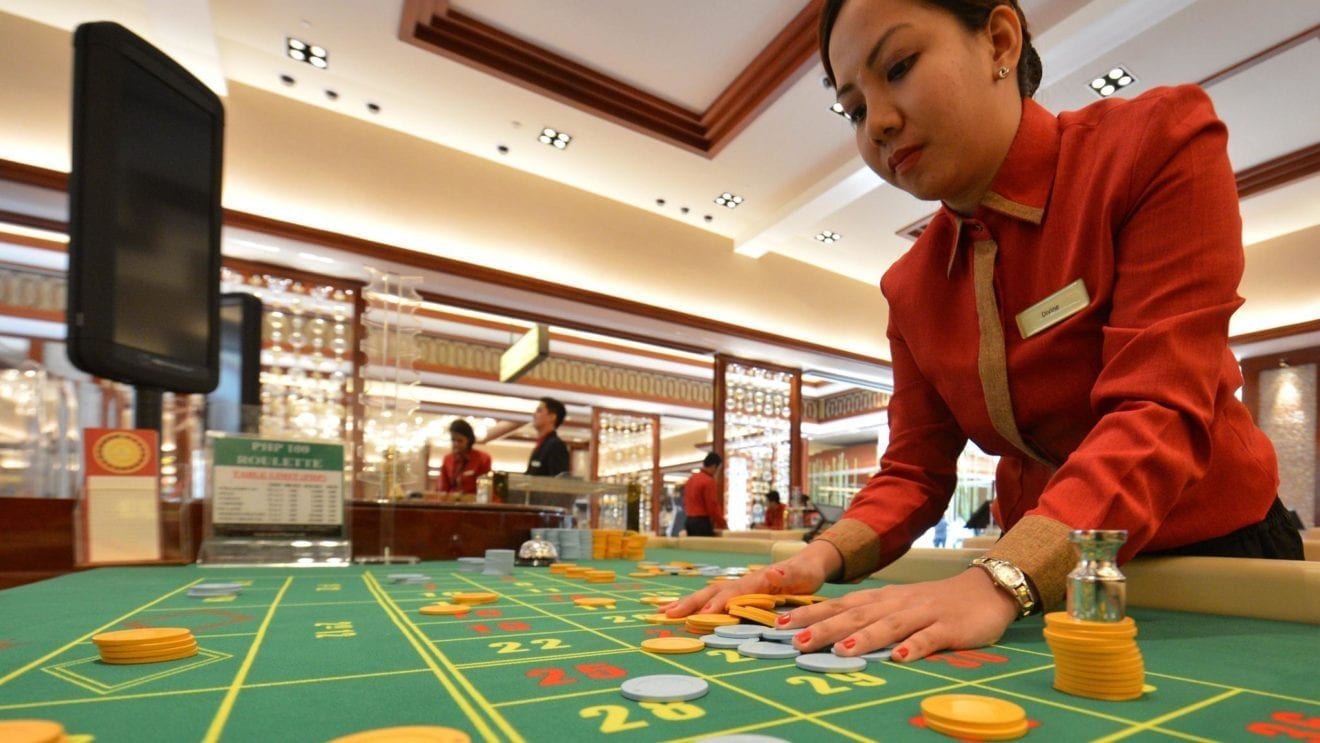
  • Vietnam’s Ha Long casino continues to lose staff on poor business performance

    Vietnam’s Ha Long casino continues to lose staff on poor business performance

    Ha Long’s only casino continues to lose employees due to a number of reasons, including its persistent losses. Hoang Gia Joint Stock Corporation (RIC) in Ha Long, Vietnam’s resort city, which runs the Casino Gaming Club, said the number of employees has fallen by 275 now compared to the beginning of the year.

    It has less than 1,200 employees remaining. Last year 514 had quit.

    The main reasons, the company admitted, are the casino’s poor business and competitors’ talent attraction policies.

    Revenues increased by 23 percent in the first nine months of this year to VND187 billion ($8 million), but it lost VND14 billion ($597,555).

    Another problem for the casino is the sluggish progress of transport infrastructure works in the region, such as Van Don airport and the Ha Noi – Ha Long Highway, which prevents more foreign tourists, mainly from China, Japan and South Korea, from coming here.

    The company targets revenue and profit after tax this year of $15.9 million and $1.5 million. Casino operations are expected to account for around 63 percent of the revenue with the rest generated by hotels and villas the company owns.

    The owner of the company is Khai Tiep International Investment Limited, registered in the Cayman Islands.