Tag: Vietnam

  • Steel prices drop 8th time in a rowd

    Steel prices drop 8th time in a rowd

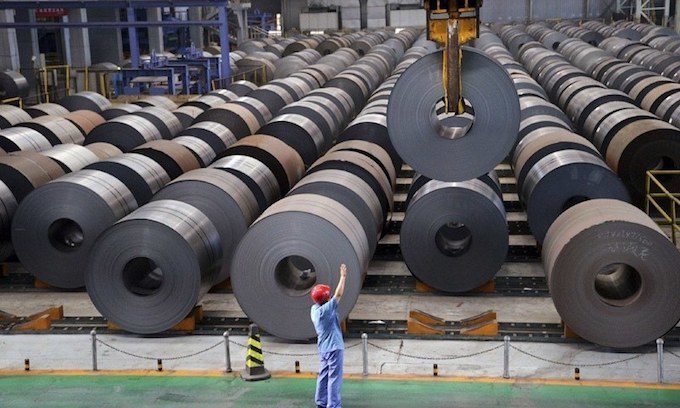
    Steel prices have dropped for the eighth time in a row since mid-May with a total decline of nearly 13 percent.

    Biggest steelmaker Hoa Phat Group brought its prices of rolled steel and rebar steel down for the eighth time last weekend, bring prices down by VND2.4 million ($102.61) since mid-May.

    Other steelmakers like Viet Nhat, Viet Y, Kyoei and Pomina have also brought down prices in the last two months.

    VND million per tonne (VND1 million = $42.75)Hoa Phat steel pricesCB240 steelD10 CB300 steelMay 1May 17May 27Jun 1JunJun 19Jun 27Jul 81617181920May 27● CB240 steel: 17.64

    The decline of steel prices came amid weaker demand and falling input prices.

    Domestic steel demand in the first five months dropped by 6 percent year-on-year, according to stock brokerage SSI Research.

    Steel production in April and May fell by 32 percent year-on-year, it added.

    SSI Research said the rising prices of construction materials have delayed infrastructure projects, which could be part of the reason why steel prices have dropped.

    Tightened policy on property development has also affected steel prices, it added.

    Hot-rolled coil prices have dropped by 15-20 percent in China and the U.S. in the last three months due to declining construction and manufacturing activities.

    Prices of coke, one of the input materials for steel, have dropped by 36 percent from its peak in March, while prices of iron ore have fallen 13 percent in the last three months, SSI Research said.

    Another brokerage, VNDirect, expects steel consumption to recover next year thanks to public investment and recovery of the residential property market.

  • Fertilizer imports from Russia rise by 60 percent

    Fertilizer imports from Russia rise by 60 percent

    Vietnam imported US$86.8 million worth of fertilizer from Russia in the first five months, up 60 percent year-on-year.

    Russia accounted for nearly a 10th of Vietnam’s total fertilizer imports at 180,000 tons, second only to China, which accounted for nearly 40 percent, according to data from the Ministry of Agriculture and Rural Development.

    Bui Minh Truong, chairman of Swissfertz Vietnam, a leading NPK fertilizer importer from Russia, said Vietnam could import 300,000-400,000 tons a year from the European country if transportation becomes easier.

    Then, fertilizer prices would drop in Vietnam, reducing the burden on farmers and consumers, he added.

    The Russian consul general in HCMC, Timur Sadykov, said trade between the two countries, which grew by 26 percent in the first half of this year, would have more favorable terms in the second.

    “Russia and Vietnam have just launched a maritime trade route between Vladivostok and Hai Phong, and the two are negotiating a railway route via China.”

    Fertilizer prices have fallen in Vietnam recently due to lower global prices and demand since it is the harvest season.

    There is a high chance prices would go back up when the cropping season begins, besides which the prices of coal and gas, the two main materials for fertilizer production, have shown signs of rising.

  • Vietnam tops region in online cross-border purchase volume

    Vietnam tops region in online cross-border purchase volume

    Vietnam has the highest average volume of cross-border online purchases of up to 104 orders per year in Southeast Asia, higher than the Southeast Asian average of 66.

    Thailand came in second with 75 purchases per year on average, followed by Singapore and the Philippines with 58 each, according to a study on cross-border e-commerce recently released by Singaporean logistics provider Ninja Van Group and its parent company, DPDgroup.

    The market study covered 9,000 participants from six Southeast Asian countries: Vietnam, Singapore, Malaysia, Indonesia, Thailand and the Philippines.

    A large proportion of Vietnamese orders were fast-moving consumer goods (FMCG) products, mainly clothing and footwear.

    Fifty-nine percent of Vietnamese respondents said they had shopped and placed orders many times on international e-commerce websites. This was the second highest rate in the region, after Singapore with 60 percent.

    According to the report, Vietnam accounts for 15 percent of the total online shopping market in Southeast Asia, on par with the Philippines. Thailand tops this list with 16 percent.

    Vietnam is one of the countries with high e-commerce potential “thanks to its sustainable and clear growth in recent years,” said Phan Xuan Dung, sales director of Ninja Van Vietnam.

    The report found 76 percent of Vietnamese respondents saying the main reason for shopping online was saving money.

    Several other forecasts on the development of online business in Vietnam have also painted a positive outlook for the industry.

    According to German data portal Statista, Vietnam is expected to become the second largest e-commerce market in Southeast Asia after Indonesia, before 2025.

    Vietnam currently has an average purchase level (ABS) of $26, which is higher than Thailand ($25) and Indonesia ($18).

    According to British marketing and advertising agency We Are Social, the number of Vietnamese people making online purchases will cross 51 million this year, up 13.5 percent over the previous year.

    The total expected spending on online shopping this year is $12.42 billion.

    The e-Conomy Southeast Asia 2021 report by Google, Temasek and Bain & Co. predicted that Vietnam would surpass Thailand by 2025 to become the second biggest internet economy in Southeast Asia at $57 billion, behind Indonesia at $146 billion.

    The development of the e-commerce market has become a fertile ground for logistics businesses to expand their operations. According to an assessment by delivery service provider J&T Express, the online shopping habits of Vietnamese people developed strongly during the pandemic period and these have been sustained since.

    The demand for goods on e-commerce platforms is high not only in big cities but also in rural areas, it found.

  • Toyota stops selling Hilux truck in Vietnam over fuel quality

    Toyota stops selling Hilux truck in Vietnam over fuel quality

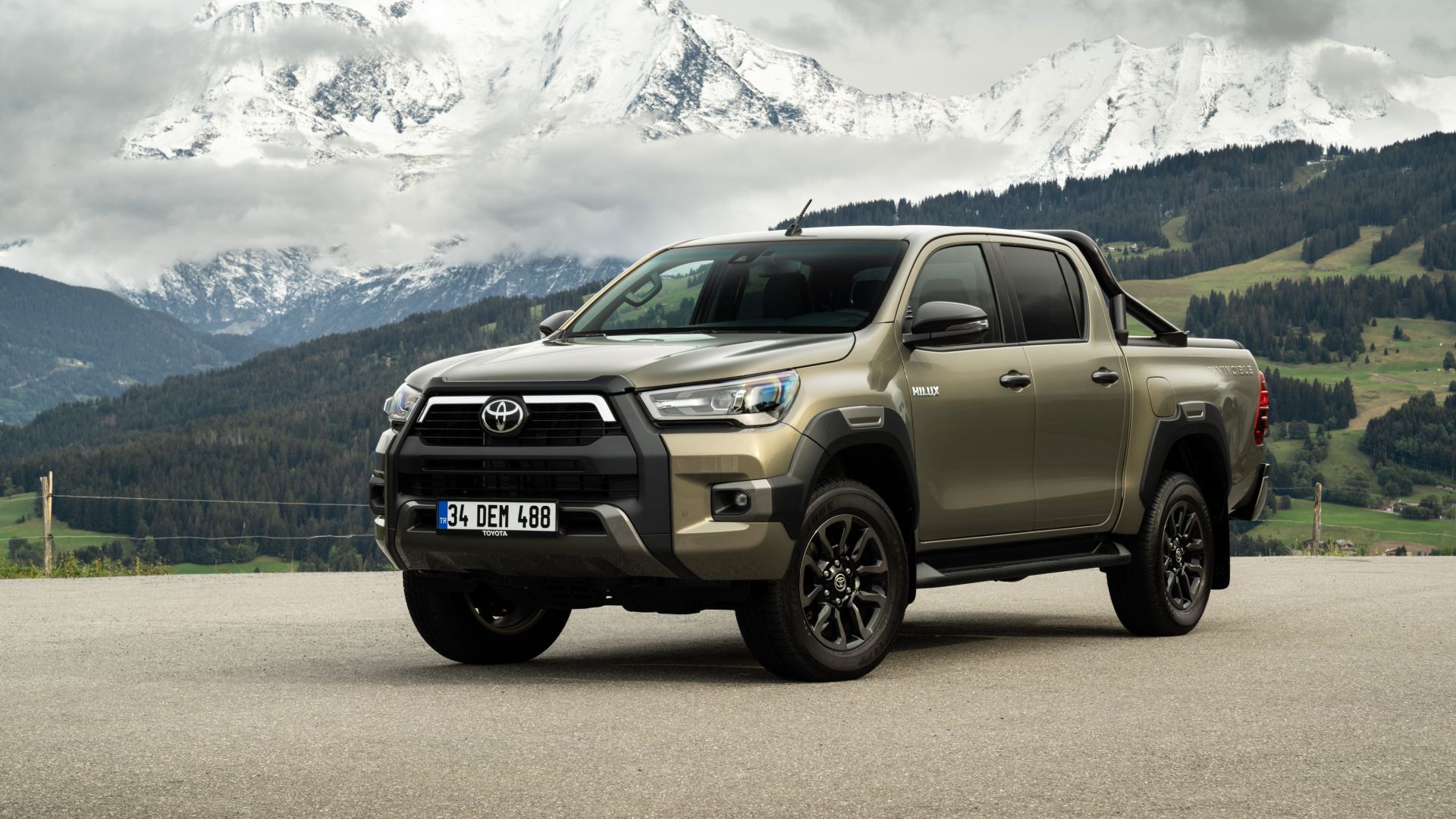
    Toyota has called a halt to the import of its 2022 Hilux pickup into Vietnam over a lack of diesel supply meeting Euro 5 standards.

    Using low-quality diesel could damage the Hilux’s engine, and supply of Euro 5 diesel (DO-V) outside Ho Chi Minh City and Hanoi is limited, a spokesperson for the Japanese automaker said.

    It is unclear when Toyota plans to sell the vehicle again.

    Many dealers have stopped accepting deposits for the truck, while some have scheduled delivery for the beginning of 2023.

    In the first five months only 10 units were sold, all 2021 models with engines that only meet Euro 4 standards.

    The Hilux is imported from Thailand.

    There are around 1,100 gas stations, or only 6.5 percent of the total number, that supply DO-V in Vietnam, according to the Vietnam Petroleum Association.

    In 2011 the government had instructed that by 2022 all vehicles assembled in and imported into Vietnam must meet the Level 5 emission standards (equivalent to the Euro 5 standards).

  • Fuel prices fall to 2-month low

    Fuel prices fall to 2-month low

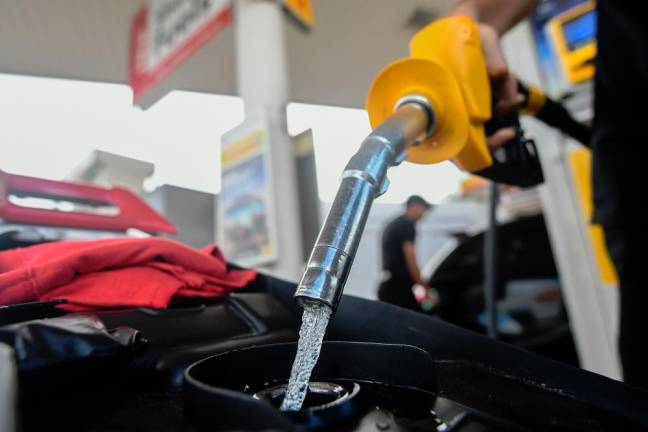
    Gasoline prices fell by 10 percent Monday to their lowest levels in two months after an environment tax cut. The price of the popular RON 95 gasoline was reduced by VND3,090 to VND29,670 a liter, and that of biofuel E5 RON 92 by VND3,110 to VND27,780 (US$1 = VND23,350).

    The prices of other fuels like kerosene and diesel also fell by 4.2-11.4 percent.

    The biggest drop in prices this year pushed them to their lowest levels since May 11.

    Normally, authorities make gasoline price adjustments in the afternoon of the 1st, 11th and 21st of a month, but this time it was adjusted at midnight Sunday following a cut in the environment tax.

    The tax, originally VND4,000 per liter and cut to VND2,000 in April, was brought down to VND1,000 by the Standing Committee of the National Assembly.

    The Ministry of Finance has also proposed cuts to excise and value-added tax on gasoline to bring prices down further. They are expected to be approved in the next session of the National Assembly in October.

    But industry insiders have called for the cuts to be made sooner, saying rising fuel costs have been one of the biggest stumbling blocks to their recovery after Covid-19.

  • Fishermen stranded ashore as fuel costs surge

    Fishermen stranded ashore as fuel costs surge

    Vo Quang Phuc of Quang Nam Province has left his vessels ashore for the last two weeks even though it is the main fishing season now.

    His two vessels typically make 16 trips a year, but this year they have only done four, and all of them resulted in losses, with diesel prices double that of last year.

    The 43-year-old man works as a porter for VND300,000 ($12.84) a day, but he does not get called very often and still has a VND1.7 billion debt on one of his boats.

    He has not received any government support to cope with rising fuel costs, and in his village, only the elders work as fishermen. Most of the younger generation have dumped the vocation for other jobs with more stable income.

    “We fishermen are facing great difficulties.”

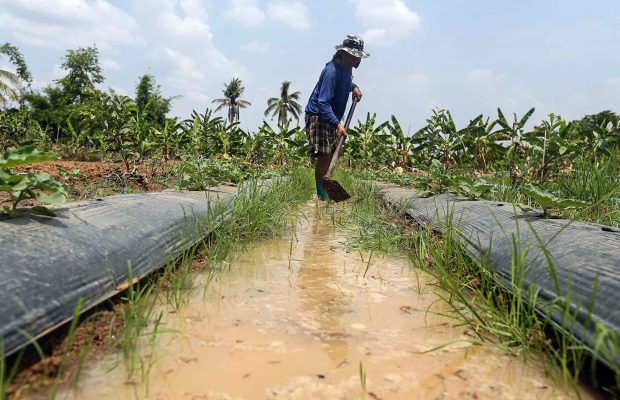
    Phuc’s vessels are among 45,800 nationwide, roughly half the country’s fishing fleet, that have stopped operating this year over high fuel costs.

    Diesel costs have nearly doubled year-on-year to around VND30,000 per liter. With fishing vessels consuming about 330 million liters per month, fisherfolk’s incomes have been severely impacted, the Ministry of Labor, Invalids and Social Affairs said in a recent report.

    Hoang Van Minh from the central province of Quang Binh is one of them, docking his fishing vessel for two months now.

    Minh has seen an increase of 30 percent in fuel costs, while the catch is less than previous years, which means he loses money on all of his fishing trips.

    Half of the vessels in his village have stopped operating, and only one in 10 report some profit, he added.

    Minh works as a wood worker for VND300,000 a day.

    His son needs VND1.5 million soon to pay for his tuition and Minh does not know how he can afford that.

    Quang Binh has 1,200 offshore fishing vessels, of which 350 of not being used.

    The number of unused vessels will rise further as fuel costs rise faster than catch prices, said Le Ngoc Linh, head of the province’s seafood department.

    Some fishermen are even selling their vessels to make ends meet.

    Pham Van Suc in Quang Nam sold his offshore vessel recently and bought a smaller boat to transport people in Da Nang City.

    “Many of my customers are fishermen who are now going into the city every day to work as gardeners. They only return to their ships at night to protect them.”

  • Loans to small businesses a booming business

    Loans to small businesses a booming business

    The business of providing loans to small and medium firms is booming in Vietnam with the rise of several platforms offering more accessible credit than traditional banks.

    Bonbon shop, a platform that helps 35,000 grocery stores connect with over 24 major manufacturers, recently launched a credit option of up to VND200 million ($8,563) for stores to buy supplies.

    The operator of the platform, DMSpro, has partnered with e-wallet SmartPay and lender VPBank to make the loans accessible.

    EVNFinance, a credit provider unit of the national utility Vietnam Electricity, recently launched loan packages of up to VND500 million for 36 months.

    It said borrowers could receive the money within eight hours of making their requests.

    Several foreign credit platforms have been making their way into Vietnam since earlier this year.

    Singapore-based fintech firm Validus entered Vietnam in January and appointed Dinh Van Binh, former vice chairman of Sacombank Investment, as its CEO.

    Vishal Shah, chairman of Validus’ emerging markets, said Vietnam was one of its main markets and the company will continue to invest to expand its presence.

    Also in January, Funding Societies, which claims to be the largest digital financing platform for small and medium companies (SMEs) in Southeast Asia, said that it had disbursed $20 million in loans in Vietnam and targets to increase this to $90 million this year and $1.3 billion in 2025.

    The company estimates that Vietnam has a credit “gap” of around $58 billion in funding SMEs, referring to the amount of money that small and medium businesses have not been able to borrow because of administrative and other blocks.

    Nearly 46.8 percent of companies in Vietnam reported difficulties in accessing traditional bank loans last year, compared to 40.7 in 2020, according to a report by the Vietnam Chamber of Commerce and Industry (VCCI).

    Small companies often have to borrow money from friends or family or even assets to submit as collateral to raise capital, it added.

    Because of these challenges, the SMEs credit market is set to be the next race of many finance organizations, said Hoang The Hung, deputy director of EVNFinance.

    VPBank leaders said they have seen its funding for SMEs rising in the last six months as businesses restarted their operations and needed funds. They expect even stronger growth in the near future.

  • Coffee chains brace for impact as inflation creeps in

    Coffee chains brace for impact as inflation creeps in

    Highlands Coffee, one of the largest coffee chains in Vietnam, earlier this month hiked its prices by 10-15 percent. It said that the increase served to maintain product quality amid market fluctuations.

    Hoang Viet, CEO of Laha Cafe, said that coffee chains are seeing costs of coffee surging by 25 percent and rents by 10-20 percent.

    “Some ingredients are seeing costs rising 20-30 percent. Without a price increase, coffee shops cannot survive.”

    Beverage chains are starting to feel the burden of inflation on their business as surging commodity prices eat into their profit and threaten to bring losses.

    Gasoline prices in Vietnam rose by nearly 52 percent between the first half of this and last year.

    The Young Cafe has recorded an input increase of between 10-30 percent, mostly because of rising transportation costs.

    “Coffee chains often maintain their prices for one or two months before hiking them up,” said founder Nguyen Vo Trung Quan.

    But major chains like Starbucks, Phuc Long, The Coffee House and Chuk Coffee & Tea have not announced plans to raise prices, with the latter even affirming that there will not be a price hike in at least the next several months.

    Vietnam’s food, beverage and accommodation industry is just now recovering from Covid-19 impacts.

    It recorded the first growth in the second quarter this year (25.92 percent) after three consecutive quarters of decline.

    The rising demand for beverages amid high heat could be partly responsible for the growth.

    Delivery app GoFood saw orders in the second quarter surging 42 percent year-on-year, while ShopeeFood said it had received a rise in orders in May and June but did not reveal specific figures.

    This surge in demand makes F&B companies reluctant in hiking up prices as this could hamper growth.

    A media representative of The Coffee House said that it has recently launched new products that broke pre-pandemic revenue records.

    “Our number of outlets have returned to the pre-pandemic level of 154 and it is set to grow fast.”

    Some other chains, like The Running Bean, have removed some items from their menu as prices of ingredients have surged.

    But eventually, a price hike is unavoidable in the industry.

    Viet said that Laha Cafe is working on new products with higher profit margins and is looking for new locations further away from central business districts to reduce costs.

    “But we are also considering raising prices of some products, otherwise we cannot keep the business running.”

    Quan has moved a location of The Young Cafe from the central District 1 to District 10 to cut costs, and if input costs rise by 50 percent, he will hike menu prices.

    “If inflation persists, sooner or later all shops will hike prices.”

    Lender HSBC forecasts that Vietnam’s inflation could hit 3.5 percent this year, but in the last quarter alone it could be 5.6 percent.

  • VN-Index bounces back after tumble

    VN-Index bounces back after tumble

    Vietnam’s benchmark VN-Index rose 1.47 percent to 1,166.48 points Thursday but with plunging trade.

    The index closed nearly 17 points higher after losing almost 32 points on Wednesday.

    Trading on the Ho Chi Minh Stock Exchange (HoSE) fell by 27.9 percent to VND9.06 trillion ($388 million).

    The VN-30 basket, comprising the 30 largest capped stocks, saw 24 tickers gain.

    BVH of insurance company Bao Viet Holdings and VRE of retail real estate arm Vincom Retail led with a 3.8 percent gain.

    VCB of state-owned lender Vietcombank rose 3.7 percent.

    Other gainers included PNJ of Phu Nhuan Jewelry and VIC of biggest private conglomerate Vingroup, up 3.6 percent and 3.4 percent respectively.

    Four blue chips fell, with GAS of state-owned Petrovietnam Gas losing 1.8 percent, and FPT of IT giant FPT Corporation falling 0.5 percent. Foreign investors were net buyers to the tune of VND487.46 billion ($20.86 million).

    The HNX-Index at the Hanoi Stock Exchange, where mid and small caps list, was down 0.02 percent while the UPCoM-Index at the Unlisted Public Companies Market was up by 0.19 percent.

  • Vietnam approves 2nd environmental tax cut on fuel

    Vietnam approves 2nd environmental tax cut on fuel

    Vietnamese lawmakers have approved the second environmental tax cut on gasoline starting next week to contain surging fuel prices, two months after the first reduction came into effect.

    In an extraordinary meeting Wednesday morning, the Standing Committee of the National Assembly greenlighted an additional 25 percent cut on environmental tax to bring it down to VND1,000 ($0.04) per liter from July 11 until the end of the year.

    The tax was originally VND4,000 per liter and was cut to VND2,000 in April this year.

    Starting next week the environmental tax on diesel will also be cut from VND1,000 per liter to VND500.

    The government initially proposed lawmakers to approve the cut starting Aug. 1, but Vuong Dinh Hue, chairman of the National Assembly, said Wednesday it should come into effect starting next week.

    He added that the government should consider bringing down value-added tax and special consumption tax on fuel to reduce the impact of rising fuel prices on inflation.

    The government estimates that the latest environmental tax break would bring the consumer price index this year down by around 0.15 percentage points.

    RON95 gasoline price has risen 41 percent to VND32,760 this year.

  • Grab adds heatwave surcharge on motorbike services

    Grab adds heatwave surcharge on motorbike services

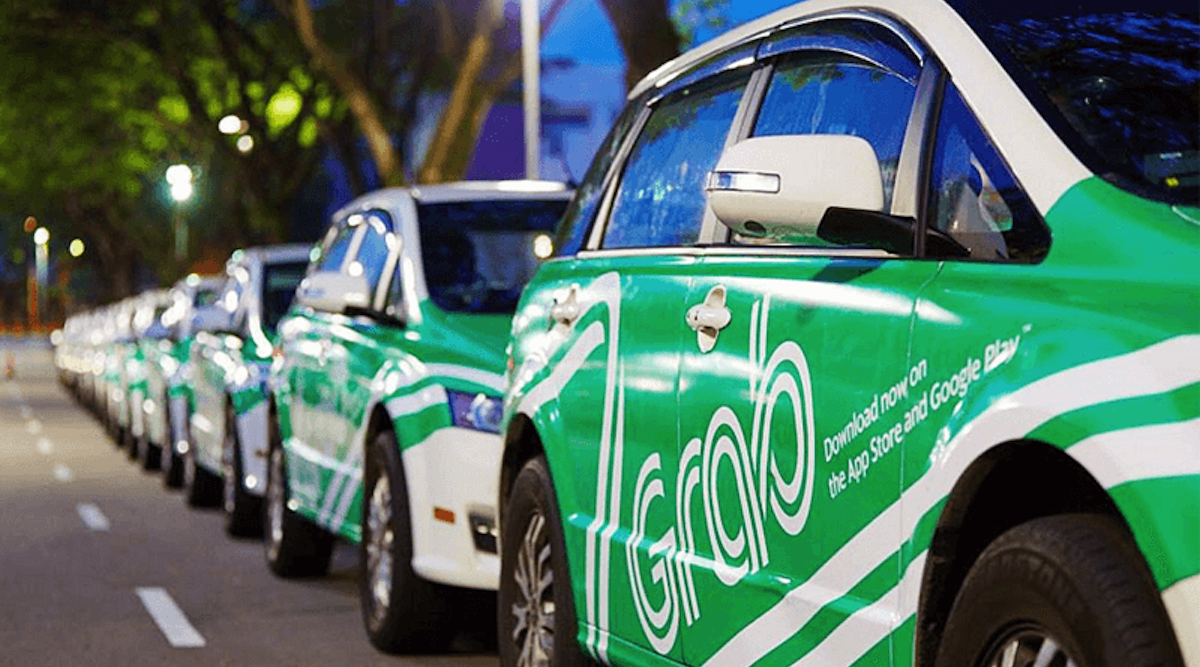
    Grab has become the first ride-hailing firm in Vietnam to announce a new surcharge on its motorbike services starting Thursday.

    The surcharges are VND5,000 (20 U.S. cents) for each GrabBike trip and GrabFood order in some localities including HCMC, Hanoi, Hai Phong, Da Nang and Can Tho.

    GrabExpress services in HCMC and Hanoi will attract a surcharge of VND3,000 for each delivery.

    The surcharge will be applied “during extremely hot weather”, Grab said on its website without disclosing further details.

    The Singapore-based ride hailing firm is the first to roll out surcharges for hot weather conditions. Earlier, a surcharge of VND10,000-15,000 has been applied for late nights and the Lunar New Year holiday.

    In early March this year, Grab had raised all fares by VND500-2,500 to aid drivers coping with surging gasoline prices.

  • Dragon Capital buys 2.1 million shares of Sacombank

    Dragon Capital buys 2.1 million shares of Sacombank

    Asset management company Dragon Capital has bought 2.1 million shares of HCMC-based Sacombank, increasing its stake in the bank to 6.09 percent.

    On June 29, two affiliated funds, CTBC Vietnam Equity Fund and Norges Bank, bought 2.3 million shares of the lender while a third, Samsung Vietnam Securities Master Investment Trust, sold 200,000 shares.

    The value of the deal is estimated at VND47.5 billion (US$2.03 million) based on the share’s closing price last Wednesday.

    Funds under Dragon Capital own 114.8 million shares or a 6.09 percent stake in the bank.

    In March, Dragon Capital had raised its stake from 4.98 percent to 5.05 percent, after its largest fund, Vietnam Enterprise Investment Limited, bought 1.25 million shares.

  • 2 new casinos proposed for foreigners

    2 new casinos proposed for foreigners

    The Ministry of Finance is backing proposals by Da Nang City and Khanh Hoa Province to license two new casinos meant exclusively for foreigners.

    The casinos would be built at entertainment and resort complex Sun World Ba Na Hills in Da Nang City and Hon Tre Island in Khanh Hoa Province, it said in the proposals it has forwarded to the government.

    The two locations have large tourism potential and are especially attractive to foreign visitors, it added.

    Da Nang has no major casino yet, while Khanh Hoa has received approval to build a casino and resort complex in KN Paradise in Cam Ranh, and construction is ongoing.

    But the ministry refused to back a proposal to build a casino by the central province of Binh Thuan, deeming its tourism potential low and pointing to its lack of port or airport.

    The ministry also recommended the extension of a trial program allowing Vietnamese to gamble at the Phu Quoc Casino until 2024.

    With gambling considered a “social evil” in Vietnam, locals have only been allowed to enter the casino since the end of 2018 in a trial program originally meant to last three years.

    But the finance ministry is now seeking to extend it since casinos were hit hard by the Covid-19 pandemic in the last two years.

    The Phu Quoc Casino saw revenue grow by 9.5 percent in 2019 and 2020 before falling by 10 percent in 2021.

    Vietnam has nine casinos, including three major ones on Phu Quoc Island in Kien Giang Province, Quang Nam Province and Ba Ria – Vung Tau Province.

    All nine lost money last year.

  • Vietnamese currency hits 2-year low against dollar

    Vietnamese currency hits 2-year low against dollar

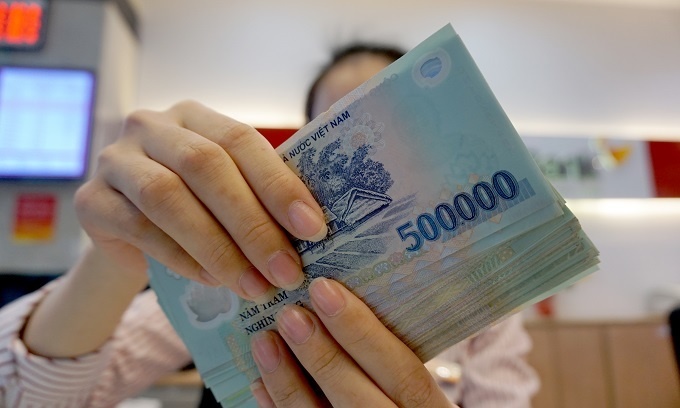
    Vietnamese banks on Monday traded the dong against the U.S. dollar at the lowest rate in two years as the greenback strengthens globally amid economic uncertainty. The Vietnamese dong declined by 0.3 percent from last weekend to VND23,510 per U.S. dollar at state-owned Vietcombank.

    It fell by 0.34 percent at BIDV and 0.26 percent at Vietinbank, also state-owned lenders. Among private lenders, the currency is 0.21 percent weaker at Sacombank, and 0.17 percent weaker at Eximbank. The changes came after the State Bank of Vietnam on Monday let the Vietnamese dong slide by 0.04 percent against the greenback to VND23,121, the lowest this year.

    It has been pumping more U.S. dollar into the market to reduce pressure on the exchange rate.

    RongViet Securities estimates that the central bank has sold over $10 billion to the market this year, or around 10 percent of Vietnam’s foreign exchange reserves, to stabilize the market.

    The U.S. Dollar Index has been hovering around a 20-year high mark since last month amid global economic uncertainty caused by the Russia-Ukraine crisis and supply chain disruptions due to China’s “zero-Covid” policy.

    Concerns of global inflation has urged investors to buy more U.S. dollars as a safe-haven currency.

  • Bamboo Airways to triple fleet size in 6 years

    Bamboo Airways to triple fleet size in 6 years

    Bamboo Airways plans to triple its fleet size to 100 by 2028, with new aircraft being delivered this quarter, despite major changes in its leadership.

    The airline is set to receive its 22nd narrowbody Airbus A321 jet and fourth widebody Boeing B7s87 this quarter, CEO and chairman Dang Tat Thang told shareholders at the recent extraordinary shareholders’ meeting of its parent company FLC.

    The airline currently has 29 jets, comprising 21 narrowbody aircraft, three Boeing B787s and five Embraer 190 regional aircraft, according to aviation data website Planespotters.

    Its competitors Vietnam Airlines operates 99 aircraft, and Vietjet 77. Thang became the new chairman of Bamboo Airways and FLC in March to replace Trinh Van Quyet who was arrested for alleged stock manipulation.

    The airline saw revenues rising 150 percent between the first and second quarter this year as travel resumed, Thang said. Bamboo Airways now operates nearly 200 flights a day on 60 domestic routes and 12 international routes, he added.

    It has recently increased pilot wages by 20 percent, he said.

    While FLC is set to experience a complete restructure this year, it will continue to expand Bamboo Airways’ operation both domestically and internationally, with the aim of making it a five-star airline of global standard, Thang said.

    “To achieve this goal, Bamboo Airways needs many new investors to increase its capital.”