Tag: Vietnam

  • Rice firms to see profits fall as input costs grow

    Rice firms to see profits fall as input costs grow

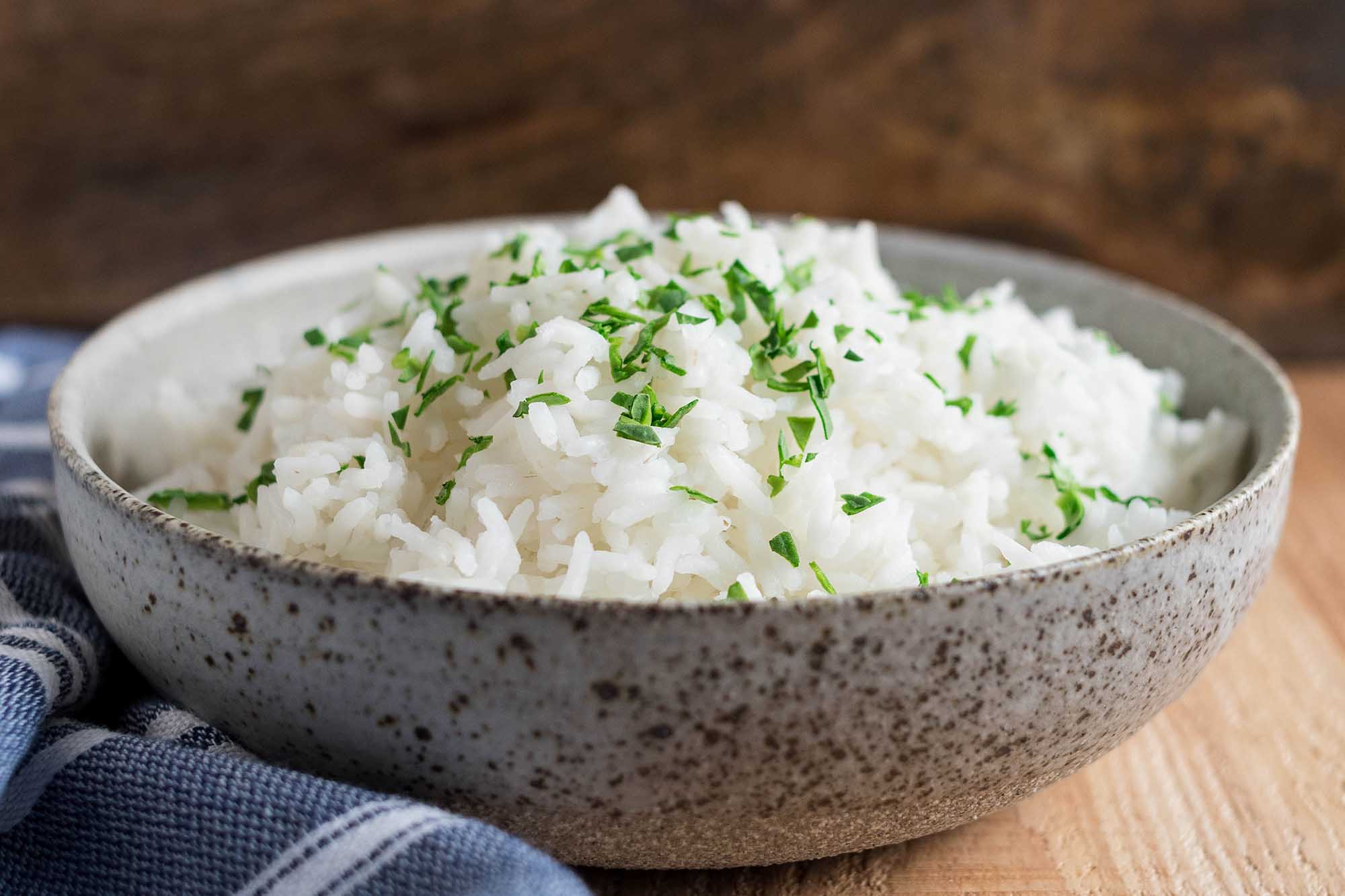
    Vietnam’s rice firms are having to lower their profit plans and targets this year as input costs rice and demand falls.

    Prior to the annual meeting of its shareholders, the Trung An Hi-tech Farming JSC adjusted profits down to VND100 billion ($4.3 million), six times lower than its earlier plan.

    An Giang Import Export Company expects pre-tax profit to fall to VND25 billion, or less than half of last year’s VND57.6 billion, and revenues halved to around VND2 trillion.

    The Loc Troi Group has lowered its profit estimates by 4 percent to VND400 billion for this year and the next.

    The fall in profit is happening because fertilizers, which accounts for over 50 percent of agricultural inputs, have seen prices increase by double-digit or even triple digits over last year.

    Fertilizer and animal feed price hikes are placing huge financial burdens on farmers and firms, the Ministry of Agriculture and Rural Development has acknowledged.

    Vietnam National Seed Group said adverse weather would be another concern this year, with earlier monsoon in the Mekong Delta and heavy flooding in the central provinces.

    Restructuring of land use and shortage of human resources due to urbanization and industrialization further inhibit cultivation and other post-harvest processing, it said.

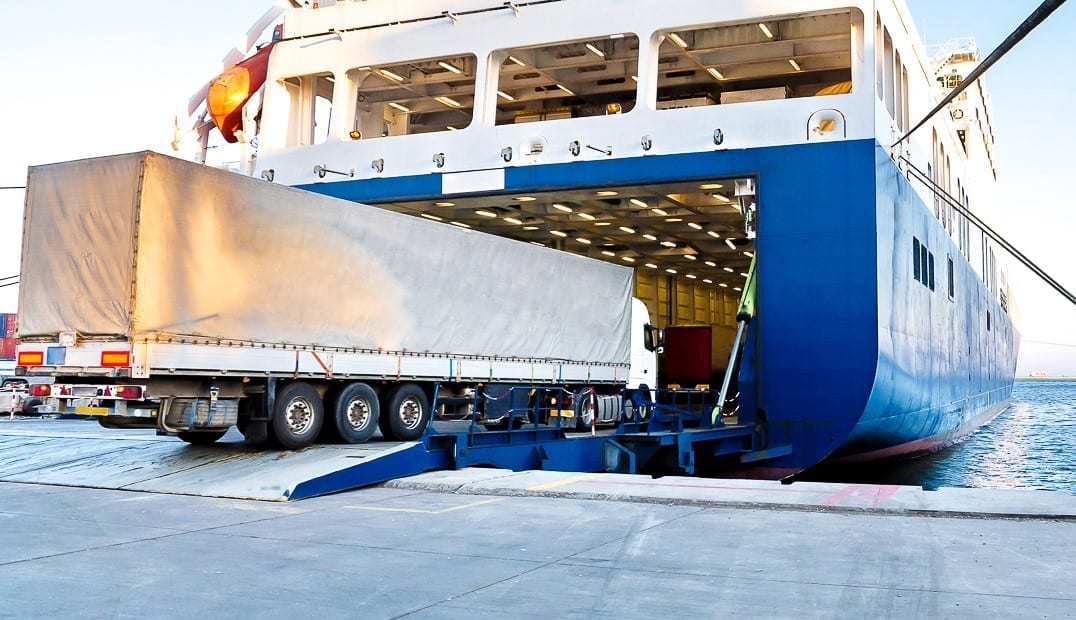
    Rice firms also expect transportation costs to eat into their profit. Trung An said transport fees to Asian locations have doubled, and to Europe have tripled from last year.

    Local demand has fallen by 15-20 percent year on year as consumers stop stockpiling commodities in the aftermath of the Covid-19 pandemic peak, Du Phuc Thinh, modern trade sales manager of Lotus Rice Company said.

    “Gasoline, transport and input costs have all surged to unprecedented levels and showed no signs of decrease […] which have forced firms to raise prices, while demand has been low,” Thinh said.

    But demand may start to recover in the second half of this year as the year-end shopping spree gets underway, he added.

    In the first five months of this year, Vietnam exported 2.86 million tons of rice, fetching $1.39 billion, according to preliminary data from the Ministry of Industry and Trade.

    Vietnam will export 6-6.2 million tons of rice this year, the Vietnam Food Association has estimated.
  • Fuel price hikes a great burden on transport businesses

    Fuel price hikes a great burden on transport businesses

    It is among many businesses that are suffering due to the surge in fuel prices, which threatens to cause inflation and eventually slow down the recovery of the economy hit by two years of Covid-19.

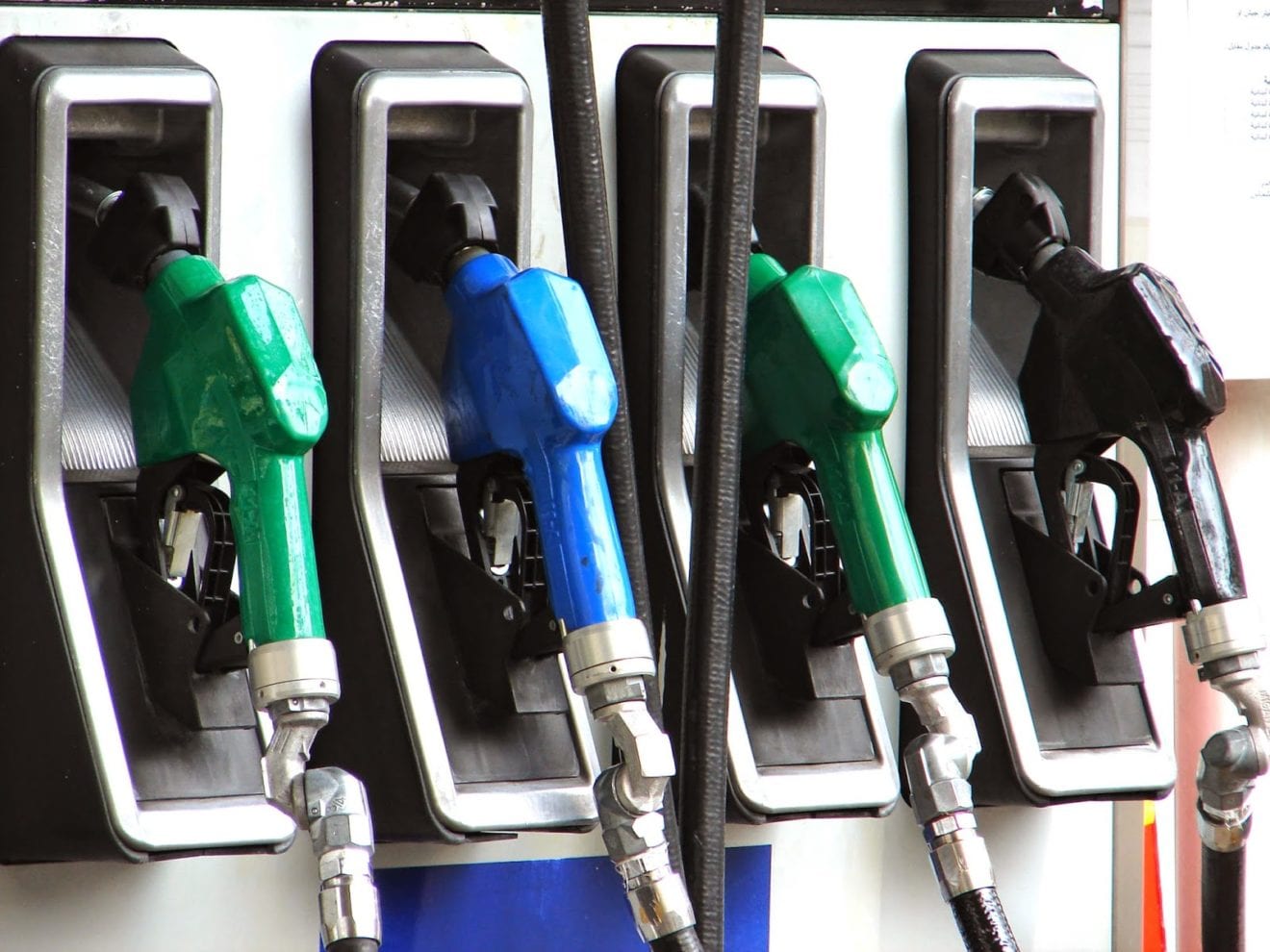
    RON95 gasoline saw its price increased by another 2.5 percent to a new peak of VND32,370 ($1.39) on June 13.

    This means it has risen by nearly 39 percent since the beginning of this year. For Tuan Duyen bus company, which operates on the Hanoi-Ho Chi Minh City route, this means diesel costs have doubled since before the pandemic to VND30 million for a round trip.

    But the number of passengers has fallen by 40 percent in the two years, Dao Ngoc Tuan, the owner of the company, said.

    He said he is considering selling the buses but it is difficult to get reasonable prices as there are few buyers amid the rising gasoline prices.

    Raising prices is an option, but business owners are concerned about its effect on sales.

    Some companies have however decided they cannot sustain losses any more.

    Viet Tan Phat bus company this week raised fares on routes between HCMC and Central Highlands provinces by 29 percent to VND400,000.

    Another transport company, Vintrans, sold some of its buses that require a lot of fuel and bought 20 new fuel-efficient ones.

    The company is also increasing the number of deliveries per trip to lower costs though this means speed is reduced.

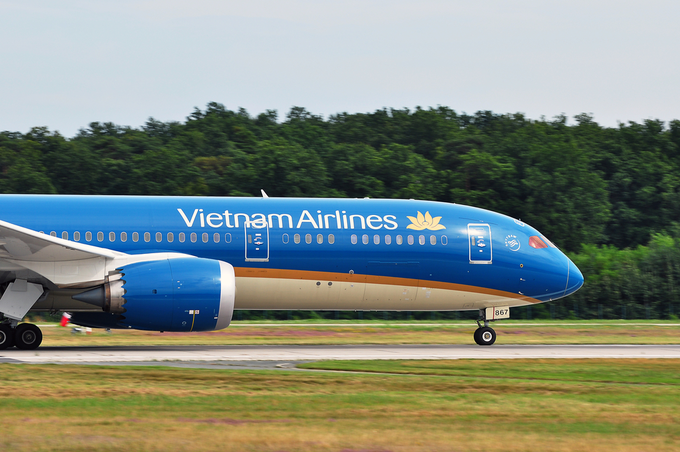
    Airlines are set to face continued difficulties with rising fuel prices.

    Dang Anh Tuan, Vietnam Airlines’ communications head, said at a recent event in Thailand that oil prices have surged to $120-160 per barrel as against $80 the company had budgeted for.

    This means expenses could be VND8 trillion higher than estimated, and fares have been hiked as a result, he said.

    Companies are doing all they can to ensure smooth operations amid inflationary pressures.

    Ride-hailing firm Gojek, which has seen its drivers’ operating costs rise by 10-15 percent, is offering new bonuses to the most productive drivers to offset their increasing expenses.

    It has been seeking to increase recruitment of drivers to ensure demand is met during peak hours.

    Between April and May, its number of car drivers increased by 20 percent in HCMC and doubled in Hanoi.

    Transport industry insiders are seeking further tax cuts to help reduce their costs.

    Bui Danh Lien, deputy chairman of the Hanoi Transport Association, said fuel costs used to account for 40 percent of expenses, but have now risen to 50 percent for many companies.

    They could hike prices but end up losing passengers, he said.

    The government should further cut taxes such as the special consumption tax to bring down fuel prices, he said.

    Nguyen Duc Nghia, deputy director of the HCMC Business Association’s small and medium enterprises support center, proposed a tax break on gasoline for three to six months.

    Meanwhile, the government has been saying the increase in gasoline prices in Vietnam is lower than in other countries, only rising by 24-62 percent since the beginning of this year, while in Singapore, which Vietnam often uses as a benchmark, they have risen by 41-84 percent.

    This is because Vietnam has used its fuel stabilization fund and cut environmental tax on gasoline by half to VND2,000, Le Viet Nga, deputy head of the Ministry of Industry and Trade’s domestic market department, said recently.

    The ministry has proposed scrapping the tax altogether to bring prices down further.

    For now companies are caught between a rock and a hard place as continued operations means accepting low profits or even losses while increasing prices could mean losing customers.

    Tu of Nhat Tin Logistics said his company is doing all it can to ensure prices are not raised, but if inflation continues, it would have no choice but to make further adjustments to prices.


  • Vietnamese lychees aim to expand global footprint

    Vietnamese lychees aim to expand global footprint

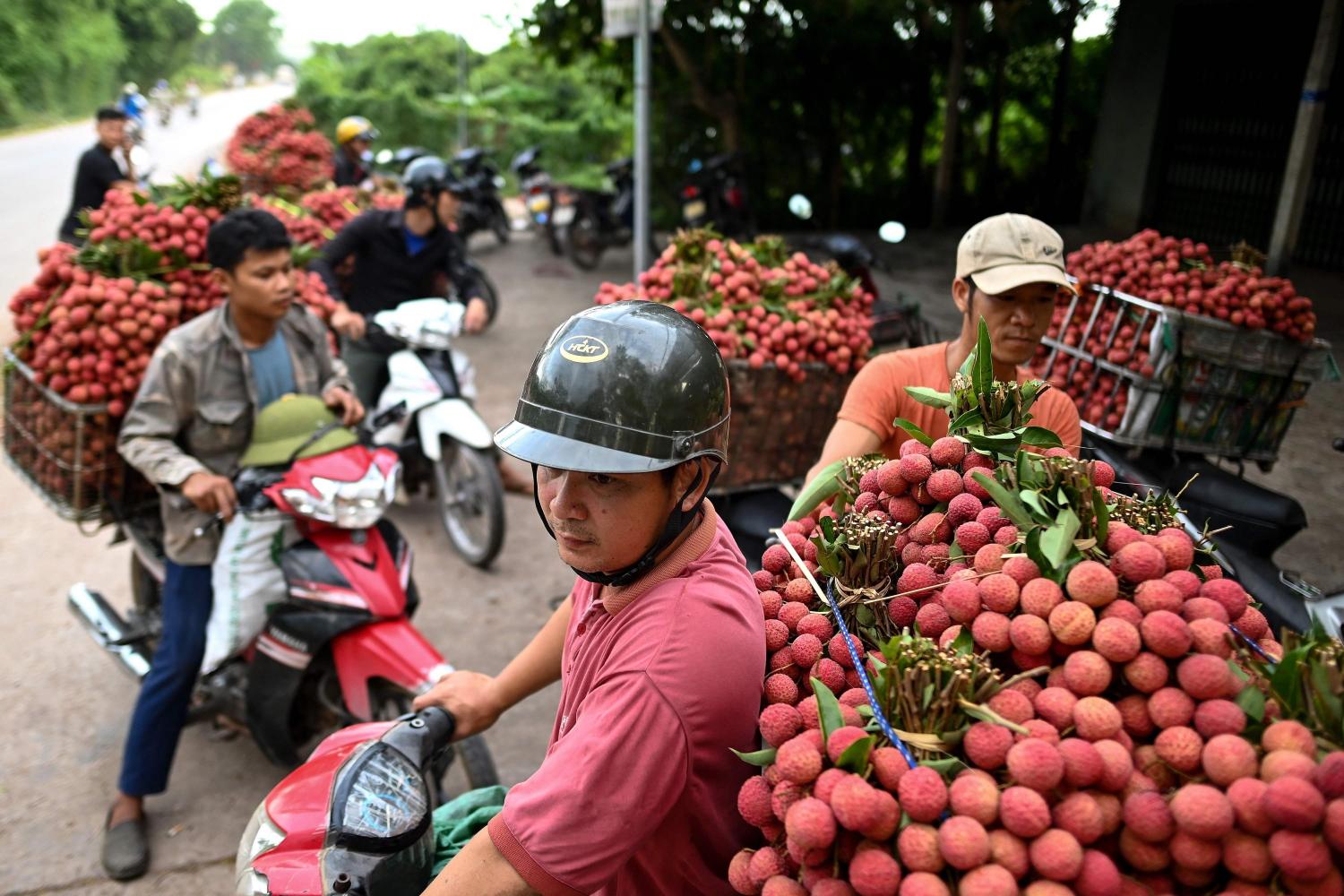
    The “Vietnamese lychees go global” forum was held on June 16 to promote lychee exports and take the brand name of the Vietnamese fruit to the next level.

    Vietnamese lychees have made a name for itself in many international markets. According to Le Hoang Tai, deputy director of the Trade Promotion Department, Ministry of Industry and Trade, China accounts for 91 percent of Vietnam’s total lychee export volume. Other markets include Japan, Korea, Australia and the United Arab Emirates.

    Hai Duong, home to Thanh Ha lychees, currently has over 9,000 hectares under cultivation, producing 60,000 tons of lychees every year, of which 50 percent is consumed domestically, 40 percent is exported to traditional markets, and 10 percent to high-end markets including the U.S., Japan, and EU.

    “We aim to build a global brand of high-quality lychees,” Tran Van Quan, vice chairman of Hai Duong Province People’s Committee, said.

    Bac Giang, another leading area for lychee production, has 28,000 hectares of lychee-growing land, providing 25,000 tons of lychees exported to 30 countries. Most meet VietGAP and Global GAP standards.

    “The province will continue to boost lychee exports to high-end markets, and new markets including Canada and Thailand,” Phan The Tuan, vice chairman of Bac Giang, said.

    Palestinian Ambassador to Vietnam, Saadi Salama, said: “Lychees have gradually become the pride of Vietnam.”

    George Burchett, a journalist from Australia, said: “Lychees are both eye-catching and delicious, suitable for everyone’s taste, not only contributing to Vietnamese exports but also enhancing Vietnam’s image to the world.”

    Pham Van Dung, director of Hong Xuan Cooperative, Bac Giang, admitted that the preservation process is one of the challenges for Vietnamese lychees. “Ripe lychees that have not been consumed yet need more intensive solutions like freeze-drying or high-tech drying, so that there are still products for the market even when the harvest ends,” said Dung.

    Director of Toan Cau Company, Nguyen Duc Hung, admitted that Vietnamese enterprises focus on exporting fresh lychees, but fresh lychees can be preserved for 40 days at most, “so it is difficult for lychees to reach far-flung markets.”

    He suggested new products like frozen lychee, with long-term preservation capacity, should be offered so that the fruit could reach global customers with diverse tastes.

    The Palestinian ambassador noted Vietnamese lychees are facing difficulties in reaching far-flung markets because of logistics. “In a short time of two months, to export lychees to global markets in fresh conditions is a challenge.”

    He suggested agencies prepare in advance to facilitate lychee transportation.

    Tai of the Trade Promotion Department recommended that while aviation costs are high, lychees should be transported via railways to cut costs and avoid delays in shipment, which takes about only 15-21 days.

    Salama said that products on sale in the Middle East normally have Halal marks on their packages as a sign of a trustworthy or superior product. He hoped that more Vietnamese lychee products are Halal-labelled to reach consumers here.

  • Vietnam’s largest rubber firm expects profit to go sideways

    Vietnam’s largest rubber firm expects profit to go sideways

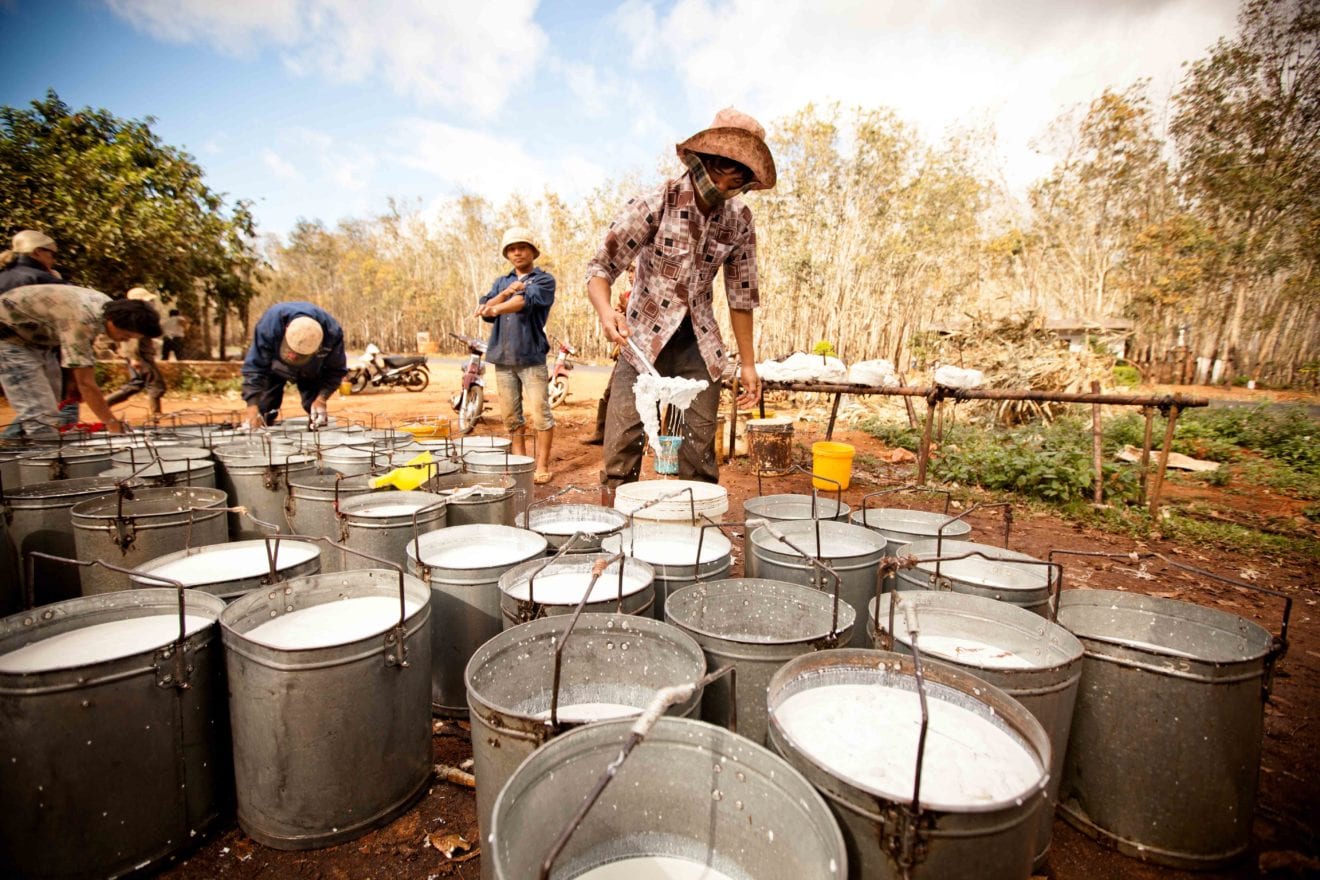
    The Vietnam Rubber Group (GVR) expects revenues to rise by 5 percent year-on-year this year, but estimates profit will stay unchanged due to rising costs.

    Its overheads, including wages, fertilizer, logistics and electricity, have been surging, board member Pham Van Thanh said. Rubber, accounting for half of GVR’s profits, were most affected by price surges, he added.

    Low rubber prices despite recent input hikes, fierce competition affecting rubberwood sales and legal issues relating to land use would also drag profits down, the group’s management said in a document submitted at its annual shareholders meeting Friday.

    The group expected huge profits from converting rubber farms into industrial zones, but this has run into legal hassles, Thanh said.

    “If the legal problems can be solved, our profits will likely surpass plans.”

    The group also plans to sell stocks in two subsidiaries, VRG of Vietnam Rubber Industrial Zone and Urban Development and SIP of Saigon VRG Investment, but is yet to do so in the current bearish market.

    Stock sales usually account for 15 percent of profits, Thanh said.

    GVR’s pre-tax profits in the first quarter rose 15 percent year on year to VND1.5 trillion ($64.6 million).

    Last year, it posted VND28.35 trillion in revenue, and VND5.34 trillion in profit; and reduced dividend from 6 to 4.1 percent to reinvest in an industrial zone in the southern province of Tay Ninh.

  • Apple supplier eyes Vietnam expansion

    Apple supplier eyes Vietnam expansion

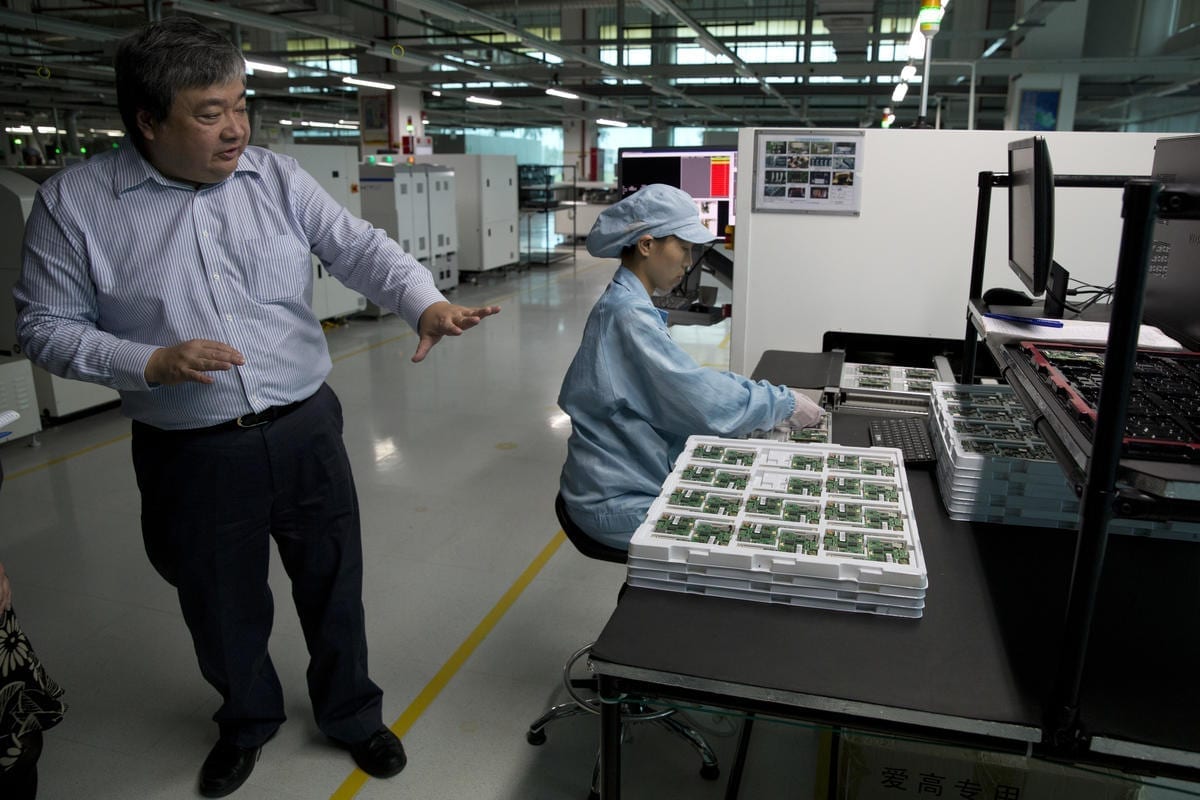
    Apple iPhone assembler Pegatron Corp emphasizes its expansion in other countries, including Vietnam, to reduce its dependence on China following the strict Covid-19 lockdowns there.

    “We faced Covid controls for two months. We couldn’t have assessed that in advance, so that makes me emphasize our expansion in Vietnam, India, Indonesia, and North America, Liao Syh-jang, as saying at the company’s annual general meeting in Taipei Wednesday.

    The company is seeking to address labor shortages and the gap between peak and low seasons and increase capacity utilization, he said.

    Pegatron is one of Apple’s three iPhone suppliers along with Foxconn and Wistron.

    In April, the Taiwanese company suspended operations at its Shanghai and Kunshan plants in China due to strict Covid-19 protocols, impacting production and deliveries.

    China has since lifted the restrictions, but still faces a labor shortage that was sparked by the restrictions.

    Chairman T.H. Tung said the company’s customers had “different reasons” for setting up factories in Vietnam, India and Mexico.

    “But one shared factor is the ability to reduce concentration in Shanghai, Suzhou and Chongqing.”

    He added that hiring staff in China has become increasingly difficult over the past seven to eight years.

    Pegatron has mulled expanding to Vietnam since 2020, and is building a factory in the northern city of Hai Phong.

    Several Apple suppliers already have factories in Vietnam, including Foxconn, Luxshare and Goertek, and mainly make AirPods earbuds and HomePod speakers.

    Earlier in June, China’s BYD, one of the leading iPad assemblers, had helped Apple build production lines in Vietnam and could soon start to produce the tablet there.

    It attributed the move to China’s lockdown in and around Shanghai, which disrupted the supply chain for months.

  • HSBC lowers Vietnam inflation forecast

    HSBC lowers Vietnam inflation forecast

    HSBC has cut its inflation forecast for Vietnam from 3.7 percent to 3.5 percent, thanks to stable food supply and weaker than expected impacts of fuel costs.

    Food and gasoline prices are two main drivers of inflation in ASEAN, but are likely to hit Vietnam less hard than other countries, the bank said.

    According to the General Statistic Office, the consumer price index (CPI) rose by 2.25 percent in the first five months this year as against 1.29 percent last year, driven by the prices of gasoline, food and some other goods.

    HSBC said Vietnam’s energy inflation has gained further momentum, with transportation, one of the items in the basket of goods and services that make up the CPI, seeing the biggest jump last month of 2.34 percent.

    The rise in global fuel prices, and reduced production by Vietnam’s biggest refinery, Nghi Son, has worsened a shortage in the country.

    The government on Monday adjusted gas prices up by 2.5 percent to VND32,370 ($1.39) a liter. It has hiked prices by over 35 percent so far this year.

    Vietnam started to feel the rising food costs, but the pressure has eased thanks to steady domestic supply, HSBC said.

    It expected inflation to temporarily surpass the government’s target of 4 percent if gas prices keep rising.

    The State Bank of Vietnam could raise interest rates by 50 percentage points in the third quarter, and another 75 points next year to cope with inflationary risks, it said.

  • Vietnam’s hassles in developing offshore wind power industry

    Vietnam’s hassles in developing offshore wind power industry

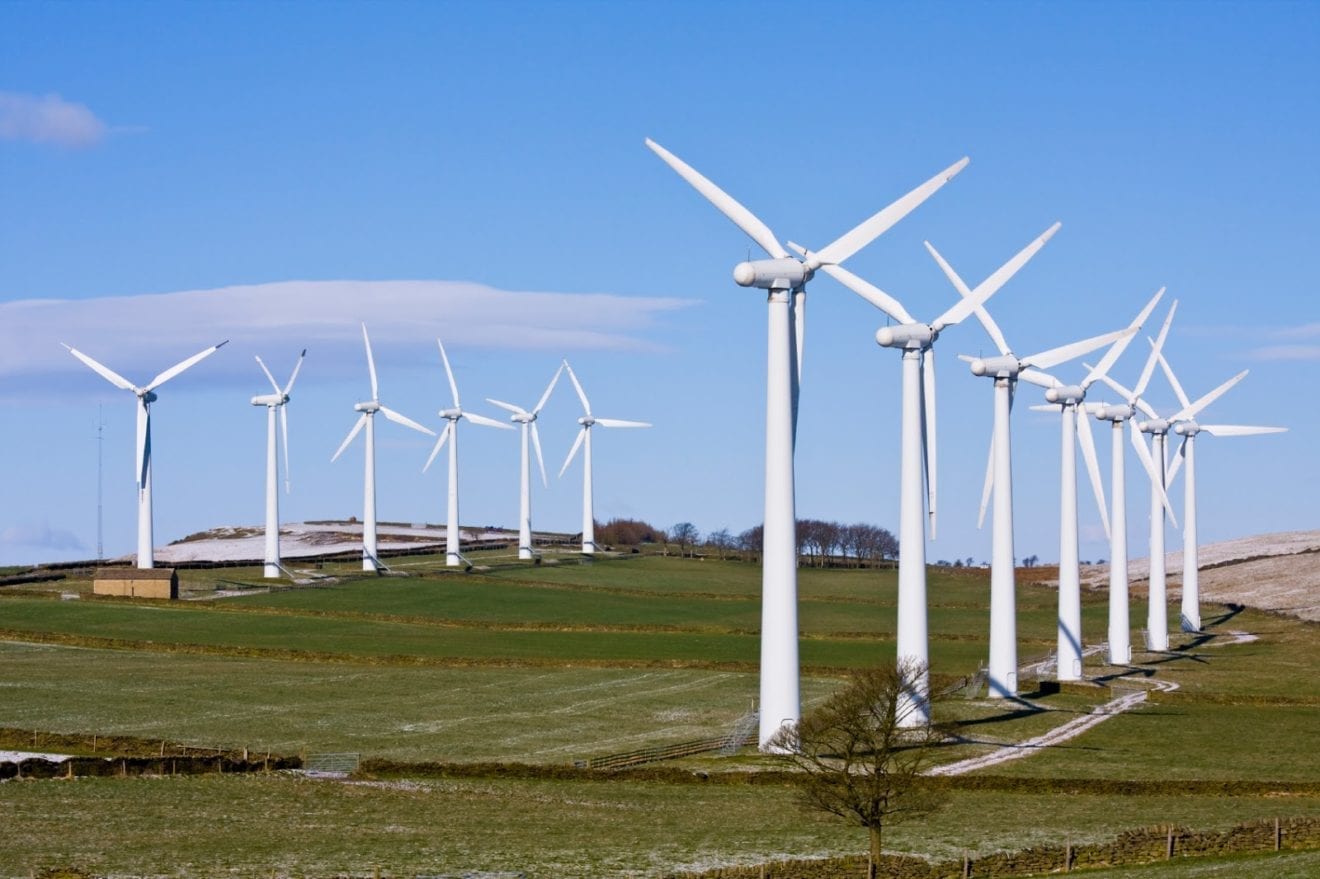
    Unclear regulations, low prices and an insufficient grid are hampering efforts to develop offshore wind power, experts and industry insiders have said. By 2030 offshore wind power capacity would be 7,000 megawatts (MW), envisages the Power Development Master Plan VIII for 2021-30.

    But Nguyen Thi Thanh Binh, deputy director of conglomerate T&T Group, said at a conference last week that ambiguous regulations are the biggest hurdle to achieving the government’s goal.

    “A policy framework, construction roadmap or pricing mechanism for offshore wind power plants has yet to be drawn up, and there is also a lack of specific, clear instructions.”

    Offshore wind farms usually take six to nine months before commercially operating, and so it is a huge risk for investors if the mechanism is unclear, she added.

    Bui Van Thinh, chairman of the Binh Thuan Wind and Solar Energy Association, spoke about another problem: Vietnam’s power grid.

    “The country’s grid for renewable sources is already overloaded, and so it cannot benefit from more supply.”

    Upgrading the power system to cope with the targeted load requires a huge investment, and national utility EVN has no incentive to do it as it buys renewable energy at a loss.

    Meanwhile, the newly amended Law on Electricity allows private investors to fund power grids, but lacks specific instructions for implementation.

    Last October the Ministry of Industry and Trade stopped the feed-in-tariff (FIT) incentive price for wind power projects. It is now seeking feedback on bidding mechanisms for renewable energy prices.

    But Binh warned against doing that now, saying both investors and the market would be hurt.

    “Offshore wind power is a relatively new sector in Vietnam, and some investors are considering them test runs.

    “Bidding in this case will disrupt the market, and investors may decide to forfeit them after winning bids.”

    Mark Hutchinson of the Global Wind Energy Council pointed to the fact that no country has been able to install 3,000 MW of offshore wind power through bidding in early stages.

    Citing the experiences of the UK, the Netherlands and Taiwan, he said investors need to have a buffer time before bidding starts. FIT prices could be offered for the first 4,000 MW, and the next 3,000 MW could be priced through bidding, he said. He also suggested qualification-based selection to fast-track planning and construction.

    Doan Ngoc Duong, vice chairman of the Institute of Energy (IEVN) agreed, saying many countries have adopted similar policies to incentivize investors in early phases.

    “We need a pioneering project as a pilot for choosing investors and mechanisms.”

    Too many investors

    Nguyen Thanh Huyen of the Vietnam Administration of Seas and Islands said the number of companies seeking to invest in offshore wind farms has skyrocketed.

    “Over the last year and a half 35 firms have asked to explore 41 locations to build wind farms, up from the previous three.”

    Nguyen Manh Cuong of the IEVN said 22 projects have registered in the north and 74 in the south with a total designed capacity of over 156,000 MW.

    This is much higher than the government’s target of 7,000 MW.

    In the northern province of Nam Dinh, for instance, only one project is registered, but with a capacity of 12,000 MW.

  • EU lifts safety restrictions on Vietnamese noodles

    EU lifts safety restrictions on Vietnamese noodles

    Starting July 3, the EU will remove Vietnam’s rice noodles, glass noodles and vermicelli from the list of goods subjected to safety controls.

    Announcing this, the Ministry of Industry and Trade said Vietnamese exporters will no longer have to provide safety certificates for these products.

    However, some local herbs including coriander, mint and parsley will be subjected to a temporary increase in safety controls at border posts.

    Vietnamese dragon fruit and instant noodles containing spices/seasonings or sauces will also be subjected to special entry conditions in the EU market to check for contamination risks.

    Vietnamese instant noodles have been under the EU scanner since January after some were found containing ethylene oxide, a substance banned in the union.

  • Vietnam Airlines expects financial difficulties until 2023-end

    Vietnam Airlines expects financial difficulties until 2023-end

    Vietnam Airlines expects financial difficulties to last until the end of 2023, amid aftermath of the Covid-19 pandemic.

    The flag carrier targets to be profitable and turn around its negative equity this year, it said in a filing to the Ho Chi Minh Stock Exchange, on which its stock HVN is still restricted to trading in the afternoon due to loss reports.

    The airline has recorded an accumulated loss of over VND24.5 trillion ($1.05 billion) as of March, and it wants to turn this situation around and become profitable by 2024 onward.

    It had recently sold a 35 percent stake in Cambodia Angkor Air for $35 million and will sell the remaining stake (14 percent) this year.

    It is set to issue more shares to pump up its capital in 2023 or 2024. In September last year, it raised nearly VND8 trillion by share issuance. The airline said it has been benefiting from a strong rebound in domestic travel.

    Last month, it operated nearly 12,000 flights and transported two million passengers, exceeding its plan by 42 percent.

    International travel, however, has been affected by the Russia-Ukraine crisis and rising fuel prices, the airline said.

    The Vietnamese government owns a more than 86 percent stake in Vietnam Airlines through two entities. Japan’s ANA Corporation owns a 5.6 percent stake.

  • Finance ministry seeks further gasoline tax cut

    Finance ministry seeks further gasoline tax cut

    The Ministry of Finance is set to propose a further environment tax reduction on gasoline amid surging prices.

    It wants to scrap the tax altogether after the National Assembly approved a 50 percent reduction to VND2,000 ($0.086) per liter starting April. The finance ministry on April 21 sought official feedback on a proposal to lower gasoline import prices from 20 percent to 12 percent.

    Although such a reduction won’t bring down gasoline prices, it will help to diversify gasoline import markets and avoid dependence on South Korea and ASEAN, which are offering incentive import taxes.

    These proposals show the effort of the Vietnamese government in containing inflation, which has become a topic of concern this year as prices of key commodities surged globally.

    The World Bank has recently slashed global growth forecast by nearly a third to 2.9 percent for this year due to concern of elevated inflation.

    Vietnam’s Consumer Price Index (CPI), which measures inflation, in the first five months rose 2.25 percent year-on-year, compared to 1.29 percent in the first five months of last year.

    Standard Chartered Bank expects Vietnam’s inflation to be at 4.2 percent this year, slightly higher than the central bank’s cap of 4 percent.

  • Vietnam ranks 5th globally in NFT users

    Vietnam ranks 5th globally in NFT users

    Vietnam ranks fifth globally in the number of non-fungible token users at over two million as of last year, a study has found.

    The country had 2.19 million users last year, behind Thailand, Brazil, the U.S. and China, according to the Digital Economy Compass 2022 study by Germany-based data portal Statista.

    In terms NFT penetration rate, it also ranked fifth at 2.24 percent, behind Thailand, Canada, Australia and Brazil.

    The penetration rate is the share of active paying customers (or accounts) from the total population last year.

    Another recent survey by Australian data research company Finder revealed Vietnam ranks fifth globally in the ratio of non-fungible token game players.

    Twenty-three percent of respondents in Vietnam said they play NFT games, according to the survey conducted between March and May.

    It was ranked behind India, Hong Kong, the United Arab Emirates and the Philippines.

    Vietnam has made headlines in the non-fungible token world in recent years with Axie Infinity, one of the most popular NFT games globally.

  • Banana exports to China boom despite Covid restrictions

    Banana exports to China boom despite Covid restrictions

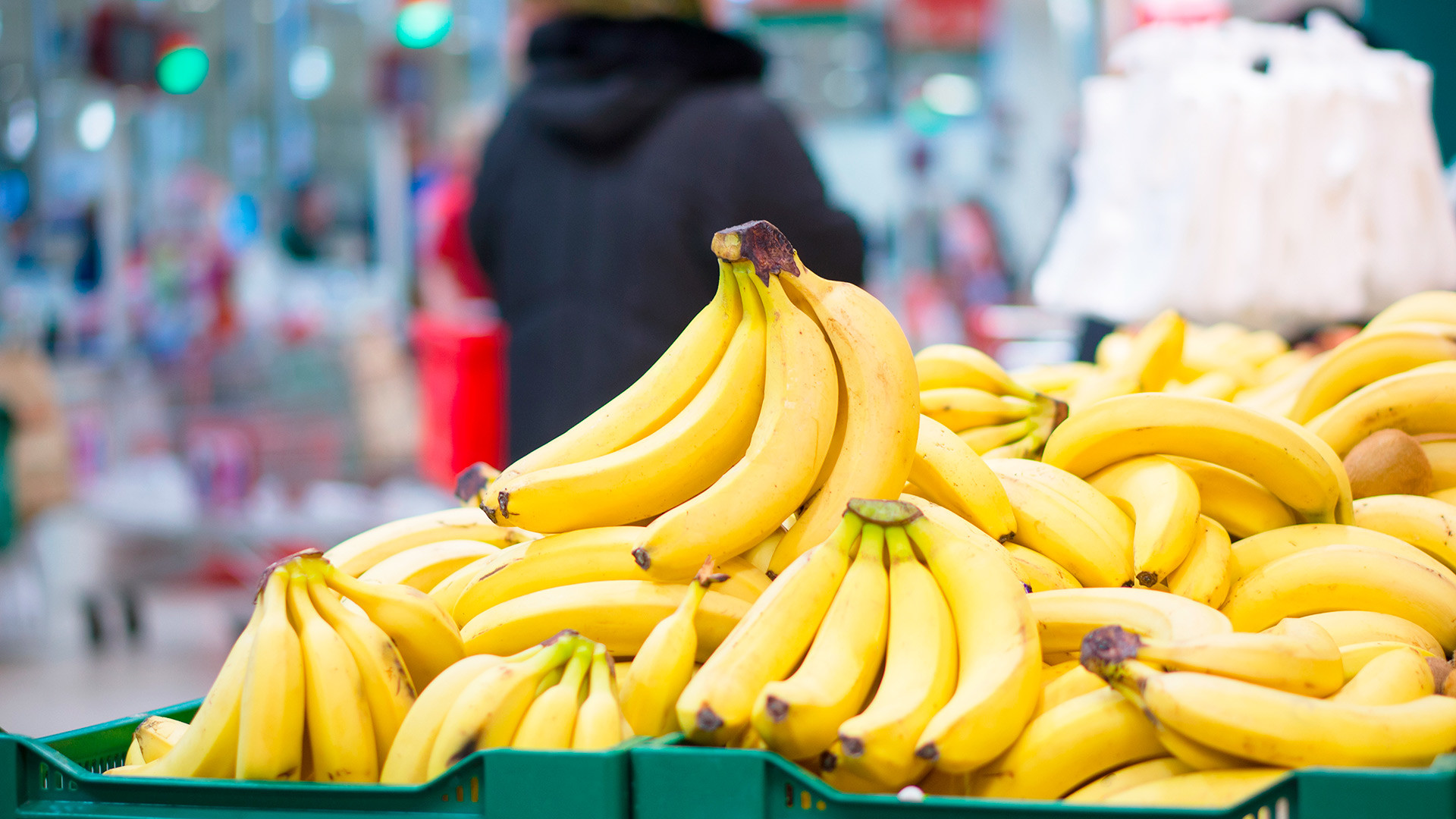
    Banana exports to China increased by 10 percent in the first five months though total vegetable and fruit exports to that country were down 28 percent.

    Vietnam was China’s largest supplier of bananas at 742,000 tons or 43 percent of its total imports, according to the Vietnam Fruit & Vegetables Association (Vinafruit).

    Vo Quang Huy, director of agriculture firm Huy Long An Co. Ltd, said his company’s banana exports to China were up almost 30 percent year-on-year despite the Covid-19 restrictions and safety measures in place there.

    Nguyen Van Cu, director of a northern exporter, agreed, saying his company’s exports doubled to around 500 tons.

    “Prices have surged from VND3,000 (13 U.S. cents) a kilogram last year to VND5,000-8,000.”

    Vinafruit chairman Dang Phuc Nguyen attributed the rise to falling output in China, where banana farms have been plagued by Fusarium wilt, a lethal fungal disease that has no cure, and rising input costs.

    But packaging and logistic costs of up to VND13,000 a kilogram eat up profits, exporters said.

    They expect exports and prices to rise sharply in the second half of this year.

    Vietnamese exports need to improve their quality and origin traceability to increase their chances of entering the Chinese market, Nguyen added.

  • Delivery work most lucrative among 5 largest job categories

    Delivery work most lucrative among 5 largest job categories

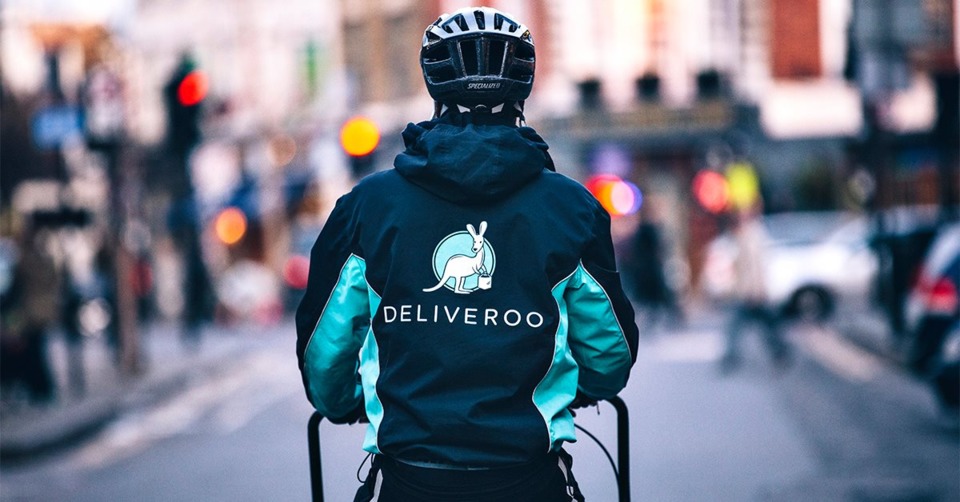
    Delivery workers earn the highest salaries among the five largest groups of workers as companies compete with each other amid a shortage of candidates, a study has found.

    They get an average post-social distancing salary of VND10.1 million ($435.82) a month, 11 percent more than the next group, factory workers (VND9.1 million), according to recruitment platform Viec Lam Tot.

    Their salary also increased the most in March — 11.2 percent — indicating high demand as delivery companies competed to hire drivers.

    Salesclerks had an average salary of VND8.1 million per month this year, followed by security guards (VND7.1 million) and hotel and restaurant staff (VND6.7 million).

    Viec Lam Tot said there is a shortage of delivery staff as e-commerce demand remains high.

    E-commerce had grown by over 20 percent last year, according to the Vietnam E-commerce Association.

    Nguyen Hoang Trung, CEO of delivery app Loship, said people have picked up the habit of ordering things online.

    An average delivery person could make VND400,000-600,000 a day if they work for eight hours, and some work for up to 18 hours, he added.

    The report also said the highest salary for drivers is paid in the southern province of Binh Duong at VND11.72 million, followed by Dong Nai Province (VND11.6 million) and HCMC (VND9.78 million).

    Factory workers, waiters and salesclerks in the two provinces also get higher salaries than their counterparts in HCMC.

    The exodus of over 500,000 workers from HCMC to their hometowns at the end of last year partly explain these figures, the report said, citing data from the General Statistics Office.

  • E-commerce, online services strip Vietnam of tax revenues

    E-commerce, online services strip Vietnam of tax revenues

    Vietnam is failing to effectively tax e-commerce and online services as it struggles to make tech giants set up abroad fulfill their taxation duties.

    “Taxing e-commerce and digital platforms is a new and difficult challenge. There is huge loss of tax in this area as servers are placed abroad,” Minister of Finance Ho Duc Phoc told the National Assembly on Wednesday.

    E-commerce sellers are based both in Vietnam and other countries, and it is difficult to locate and tax them, he added. Phoc was responding to lawmakers’ concerns about tax avoidance in online business.

    Nguyen Thi Le Thuy, a lawmaker from the southern province of Ben Tre, estimated that around 85 percent of tax from digital giants like Facebook and Google are lost annually.

    Other lawmakers said that the tax that Vietnam has been able to collect from these tech firms recently is not appropriate to their revenues in the country.

    Cross-border platforms like Facebook and Google have paid VND5.1 trillion ($220 million) in taxes for the period between 2018 and 2021, according to the finance ministry.

    Phoc said that his ministry has set up payment portal and explained to e-commerce platforms and tech giants their tax duties, but taxing them remains a difficult task.

    The ministry is considering the best method to tax e-commerce trade, and the long-term goal is to establish an online automatic taxing system.

    Vietnam has over 100 e-commerce platforms, including 41 that sell goods and 98 providing services.

  • Vietnam urges banks to merge, become more competitive

    Vietnam urges banks to merge, become more competitive

    The Vietnamese government is urging banks to merge and increase their scale toward becoming more competitive. It wants to make Vietnam an ASEAN leader in the banking sector.

    The government wants banks to have a capital adequacy ratio of at least 10-11 percent by 2023, and 11-12 percent by 2025, according to a recent plan to restructure credit organizations and handle bad debts during the 2021-2025 period.

    The capital adequacy ratio is a measure of how much capital a bank has available to handle a certain amount of loss before facing the risks of becoming insolvent.

    The government has said it wants Vietnam’s banking sector to become a top four leader in the ASEAN bloc. It has asked banks to make plans to increase their charter capital and improve their management.

    Big banks should have a minimum charter capital of VND15 trillion by 2025, and small and medium banks, VND5 trillion, it said.

    The government also wants banks to have a bad debt ratio of under 3 percent by 2025.

    Vietnam has 31 domestic commercial banks, with the biggest in terms of charter capital being state-owned lenders BIDV, Vietinbank and Vietcombank, according to the State Bank of Vietnam.