Tag: Vietnam

  • VN-Index starts off week in red

    VN-Index starts off week in red

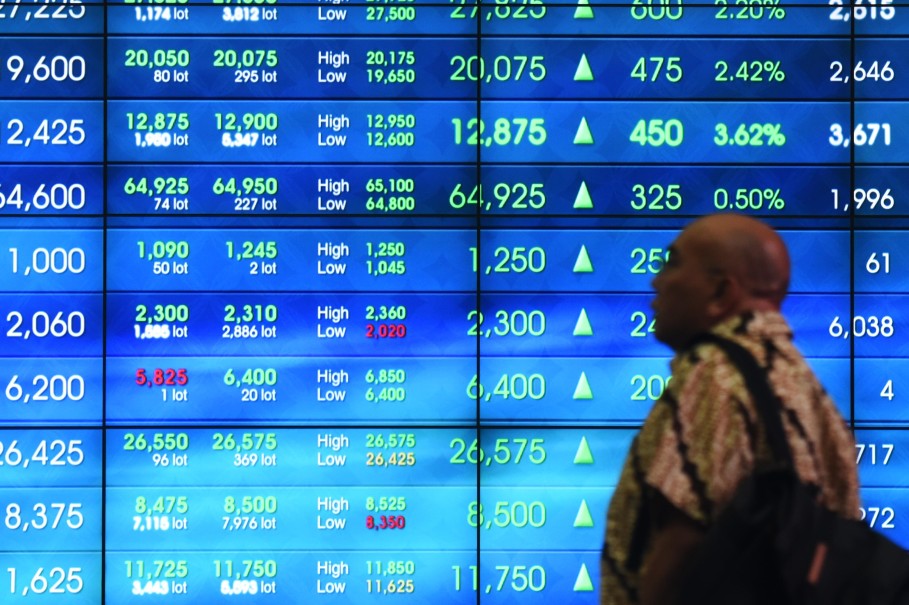
    Vietnam’s benchmark VN-Index continued to fall Monday with a 1.77 percent decline to 1,218.81 points, with most blue chips in the red. The index started off in the green but plunged in the afternoon and closed almost 22 points lower after losing nearly one point Friday. Trading on the Ho Chi Minh Stock Exchange (HoSE) increased by 7 percent to VND13.33 trillion ($579.56 million).

    The VN-30 basket, comprising the 30 largest capped stocks, saw 27 tickers dropped. SSI dropped 6.85 percent, continuing to fluctuate around its one-year low level.

    It was followed by five banks, with STB of Ho Chi Minh City-based lender Sacombank losing 5.8 percent TPB of private TPBank falling 4.5 percent. Other losers included MSN of conglomerate Masan Group, VNM of dairy giant Vinamilk and HPG of steelmaker Hoa Phat Group. BVH of insurance company Bao Viet Holdings was the only ticker that bucked the trend by rising 1.2 percent.

    Foreign investors were net sellers for the third straight session to the tune of VND439.11 billion, mainly selling SSI and VIC of biggest private conglomerate Vingroup.

    The HNX-Index at the Hanoi Stock Exchange, where mid and small caps list, was down 2.07 percent while the UPCoM-Index at the Unliste

  • Cryptominers unplug rigs as bottom falls out of market

    Cryptominers unplug rigs as bottom falls out of market

    Cryptominers are powering down operations, even selling equipment, as cryptocurrency prices continue to plummet. Nguyen Binh, a cryptominer in the southern Dong Nai Province, said his rigs can mine almost one Ethereum (around $2,000) a month, but hardly breaks even.

    “Electricity bills have taken away half of what I earned. With depreciation and operation and maintenance costs, I am losing money.

    “If prices of Bitcoin or Ethereum (the two largest cryptocurrencies) cannot recover in the next few months, more miners will have to shut down their machines.”

    He estimated that miners are losing 30-40 percent on selling graphic processing units, a key component in mining.Minh Nghia, administrator of a mining group, said some miners have disassembled their rigs to resell but are unable to find buyers despite falling prices.

    “Some told me they sold all their hardware and tokens but still cannot recoup their losses.

    “Financially independent miners can keep mining and wait until prices increase, but those who borrowed are finding themselves in hot water: They either sell their equipment and suffer losses or keep mining and cannot pay electricity bills and interest.”

    Experienced miner Tan Ha said many have unplugged their rigs.

    “GPUs, like other electronic devices, have a certain lifespan. It is not ideal to keep them running amid a plummeting crypto market, and so some miners choose to power down operations until prices recover.

    He said there is a high chance that prices might not recover for a long time.

    Bitcoin, the largest cryptocurrency by market cap, has fallen to $28,720 on May 18, the lowest in two years and down by half compared to its all-time peak of over $68,000 last November.

    Meanwhile, cryptocurrencies overall have lost nearly $800 billion in market value in the past month, according to data site CoinMarketCap, as investors fret about tightening monetary policy.

  • Vietnam Airlines posts $113 mln Q1 loss

    Vietnam Airlines posts $113 mln Q1 loss

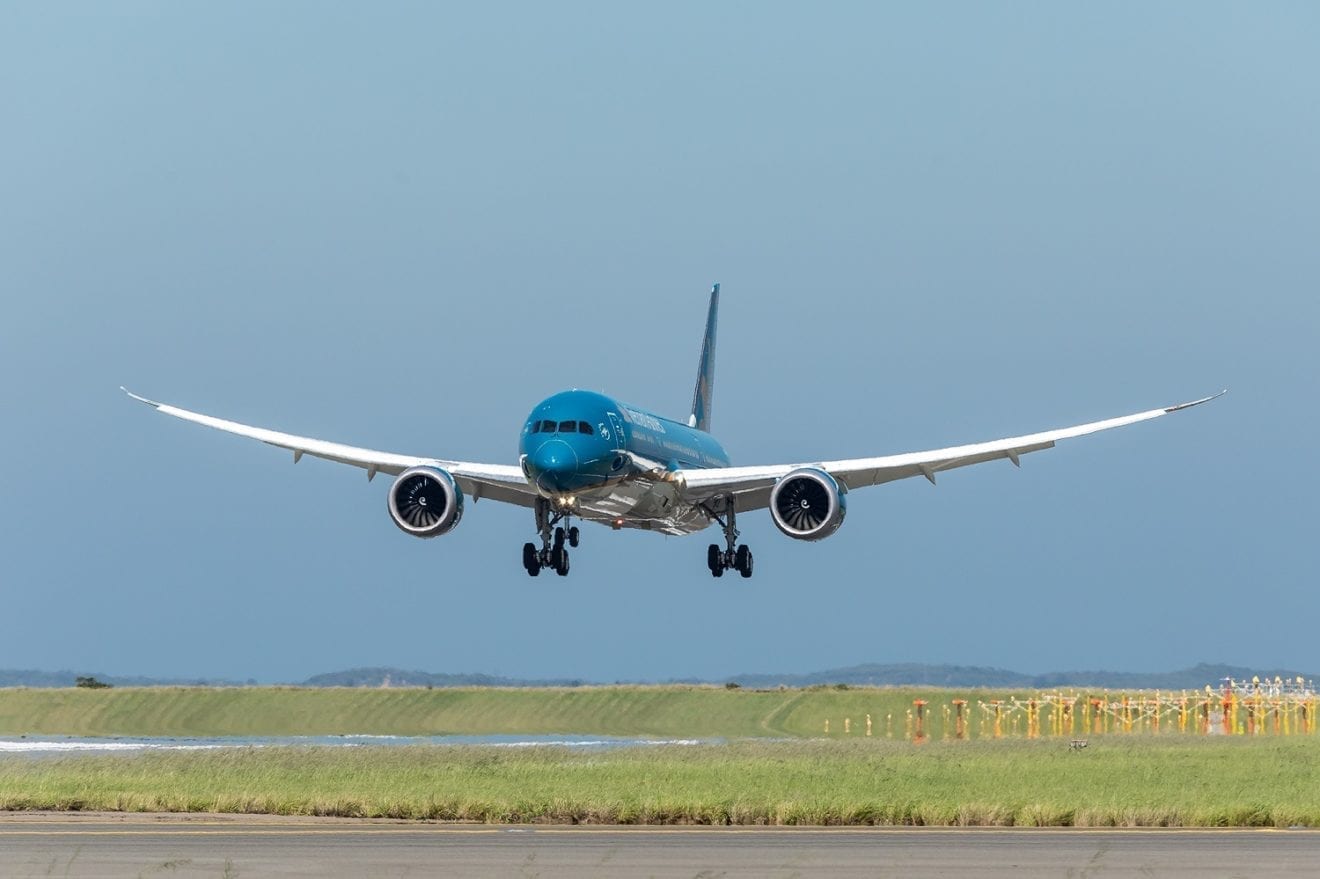
    Vietnam Airlines remained in the red in Q1 despite revenues rising to a two-year high, with net losses of VND2.62 trillion (US$113.1 million). Revenues were up 55 percent year-on-year to VND11.6 trillion, the highest since 2020, when Covid-19 started to cripple the aviation industry.

    But it reported a ninth consecutive quarterly loss, with a total gross loss from the sales of products and services of around VND1.6 trillion due to higher costs. Fuel, for example, cost VND465 billion more than budgeted and accounted for 30 percent of transport costs.

    The carrier said the results clearly reflected the impact of Covid on the aviation industry despite the relatively quick recovery by the domestic market. Meanwhile, international services remain in limbo, and the Russia-Ukraine crisis has driven fuel prices up sharply.

    As of March 31, Vietnam Airlines’ accumulated losses were VND24.5 trillion, some VND2.16 trillion higher than its charter capital. The management said the airline could “basically maintain its liquidity until this year-end” based on the expected recovery by the industry.

    But it also sought the government’s support to ensure liquidity and seeks to accelerate the restructuring of subsidiaries and associates.

  • Subaru Is Building A Dedicated EV Plant In Japan

    Subaru Is Building A Dedicated EV Plant In Japan

    Subaru is another Japanese automotive player which is suddenly turning turtle and announcing massive investments in electric powertrains. It has announced plans to build a dedicated EV assembly plant in 2027 as a part of a multi-billion dollar investment toward electrification in the next 5 years. Its CEO Tomomi Nakamura has outlined a plan which was announced on May 12 when it announced its earnings.

    Its 2023 Solterra EV will be made at Toyota’s Motomachi assembly plant in Japan which is the same plant where Toyota is making its first EV the bZ4X. But in the future, the plan for Subaru is to make its EVs in-house.

    Nakamura has said that initially, Subaru will make its EVs in a mixed production scenario with internal combustion engine vehicles in its Yajima plant in Japan in the mid-2020s. But from 2027, the EVs will be made at a dedicated factory on the site of the Oizumi plant which is currently making engines and transmissions.

    “Two or three years ago, U.S. retailers were not asking about EVs at all. But in this last year, it’s suddenly increased,” said Nakamura indicating that this transformation is being driven by the US market.

    Subaru has announced an investment of $2.05 billion. It expects 40 per cent of its global sales to come from EVs and hybrids by 2030. The Solterra EV will be the first model which starts at $44,995 in the US and will also be eligible for the $7,500 tax credit and other state incentives.

  • Aeon Mall wants four more Hanoi projects

    Aeon Mall wants four more Hanoi projects

    Japanese retail giant Aeon Mall wants to invest in 3-4 more projects in Hanoi by 2025. At a recent meeting with Hanoi Party secretary Dinh Tien Dung, Nagakawa Tetsuyuki, general director of Aeon Mall Vietnam, said the Aeon Mall Hoang Mai project is now in its last preparation stages for investment. It has enough funds, personnel and equipment to begin construction right after investment procedures are completed, he said.

    Aeon Mall is currently operating six projects in Vietnam, including two malls in Hanoi’s Long Bien and Ha Dong districts. It plans to launch 16 more projects in Vietnam by 2025.

    Tetsuyuki said he hopes Hanoi will continue its support so the Aeon Mall Hoang Mai project can begin construction in the third quarter. The firm has also requested the city to support the establishment of another Aeon Mall project in Bac Tu Liem District.

    Hanoi Party Secretary Dinh Tien Dung said the capital would improve its investment environment and streamline policies to attract investments from both inside and outside Vietnam. He said Hanoi was attentive to supporting the Aeon Mall Hoang Mai project and would request relevant agencies to cooperate with Bac Tu Liem authorities.

    Hanoi deputy chairman of Nguyen Manh Quyen said he would request relevant authorities to complete legal procedures regarding the Aeon Mall Hoang Mai project so construction can begin as planned. Regarding the Bac Tu Liem project, Quyen said the proposed location has been earmarked for a park, so the city will request authorities to propose another location for it.

  • Auto sales extends growth

    Auto sales extends growth

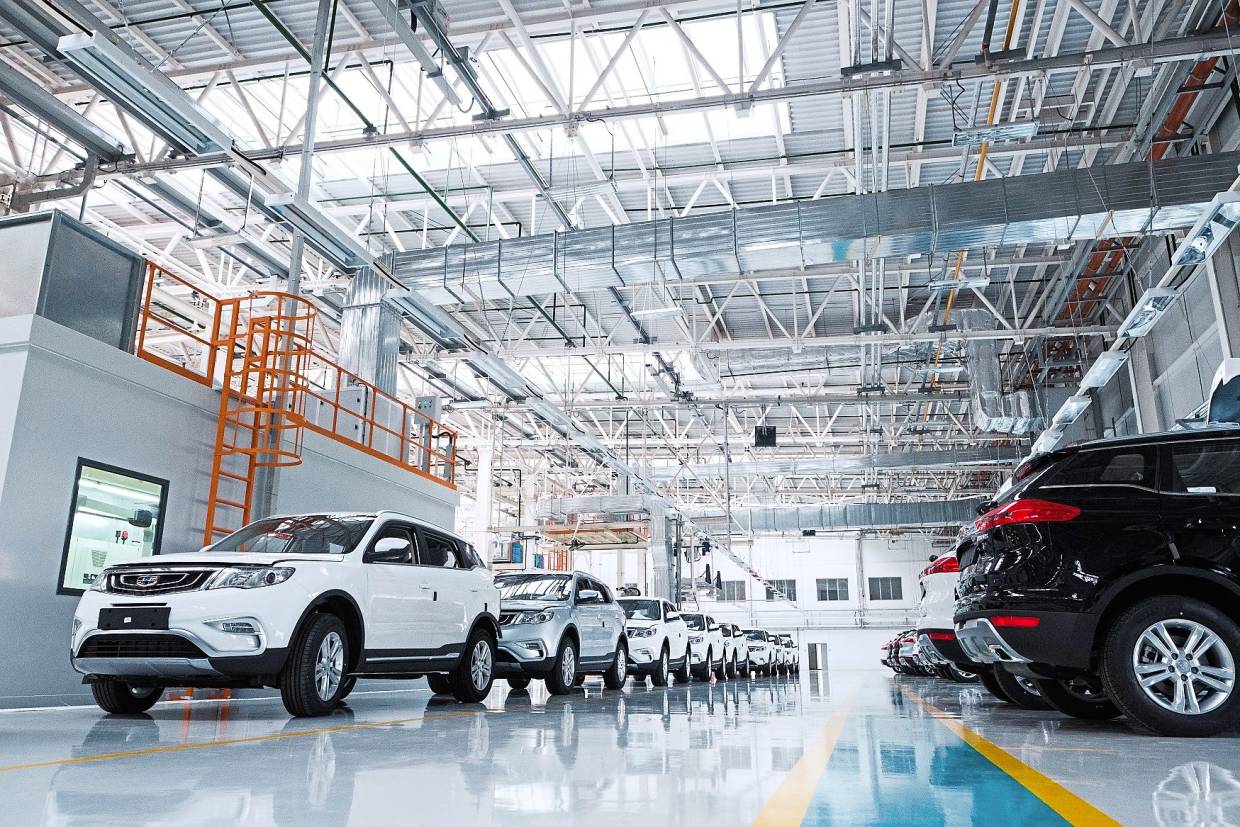
    Vietnam’s auto sales reached 42,359 units in April, with most major brands posting double-digit to triple-digit growth, according to the Vietnam Automobile Manufacturers Association (VAMA).

    This figure marked a 40 percent increase from the same period last year and brought four-month sales to 123,931 units, up 33 percent, said VAMA, which does not incorporate data of VinFast and TC Motor (assembler of Hyundai cars).

    Most top-selling brands posted a double-digit increase in sales compared to March last year.

    Truong Hai auto remained the top seller with 14,569 units, up 41.5 percent year on year.

    It was followed by Toyota with a 55.3 percent growth to 8,694 units.

    Honda and Suzuki saw a tripling in their sales, with the former rising by 216 percent to 6,100 units, and the latter by 173 percent to 1,111.

    Ford’s sales bucked the trend with a 25 percent drop to 1,933 units.

    With data from all brands included, the sedan Honda City was the top-selling model in Vietnam last month at 3,013 units. It was followed by the sedan Toyota Vios and the SUV Toyota Corolla Cross.

  • Pandora plans $100-mln jewelry plant in Vietnam

    Pandora plans $100-mln jewelry plant in Vietnam

    Pandora, the world’s largest jewelry company by sales, will set up a US$100-million production facility in Vietnam.

    To be situated in the Vietnam-Singapore Industrial Park 3 in Binh Duong Province, it will be built to LEED Gold green building standards and powered completely by renewable energy.

    Construction is set to start in early 2023, and production by the end of 2024.

    It will hire more than 6,000 craftspeople and have an annual capacity of 60 million pieces of jewelry.

    This is the company’s third production site and the first outside Thailand.

    “We scouted countries all over the world before deciding on Vietnam and Binh Duong Province,” Jeerasage Puranasamriddhi, the company’s chief supply officer, said.

    Pandora is a Danish jewelry manufacturer and retailer founded in 1982 by Per Enevoldsen.

    It sells its products in over 100 markets, and had revenues of $3.5 billion last year.

  • Menswear startup raises $2 mln in Series A round

    Menswear startup raises $2 mln in Series A round

    Coolmate, a Vietnamese menswear brand that is sold online, has raised US$2 million in a Series A funding round from a group of investors.

    The round was led by Access Ventures and included Do Ventures, CyberAgent Capital and DSG Consumer Partners.

    Coolmate intends to use the money to fund research into new products, upgrade its operating system and hire more human resources, its co-founder and CEO, Pham Chi Nhu, said.

    Founded in 2019, the startup has no physical store up to date. It reportedly gets 10,000 orders a day now compared to 2,000 in the first year of operation.

    It expects to achieve $19 million in revenues this year.

  • Gold down to 5-week low

    Gold down to 5-week low

    Gold prices fell to their lowest in five weeks Monday afternoon as they tracked a global fall.

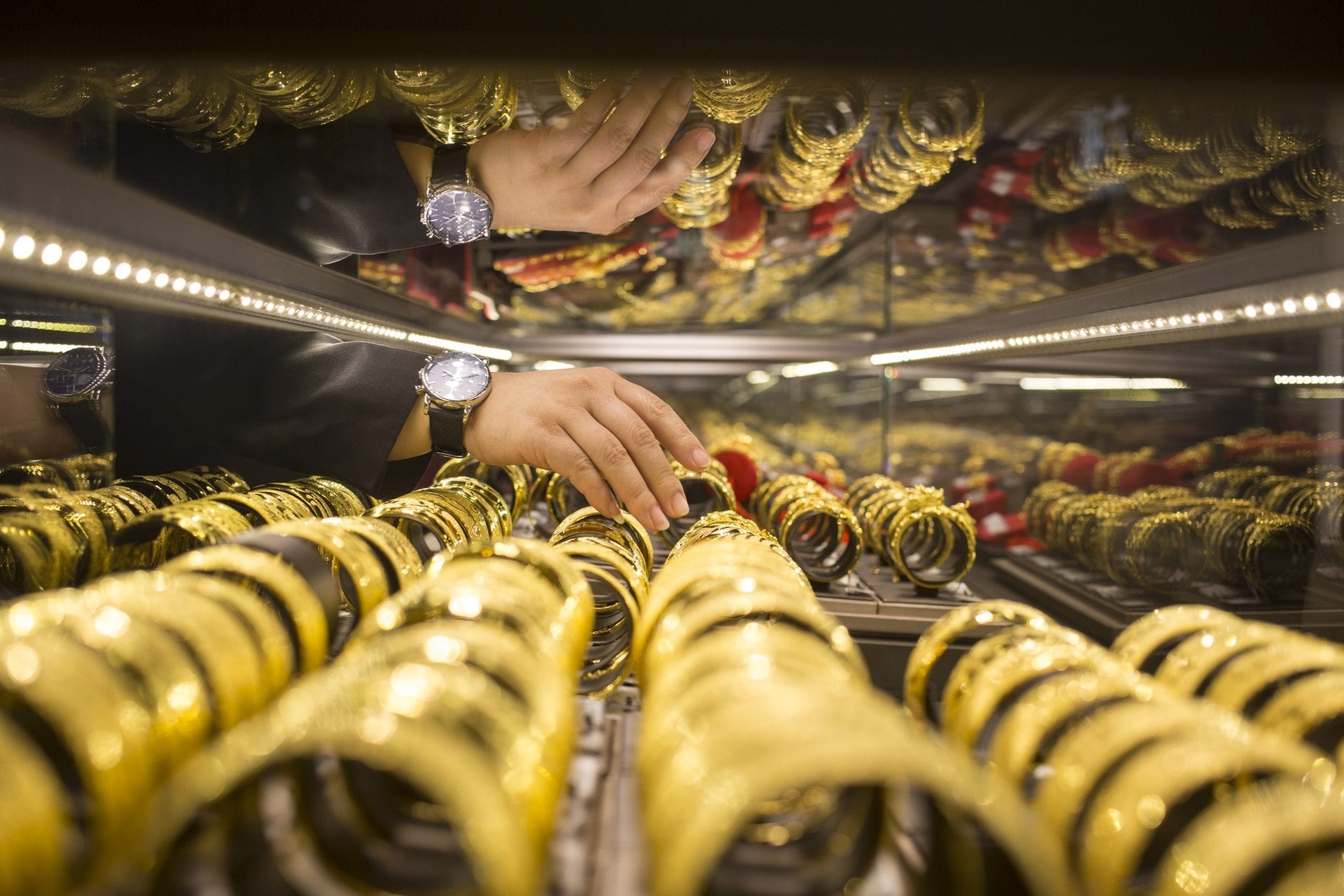
    Saigon Jewelry Company (SJC) sold bullion at VND69.25 million per tael Monday, down 0.39 percent from Sunday. A tael equals 37.5 grams or 1.2 ounces.

    DOJI sold at VND68.9 million, down 1.01 percent.

    It meant prices had fallen by 6.76 percent, or VND5.2 million a tael, since scaling a historic peak in March. Global spot gold dropped by 1 percent to $1,793.12 per ounce Monday afternoon, but then bounced back to above $1,825 by Tuesday morning.

    Gold prices in Vietnam are 27 percent higher than global rates. Tran Minh Toi, a gold seller in HCMC’s District 8, said prices fell on higher U.S. dollar and bond yields.

    It is unlikely that prices will return to the previous peak of VND74.4 million in the medium term unless the conflict in Ukraine escalates, he said.

  • Nearly half of main bourse stocks hit floor prices

    Nearly half of main bourse stocks hit floor prices

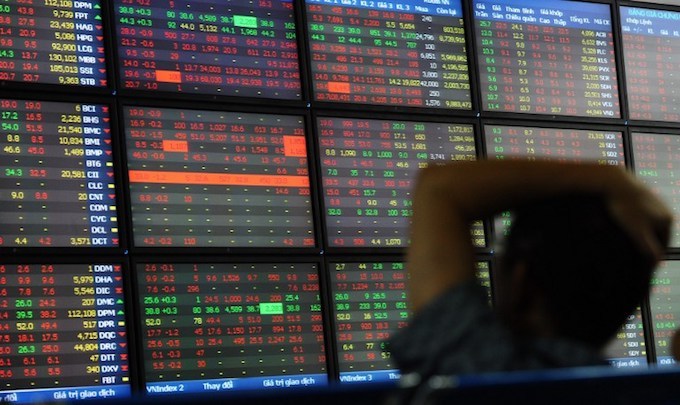
    Vietnam’s benchmark VN-Index plunged 4.49 percent to 1,269.62 points Monday, a nine-month low, with 221 tickers out of 484 on the Ho Chi Minh Stock Exchange hitting the floor. The index stayed in the red throughout the day and closed nearly 60 points lower after losing 31 points in the last session.

    It is now at the lowest since July 23 last year, having fallen 15 percent since the beginning of the year.

    Major Asian markets also closed in the red Monday, with China’s Hang Seng Index losing 3.8 percent and Japan’s Nikkei 225 falling 2.5 percent, weighed by global growth worries due to lockdowns in China and aggressive policy tightening from central banks.

    The VN30 basket, comprising the 30 largest capped stocks, saw all tickers losing, with 13 of them closing at floor price.

    MWG of electronics retail chain Mobile World, PLX of fuel distributor Petrolimex and TCB of the largest private lender Techcombank all fell 7 percent.

    BID of state-owned lender BIDV, BVH of insurance company Bao Viet Holdings and CTG of state-owned lender VietinBank dropped 6.9 percent.

    Foreign investors were net buyers to the tune of VND547 billion, mainly buying VHM of real estate giant Vinhomes and HPG of steelmaker Hoa Phat Group.

    The HNX-Index for stocks on the Hanoi Stock Exchange, home to mid and small caps, dropped 5.84 percent, while the UPCoM-Index for the Unlisted Public Companies Market fell 5.28 percent.

  • Finance ministry seeks tax delay for auto industry

    Finance ministry seeks tax delay for auto industry

    The Ministry of Finance wants special consumption tax payable by auto companies to be deferred by up to four months to help them recover from the impact of Covid-19.

    The tax for June-September, worth a total of VND20 trillion ($871 million), can be paid on November 20.

    If the government approves the ministry proposal, auto manufacturers will get extra time to pay the tax for a third straight year.

    The ministry said last year auto manufacturers saw sales plunge due to social distancing restrictions and also struggled with a shortage of semiconductors.

    Though the tax delay goes against Vietnam’s international commitments, the ministry said it is needed to help businesses overcome difficulties.

    Many countries have done the same to help their manufacturers recover, and Vietnam is unlikely to be sued for it, the ministry added.

    Auto sales in Vietnam last year dropped 3 percent from 2020 to 383,444 units, according to data from data from the Vietnam Automobile Manufacturers Association (VAMA), TC Motor and VinFast.

  • Indian startup Zoomcar bets on Vietnam as key Southeast Asian market

    Indian startup Zoomcar bets on Vietnam as key Southeast Asian market

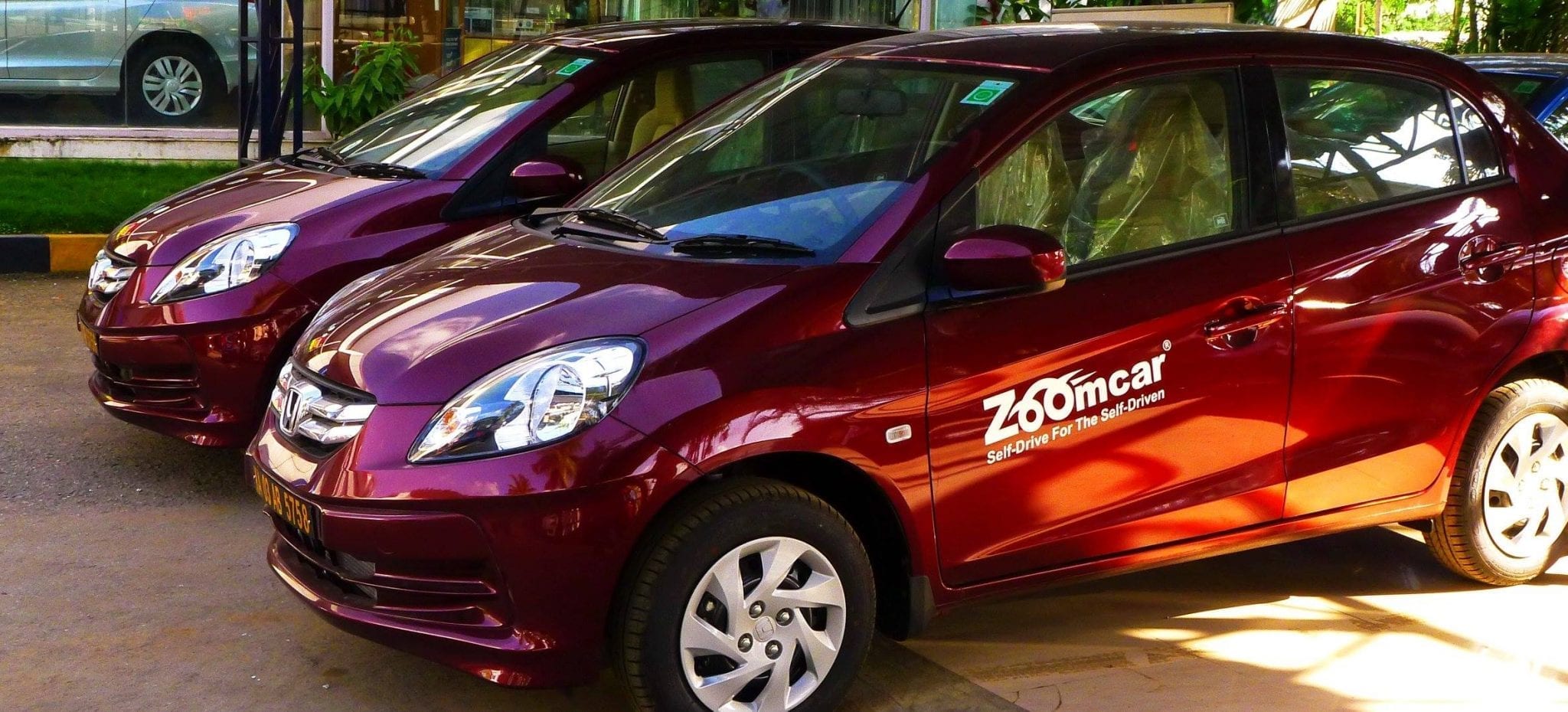
    Indian car rental startup Zoomcar eyes Vietnam as a major Southeast Asian market to take advantage of the rising demand for car ownership among its expanding middle class. Vietnam is set to account for 10 percent of Zoomcar’s revenues in the next financial year, which translates to $8 million, Kiet Pham, vice president and country director of Zoomcar Vietnam said.

    In Southeast Asia, the company is focusing on Indonesia and Vietnam, and plans to invest $100 million in the two countries. In Vietnam, it has around 1,000 cars for rent, or 10 percent of its total global number. To achieve the number, Zoomcar has been giving out large rewards to car owners to list their vehicles on its platform. An owner who listed during the four-day holiday earlier this month received VND3 million ($131).

    Zoomcar is also willing to burn cash to change Vietnamese consumers’ habit and make them familiar with renting cars.

    Kiet said the company is willing to spend $25 million to expand its presence in Vietnam. It has raised $207 million since its establishment.

    For Vietnamese users, though it is one of the top car rental companies in India, Zoomcar remains a new brand as it has only been active in HCMC for four months.

    Kiet said Zoomcar is betting big on Vietnam because the country is the fourth biggest car market (in terms of sales) in Southeast Asia and only 5.7 percent of households had a car in 2020.

    The dwindling sales of motorbikes, the expanding middle class and the development of major infrastructure projects are set to increase car usage, he added.

    Vietnam’s car rental market is set to reach $550 million this year and will grow by 10.9 percent annually in the next five years, according to data portal Statista. By 2026, it will reach $840 million with 8.7 million users.

    Kiet said: “This is the right time to enter the market. There is a lot of support for our entrance.”

    The number of trips has been doubling every month in the last four months, he said.

    “Those figures exceed our initial targets.”

    Traditionally, customers have to make a deposit of VND15-20 million, submit their household registration book, a vital identification document in Vietnam. Customers and hire a car for at least one day.

    On Zoomcar, users are not required to put down any deposit or documents, and can rent for six hours.

    But the commission of 40 percent of rental it charges discourages some car owners, who complain it is too high.

    Kiet defended it by saying it is an appropriate ratio to ensure the company has enough resources to develop the market and bear the risks of operation so that car owners only need to list their vehicles and not worry about customers’ trustworthiness.

    He also spoke about the low number of vehicles, saying only 50 percent of registered owners make them available at a time, at a time when the number of renters is increasing.

    The low rate of people with driver’s licenses (estimated to be 3 percent of the HCMC population) is also a challenge, he said.

    The company believes however that car rental would become a future trend in Vietnam as has happened in Singapore and the U.S., he said

    The company hopes to expand to Hanoi this quarter, he added.
  • Rice export prices drop in Q1

    Rice export prices drop in Q1

    Average rice export prices dipped by 10.6 percent in the first quarter, resulting in a 6-percent decline in revenues.

    Vietnam exported 2.05 million tons of rice for US$1 billion, up 4.4 percent in volume but prices fell to $386.2 a ton due to abundant supply, according to the Ministry of Agriculture and Rural Development.

    On the global market, rice prices also dropped marginally in May, with Thai 5 percent broken rice being $5 per ton cheaper at $410-412 and Indian exports falling by $10 to $361-365.

    Vietnam’s top market in the first quarter was the Philippines, whose imports increased by 63.8 percent year-on-year to 672,142 tons.

    Domestic prices remained unchanged in May, however. In the southern An Giang Province, normal rice was sold at VND11,000 ($0.48) a kilogram and jasmine rice at VND15,000.

  • French meat producers eye expansion in Vietnam

    French meat producers eye expansion in Vietnam

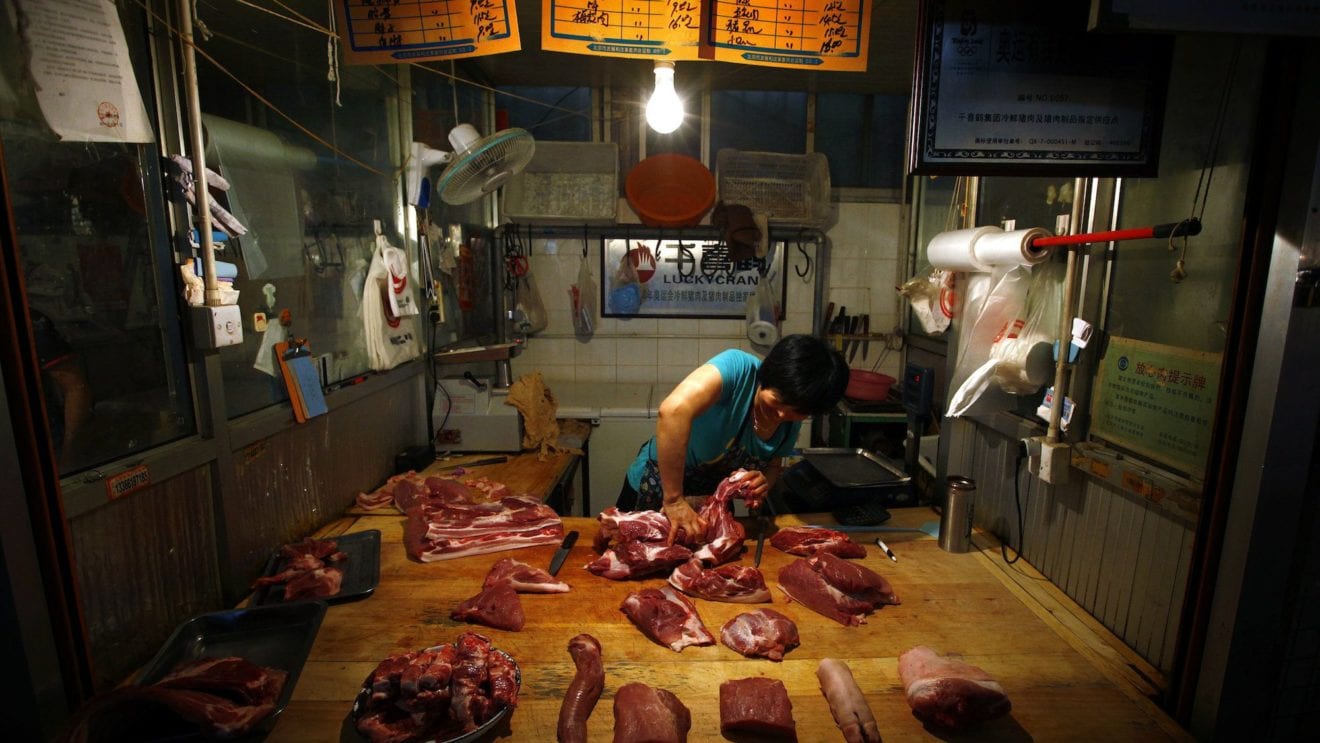
    Meat producers from France are seeking to expand their market share in Vietnam to take advantage of the EU-Vietnam Free Trade Agreement.

    “Meat product exports to Vietnam are expected to grow faster, as, for the next 10 years, tariffs on those products will gradually decrease to zero percent,” Emmanuelle Pavillon-Grosser, the French consul general in HCMC, said.

    France is already the ninth-largest meat exporter to Vietnam, but wants to further increase its market share.

    The trade deal took effect in August 2020. The French Association of Butchers and Caterers and Business French in Vietnam are running a campaign to increase sales of meat products with EU sponsorship.

    It is expected to go on until 2024, with activities such as store promotion and inviting Vietnamese buyers to see the production process in France. Emilien Besnard of FICT said the French meat industry has more than 450 products, some of them already popular in Vietnam.

    Besides the EU, Vietnam also imports meat from the US, Russia, South Korea, and others, mostly being pork.

    Pork imports rose from 33,000 tons in 2018 to 225,000 tons in 2020 before slipping last year to 143,463 tons due to the pandemic.

  • Liquor industry wants tax increase delayed

    Liquor industry wants tax increase delayed

    Liquor companies want the proposed increase in special consumption tax put off until they recover from the effects of the Covid-19 pandemic. The government plans to hike the taxes on beer, liquor, and cigarettes from now until 2030 and is still considering by how much.

    The current rates are 65 percent on beer and 35-65 percent on liquor. Nguyen Van Viet, chairman of the Vietnam Association of Beer, Wine and Beverages (VBA), said the two years of Covid caused beer sales to drop by 20 percent or one billion liters.

    Around half of all breweries and distilleries saw revenues and profits fall in 2020 and 2021, according to a survey by the Central Institute for Economic Management (CIEM). Over 79 percent of them tried to cut costs, and 58 percent postponed expansion plans and laid-off employees.

    It is estimated that 4-7 percent of workers were laid off, and the rest saw their incomes reduce by 7-10 percent. Though the situation has improved thanks to the reopening of the economy this year, the industry is unlikely to see profits rise as input costs have risen to historic highs.

    Gasoline and malt prices have increased by 50 percent, and that of beer cans by 30-40 percent. Holly Bostock, corporate affairs director of Heineken Vietnam, said any increase in special consumption tax would add to the burden on the beverage and tourism industries, while what they need now are stability and support.

    Phan Tuan Khai, a lawyer for the VBA, said the government needs to come up with a new tax mechanism that would help businesses but also generate more tax instead of just increasing the rates. Economist Ngo Tri Long said a tax hike would exhaust businesses.

    Long said a new mechanism that taxes products with higher alcohol content more would be fairer and more transparent than the current tax mechanism and encourage people to drink responsibly. Taxation by alcohol content is done in Singapore and European Union countries.

    A study by the CIEM from 2010 to 2018 found that despite increases in alcohol tax, consumption actually rose from 6.6 liters per capita per year to 8.3 liters.

    A 2019 study by Lancet, a British medical journal, found Vietnam among the world’s top beer-consuming countries and a 90.2 percent rise in drinking per capita between 2010 and 2017.