Tag: Vietnam

  • Pizza 4Ps loss doubles to $1.66 million

    Pizza 4Ps loss doubles to $1.66 million

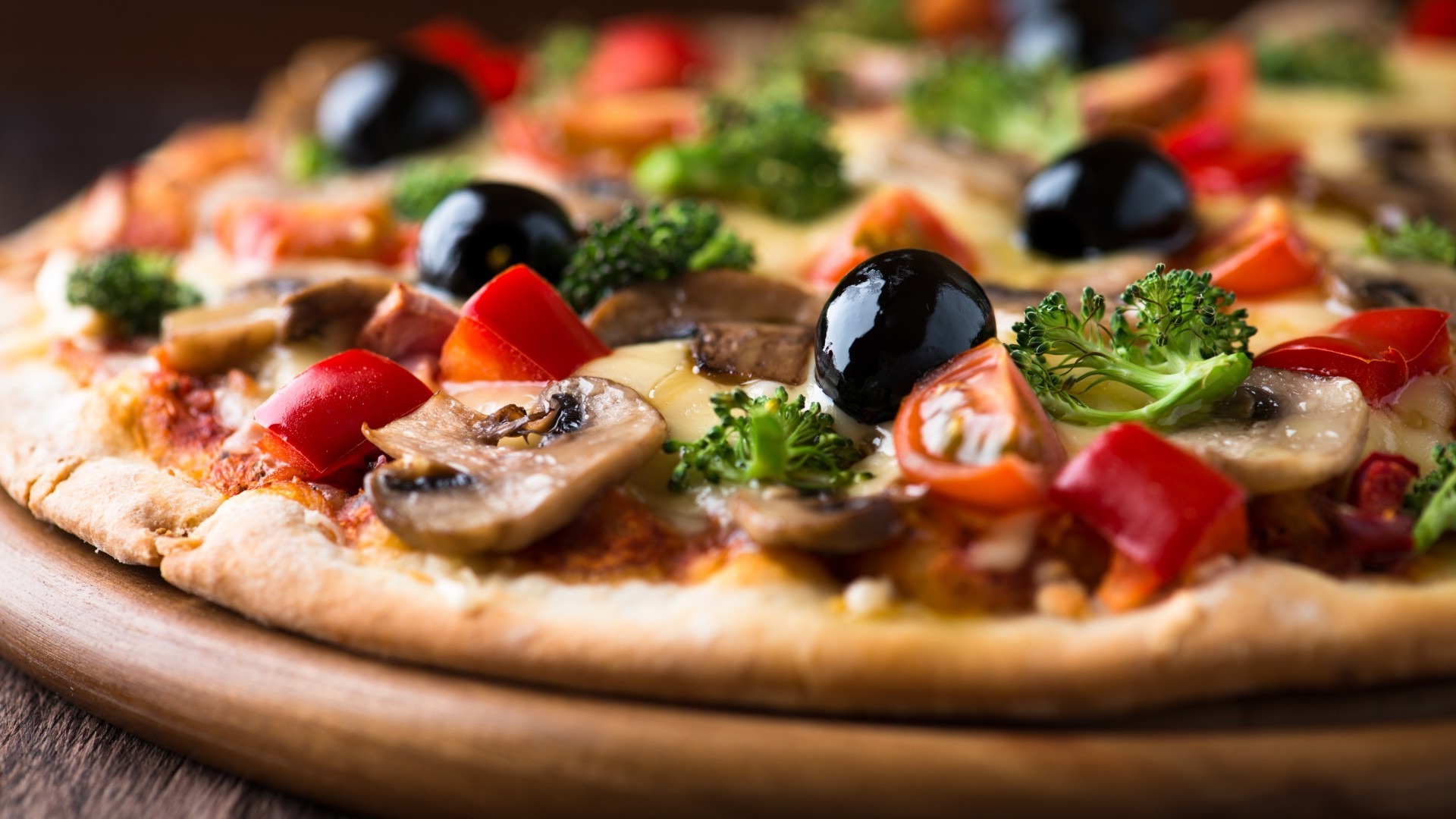
    Pizza 4Ps racked up a net loss of VND38 billion ($1.66 million) last year, as it struggled to recover from Covid-19 hits.

    The chain, produces pizzas, cheese and other dairy products, had posted its first ever loss of VND20.8 billion in 2020.

    Before the pandemic hit, the chain earned profits of over VND50 billion in 2018 and 2019.

    Pizza 4Ps charter capital has also fallen to 28 percent to VND98 billion, driving its debt-to-capital ratio up from 0.66 to 1.99.

    It issued bonds worth VND21 billion last year to build new outlets and a cheese factory.

    Founded in 2011 by a Japanese couple, Pizza 4Ps has 25 outlets in HCMC, Hanoi, Da Nang, Hai Phong and Nha Trang.

  • Hanoi housing prices keep rising on low supply

    Hanoi housing prices keep rising on low supply

    Housing prices in Hanoi rose the most in five years, driven up by limited supply and the specter of inflation. According to leading properconsultancy CBRE, the average price of a new apartment increased by 13 percent to US$1,655 per square meter. In the secondary market, it was up 9 percent at $1,278.

    In Vietnam, housing has historically been a safe haven investment during times of high inflation.

    In the quarter ending in March, the new housing supply was 3,500 units, down 39 percent quarter-on-quarter and 20 percent from the same period last year.<

    The decline was caused by a new wave of Covid-19.

    Most of the new supply came from ongoing phases at six projects. Only two came into the market for the first time.

    Mid-priced apartments accounted for 66 percent of the new supply. Demand was higher than new supply, with 4,200 units being sold during the quarter.

    CBRE forecast a supply of 26,000-28,000 units this year, but said the affordable segment would continue to face a scarcity.

    While over 90 percent of the new supply would be sold thanks to the bullish market sentiments, the trajectory could change at the end of this year, depending on the economic situation.

    Prices are expected to keep rising in the first half of 2022 but speculative trading would come down due to a crackdown by authorities, it added.

  • Vietnam rises as new luxury hub

    Vietnam rises as new luxury hub

    Luxury brands are expanding their presence in Vietnam as they seek to profit from the country’s growing middle class and robust economic growth.

    Italian luxury car brand Lamborghini announced its return this month after a year of inactivity, and has named a new distributor, S&S Automotive.

    The distributor, which is also a dealer for other luxury car brands like Rolls-Royce and McLaren, said a new Lamborghini showroom is being built in HCMC’s District 1 and would open this quarter.

    The Porsche Center Saigon opened last year in HCMC’s District 7, and the German company called it a “key milestone in one of its fastest growing markets in the Asia Pacific.”

    The company also launched Southeast Asia’s second Porsche Studio in Hanoi last year, with the CEO of Porsche Asia Pacific Arthur Willmann saying the capital’s vibrant young population was the inspiration for the store.

    He echoed an earlier statement by Paul Harris, director of Roll-Royce Asia Pacific, who said Vietnam has the youngest demographic of his company’s markets.

    Prestige fashion brands have also been active, with Italy’s Bvlgari returning in February last year and opening a store in HCMC, and Louis Vuitton and Christian Dior launching flagship stores in 2020 in Hanoi’s central district of Hoan Kiem.

    The country’s luxury goods market is set to surge by 35.7 percent from last year to $912 million this year, according to data from German portal Statista, making a strong recovery after two years of Covid-19.

    In the next five years, it is set to expand by 3.3 percent annually and will cross the $1 billion mark by 2025.

    The biggest luxury segments would be fashion, leather goods and cosmetics and fragrances, Statista forecast.

    Matthew Powell, director of real estate consultancy Savills Vietnam, which found the Hanoi locations for Louis Vuitton and Dior, said many luxury brands want to enter or expand their presence in Vietnam since its retail market is one of the most vibrant in the region and rentals are low compared to other Asian cities such as Singapore and Hong Kong.

    The country’s rising per capita income and expansion of the middle class are also factors, he added.

    Vietnam has long been hailed as a country with a fast-expanding middle-class thanks to strong economic growth.

    With a 56 million-strong middle class by 2030, Vietnam is set to leap eight places from its current 26th in the global ranking of 30 economies with the largest middle-class populations, British analytical NGO and data enterprise World Data Lab said.

    The number of people in the country owning more than $30 million, or the ultra-rich, could reach 1,551 in 2026, a 26 percent increase from 2021, according to a report by U.K. property consultancy Knight Frank.

    The company also predicts that the number of rich people, or those with a net worth of $1 million or more, including their primary residence, will soar by 59 percent from last year to 114,807 in 2026.

    “We have witnessed prime apartment selling prices break the $10,000 per square meter barrier this year, driven by local demand, and with Vietnam expected to increase the number of ultra-high net worth individuals between 2021 and 2026 by 26 percent, on par with Hong Kong and Taiwan, we can see the potential for ongoing growth well into the future beyond that,” Knight Frank Vietnam managing director Alex Crane said.

    The company also pointed out that rich Vietnamese are buying more watches, cars and wines.

    The country’s import of watches increased by 28.2 percent annually in 2016-20.

    Car sales and wine imports, prior to being impacted by the pandemic, had maintained consistent growth of 12.9 percent and 9.8 percent between 2016 and 2019.

    The growth potential for luxury brands remains bright as the country is expected to achieve the highest growth rates in Southeast Asia of 6.5 percent this year, and 6.7 percent next year.

    Distributors of luxury brands in Vietnam seem to be doing well.

    Duy Anh Fashion and Cosmetics recorded year-on-year growth of 171 percent in the last quarter of last year.

    It brought two new fashion brands to Vietnam last year, Tiffany & Co and Montblanc, and opened their first stores in Hanoi and HCMC respectively.

    It also brought footwear and accessories brand Christian Louboutin to HCMC in January with the first store opening in District 1.

    Tran Thi Hoai Anh, founder and president of GlobalLink, which distributes luxury fashion brands in Vietnam, told The Business of Fashion in 2019 that the appetite for luxury goods is more pronounced than ever in Hanoi and HCMC.

    “Only a decade ago it was all about knowing the difference between Gucci and Prada. [But] today’s new generation of wealthy shoppers are driven by the quest for quality, distinctiveness and craftsmanship.”

    Anh said Vietnamese consumers seem to be shopping more after the Covid-19 restrictions of the last two years.

    To take advantage of this, her company plans to open a new 700-square-meter flagship store in HCMC and sell brands that have not been popular in Vietnam such as Off-White, Ambush and Amiri, she said.

    “I am very positive about the future, as I am seeing demand for luxury goods after the pandemic.”
  • World Bank lowers Vietnam growth forecast to 5.3 pct

    World Bank lowers Vietnam growth forecast to 5.3 pct

    The World Bank has cut its growth forecast for Vietnam this year to 5.3 percent, due to surging Covid-19 infection in Q1 and economic slowdown in its major export markets.

    This has been the second time the bank lowers its 2022 projection for the country. Last October it had expected a growth rate of 6.5 percent, lowered to 5.5 percent in January.

    Vietnam’s GDP is expected to grow by 5.3 percent this year and stabilize at around 6.5 percent in a scenario with eased mobility restrictions domestically and internationally, it added to a report released Tuesday.

    It forecasts the service sector to gradually recover during the year as consumer confidence is restored and tourism resumes from mid-2022 onward.

    But manufacturing will grow at a slower pace mirroring moderating growth in Vietnam’s main export markets of the U.S., the European Union and China.

    But it warned of the outlook of heightened risks from external economic shock, including the Russia-Ukraine conflict and new Covid-19 variants, slowing recovery of domestic demand, and labor shortage due to a surge in infections.

    “Additional shocks could lead to a low case scenario where GDP grows 4 percent in 2022, recovering to 6 percent and 6.5 percent in 2023 and 2024, respectively”.

    The World Bank recommended the Vietnamese government to deploy a strong fiscal policy support, and accommodative and prudent monetary policy.

    It was also cautious about economic and human capital consequences of inequality, which was driven up by the pandemic and lockdowns between last May and September.

    Vietnam’s economy grew by 2.6 percent last year, well below its pre-pandemic trend of 7 percent.

  • Seafood exports rise by 40 pct in Q1

    Seafood exports rise by 40 pct in Q1

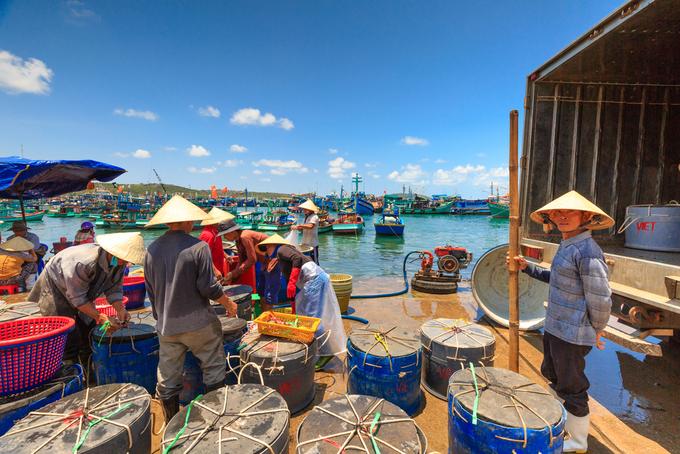
    Vietnam’s seafood exports grew by 40 percent year-on-year in Q1 to US$2.4 billion despite direct impacts of the ongoing Russia-Ukraine crisis.

    The growth was led by shark catfish, whose exports increased by 88 percent to $646 million and accounted for 27 percent of overall exports, according to the Vietnam Association of Seafood Exporters and Producers (VASEP).

    Shrimp remained the top export item, accounting for 37.5 percent of the total at over $900 million, up 37 percent.

    VASEP said the conflict is having an impact on the industry, with the skyrocketing gasoline prices forcing fishermen not to go out to sea or even sell their boats.

    In March export growth slowed down to 25 percent from 44 percent in January and 62 percent in February.

    Tuna and octopus exports grew by 20 percent last month, but exports of other saltwater fishes slipped by 14 percent.

    Exports to Russia fell by 86 percent to $2.7 million, and exports to Ukraine came to a complete halt. Russia and Ukraine used to account for around 2 percent of Vietnam’s seafood exports.

    VASEP expects gasoline prices to continue to cast a shadow on the industry in the coming months, but growth to be driven by recovering demand in other markets like the U.S and the E.U.

    It forecast 25 percent growth in exports in April.

  • Vietnam to import coal from Australia amid power shortage fears

    Vietnam to import coal from Australia amid power shortage fears

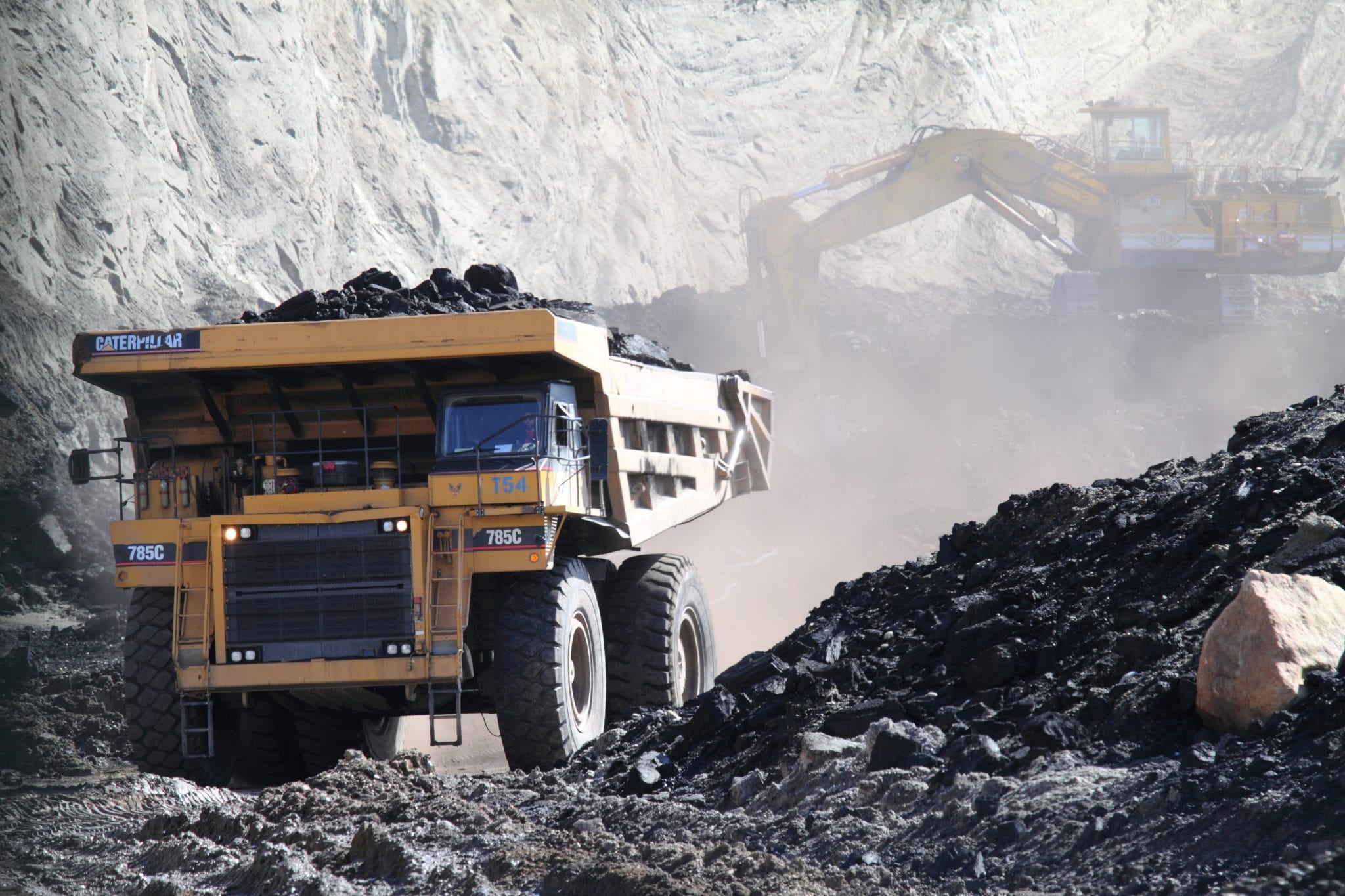
    Vietnam wants to import around five million tonnes of coal from Australia amid a domestic shortage that has forced power plants to cut production.

    Apprising Australian ambassador Robyn Mudie about this on Friday Minister of Industry and Trade Nguyen Hong Dien sought his help to link up Vietnamese companies with their Austrian counterparts so that they could start buying the coal this month.

    Australia is one of the world’s biggest coal exporters. The trade ministry is also looking for sources in South Africa. National utility Vietnam Electricity (EVN) said this week that several thermal power plants in the northern and central regions are cutting down production to 60-70 percent due to a coal shortage.

    It also warned of the risk of power shortages from this month. But the trade ministry has said there will be no power shortages this year. It is mobilizing around 3,700 megawatts from other coal- and gas-fired plants and renewable and hydropower sources.

    EVN said that by 2025 another 5,500 megawatts of renewables are needed to ward off power shortages. It has also called for incentives for rooftop solar. The company is seeking the government’s permission to build wind power plants in the north. Most plants now are in the central and southern regions.

    Coal-fired plants accounted for 43.6 percent of total power generation in February, according to EVN. Vietnam promised to achieve net-zero emissions by 2050 at the U.N. Climate Change Conference in the U.K. last November.

  • Lamborghini returns to Vietnam

    Lamborghini returns to Vietnam

    Luxury car brand Lamborghini is set to return to Vietnam in the second quarter after disappearing for over a year.

    The Italian company has selected S&S Automotive as its new distributor in Vietnam to replace CT Wearnes. It did not state why the partnership with CT Wearnes ended.

    S&S Automotive, which also distributes luxury brands Rolls-Royce and McLaren, said the new Lamborghini showroom is being constructed and will begin operation in the second quarter.

    The showroom will be in District 1, Ho Chi Minh City, where the other two brands Rolls-Royce and McLaren are available.

    S&S Automotive has also put into operation a new maintenance facility in Tan Binh District for both Lamborghini and Rolls-Royce cars.

    Lamborghini was considered the first luxury car brand to enter Vietnam when it launched a showroom in Hanoi, which was open until 2018.

    The brand then opened a new showroom in District 7, HCMC, by the end of 2020 via CT Wearnes.

    As most car import activities shut down early last year, CT Wearnes showrooms in District 7 stopped displaying cars of French brand Renault and Lamborghini.

  • HSBC lowers Vietnam growth forecast

    HSBC lowers Vietnam growth forecast

    HSBC has lowered its GDP growth forecast for Vietnam from 6.5 percent to 6.2 percent due to inflationary pressures amid rising global energy prices.

    “Vietnam is facing multiple challenges given elevated global energy prices. It will increase its energy bills, deteriorating its terms of trade position,” the bank said.

    The country’s imports of crude oil and petroleum in March were double and four times the 2021 monthly averages, and the rising trend seems set to continue.

    This is likely to shrink Vietnam’s external metrics, making it run a second consecutive current account deficit, and higher oil prices would increase the cost of living, dampening recovery in private consumption, the lender said.

    It raised its inflation forecast for the year to 3.7 percent due to the high energy prices, saying this would increasingly call for the need for monetary normalization. The government targets inflation of not more than 4 percent.

    The bank pointed out that the GDP growth of 5 percent in the first quarter was higher than its forecast of 4.7 percent, indicating the country is firmly back on the recovery track.

    The manufacturing sector remained the key driver of growth in the first quarter, driven by a double-digit increase in electronics production.

    Exports grew by 13 percent year-on-year thanks to increased demand for electronics products though strong figures were reported across sectors like textile, footwear, machinery, and wooden products.

    With Vietnam reopening its borders on March 15, HSBC expects a “small rebound” in tourism this year.

    Authorities are hoping to get 8-9 million foreign tourists this year, 40-50 percent of the 2019 numbers.

    Economic growth of 6.2 percent will however make Vietnam one of the region’s top performers.

  • Vietnamese honey gets a sweet deal in Taiwan

    Vietnamese honey gets a sweet deal in Taiwan

    Vietnam’s honey exports to Taiwan rose by 57 percent last year to US$1.64 million, thanks to competitive prices and growing quality.

    Oanh, a woman from the northern province of Hai Duong who is working in Taiwan, said Taiwanese increasingly prefer Vietnamese honey due to its better prices than Thai products.

    Last year Vietnam was the second largest natural honey exporter to Taiwan, accounting for nearly 10 percent of the latter’s total imports. Its export volumes rose by 44 percent to 382 tons, according to statistics from Taiwan’s Bureau of Foreign Trade.

    In the first two months of 2022 exports quadrupled year-on-year to 46 tons. Vietnam exports 54,000 tons of honey annually, 95 percent of it to the U.S.Exporters said Taiwan is a promising market for honey due to growing demand.

    But the U.S. has imposed a preliminary anti-dumping tax of over 410 percent on Vietnamese honey.

    Its import tax on honey from other countries is around 30 percent.

  • Vietnam Airlines accumulated loss nears charter capital

    Vietnam Airlines accumulated loss nears charter capital

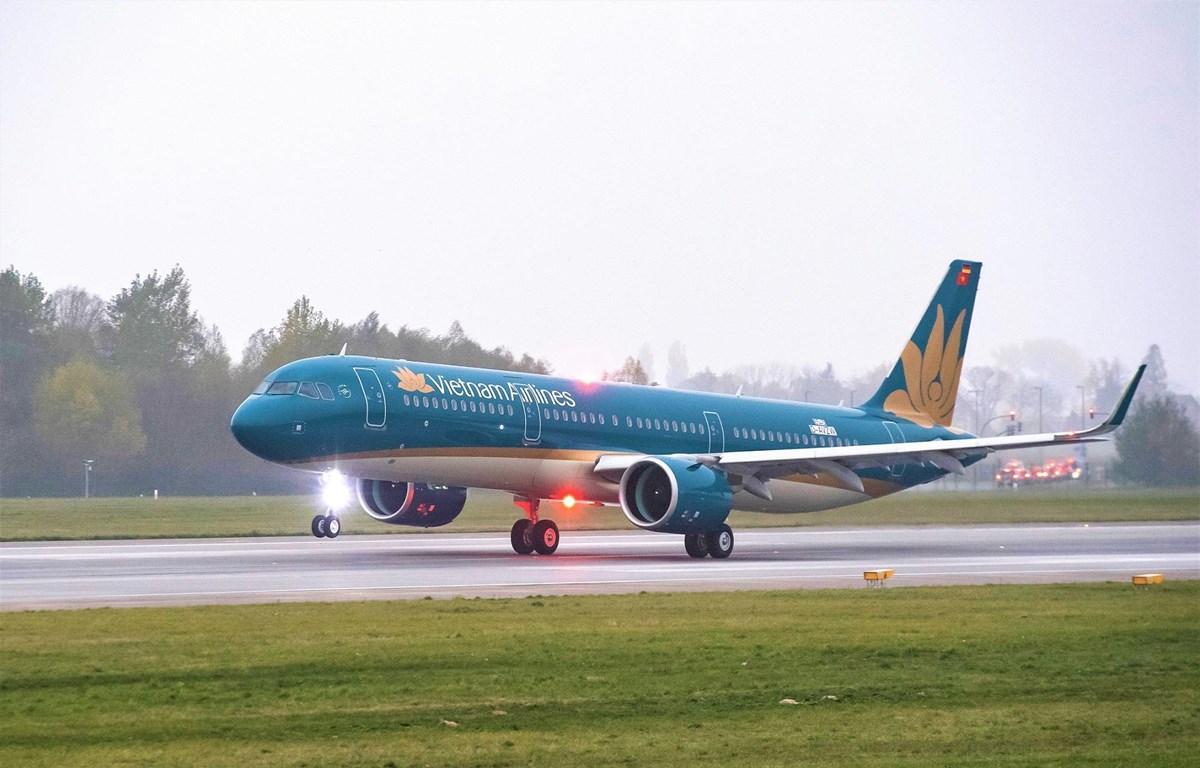
    The accumulated loss of national flag carrier Vietnam Airlines climbed to VND21.98 trillion ($928.39 million) last year, roughly the same as its charter capital.

    The airline was hit hard by the Covid-19 pandemic that saw borders closed and commercial flights suspended for two years.

    It posted a loss of VND13.02 trillion last year alone, with revenue dropping 31 percent year on year to VND28.09 trillion.

    The airline increased its charter capital by 56 percent to VND22.14 trillion last year by issuing 800 million shares, with the State Capital Investment Corporation (SCIC) contributing an additional VND6.89 trillion.

    The Commission for Management of State Capital at Enterprises (CMSC) now holds a 55.2 percent stake in the flag carrier, the SCIC 31.14 percent, and Japan’s ANA airline 5.62 percent.

    The airline has been increasing the number of flights it operates since the beginning of this year as the government began lifting restrictions based on rising vaccination rates.

    It operated 7,314 flights last month, up nearly 21 percent year-on-year.

    The airline has proposed that the government raises the price cap for domestic travel from April 1 and add a fuel surcharge for local routes as fuel prices have soared in recent months.

  • Bamboo Airways not affected by ex-chairman’s arrest

    Bamboo Airways not affected by ex-chairman’s arrest

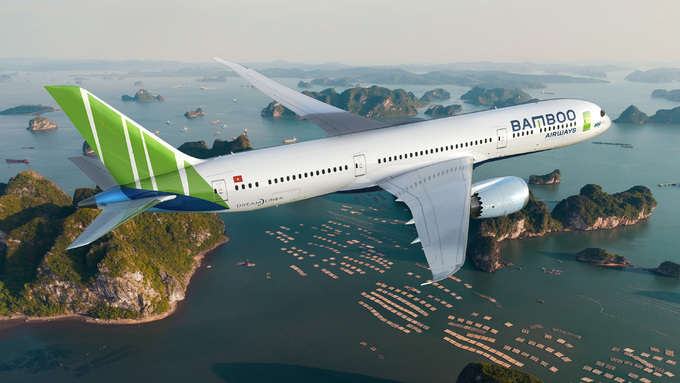
    The Civil Aviation Authority of Vietnam says carrier Bamboo Airways is operating normally, unaffected by the recent arrest of its ex-chairman Trinh Van Quyet.

    The carrier’s key personnel, including pilots, cabin crew, and technical staff are complying with all regulations, it reported to the Ministry of Transport Thursday, after an emergency meeting with the airline’s management.

    The meeting happened a day after the arrest of real estate giant FLC and Bamboo Airways chairman Trinh Van Quyet for alleged manipulation of his company’s share prices by using 20 different trading accounts to create fake demand.

    Quyet is the largest shareholder of the airline, holding 55.5 percent of its charter capital, or VND3.89 trillion ($170.3 million). Bamboo Airways has a charter capital of VND7 trillion.

    The aviation authority also assured that in the case Quyet’s assets were frozen, the carrier would still operate normally operational, as it meets the government’s minimum capital requirement of VND700 billion.

    But it will keep a close watch on the carrier for the next three to six months to ensure safety and assess the impacts of Quyet’s arrest.

    “The Civil Aviation Authority of Vietnam will support Bamboo Airways when necessary to help the airline overcome current difficulties, and maintain development,” it said.

    On Thursday, FLC deputy chairman and Bamboo Airways’ general director Dang Tat Thang replaced Quyet as the airline’s new chairman until shareholders and the board of directors make a final decision.

    Thang continues to retain his position as general director.

  • Bamboo Airways to be monitored for safety following chairman’s arrest

    Bamboo Airways to be monitored for safety following chairman’s arrest

    The Civil Aviation Authority of Vietnam said it would closely monitor Bamboo Airways for the next three to six months to ensure safety following the arrest of its chairman.

    Its aircraft maintenance and operations and training would be closely supervised, deputy head of the Civil Aviation Authority of Vietnam (CAAV), Ho Minh Tan, said at an emergency meeting with the airline’s management Wednesday.

    The meeting came a day after real estate giant FLC and Bamboo Airways chairman Trinh Van Quyet for alleged manipulation of his company’s share prices by using 20 different trading accounts to create fake demand.

    He had earned VND530 billion (US$23.19 million) in this manner between Dec. 1 and Jan. 10, investigators said.

    Deputy general director Nguyen Ngoc Trong said banks and financial institutions are committed to fulfilling all contracts they have signed with the carrier, which would in turn fulfill all its responsibilities and obligations. Bamboo Airways began flying in 2019.

    On Thursday, Dang Tat Thang was named the new chairman to replace Quyet until shareholders and the board of directors make a final decision. He also remains the general director.

  • Vietnam food company acquires French poultry firm

    Vietnam food company acquires French poultry firm

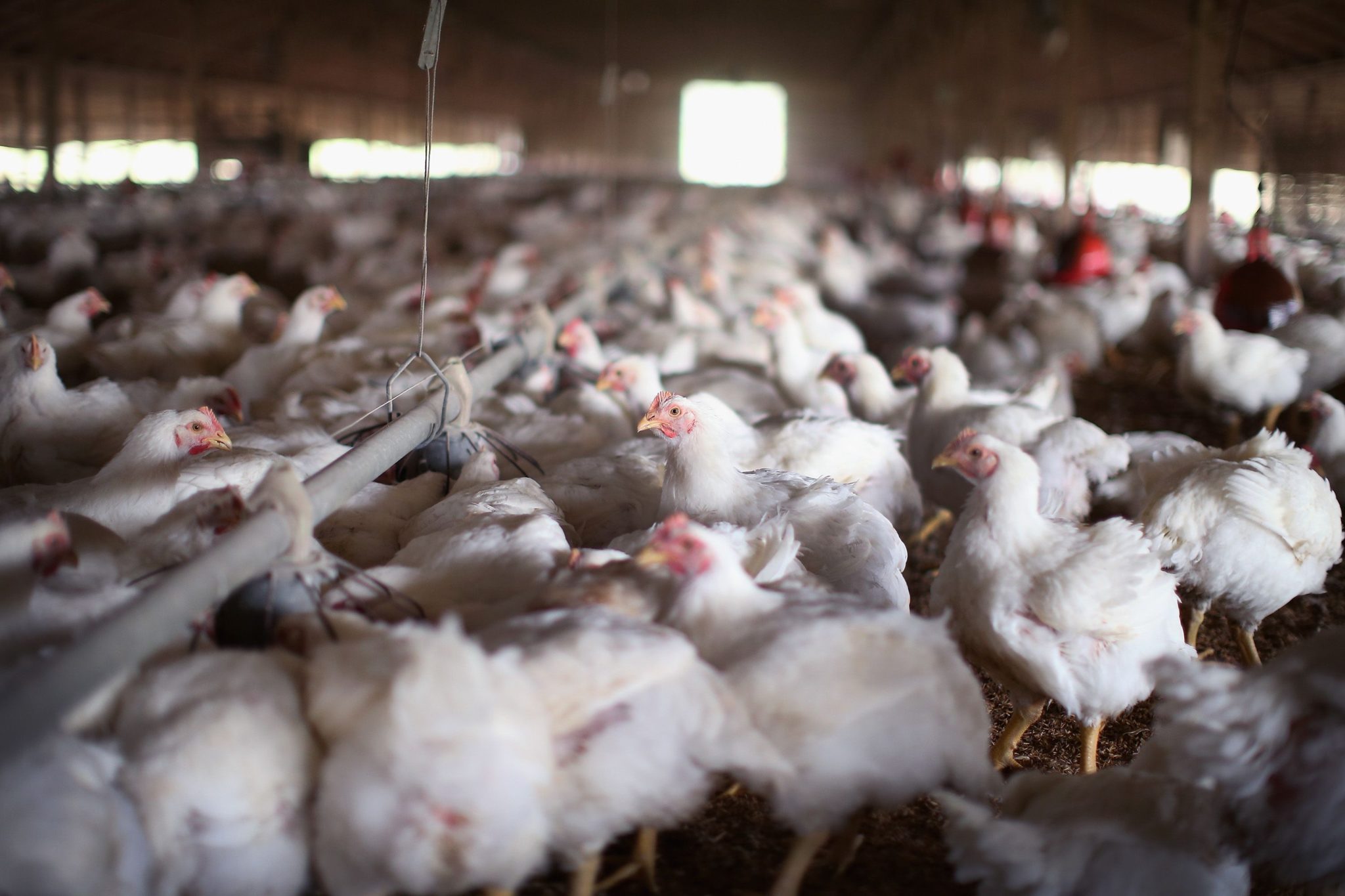
    GreenFeed Vietnam, a Vietnamese food chain company, has acquired the Mekong Delta-based French chicken supplier LeBoucher. The value of the deal has not been disclosed.

    GreenFeed owns G Kitchen, a meat and processed products retailer. Quang Thanh Cuong, head of its food segment, said the acquisition would complement the company’s ecosystem with a new source of protein.

    LeBoucher, a poultry supplier with a factory in the southern province of Long An, is the fifth food brand added to GreenFeed’s portfolio, the other three being MaMaChoice (fresh meat), Wyn (processed food) and G.Lala (broken rice).

    LeBoucher was owned by Alain Glon Holding Asia, a French food company with $110 million in annual revenue that has been operating in Vietnam for over 25 years. It supplies chicken to McDonald’s Vietnam operations.

    According to German data portal Statista, Vietnam poultry consumption was nearly 17 kilograms per capita in 2021; and is expected to rise to more than 20 kilograms by 2029.

  • Vietnam faces electricity shortages from April

    Vietnam faces electricity shortages from April

    Vietnam may face a power shortage from April due to tight coal supplies, Vietnam Electricity (EVN) reported.

    Some thermal power plants are operating at 60-70 percent capacity, which has led to a decline in electricity supply as the high-demand season nears.

    The decline in power production is seen at Nghi Son 1, Vung Ang 1, and Vinh Tan 2 thermal power plants in the central region and Duyen Hai 1 in the Mekong delta, EVN said in a report Wednesday. Hai Phong thermal plant in the north has shut down three out of four turbines, it added.

    This has led to a shortage of 3,000 megawatts of electricity. The decline came as coal delivery to EVN plants was 23 percent short of its need for the first quarter.

    As the country’s two biggest coal miners Vinacomin and Dong Bac struggled to have enough supply, there could be an electricity shortage starting April, EVN stated. Vietnam, especially the northern region, usually has high power demand between May and July due to high heat.

    The state-run Vinacomin reported earlier this month that the shortage of miners in the first two months due to Covid-19 and surging import prices have caused its supply to fall. As of March 14, the company had provided only 74 percent of what it promised to thermal power plants for the first quarter.

    The company has also sought official approval to raise selling prices as import rates increase. It has not hiked prices for the last two years. The Ministry of Industry and Trade has ordered Vinacomin to ensure that there would be no coal shortage under any circumstances. Coal-fired plants accounted for 43.6 percent of total power generation in February, according to EVN.

    Vietnam promised to target net-zero emissions by 2050 at the 2021 U.N. Climate Change Conference (COP26) in Scotland last November.

  • VinFast to build $2-bln electric auto plant in US

    VinFast to build $2-bln electric auto plant in US

    Automaker VinFast has signed a deal with North Carolina state in the U.S. to build a $2-billion plant to make electric buses, cars, and auto batteries. It is set to finish by July 2024, when it will have a capacity of 150,000 units a year, VinFast said in a statement Wednesday. Investment in the plant will eventually double to $4 billion.

    U.S. President Joe Biden claimed in a statement Tuesday that the plant, which will create more than 7,000 jobs and hundreds of thousands of electric vehicles and batteries, is the latest example of his economic strategy at work.

    “Our efforts to build a clean energy economy are driving companies to make more in America, rebuild our supply chains here at home, and ultimately bring down costs”.

    The announcement is the latest move by VinFast, a subsidiary of Vietnam’s biggest private company, Vingroup, in its efforts to become a global electric vehicle manufacturer.

    It is targeting sales of 42,000 this year after starting to deliver cars in the U.S., Canada, France, Germany, and the Netherlands in late 2022.

    Outside of North America, it is looking to set up a plant in Germany, the company had said in January.

    VinFast’s VF8 and VF9 electric SUVs cost from $41,000 to $61,000 in the U.S. By comparison, a Tesla SUV sells for around $63,000.

    The company became Vietnam’s first indigenous car manufacturer in 2019 and plans to transition completely to electric vehicles this year.