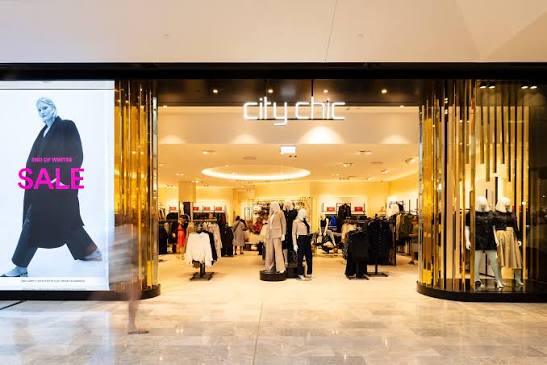
City Chic Collective nearly doubled its underlying core earnings to $12.3 million in the fiscal year ended June 28, despite total group revenue slipping 3 per cent to $130.5 million.
Margin expansion and strict operational discipline drove underlying earnings before interest, taxes, depreciation, and amortisation up 92 per cent from the previous year.
Australia and New Zealand anchored the turnaround. Revenue across the home market rose 7.6 per cent to $113.8 million, with comparable sales lifting 5.6 per cent across physical stores and digital channels. Higher average selling prices and steady customer acquisition cushioned the group while its overseas operations took a hit.
Retreat from American Tariffs
The United States delivered a sharp contraction. US sales plunged 42 per cent after management deliberately throttled purchasing activity to limit exposure to import tariff volatility.
To fix the unit economics, City Chic converted its US Amazon operation from a wholesale setup to a direct marketplace model. Group inventory fell 11 per cent to $24.1 million by the close of the financial year, reflecting reduced capital tied up in North American stock.
The Sydney-based apparel retailer has deployed automated forecasting and software tools to sharpen buying decisions and lower product return rates. Chief executive Phil Ryan said the company has built a simpler and more resilient operating base after clearing out high-risk inventory channels.
Trading Momentum in Early FY27
Cross-border apparel brands have faced intense margin pressure across international channels over recent reporting cycles, forcing operators to protect local margins rather than chase unprofitable foreign volume. City Chic’s retrenchment in North America reflects a broader shift among Australasian specialty chains refocusing on core domestic trade.
Early numbers indicate the strategy is holding. Comparable store sales in Australia and New Zealand rose 11.4 per cent through the first seven weeks of FY27, with management forecasting a return to revenue and margin growth in the US during the first half.
Leave a Reply