South Korea’s food cluster agency signed a partnership on Tuesday with Kazakhstan’s Shin-Line Group to build an industrial food hub and expand bilateral market cooperation.
The agreement opens a pathway for food producers from the National Food Cluster in Iksan to gain access to Central Asia’s largest ice cream manufacturer and its network of about 70 CU convenience stores.
Advisory terms and network access
Korea Food Industry Cluster Promotion Agency Chairperson Kim Deok-ho and Shin-Line Group Chairman Andrei Shin signed the memorandum of understanding at the Four Seasons Hotel in Seoul during the Korea-Kazakhstan Business Roundtable. Under the agreement, the Korean agency will consult on operating strategies, infrastructure planning, and enterprise support programs for the planned food cluster.
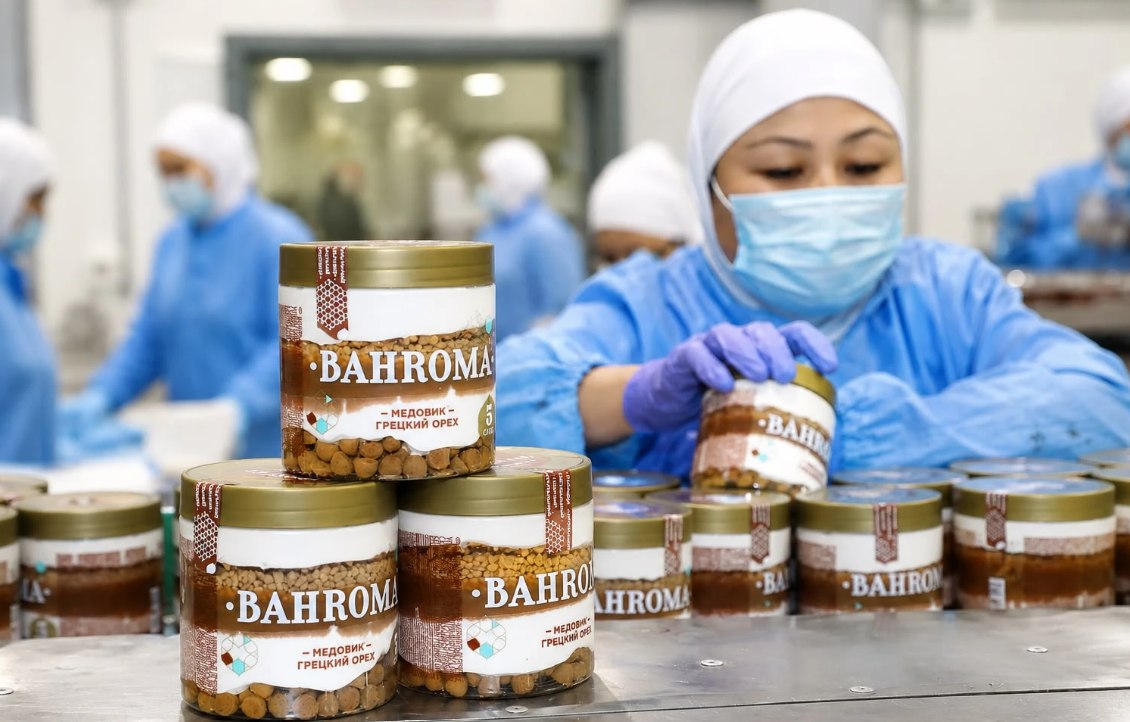
Packaged goods made by tenants at South Korea’s National Food Cluster will flow directly into Shin-Line’s retail footprint. The company operates local production plants, cold-chain routes, and roughly 70 CU franchised convenience stores across Kazakhstan.
Supply chains push into Central Asia
For Korean packaged food manufacturers, the deal tackles their toughest operational bottleneck in Central Asia: shelf space and cold-chain logistics. Exporters entering Kazakhstan typically face fragmented wholesale channels and unpredictable refrigerated transport. Partnering with Shin-Line gives suppliers an immediate pipeline into modern convenience retail.
Operational risk centers on product fit and price positioning. Central Asian consumers embrace Korean pop culture, but everyday convenience store spending remains sensitive to freight costs and local purchasing power. Shin-Line must balance higher-margin imported Korean inventory with high-turnover domestic staple foods. That balance keeps store traffic steady.
Expanding the Iksan blueprint
In North Jeolla Province, the Korean agency runs the National Food Cluster in Iksan, providing research, development, and pilot production support to domestic food processors. The Kazakhstan project exports that state-managed industrial model. It also secures captive export destinations for cluster tenants.
This agreement provides an opportunity to expand food industry cooperation with Kazakhstan by drawing on our experience operating the National Food Cluster.
Store counts and development timeline
Teams from both sides will now set working schedules for technical consultations on the industrial park and outline vendor requirements for Korean exporters. The key early milestone is tracking how quickly National Food Cluster packaged lines reach shelves across Shin-Line’s 70 CU stores in Kazakhstan.
Leave a Reply