Category: Electronics

Retail News Asia is committed to providing both local and global retailers with the latest Electronics news throughout the Asian market. This on a daily base.

  • Apple limits online sales of iPhone as stocks go down

    Apple limits online sales of iPhone as stocks go down

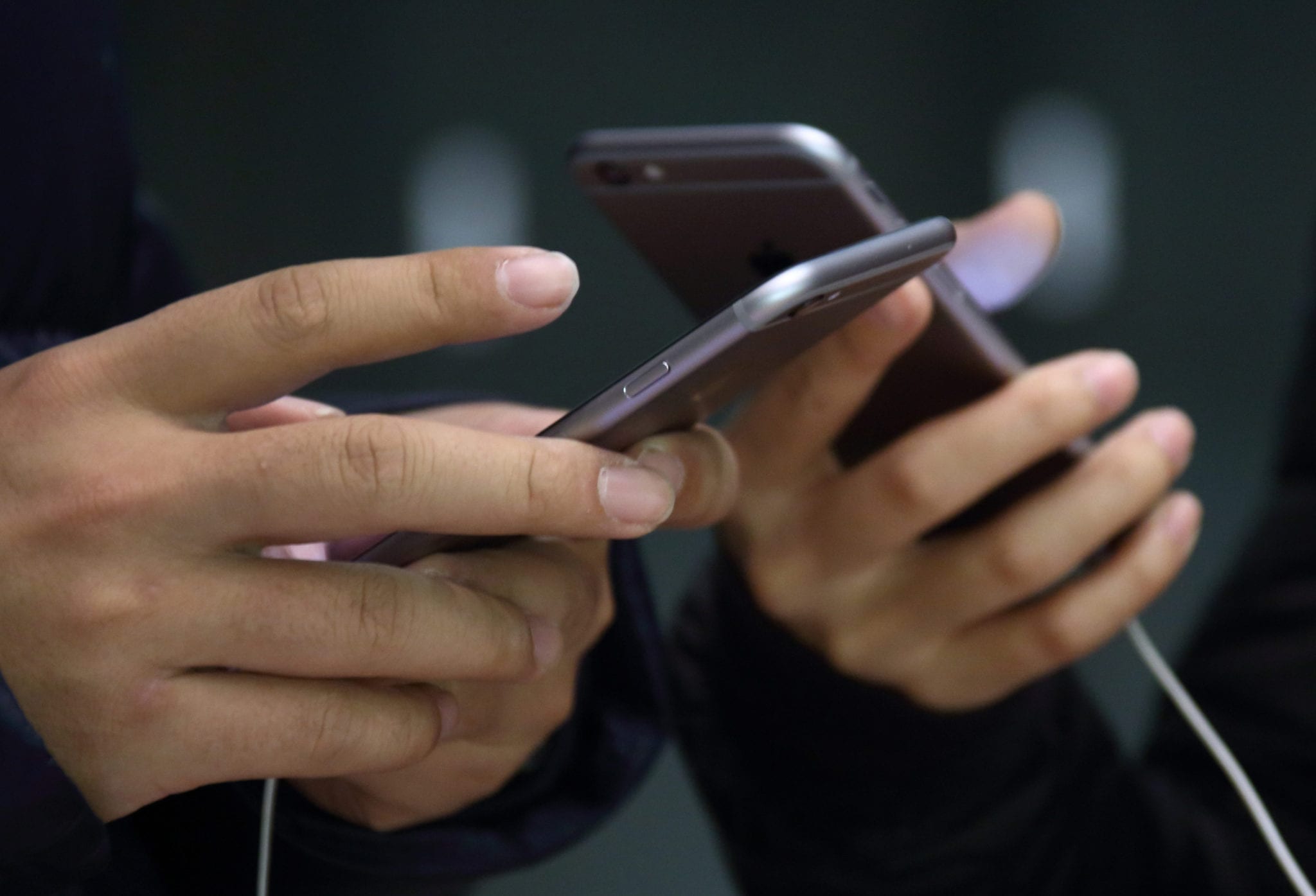
    Apple has placed restrictions on bulk purchases of its iPhones in some Asian territories after the coronavirus outbreak caused interruptions to supply.

    Customers in Mainland China, Hong Kong, Taiwan, and Singapore are limited to buying two devices of the same model per order. While similar limitations are in place in many other regions, customers in those territories are not being notified of the limitations until check-out.

    The firm issued a warning to investors last month that the coronavirus outbreak had significantly affected its supply chain, stating that it may not meet its quarterly revenue expectations. Apple shut down all of its retail stores outside China 10 days ago, including 52 outlets in Mainland China, Hong Kong and Taiwan.

    Apple suffered a 61-per-cent year-on-year drop in iPhone sales last month, at a time when Chinese factories were largely closed. Many have since reopened as demand for iPhones drops globally with the spread of social distancing and closed retail outlets.

  • Smartphone shipments suffer a record breaking decline

    Smartphone shipments suffer a record breaking decline

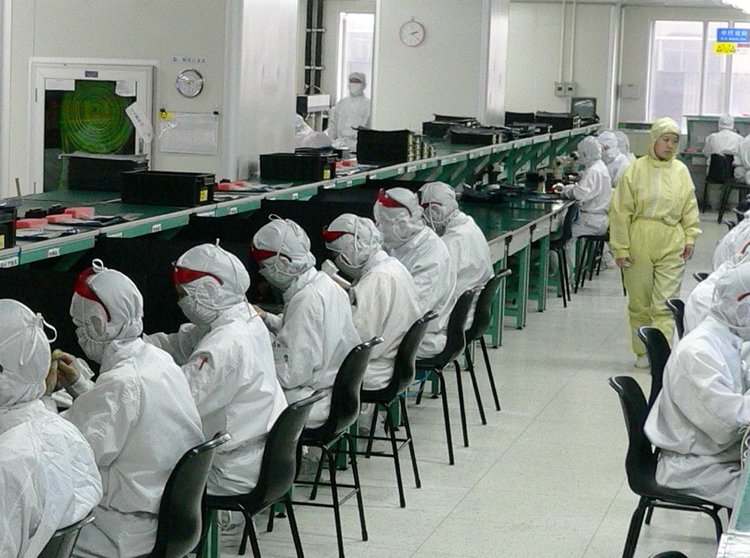
    Thanks to the coronavirus, February was the worst month in the history of the smartphone industry as global shipments plunged 38% year-over-year. Strategy Analytics says that this was the biggest year-over-year decline in the history of the worldwide smartphone market. The number of smartphones delivered globally last month plunged to 61.8 million units from 99.2 million handsets during the same month last year. On a sequential basis, the 61.8 million phones shipped in February represented a 39% drop from January’s total. The COVID-19 outbreak forced manufacturers in China to shut down assembly lines and retail stores in the world’s largest smartphone market.
    “February 2020 saw the biggest fall ever in the history of the worldwide smartphone market,” according to Neil Mawston, Executive Director at Strategy Analytics. He added that “Supply and demand of smartphones plunged in China, slumped across Asia, and slowed in the rest of the world. It is a period the smartphone industry will want to forget.”
    During February, Samsung led the way in global smartphone shipments and sales. During the month, the manufacturer unveiled the new Galaxy S20 line and released the foldable Galaxy Z Flip. Following Samsung in both shipments and sales were Apple, Xiaomi, Huawei, OPPO and Vivo. And the research firm expects the numbers for this month to show weakness as well. Yiwen Wu, Senior Analyst at Strategy Analytics, says, “Despite tentative signs of recovery in China, we expect global smartphone shipments overall to remain weak throughout March 2020. The coronavirus scare has spread to Europe, North America and elsewhere, and hundreds of millions of affluent consumers are in lockdown, unable or unwilling to shop for new devices. The smartphone industry will have to work harder than ever to lift sales in the coming weeks, such as online flash sales or generous discounts on bundling with hot products like smartwatches.”
    It’s ironic that just as assembly lines are ramping up in China and Apple has reopened all 42 Apple Stores in the country, it shuts down its stores throughout the rest of the world. It obviously is going to be sometime before we return to some semblance of normalcy. As a result, we can expect further weakness for the industry not only for the current month but perhaps throughout the spring and summer.
  • Xiaomi reopens its 1,800 stores across China

    Xiaomi reopens its 1,800 stores across China

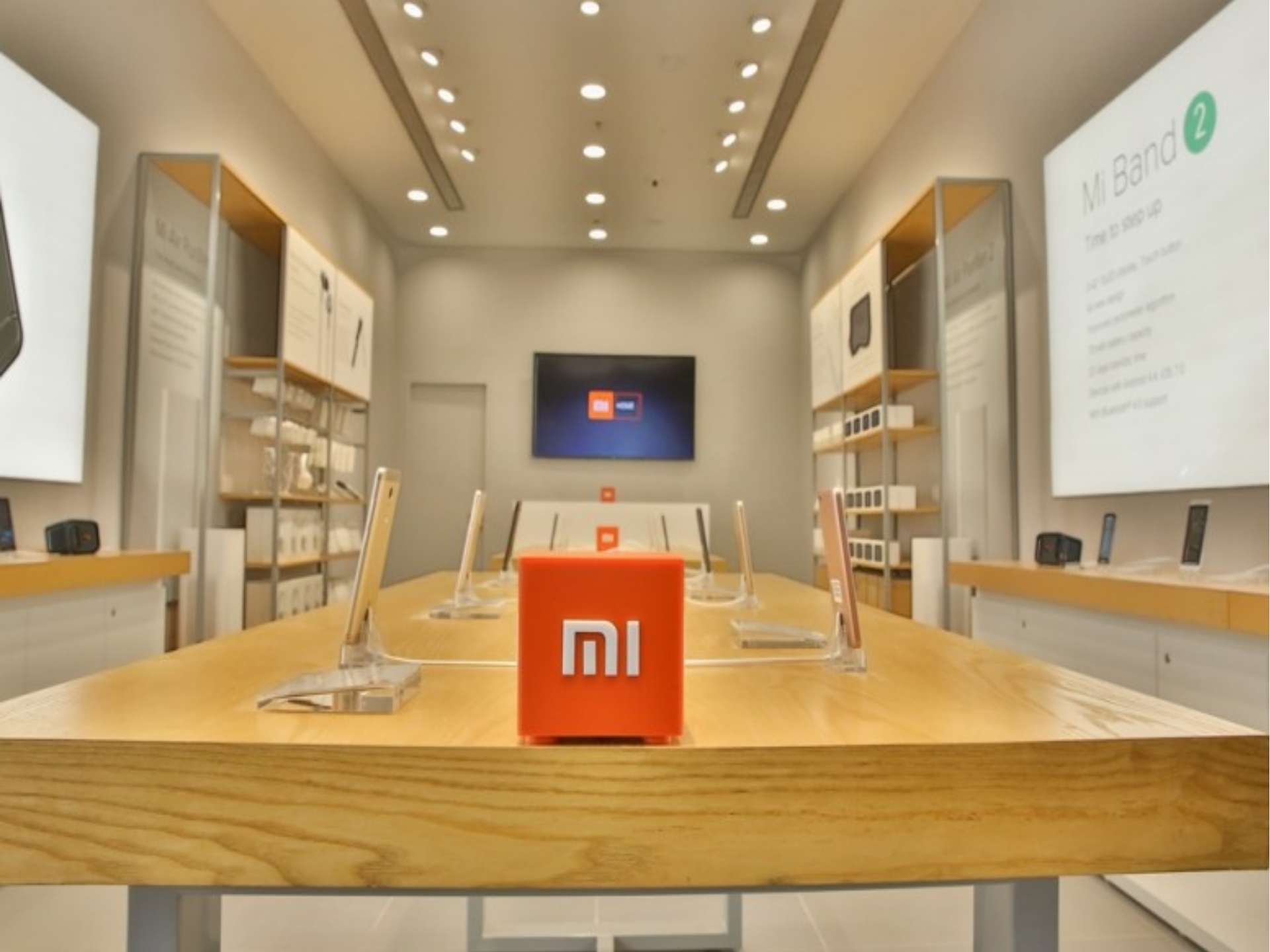
    As Mainland China registered no new cases of coronavirus for the first day since the disease emerged late last year, Chinese tech retailer Xiaomi says it has reopened more than 1800 retail stores across the mainland.

    The company also says the majority of its component suppliers – about 80 percent – had resumed operations.

    In a telephone conference call yesterday, Xiaomi president Wang Xiang said the company was working with its suppliers and service providers both upstream and downstream to achieve a stable supply line of products during the coronavirus crisis.

    Many other retail groups are steadily reopening stores across China. Some, including Apple and Lego, have closed their entire global store networks until at least late this month, with the exception of China.

  • Samsung is looking into its own cloud service, likely to ditch its current provider

    Samsung is looking into its own cloud service, likely to ditch its current provider

    Samsung has decided upon self-reliance and is trying to substitute its cloud service provider. Samsung’s cloud currently relies 60% on Amazon Web Services, reports SamMobile, while the remaining 40% is outsourced to other providers. The cloud platform supports its smartphones, IoT devices and other products.

    Basically, Samsung is planning to first conduct several tests, bringing its cloud infrastructure to some of its departments in order to slowly limit its dependence on Amazon Web Services (AWS), and eventually stop using it altogether.

    So, why has Samsung decided to do this? First of all, of course, there are cost-related reasons. According to SamMobile, the company has been paying hundreds of millions of dollars every year for the service. Last year, more than $483 million, for Samsung Electronics alone, was paid to AWS. Additionally, as the number of users grows, the company has to pay even more for cloud computing solutions. If Samsung would rely on its own cloud, reportedly this could save a lot of money for the company.

    Secondly, there is the reason for security. The South-Korean-based firm wants to maintain its cloud by itself and thus ensure a secure environment, dependent on Samsung’s own efforts. However, it is not clear which organization will support Samsung’s cloud yet. It’s said that the company may choose Joyent, a cloud service that Samsung bought in 2016, as Amazon Web Services’ replacement.

  • Samsung expects 5G demand to drive chip sales higher in 2020

    Samsung expects 5G demand to drive chip sales higher in 2020

    Thanks to the coronavirus, most of the world’s tech manufacturers are facing a situation that they’ve never had to deal with before. Navigating a global economy that has been turned upside down because of the disease, Samsung Chief Executive Kim Ki-nam cited the pandemic and the U.S.-China trade dispute for continued weakness in the global smartphone market. While Kim is negative on the outlook for smartphones this year, he is positive about the company’s chip business; he expects a rebound in 2020 after weak global demand and the U.S.-China trade war ate into Sammy’s chip business last year. The unit accounts for half of the company’s operating profit.

    Koh Dong-jin, president of Samsung’s mobile and network business, told the annual general meeting in Seoul that “The global smartphone market was expected to turn to growth this year, but with virus showing signs of being prolonged, the smartphone market is contracting. But 5G smartphone demand is expected to rise.” Samsung just released its first-half flagship phones and the early word is that sales of the Galaxy S20 line are well below the pace seen after the release of previous Galaxy S models.

    The coronavirus surely has a lot to do with that and while the Space Zoom feature with a 100x hybrid zoom sounds enticing, the $1,400 price tag on the Galaxy S20 Ultra 5G is quite daunting in a world where a small bottle of hand sanitizer now costs over $100-if you can find one. For global consumers with no idea whether they will still have a job a few weeks from now, making the purchase of an expensive new phone seems unnecessary when the mortgage is due and the children need to be fed.

    Still, Samsung’s consumer electronics chief Kim Hyun-suk said that it is too early to figure out how COVID-19 will affect the company’s consumer business. Kim said, “We had expected the consumer electronics market to rise slightly this year, but with the coronavirus fast-spreading, uncertainties are growing faster than ever, and it is very difficult to predict the future.”

    But then it comes to chips, Samsung feels positive about 2020, unlike rival chipmakers who have been chipping away at their sales forecast. Samsung sees strong demand for chips used in 5G wireless networks, data centers, and automobiles. While demand for chips will rise, supply will shrink according to Kim as foundries (including Samsung’s) move to 5nm chip production instead of increasing capacity. At 5nm, Samsung’s chips will carry 127 million transistors per square mm making them more powerful and energy-efficient than current chips made using the 7nm node.

    The report helped Samsung’s shares rise .6% earlier today against a broader market decline in South Korea of .5%. The number of people attending Samsung’s stockholders’ meeting dropped from 1,000 last year to 400 this year because of the coronavirus outbreak. Those showing up at the gathering were scanned with a thermal camera and had their temperature taken when they first arrived at the venue. They also were seated two seats away from each other to help prevent attendees from spreading the virus. The company also instituted electronic voting for the meeting and suggested that stockholders vote online.

    It has been a busy first quarter for Samsung with the release of the Galaxy Z Flip foldable phone and the launch of the Galaxy S20, Galaxy S20+ and Galaxy S20 Ultra 5G. Later this year, we should see Samsung release the Galaxy Fold 2, and the Galaxy Note 20. Last year Samsung remained the largest smartphone manufacturer in the world followed by Huawei and Apple.

  • Tencent costs surge as competition Bytes

    Tencent costs surge as competition Bytes

    Soaring costs saw Tencent Holdings report a net income of US$13 billion for last year, after a slow fourth quarter, which concerned analysts given the subsequent impact of the coronavirus crisis since January.

    Costs rose 20 percent last year as the social media and digital company spent money buying new content and securing new users to its WeChat and other platforms to protect itself from fast-growing rival ByteDance, parent of TikTok.

    Group revenue topped US$53.3 billion for the year but its cost of sales reached $29.7 billion.

    Tencent said its online gaming revenue grew by 25 percent, the fastest rate since the first quarter of 2018 and sales of smartphone games soared 37 percent.

    The company said more gamers signed up to its services in January as the coronavirus crisis forced people to stay home, with schools, universities and workplaces closed for an extended period.

    Net fourth-quarter income was $3.1 billion.

  • Apple fined €1.2 billion for price fixing in Europe

    Apple fined €1.2 billion for price fixing in Europe

    US tech firm Apple has been found guilty of anti-competitive behavior by a French antitrust body and fined €1.1 billion (US$1.32 billion).

    The firm was found to have fixed costs for its French wholesalers to force them to set retail prices aligned with Apple’s own, both in-store and online.

    The fine is the largest ever imposed by the French antitrust body and addresses Apple’s actions to prevent the wholesalers from freely setting their own business policies. The two wholesalers were also hit with large fines.

    “Apple and its two wholesalers agreed not to compete with each other and to prevent distributors from competing with each other,” read a statement from the French regulator, “thereby sterilizing the wholesale market for Apple products”.

    Apple will appeal the ruling, claiming the ruling “relates to practices from over a decade ago and discards 30 years of legal precedent that all companies in France rely on with an order that will cause chaos for companies across all industries”.

  • Apple closing all stores worldwide outside China

    Apple closing all stores worldwide outside China

    Apple has closed all its stores outside of Greater China in response to the coronavirus outbreak.

    According to a company statement, all of Apple’s retail stores outside China will be closed until March 27 however, its online store and “Apple store” app remain open.

    Apple CEO Tim Cook said the company’s experiences while trading in China earlier this year drove the decision.

    “One of those lessons is that the most effective way to minimize risk of the virus’s transmission is to reduce density and maximize social distance,” the company said in the statement.

    Apple said in all its offices outside Greater China, it is moving to a “flexible work arrangement”, which means team members will work remotely if their job allows. All hourly workers will continue to be paid “in alignment with business-as-usual operations”.

    Apple shut down all its stores in Mainland China in early February when the country was heavily affected by the outbreak. Recently, it has progressively reopened stores and all 42 outlets in Mainland China have now resumed normal business.

  • Patent applications reveal how Apple Glasses will charge

    Patent applications reveal how Apple Glasses will charge

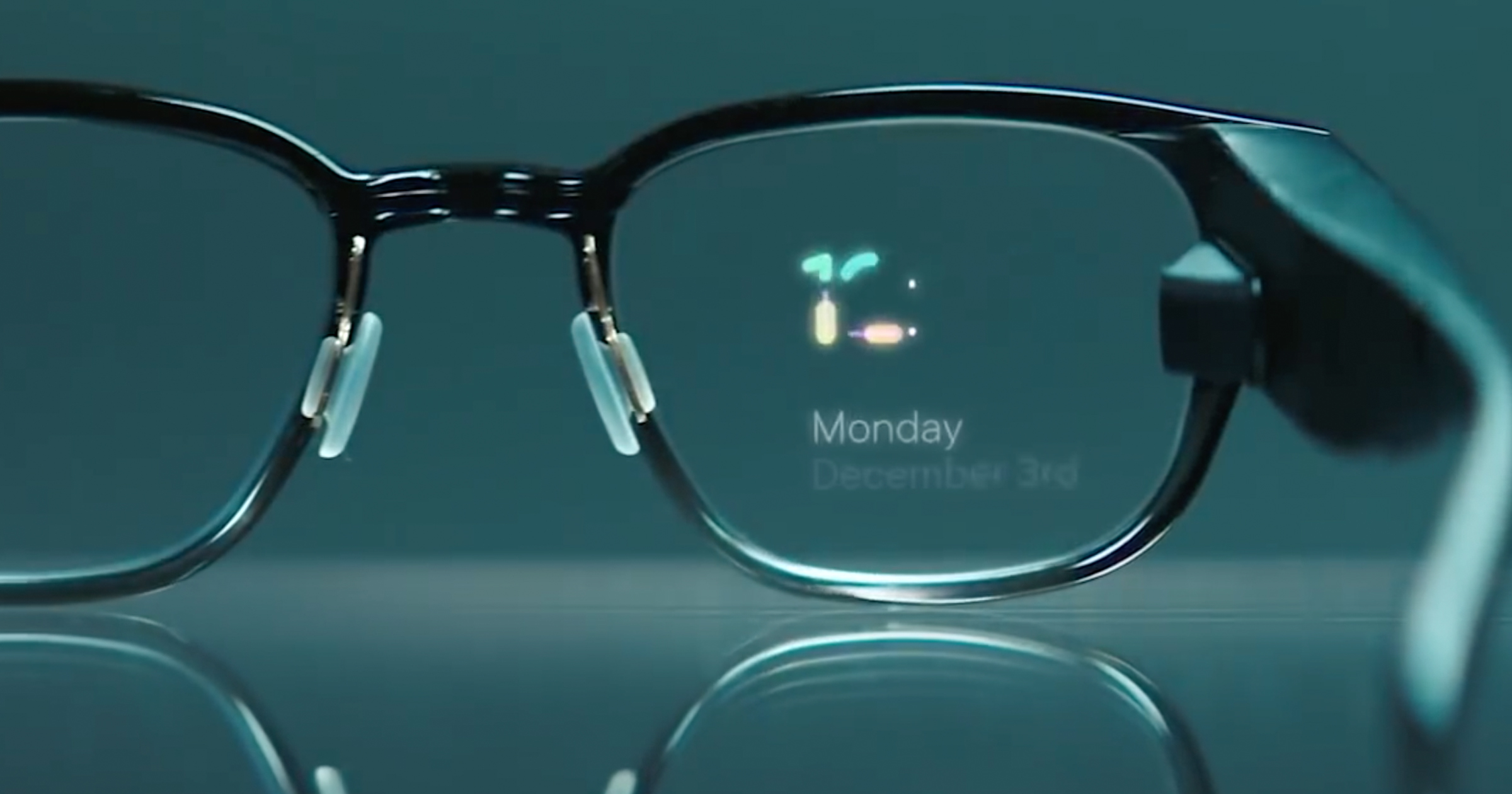
    A new series of patent applications filed by Apple with the U.S. Patent and Trademark Office (USPTO) reveals some of the features that Apple might include with its upcoming AR or mixed reality (augmented and virtual reality) headset. While some analysts had called for this device to launch as soon as this year, it is more likely that the device will see the light of day in 2022 or 2023.

    The first of the patent applications published today is simply called “Display System.” The patent envisions the use of coils placed inside the headband of the Glasses that go around the back of the wearer’s head. A power storage device would be placed near the display and between uses, the headset would be placed in a dock that aligns with the coils to wirelessly charge the device. The headset band could use magnets to help align the coils with the charger. Another possibility is the use of a stand that the headset could hang on. The part of the Apple Glasses that contains the coils connects with the part of the stand that allows the inductive charging to take place.

    Since different people have different face shapes and sizes, Apple applied for another Apple Glasses related patent. Titled “Electronic Device with Adjustable Support Structures,” this reveals an adjustable structure that rests against a user’s forehead with second and third portions that rest against the user’s cheeks or temples. The adjustable structures can use telescopic layers of material, inflatable structures, posts with adjustable lengths, or elastic material that expands or retracts depending on the shape and size of the wearer’s face. A cable system could be used so that if the user adjusts the device to better fit his forehead, the cable tightens around both temples.

    Another patent application titled “Electronic Device With A Display Attached to a Lens Element” suggests that Apple could attach lens elements to the headset’s display by using a layer of optically clear adhesive or the lens element may be formed from gel that directly contacts the display. Attaching the lens directly to the display could help prevent dust and dirt from blurring images. Most VR headsets include lenses that can be found between the user’s eye and the display. The patent would help Apple align these lenses with the headset’s display. “Ultimate Sensor” is another patent application filed by Apple that discusses a system that transmits pulses and measures any echo coming from that pulse. If a sensor on the headset detects the presence of an object, a second pulse is sent out to help identify it. The technology could be used in combination with a camera to show the headset wearer a view of the real-world to prevent accidents.

    Apple has kept mum about its Apple Glasses although it is known that CEO Tim Cook loves AR. He has said in the past that “I regard it (AR) as a big idea like the smartphone. The smartphone is for everyone, we don’t have to think the iPhone is about a certain demographic, or country or vertical market: it’s for everyone. I think AR is that big, it’s huge. I get excited because of the things that could be done that could improve a lot of lives. And be entertaining.”

    Last September, hidden code discovered in iOS 13 revealed that Apple’s upcoming headset has a code name of T288 and is known as “Garta.” It reportedly will use the “reality Operating System (rOS)” and an app called “”STARTester” will recreate on an iPhone display exactly what the Apple Glasses wearer is seeing on his headset. A 5nm chip long has been rumored to be used on Apple Glasses and the very first chip that meets this standard will soon roll off of TSMC’s assembly line.

  • Xiaomi shutting down UK Mi store

    Xiaomi shutting down UK Mi store

    Chinese smartphone brand Xiaomi shuttered its one and only UK Mi store last week in Westfield London after a mere 15 months of operations.

    In a statement, a spokesperson for Xiaomi said the adjustment to the company’s local retail strategy is a reaction to its fast-growing business in Western Europe.

    “Since our official arrival in the UK over one year ago, we have loved building relationships with our users, Mi fans and partners and thank them all for their support.”

    Though the company gave no specific reason for the closure, the UK Mi Store was notorious for stock shortages and for charging higher prices than its online channel. The store’s low patronage and an attempt to cut costs to focus on its other new Western European markets most likely attributed to the reason for its exit.

    Xiaomi entered Western Europe through Spain in 2017, followed by France and Italy shortly after.

    Xiaomi’s UK Twitter account has been deactivated since the store closed and Westfield London’s website has been updated with a disclaimer that the Mi Store is no longer trading. However, Xiaomi products are still available for purchase through UK partners including Amazon, Three and Mi.com.

  • Indian retailers boycott Samsung products

    Indian retailers boycott Samsung products

    Indian retailers are staging a three-day nationwide boycott on selling Samsung mobile devices in response to the firm’s exclusive discounting deals with e-commerce operators.

    The All India Mobile Retailers Association (AIMRA) has arranged the Samsung boycott at brick-and-mortar outlets following several rounds of unanswered communications with Samsung country heads extending back over the past five years.

    “We will be showing our protest through digital posts, covering Samsung branding with a black cloth in our stores, and not doing business with Samsung distributors for three days,” said AIMRA president Arvinder Khurana, adding that Samsung representatives had neither met with leaders of their organization nor responded to emails.

    The association has been working to end deep discounting and cashback offers for e-commerce mobile retailers and has drawn guarantees of fair pricing across channels from Vivo, Oppo and Realme.

    Samsung is “adamant and underestimating the power of offline,” said Khurrana. “They are the only brand with M Series exclusive tie-up and now to grab our customers they have also tied up for a cashback offer through Amazon Pay … Such activities have caused great damage to us but the brand does not seem to be interested in working with offline traders.”

    Industry commentators have noted that the move will heavily impact Samsung’s revenues and shake consumer confidence in the brand.

  • South Korea hopes Vietnam will not quarantine Samsung experts

    South Korea hopes Vietnam will not quarantine Samsung experts

    he South Korean envoy has expressed concern Samsung may suffer huge losses if 1,000 South Korean experts are isolated upon arrival in Vietnam.

    “If experts and engineers of Samsung Electronics enter Vietnam and are placed in quarantine for 14 days, this giant can suffer great damage,” Ambassador Park Noh-wan told reporters in Hanoi Friday.

    Samsung needs to bring in another 1,000 experts to Vietnam to support production line operations, he said.

    Vietnam has suspended entry for those arriving from Daegu City and North Gyeongsang Province, South Korea’s two largest Covid-19 outbreak areas, over the past two weeks. Those arriving from South Korea are automatically quarantined for 14 days as a preventive measure.

    The South Korean Embassy in Vietnam has proposed that the Vietnamese government adjusts its policy, allowing representatives of Korean businesses, including experts and engineers of Samsung and LG, to enter the country and not be quarantined.

    South Koreans with diplomatic and official passports should also be considered for this policy, Park said, adding that all people with a medical certificate issued by Korean medical authorities should be allowed to enter Vietnam normally.

    “The fact that they are in an isolated area will cause a lot of damage. We are very worried,” Park said.

    Park said the number of South Koreans coming to Vietnam has plummeted after Vietnam halted visa waivers for South Korean nationals starting February 29. During the first two months of this year, only 100 South Koreans arrived every day, compared with the previous figure of 13,000, he said.

    The ambassador said that from March 7, Vietnamese airlines are suspending all flights to South Korea. Previously, there were 80 non-stop flights every day between Vietnam and South Korea, around 550 flights per week. About 170,000 South Koreans live in Vietnam now.

    “I hope that the two countries will take effective measures to prevent the (Covid-19) epidemic (from spreading) but not affect the two countries’ long-term relations,” he said.

    South Korea sent three emergency response teams to Vietnam Thursday to provide consular support to more than 270 citizens quarantined over the novel coronavirus outbreak.

    The teams plan to stay in Vietnam for a week starting Thursday, but they could decide to extend their stay if needed. They will discuss with Vietnamese authorities the possibility of lifting the quarantine, while helping citizens who want to return home and those facing visa and other consular problems.

    South Korea is one of Vietnam’s biggest trade partners and investors. The country is the second-largest feeder market of Vietnamese tourism, after China.

    Samsung, the world’s biggest smartphone maker, is the largest foreign investor in Vietnam, employing around 160,000 people.

    Samsung Electronics began construction on a $220 million research and development center in Hanoi, the first of its kind outside South Korea, on Monday.

    Samsung Electronics said on Friday that it would temporarily move some smartphone production to Vietnam from South Korea. The announcement was made after another of its Korean staff tested positive for the coronavirus, forcing it to temporarily close a factory in the southern city of Gumi in South Korea.

    Since late February, a total of six workers have tested positive at the factory complex in Gumi, close to the city of Daegu – the epicenter of South Korea’s virus outbreak – leading to previous temporary closures at the plant. “Once the Covid-19 situation stabilizes, we plan to move back the output to Gumi,” it said in a statement.

    The global death toll from the Covid-19 epidemic had reached nearly 3,600 in 102 countries and territories by Sunday morning, mostly in mainland China (3,097), followed by Italy (233), Iran (145) and South Korea (50).

    The Vietnamese government has deployed various measures to prevent the spread of the virus, including requiring everyone coming from mainland China, Italy, Iran and South Korea, the worst-hit countries so far, to be quarantined for at least 14 days on arrival.

    As of Sunday afternoon, Vietnam has confirmed 30 Covid-19 infections, with the latest nine being foreign tourists. All nine have been quarantined.
  • Samsung’s new television ad promotes its 5G Galaxy phones

    Samsung’s new television ad promotes its 5G Galaxy phones

    By now, you would have to be Rip Van Winkling your way through life not to know that wireless operators worldwide are building out their 5G networks. Why is 5G so important? As the next generation of wireless connectivity, 5G offers download data speeds 10 times faster than 4G LTE. That will help with the creation of new industries and technologies, most of which haven’t even been thought of yet. Consider that the move from 3G to 4G LTE helped create the rideshare industry which has a pair of billion-dollar companies competing for business (Lyft and Uber). In other words, the countries that are first to embrace 5G will be the first to benefit from the coming 5G economic boom.
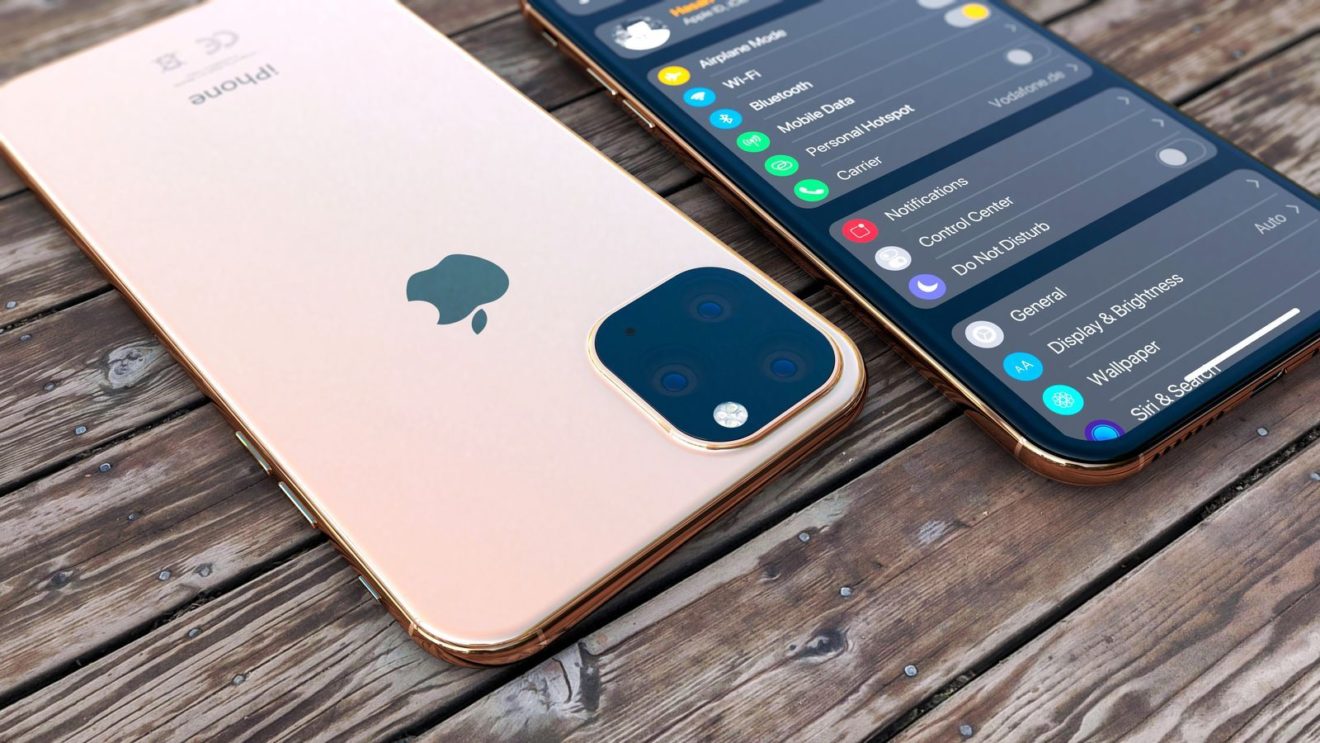
    Now that’s not to say that individuals won’t see amazing changes as well. Videos that currently take minutes to download will take seconds to load on a 5G phone. In fact, that is one of the advantages of running a 5G Galaxy phone on a 5G network according to a new television commercial released Friday by Samsung. The timing of the spot coincides with the official release date of the company’s latest flagship series, the Galaxy S20. The new line is comprised of three models, the Samsung Galaxy S20, the Galaxy S20+, and the Galaxy S20 Ultra 5G. All three phones are available with support for 5G.
    Besides rapid downloads of streaming video content, Samsung points out that its Galaxy 5G phones will also be able to offer faster video gaming, enhanced video chats, and more immersive live events. In the commercial, Samsung shows a Galaxy 5G user sitting on a bus while at the same time she is able to experience a live concert through her phone (and view it from any seat in the house).
    Right now, not everyone’s 5G experience is going to be the same; much depends on their wireless provider. T-Mobile was the first to launch nationwide 5G service in the states thanks to the use of its low-band 600MHz spectrum. These airwaves have the advantage of traveling farther than high-band signals which is why T-Mobile already covers 200 million Americans with 5G. And while these low-band airwaves penetrate structures better than high-band signals do, they cannot offer the blazing-fast download speeds that high-band mmWave spectrum delivers. In addition, mmWave signals can carry more traffic and provide lower latency. That means that the time it takes to send data from one device to another is shorter. Low latency is one of the features of 5G that could lead to driverless vehicles.
    Verizon is advertising that its 5G network is “Built Right.” The nation’s largest carrier is talking about the use of mmWave spectrum to build its 5G network. While this will require Verizon to spend more time to complete the network, when it is finished it will deliver faster download data speeds than the competition. Last month, Open Signal released the results of its real-world tests and Verizon’s 5G network, using mmWave spectrum, had the fastest average download data speed in the states at 722.9Mbps. T-Mobile’s 600MHz 5G network had an average download speed of 47.5Mbps. Sprint’s 2.5GHz mid-band 5G signal (which will soon belong to T-Mobile) averaged 183Mbps down and AT&T’s consumer 5G service, using its 850MHz spectrum, recorded an average download data speed of 59.3Mbps.
    There is a long way to go before the next generation of wireless connectivity starts to reach its potential. But 5G is available now and with the Galaxy S20 series officially released, you can now own a phone that supports both mmWave 5G signals and signals produced by sub-6GHz networks. The question is whether you want to spend big bucks now for technology that is clearly in its infancy. Samsung is hoping that this commercial will motivate you to make the switch to 5G now.
  • JD E-Space reopens Chongqing store with strict precautions

    JD E-Space reopens Chongqing store with strict precautions

    Chinese e-commerce giant JD has reopened its E-Space business in Chongqing.

    The 50,000sqm mega experience store, which retails small household appliances, computers, digital products, and mobile phones, has been shuttered since late January due to the current coronavirus epidemic.

    E-Space allows customers to purchase items within the store on the JD app with a single click to be delivered to their home address – although many shoppers elect to carry smaller items home themselves. With many students in the territory now studying from home, computers, printers, and projectors are currently among the store’s fastest-selling items.

    “After we re-opened, many customers came into the store to shop,” said JD E-Space GM operations Xuefei Li. “We didn’t do any advertising of the re-opening besides posts on our own WeChat and Weibo accounts, showing that consumers are following the store closely.”

    Employees at the store have been required to quarantine themselves for 14 days before returning to work, where they must wear masks at all times and undergo daily temperature checks. Customers are subject to the same restrictions within the store.

  • SE Asian smartphone sales down

    SE Asian smartphone sales down

    Southeast Asian smartphone sales rose last year, bucking the global trend, according to new data from market research house GFK.

    Sales in the region rose by 1 percent last year to US$23 billion, amidst a 2-per-cent decline internationally, as global consumers tended to hold onto their phones longer. Around 97 million devices were purchased in Southeast Asia.

    Growth was particularly high in Malaysia, Singapore, and Thailand, with Thai consumption showing a significantly higher value over volume growth, at 13 versus 6 percent. The Philippines saw slightly more conservative growth, while Vietnam and Indonesia were the only Southeast Asian smartphone sales markets showing a moderate decline.

    “Over the years, consumers in the region have always been showing keen interest when it comes to mobile handsets, with many owning more than one set or changing their smartphone frequently,” said GFK associate director Alexander Dehmel. “It should be highlighted that the higher value over volume growth recorded in the Southeast Asian smartphone market indicates that consumers are upgrading their devices – a trend that has been observed in recent years.”

    Another recent GFK report showed 64 percent of respondents in Indonesia believe their smartphone/tablet is their most important online shopping tool. More than half (58 percent) said they prefer to use their mobile device to pay for transactions.

    Consumers are also tending to buy phones with better cameras and more on-board storage to accommodate more media.

    With the launch of Singapore’s high-speed 5G network expected for this year, the market is likely to be influenced by multiple promotions around new 5G smartphone models.

    “Under normal circumstances, we would expect to see a market performance in the region continuing its upward trend with even bigger and better phones being launched to satisfy consumers’ insatiable appetite for new devices,” said Dehmel.

    However, he said the COVID-19 situation will temporarily affect Southeast Asian smartphone sales and even global sales. “The impact of the coronavirus on global supply chains and production capacities along with weaker demand is likely to slow but not stop the growth of the category in Southeast Asia.”