Category: Finance

Retail News Asia is committed to providing both local and global retailers with the latest Finance news throughout the Asian market. This on a daily base.

  • Cost of living here makes cosy retirement an elusive goal: HSBC

    Cost of living here makes cosy retirement an elusive goal: HSBC

    The cost of living makes Singapore one of the toughest countries to retire in, according to a new report.

    It found that about two in three workers here who are 45 or older would like to retire in the next five years but 48 per cent of them say they would not be able to. The global average is 38 per cent.

    Moreover, 30 per cent of pre-retirees predict that they will never be able to retire fully, compared with the global average of 18 per cent.

    Respondents here said the main impediment is a lack of savings or the burden of having dependants to look after.

    Having a lot of debt was raised by 26 per cent of respondents here, compared with the global average of 22 per cent.

    TOUGH FINANCIAL REALITIES

    The HSBC Future of Retirement survey shows that the financial realities of retirement make it an elusive goal for many Singaporeans.

    MR MATTHEW COLEBROOK, head of retail banking and wealth management, HSBC Singapore.

    HSBC surveyed 1,008 respondents – people aged 25 and above as well as retirees – here as part of a survey spanning 17 countries.

    START SAVING TODAY

    Even small amounts saved by starting today can lay the groundwork for a comfortable retirement tomorrow, placing retirement dreams squarely within reach.

    MR IAN MARTIN, chief executive of HSBC Insurance (Singapore).

    Mr Matthew Colebrook, head of retail banking and wealth management at HSBC Singapore, said: “The HSBC Future of Retirement survey shows that the financial realities of retirement make it an elusive goal for many Singaporeans.

    “This can be rectified with early financial planning and by seeking help from professionals who can provide advice on how to protect and grow your wealth.”

    Pre-retirees surveyed said they were anxious that events such as bad health and the need to care for elderly parents could interfere with saving for retirement.

    In spite of these concerns, retired life still offers much promise for some.

    The poll found that 62 per cent of Singapore respondents aged 45 and above who would like to retire in the next five years want to travel or pursue other interests.

    Also, 42 per cent of them would like to spend more time with family once they retire.

    Pre-retirees also expect relationships with friends, their partner and their children to improve.

    Mr Ian Martin, chief executive of HSBC Insurance (Singapore), said: “People should consider their personal aspirations when planning for retirement and ensure they are making sufficient financial provisions for this new chapter in life.

    “Even small amounts saved by starting today can lay the groundwork for a comfortable retirement tomorrow, placing retirement dreams squarely within reach.”

    HSBC also noted that about 56 per cent of pre-retirees here do not know how to predict how much they will spend on healthcare in retirement, even though 74 per cent believe that poor health will make saving for their golden years more difficult.

    To help individuals assess financial preparedness in realising their retirement aspirations, HSBC has launched the Retirement Profiler, an online tool to help individuals assess financial preparedness in realising their retirement aspirations.

  • QNB chosen ‘Best Retail Bank in Qatar’

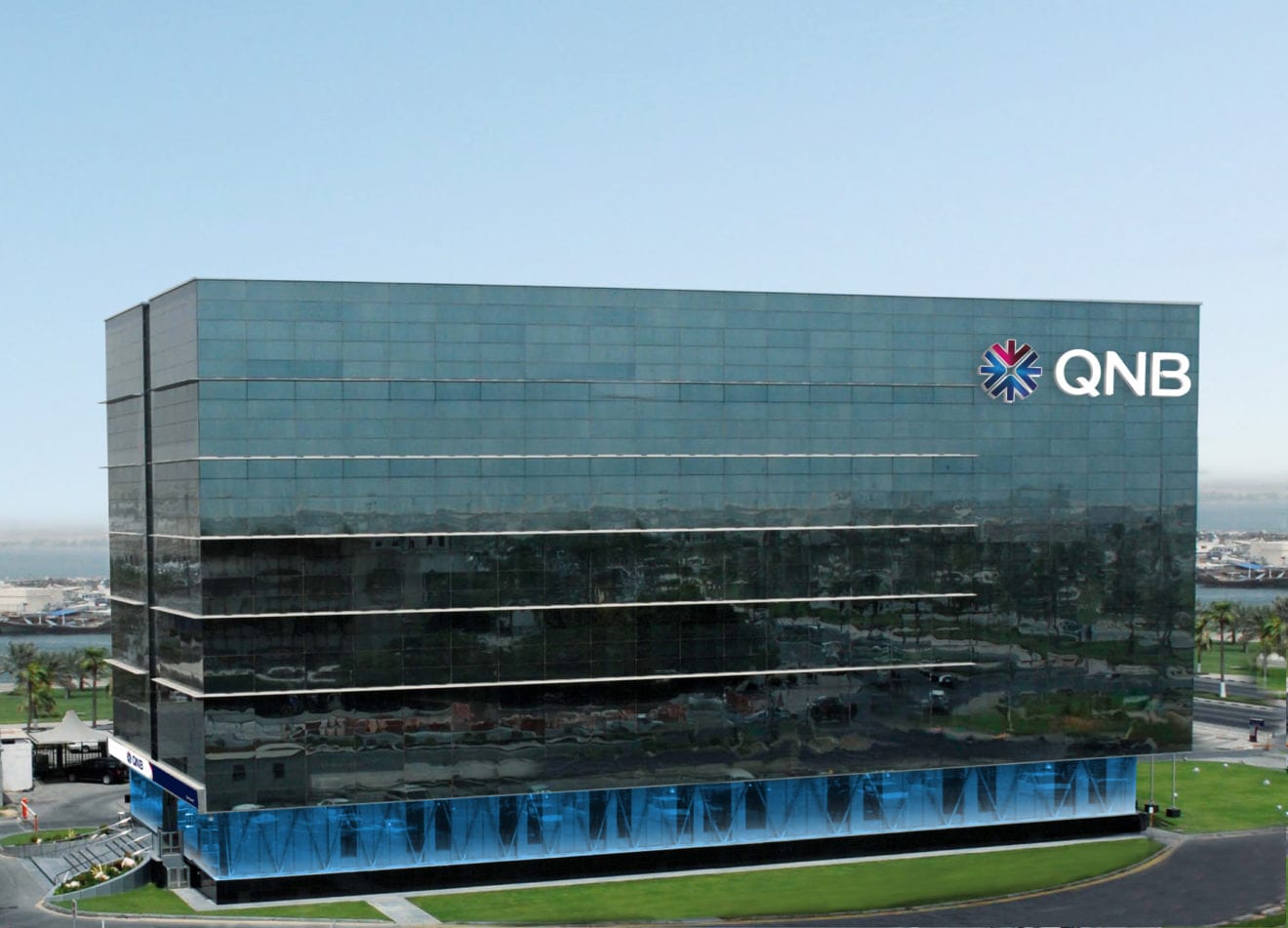
    QNB chosen ‘Best Retail Bank in Qatar’

    QNB has been recognised as the “Best Retail Bank in Qatar” by the Asian Banker Magazine.
    The prestigious award was received during The Asian Banker’s International Excellence in Retail Financial Services Awards 2016 ceremony held recently in Hong Kong.

    The awards ceremony was held in conjunction with The 15th Annual Excellence in Retail Financial Services Convention. It is considered an important financial event in the global retail banking agenda, where regional and global elite retail bankers can come together and enjoy unprecedented networking opportunities.

    According to The Asian Banker, QNB, a leading financial institution in the Middle East and Africa, received the “highly competitive award after successfully undergoing all the stringent valuation” for the international excellence in Retail Financial Services Programme.

    “The award is a true testament to the excellence of QNB’s retail services, given that the programme is considered the most prestigious, comprehensive and anticipated awards programme that recognises excellence amongst the world’s leading retail financial institutions as well as the undisputed performance benchmark of the best retail banks in an increasingly fierce marketplace,” QNB said.

    As a leading provider of strategic intelligence on the financial services industry, The Asian Banker facilitates awards programmes known for their rigor, impartiality and transparency.

    QNB is a previous recipient of these distinguished awards, gaining such recognitions as “Best Transaction Bank in the Middle East & Africa”, “Best Direct Bank”, “Best Cash Management Bank in Qatar”, and “Best Trade Finance Bank in Qatar”.

    QNB Group’s presence through its subsidiaries and associate companies extends to some 27 countries across three continents providing a comprehensive range of advanced products and services.
    The total number of employees is more than 15,200 operating through more than 635 locations, with an ATM network of 1,390 machines.

  • South Korea Market May Remain Stuck In Neutral

    South Korea Market May Remain Stuck In Neutral

    The South Korea stock market gave up just a pair of points on Tuesday – but that was enough to snap the four-day winning streak in which it had advanced more than 25 points or 1.2 percent. The KOSPI settled just shy of the 1,970-point plateau, and the market is looking at another narrow trading range on Wednesday.

    The global forecast for the Asian markets remains roughly flat with a touch of weakness ahead of the Federal Reserve interest rate decision later today. The European markets were down and the U.S. bourses were mixed but little changed – and the Asian markets figure to split the difference.

    The KOSPI finished slightly lower on Tuesday as losses from the technology stocks were mitigated by support from the industrials.

    For the day, the index slipped 2.30 points or 0.12 percent to finish at 1,969.96 after trading between 1,966.44 and 1,979.46 on volume of 3.8 trillion won.

    Among the actives, Hyundai Development spiked 4.77 percent, while POSCO added 0.48 percent, Samsung Electronics shed 0.16 percent, Hyundai Motor fell 1.01 percent and AmorePacific spiked 2.45 percent.

    The lead from Wall Street is slightly negative as stocks were mostly lower Tuesday as falling crude oil prices remained a key driver of the markets – skidding 2.3 percent.

    The Dow added 22.40 points or 0.13 percent to 17,251.53, while the NASDAQ slipped 21.61 points or 0.45 percent to 4,728.67 and the S&P 500 eased 3.71 points or 0.18 percent to 2,015.93.

    The listless trading came as traders looked ahead to today’s monetary policy decision from the Federal Reserve. The Fed is widely expected to leave interest rates unchanged, but traders will pay close attention to the wording of the accompanying statement.

    Traders reacted to several key economic reports, including a Commerce Department report showing a modest drop in retail sales in February. A separate report from the Labor Department showed a modest decline in producer prices in February.


  • Asian banks fear impact of negative interest rates

    Asian banks fear impact of negative interest rates

    Central banks in emerging Asia that are struggling to revive growth and keep their financial systems stable are facing new risks as their counterparts in Europe and Japan plunge deeper into uncharted policy territory.

    The Bank of Japan in February joined several European central banks in turning policy on its head with a radical prescription of negative interest rates to revive flagging economies, prompting calls from emerging markets for some form of global coordination to avoid a race to the bottom for rates and currencies.

    Concerns about potentially destabilising spillovers into the rest of the world are likely to be a key talking point over the coming week as central banks in Indonesia, Thailand, the Philippines and Taiwan hold policy reviews.

    All four central banks have seen volatile swings in their currencies and stock markets over the past year as the world’s major central banks have taken markedly divergent policy paths.

    Yesterday, Bank Indonesia cut its benchmark interest rate by 25 basis points to 6.75 per cent, its third straight reduction of that size this year as it tries to lift sluggish economic growth.

    While many Asian economies have strengthened their defences since the 1997/98 regional financial crisis, they remain vulnerable to sudden capital outflows.

    Reserve Bank of India governor Raghuram Rajan, a critic of the massive stimulus rolled out in developed economies, has called on global central banks to adopt a system for assessing the wider impact of unconventional monetary policies.

    “It seems fair to say that the benefits seem to be diminishing after years of effort, and the costs increasing,” Mr Rajan said at a three-day International Monetary Fund (IMF) event in New Delhi.

    Low rates have created problems for savers around the world, and debt levels are continuing to rise to unsustainable levels from China and Japan to Europe – feeding fears of a fresh blow to the global economy from financial market dislocation.

    Mr Rajan’s concerns were echoed by his peers in emerging markets such as Indonesia and Malaysia, but few if any in the region expect the likes of the European Central Bank (ECB) to give priority to any nasty side effects for other economies when setting policy.

    “The potential for this (to manage economic crises) is becoming more and more limited as monetary policy rates have already trended closer to zero and quantitative easing is becoming more significant,” Bank Negara Malaysia governor Zeti Akhtar Aziz said.

    She said there is a need for greater policy coordination among countries to prevent over-reliance on monetary policy.

    Mr Juda Agung, Bank Indonesia’s executive director for monetary and economic policy, agreed. “A low-yield environment encourages excessive risk-taking behaviour. At the end, the credibility of the central bank is at stake,” he said.

    Mr Frederic Neumann, co-head of Asian economic research at HSBC, said that emerging economies are right to raise a voice of caution over unconventional policies.

    “Policymakers are backpedalling because it’s not entirely clear what the benefits of negative rates would be,” he said, referring to ECB president Mario Draghi’s suggestion last week that further rate cuts were probably off the table.

    Indeed, a recovery in the euro zone has flagged over the past year and deflation looms large, while Japan’s economy is teetering on the brink of its fourth recession in five years. The IMF has cut its global growth projections for 2016 and 2017, with a slowdown in China rippling across producers of oil, cars and a range of consumer products.

  • NH Financial Group to Expand into Indonesia

    NH Financial Group to Expand into Indonesia

    NH Financial Group signed a memorandum of understanding (MOU) with Indonesia’s largest bank Bank Mandiri at Mandiri’s main office in Jakarta, Indonesia, on March 1 to cooperate in developing rural areas in the Southeast Asian country.

    Mandiri is the largest lender in Indonesia by assets, capital, loan and deposit balance, and the state-run bank with a 60 percent stake. It also has 2,300 branches and 15,000 automated teller machines nationwide.

    Under the agreement, the two groups will share their financial knowhow and business networks in agriculture, cooperating in a wide range of financial services from banking and insurance to leasing and micro financing in order to develop rural areas in Indonesia.

    In order to do so, NH will offer the group’s knowhow and skills in agricultural finances, such as loans, credit guarantees and insurance for farmers, to Bank Mandiri, boosting financial services in Indonesian agriculture.

    Moreover, Bank Mandiri is aware of the fact that the expansion of NH Financial Group into Indonesia will help developing Indonesian agriculture and has decided to actively cooperate in various sectors.

  • CIMB Research retains Add for Berjaya Food

    CIMB Research retains Add for Berjaya Food

    CIMB Equities Research is maintaining its Add for Berjaya Food with potential re-rating catalysts are stronger sales on the back of a recovery in consumer spending and new contribution from its fast moving consumer goods (FMCG) business in FY17.

    However, the research house had on Thursday reduced its target price from RM3.27 to RM2.35. This was based on an unchanged 23.7 times target price-to-earnings which is a 30% premium over its peer average.

    It said on Thursday that BFood’s 3QFY16 revenue rose 10.3% on-year to RM147.3mil but core net profit fell 14.4% on-year to RM7.4mil.

    This brought BFood’s 9MFY16 core earnings to RM19.7mil (+0.3% on-year), with revenue surging 67.1% on-year to RM415.1mil.

    “Nevertheless, this was below our and consensus expectations, making up only 48% and 57% of full-year estimates, mainly on the back of the weaker-than-expected performance from its Indonesian and Singaporean operations,” it said.

    CIMB Research said there was positive same store sales growth (SSSG) of 4.4% on-year for Starbucks in 9MFY16.

    BFood’s 9MFY16 revenue growth was mainly fuelled by: 1) the full consolidation impact from the remaining 50% of Berjaya Starbucks since September 2014, 2) stronger SSSG at Starbucks, and 3) new Starbucks stores (+13 stores on-year).

    While Malaysia’s revenue jumped 81.5% on-year mainly due to the consolidation of the Starbucks franchise, revenues from Indonesia and Singapore weakened by 6.3% and 2.3% on-year, respectively.

    Starbucks recorded SSSG of 4.4% on-year, while KRR Malaysia and Indonesia saw SSSG drop 16.5% and 9.5% on-year in 9MFY16, respectively.

    Meanwhile, Singapore’s Jollibean business also saw weak SSSG of -5.5% on-year.

    Indonesian operations remained in the red while its Singapore operations recorded a loss of RM500,0000 versus a profit of RM600,000 in 9MFY15.

    BFood also incurred higher financing costs of RM9.5mil (due to the acquisition of Starbucks) and higher effective tax rates, which led to flattish core earnings growth.

    “We cut our FY16-18 earnings forecasts by 34%-46% to reflect slower performance from KRR in Indonesia and Malaysia and to take into account the higher effective tax rates,” CIMB Research added.

  • Rupiah strengthens 72 points

    Rupiah strengthens 72 points

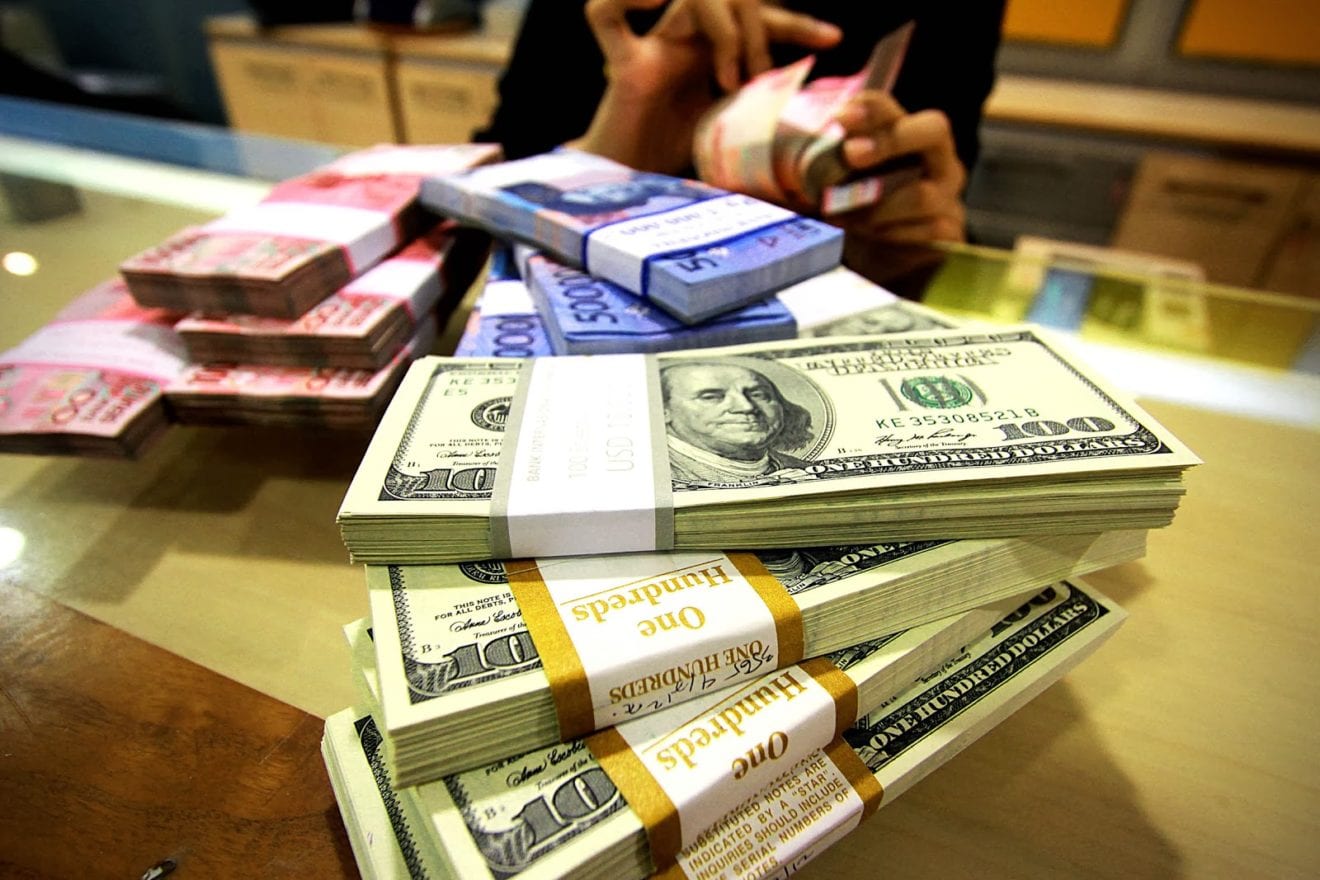
    The Indonesian rupiah strengthened 72 points to Rp12,980 per dollar on Friday evening, compared to Rp13,052 per dollar the day before.

    Developed countries decision to adopt a zero interest rate policy made the yield less interesting and money market investors diverted their funds to developing countries, money market observer Rully Nova said here on Friday.

    “Yields in Indonesia, which still adopts a positive interest rate policy, have attracted investors to invest in rupiah-denominated assets,” he said.

    On the other hand, the fact that sentiment regarding the Fed fund rate faded as several economic indicators did not fully recover has made the US dollar-denominated assets less attractive, he said.

    After all, the rupiahs significant appreciation against the US dollar may have a negative impact on Indonesias export performance, he said.

    “Hopefully, the fluctuation in the rupiahs strengthening will not be too wild and market agents and businesspeople will find it easy to predict it,” he said.

    Market analyst Lukman Leong said the downward trend in Indonesias inflation rate this year is one of the factors behind the rupiah strengthening.

    “The low inflation rate will prompt Bank Indonesia to further lower its interest key rate and consequently, lending rate will fall and domestic consumption will increase in favor of economic growth,” he said.

  • Financial firms in Taiwan, Indonesia urged to open outlets after MOU

    Financial firms in Taiwan, Indonesia urged to open outlets after MOU

    Taipei, March 12 (CNA) Taiwan’s top financial supervisor, the Financial Supervisory Commission (FSC), has urged financial institutions in Taiwan and Indonesia to open outlets in each other’s country after they signed an memorandum of understanding (MOU) to speed up cooperation in supervising financial businesses.

    The FSC inked the cooperation MOU Friday with its Indonesian counterpart the Financial Services Authority of Indonesia or Otoritas Jasa Keuangan (OJK). The MOU focuses on supervision cooperation in banking, securities and insurance businesses between the two countries.

    FSC Chairperson Wang Li-ling (王儷玲) told the CNA that the cooperation MOU will no doubt facilitate financial development between the two countries.

    Wang, who signed the agreement on the behalf of the FSC in Jakarta, added that she believed Taiwan’s financial sector will benefit from the great growth potential in Indonesia, while the Southeast Asian country has expressed interest in Taiwan’s financial market openness.

    Wang said financial institutions in Taiwan and Indonesia should take advantage of the MOU to explore the financial market in each other’s country.

    She said that is especially true as many Indonesian workers are working in Taiwan and there is strong fund demand from ethnic Chinese investors in Indonesia, leading Indonesian banks to want to set up footholds in Taiwan.

    As for the large number of Indonesian workers in Taiwan, the supervisory mechanism under the newly signed MOU is expected to help them in a wide range of financial services in Taiwan, such as money remittances, deposits and insurance.

    The Taiwanese official said that a populous Indonesia needs a diversity of financial products and Taiwanese financial institutions should go there to provide good products.

    According to the FSC, the local banking sector has set up one subsidiary and two representative offices in Indonesia, and the local securities sector has opened a subsidiary there. The local insurance business sector meanwhile has taken a stake in an Indonesian bank, the TWSE said.

    Market analysts said that the newly-signed MOU is expected to help Taiwan-based Cathay Life Financial Co. (國壽) push for a deal to acquire a 40 percent stake in PT Bank Mayapada Internasional of Indonesia. Cathay Life signed an agreement with Bank Mayapada for the acquisition deal in January 2015. Since the law in Indonesia bars foreign entities from taking a stake of more than 25 percent of any bank there and the deal has been stalled. Analysts said that the MOU could remove the legal obstacles for Cathay Life.

  • China’s February New Credit Plunged From Prior Month Record

    China’s February New Credit Plunged From Prior Month Record

    China’s broadest measure of new credit dropped sharply after a record surge a month earlier.

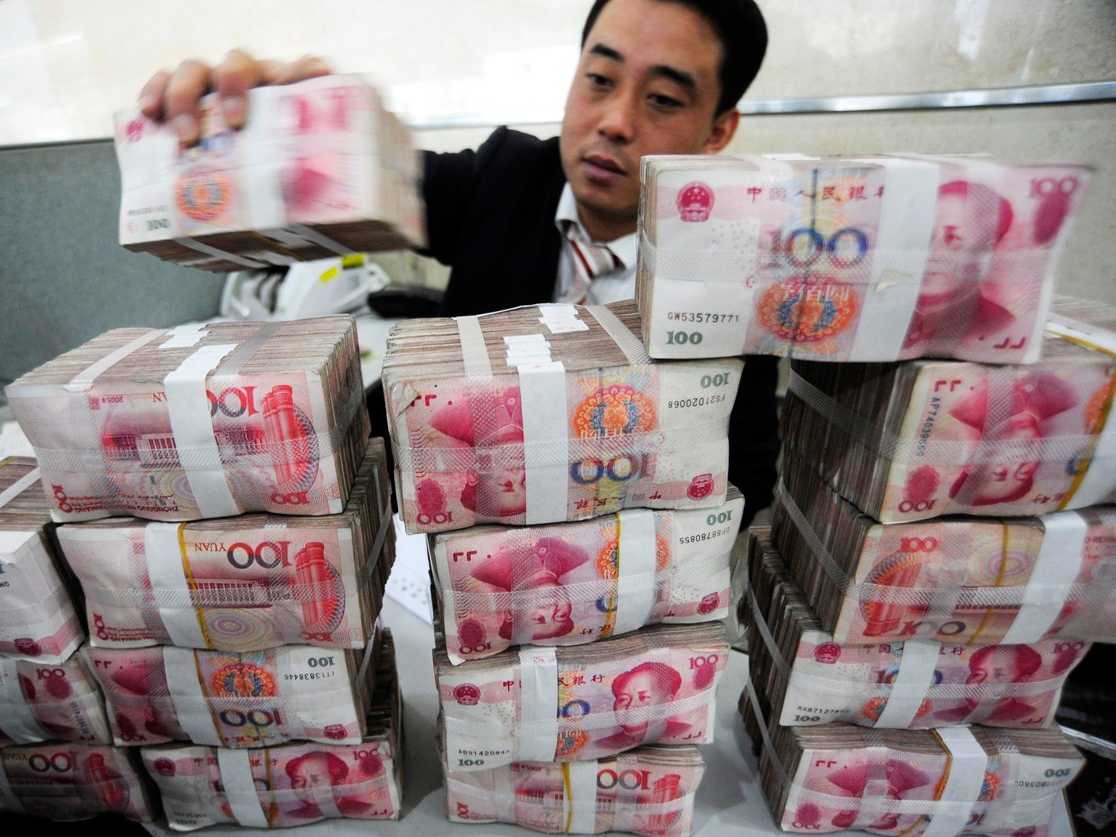
    Aggregate financing was at 780.2 billion yuan ($120 billion) in February, according to a report from the People’s Bank of China on Friday, compared with the median forecast of 1.84 trillion yuan in a Bloomberg survey. New yuan loans were 726.6 billion yuan, compared to the estimate of 1.2 trillion yuan.

    China’s money supply increased 13.3 percent from a year earlier, the PBOC said, less than the 14 percent gain in the prior month and below the 13.7 percent economists projected. The numbers may reflect some distortions arising from the week-long lunar new year holiday in early February.

    “February is a short month due to Chinese New Year, so that there were fewer working days for banks and other financial institutions,” Iris Pang, senior economist for greater China at Natixis SA in Hong Kong, wrote in a report. “Banks usually book most of the loans for the year in January, and fewer loans are booked in February and March.”

    The central bank cut the proportion of deposits the nation’s biggest lenders need to lock away effective March 1 in an effort to keep credit flowing to the real economy. China increased its full-year M2 money-supply target, signaling that supporting economic growth has taken over as the top priority over reducing financial risks.

    In January, aggregate financing soared to a record 3.42 trillion yuan, while new yuan loans also hit an unprecedented level of 2.51 trillion yuan. The strong figures were helped by banks front loading their 2016 lending targets, strong corporate bond issuance, and companies switching foreign currency loans into yuan ones.

    “China’s credit data show some extreme swings in the past two months which are the result of seasonal factors,” said Mark Williams, chief Asia economist for Capital Economics Ltd. in London, who previously worked on China issues at the U.K. Treasury. “Despite the relative weakness in February, the underlying picture is of lending picking up.”

    The lending drop was “a dramatic slump but it is very likely due to seasonal factors, with banks and many businesses closed for an extended period” for the holiday, he said.

    Friday’s data along with the industrial production data due for release Saturday will be key to determining the immediate policy outlook, according to Tom Orlik and Fielding Chen, economists at Bloomberg Intelligence. The government releases the latest industrial output, retail sales and fixed-asset investment data Saturday at 1:30 p.m. Beijing time.

    “The Lunar New Year holiday and payback for January’s record credit surge meant a downside surprise was always a possibility,” Orlik and Chen wrote in a note Friday. “Looking at the data for the first two months of the year together, loan growth remains on a rapid upward trend, and the government is targeting a faster credit expansion for 2016 as a whole.”

    Industrial production and fixed-asset investment are forecast to show a continued slowdown, while retail sales probably showed improvement with a 10.9 percent gain from a year earlier, according to a Bloomberg survey of economists.

    Also on Saturday People’s Bank of China Governor Zhou Xiaochuan and his top deputies hold a press conference, the chairman of state-owned asset regulator and owner SASAC will speak, and the leaders of the three main financial regulators will give a briefing.

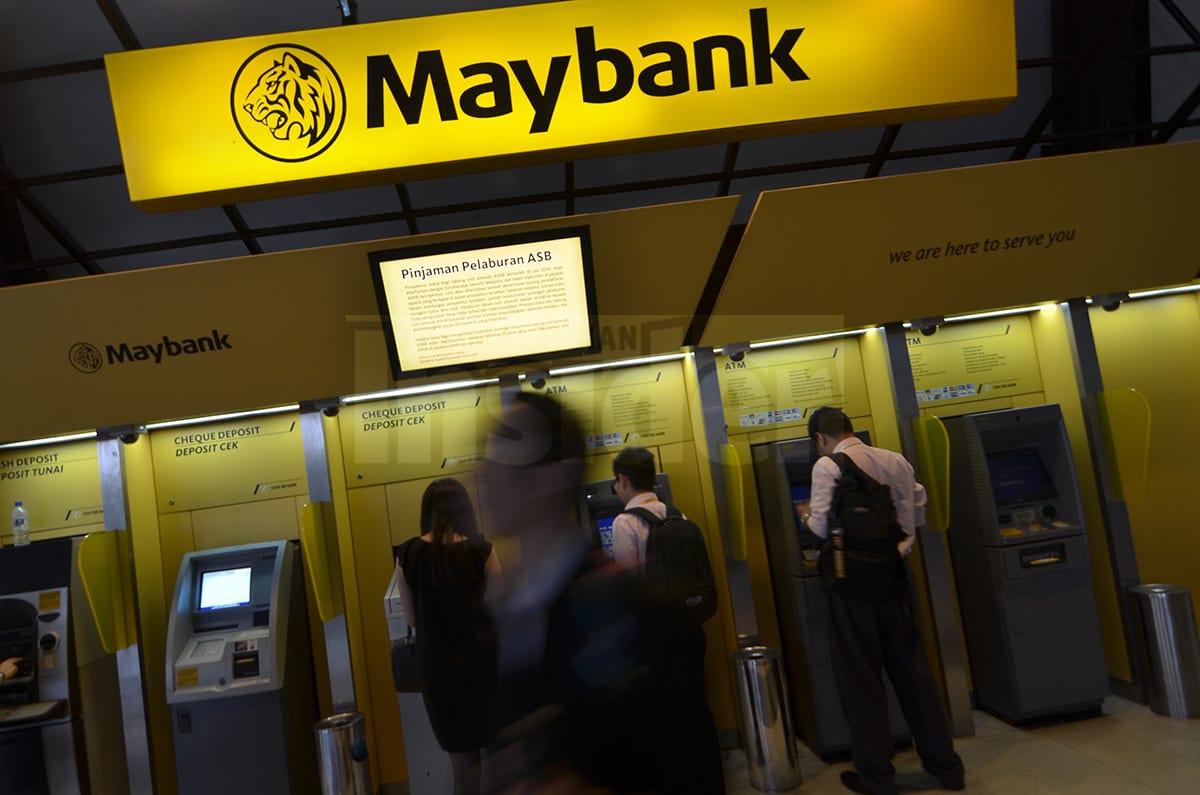
  • Maybank widens presence in Laos with second Vientiane branch

    Maybank widens presence in Laos with second Vientiane branch

    Malayan Banking Bhd (Maybank) has expanded its network in Laos with a second branch in the capital Vientiane, thus establishing a greater presence in one of the fastest expanding economies in Asean.

    The branch, located in the commercial district of Nongduang, offers a full spectrum of banking services, and aims to serve the needs of the local community as well as customers from across the region having trade and investment links in the country.

    The new branch was officially launched by Bank of the Lao PDR (central bank) deputy governor Vathana Dalaloy at an event hosted by Maybank chairman Tan Sri Megat Zaharuddin Megat Mohd Nor.

    Maybank international CEO Pollie Sim said the opening of the Nongduang branch will strengthen Maybank’s presence in Indochina and enhance its ability to meet the banking needs of customers, particularly the growing investor base into the country.

    “Laos is among the strongest performing economies in the region, with steady economic growth of around 8.5% for the past four years and is anticipated to achieve 7.5% real gross domestic product growth on average from 2016 to 2020, according to the government’s eighth development plan.”

    Sim said the first Maybank branch in Vientiane, which was opened in 2012, has experienced encouraging growth with loans and deposits rising at an annual average of 46% and 78% respectively over the last two years.

    “We anticipate that the opening of this second branch will further boost our franchise in the country and lift our loans and deposits growth to over 70% and 100% respectively by end of 2016,” she added.

    Services offered by the two Maybank branches in Laos include retail and business banking, foreign exchange, remittances, treasury as well as ATMs. The retail offerings include mortgages and personal loans while business banking services include term financing and trade financing.

    The two branches have a paid-up capital of LAK200 billion (about RM100 million) a staff strength of 30 in total.

  • Malaysia among first in world with Retail Workbench iPad app, said Standard Chartered

    Malaysia among first in world with Retail Workbench iPad app, said Standard Chartered

    Malaysia is one of the first six markets to go live with Retail Workbench, a digital tablet-based sales-and-service tool, according to Standard Chartered Bank, which globally launch of its Retail Workbench,

    The iPad tool is also live in India, the UAE, Bangladesh, Nigeria and Kenya, said Aaron Loo, country head, Retail Banking, Standard Chartered Bank Malaysia.

    “Banking should be easy and convenient – that’s what the Retail Workbench is all about,” said Loo, adding that the application is integrated with the Bank’s back-end infrastructure, which will allow sales staff to open an account for a client in any location. Banking services such as loan approvals and credit card issuance will be fast, simple and completely paperless.

    “We are harnessing technology to make banking a seamless experience for both clients and staff. Going paperless fits into the increasingly mobile lifestyle of our clients while improving cost efficiency and productivity by freeing up staff’s time to focus on what really matters, which is serving the client,” he said.

    In addition, Loo said the ‘the bank on an iPad: Retail Workbench’ also puts a set of current and savings account, credit card and personal loan products on one mobile platform – along with product information and marketing brochures – so sales staff can answer questions and respond to client needs in person, at any location.

    He said that with this fully digital device, we can process client requests from anywhere, with the data moving straight through to the Bank’s back-end operations in near real-time. Previously, sales staff could visit clients in person but the paperwork had to be manually entered into the Bank’s systems back at the branch or Bank’s premises.
     

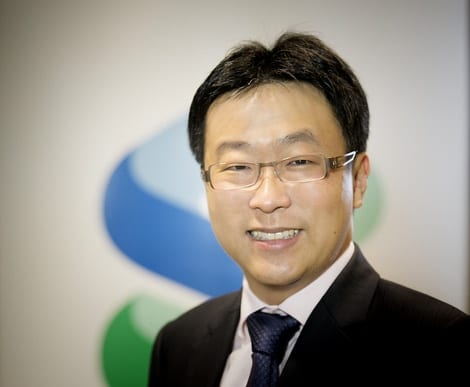
    Aaron Loo - Standard Chartered Malaysia 

    Photo – Aaron Loo, Country Head, Retail Banking, Standard Chartered Bank Malaysia

    This means that clients only need to give their personal data to the bank once to create a profile that can be used for future purchases. Sales staff use the iPad’s built-in camera to securely snap a picture of identity documents so there is no need to fill out multiple forms and no missing data.

    Loo said Retail Workbench has already revolutionised the banking industry in Korea when it was launched in 2014, cutting account opening time in the digitally advanced country to five minutes and credit card issuance to less than half an hour. It has since won numerous industry awards for innovation and outstanding client service.

    Due to differences in local infrastructure, turnaround times and other features of Retail Workbench will vary across the seven markets following the global launch, he added.

    A statement added that Standard Chartered will successively add capabilities and enhance performance in each market over the coming months and equip more sales teams with the device. By the end of 2017, Retail Workbench will be in the hands of staff in 18 markets across Asia, Africa and the Middle East.

     Digitising banking

    The statement added that this global launch marked “a milestone in Standard Chartered’s strategy of using digital technology to deliver a better banking experience to clients. The Bank last year announced it will invest US$1.5bn in technology over three years. Standard Chartered was named the World’s Best Consumer Digital Bank in 2015 by Global Finance magazine and also won Best Consumer Digital Bank in Malaysia in 2010, 2014 and 2015.”

    Standard Chartered Bank, a member of the Standard Chartered Group was established in Malaysia in 1875 and incorporated as Standard Chartered Bank Malaysia Berhad in 1984. Standard Chartered employs close to 7,000 employees in all its Malaysian operations.


  • HSBC Gets Approval for Credit Card Operations in China

    HSBC Gets Approval for Credit Card Operations in China

    HSBC Holdings efforts to scale up its retail and wealth management business in China got a major boost with the U.K.-based company receiving permission to start a credit card business in China’s $1 trillion market.

    The approval from the Chinese authorities came after Peter Wong, Asia-Pacific Chief Executive Officer at HSBC, announced in a weekend interview that HSBC ended its joint venture with Bank of Communications Co. However, Wong believes that there are several other avenues of collaboration with Bank of Communications and that the two companies share healthy business terms.

    HSBC intends to maintain its stake of around 19% in the Chinese lender, Wong said on Saturday in an interview on the sidelines of China’s annual congress of lawmakers in Beijing.

    However, Wong did not specify when HSBC won regulators’ approval or provide details on how the business will be moved forward.

    The move makes HSBC the third foreign credit-card issuing company after Citigroup Inc. (C – Analyst Report) and The Bank of East Asia, Limited (BKEAY – Snapshot Report) to get approval to operate solo on the mainland. The permission to start credit card operations in the country would facilitate HSBC’s plan to expand China footprint.

    At its June 2015 Investor Day conference, HSBC unveiled plans to make increased investments in the under-penetrated Asian markets, with particular focus on China. Notably, the company continues to perceive China as an “engine of growth” and hence, intends to capitalize on Hong Kong’s high-quality customer base, where the market has grown over 13% in the past two years. Also, an ageing Chinese population is undeniably driving the demand for retirement and protection products in the country.

    More importantly, HSBC believes that building operations in its most-profitable Asian business will help it offset the negative impact from soaring expenses. Moreover, aided by such investments, the company estimates growth in pre-tax profits to outpace that in risk-weighted assets or RWAs, thereby enhancing its return on RWAs.

    Though Chief Executive Officer Stuart Gulliver’s plan seemed to suffer due to falling commodity prices, a slowing Chinese economy and a pretax loss in the fourth quarter, an independent credit card division in China would help HSBC expand the client base for its retail bank and enhance HSBC’s access to a rapidly growing market.

    According to a Bloomberg report, getting approved for its own operation in China “is a meaningful step for HSBC as it gives the bank the autonomy to run the business,” said Chen Xingyu, a Shanghai-based analyst at Phillip Securities Research. “Since the Pearl River Delta is HSBC’s focus, having its own credit-card business can help the bank expand in the region.”

    “There’s still strong demand for credit cards in China’s first-tier cities, but the business is getting saturated in some areas,” said Chen at Phillip Securities. “That’s why the potential in smaller cities is even bigger.”

    Though the Chinese economy is currently showing signs of weakness, we believe the country will resume its strength, given a sturdy performance history as well as efforts by its government to boost growth. This, in turn, will support HSBC’s prospects in the country.

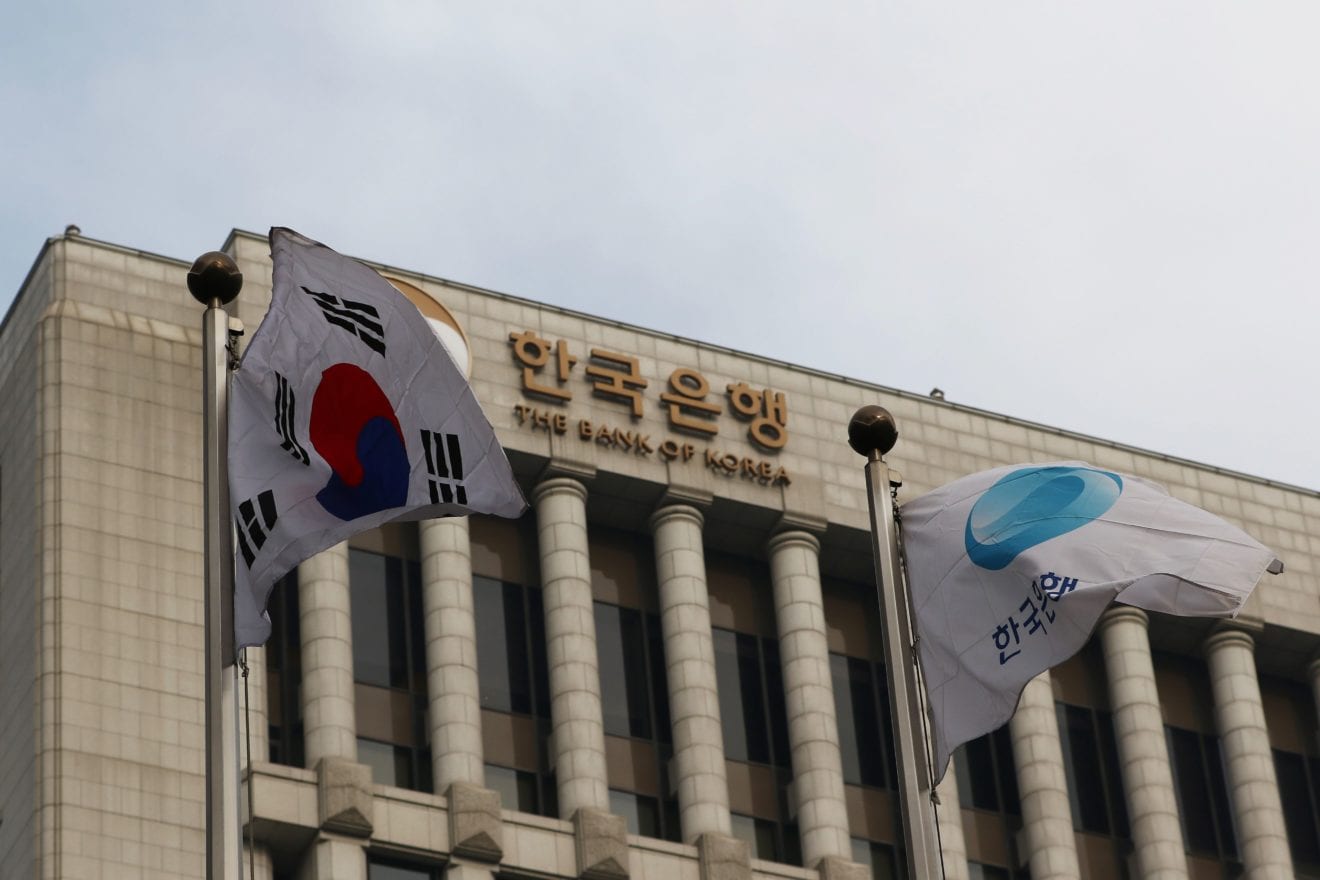
  • Bank of Korea likely to keep policy rate on hold tomorrow

    Bank of Korea likely to keep policy rate on hold tomorrow

    The Bank of Korea is likely to keep its policy rate unchanged at 1.5% during its upcoming meeting. The meeting will mainly focus on the weakness in January’s activity data. Also, there is a higher probability for another cut in GDP forecasts during the April meeting. But, t he rebounding sentiments in global financial markets and February’s macroeconomic data will help the cautious stance of a majority of the MPC members.

    The February’s monetary policy meeting’s minutes showed central bank policymakers’ reluctance regarding further rate cuts, in spite of further decline in the outlook of growth. All members had agreed that there were growing threats on the downside for growth, but only one member had voted for a rate cut.  The other members didn’t support a cut in interest rate because of the usual worries regarding financial stability, the requirement to secure the room for policy actions, the lack of further downside threats for inflation and the expected diminishing marginal impacts of additional easing actions.

    January’s activity data indicated broad weakening of growth momentum. The drop in manufacturing production was expected given the considerable decline in January exports. However, the contraction of retail sales and services production was a major concern because consumption was the main over GDP growth driver in H2 2015.

    As facility investment did not strengthen in December, it was only construction activity that kept its strength amongst the different activity indices. However, strength in February’s exports alleviated worries regarding growth. The renewed tax cut on autos will stimulate consumption as the retail sales contraction in January was mainly due to auto sales after the termination of tax cut in December. A considerable rise in February’s headline inflation to 1.3% supports most of the MPC members’ views that the central bank’s current inflation forecast is appropriate.

    The Bank of Korea is unlikely to change its policy rate throughout 2016. The unwillingness of MPC members regarding additional easing implies that the central bank is expected to keep rate unchanged even if the GDP forecast is revised downwardly from the current estimate of 3%.

    Also, BoK’s projection of potential growth in 2017 might be as low as 2.8%. Considerable surprises on the downside in growth, which can lead to a sizable reduction in the GDP growth forecast to a level of about 2% or below is expected to be a precondition for a further cut in interest rate.

    © EconoTimes 2015. All rights reserved. The EconoTimes content received through this service is the intellectual property of EconoTimes or its third party suppliers. Republication or redistribution of content provided by EconoTimes is expressly prohibited without the prior written consent of EconoTimes, except for personal and non-commercial use. Neither EconoTimes nor its third party suppliers shall be liable for any errors, omissions or delays in content, or for any actions taken in reliance thereon.

  • SM Investments Corporation wins two Anvil Awards for its Annual and ESG Reports

    SM Investments Corporation wins two Anvil Awards for its Annual and ESG Reports

    SM’s first 2014 ESG report with the theme, “Working Together for a Sustainable Future”, earned a Gold Anvil Award for manifesting the company’s commitment to sustainability practices and for providing accurate disclosure and integrated reporting of its ESG policies. It is a group-wide report highlighting good governance, social development and environmental consciousness of SM companies such as SM Retail, SM Prime Holdings, and BDO Unibank. SM recognizes that adhering to ESG global best practices is a journey as global guidelines and the needs of SM’s stakeholders continue to evolve.

    The 2014 Unified Annual Reports bagged a Silver Anvil Award for featuring inter-related themes of the company and its subsidiary on new opportunities for growth.

    The 2014 Unified Annual Reports consist of the Annual Report of SM with the theme, “Pursuing New Opportunities for Growth” and that of SM Prime Holdings, Inc. that carried the theme, “Building New Opportunities for Growth”.

    Dubbed as the “Oscars” of the public relations industry in the Philippines, the Anvil is presented to the outstanding public relations tools and programs that have met the high standards set for each category.  PR practitioners, industry communications specialists, academicians and business persons attended the event.

  • 2016 China Fixed-Asset Investment Growth Target at Around 10.5%

    China’s economic planning agency said Saturday that it aims to realize around 10.5% growth in fixed-asset investment this year.

    Beijing had set a 15% growth target for fixed-asset investment in 2015, but actual growth came in slower at 10% as the world’s second-largest economy lost momentum.

    The National Development and Reform Commission also said it expected retail sales to increase by 11% in 2016, compared with a target of 13% in 2015. Last year, China’s retail sales rose 10.7% from a year earlier.

    China attracted $126.27 billion in foreign direct investment in 2015, up 6.4% from a year earlier, and it reported $ 118.02 billion overseas direct investment last year, up 14.7% year-over-year.