Category: General

Retail News Asia is committed to providing both local and global retailers with the latest General Retail news throughout the Asian market. This on a daily base.

  • Japan convenience stores eat into supermarkets

    Japan convenience stores eat into supermarkets

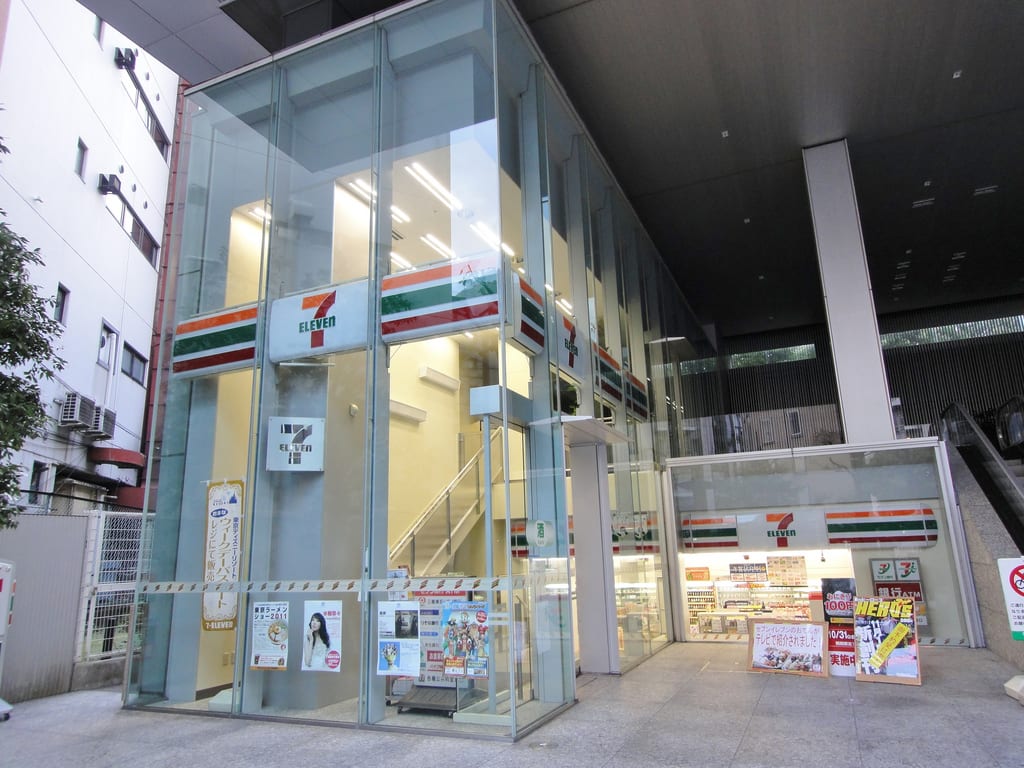
    Established supermarket chains across Japan are feeling the pinch as consumers opt instead for smaller shops at more conveniently located Japan convenience stores.

    A feature in The Japan News, an English language version of The Yomiuri Shimbun, says business performance is deteriorating at Ito-Yokado (not at all ironically part of the Seven & I group, which owns 7-Eleven as well) and Aeon.

    Aeon is actively building its shopping centre and retail reach in other Asian countries, such as Thailand, Malaysia, Vietnam – and most recently Indonesia, as it shores up its growth prospects in the wake of a declining Japanese population and stagnant economy.

    As The Japan News reports, while the supermarkets are reporting almost embarrassing results, sales and profits are booming for the convenience store chain giants, especially 7-Eleven, according to financial statements for the year to February 28.

    “This illustrates how the retail chain sector has been split into two contrasting segments. Such checkered business results are mainly attributed to ever-diversifying consumer preferences, which analysts say major supermarkets – have been struggling to keep up with.”

    The report says Aeon president Motoya Okada had “a grim look on his face” during a news conference last week when he announced his company’s business results for the year were “well below our expectations.”

    The largest supermarket chain operator under Aeon’s umbrella, Aeon Retail, saw its operating profits plunge 90.8 per cent from the previous year. Its supermarket business, including Daiei, posted a loss for the first time since 2008.

    Ito-Yokado’s profit slumped 83.4 per cent year-on-year.

    Seven & i Holdings president Noritoshi Murata told a press briefing earlier this month the Japanese market was “in the process of what you might call an increasingly conspicuous split into two disparate trends in consumer behavior”.

    Murata argued that consumer preferences can now be divided into two basic patterns: opting for big-ticket items or prioritising daily necessities.
  • Matahari Indonesia makes it 110

    Matahari Indonesia makes it 110

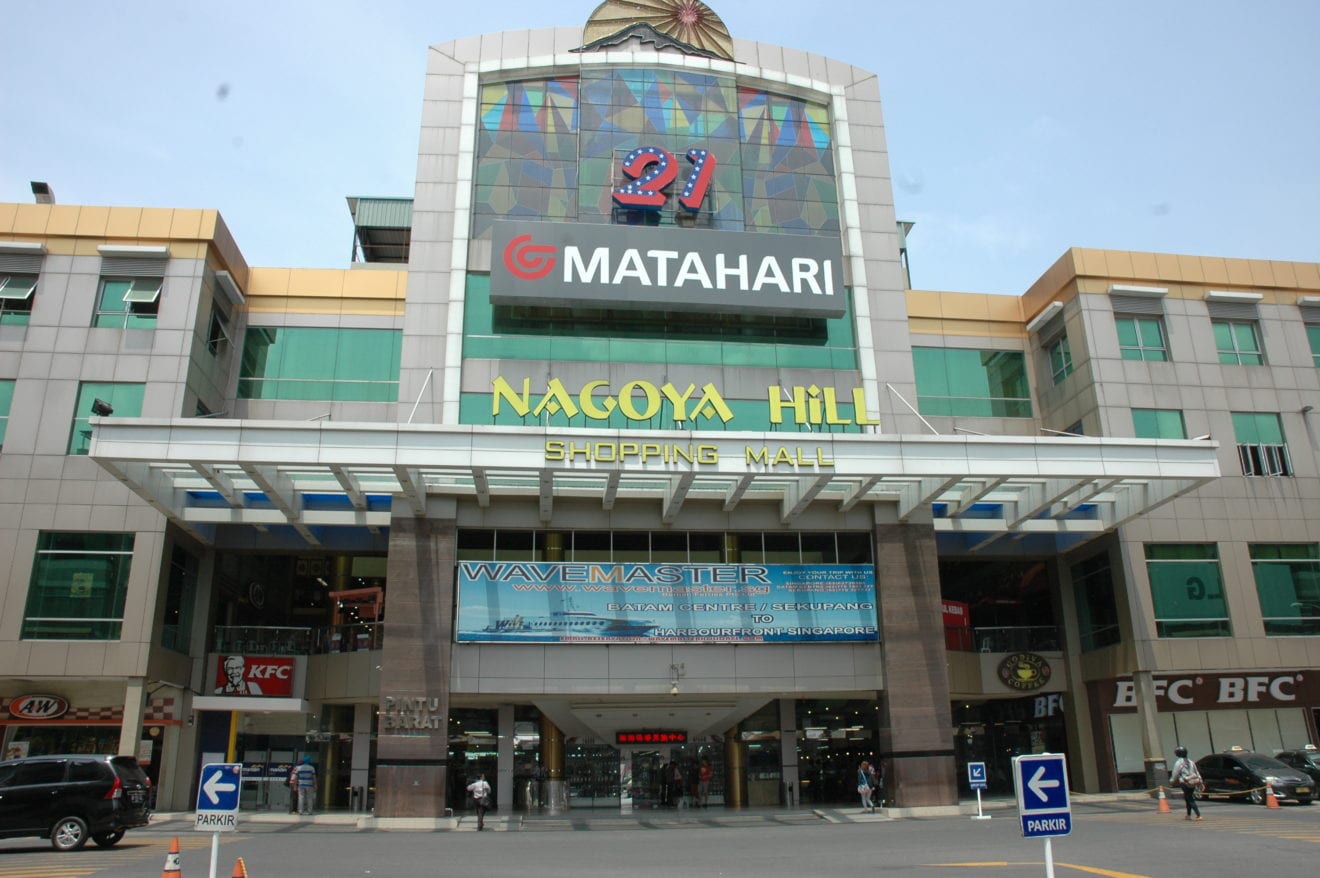
    Matahari Indonesia has opened its 110th Hypermart in Tanjung Uncang, Batam.

    The new store has an area of about 6200 sqm stocked with a variety of household goods. It is Matahari’s third hypermart in Batam province.

    Director of communications and PR with Matahari, Danny Kojongian, said that given its developed infrastructure, Batam city has become an attractive destination for investors.

    “This new hypermart strategically strengthens the presence of Matahari in Batam. Two previous hypermart stores are located in downtown and this new outlet is located in the south of Batam which has a huge potential in the future.”

    Kojongian said Hypermart Tanjung Uncang has adopted some of the latest features of Hypermart G7 concept which is expected to strengthen the hypermart brand’s modern concept, with convenient shopping and excellent service.

    Matahari Putra Prima operates Hypermart, Foodmart and Boston Health & Beauty stores in more than 60 cities across Indonesia.

  • UNIQLO to expand Australia’s interstate in pursuit of growth

    UNIQLO to expand Australia’s interstate in pursuit of growth

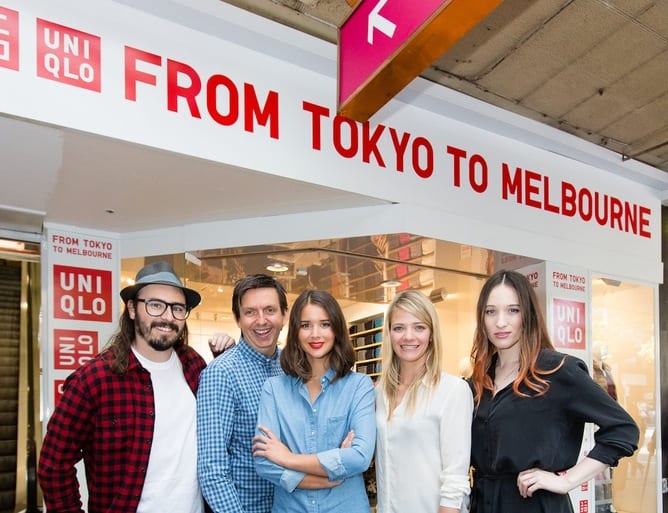
    Japanese retailer Fast Retailing may have to inject new capital into UNIQLO Australia to fund the next phase of growth as the casual clothing chain expands into new states and suburban markets, increasing pressure on department stores and specialty retailers.

    UNIQLO, which opened its first store in Australia a year ago, wants to become the market leader in casual wear by 2020, overtaking established brands such as Just Jeans, Sussan and General Pants, as part of its parent’s goal to become the world’s leading clothing company.

    UNIQLO’s founder, Fast Retailing president Tadashi Yanai, plans to open 200 new stores worldwide this year and Australia figures prominently in his growth ambitions.

  • Metro Cash & Carry to open 4th wholesale store in India’s Bengaluru

    Metro Cash & Carry to open 4th wholesale store in India’s Bengaluru

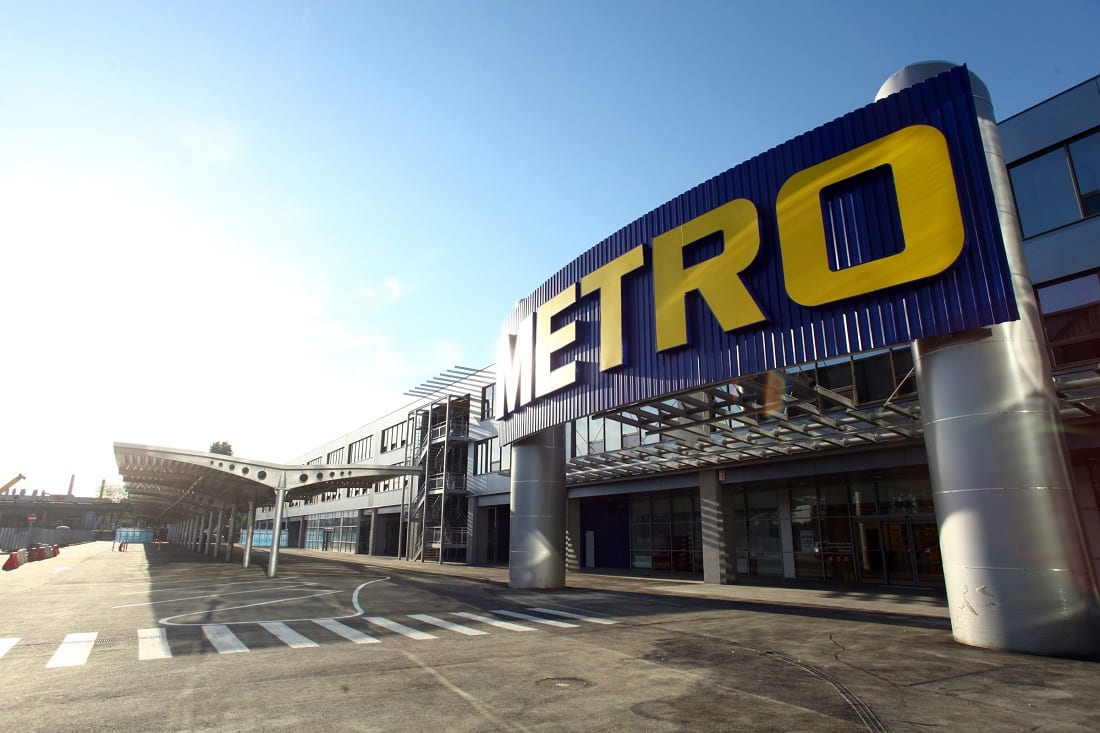
    Germany’s Metro Cash & Carry on Wednesday announced to open its fourth wholesale outlet in Bengaluru, taking its total count to 18 in India.

    The new store, which would come at Binnypet area of the city would start its operation by early July, Metro said in a statement.

    The company had announced last month its third store in Hyderabad which would now open at the same time as Binnypet outlet.

  • Australian supermarket shuts website in Veterans’ Day furor

    Australian supermarket shuts website in Veterans’ Day furor

    The government has ordered Australia’s biggest supermarket chain to pull down a website that has been widely accused of commercializing Australia’s Veterans’ Day near its centenary.

    Woolworths, which brands itself as “The Fresh Food People,” briefly launched a Website “Fresh in Our Memories” late Tuesday to commemorate ANZAC Day on April 25.

    Woolworths invited customers to upload photographs of veterans on to the Website. The images were displayed with the slogan “Fresh in Our Memories,” the Woolworths logo as well as “Lest We Forget. ANZAC 1915 – 2015.” The campaign immediately drew strong criticism on social media.

  • Indonesian Finance Ministry mulls plans to tax e-commerce sites

    Indonesian Finance Ministry mulls plans to tax e-commerce sites

    The Indonesian Finance Ministry is considering plans to tighten tax regulations on transactions of foreign-owned online businesses that have yet to set up a local presence, in another strategy to generate more revenue to the state coffers.

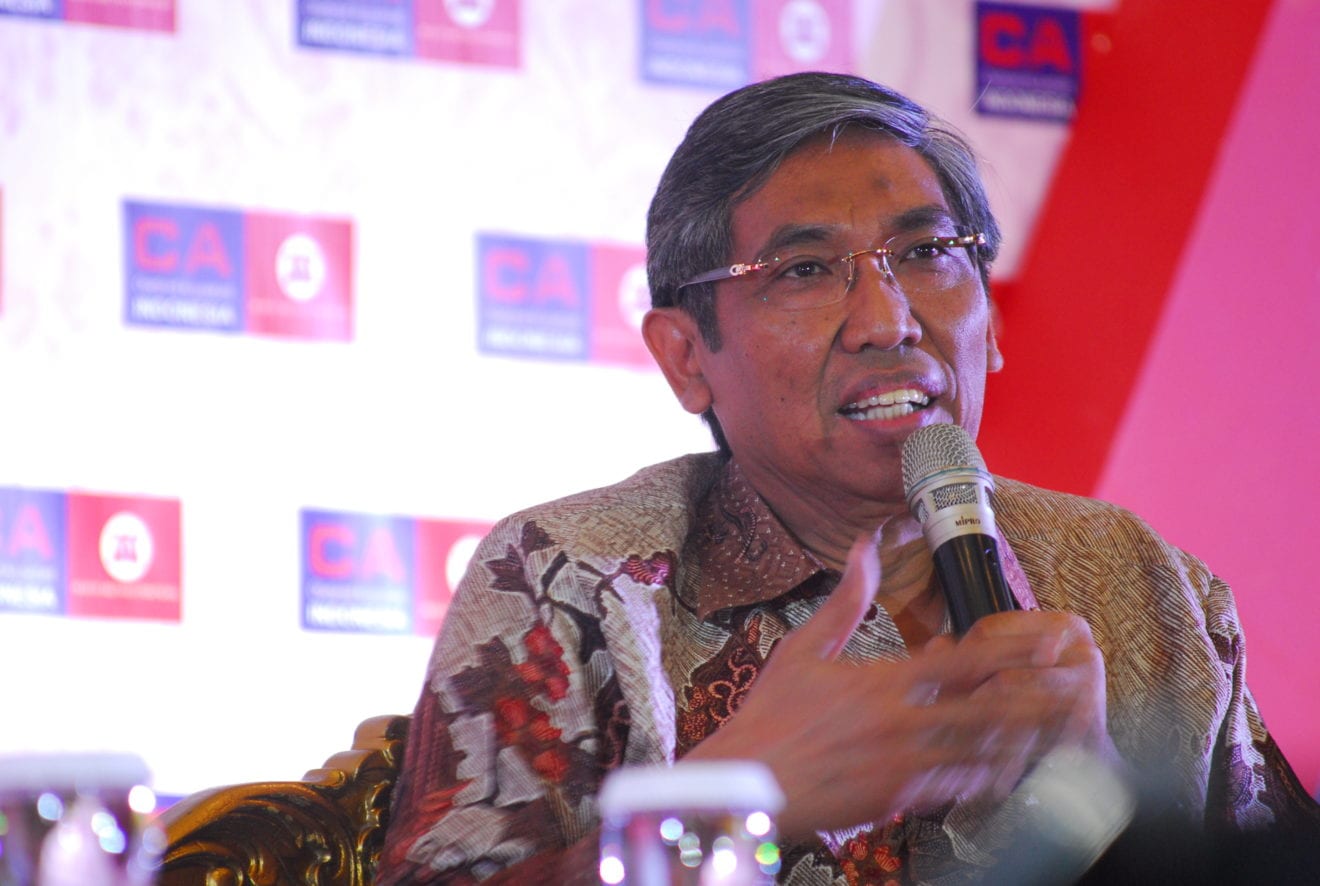
    Deputy Finance Minister Mardiasmo said that the ministry is also looking to collaborate with the Ministry of Information and Communication in tracking online transactions through foreign-owned companies, such as Apple’s iTunes store.

    An attempt to tax online transactions from the companies that are based overseas could mean that these companies would be obliged to set up a locally incorporated company in Indonesia – which has become a burgeoning market for tech giants such as Google and Facebook.

  • Mattel sales beat estimates, shares rise

    Mattel sales beat estimates, shares rise

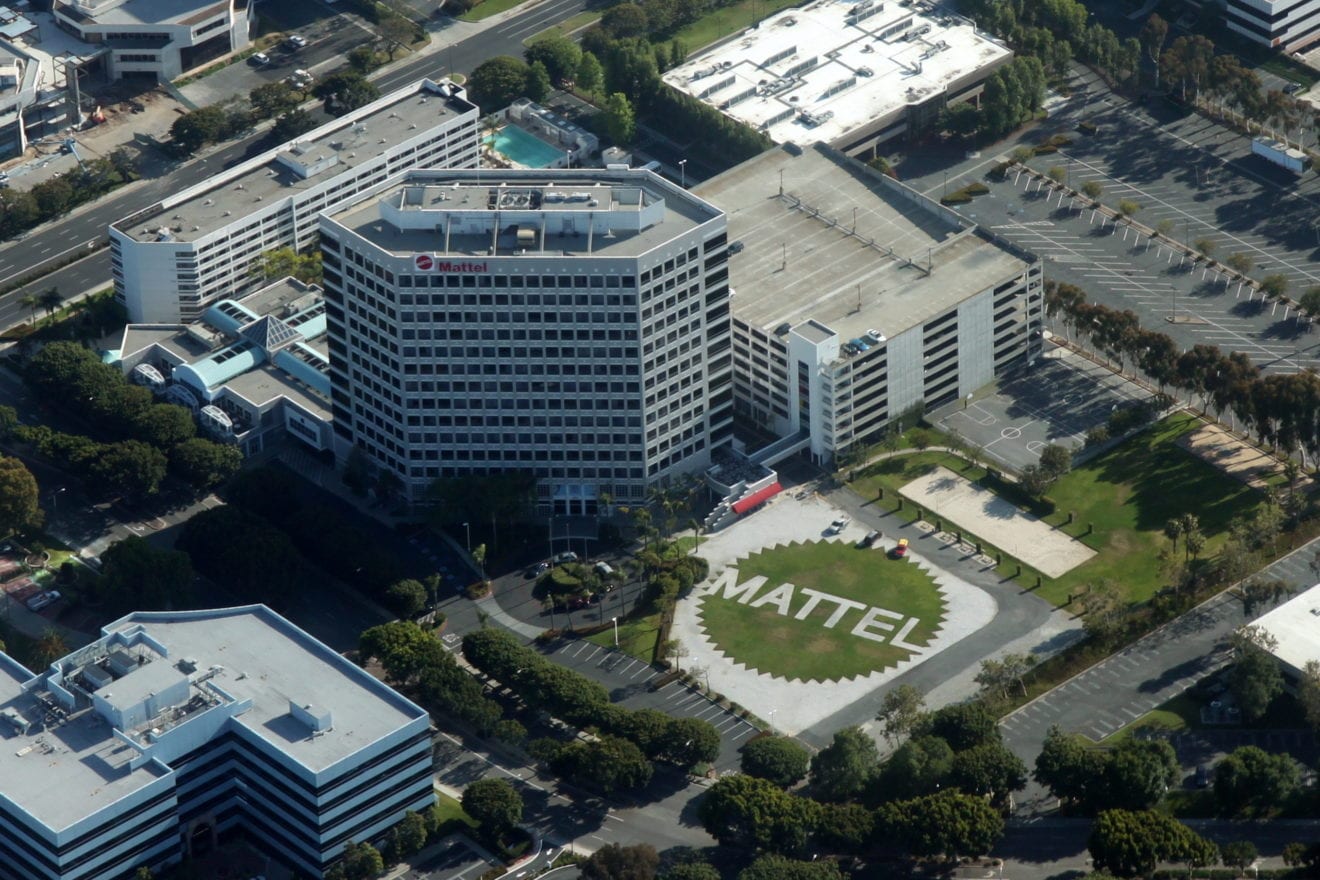
    Mattel Inc’s quarterly net sales topped analysts’ estimates for the first time in six quarters as new Chief Executive Christopher Sinclair focuses on turning around the business in the face of flagging sales of Barbie (pic) dolls.

    The toymaker reported a 2.5 percent decline in net sales in the three months ended on 31 March, during which Sinclair was appointed as interim CEO. He took the post permanently this month. Worldwide sales of Barbie dolls fell 5 percent on a constant currency basis, while sales of Fisher-Price preschool toys rose 3 percent.

    Sinclair, a former PepsiCo Inc executive who has been on Mattel’s board since 1996, has said the company needs to move with a “sense of urgency” to create toys that connect with young customers.

  • China fines Alibaba USD129,000 for pricing violations

    China fines Alibaba USD129,000 for pricing violations

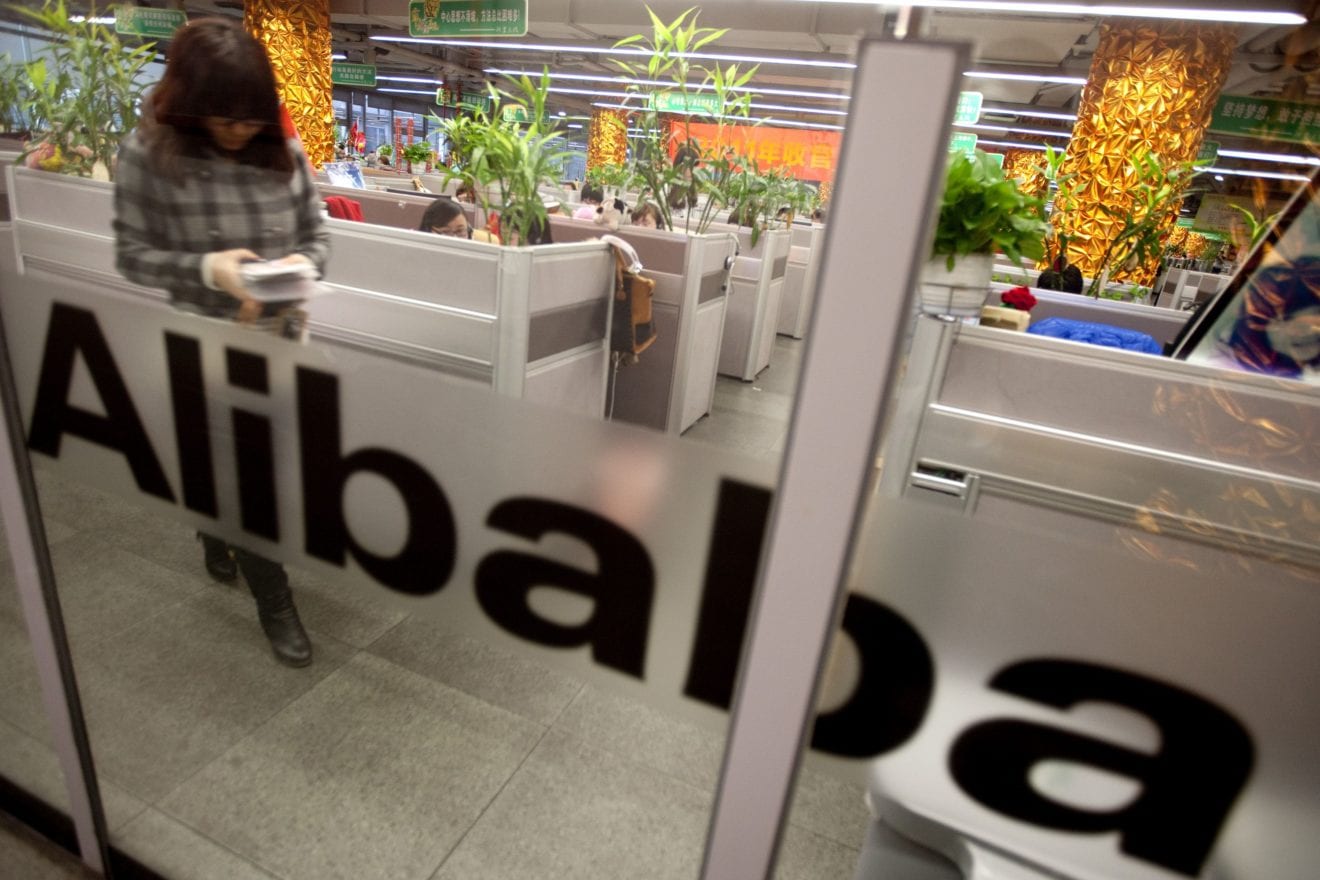
    China’s e-commerce giant, Alibaba Group, has been fined CNY800,000 (USD129,000) by the price bureau in eastern Zhejiang province for violations by third-party sellers during promotions on its e-commerce platforms.

    Since Alibaba turned “Singles’ Day”, a November 11 Chinese response to Valentine’s Day, into an online shopping festival in 2009, the event has grown to similar proportions as Cyber Monday and Black Friday in the United States.

    Sales of more than USD9 billion were achieved at last year’s event, and the company has copyrighted the phrase “Double 11”, a reference to the date (11/11), which in turn, refers to the status of single people.

  • Malaysian customs urges small retailers to invest in GST-compliant sales system

    Malaysian customs urges small retailers to invest in GST-compliant sales system

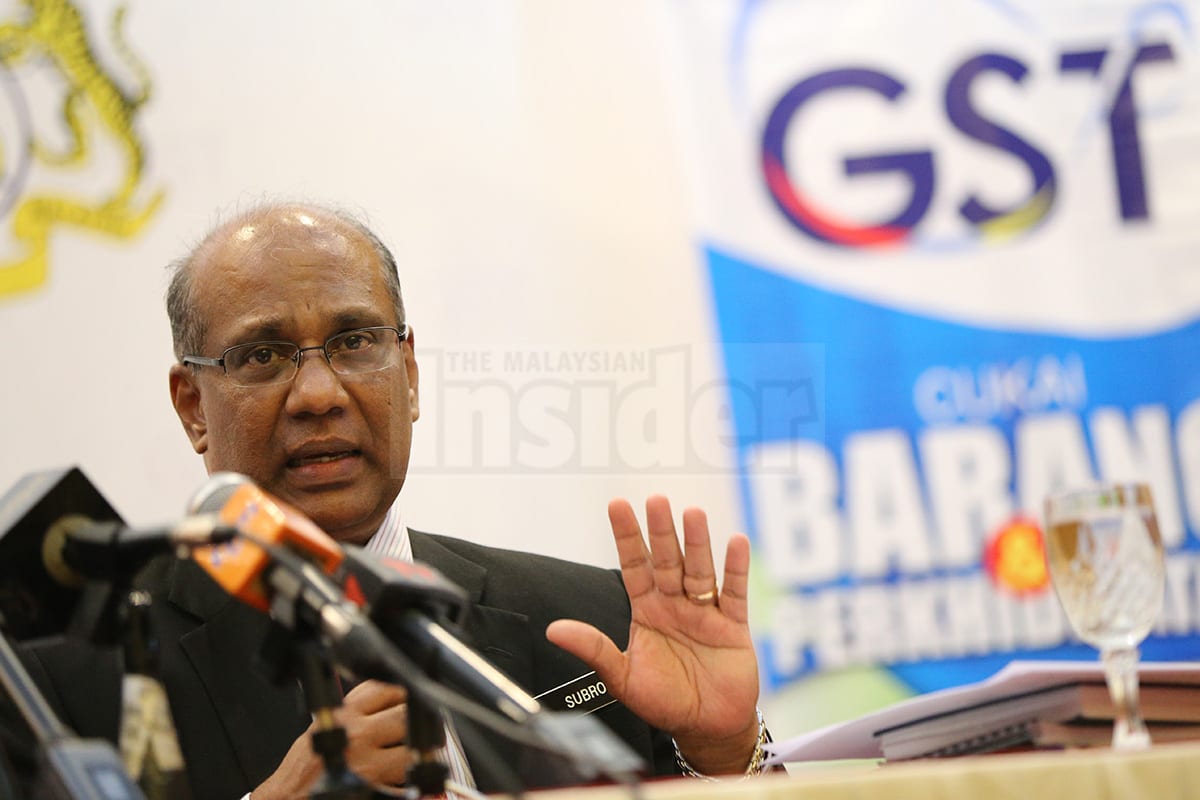
    Installing a point-of-sale (POS) system to issue printed receipts as part of implementing the goods and services tax (GST) will only be a one-time investment, the Malaysian Customs Department’s GST division told operators of small businesses on Thursday.

    GST division director Datuk T. Subromaniam said the system will be usable for a long-term basis and would help businesses identify standard and zero-rated items, adding that adopting POS would cost between MYR3,000 (USD828) and MYR4,000.

    He also said tax deductions were available under Accelerated Capital Allowance (ACA) for businesses on purchases of information communication technology equipment, hardware and training.

  • Luxury brands go solo in Korea

    Luxury brands go solo in Korea

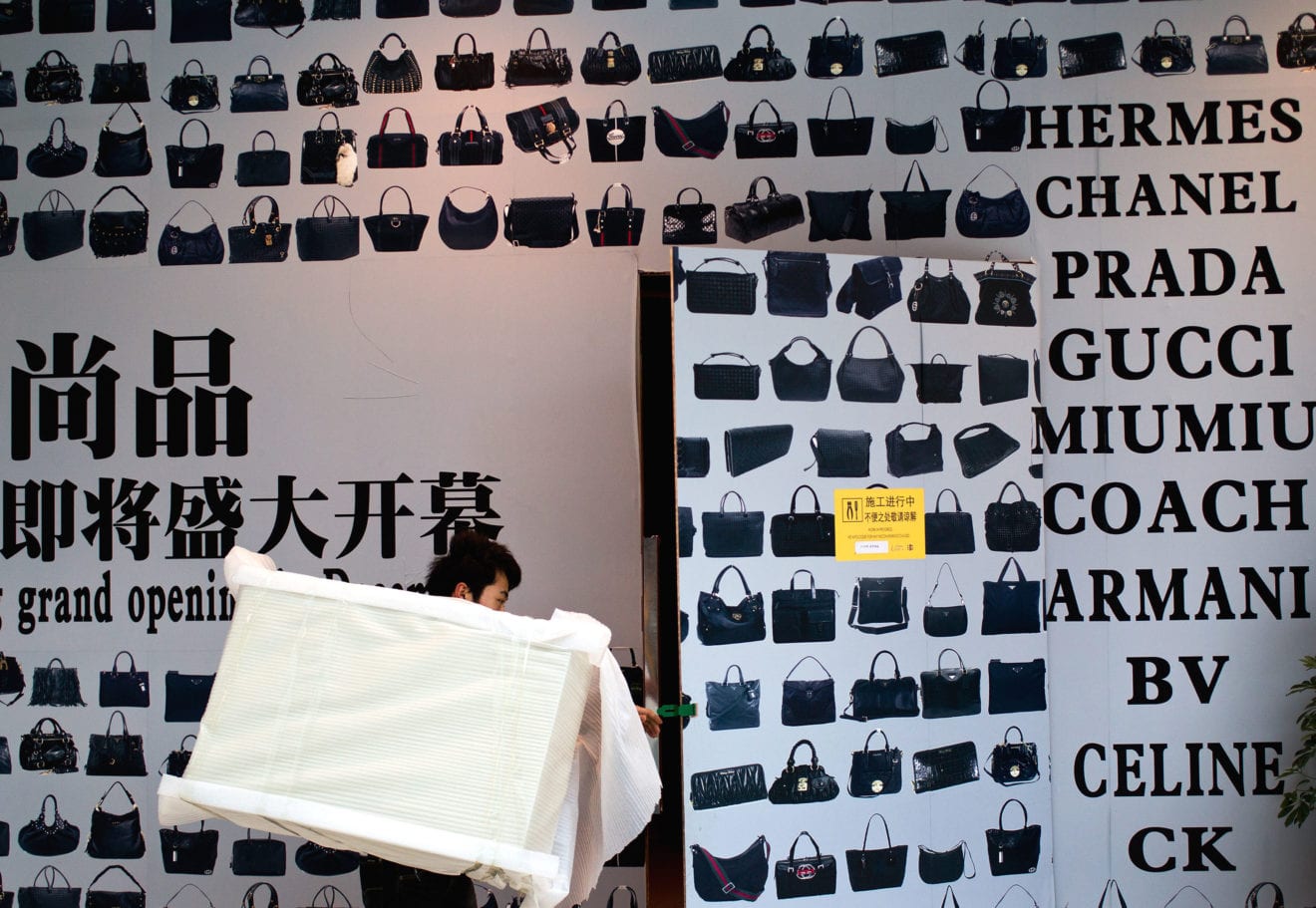
    Luxury brands are increasingly establishing their own Korean branches, rather than contracting with Korean companies to enter the market.

    In doing so, they are hoping to generate more earnings through direct and effective customer management.

    Goyard, the French leather goods maker, recently lowered some of its prices and terminated a sales agreement with Galleria, in favour of establishing its own Korean branch.

    Hugo Boss, which was introduced in Korea back in 1999, also launched its Korean branch last month and will start managing its own stores in Korea.

    Moncler, whose sales channels in Korea were owned exclusively by Shinsegae International since 2009, has  developed a joint venture in Korea with Shinsegae.

    Hugo Boss perfume 415

    Moncler 415

  • Hong Kong retailer raided for illegal medicines

    Hong Kong retailer raided for illegal medicines

    Hong Kong police and Department of Health officials raided a retail shop in Cheung Chau on Monday for the suspected illegal sale and possession of unregistered pharmaceutical products.

    The DH says that during its routine market surveillance, it found suspected unregistered pharmaceutical products were being offered for sale at the shop.

    “Various products, including pain killers, cold and flu medicines, and cream, labelled in Japanese were seized in the operation. The products were labelled to contain ibuprofen, dihydrocodeine, fluocinolone and neomycin respectively.”

    According to the Pharmacy and Poisons Board of Hong Kong (PPBHK), these are not registered pharmaceutical products and Hong Kong registration numbers were not found on any of the product labels. Preliminary investigations have so far revealed that the products were sourced outside Hong Kong.

    A man aged 57 was arrested by police and charged with suspected sale and possession of Part I poisons, unregistered pharmaceutical products and antibiotics.

    The DH’s investigations are ongoing.

    “Use of unregistered pharmaceutical products may pose health threats to people as their safety, efficacy and quality are not guaranteed. Ibuprofen, dihydrocodeine and fluocinolone are Part I poisons. Inappropriate use of steroids like fluocinolone may cause serious side-effects, such as Cushing’s Syndrome with symptoms including moon face and muscle atrophy while inappropriate use of pain killers like ibuprofen without medical supervision may lead to gastrointestinal bleeding, and products with dihydrocodeine may cause nausea and vomiting.

    “Neomycin is an antibiotic and inappropriate use of antibiotics may lead to antibiotics resistance. Members of the public should not self-medicate without advice from healthcare professionals,” a spokesman for the DH explained in a statement.

    According to the Pharmacy and Poisons Ordinance (Cap 138), all pharmaceutical products must be registered with the PPBHK before they can be sold legally in Hong Kong. Part I poisons should be sold at pharmacies under the supervision of registered pharmacists.

    Illegal sale or possession of unregistered pharmaceutical products and Part I poisons are criminal offences. The maximum penalty for each offence is a fine of $100,000 and two years’ imprisonment. According to the Antibiotics Ordinance (Cap 137), illegal sale or possession of antibiotics is also a criminal offence. The maximum penalty for each offence is a fine of $30,000 and one year’s imprisonment.

    The DH renewed its warning to the public not to buy or use products of unknown or doubtful composition or from unknown sources.

    “People who have purchased and used the above products should consult healthcare professionals for advice. They may submit the products to the DH’s Drug Office at Room 1856, Wu Chung House, 213 Queen’s Road East, Wan Chai, Hong Kong, during office hours for disposal,” the spokesman said.

  • Avon US on the block?

    Avon US on the block?

    Avon Products is reported to being weighing options for the future of its North American business.

    A report in the Wall Street Journal this week stating the company was “exploring strategic alternatives” led to an increase in the struggling company’s stock price of 18 per cent at one point. Its market value had fallen 44 per cent during the last year.

    Avon US and Avon Brazil are the achilles heel of the global cosmetics business. Brazil is its largest market, but demand is falling there.

    In the US, the direct to consumer sales model is losing favour as shoppers move online to buy goods saving time of in-home displays and appointments with ‘Avon Ladies’ who are proving harder to recruit.

    The Wall Street Journal clarified in its report that there was no “imminent” deal.

    Avon US has lost money for three consecutive years – it accounts for 14 per cent of the brand’s global turnover.

    But CEO Sheri McCoy, working to turn the business around, has predicted a return to the black in 2015.

  • Vingroup buys VinatexMart chain

    Vingroup buys VinatexMart chain

    The Vinmart Supermarket Joint Stock Company of Vietnam’s leading property firm Vingroup has signed a contract to buy a 100 percent stake in the VinatexMart supermarket chain.

    VinatexMart, one arm of the State-run Vietnam National Textile and Garment Group (Vinatex), has 58 outlets in 26 provinces and cities nationwide.

    Its supermarkets stock 60,000 items from five main categories of goods such as garments and textiles, fresh food, cosmetics and home appliances.

  • Malaysia launches consumption tax despite public unease

    Malaysia launches consumption tax despite public unease

    Malaysia last week implemented a six percent consumption tax aimed at plugging a leaky tax-collection system and addressing a widening fiscal deficit, but which has sparked opposition protests over the past year.

    The government and economists say the Goods and Services Tax (GST) will help address an inadequate revenue-collection system under which income tax is currently paid by only an estimated 11 percent of registered companies and 14.8 percent of employees.

    But the GST has prompted demonstrations by opposition parties, who say consumers were being left with the bill for government mismanagement of the economy.

  • Alibaba Bank to debut in June

    Alibaba Bank to debut in June

    Alibaba’s finance subsidiary Ant Financial will launch the new ‘Alibaba bank’ online in two months.

    Reuters reports the bank, to be named MyBank, will make its online debut in June, directly competing not only with rival eCommerce Giant’s Tencent’s WeBank, but with traditional Chinese bricks and mortar bank networks.

    The launch date was revealed by Yuan Leiming, GM of Ant Financial’s finance division, during an interview with Reuters.

    WeBank commenced trial trading in January in advance of a staged rollout.

    MyBank acquired regulatory approvals last year and the resulting business will be a partnership between Alibaba’s Ant Financial, Fosun International and Wanxiang Group who combined will own 73 per cent of the shares. Ningbo Jinrun Asset Management will own 16 per cent with the remaining 11 per cent held by a variety of minor interests.

    Reuters reports MyBank represents a step towards “a full-fledged internet finance platform” eventually offering loans and credit services, insurance, payment systems and investments to “new tiers of Chinese society”.