Category: Telecom

Retail News Asia is committed to providing both local and global retailers with the latest Telecom & Telco news throughout the Asian market. This on a daily base.

  • Thailand unveils Digital Thailand plan

    Thailand unveils Digital Thailand plan

    Thailand’s Cabinet has approved a 20-year Digital Thailand development program that seeks to transform the nation into a global digital leader.

    Government spokesperson Major-General Sansern Kaewkamnerd said that the first phase of the plan would focus on six areas – infrastructure, economy, society, government, human resource development and trust.

    The first 18 months will be of digital foundation followed by digital inclusion and full transformation.

    Major General Sansern said that in ten years, thanks to this plan, Thailand will be a developed country and a global digital leader.

    Elsewhere Thailand’s National Reform Committee has recommended that police be given full powers to censor and shut down websites without a court order as part of its reform of online media to ensure all media is legal and moral.

    Other key recommendations include using big data analytics to identify networks of perpetrators on social media networks and centralization of power with the Police Technology Crime Suppression Division instead of the ICT Ministry.

    The NRC also recommended that computer crimes be divided into crimes on computers and data, and crimes using computers.

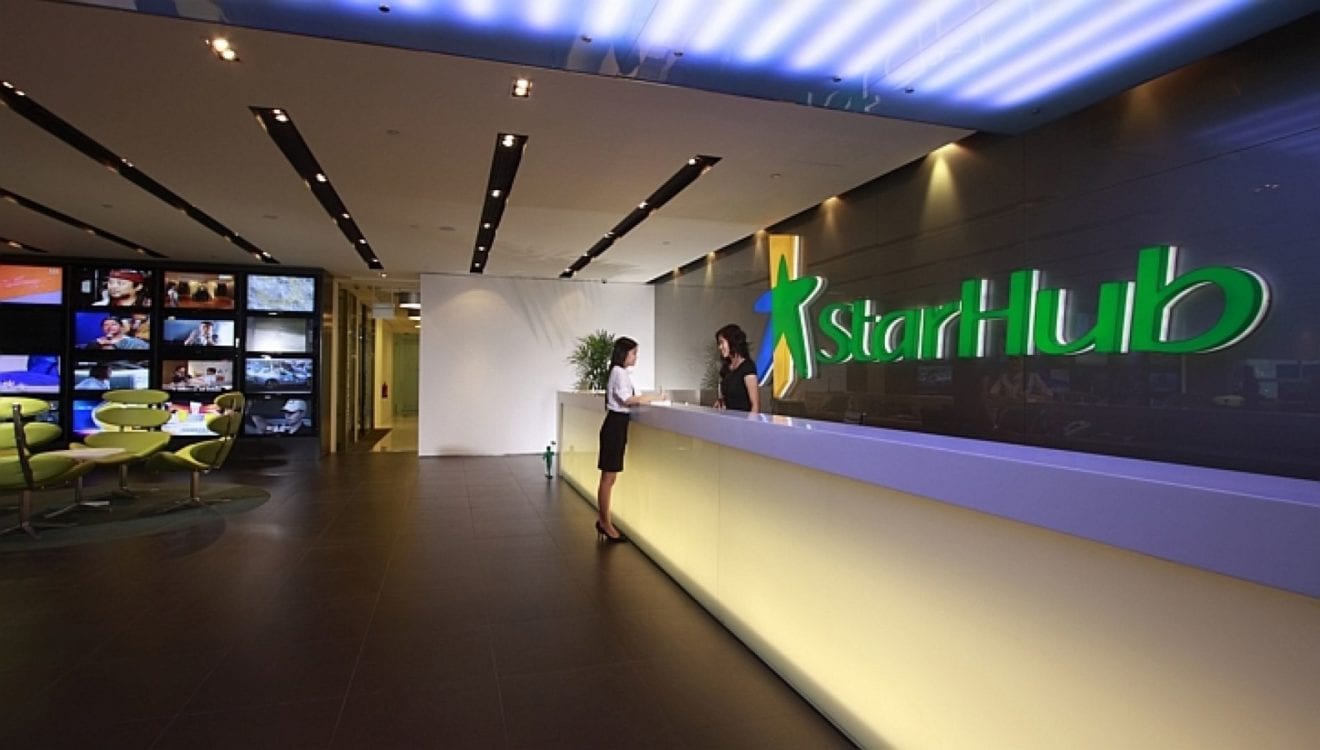
  • StarHub TV features short-form content, telemovies

    StarHub TV features short-form content, telemovies

    Singaporean audiences can soon look forward to more exciting “Made in Singapore” content from as early as the third quarter of this year.

    StarHub’s new wave of Public Service Broadcast (PSB) lineup includes of travelogues shot in “the most exotic” corners of the world, kids infotainment shows and sports programs that shine the spotlight on the everyday superhuman athletes.

    For the first time, viewers who enjoy consuming content on the go, will also be able to view short-form content―each ranging from five to 15 minutes in duration.

    Local movie fans will also be treated to an array of locally produced telemovies centered on the kaleidoscopic facets of Singaporeans’ lives.

    PSB content is produced under the Media Development Authority of Singapore’s (MDA) Public Service Broadcast Contestable Funds Scheme (PCFS). The PCFS aims to extend the reach of PSB content to multiple broadcast platforms, as well as to bring more opportunities to local production houses to deliver creative, high-quality PSB content.

    Viewers will be able to catch StarHub’s exciting lineup of PSB content on its self-packaged channels, E City (StarHub TV Channel 111/825) and SuperSports Arena (StarHub TV Channel 112/205), as well as via its online streaming service, StarHub Go.

    In total, StarHub will be commissioning about 110 hours of original productions. These productions will incorporate PSB values, such as celebration of the Singapore’s culture and heritage, and promotion of the Singaporean identity, through innovative storytelling.

  • Oracle aims to remove cloud adoption barriers

    Oracle aims to remove cloud adoption barriers

    Oracle has launched a new family of services designed to help remove some of the biggest obstacles to cloud adoption.

    While organizations are eager to move their enterprise workloads to the public cloud, many have been constrained by business, legislative and regulatory requirements that have prevented them from being able to adopt the technology.

    To address this, Oracle aims to make it easier for organizations to adopt Oracle Public Cloud Services and run them wherever they want – in the Oracle Cloud or their own data center.

    Oracle Cloud at Customer enables organizations to implement Oracle’s cloud services in their own data center. This is the first offering from a major public cloud vendor that delivers a stack that is 100% compatible with the Oracle Cloud but available on-premises.

    Customers can adapt the public cloud services for a number of use cases, including disaster recovery, elastic bursting, dev/test, lift-and-shift workload migration, and a single API and scripting toolkit for DevOps.

    By extending the Oracle Cloud into their data center, customers can have full control over their data and meet all data sovereignty and data residency requirements that mandate customer data remain within a company’s data center or contained within a geographic location.

  • Huawei’s 2015 profit grows 33% to $5.7b

    Huawei’s 2015 profit grows 33% to $5.7b

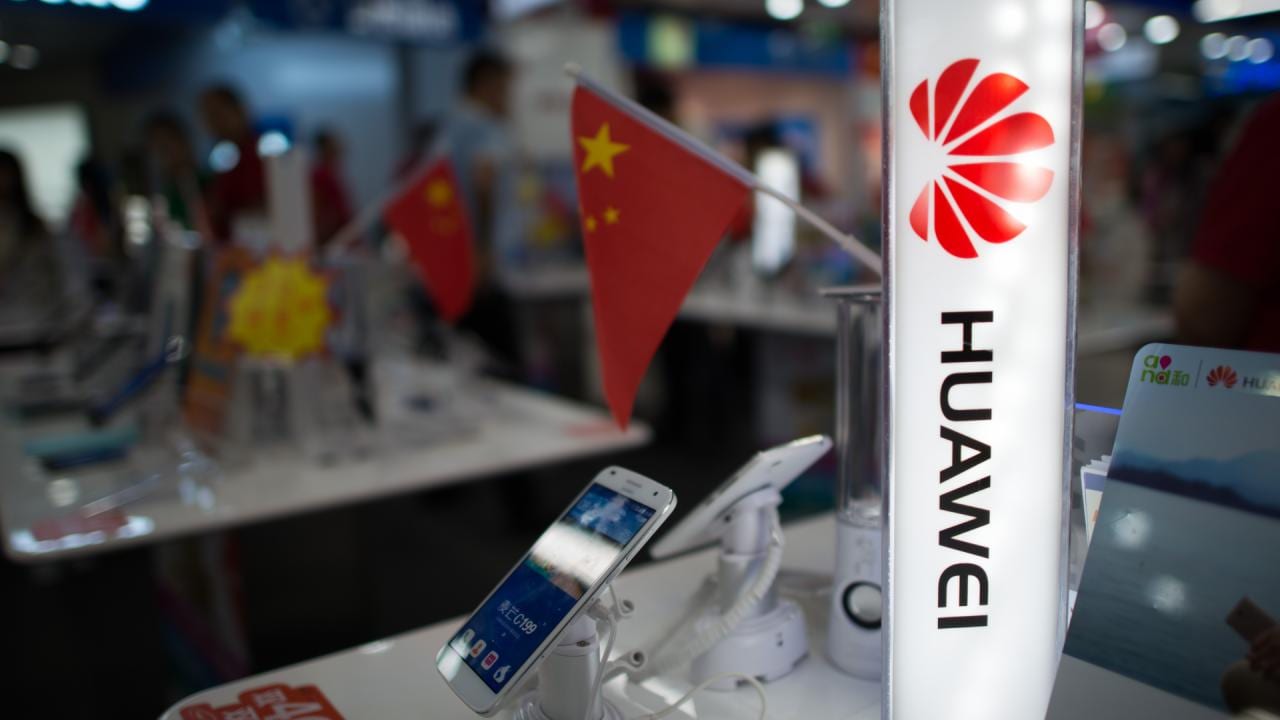
    Huawei has reported a 33% growth in net profit for 2015 on the back of strong performance across the vendor’s carrier, enterprise and consumer business groups.

    The company’s net profit reached 36.9 billion yuan ($5.69 billion), with revenue increasing 37% to 395 billion yuan.

    Revenue from Huawei’s carrier business group jumped 21% to 232.3 billion yuan, with 4G network rollout revenue accounting for a large portion of the annual growth.

    Enterprise revenues meanwhile reached 27.6 billion yuan, up 44% year-on-year, while consumer revenue surged 73% to 129.1 billion yuan.

    “In part, Huawei owes its long-term growth to the sheer size of the ICT market, which is the driving force of digital economies around the world. However, our growth is also a direct result of strategic focus and heavy investment in our core businesses,” Huawei rotating CEO Guo Ping said.

    Huawei invested 59.6 billion yuan – or 15% of its annual revenue – in 2015 alone, he said. The company’s total R&D investment over the past decade exceeds 240 billion yuan.

    “Over the next three to five years, we will concentrate on enhancing connectivity, enabling the development of vertical industries, and redefining network capabilities, working closely with our customers and partners to maximize industry development opportunities,” Ping said.

  • M1 launches 1Gbps fiber bundle for SOHOs

    M1 launches 1Gbps fiber bundle for SOHOs

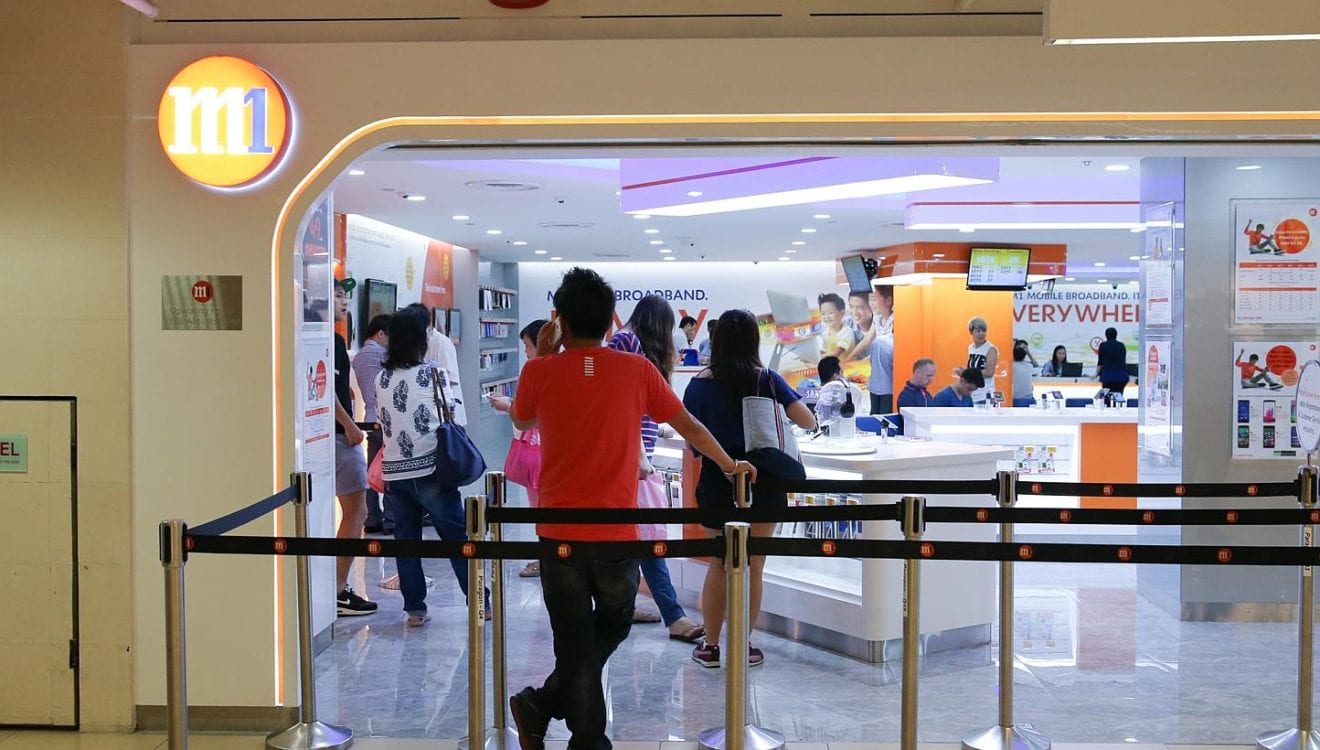
    Singapore’s M1 has launched a range of bundled fiber and business communications plans tailored for small and home offices.

    The company’s new SOHO Fibre Broadband plan includes a symmetrical 1Gbps fiber connection as well as business services including web and e-mail hosting, unified communications and fixed voice services.

    M1 is marketing the service towards Singaporean entrepreneurs seeking to start and grow a business from home. SOHO stands for small office/home office.

    The service is priced at S$59 ($43.75) per month on a 24 month contract. This price also includes a 300Mbps mobile broadband service.

    In Malaysia meanwhile, Telekom Malaysia has added a 100Mbps connection option for its Unifi broadband services.

    The company is offering a 100Mbps downlink 50Mbps uplink plan bundled with IPTV, OTT video subscriptions and 600 minutes of free callsThe operator has also introduced a 100Mbps business broadband option.

    But the plans come at a hefty price of 299 ringgit ($77.37) per month for the consumer option and 379 ringgit per month for the business plan. This is a promotional price which will rise to 329 ringgit and 399 ringgit respectively after June 30.

    By comparison, rival Time charges 299 ringgit for a 500Mbps plan, but also has a far smaller coverage area.

  • Telstra, Singtel agree to build Perth-Singapore cable

    Telstra, Singtel agree to build Perth-Singapore cable

    Singtel, Australia’s Telstra and SubPartners have jointly entered an agreement to build a new subsea cable linking Australia and Singapore.

    The new APX-West cable will run between Perth on the west coast of Australia to Singapore. The two fiber pair cable will have a minimum design capacity of 10Tbps.

    Construction of the 4,500km cable is expected to commence at the end of July and scheduled for completion in 2018.

    APX-West will serve as an alternative to the SEA-ME-WE 3, the current data bridge between Signapore and Perth, and will help expand data connectivity and capacity between Singapore and Australia.

    “The APX-West cable will be a new data superhighway to expand data connectivity and capacity between Singapore and Australia, providing network redundancy and the lowest latency from Australia to Southeast Asia, the Middle East and Europe,” Singtel group enterprise VP for carrier services Ooi Seng Keat said.

    “With these capabilities, the Singtel Group, including Optus, can meet customers’ growing data requirements for bandwidth-intensive applications such as unified communications, enterprise data exchange, internet TV and online gaming.”

    Telstra is Australia’s largest operator by revenue, and Singtel operates Optus, Telstra’s main rival.

  • Globe open to pursuing M&As over 700-MHz spectrum

    Globe open to pursuing M&As over 700-MHz spectrum

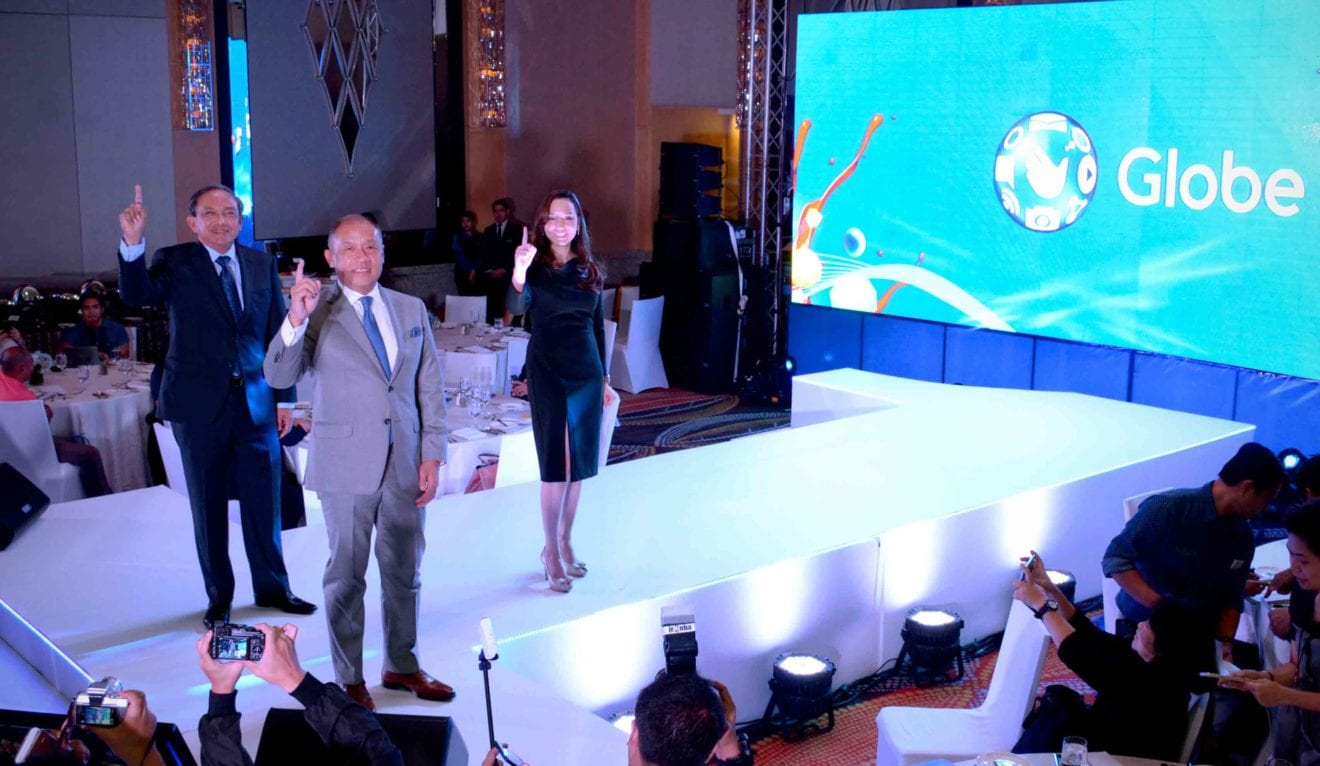
    The Philippines’ Globe Telecom has revealed it is open to the possibility of acquiring conglomerate San Miguel Corporation’s (SMC’s) telecom subsidiaries to give it access to valuable 700-MHz spectrum.

    Globe’s CEO Ernest Cu said the company would be open to acquiring SMC’s Wi-Tribe and High Frequency Telecommunications units, considering that efforts to appeal to regulator NTC to allocate it a portion of the spectrum have repeatedly been rebuffed since as early as 2005.

    He said the prospect of buying the companies comes up occasionally and the company is always open to considering a deal.

    SMC controls the entire 700-MHz band via its ISP subsidiaries. The company had been planning to form a joint venture with Australian operator Telstra to become the Philippines’ third mobile operator, but this partnership was called off last month after negotiations stalled.

    According to the report, SMC still plans to use the spectrum to launch a mobile venture this year, initially targeting the metro Manilla region.

    Globe and rival PLDT are meanwhile persisting in efforts to convince the NTC to assign portions of the band to them. The most recent attempt involved an appeal to the Philippine Competition Commission filed in February.

  • Telstra announces new head of retail

    Telstra announces new head of retail

    One of Australia’s most senior telecommunications executives, Kevin Russell, will join Telstra this month as Group Executive Telstra Retail. In this new role, he will lead the company’s consumer, business, stores and product functions.

    Russell replaces Karsten Wildberger, who resigned last December to return to Europe.

    Wildberger left Telstra on March 31, and short term arrangements are in place until Russell commences in late April.

    Russell, 49, has a wealth of telecom and technology experience in Australia, US, Europe, Asia and the Middle East.

    He has held executive roles for SingTel Optus, most recently as Country Chief Officer and CEO Consumer, Australia, as well as senior positions at Hutchison Whampoa Group in Australia and internationally.

    Telstra CEO Andrew Penn said Russell would bring substantial expertise to the retail role at an important time for Telstra. Russell will report directly to Penn.

    “We are looking forward to welcoming Kevin to the Telstra leadership team. He has an impressive track record working for several of the world’s largest telcos in a range of demanding markets,” Penn said in a statement.

    “He has passionately worked to build customer experiences in new and existing major consumer brands and service business clients. He has managed major programs across national fixed and mobile networks and is well regarded in the local technology community.”

    Russell was with SingTel Optus from January 2012 to March 2014, holding the positions of COO, CEO Consumer, Australia then the combined role of Country Chief Officer and CEO Consumer, Australia.

    He is currently CEO for a Silicon Valley-based technology start-up.

    Meanwhile Telstra has also appointed controversial former Nokia CEO Stephen Elop to the newly created role of group executive for technology, innovation and strategy.

    Ken Hu appointed Huawei CEO

    Huawei deputy chairman Ken Hu (pictured) will become the company’s acting CEO from April 1 to September 30, in accordance with the company’s Rotating CEO system.

    The rotating CEO acts as the primary person in charge of the company’s operations and crisis management during his tenure and is responsible for convening and chairing the meetings of board of directors’ executive committee and the company’s executive management team, Huawei said in a statement.

    Hu is a member of Huawei’s board of directors and executive management team (EMT) and is also chairman of Huawei USA.

    As part of his role as deputy chairman, Hu is head of Huawei’s human resources committee and is responsible for the company’s leadership and organizational development. He is also the head of the company’s global cyber security committee which oversees the development of Huawei’s global cyber security strategies and the establishment of an end-to-end cyber security assurance system.

    With 20 years of experience in the telecoms industry, Hu is integral to the strategic direction of the company and instrumental to Huawei’s efforts to expand its business in the global markets. He joined Huawei in 1990.

  • Oh!K expands into Indonesia

    Oh!K expands into Indonesia

    K-entertainment fans in Indonesia will now be able to catch the latest and best Korean content within hours of its world premiere with the launch of Oh!K on Tribe.

    This new OTT service from XL, a telecommunications operator, offers its subscribers via the Tribe app exclusive access to fresh, first-run, localized and high-quality video, via mobile devices and online.

    Oh!K currently boasts a slew of popular series including Monster, which will premiere later this month, and Marriage Contract, which is currently running on the channel. These express titles air within 24 and 48 hours of Korean telecast, respectively.

    “Since Turner launched Oh!K in October 2014, the channel’s reach and popularity has grown significantly,” said Phil Nelson, Turner’s managing director for Southeast Asia. “In just 18 months, partners in Singapore, Malaysia, Hong Kong and now in Indonesia with Tribe, have responded to the growing appetite for quality Korean content.”

    Other express titles on Oh!K include Just Married and Korea’s No. 1 variety show Infinite Challenge – starring celebrity hosts Yoo Jae Suk, Park Myung Soo, Jung Joon Ha, Jung Hyung Don, Hwang Kwang Hee and Haha.

    Oh!K’s programming is also supplemented by special live simulcasts from Korea, such as the MBC Drama and Entertainment Awards and Gayo Daejun (Korean Music Festival) available on the channel.

  • Thai 4G: Deputy PM tightens reauction timeline

    Thai 4G: Deputy PM tightens reauction timeline

    Deputy Prime Minister Wissanu Krueangam who has stepped into the mess left after Jas Mobile Broadband walked away without paying for its 900-MHz licence. He has stated that there would be no need to invoke the junta’s absolute power clause in the interim constitution just yet – though he did give the telecom regulator strict marching orders.

    He said the NBTC must successfully auction off the spectrum at a price that is not less than what Jas bid and must do so within one year. It it fails then Jasmine must be held responsible for any shortfall.

    Earlier NBTC Takorn Tantasit had put a timeframe of 4 months for an auction with the starting price of Jas’ winning bid and a second auction one year after that if it fails to go.

    Takorn said the starting price might be lowered to Dtac’s last bid of $1.98 billion (70.18 billion baht)  instead of Jas Mobile’s winning bid of $2.14 billion (75.65 billion baht) or even a round figure of 70 billion baht.

    The auction guarantee would rise to between 10 to 30% of the revised opening bid (previously it was 5% of 12.88 billion baht opening bid)

    Takorn said the draft auction rules would be finished by April 12 which would then be put out for public comment between April 18 to May 23 and should be formalised in the Royal Gazette by 31 May. The auction will be held by June 20 at the latest.

    Takorn said that Dtac had protested TrueMove’s inclusion in the auction given that they already had won half the 900-MHz spectrum. However, Takorn said the NBTC insists that True will be eligible to take part.

  • XL Axiata to sell more telecom towers for $250m

    XL Axiata to sell more telecom towers for $250m

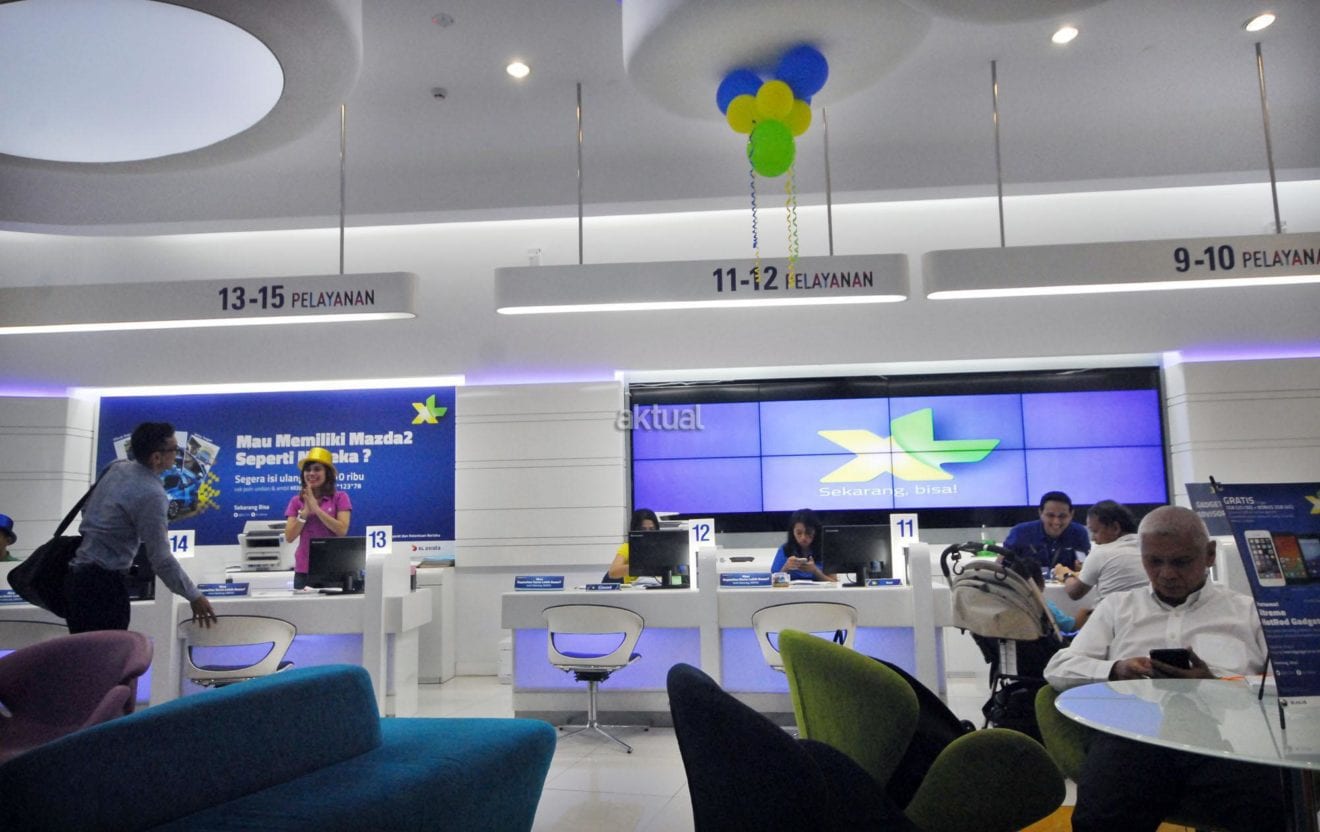
    Indonesia’s XL Axiata has arranged to sell 2,500 more telecom towers for 3.56 trillion rupiah ($250 million) as part of an ongoing asset management reorgnization.

    XL has agreed to sell the towers to local tower operator Professional Telekomunikasi Indonesia (Protelindo) and rent most of them back for 10 years as the anchor tenant.

    Announcing the move, XL said it expects to benefit from significant capex and opex savings, and plans to use proceeds from the sale to help further reduce its debt.

    The operator is also expected to use the divestment to help more aggressively roll out 4G services.

    XL already sold 3,500 towers to PT Solusi Tunas Pratama (SUPR) as part of a deal arranged during 2014, and used the proceeds to reduce its debt burden.

    In related news, credit ratings agency Moody’s has recently published a report predicting that telecom tower companies in Indonesia as well as India are well-placed to continue growing.

    Tower companies in the two markets are the most developed in Asia, Moody’s said. But the company noted that geographical, operational and regulatory differences between the two countries will affect their growth rates and financial performance.

    “We expect continued growth in both markets as mobile operators, building out and strengthening their third- and fourth-generation (3G and 4G) footprints, will seek to lease tower space and sell more of their own towers,” Moody’s assistant vice president and analyst Nidhi Dhruv said.

    “In this context, we expect overall year-on-year revenue growth of about 8%-10% for tower operators in both countries during the next one to two years.”

  • Telekom Malaysia launches POP in Laos

    Telekom Malaysia launches POP in Laos

    Telekom Malaysia has arranged to establish a new point of presence in Laos in collaboration with the Lao National Internet Centre (LANIC).

    Under the agreement, LANIC will host and provide infrastructure for the POP via its international data center in Vientiane.

    Telekom Malaysia will use the POP to provide alternative connectivity options to its customers and afdress growing demand for international internet bandwidth in Laos.

    LANIC is an affiliate of the Laos Ministry of Posts and Telecommunications. The new POP will enable services including IPVPN, IP transit and global Ethernet services.

    “This alliance with LANIC will further strengthen our regional footprint in Southeast Asia, Telekom Malaysia VP for product marketing and operations Mohamed Asri Jaafar said.

    “Through the new POP, TM will be able to offer a vast range of services at a competitive price, going in and out from Laos through diversified routes via submarine and terrestrial cables, connecting to our existing on-net network presence.”

    Telekom Malaysia now has 22 POPs worldwide, spanning Asia, Australia, North America, Europe and the Middle East.

  • Viettel picked for Myanmar telecom JV

    Viettel picked for Myanmar telecom JV

    The Myanmar government has selected Vietnamese military-run operator Viettel as the international partner for the consortium likely to be granted the nation’s fourth telecom license.

    Viettel has been selected from a pool of seven contestants and been granted the rights to negotiate with the local consortium over a potential partnership.

    According to the report, only five of the entrants were deemed eligible to apply, and Viettel was the only one of these five to submit an application before the March 18 deadline.

    If negotiations go well Viettel will become a minority shareholder in a company established by a consortium of 11 local companies from the technology and other sectors, as well as a subsidiary of the Myanmar military run Myanmar Economic Corporation.

    The joint venture is expected to be granted the market’s fourth nationwide telecom license, after Telenor Myanmar, Ooredoo Myanmar and the consortium between Myanmar Posts and Telecom (MPT) and Japan’s KDDI.

    Viettel is expected to pay 49% of the $300 million license fee, equivalent to its stake in the venture.

  • Philippines’ first microsatellite lifts off

    Philippines’ first microsatellite lifts off

    The Philippines’ first microsatellite, Diwata-1, was launched into space last week from the National Aeronautics and Space Administration in Camp Canaveral, Florida.

    Department of Science and Technology (DOST) Secretary Mario G. Montejo said that Diwata-1’s launch into space would enable the government to generate real-time data that will help the country improve its disaster response mechanisms.

    “The satellite will also aid the rest of the country in terms of agriculture and tourism, with the satellite giving data that will help farmers decide what crops to plant and where, while also capturing the country’s natural wonders,” Montejo said.

    A 50-kg imaging satellite,Diwata-1 was assembled by nine young Filipino engineers stationed in Tohoku and Hokkaido University over the last 14 months. IT has four specialized cameras for imaging weather patterns, agricultural productivity, and land and water resources.

    Diwata-1 is expected to be in orbit for approximately 20 months, taking images twice daily. And while it is still in orbit, its sister Diwata-2 will be launched late 2017 or early 2018.

    Diwatas 1 and 2, and the ground station called the Philippine Earth Data Resources Observation (PEDRO) are part of a three-year, 40.82-million peso ($18.1 million) microsat program.

    In 2014, the Philippine government through the DOST embarked on a research program to develop the necessary local expertise in space technology and allied emerging fields in science and engineering.

    The flagship project of this program is the PhilMicrosat Program handled by several departments at the University of the Philippines and DOST’s Advanced Science and Technology Institute. The program also has two partner universities in Japan where the Diwata engineers are taking their higher studies.

    Along with the microsatellite development is the installation of the satellite ground receiving station in Subic, Zambales that is tasked to receive DIiwata-1 imagery, including other images from selected commercial satellites.

    Another space-related facility under construction is the UP Diliman Microsatellite Research and Instructional facility which will be the hub of training for future space technology research and development activities.

  • Mobile firms splash the cash in Myanmar

    Mobile firms splash the cash in Myanmar

    Recently, Telenor launched its first nationwide karaoke contest, offering the winner a prize of 200 million kyats (about Bt5.8 million) and a chance to have the album released. Telenor and Ooredoo also distributed affordable handsets, while MPT charges only 3,200 kyats (Bt93) for 4GB night-time Internet data usage.

    All that investment appears to be worth it, as the three strengthen their presence ahead of the expected approval for a 4G rollout later this year. Market shares also matter as Vietnam’s Viettel last week won the fourth telecom licence in partnership with a local consortium.

    To the incumbent, aside from promotion, network expansion is vital, as well as points of sale.

    MPT now covers 92 per cent of the population, and aims to cover 95 per cent by the end of this month.

    Koichi Kawase, chief commercial officer of MPT-KDDI joint operations, which runs a operates 900MHz 3G service, said: “Network expansion has always been a priority in our agenda. There is no doubt that MPT boosts its leadership with over 18 million users and the largest 3G network here. We have updated our quality from 2G to 3G so we can provide clear voice and better Internet services.”

    It now has more than 80,000 points of sale.

    Serving more than 14 million subscribers – 52 per cent of who are active data users – Telenor extends its coverage to 62 per cent of the population.

    Telenor Myanmar CEO Petter Furberg, said: “We have made impressive progress in our first full year of operation with net subscriber growth of 1.9 million in the fourth quarter of last year. And our SIM market share is currently estimated to be around 37 per cent, according to our fourth quarter report,” said.

    Despite currently standing in the third place in terms of the number of subscribers, Qatar’s Ooredoo also foresees a brighter future in the booming market. It invested more than $1.7 billion in the last quarter of 2015 alone, when the number of subscribers increased by 1 million to 6 million. Its network now covers 80 per cent, set to rise to 90 per cent by the end of this year.

    “This has been made possible by our record investment in 3G technology,” said Ooredoo Myanmar’s CEO Rene Meza. He is committed to increase its investment in Myanmar in the years to come.

    Both Telenor and Ooredoo invest hugely in telecom towers as well as fibre optic networks.

    “We are thrilled that 86 per cent of our customers currently use our data services. We are seeing explosive growth in data traffic on the network, which has increased 5 times in the last year, driven by the affordability of Ooredoo Internet tariffs. We also see that data usage per subscriber, which reached an average of 580 megabytes per month in Q4, at par with what customers in Europe are consuming on their mobile phones,” he said.

    According to Meza, Ooredoo products and services are now available in over 100,000 retail outlets, in addition to more than 100 brand stores countrywide. He was pleased that a research by Nielsen shows Ooredoo having a comfortable lead in data experience over mobile Internet competitors.

    “We have made the investment, and it is working. We are connecting more data customers than ever before, who feel a real difference in data speed and overall network quality,” he said.