Category: Telecom

Retail News Asia is committed to providing both local and global retailers with the latest Telecom & Telco news throughout the Asian market. This on a daily base.

  • WeChat launches mobile wallet service in Hong Kong

    WeChat launches mobile wallet service in Hong Kong

    WeChat has launched its payment service WeChat Pay in Hong Kong, including the new Wallet in-app payment feature.

    Wallet allows WeChat users to connect their MasterCard or Visa credit cards with their accounts to allow them to pay for products and services without having to exit the WeChat app.

    Users will be prompted to create a six digit PIN that must be input before any payment is authorized.

    Wallet currently supports payment for tickets, transportation services and travel products, and more product and service categories will be added soon.

    WeChat has partnered with local merchants to offer Hong Kong users exclusive promotions and campaigns over the messaging service.

    “We are so excited to bring WeChat Pay, a new mobile experience that allows users to pay on the go in the simplest way, to Hong Kong,” commented Norman Tam, head of the Hong Kong and Taiwan office of WeChat owner Tencent‘s international business group.

    “Customized for Hong Kong users, WeChat Pay provides a seamless and secure payment experience to users while providing our partners with the benefit of a direct connection to WeChat’s massive community that other payment platforms cannot provide. This is truly a triple-win for us all.”
  • Maxis Q4 profit grows 7.2%

    Maxis Q4 profit grows 7.2%

    Malaysia’s Maxis has reported a 7.2% increase in net profit for the fourth quarter to 477 million ringgit ($115.8 million), on the back of solid revenue gains.

    Service revenue grew 3.2% year-on-year to 2.16 billion ringgit despite intense price-focused competition.

    For the full year, profit after tax grew 0.9% to 1.96 billion ringgit, with service revenue up 3.8% to 8.23 billion ringgit.

    Postpaid revenue was up 2.7% to 3.66 billion ringgit as a result of solid adoption of its MaxisONE plans, which helped compensate for declines in voice and SMS.

    Prepaid revenue meanwhile increased 6.2% year-on-year to 4.18 billion riggit on the back of rising data usage and market share gains in the migrant customer segment.

    During the year the company more than doubled its LTE coverage to span 71% of the population. The company accelerated its infrastructure spending to a total of 1.3 billion ringgit during 2015.

    Maxis CEO Morten Lundal commented that the company plans to push on with its transformation efforts in the year ahead.

    “The first phase of our transformation of becoming a high performing mobile company is more or less done. Now we have a strong foundation to push ahead with the second phase of our transformation of becoming the preferred choice for digital experience seekers,” he said.

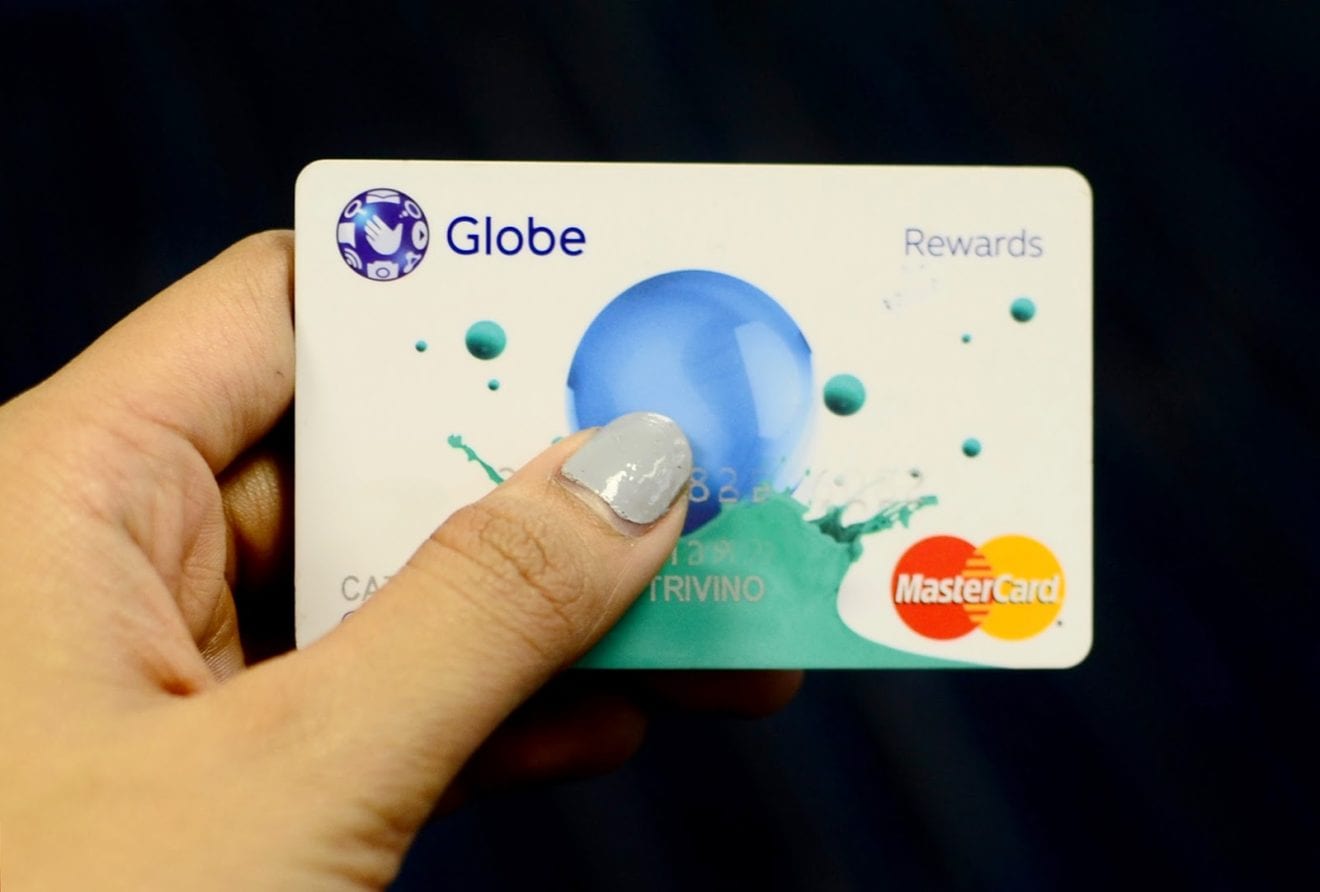
  • Globe upgrading GCash to support bulk payments

    Globe upgrading GCash to support bulk payments

    The Philippines’ Globe Telecom is upgrading its GCash mobile money service to allow it to support expanded services such as bulk payment services for salaries.

    The operator’s dedicated G-Xchange Inc (GXI) subsidiary will deploy the latest version of Amdocs’ Mobile Financial Services (MFS) suite, which has been powering the GCash money service since 2004.

    By conducting the upgrade GXI aims to be able to deliver services faster ad more efficiency and to be able to scale up the service to bulk transactions when needed.

    Amdocs will also provide end-to-end delivery services including development, deployment, testing and support as part of the contract.

    “GCash has come a long way in solving financial inclusion challenges in the Philippines,” GXI CEO Albert Tinio said.

    “This key system enhancement will enable us to realize new revenue streams with new services targeting new segments, while boosting GCash’s ability to deliver a highly scalable and efficient mobile financial services solution for consumers, merchants and organizations, meeting the business need of the evolving marketplace.”

  • Equinix expands Jakarta data center

    Equinix expands Jakarta data center

    Equinix has expanded its JK1 data center in Jakarta, through its partnership with DCI Indonesia (DCI).

    Coupled with its alliance with DCI and a premium connection with the Indonesian Internet Exchange (IIX), the second phase of development at JK1 is an indicator of Equinix’s continued commitment to the region, the company said.

    JK1 phase two will add approximately 400 cabinets to the data center, doubling available capacity to a total net size of 800 cabinets. The expansion is scheduled to be completed by the end of the month.

    Through the DCI and Indonesian Internet Service Provider Association (APJII) collaboration, JK1 enables direct peering connection to the IIX. Companies can also access Equinix’s highly interconnected International Business Exchange (IBX) data centers across strategic global markets via existing major network providers.

    JK1 is located at Cibitung, approximately 30 km from the Sudirman Central Business District (SCBD), and offers a range of colocation, interconnection and support services.

    The carrier-neutral facility will be bringing more carriers into the data center to enrich network density by partnering with Indonesian Internet Service Provider Association (APJII) to provide more options for direct peering connection to the IIX.

    The expansion is in line with the steady growth of the company’s global interconnection platform, in which Equinix has invested more than $7.5 billion over the last 17 years.

  • Globe launches Mobile Connect in Philippines

    Globe launches Mobile Connect in Philippines

    The Philippines’ Globe Telecom has launched Global Connect, the GSMA-led platform that seeks to protect users from the risk of online fraud and scams.

    GSMA’s Mobile Connect aims to securely authenticate, authorize and identify subscribers accessing content by using the mobile device owned and carried by the end-user.

    Customers can create and manage a digital universal identity using a single sign-in system. Users can digitally confirm their identity and credentials to access mobile and digital services including e-commerce, banking and health via their mobile phones.

    The user’s unique mobile number, combined with a unique PIN, is used for this authentication process.

    “As the mobile ecosystem rapidly expands, consumers are increasingly demanding robust privacy safeguards and personal data protection. With Mobile Connect, Globe is adopting a globally-accepted standard to protect the digital identities of customers from the various cases of cybercrimes via a safe and secure platform,” Globe VP for digital media Glenn Estrella said.

    “In today’s digital world, this initiative will definitely bring about sustainable and long-lasting impact to the global economy, and we at Globe are very happy to bring this innovation to Filipinos to ease them away from the worries of online fraud.”

  • Microsoft launches Azure IoT Hub

    Microsoft launches Azure IoT Hub

    Microsoft has announced the wide-scale launch of the  Azure IoT Hub, which allows users to connect, provision and manage billions of IoT devices.

    Microsoft says Azure IoT Hub acts as the bridge between customers’ devices and solutions in the cloud enabling storage, analyzing and acting on data in real time.

    The hub also enables secure two-way communication over open protocols such as MQTT, HTTPS and AMQPS, and is designed to make it easy to connect with other Azure services such as Azure Machine Learning and Azure Stream Analytics.

    In addition to the launch, Microsoft also announced the expansion of Microsoft Azure Certified for IoT program. The program was launched to ensure IoT solutions from global technology leaders are fully interoperable from the start.

    By offering trusted solutions from verified partners that work with multiple operating systems, including Linux, mbed, ROTS and Windows, Azure Certified for IoT accelerates IoT deployments.

    Over the past three-plus months, nearly 30 industry leaders have joined the program, said Microsoft. Now even more have announced their participation, including: Advantech, Dell, HPE and Libelium. Previous certified partners include: Arduino, Beagleboard, Freescale, Intel, Raspberry Pi, Samsung, Texas Instruments and others.

    “IoT is poised for dramatic growth in 2016 and we can’t wait to see what our customers and partners will continue to build on our offerings. We’re just getting started and will have much more to share in the coming months,” said a Microsoft blog post.

  • 3 Hong Kong offers free 5GB data SIM cards

    3 Hong Kong offers free 5GB data SIM cards

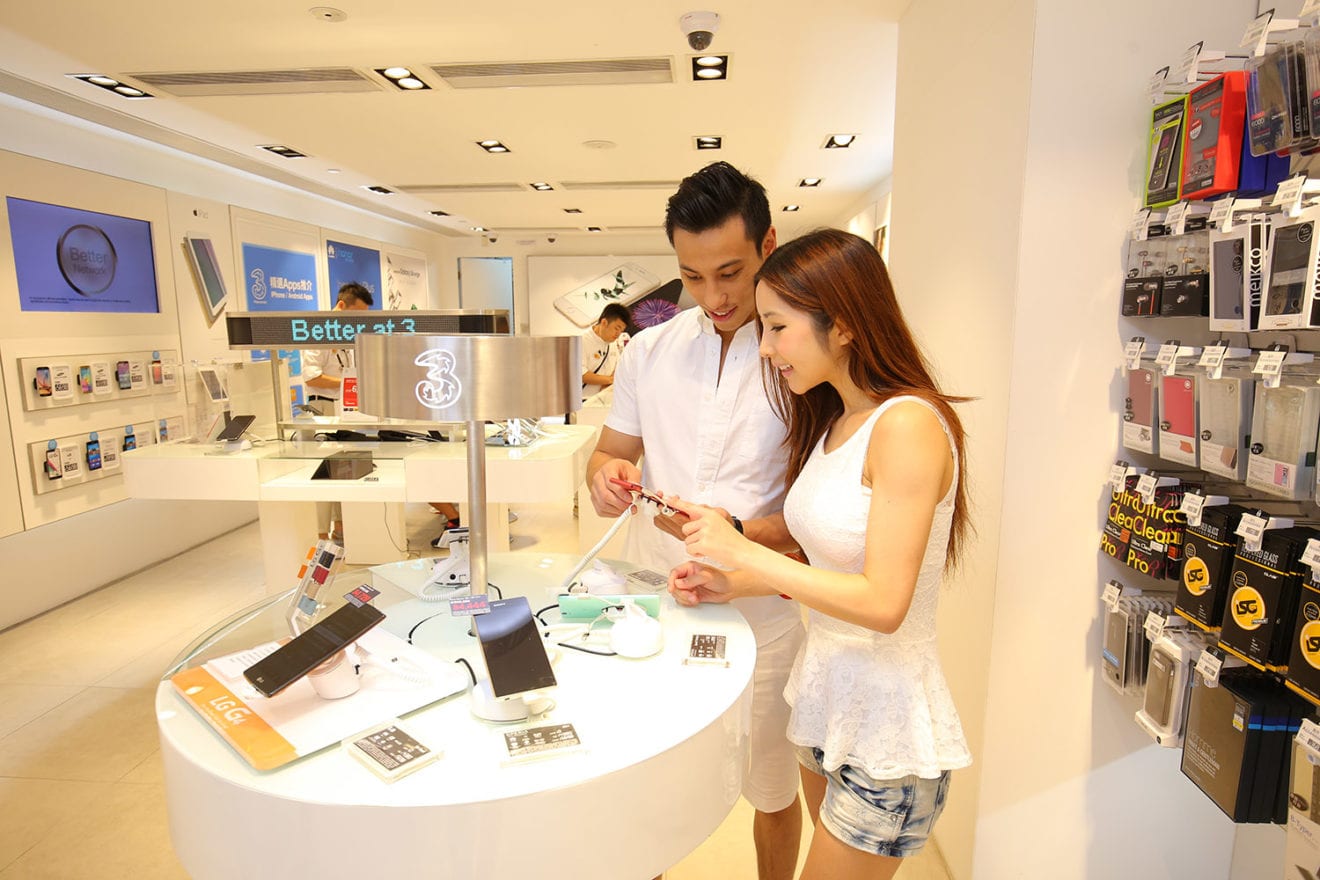
    3 Hong Kong will offer free “myTV Super” 5GB data SIM cards at 3Shops and other designated outlets starting mid-March.

    The card enables mobile users to watch Television Broadcasts (TVB) programs from 30 thematic TV channels for 30 days via the new “myTV Super” paid mobile app.

    3 Hong Kong’s ultra-fast 4G LTE network makes popular Hong Kong, Japanese and Korean dramas – along with classic Cantonese movies, animation, variety shows and children’s programmes – available to mobile users on the move. Offer available while stocks last.

    Customers must register online to activate an account, before inserting the data SIM card and downloading the “myTV Super” app.

    This will allow them to enjoy 5GB of free data usage to access TVB’s 30 thematic channels for 30 days. 3 Hong Kong customers can use the “myTV Super” app for 30 days free of charge without changing SIM card.

    “We provide an open and neutral platform for various OTT content providers via our high-speed, high-capacity content delivery network, along with world-class data center services,” HTHKH COO Jennifer Tan.

    “Handing out free data SIM cards is an unprecedented way for us to promote 3 Hong Kong’s advanced network alongside compelling content from TVB,” said Tan. “We aim to enable users to be the first to experience free TV programs and enjoy the best ‘videotainment’ while on the move through use of the ‘myTV SUPER’ app on mobile devices. We believe this represents a new trend in mobile entertainment.”

  • M1 launches 10Gbps residential fiber service

    M1 launches 10Gbps residential fiber service

    Singapore’s M1 has joined rival SingTel in offering 10Gbps residential fiber broadband services.

    The operator has extended its 10Gbps XGPON service, launched for the corporate segment last August, to the consumer market.

    M1 is offering the service for S$189 ($134) per month on a 24-month contract, which includes termination point installation and ONT activation worth up to S$294.25 and a 1Gbps 4G mobile data line with a free 300Mbps of monthly data.

    The service does not come with a voice port due to technological limitations, and M1 likewise noted that no residential wireless routers currently support 10Gbps speeds.

    “Last August, we launched Singapore’s first 10Gbps XGPON service for the corporate segment. The service has been well-received, and since then we have been conducting network and equipment testing to ensure our service is ready for our residential customers,” M1 CMO P Subramaniam said.

    SingTel launched 10Gbps residential fiber services earlier this month following a successful trial conducted in  2015. This service is also priced at S$189 per month.

  • Digi to spend $217.6m on capex in 2016

    Digi to spend $217.6m on capex in 2016

    Malaysia’s Digi Telecommunications has allocated 904 million ringgit ($217.6 million) in capex for 2016, to pursue expansion projects including the rollout of VoLTE and VoWiFi.

    The operator has roughly maintained its capex budget at the same size as 2015.

    Digi is currently testing voice over LTE and Wi-Fi technologies and anticipates a commercial launch this year, according to chief marketing officer Christian Thrane.

    He said the operator’s LTE network currently covers around 72% of Malaysia’s populated areas and 150 major cities and towns.

    In response to growing data demand, Digi recently launched a postpaid plan starting at 28 ringgit per month that offers higher internet quota than previous plans, as well as the ability to roll over unused data. The operator will offer promotional discounts on the new plans until June 30.

    Digi has also introduced data roaming plans for frequent and budget travellers starting at 10 ringgit per day.

  • SingTel suspends mobile app after user detail leak

    SingTel suspends mobile app after user detail leak

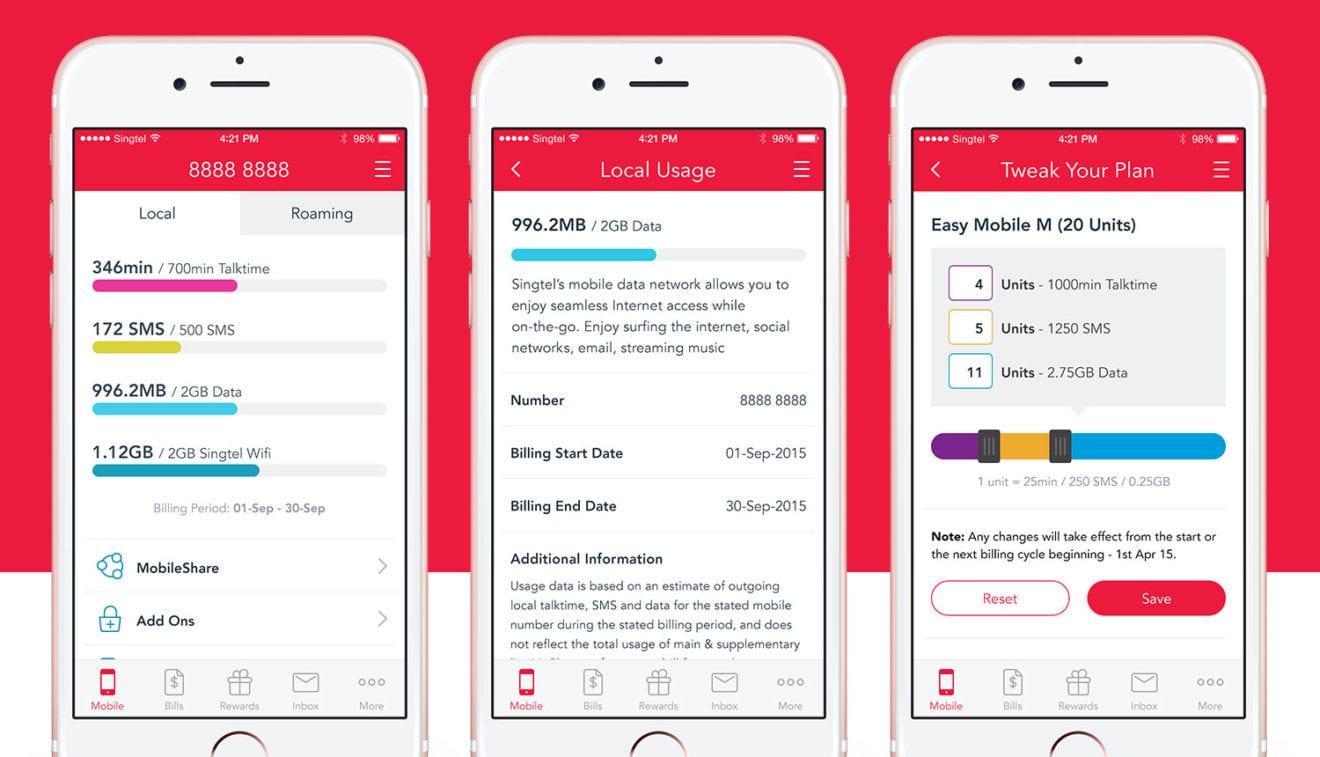
    SingTel was forced to temporarily suspend the functions of its mobile app after a software glitch resulted in users viewing the personal information of another account.

    Customers logging into the My Singtel app were able to view and the personal details of a different customer, and to modify the data field under account information to add their own messages.

    Multiple users reported encountering this glitch over social media, with a number expressing concerns that their account details had been compromised.

    SingTel suspended access to the app, commenting in a statement that the glitch exposing the customer information only affected one account.

    The statement added that SingTel is still trying to get in touch with with the customer to apologize or explain.

    As of Midday yesterday most functions of the app had been restored, but not the bills, rewards and e-appointment features.

    The company insisted that this is an isolated incident and ensured customers that their account security had not been compromised.

  • GoDaddy launches in 11 more APAC markets

    GoDaddy launches in 11 more APAC markets

    Small business technology services provider GoDaddy has expanded further into Asia, launching in 11 more markets including Hong Kong.

    The company has launched its suite of cloud-based products for SMEs across the region. With the launch GoDaddy services are now available in 14 Asian markets, also including Japan, Indonesia, Malaysia, the Philippines, Singapore, South Korea, Taiwan, Thailand and Vietnam.

    GoDaddy offers a suite of cloud-based products and services including domain registry, website hosting, website development and productivity tools.

    The company offers also local language customer care and direct phone numbers in each of its new Asian markets.

    GoDaddy CEO Blake Irving noted that SMEs account for over 97% of all enterprises and employ over half the workforce across APEC economies.

    “Asia is home to one of the largest, most vibrant small business communities in the world,” he said.

    “As internet growth and smartphone adoption continue to accelerate across the region, it’s important that these businesses are able to create strong digital identities that will help them achieve their goals and compete online.”

    Globally, GoDaddy now services small businesses in 53 markets, supporting 26 languages – including 10 Asian languages – and 44 currencies.

  • TOT allows AIS to trial use of 2.1-GHz spectrum

    TOT allows AIS to trial use of 2.1-GHz spectrum

    Thai state-owned operator TOT has granted former concession holder AIS permission to provide a trial mobile service over the 2100-MHz spectrum band.

    TOT has not yet permitted AIS to commercially use the spectrum but will allow the private operator to conduct technical testing ahead of the signing of a planned partnership deal.

    But regulator NBTC is looking into the decision to allow the trial using 15 MHz of the 2100-MHz band after receiving an informal complaint complaining that this should not be allowed as they have yet to finalize the terms of the partnership.

    The operators are currently negotiating a deal to provide a joint 3G service over TOT’s 2100-MHz spectrum.

    AIS had been using the spectrum as part of its earlier build-operate-transfer concession agreement with the state-owned company.

    AIS subsidiary AWN currently provides wireless broadband over 15MHz of its own 2100-MHz spectrum and 15MHz of 1800-MHz spectrum, both acquired at auction under the new licensing regime. But the operator is keen to acquire access to more spectrum to meet rising data demand.

    In addition, AIS has reportedly reached an agreement with rival Dtac to roam the remaining AIS 900-MHz 2G subscribers to Dtac’s 1800-MHz network upon the switch-off of the 900-MHz service.

  • Myanmar likely to delay 2600-MHz auction

    Myanmar likely to delay 2600-MHz auction

    Myanmar’s telecom ministry may need to delay a planned auction of 2600-MHz spectrum due to a conflict over whether the spectrum should be allocated before the regulatory framework is finalized.

    The Ministry of Communications and Information Technology (MCIT) has intended to auction 140MHz of 2600-MHz spectrum by the end of March.

    But after industry consultations, the government has acknowledged that it may need to delay the process. The consultations brought to light a conflict between those believing that the spectrum should be allocated as quickly as possible to ensure the nation’s telecom operators have sufficient spectrum to meet demand, and those believing that a spectrum roadmap should be completed first to give greater clarity to the industry.

    Both Telenor Myanmanr and Ooredoo Myanmar have expressed a belief that the spectrum roadmap should be released before the auction.

    MCIT posts and telecom director U Than Htun Aung acknowledged that the ministry didn’t expect such a range of conflicting views on the matter, and that the auction may need to be delayed as a result of the conflict.

    The ministry had last indicated that it planned to conduct the auction on March 24.

  • Rackspace debuts Red Hat powered private cloud

    Rackspace debuts Red Hat powered private cloud

    Rackspace has launched a new private cloud service that delivers OpenStack private clouds as-a-service using the Red Hat Enterprise Linux OpenStack Platform.

    Rackspace Private Cloud powered by Red Hat expands the Rackspace OpenStack-as-a-Service product portfolio.

    Managed by OpenStack and Red Hat experts at Rackspace and backed by Fanatical Support, the service combined public cloud benefits with the security, control and performance of an enterprise environment. The offering is backed by an industry-leading 99.99% OpenStack API uptime guarantee.

    Rackspace is contributing to Red Hat’s continued efforts to improve Red Hat Enterprise Linux OpenStack Platform by testing and certifying for broad hardware and software compatibility, performance and availability.

    Rackspace manages and maintains the Red Hat environment including the underlying Red Hat Enterprise Linux, Red Hat Satellite and Red Hat Enterprise Linux OpenStack Platform so customers can focus on their business applications and not their infrastructure.

    Customers have a single point of contact that will deploy, manage and maintain their private cloud at Rackspace. As an additional feature, customers have the flexibility of bringing their own Red Hat subscriptions to Rackspace, using Red Hat Cloud Access.

    “As the leading operator of OpenStack clouds with the most comprehensive OpenStack product portfolio in the industry, Rackspace is excited to expand our managed services and expertise to the Red Hat Enterprise Linux OpenStack Platform,” said Darrin Hanson, vice president and general manager of OpenStack Private Cloud at Rackspace.

    “We help make OpenStack simple by eliminating the complexity and delivering it as-a-service to customers in their data center, a Rackspace data center or in a colocation facility.”

  • Viettel launches carrier billing for Google Play

    Viettel launches carrier billing for Google Play

    Viettel has become Vietnam’s first operator to offer to offer direct carrier billing for the Google Play store.

    The operator has teamed up with carrier billing company Fortumo to offer carrier billing to its 55 million subscribers.

    Both postpaid and prepaid customers will be able to take advantage of the new function.

    Announcing the move, the companies said that smartphone penetration in Vietnam has reached 36.2% of all mobile users, but only 1.9% of the population have a credit card and 26.5% have a debit card. This makes the market well-suited to carrier billing services.

    “The key reason for Viettel selecting Fortumo was our industry-leading technical platform that is capable of simultaneously handling large app stores as well as leading OTTs,” Fortumo chief business officer Gerri Kodres said.

    “Additionally, Fortumo has been preferred choice for carriers in Asia because of our strong focus on the region and local presence.”

    In Asia, the operator’s platform is also used by music and streaming providers such as Sony, Alibaba’s UCWeb, Tencent and Huawei.