Category: Telecom

Retail News Asia is committed to providing both local and global retailers with the latest Telecom & Telco news throughout the Asian market. This on a daily base.

  • Sigma Systems Supports Telkomsel in Building a Digital Indonesia

    Sigma Systems Supports Telkomsel in Building a Digital Indonesia

    With more than 190 million customers, Telkomsel is currently the largest mobile operator in Indonesia. Telkomsel has consistently implemented the latest mobile technology and was the first to commercially launch 4G LTE mobile services in the country. Entering the digital era, Telkomsel continues to expand its digital business to incorporate advertising, lifestyle, mobile financial services, and Internet of Things.

    In support of their digital mandate, Telkomsel has selected Sigma Systems as a partner, establishing Sigma Catalog as the central enterprise catalog to underpin their evolving business.

    “We are pleased to partner with Sigma to deploy a B/OSS platform that enables the rapid creation of personalized, micro-segmented offers to our customers. Sigma’s agile delivery methodology and product-centric approach ultimately supports Telkomsel’s mission of building a Digital Indonesia,” said Montgomery Hong, CIO at Telkomsel.

    Sigma Systems CEO, Tim Spencer, commented: “Telkomsel is at the forefront of digital transformation in the region, and recognizes the critical role a catalog-driven solution plays in accelerating the creation, selling and delivery of innovative and deeply personalized market offerings. Sigma is honored to work with Indonesia’s leading mobile operator as they transition into a truly digital business.”

  • China Telecom signs interconnect deal with HGC

    China Telecom signs interconnect deal with HGC

    China Telecom and Hong Kong based fixed line operator HGC Global Communications (HGC) have signed an agreement to build a network interconnection system via the Hong Kong-Zhuhai-Macau Bridge.

    Once completed later this year, the HZM Bridge will be the longest cross-ocean bridge in the world, spanning 55km and directly connecting mainland China to Hong Kong and Macau.

    The two operators plan to deploy a fiber connection along the HZM Bridge to meet anticipated growth in cross-border network traffic and demand for low-latency connectivity across the Greater Bay Area region.

    China, Hong Kong and Macau are involved in the Guangdong-Hong Kong-Macau Bay Area initiative to enhance economic activity in the area and improve the level of co-operation within the region. The project aims to help put the telecoms infrastructure in place to support this increased activity.

    “China Telecom is pleased to establish an interconnection with HGC at the HZM Bridge,” China Telecom managing director of global business Deng Xiaofeng said.

    “With both parties’ diverse network connection routes and our history of close cooperation, the new fiber connection will provide customers of both parties with stable and reliable service, meeting the ever-increasing demand in the Greater Bay Area and neighboring countries and regions.”

    China Telecom has established cross-border links with ten operators in Hong Kong and Macau across five ports since 1998, helping boost total traffic capacity in the region to 17Tbps.

  • HKT becomes a Carbon Black MSSP partner

    HKT becomes a Carbon Black MSSP partner

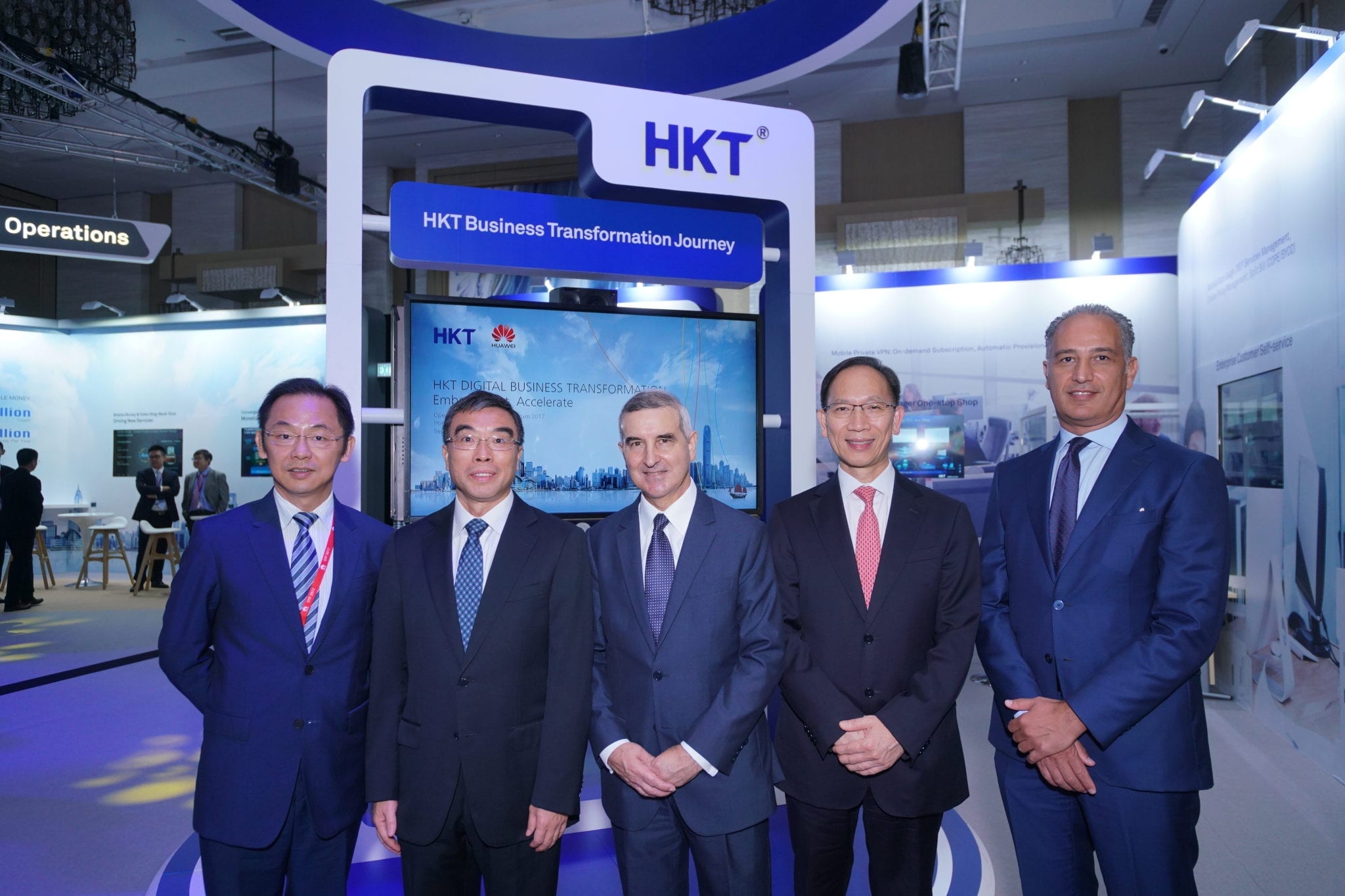
    HKT has arranged to become a managed security services provider (MSSP) partner of endpoint security company Carbon Black.

    As an MSSP partner, HKT will offer a suite of managed security services based on Carbon Black’s Cb Defense and Cb Response security solutions.

    These will include managed endpoint detection and response (EDR) services to help customers detect, prevent, predict and respond to advanced cyberattacks.

    Cb Defense is a cloud-based next generation antivirus and EDR solution for desktops, laptops and services. It is powered by Carbon Black’s Cb Predictive Security Cloud, which collects and analyzes unfiltered endpoint data to protect customers against future and unknown attacks.

    HKT will meanwhile use Cb Response to allow its security operations center team to identify malicious files used to execute an attack, pinpoint which endpoints and services are being attacked, diagnose the root cause, and provide actionable recommendations.

    “HKT is the largest telecommunications service providers in Hong Kong and the collaboration with Carbon Black will enable more enterprises and consumers to access next-generation security technology designed to thwart the sophisticated cyberattacks prevalent today,” Carbon Black VP and managing director for Asia-Pacific and Japan Matt Bennett said.

    “With Carbon Black’s market-leading cybersecurity solutions, HKT’s customers will be protected from advanced threats better than ever before.”

  • More wholesale operators join blockchain trial

    More wholesale operators join blockchain trial

    More operators have joined the joint blockchain trial being conducted by HKT’s PCCW Global and telecoms and data center services company Colt.

    Members of the ITW Global Leaders’ Forum (GLF), including Australia’s Telstra, Hong Kong based HGC Global Communications, Spain’s Telefónica and the UK’s BT, are now getting involved in the initiative.

    The trial involves the use of blockchain to automate the inter-carrier settlement of wholesale international services.

    During a proof of concept trial in March, conducted with blockchain startup Clear, the companies demonstrated how blockchain can reduce the labor-intensive process of inter-carrier settlements from hours to mere minutes.

    Now the solution developed for the trial is being utilized in real time, with PCCW Global and Colt now using live data to settle and verify traffic, PCCW Global said.

    The companies aim to expand the bilateral testing to encompass multilateral relationships within the wholesale telecommunications industry.

    “We are very pleased that this PoC is expanding to include more carriers. A lot of the conversations at the GLF have been around how innovative technologies such as blockchain can be used to improve the overall efficiency of the industry,” PCCW Global CEO and GLF chairman Marc Halbfinger said.

    “With the PoC expanding to include more carriers, it is clear that the industry is seeing the benefit of becoming further aligned. Industry cooperation in this area will be incredibly powerful for the whole sector.”

  • SK Telecom, Macquarie to buy security firm ADT Caps for $1.2b

    SK Telecom, Macquarie to buy security firm ADT Caps for $1.2b

    SK Telecom has partnered with Macquarie to fully acquire domestic security service firm ADT Caps for 1.276 trillion won ($1.18 billion), the South Korean mobile giant announced.

    SK Telecom will buy 55% stake in Siren Holdings Korea, the company that holds 100% stake in ADT Caps, for 702 billion won ($650.7 million), while Macquarie will buy 45% stake for 574 billion won ($532 million).

    The pair plans to sign a deal with seller Carlyle Group and complete the transaction as early as in the third quarter of this year, SK Telecom said in a statement.

    Through the acquisition, SK Telecom aims to build new business models by introducing technologies such as AI, IoT and big data to the country’s fast-growing security services industry and turns ADT Caps into “a next-generation security services provider” with these technologies.

    ADT Caps is the country’s second-largest security services provider with 570,000 subscribers. The company mainly provides physical security services, including access control and facilities management, and accounts for roughly 30% of the local physical security services market.

    In 2017, ADT Caps recorded revenue of 721.7 billion won and operating income of 143.5 billion won.

  • Virtutel to use PCCW Global’s nTwine platform

    Virtutel to use PCCW Global’s nTwine platform

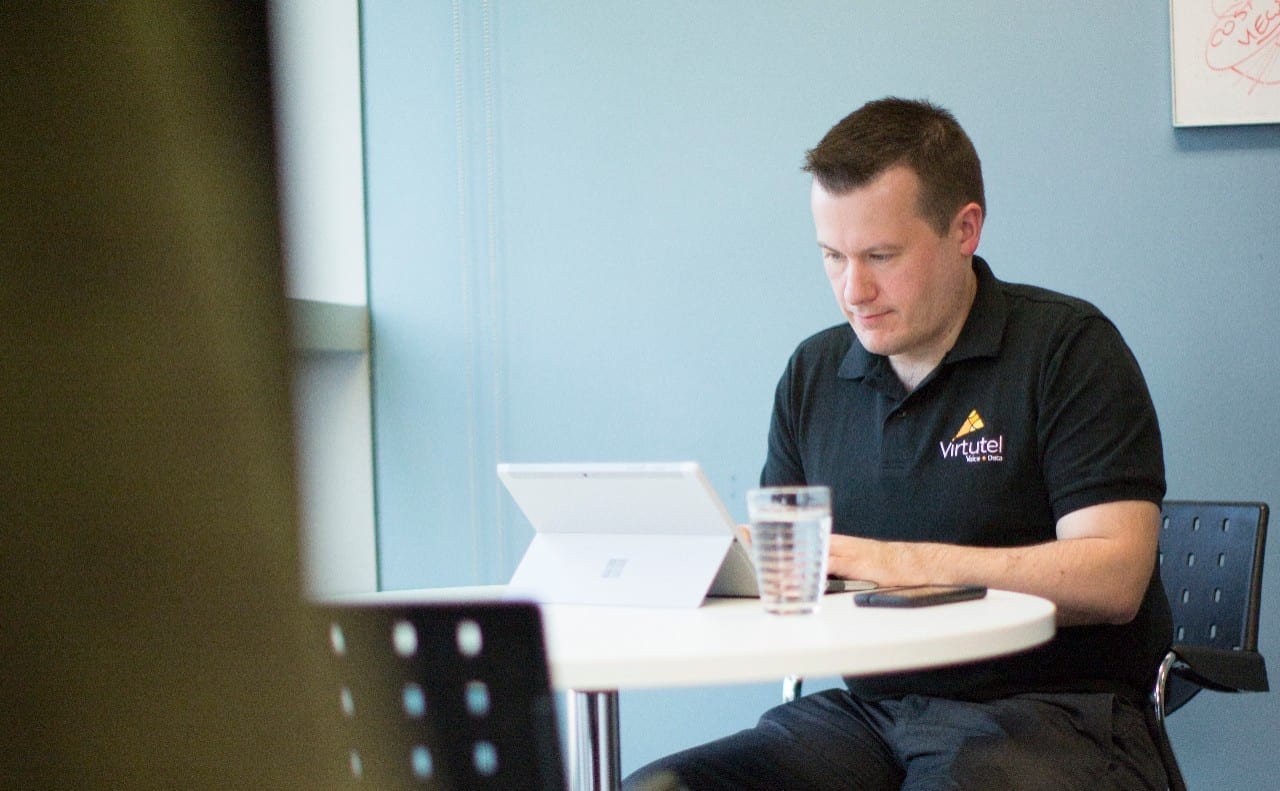
    Australia-based wholesale and enterprise communications services provider Virtutel has contracted PCCW Global to bring hosted unified voice services to Australia and New Zealand using PCCW Global’s nTwine platform.

    Virtutel will use the platform to support its expansion plans in the Australian and new Zealand markets.

    The nTwine multi-tenant unified communications as a service (UCaaS) platform includes the provision of a white label hosted platform as well as automated orchestration operation and management.

    It uses PCCW Global’s fiber network spanning 3,000 cities in 150 countries as well as network partnerships with more than 200 global operators to provide international voice and VoIPX services.

    Gartner projects that the global market for cloud based telephony and messaging will grow at a 14.4% CAGR through to 2022, reaching $22 billion.

    “The PCCW Global team has been extremely committed to our partnership and the nTwine uCaaS solution is a perfect fit for our business growth in the coming years,” Virtutel managing director David Allen said.

    “Thanks in large part to the transformative power of cloud computing, in most markets the idea of what makes an office is rapidly changing. We expect that the technologically savvy and forward-thinking business leaders in Australia and New Zealand will appreciate the advantages the nTwine service provides.”

  • Ooredoo Myanmar enters eSports tie-up with HOG

    Ooredoo Myanmar enters eSports tie-up with HOG

    Ooredoo Myanmar has entered a partnership with Myanmar’s first eSports center Halls of Gamers (HOG) to provide high-speed connectivity for competitors.

    Under the agreement, Ooredoo will provide high-bandwidth fiber broadband services to HOG at a special rate to support HOG’s eSports tournaments.

    The operator will also set up a booth at the HOG eSports Center to provide product sales and technical support.

    HOG opened in 2017 in Yangon as the first LAN gaming center in Myanmar to promote the local eSports industry with activities including tournaments, festivals and contests. The center has the space and facilities available to host international eSports tournaments.

    “We are very glad to our partnership with HOG eSports Center to support together with HOG for the development of eSports among the youths in Myanmar to reach to international level,” Ooredoo Myanmar CEO Vikram Sinha said.

    “We believe that with our reliable speed though Ooredoo B2B dedicated fiber internet access, all eSport gamers can enjoy the internet to gain their achievement.”

  • Nokia buys SpaceTime to bloster IoT offerings

    Nokia buys SpaceTime to bloster IoT offerings

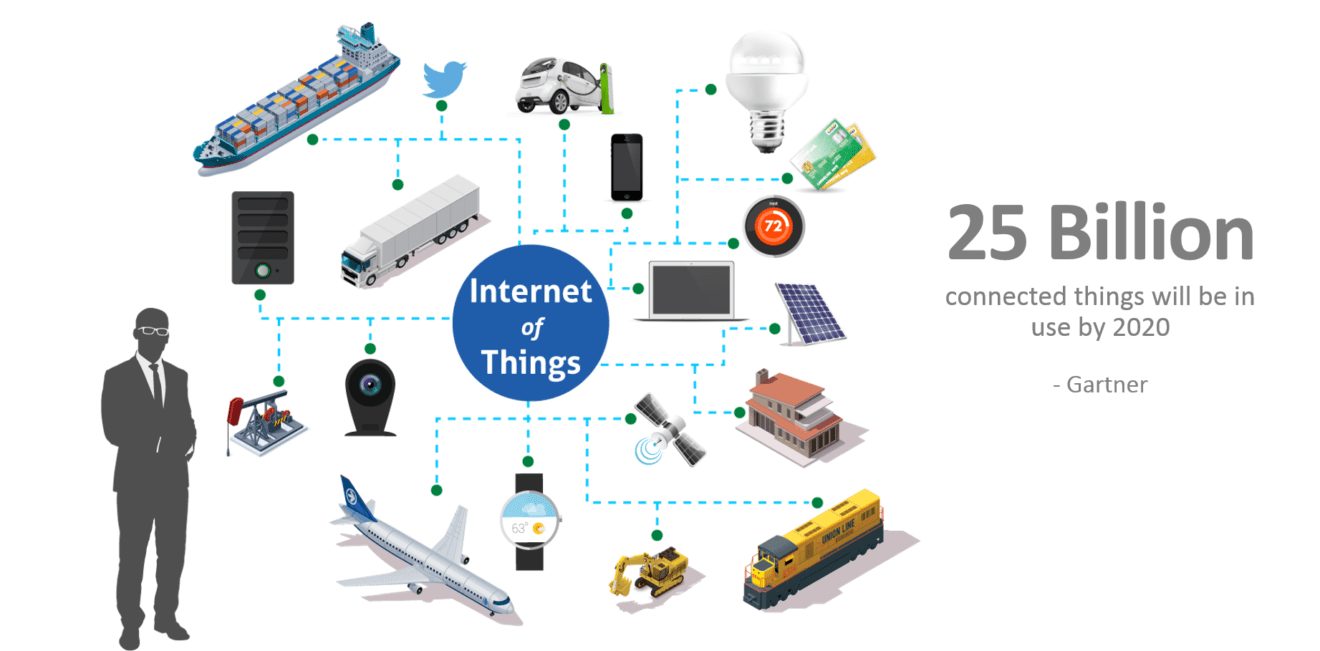
    Nokia has acquired US-based software supplier SpaceTime Insight in its latest push to expand its Internet of Things (IoT) portfolio and IoT analytics capabilities beyond the telecoms sector.

    The company did not reveal the financial terms of the deal.

    Based in San Mateo, California, SpaceTime Insight provides machine learning-powered analytics and IoT applications for asset-intensive industries like transportation, energy and utilities. Its clients include Entergy, FedEx, NextEra Energy, Singapore Power and Union Pacific Railroad.

    Nokia said SpaceTime Insight’s machine learning models and other advanced analytics predict asset health with a high degree of accuracy and optimize related operations, helping customers reduce cost and risk, increase operational efficiencies, reduce service outages and more.

    SpaceTime Insight and its CEO Rob Schilling will join the IoT product unit within the Nokia Software business group. The company has offices in US, Canada, UK, India and Japan.

    The acquisition will strengthen Nokia’s IoT software portfolio and IoT analytics capabilities as well as speed up the development of Nokia’s IoT offerings to deliver IoT solutions and services to new and existing customers.

    It will also broaden the company’s ability to deliver new, advanced applications for key vertical markets, including energy, logistics, transportation and utilities, Nokia added.

    Commenting on the acquisition, Bhaskar Gorti, president of Nokia Software, said “the addition of SpaceTime to Nokia Software is a strong step forward in our strategy, and will help us deliver a new class of intelligent solutions to meet the demands of an increasingly interconnected world.”

  • Telstra expands availability on key APAC routes

    Telstra expands availability on key APAC routes

    Australia’s Telstra has expanded its Always On guaranteed connectivity service for enterprises to provide more bandwidth options on the Hong Kong to Singapore and Hong Kong to Japan subsea cable routes.

    The service uses Telstra’s extensive cable network in the Asia-Pacific region to reroute traffic to another path in the event of a cable cut or damage due to a natural disaster.

    The enhancement of the service will reduce latency and add more resiliency to two of Asia’s busiest subsea cable routes.

    According to Telstra director for international Paul Abfalter, Telstra’s subsea cable network is the largest and most diverse in APAC, accounting for up to 30% of active intra-regional capacity.

    “We now have average speeds of 28.8m/s between the Singapore (SGX) and Hong Kong (HKEX) Exchanges, 177.8m/s between the Australian (ASX) and Chicago (CME) Exchanges, 178.2m/s between Equinix/CERMAK (EQCH) in Chicago and the ASX, and 41.9m/s and 13.9m/s respectively between Singapore to Taiwan and Hong Kong to Taiwan,” he said.

    “We were first in the region to develop ‘resilience as a service’ across the busy Hong Kong, Singapore and Japan triangle so customer services are restored within hours for their subscribed bandwidth, using one primary path and two protection paths over different cable systems along the same route.”

    The Always On service guarantee was initially targeted at customers with capacity requirements of between 10GB and 1TB, but with the expansion the company has introduced lower bandwidth options starting at 1GB, Abfalter added.

  • Ericsson, Fraunhofer Institute demo industrial 5G for jet engine

    Ericsson, Fraunhofer Institute demo industrial 5G for jet engine

    Ericsson is partnering with the Fraunhofer Institute for Production Technology to explore and develop industrial applications for 5G.

    The first example is producing so-called blade integrated disks, or blisks, for Germany-based jet engine manufacturer MTU Aero Engines.

    Blisks are high-tech components where the disk and blades are produced as a single piece and serve the purpose of compressing the air inside jet engines. They are milled out of solid pieces of metal and have extremely high requirements towards accuracy and surface integrity.

    Typically the milling process takes 15-20 hours and the total lead time is around three to four months, including the coating processes and quality checks.

    At the trial Ericsson has built a 5G trial system operating on 3.5-GHz, which is connected to an acceleration sensor mounted directly on the blisk in the production machinery.

    Vibrations are transmitted in real time via 5G to the evaluation system. The very low latency of 5G technology helps correlate the vibration to the tool’s position and enable prompt adjustment of the production process.

    “Applying 5G in the manufacturing industry has many important benefits in terms of costs, quality, and flexibility. The ultra-low latency and very high bandwidth make it possible to control machines in real-time, reducing manufacturing costs and improving the quality of products,” Ericsson said.

    The Swedish vendor said the 5G-enabled production process can help a single factory save €27 million ($32.7 million) per year in efficiency. It also helps cut CO2 emissions – from both the production of blisks and their operation in jet engines – by some 16 million tons annually on a global basis.

    These efficiencies and benefits would be impossible if using fixed line technology because of the complexity of production, the vendor added.

    Ericsson said the Blisk project, which was presented at the Hanover Fair in Germany late April, is the company’s first published tangible case study.

    “The Blisk project is a perfect example of what is possible in the industrial context with 5G in the future. Ultra-low latency of 5G makes this industrial use case feasible,” said Arun Bansal, Ericsson’s senior vice president and head of market area for Europe and Latin America.

  • 5G-ACIA created to promote 5G in industrial production

    5G-ACIA created to promote 5G in industrial production

    A number of key players from the telecoms, automation and manufacturing sectors have banded together to create a new alliance that aims to promote adoption of 5G in industrial production and to design it for industrial capability from the outset.

    The 5G Alliance for Connected Industries and Automation (5G-ACIA), which was formed at the ZVEI in early April, brings together 26 leading companies including Ericsson, German Research Center for Artificial Intelligence, Fraunhofer Gesellschaft, Bosch, Huawei, Infineon, Intel, Mitsubishi, Nokia, Siemens, Vodafone, and Yokogawa.

    The 5G-ACIA is contributing to the standardization and regulation of 5G technologies. At the same time, the alliance is working to identify and analyze possible use cases and the associated requirements from the perspective of the industrial domain.

    Dr. Andreas Müller, chairman of 5G-ACIA, said the key objective of 5G-ACIA is to ensure the best possible applicability of 5G technology and 5G networks for connected industries, in particular the manufacturing and process industries.

    The alliance brings together important players in the fields of IoT and smart factories for the first time and will make it possible to align 5G with the needs of industries worldwide, Muller said in a statement.

    “5G will become the central nervous system of the Factory of the Future and will have a disruptive impact on industrial production,” he said. “There are many advantages to 5G, including a very powerful wireless networking technology that is suitable even for critical industrial applications.”

  • SAP expands innovation footprint in APJ with the launch of SAP Leonardo Center Singapore

    SAP expands innovation footprint in APJ with the launch of SAP Leonardo Center Singapore

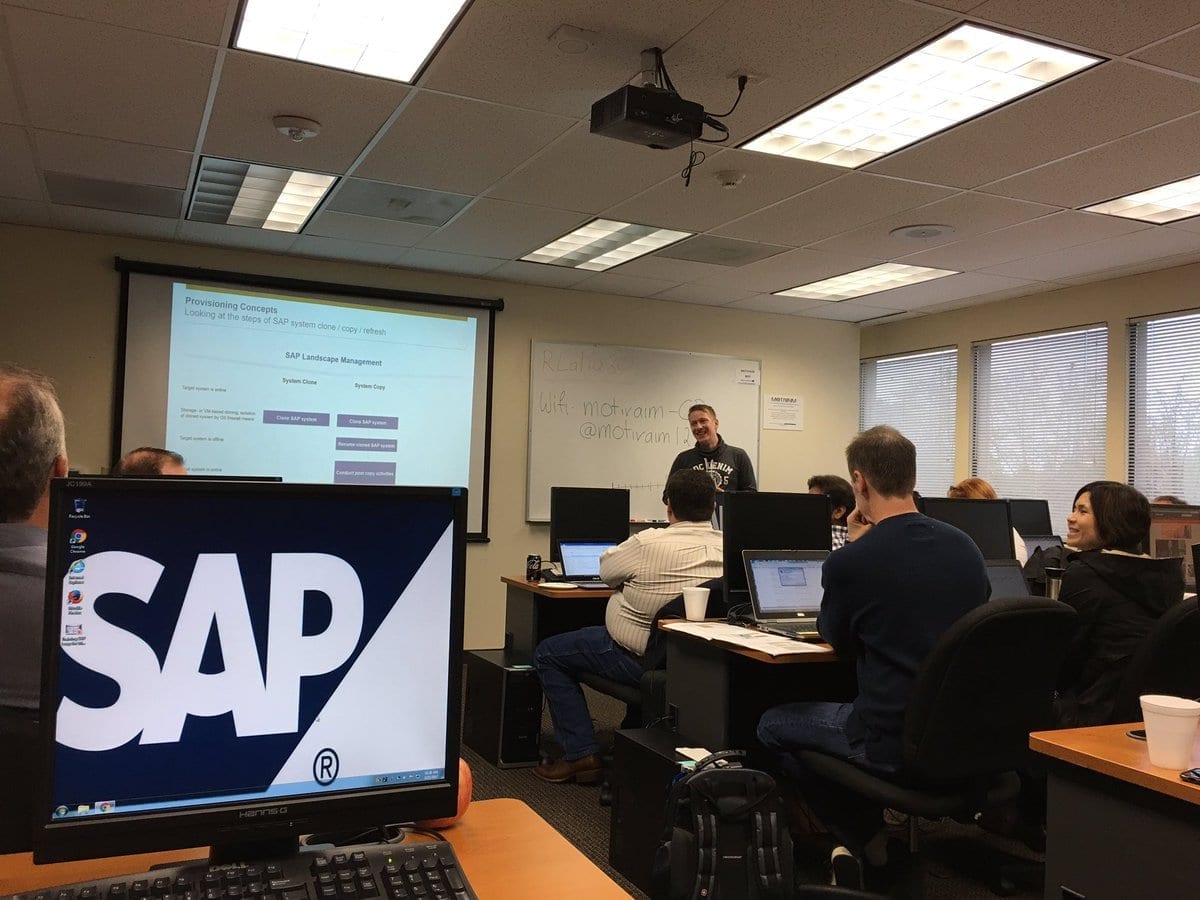
    SAP  today announced the launch of the SAP Leonardo Center Singapore, established to help customers, partners and the broader ecosystem of universities and start-ups across the Asia Pacific Japan (APJ) region to deliver faster innovation with less risk. This launch expands SAP’s innovation footprint in the region, adding to the three Innovation Centers and four SAP Labs in APJ. Globally, SAP spent €3,352 M on Research and Development in 2017.

    According to World Economic Forum, Singapore is the most competitive economy in Asia Pacific and third globally. The SAP Leonardo Center Singapore is the fifth in the global network of SAP Leonardo Centers. It is designed to serve as the “front-end” for APJ customers and partners to accelerate their digital innovation journeys using the capabilities of SAP Leonardo and Design Thinking. SAP Leonardo brings together Internet of Things (IoT), Machine Learning, Blockchain, Big Data, Analytics and Data Intelligence on SAP Cloud Platform. It also applies SAP’s leading technology capabilities and deep knowledge of 25 industries, in a live technology-delivery environment to deliver the Intelligent Enterprise for every customer.

    “The SAP Leonardo Center in Singapore will showcase the art of the possible in digital innovation and help our customers scale quickly, easily and effectively,” said Scott Russell, President, SAP APJ. “Together with our customers and partners, we aim to leverage the SAP Leonardo Center Singapore as a think tank to drive purpose-led innovation that will ultimately improve the lives of one billion people and deliver the Intelligent Enterprise for over 70,000 customers in APJ by 2022. The SAP Leonardo Center in Singapore will play a key role in realizing our growth strategy and drive customer success in the new Intelligence era.”

    Collaborative business environment

    The SAP Leonardo Center Singapore aims to foster a collaborative environment for businesses, start-ups, small and medium-sized enterprises to experiment and innovate. One of SAP APJ’s first SAP Leonardo customers in Korea is Hanon Systems. Headquartered in South Korea, Hanon Systems is a global leader in automotive thermal and energy management solutions, and an early-adopter of SAP Leonardo in APJ. With insight into the benefits of digital manufacturing, the company identified manufacturing performance and equipment health as areas of measurement to pilot the Leonardo platform at one of its plants in Europe. Robert Oh, Chief Information Officer and Business Transformation Executive at Hanon Systems, believes a supplier’s ability to compete in today’s automotive market is no longer measured by just its product offering. “At Hanon Systems, we believe our digital transformation can change the way we manufacture in a positive way to improve our productivity, increase our overall efficiency and further strengthen our customer relationships.”

    Hub for Ecosystem

    The SAP Leonardo Center Singapore also serves as a hub for SAP’s broader digital technology ecosystem including universities, startups, tech communities and accelerators. SAP APJ prepares the next-generation innovators with knowledge and skills for the digital future through the SAP University Alliances program, which exposes 1.7M students in educational institutions in APJ to innovative technologies. SAP APJ has established 13 Next-Gen labs in APJ with plans to open more in the future. SAP India designed a modular offering called i360 forAjeenkya DY Patil University, which includes SAP Leonardo IoT, SAP Leonardo Machine Learning and SAP Open SAP Learning. India has seen an increase in the uptake of modular offerings that focus on Industry 4.0 and Smart Cities. Demand for talent in India with skills in IoT, Machine Learning, Artificial Intelligence, Blockchain and Big Data and Analytics is high. Educational institutions have found merit in collaborating with technology firms to close this gap.

  • MobiFone refunded after failed pay TV investment deal

    MobiFone refunded after failed pay TV investment deal

    The telecommunications giant has not repaid AVG investors. MobiFone has confirmed to authorities that it has been refunded in full from a private pay TV firm after the deal between these companies fell through.

    The state-run telecommunications giant said that a total of VND8.9 trillion ($390 million), equivalent to a 95 percent stake in Audio Visual Global JSC. (AVG), had been returned to the company on April 26.

    MobiFone has yet to return shares to AVG shareholders, and is now waiting for government inspectors to confirm the transfer before proceeding, the statement said.

    In early 2016, MobiFone announced that it was breaking into the pay TV market through the acquisition of a 95 percent stake in AVG, without revealing any information about the deal.

    After investigating the deal, the Government Inspectorate concluded that MobiFone’s deal to acquire AVG had violated investment laws and caused a loss of about VND7 trillion ($307 million) to the state.

    Multiple ministries, including the information ministry, were also found responsible for a number of wrongdoings relating to the deal.

    The canceled acquisition was brought up last week when Communist Party General Secretary Nguyen Phu Trong said at a committee meeting that the government was determined to fight corruption without exception.

  • Telenor Velocity hosted Pakistan’s first ‘IoT Hackathon’ in Lahore

    Telenor Velocity hosted Pakistan’s first ‘IoT Hackathon’ in Lahore


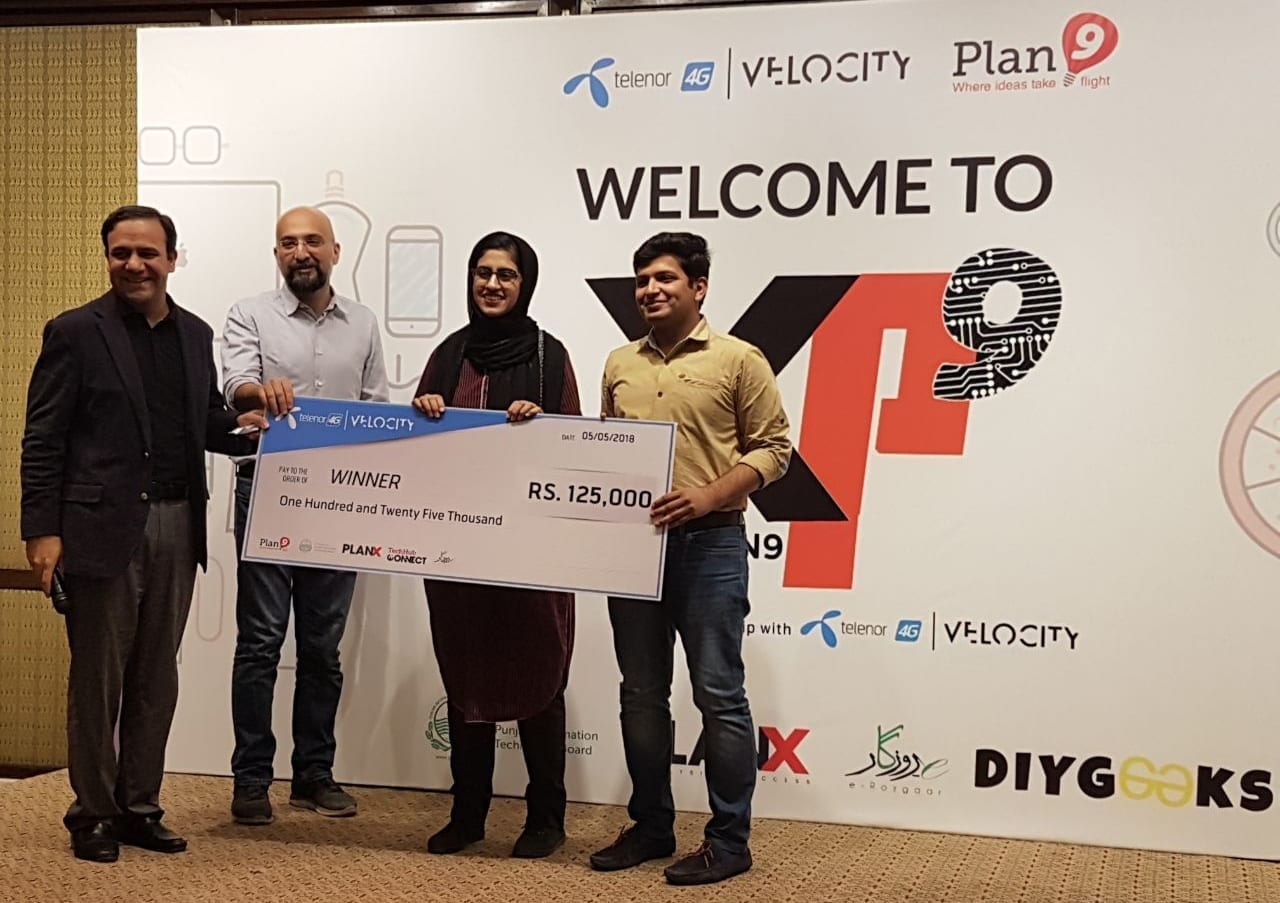
    Pakistan’s first ever Internet of Things (IoT) based Hackathon successfully concluded by Telenor Velocity in Lahore on 5th May. The two day event brought together innovators, key industry players, startups and experts to witness and participate in the historic event where Telenor Velocity partnered with Plan9 and DIY Geeks to provide passionate developers the opportunity to innovate and present one click digitized solutions for everyday problems.

    The IoT Hackathon took place at Arfa Software Technology Park, the province’s hub of technological innovation. At the event Waqar Nayyar, Head of IoT at Telenor Pakistan, introduced the new IoT Platform and IOT products to the participants along with sharing Telenor Pakistan’s vision of fostering a digital revolution in the country and the company’s extraordinary initiatives in the IOT ecosystem. Hackathon was attended by Ayub Ghauri – CEO Netsol, Ather Osama – Member Science & Technology and ICT at Planning Commission, Kashif Moin – CEO Zigron, Barkan Saeed – Chairman P@SHA, Dr. Umar Saif – Chairman PITB, Burhan Rasool – GM PITB, Atif Mumtaz, Director PITB and officials from Telenor Pakistan and Plan9.

    Speaking at the event, Dr. Saad Ghazanfar Kiyani, Head of Digital Partnerships, Telenor Pakistan said, “Telenor Pakistan has always been at the forefront of digital innovation and technology in the country and firmly believes in its power to deliver greater empowerment for our societies. The IoT Hackathon is Telenor Pakistan’s investment in the future and we hope to bring great minds together to build it.”

    Innovators were invited from across the country for the Hackathon to devise innovative solutions for day to day problems and promote socioeconomic progress and wellbeing. Participating developers pitched their ideas before a panel of judges on the last day while they worked collaboratively to bring the products and solutions to life over the past two days. Their ideas were mentored by top-industry experts, developers, and investors to help them leverage the full potential of Telenor’s IoT platform for potential up scaling.

    The judges panel comprised of Sophia Hasnain – CEO linked things, Faizan & Arsalan – co-founders Wattie.io, Ehtisham Rao – CEO and founder ServUp, Usama – CEO DIYGeeks, Waqar Nayyar – Head of IoT, Telenor Pakistan – Dr. Adnan Jabbar, Consultant IoT and Muhammad Azm Saeed Dar, Head of IoT partner solutions. The panel evaluated pitched ideas and reviewed finished products to announce the winners. ‘Smart Mirror’ was declared the winner of the event and secured a slot in Telenor Velocity’s next cohort along with prize money of PKR 125,000. ‘JF Labs’ and ‘Design IT’ were announced as the runner ups who received prize money of PKR 50,000 and PKR 25,000.

    Telenor Pakistan will continue to work with the winners of the Hackathon to help them refine and scale their products and solutions. The event also provided developers the opportunity to connect with similar startups, likeminded entrepreneurs and investor for potential future collaborations.


  • Airtel sell 25% of its African unit

    Airtel sell 25% of its African unit

    India’s Bharti Airtel reportedly plans to raise up to $1.5 billion through a public listing of Bharti Airtel International, the holding company for its African operations.

    The operator plans to dilute a 25% stake into the holding company for roughly $1 billion to $1.5 billion.

    The public listing is expected to take place in early 2019, the sources said. At the upper end of the estimate, Bharti Airtel International would be valued at $6 billion.

    Netherlands-registered Bharti Airtel International is the holding company of Airtel’s operations in 14 African markets – Nigeria, Chad, Congo-Brazzaville, Democratic Republic of Congo, Gabon, Madagascar, Niger, Kenya, Malawi, Seychelles, Tanzania, Uganda, Zambia and Rwanda.

    Airtel’s African operations have finally started making profits seven years after Airtel entered the African market with the $9 billion acquisition of Kuwait-based Zain’s African assets. The African operations reported their first full year of profit for the financial year of around 18.27 billion rupees ($273.4 million).

    A global listing for Bharti Airtel International is expected to help the parent company get better value for its African operations, deleverage its balance sheet, and help it raise funds to invest in its core Indian mobile business to help it better compete in a tight market.