Category: Telecom

Retail News Asia is committed to providing both local and global retailers with the latest Telecom & Telco news throughout the Asian market. This on a daily base.

  • PT Telkom profit falls 14% in Q1

    PT Telkom profit falls 14% in Q1

    Indonesia’s PT Telkom has reported a 14% decline in first quarter profit to 5.73 trillion rupiah ($410.8 million), partly as a result of stricter competition.

    Revenue for the quarter grew 4.3% to 32.3 trillion rupiah, but tighter competition and the ongoing decline in revenue from legacy voice and SMS revenue impeded further growth.

    Data, internet and IT services revenue by comparison grew a strong 23.3% to 15.9 trillion rupiah due to increasing demand as a result of the growing use of smartphones.

    Mobile broadband subscribers grew 21.3% to 108.73 million subscribers, with mobile subsidiary Telkomsel reporting a net profit of 6.4 trillion rupiah and revenue of 21.9 trillion rupiah.

    On the fixed line front, consumer broadband revenue grew to 3.1 billion rupees with enterprise revenue increasing to 8.63 trillion rupees. Subscribers to Telkom’s IndiHome fiber broadband service nearly doubled to 5.74 million.

    Telkom’s capex for the quarter reached 6.13 trillion rupees, up from 6.06 trillion the year earlier, the report adds.

    The funds were primarily used to finance the construction of new base stations, expand access network and backbone infrastructure and develop the operator’s Sea Cable Communication System that supports its fixed and mobile broadband businesses.


  • India’s MTNL makes play for 4G spectrum

    India’s MTNL makes play for 4G spectrum

    Loss-making Indian state-controlled operator MTNL has approached the government seeking an allocation of 4G spectrum across two bands, in return for equity in the company.

    MTNL has written to the Telecom Department seeking spectrum in the 1800-MHz and 2100-MHz bands, arguing that a 4G presence is a must to survive in the mobile market.

    The operator is seeking spectrum in both of its operating circles of Delhi and Mumbai, and hopes to be able to launch 4G services in the current financial year ending in March 2019.

    MTNL has requested that its license payment for the spectrum, which it estimates at 65 billion rupees ($973.3 million) be taken by the government in the form of equity shares, to ensure MTNL is not burdened with additional debt.

    MTNL is currently 56% owned by the Indian government and 19% owned by Life Insurance Corporation, with the remainder held by the public.

    The operator is meanwhile already straddled with a hefty 170 billion rupees in debt, and is currently considering a revival plan to return the operator to profitability. This would include asset monetization, pursuing additional revenue schemes, a voluntary retirement scheme for employees and other measures.

  • Telenor Pakistan Collaborates with LMKT to Provide IBM’s Accurate Weather Forecast to Local Farmers

    Telenor Pakistan Collaborates with LMKT to Provide IBM’s Accurate Weather Forecast to Local Farmers

    Telenor Pakistan, continuing its efforts to transform the Pakistani agriculture sector which is the primary source of livelihood for millions of Pakistani households, has partnered with LMKT, an IBM partner, to provide farmers across the country with localized and accurate weather forecasting data. The move aims to advance agricultural practices in Pakistan and educate farmers to help them improve their yields by making informed decisions based on latest weather conditions.

    Under the agreement, LMKT will be supporting Telenor Pakistan’s goals by implementing an accurate weather forecasting solution that will provide daily and hourly weather forecast at a resolution of 1 sq km from globally recognized platforms. It’s important to note that LMKT uses IBM’s state-of-the-art technology for its weather forecast services. The partnership will enable Telenor Pakistan to drive various agronomic advisory services to stakeholders in the agriculture sector through multiple channels including mobile devices. This will empower more than 5 million Khushaal Zamindaar users across Pakistan and farmers being supported by the CAPP (Connected Agriculture Platform Punjab) program in collaboration with Government of Punjab.

    “Being Pakistan’s primary digital lifestyle partners with a strong rural presence, and movers of many industry-first initiatives aimed at transformation of Pakistani agricultural sector, we at Telenor Pakistan know what the sector’s challenges are and how to resolve them effectively,” said Durdana Achakzai, Chief Digital Officer at Telenor Pakistan. “We are pleased to have partnered with LMKT, a leading technology company specializing in geographic information systems, to deliver hyper localized weather advisory to millions of farmers across Pakistan. These advisories are critical for the success of farmers and support our ongoing efforts to empower the Pakistani kissan and modernize our agricultural practices.”

    “This agreement with Pakistan’s top telecom and digital services provider, Telenor Pakistan, underpins LMKT’s continuous efforts towards establishing a highly accurate and standardized weather forecasting system in Pakistan,” said Muhammad Haroon Sharif, Vice President GIS, Research & Development LMKT. “We are working closely with different stakeholders including Pakistan Meteorological Department and independent research groups to help various industries that rely on accurate weather forecasting data such as agriculture, renewable energy production and utilities.”

    Telenor Pakistan has been working closely with the local governments in Pakistan to empower the country’s farmers through a number of digital advisory services. In December 2015, Telenor launched Khushal Zamindar, a user-friendly Robocall, IVR and SMS content based mobile agriculture service for small-scale farmers. Following its success and the ratio of female farmers using it, Telenor Pakistan launched its women-specific version called Khushaal Aangan in December 2017. In March 2018, Telenor collaborated with the Punjab Agriculture Department to launch Connected Agriculture Platform Punjab (CAPP) to improve farmers’ access to information, financial resources, and market.

    LMKT has recently launched real-time, location-based weather information for farmers as part of a digital farming initiative with Government of Punjab’s Department of Agriculture. The initiative aims to improve farming practices in the province by communicating relevant agronomic advisories to farmers.


  • Tencent decides to launch its first Asean data center in Cyberjaya

    Tencent decides to launch its first Asean data center in Cyberjaya

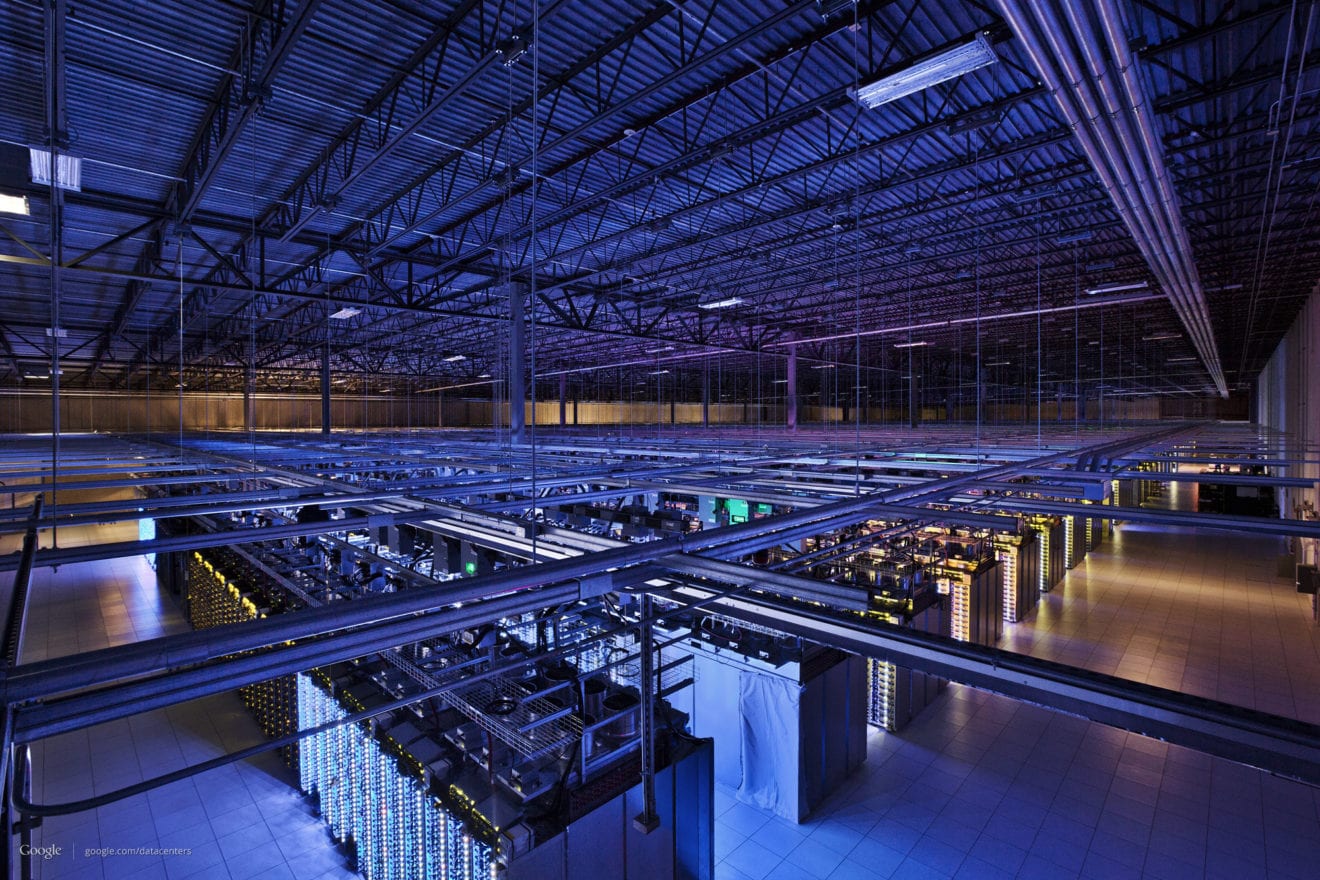
    Tencent Holdings Limited, a China based investment holding firm, and Tourism Malaysia are planning to jointly set up a data center in Cyberjaya, Malaysia. Sources claim that the strategic move is a part of the Smart Tourism 4.0 program launched recently in Malaysia. Under the new project, Tencent is expected to use the reproduction of its earlier digital ecosystem model.

    Datuk Siew Ka Wei, the chairman of Tourism Malaysia, has stated that the group has decided to establish an incubation unit in Cyberjaya in association with the regional partner. He further added that the initiative will include not only retail firms but also airliners and myriad other players across the transport sector.

    Experts are of the opinion that this smart tourism initiative will make notable contributions towards the economic growth of Malaysia considering that 8 million tourist arrivals are expected in Malaysia from China over the next two years. As per a key official of Tourism Malaysia, startups with innovative, fresh ideas will benefit commendably from the smart tourism initiative.

    If reports are to be believed, the initiative is forecast to be live in the second half of this year. The program will help the Malaysian Tourism Promotion Board to promote the growth of tourism industry in the country.

    Malaysia Smart Tourism 4.0 program encompasses the development of approximately 40 videos, each spanning over five minutes. These videos display exceptional holiday experiences in the country, including resorts, gastronomy, heritage, beaches, soft adventure tourism, history, and culture. It is likely that Tencent will declare the establishment of the data center in Cyberjaya by the end of the month, thereby becoming the first organization to provide services for the entire Asian region.

    It has been speculated that the Chinese retail conglomerate will support the expansion of Malaysian businesses across the China market by providing them with new technology. In return, Tourism Malaysia will offer substantial facilities to Tencent for its business growth across the country.

  • Juniper enhances cybersecurity platform

    Juniper enhances cybersecurity platform

    Juniper Networks has announced new enhancements to its unified cybersecurity platform, aimed at helping customers run their businesses with confidence and efficiency across locations and clouds.

    These enhancements simplify security operations by accelerating time to detection and orchestrating mitigation. The result is improved productivity and a stronger security posture across enterprise networks and cloud workloads whether in AWS, Azure, Google Cloud or private data centers.

    To give security teams a simplified and comprehensive view of threats and enable one-click mitigation, Juniper Networks SRX Series Next-Generation Firewalls now feed directly into the Advanced Threat Prevention (ATP) Appliance. This integration enables the aggregation and correlation of security events from various Juniper and third-party sources into a consolidated timeline view of all threats in the network, and allows security teams to teams  prioritize critical alerts and mitigate threats with one click.

    Furthering its promise to use the entire network for security enforcement, the Juniper ATP Appliance is bringing its built-in threat behavior analytics and one-touch mitigation to Junos Space Security Director Policy Enforcer, offering a unified view of threat behavior across the security fabric for extended remediation. This integration enables adaptive malware detection that triggers automated policy enforcement for a substantially hardened security posture across networks and cloud environments.

    Security Director Policy Enforcer is meanwhile now integrated with Amazon Web Services (AWS)Juniper extends multicloud workload protection and consistent security across multicloud environments, securing workloads in AWS Virtual Private Clouds (VPCs).

    As part of its commitment to global cybersecurity, Juniper Networks now has data centers for Juniper Sky ATP in Asia Pacific and Canada, in addition to its existing data centers in the US and Europe. The company is also  furthering its commitment to an open and unified approach to cybersecurity by joining the Cyber Threat Alliance (CTA), an organization dedicated to improving the security of the global digital ecosystems through cyber threat information sharing.

  • Telenor Myanmar trials 1Gbps LTE-A

    Telenor Myanmar trials 1Gbps LTE-A

    Telenor Myanmar and Ericsson have completed a trial of 1Gbps LTE-Advanced services using technologies including licensed assisted access (LAA).

    The trial also utilized LTE technologies including 256 quadrature amplitude modulation (QAM), 4×4 multiple-input multiple-output (MIMO) and carrier aggregation, the companies said.

    According to Telenor Myanmar CEO Lars Erik Tellmann, the 1Gbps peak speeds were the fastest speeds ever achieved in the nation.

    “Today’s Gigabit 4GLTE trial result is a remarkable breakthrough for Myanmar and the country’s telecom industry. Telenor has already established the fastest and most consistent mobile data network in Myanmar, and with this speed trial we have showcased that our network is capable for increased future demands,” he said.

    “Today’s successful trial reached 5G speed levels, and for Telenor this is another major step in our network improvement in Myanmar.”

    He said monthly average data usage for the operator’s 4G customers has already reached 5.6GB and is increasing, and the sucessful capacity trial of its LTE network has given the company confidence that it will be able to meet customers’ growing demands for faster speeds and better capacity.

    Telenor Myanmar already offers the nation’s fastest mobile speeds, according to a 2H17 ranking compiled by internet testing company Ookla.

  • Hutch Lanka to merge with Etisalat Lanka

    Hutch Lanka to merge with Etisalat Lanka

    Hong Kong conglomerate CK Hutchison Group has announced plans to merge its Sri Lankan mobile unit Hutch Lanka with UAE-based Etisalat’s mobile business in the nation Etisalat Lanka.

    The combined company will be majority owned and controlled by CK Hutchison, the company said in a statement.

    The merger is aimed at better positioning the companies to serve their Sri Lankan customers, and is part of Etisalat’s ongoing portfolio optimization strategy.

    The deal still requires competition and regulatory approvals in Sri Lanka as well as other closing conditions.

    If approved, the merger would reduce the number of mobile operators in Sri Lanka from five to four and put the combined company in a better position to compete with incumbents Dialog Axiata and Mobitel.

    According to GSMA Intelligence, Etisalat Lanka has a roughly 13% share of the local market, while Hutch Lanka has around 10%. This compares to 45% for market leader Dialog Aixiata and 24% for Mobitel. The remaining 8% is controlled by Bharti Airtel Lanka.

  • Huawei may face criminal probe from US DoJ

    Huawei may face criminal probe from US DoJ

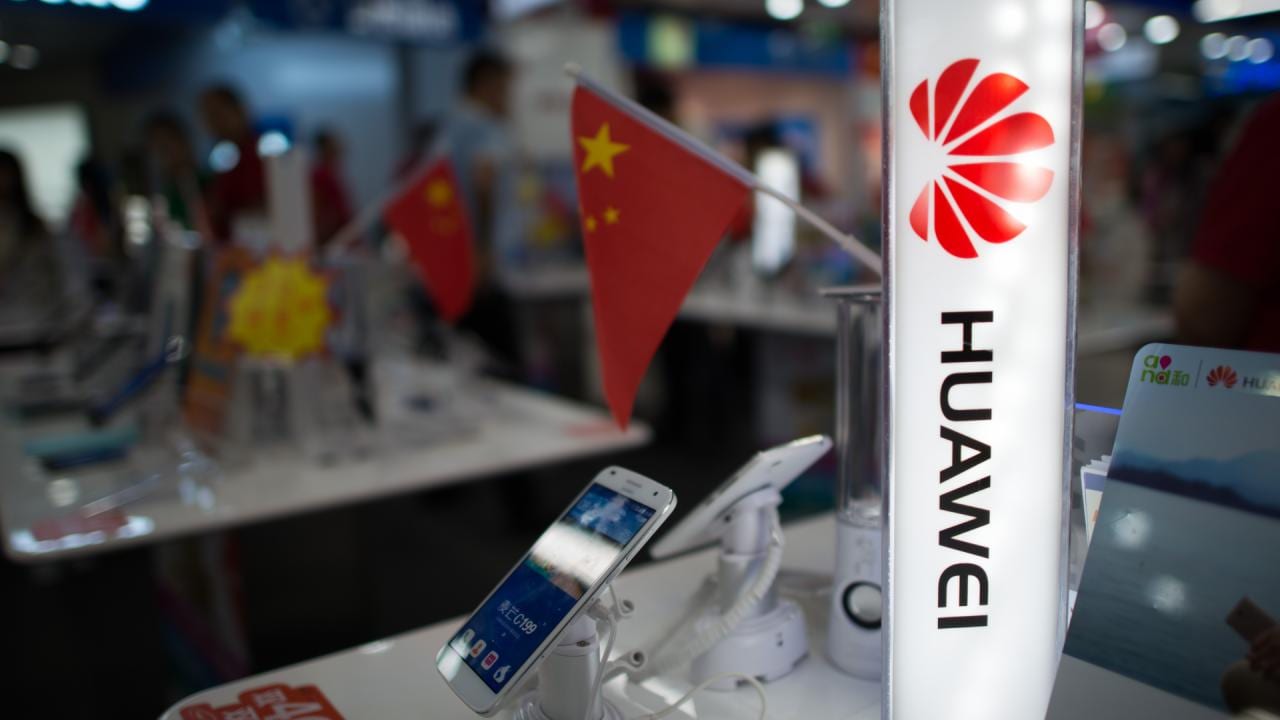
    The building US-China trade war could have an even more substantial impact on the telecommunications sector following reports that Huawei may be facing a criminal probe from the US Department of Justice.

    The Department of Justice is investigating allegations that Huawei violated US sanctions by selling equipment with US components to Iran.

    This is the same offense for which ZTE was recently hit with a seven year export ban prohibiting the company from procuring US components, although the ban was only put into effect after the department accused ZTE of violating its settlement agreement over the initial investigation.

    Huawei’s ambitions of gaining a foothold in the US already faced a potentially fatal blow earlier this month following a vote by the US FCC to prohibit US government departments from acquiring equipment from the vendor and rival ZTE. Now the company could face even more significant consequences.

    Neither the department or Huawei have publicly confirmed that an investigation is underway, but analysts are already exploring the potential impact of the imposition of US sanctions on Huawei.

    The worst case scenario would involve Huawei being banned from acquiring US components just like ZTE. But while the sanctions imposed on ZTE have put the vendor in survival mode, Huawei is thought to be in a better position to weather the potential impact.

    One reason for this is that Huawei has been investing heavily in developing its own components, including with its Kirin chips. According to the South China Morning Post, Huawei has confirmed that it will be able to substitute its Kirin chips for the more high-end chips it acquires from the US should need arise.

    Meanwhile the vendor is also said to have been developing its own smartphone OS since 2012 as a preparation for worst-case scenarios that would leave the vendor unable to continue licensing Android.

    But according to sources cited in the report, the company has not yet released it because it is not as good or has as many third party apps available as Android.

    The Chinese government is nevertheless appealing to the US to avoid undermining investor confidence by imposing any unilateral sanctions on Huawei.

    The government is also making moves to reduce the nation’s reliance on US semiconductors by establishing a nearly $19 billion fund to support the domestic chip sector.

    The second fund from the National Integrated Circuitry Investment Fund would focus on boosting local chip production and technologies, three sources told the news agency.

    While the fund has been in the pipeline since before the flare-up of the US China trade war and the ZTE sanctions, the government now plans to invest more in the sector due to these tensions.

  • Supernap Wins Datacloud Asia Awards for “Excellence in Data Centre Service Southeast Asia”

    Supernap Wins Datacloud Asia Awards for “Excellence in Data Centre Service Southeast Asia”

    SUPERNAP Thailand, the recognized leader in colocation services, won “Excellence in Data Centre Service Award Southeast Asia” and the best “Data Centre Location Award” at Datacloud Asia 2018 held at the Capella Hotel in Singapore recently. It is the first time that a data center in Thailand won an award from the international premier conference for data centres and cloud technology in the region.

    The awards recognize SUPERNAP Thailand as the leading Southeast Asia data center provider for its most efficient, high density and ultrascale capacity. Chonburi Province, where SUPERNAP Thailand is located, is recognized as the most attractive location for attracting operators and cloud services providers. Chonburi province is part of the EEC (Eastern Economic Corridor) zone and is strategically positioned for the submarine cables and “one belt one road” project.  It is Thailand’s new flagship investment zone designed to accommodate next-generation industries and meet the Thailand 4.0 policy.

    The Datacloud Asia award recognizes genuine innovation and the continuing evolution in the flourishing Asia digital infrastructure market.

    “Datacloud Asia goes from strength to strength and the award winners mirror the optimism, dynamism and entrepreneurism that is permeating throughout the region,” said Mr. Philip Low, Host of Datacloud Asia and President of BroadGroup. “The rapid development of the Asian data economy can lead global innovation and break down old mindsets from many aspects.”

    “We are extremely honored to accept the awards, that are a testimonial to our efforts in providing the excellent and the most trusted data center service to our customers in Thailand and across the region, said Mrs. Sunita Bottse, Managing Director of SUPERNAP Thailand. “Moving towards the transformation of the economy, we foresee that the demand for innovative, scalability, security, redundancy, and availability will tremendously increase.

    We will remain steadfast in our commitment to continue to deliver excellent customer service, thus powering their ability to the greater success.”

    SUPERNAP Thailand was one of five nominees for the Excellence in Data Center Service Award. The company won over its counterparts from South Korea, Hong Kong, Indonesia, and Singapore. Revolutionary innovations such as tri-redundant power systems, modular building design and 100% heat containment technologies allow SUPERNAP Thailand to efficiently facilitate client growth without current or future concerns over reliability of power supply, cooling, connectivity or space. The award reiterates SUPERNAP Thailand’s positioning as the most trusted world-class purpose-built data center for customers with a long-term vision to develop Thailand’s presence as a serious data center hub for Asia Pacific.

    While the award for best “Data Center Location” recognizes Chonburi Province as a prime location for data centers in Asia,  it succeeded over three other locations nominated from China, India, and Malaysia. This strongly confirms that SUPERNAP Thailand has been cited as the best strategic location to provide support for growth for all investors in Asia. In addition, SUPERNAP Thailand is located outside Bangkok’s flood zone and 110 metres above sea level and able to access numerous national and international telecommunications carriers with proximity 27km to the international cable landing station.

    Established in 2017, SUPERNAP Thailand targets customers from government bodies, the banking and finance sectors, insurance and healthcare providers, cloud solution providers, and e-commerce companies both in-country and across ASEAN countries.

  • Huawei details latest HK partner programs

    Huawei details latest HK partner programs

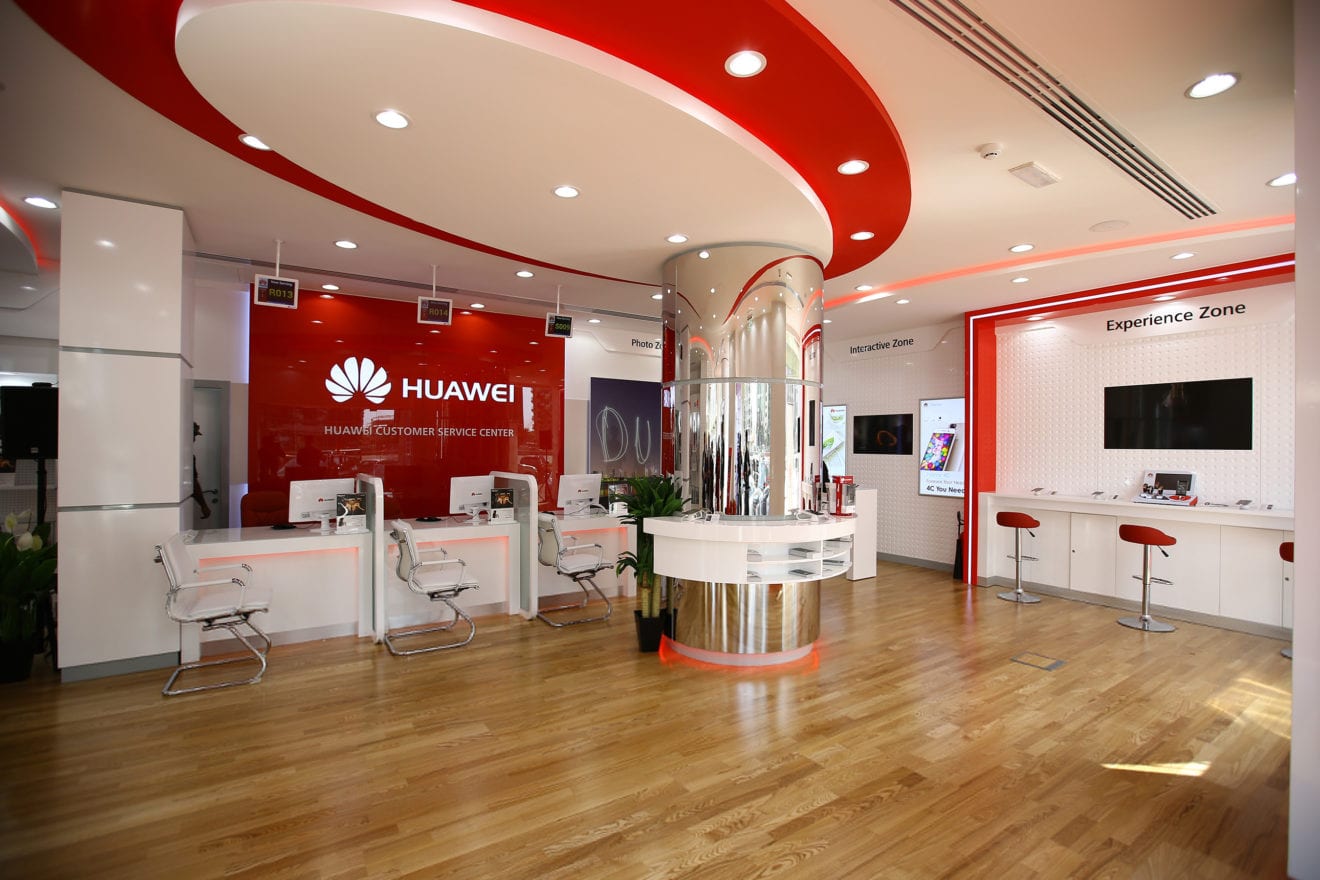
    Huawei has unveiled its latest partner programs and strategic digitalization plans at the Huawei Enterprise Partner Summit 2018 in Hong Kong.

    The Chinese ICT infrastructure provider’s partner programs in Hong Kong will be focused on business development in fintech, smart city, healthcare, and large enterprises.

    Huawei meanwhile plans to deploy 20 open labs worldwide to develop solutions catered to local needs, as the company seeks evolve its partner ecosystem to explore new opportunities for continued digital transformation.

    “Huawei embraces digital transformation with its ‘platform and ecosystem; strategy and we strive to integrate the cloud, pipe, and device, in order to build an open, flexible, secure and full-stack ICT platform,” Huawei Hong Kong managing director for enterprise Steven Pan said.

    “Huawei has established a public cloud node in Hong Kong to provide customers with hybrid cloud offerings under a unified architecture, API, and set of service, including more than 60 solutions for different vertical sectors and more than 100 IaaS and PaaS services.”

    At the summit, Huawei also a announced the winners of its Partner Summit awards for 2017.

    Best Distributor was awarded to Karin Electronic Supplies, Best Value Added Partner went to China Comservice (HK), Best Innovation Solution Partner went to PCCW Solutions and Best Industry Solution Partner was awarded to IT Channel (Asia).

    Meanwhile BoardWare Information System won Best Performance Excellence Partner, HKTwon Best Commercial Partner and Automated Systems Holdings was named Best Solution Partner and Best Certified Services Partner.

  • Telkomsel can do a much better Customer Support Job!

    Telkomsel can do a much better Customer Support Job!

    Indonesia’s telecom companies must vastly improve their customer service, the regulator has warned, after revealing that some providers had deliberately made their service worse in 2017. The likes of Telkomsel, Indosat and XL “dominate the list of worst-rated companies for customer service — behind even banks”.

    13 per cent of mobile customers experience “poor service”, according to Which?, the consumer rights company. “The fact that the telecoms industry is so far behind should be a concern for us all” Previously. Indonesia’s mobile users have long complained they do not get the service they pay for, with speed failing to match advertised promises or patchy mobile connections. Ou survey shows that some telecom companies had deliberately downgraded their service levels during 2017.

    Telkomsel was the worst offender, taking seven minutes and 27 seconds to pick up the phone to customers, driving more than a fifth of people to give up before connecting. When connected, XL scored higher in terms of handling its complaints than Indosat and Telkomsel. It’s time for telecom operatios in Indonesia to wake up, craft new procedure and finally cope with their promises. Subscribers are tired of unwanted bulk advertising, long waiting queues and to speak with an operator who literally can do nothing for them.

    Telkomsel recently has a lot of issues with increased amounts of support calls due to the new law to register sim cards in Indonesia and how to execute this ; no one was available for a proper explanation. Telkomsel reported a loss in customers of 0,6-1% during the last month.

  • Telenor & QMobile collaborate to bring Pakistan’s most affordable 4G Smartphone

    Telenor & QMobile collaborate to bring Pakistan’s most affordable 4G Smartphone

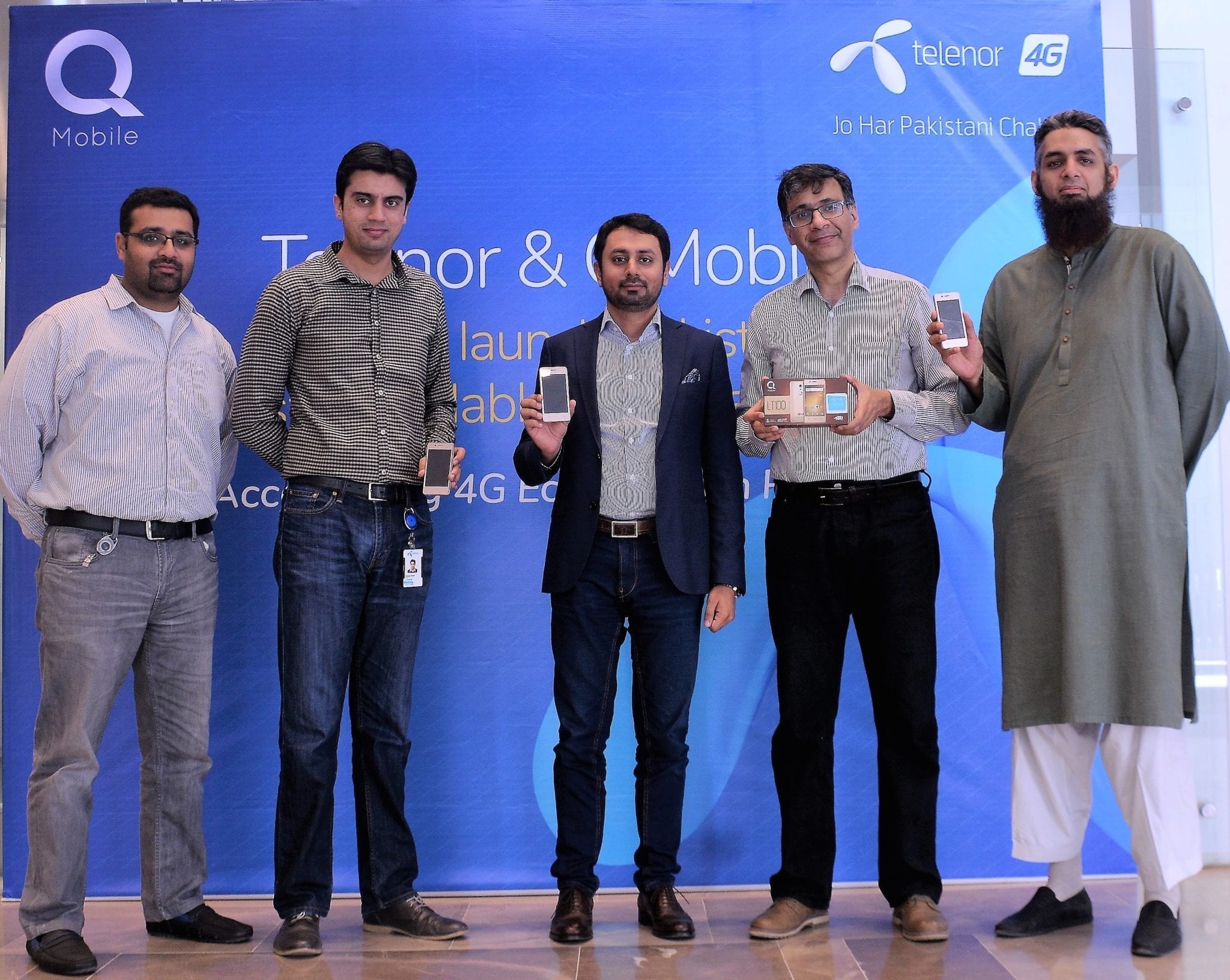
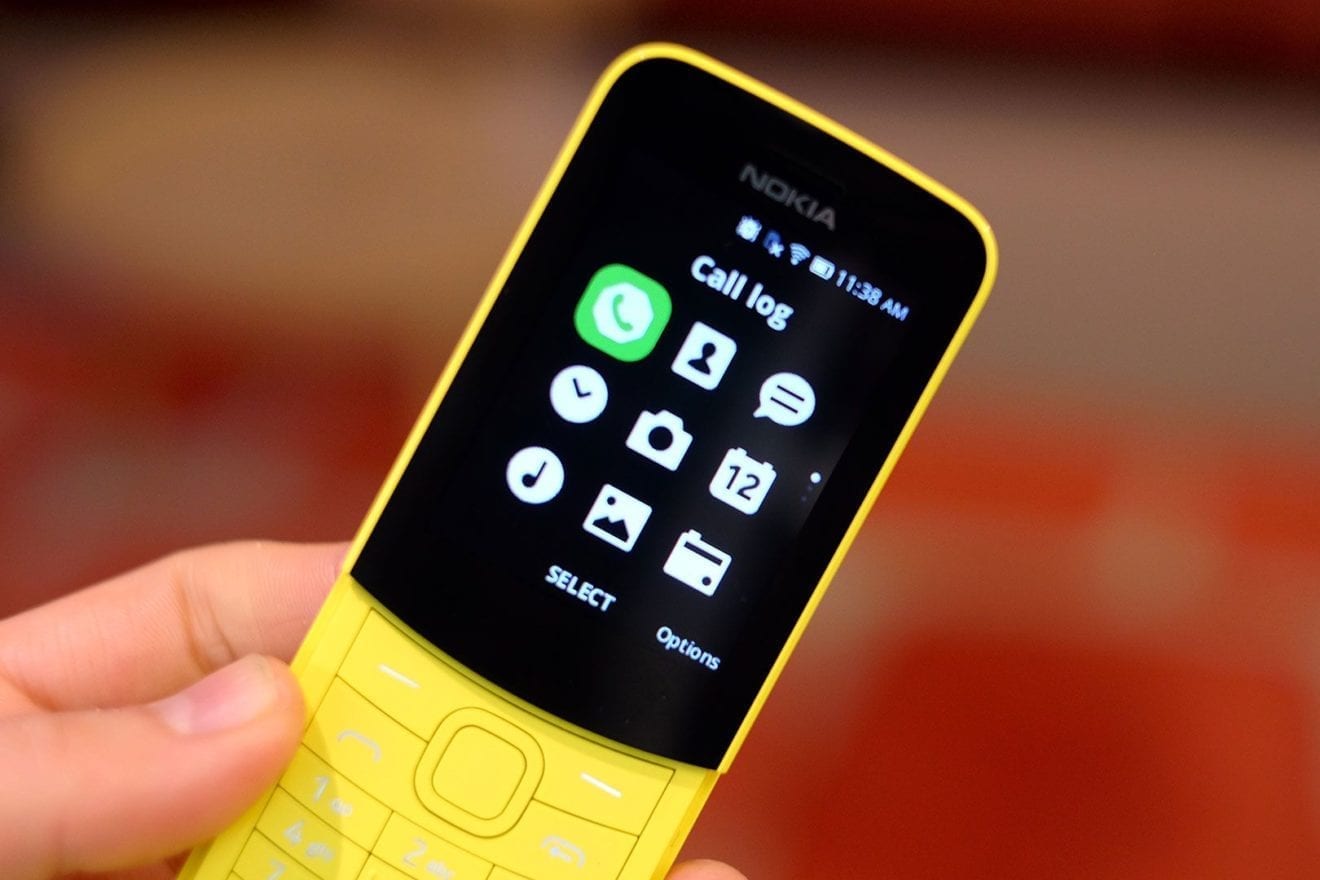
    With an ambition to better connect Pakistan and empower the Pakistani society, Telenor Pakistan, country’s foremost telecom and digital services provider, and QMobile have entered into the next phase of their long-standing collaboration ushering in a new era of 4G ecosystem development through the introduction of LT-100, an LTE-enabled low-cost smartphone. Telenor Pakistan and QMobile had previously joined hands to enable all QMobile 4G phones with Telenor 850 MHz band, and launch new LT (LTE capable) mass market appeal series in 2017.

    The partnership entails both parties working together to develop and promote a robust digital ecosystem in Pakistan where industry’s best digital products and services are served to their mutual customer base. LT-100, a stylish and powerful smartphone delivers on customer expectations of up-to-date specifications, great design, and an attractive price of PKR 6,150. The smartphone comes with a great value combination with 3 Months Free Telenor Pakistan Bundle which includes 1GB/month data and PKR 100 balance/month.

    “We are delighted to enter the next phase of our partnership with QMobile as part of our unrelenting efforts to boost the country’s digital ecosystem which Telenor Pakistan continues to lead,” said Bilal Kazmi, Chief Marketing Officer, Telenor Pakistan. “Since the beginning, we have pursued a two-pronged strategy to develop and promote the digital ecosystem in Pakistan to enhance the mobile broadband outreach and experience while making supporting hardware affordable for the masses. We hope that this partnership will help us achieve our mutual digital inclusion goals faster and in a more effective manner,” he added.

    “The partnership seems natural as both QMobile and Telenor Pakistan share the ambition to empower the Pakistani society to equip our customers with the tools to keep up with today’s fast-paced digital world,” said Zeeshan Akhtar, Chairman and CEO, QMobile. “As we strive to build and promote a strong smartphone ecosystem in the country, together, QMobile and Telenor Pakistan will make technology and internet services more affordable and accessible for the masses.”

    LT-100 comes preloaded with My Telenor App, providing Telenor Pakistan customers unparalleled self-service experience and complete control over their mobile usage and bundle needs. The device will be available across Pakistan at all major mobile markets and retail shops, supported by an extensive communication campaign. Some of the key features of LT-100 include 4G-enabled all-band capability, dual SIM, Android 7.0, 4-inch screen, 8GB ROM with 1 GB RAM, and 5MP back and 2 MP front cameras.

  • Nokia Q1 profit slumps 59%

    Nokia Q1 profit slumps 59%

    Nokia has reported a sharp 59% decline in net profit for the first quarter of 2018 to €86 million ($104.1 million) due to the ongoing weakness in the telecoms equipment market.

    Revenue for the quarter fell 9% year-on-year to €4.93 billion, with networks revenue down 12% to €4.32 billion.

    The vendor said sales and profitability for the quarter were primarily impacted by lower net sales in North America, but there were signs of improvement in terms of orders, suggesting that sales and profitability will improve over the rest of the year.

    Based on the orders received during the quarter, the company expects demand for 5G to accelerate further, particularly in North America where the first 5G fixed wireless access deployments are expected in the second half of the year.

    Licensing revenue for the quarter meanwhile grew 65% year-on-year, and the company expects further smartphone licensing opportunities in China, as well as brand licensing and in the automotive sector.

    “We see strong momentum building for the full year despite a slow start in networks. I have considerable confidence that Nokia is well-positioned to out-perform a strengthening networks market and meet our full-year 2018 guidance,” Nokia CEO Rajeev Suri said.

    These targets include an earnings per share of €0.23 to €0.27, with an operating margin of between 9% and 11%.

  • HKBN to strengthen data protection measures

    HKBN to strengthen data protection measures

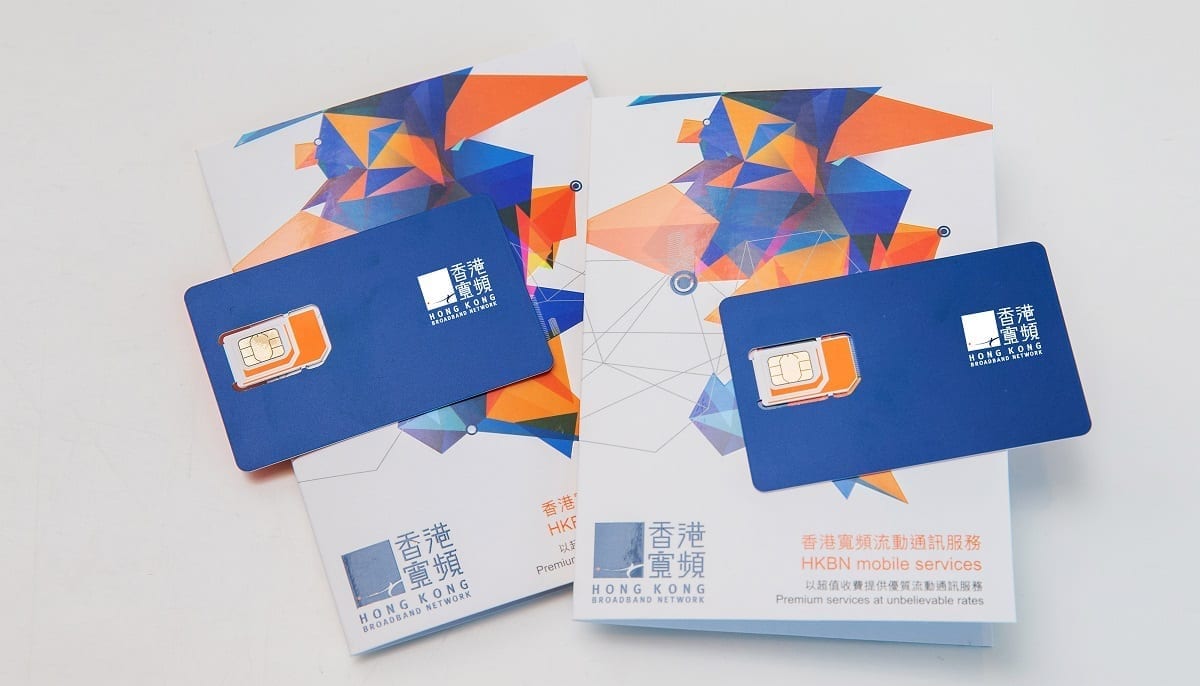
    Hong Kong Broadband Network (HKBN) has promised to implement new data protection measures for its customer data in the next three months in response to a targeted cyberattack discovered last week.

    Under the new measures, all personal information of customers whose accounts have been closed will be kept for six months, instead of seven years, and will subsequently be deleted from the company’s database.

    Furthermore, HKBN would modify the way its stores the data of existing customers. Hong Kong ID card numbers would be randomly removed, as well as the digit in brackets. For credit card numbers, the company would delete the seventh to 12th digits.

    “Keeping only partial but not all of the most sensitive data like credit card number and Hong Kong ID card number gives peace of mind to our customers,” said William Yeung, co-owner and CEO, HKBN.

    For new customers, their full identity card number and credit card number would be collected only to support service activation, number porting and bank payment application. Once these procedures have been completed, part of the said two numbers would also be deleted from the HKBN system.

    Yeung said the new policy would make the information less attractive to hackers, adding that the company is taking decisive actions beyond the industry’s common practices.

    The new data protection measures would be implemented after they cleared with the relevant government departments.

    The targeted cyberattack, discovered on April 16, involved the hacking of an inactive customer database containing the information of some 380,000 customer and service applicant records of HKBN fixed and IDD services as of 2012, which represents about 11% of the company’s 3.6 million customer records.

    The information in the database includes names, home addresses, email addresses, telephone numbers and HKID card numbers. It also contains information of some 43,000 credit card information as of 2012.

    HKBN had reported the incident to the Hong Kong Police and the Office of the Privacy Commissioner for Personal Data. Investigation into the incident is on-going.

    “No conclusion of the incident investigation is available yet, but we’ve already identified the areas that we will definitely address to enhance data security protection such as introducing multi-factor authentication, stepping up encryption, putting up additional layers of cyber defenses on top of our existing protections, and burgeoning resources to expand the information security team,” Yeung said.

  • Macau to include 5G in technology-neutral licenses

    Macau to include 5G in technology-neutral licenses

    The Macau SAR government does not plan to have a separate license for 5G services, and will instead include 5G in its planned new technology neutral licenses for mobile service providers.

    The director of Macau’s Post and Telecommunication Bureau Derby Lau Wai Meng told that its proposed new communications convergence legislation will include 5G.

    The new legislation would replace Macau’s current basic telecommunication law as well as by-laws governing the various telecoms licenses that have been allocated in the city.

    In addition, the regulator has prepared changes aimed to provide infrastructure support for operators pursuing 5G deployments and redefined some service standards, with the goal of providing more favorable conditions for 5G operators.

    According to the report, the new changes will give more powers for operators to deploy 5G as well as more powers to the government to supervise these deployments.