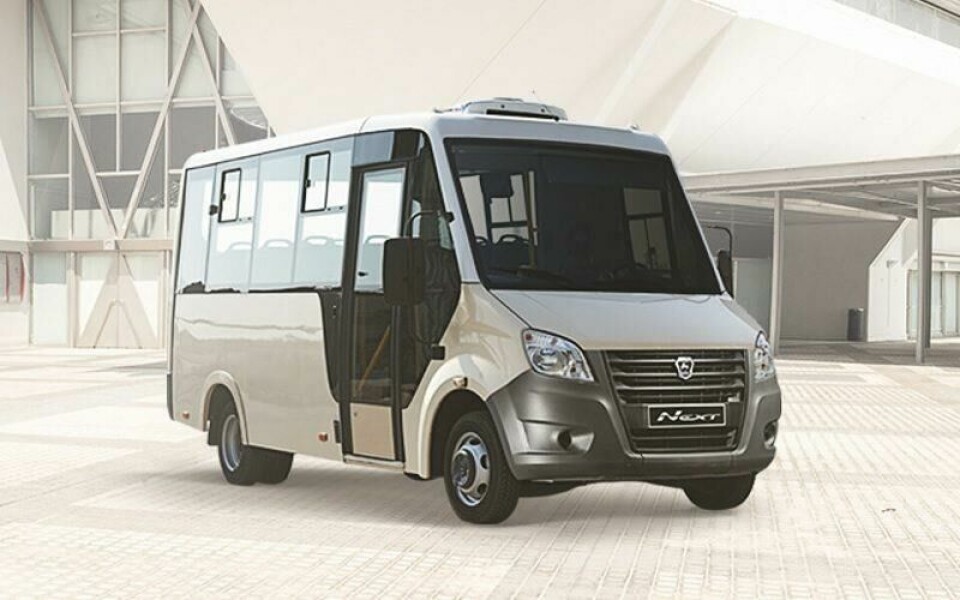
Gaz Vietnam debuted five commercial and municipal vehicles at the Cam Auto 2026 exhibition in Phnom Penh. The display starts an export push into Cambodia, backed by plans for local dealerships and parts distribution.
Assembled at its plant in Da Nang, the Russian-designed lineup includes light buses, work trucks and an emergency vehicle. Gaz pitched the platforms directly to Cambodian fleet buyers and transport operators.
Five platforms pitched to transport and public operators
Five models on display span the 3.5 to 4.9-ton gross vehicle weight bracket. For public transit routes, the lineup features the Gazelle City. That 26-passenger low-floor bus carries a wheelchair ramp, wide boarding doors, all-wheel disc brakes and an adjustable rear pneumatic suspension. Beside it sits the 20-seat Gazelle Citiline. It targets shorter intercity corridors with a 1.9-meter interior standing height on a traditional body-on-frame chassis.
For shuttle operators, the display included the 16-seat Gazelle NN. The van runs a 150-horsepower Euro 5 diesel engine paired with a six-speed manual gearbox. Electronic stability control, traction control, brake assist and hill-start assist come standard. Utility crews saw the six-seat Gazelle Double Cab cargo truck, backed by an eight-year anti-perforation warranty on its galvanized cabin structure. Gaz also exhibited a Sobol NN ambulance configured with medical equipment racks and dedicated power feeds.
Dealership rollout and regional distribution strategy
Selling across the border requires reliable service. Buyers demand uptime guarantees. Gaz Vietnam plans to establish an authorized dealership network in Cambodia to handle vehicle servicing, technical maintenance and warranty work. A dedicated spare parts supply chain will support the network to limit repair turnaround times for fleet owners.
Through Cam Auto 2026, Gaz Vietnam aims to offer transport solutions that combine proven durability, operating efficiency, and modern technology.
These platforms compete directly against established Japanese and Chinese builders that dominate Indochina’s logistics and transport sectors. Japanese brands command fleet loyalty, but rising replacement costs push budget operators toward alternatives. Chinese commercial vans offer low upfront pricing. Gaz Vietnam bets its corrosion-treated steel framing, mechanical layouts and factory warranty packages will appeal to private transport companies and municipal fleets seeking predictable running costs.
the competitive market in Indochina logistics
Regional trade integration aids cross-border vehicle sales within ASEAN, but success in Cambodia depends on after-sales execution. Small logistics operators and provincial transport cooperatives cannot afford days of downtime waiting for parts from Vietnam. The manufacturer combines central parts warehousing with local dealer partnerships. This approach aims to counter gray-market importers who sell vehicles without technical backing.
Government purchasing offers another sales channel. The Phnom Penh exhibition drew official interest from Cambodian government figures, including General Yont Min, Secretary of State at Cambodia’s Ministry of National Defense, and Anatoly Borovik, Russia’s Ambassador to Cambodia. Securing institutional orders for emergency medical transport and municipal utility work provides immediate volume while private dealer sales ramp up.
Da Nang manufacturing base powers cross-border sales
Gaz Vietnam opened its Da Nang manufacturing plant in 2019 to build light commercial vehicles, passenger vans and medium-duty trucks for Southeast Asian markets. The Vietnamese operation maintains parts distribution hubs in Hanoi, Da Nang and Ho Chi Minh City. These facilities support an authorized service network spanning 14 provinces.
This domestic footprint provides the base for cross-border supply. Sourcing vehicles from central Vietnam rather than Russia cuts shipping lead times for Indochina buyers. It also simplifies parts interchangeability between the two countries.
Next, the automaker must appoint its first certified Cambodian retail partners and confirm delivery timelines for commercial fleet orders booked during the Phnom Penh trade fair.
Leave a Reply