Retail News CRM

Tag: AI

  • Hyundai Venue Subcompact SUV Launch Date Revealed

    Hyundai Venue Subcompact SUV Launch Date Revealed

    Hyundai has been teasing its new subcompact SUV – the Venue for quite some time now and we’ve even got details about the company testing the car around the country. While we already know, that the car will be revealed in India on April 17, 2019, coinciding with its public reveal at the 2019 New York Motor Show, we now have details on when the car will be launched in the country. Hyundai will launch the Venue subcompact SUV in India on May 21, 2019. The Venue will be the company’s first subcompact SUV in India and will rival the likes of the Maruti Suzuki Vitara Brezza, Tata Nexon, Ford EcoSport and even the Mahindra XUV300. While Hyundai’s entry into the subcompact SUV segment is delayed, the company is going to pack the Venue with a ton of features making it India’s first connected car.

    The Hyundai Venue will get the company’s ‘BlueLink’ connected technology and it will have 10 India-only features with a total of 33 connectivity features. Some of the features that BlueLink will offer in India are geo-fencing, speed alerts, SOS, panic notifications, destination sharing, and road-side assistance and so on. Hyundai said that it has tested its BlueLink technology rigorously in India, keeping the conditions in mind along with the needs of the customers. This also includes voice guidance and recognition in Indian-accented English which means that the software will be able to recognise spoken English from different regions in India. The Hyundai Venue will also have remote-control operated functions such as climate control, horn and headlamps on, vehicle status, engine start/stop and so on. The best thing is that Hyundai BlueLink can use your smartphone interface as a remote control.

    Hyundai BlueLink will also have a tamper-proof eSIM which will be provided by Vodafone Idea and a cloud based voice recognition platform from Global AI Company, which will offer real time traffic navigation and live local search as well. Features such as panic and medical assistance, geo-fencing and stolen vehicle notification will sit well with customers in India.

    The company has not yet revealed the engines that it will offer, but we have gotten a glimpse of what the front end of the car would look like. The leaked images revealed the upright stance of the Hyundai Venue, while the rear gets a massive ‘H’ badge in the centre with the ‘Venue’ moniker, and the very Polo-esque squared-off taillights along the lines of the Carlino concept. The tailgate also carries the ‘Turbo’ badge and ‘SX’, the latter denoting the range-topping variant.

    Under the hood, the new Hyundai Venue will be available with a 1.4-litre petrol and 1.4-litre diesel engine options. The turbo badge that was on the tailgate holds special importance, which nearly confirms the a 1.0-litre turbocharged petrol engine for the SUV, and will come paired with a 7-speed dual-clutch automatic transmission.

  • MG Hector’s Connectivity Features Unveiled

    MG Hector’s Connectivity Features Unveiled

    MG Motor India today unveiled the cabin features of its upcoming SUV MG Hector. Touted as the company’s first internet car, the upcoming MG Hector will come with a new advanced connectivity system called i-Smart next-generation system, a complete integrated solution that combines software, hardware, connectivity, services and application. The system has been developed in collaboration with several technological partners like Cisco, Unlimit, and Microsoft among others. The iSmart connectivity system comes with advanced technology, smart application, built-in Apps, Artificial Intelligence (AI), Smart Features, Voice Assist, and Infotainment.

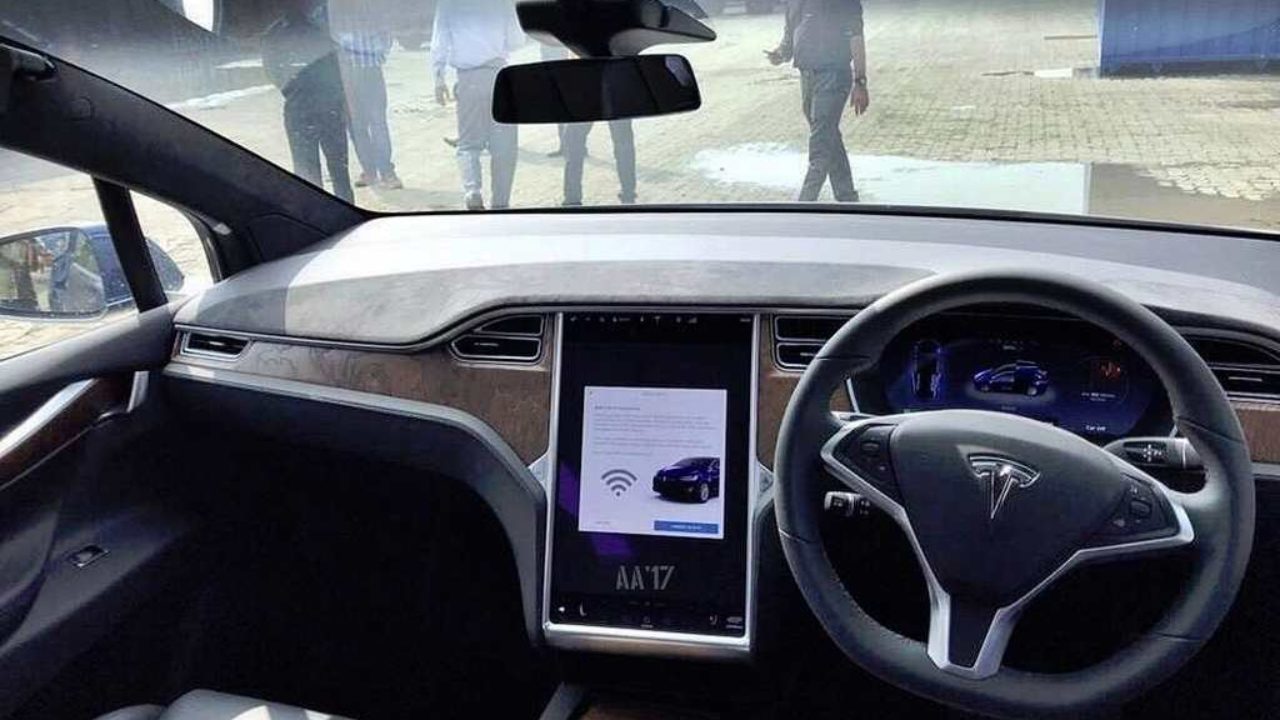
    The command centre of the system is a vertically-mounted 10.4-inch ultra large Full-HD infotainment display that comes with pre-loaded entertainment content and allows you to manage complete vehicle settings. MG says that the display screen can withstand the high temperatures of Indian weather conditions. For full-time connectivity, the system also comes with a first machine to machine embedded sim, along with the SUV Internet Protocol version 6 makes it 5G-ready, making it future-proof. The system offers features like – Real-Time Navigation, Remote Location, Geo-Fencing, Emergency Response and much more.

    Furthermore, with smart connectivity, the MG Hector will also be getting software updates via over-the-air (OTA) downloads, like firmware and features updates much like any smartphone. Also, as mentioned earlier, the car will come with pre-loaded apps like – TomTom IQ Maps, Gaana Premium, and AccuWeather app among others. In fact, MG Motor India will be offering its customer free data too for the first few years. The system itself is well-secured by Microsoft, which will be the Cloud provider for MG Motor.

    One of the key features and most important features offered in the MG Hector is its voice command system. Powered by China’s conversational AI provider Nuance, the system is designed to use voice commands to access multiple in-car functions like close or opening sunroof, control climate control, navigations and more. In fact, the system can even understand the Indian accent to make it suitable for the Indian market. Like Google Assistance, the Voice Assist system can be accessed by saying ‘Hello MG’ and is capable of handling over 100 functions. The Hector also comes with an eCall emergency response system that sends an emergency alert to MG’s customer management centre, called Pulse Hub and any registered phones, in the case of an accident. Also, in the event of the airbags being deployed, the system triggers a series of emergency response actions.

    The iSMART Next Gen is supported by the iSMART mobile App. MG iSMART App is feature-rich like none other in the Indian market. The car gets scanned each time the App is opened, and information includes location of car, tyre pressure, or if the doors are locked or not. Owner can use the remote app to directly lock or unlock doors, turn on ignition and switch on the air-conditioner.

    The all-new MG Hector is slated to be launched in second quarter of 2019. The SUV will come with premium interior and features like – with power adjustable seats, cruise control, electronic parking brake, and 360-degree camera. We also know that the SUV will come with a panoramic sunroof, which the company claims will be the largest in the segment. The SUV will come in both petrol and diesel powertrains – 1.5-litre petrol engine and a 2.0-litre diesel motor.

  • AI-controlled on demand bus services planned in Japan

    AI-controlled on demand bus services planned in Japan

    Japan’s Mitsubishi Corporation and Nishi-Nippon Railroad Co. have established a new joint venture to provide commercial on-demand-bus (ODB) transit services controlled by artificial intelligence.

    The joint venture, Next Mobility, will commence operations in April 2019 (as planned) in Island City, which is located in Fukuoka City’s Higashi-ward.

    Lacking profitability and drivers, many of Japan’s public passenger road transportation (PPRT) providers are struggling to develop efficient and sustainable services. Island City is undergoing a wave of development, and with more residential, commercial and port facilities going up, traffic is getting heavier. There are concerns in the area about parking shortages, worsening traffic congestion and a lack of public transportation.

    To help address these concerns, the AI-controlled ODB services provided by Next Mobility JV are being rolled out in Island City on a one-year, trial basis. The purpose of the trial will be to verify these services’ effectiveness and commercial feasibility. By improving public transit and making it more readily available to citizens, the trial hopes to encourage people to leave their cars at home and help to build more efficient and sustainable transportation networks

    AI-controlled ODB is a new concept of public bus transit services. The AI generates routes automatically and in real time based on passenger requests submitted through smartphone apps. It uses deep learning to accumulate operational data on rider destinations and traffic conditions, enabling the buses to run more efficiently the more they are used. Passengers can also use their smartphones to book rides and can even pay with their credit cards. The booking and dispatching system has been developed by Spare Labs Inc., a Canadian Company.

    Nissan Motors has agreed to sponsor the project and provide its ten-passenger Nissan Caravans for the trial. They will be driven by taxi drivers dispatched from Fukuoka Nishitetsu Taxi Fukuoka City and companies located in Island City will also be supporting the project by promoting its use throughout the area.

    MC and NNR hope that this ODB service will ultimately help to realize a model for sustainable, efficient and seamless public transit, servicing both Island City and other areas throughout Japan.

  • Softbank, Chunghwa Telecom partner on AI, IoT

    Softbank, Chunghwa Telecom partner on AI, IoT

    Taiwanese incumbent carrier Chunghwa Telecom has signed an MoU with Japan’s Softbank for collaboration on artificial intelligence (AI) and IoT.

    In a statement, the companies said the technological and commercial cooperation aims to develop use cases for future smart cities in Taiwan.

    It will also involve ST Solutions Taiwan Co. Ltd., a wholly owned subsidiary of SoftBank Corp.

    The pair said they plan to leverage their insights and experiences from the collaboration in AI, IoT and related fields.

    The collaboration will initially focus on such areas as global IoT platforms, smart infrastructure, smart agriculture as well as utilization of high-accuracy location data and big data.

    The partnership with Softbank is Chunghwa Telecom’s latest push in IoT.

    In February, the Taiwanese operator inked a deal with Ericsson to use the Swedish vendor’s IoT Accelerator platform to develop IoT services for its enterprise customers.

    Max Chen, president of mobile business group, at Chunghwa Telecom, was quoted as saying in the statement that the partnership with Ericsson will boost its capabilities in machine learning and IoT operations.

    “As Taiwan’s industry is mainly export-driven, Chunghwa Telecom’s IoT innovation drive will help local industries to expand their international IoT business horizon,” Chen said.

  • ADLINK, Charles Industries demo mobile edge AI/ML solution

    ADLINK, Charles Industries demo mobile edge AI/ML solution

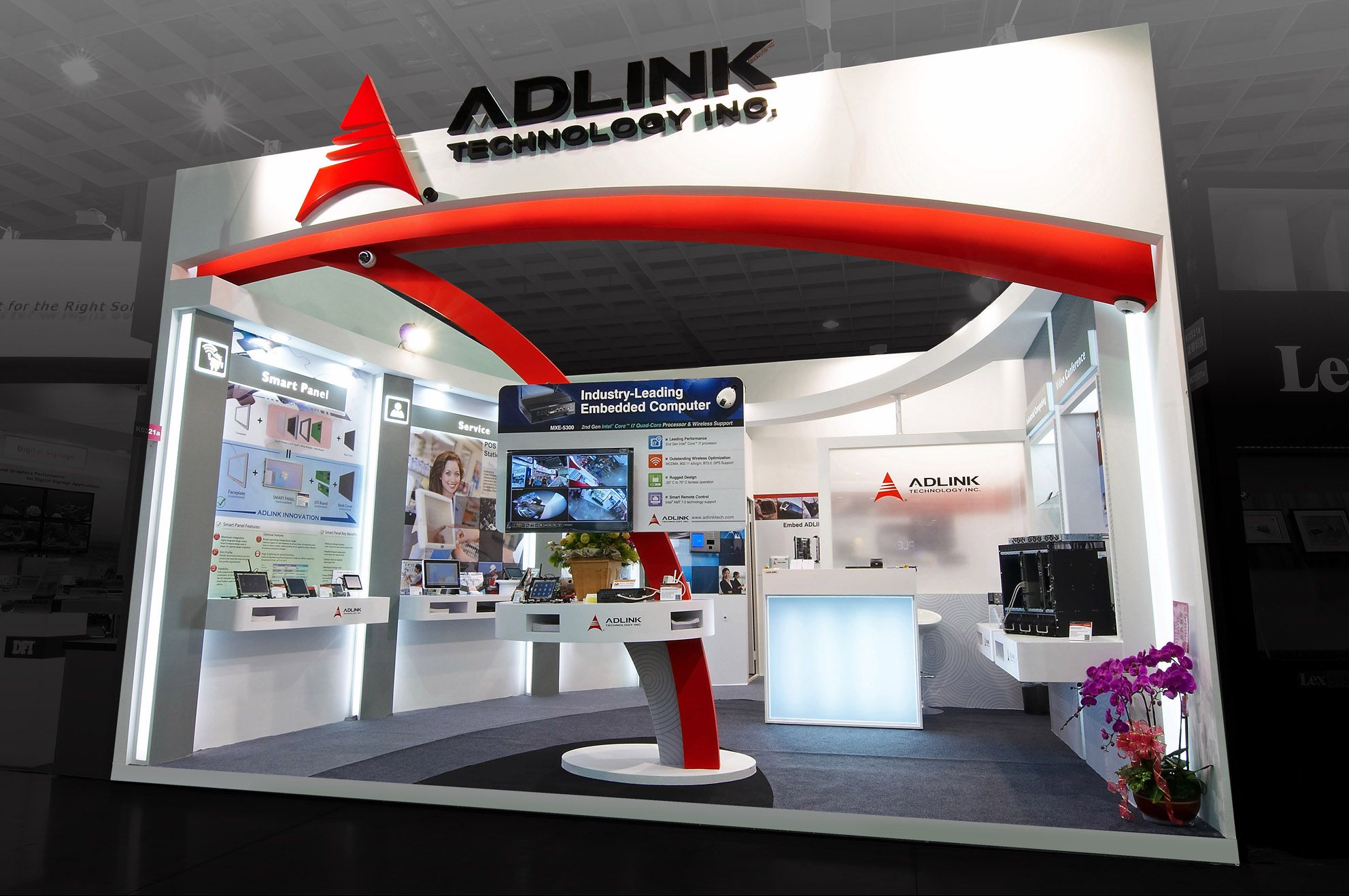
    Test and measurement company ADLINK Technology and telecoms, marine and industrial manufacturer Charles Industries have developed the industry’s first pole-mounted multi-access Edge AI and machine learning solution.

    The solution, a complete micro-edge low latency AI, machine and deep learning solution can be co-located on LTE small cell poles or 5G radios, is specifically designed for outdoor telecoms use cases.

    The solution, which can be either pole or wall mounted, integrates ADLINK’s latest AI Edge Server with a Charles Industries Mico Edge Enclosure.

    According to the companies, the solution has the potential to enable a range of new and advanced services, including autonomous vehicles/pods, virtual and augmented reality applications, and vision analytics.

    ADLINK’s mobile edge computing platform has been designed to fully comply with the Open Data Center Committee’s Open Telecom IT Infrastructure standard to meet the 5G requirements of ultra-low latency, high bandwidth, and real-time access to the radio network.

    The companies are showcasing the solution at the NVIDIA GPU Technology Conference in San Jose in the US this week.

  • Fung and JD launch Hong Kong’s first AI checkout

    Fung and JD launch Hong Kong’s first AI checkout

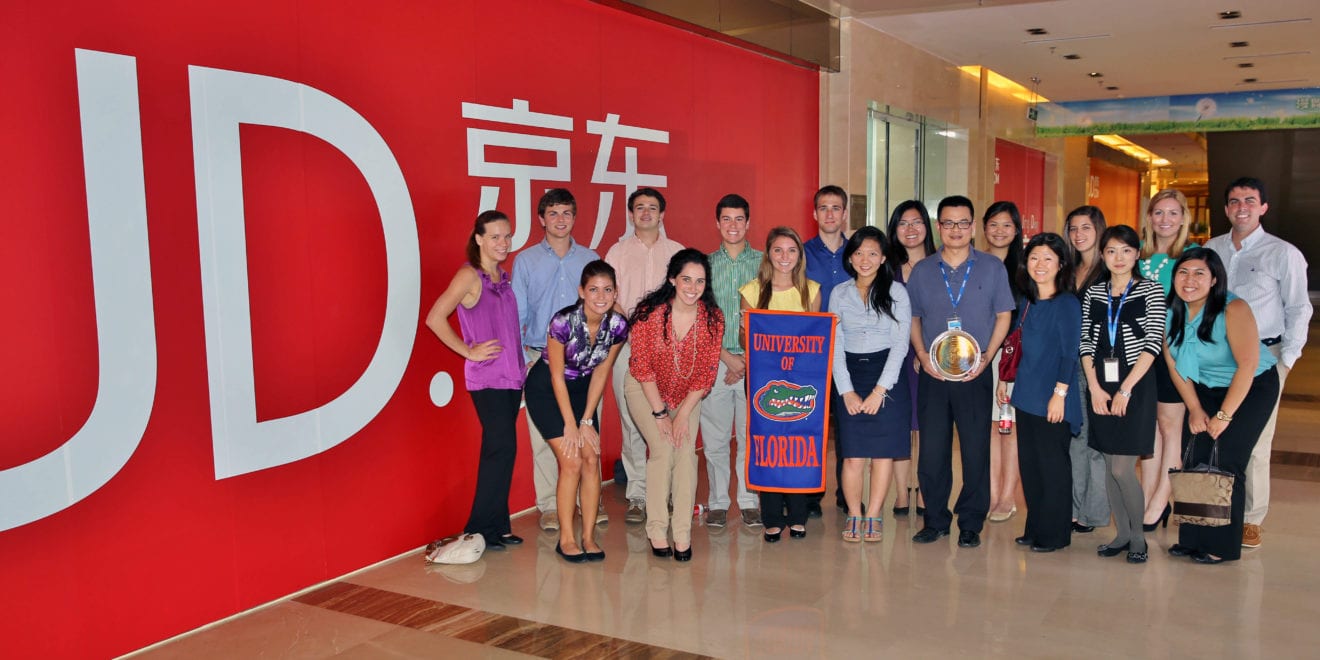
    JD has partnered with Fung Retailing Group to unveil Hong Kong’s first AI checkout solution in a retail store environment.

    The AI-powered checkout technology is a result of a strategic deal between the firms signed last year. It represents the first AI checkout experience featuring image recognition technology in the territory. This technology is currently installed at the AI Retailing Zone in two Circle K stores in Hong Kong.

    Designed to make the checkout experience as easy and hassle-free as possible, customers can complete checkout using the AI-powered solution in just four seconds with three simple steps, including placing the products on the counter, scanning, and paying via Octopus card.

    The advanced AI algorithm enables the checkout counter to recognise up to five products within one second with an accuracy rate of more than 97 per cent, reducing the overall checkout time by 30 per cent.

    “This is an important milestone for Fung Retailing as the first in the industry to unveil the first AI-powered checkout pilot experience in a convenience store environment,” said group MD Sabrina Fung.

    “This underscores our ongoing commitment to experiment with new technologies like AI and to build partnerships like the one with JD to enhance the end-customer experience, further transforming the future of retail for Greater China.”

    “AI will continue to play a critical role in transforming the retail landscape,” said JD VP Dr Bowen Zhou.

    “Retailers who are able to capitalise on this trend, will have a competitive edge among their peers. Leveraging Fung Retailing’s offline retail expertise and JD’s leading retail technology, this pilot project represents a critical first step in collectively realising our vision for smarter and more convenient retail.”

  • How technology will play a big role in retail in 2019

    How technology will play a big role in retail in 2019

    Technology has penetrated in every sphere of our lives. We live, love, eat and sleep on #technology now. Each year, we see technology moving deeper and deeper into our existence. It’s good and bad – both. Good because it helps us in doing more in less time and efforts. Bad because interweaving of tech in our lives has left us dependent, vulnerable and very anxious. Let’s see what 2019 has in store for us – specifically 5 technology leaps to look out for in retail.

    Omnichannelisation – The technology approach to seamlessly tie all sales channels in a see-anywhere-buy-anywhere way in picking up steam with mainstream brands and retailers. Omni channel technology is also being used as a strategic advantage by multichannel stores and small brands/retailers to scale their operations while centralizing the inventory. The main advantage is higher brand loyalty due to “all touch point” approach – and much lower active inventory requirements. In 2019, we expect omni channel to penetrate deeper into all spheres of retail through simplification and customization of omni-tech.

    Cashier-Less Shopping – Yes, it all started with #Amazon GO, a proprietary technology that eliminates the need of checkout registers and cashiers. Customers can activate a geo-sensed resident app (Amazon GO app), walk in, pick up what they need and walk out – and all transaction happens in the backdrop through something what Amazon calls “Just Walk Out” (JWO) Technology. Ease of use, time savings and low cost operations are at the core of this technology. In 2019, you’ll see Amazon and a few other technology providers opening more of these JWO stores worldwide.

    Virtual Retail Experience – According to #emarketer report, two thirds of US customers were interested in using Virtual retail experience – where you could get near-real brand and store experiences using head mounted or holographic hardware. 2019 could see a surge in virtual-reality based retail experiences. The upside? No (or very low) rentals and really easy reconfiguration of virtual stores.

    Hyper-Local Retail – Hyperlocal retail refers to the technology where consumers can find and buy products near to them using an app that runs on geolocation. A catalog of products from local stores is uploaded on the app and the customers can discover and buy products from nearby stores. It’s a great cusp between purely online and purely offline retail experience. This is very useful for daily needs products, appliances and electronics. It’s awesome for the retailer since it allows for expansion of product-discovery while minimizing store footfall. Overall, a win-win for retailer and consumer. In 2019, watch out for companies like #nearbuy and #zopper making it big in India.

    AI-based Consumer Insight – Artificial intelligence and machine learning is growing leaps and bounds in almost every segment. Retail is no exception. In 2019, AI and ML is expected to grow manifold in terms of demand forecasting, inventory planning, customer service bots, natural language based customer engagement and customer’s next purchase (and time) prediction. Though it may sound a bit nerdy, but the more data flows through the AP engines, the more powerful they get at predicting consumer behavior; and provide more powerful strategic advantages to the brands and store. Watch out! If you have that weird feeling that your phone purchase was somehow orchestrated – but cannot put a finger on anything concrete, you may have been Artificially Driven into that purchase!

  • Artificial intelligence is $300 billion cost-saving opportunity

    Artificial intelligence is $300 billion cost-saving opportunity

    The use of artificial intelligence in the retail sector is a $300 billion cost-saving opportunity for retailers which are able to scale and expand the technology, though just 1 per cent of retailers have achieved the necessary level of development, according to research from Capgemini Research Institute. The study looked at 400 global retailers, and how they are implementing the burgeoning technology at different stages of maturity, and found that over a quarter of retailers are deploying AI in their businesses – a seven-fold increase from 2016.

    “For global retailers, it appears reality has kicked in regarding AI, both in terms of what the technology can achieve and what they need to do to get there,” Capgemini vice president global consumer products and retail sector Kees Jacobs said.

    “Of course, deploying and scaling will be the next big objective, but retailers should be wary not to chase ROI figures without also considering the customer experience.”

    According to the research, retailers deploying AI systems were eight times more likely to be working on high-complexity projects rather than smaller projects which are easier to scale, and generally lack a focus on customer usability.

    Only 10 per cent of such retailers noted customer experience as a driving factor of these developments, and only 7 per cent noted customer pain points as a priority. Meanwhile, cost (62 per cent) and ROI (59 per cent) are driving most investment into the space.

    Despite this, 98 per cent of retailers surveyed expect customer complaints to decrease, while 99 expect to see an increase in sales, as a result of investment into AI – far ahead of the more contrasted expectations noted in 2017.

  • Number of AI speakers in Korea to hit 8 million

    Number of AI speakers in Korea to hit 8 million

    The number of artificial intelligence (AI) speakers in Korea is expected to reach the 8 million mark in the new year as the devices gain popularity, a report by a local digital media lab said Sunday. According to the findings by KT Group affiliate Nasmedia, some 40 percent of the country’s 20 million households will likely have an AI speaker in 2019. The numbers represent a sharp increase from just 1 million units supplied in 2017 and the nearly 3 million that have reached the market this year.

    “The rise in demand comes from greater choice in terms of the products being offered, as well as more upgraded features that have made the AI speakers more attractive to ordinary consumers,” the 2019 digital media and marketing forecast report claimed.

    It added that greater competition among manufacturers to secure the growing market is fueling the spread of such smart devices.

    Korean companies – such as SK Telecom, KT, Naver and Kakao – have all rushed to release new AI speakers.

    Nasmedia said that, in particular, there has been considerable competition in the area of children-related content and audio shopping services with companies vying with one another to “lock” customers into their ecosystem.

    The speakers have been marketed as personal home assistants for adults and even as private tutors for small kids.

  • After Flipkart, Walmart eyes another Indian startup that specialises in AI

    After Flipkart, Walmart eyes another Indian startup that specialises in AI

    Walmart Labs India, the local product development division of US retail giant Walmart, last week announced it would hire key tech team from Artificial Intelligence (AI) and data analytics start-up Int.ai — its second acqui-hiring in the country within three months.

    Three engineers — including co-founders Vinay Kumar NP and Praneeth Doguparthy — from Int.ai will join Walmart Labs India.

    They will be part of the health and wellness portfolio under Customer Technology at Walmart Labs, the company said in a statement.

    “We are glad to welcome the Int.ai team to the big Walmart Labs family and believe that their expertise will be a great addition to our data analytics capabilities,” said Hari Vasudev, Country Head and Vice President – Technology, Walmart Labs India.

    This is the second acqui-hiring Walmart Labs India has made — after micro-app startup Appsfly in September where it merged Appsfly’s six-member team into its customer experience engineering group.

    Founded in 2016, Int.ai has invested and built expertise in architecting an analytics automation framework which will support Walmart Labs in developing solutions and supporting large-scale businesses.

    “After working for almost 3 years on it, we are very happy to let you know that our entire team will be joining Walmart Labs, India,” Vinay and Praneeth said in a separate statement.

    “We started Int.ai in the beginning of 2016 with an ambitious mission to build an AI-powered personal data analyst for every business executive,” they added.

    Int.ai developed expertise in blending Machine Learning with data analytics to uncover insights that significantly impact business metrics.

  • Korean fashion firm Handsome unveils AI-designed clothes

    Korean fashion firm Handsome unveils AI-designed clothes

    South Korean fashion label Handsome says it will release the country’s first clothes designed with artificial intelligence technology. Handsome, an affiliate of Hyundai Department Store Group, said it joined forces with Designovel to create new patterns for clothes released under the SJYP brand. Designovel is a startup specialising in AI fashion technology.

    The fashion company said the first product, dubbed Dino Hood Tee, is printed with an image of a dinosaur and toy blocks designed by Designovel’s program, Style AI.

    The graphic was based on 330,000 images, including characters and logos, provided by Handsome.

    Style AI uses a convolutional neural network, which is an image processing technology to modify patterns.

    Handsome said it will review whether the AI technology can be applied in other areas of its fashion business.

  • Self-driving car tested out in Korea

    Self-driving car tested out in Korea

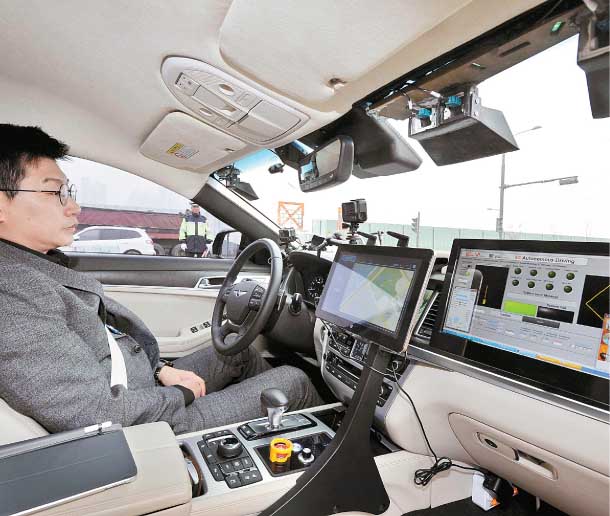
    A user tries out self-driving technology from local car-sharing app Socar in Siheung, Gyeonggi on Wednesday. The technology enables users to hail self-driving cars, and is currently being tested, according to Socar. The technology was jointly developed by Seoul National University, Yonsei University, SK Telecom and autonomous car technology developer SWM.AI.

  • Samsung buys Spanish AI firm Zhilabs in prep for 5G

    Samsung buys Spanish AI firm Zhilabs in prep for 5G

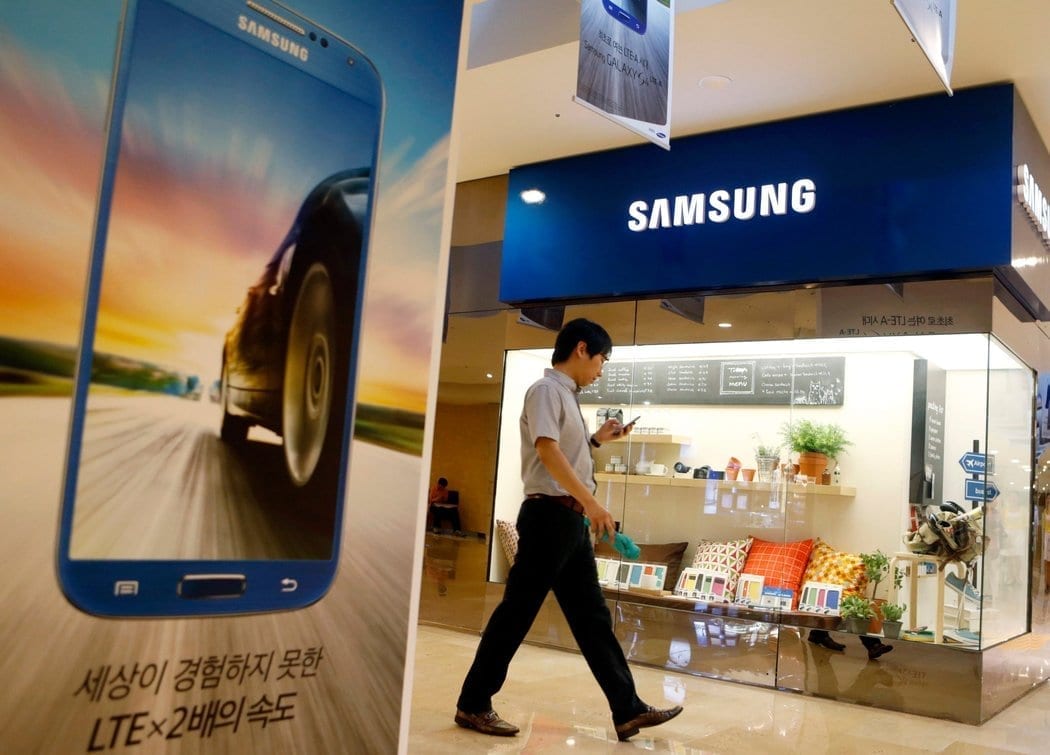
    Samsung Electronics announced that it has acquired Barcelona-based artificial intelligence startup Zhilabs in a bid to further enhance its 5G capabilities.

    Financial details of the deal were not disclosed.

    Zhilabs will be fully owned by Samsung, but it will continue to operate independently under its own management, the South Korean vendor said in a statement.

    Zhilabs provides AI-based network and service analytics solutions and its products are used by telecoms carriers including Celcom, Maxis, NTT East, Telenor, O2, Vodafone, TIM, and Telefonica.

    Samsung said AI-based automation will play a central role in the introduction of new services driven by 5G, such as industrial Internet of Things (IoT) and connected cars, as carriers seek to implement new automated solutions and network virtualization features.

    “5G will enable unprecedented services that generate exponentially greater data traffic, for which automated and intelligent network analytics tools are vital,” said Youngky Kim, president and head of networks business at Samsung Electronics.

    “The acquisition of Zhilabs will enable Samsung to help carriers meet these demands to measure and ensure the quality of each subscriber’s service experience.”

    The acquisition of Zhilabs is also part of the company’s pledge, announced in August, to invest 25 trillion won ($22 billion) in AI, 5G, automotive electronics components and biopharmaceuticals technologies.

  • Unstaffed shop to open in Tokyo on trial basis

    Unstaffed shop to open in Tokyo on trial basis

    A Japanese railway network operator is testing an unmanned store in a Tokyo railway station. The store will use artificial intelligence in place of cashiers to transact with customers in a trial expected to last about two months. The venture was opened by East Japan Railway, otherwise known as JR East, this week at the Akabane Station in Tokyo’s north.

    It has some 80 cameras mounted in the ceiling and on shelves recording customer behaviour before the AI software detects which items customers select.

    Customers pay using stored value cards issue by railway companies for transit.

    If the concept proves a success, JR East says it will begin rolling the technology out in stations across the city.

    The store is loosely modelled on unmanned stores opened in Mainland China, along with the Amazon Go concept in the US.

  • KT expands reach of AI-powered smart city solution to SEA

    KT expands reach of AI-powered smart city solution to SEA

    South Korea’s KT has announced plans to expand the reach of its self-developed AI technology with the launch of services for hotels and smart cities in Southeast Asia.

    The operator will introduce customized AI solutions for the market, starting with Vietnam.

    KT last month entered an agreement with Vietnam’s largest construction company Hoa Binh Construction Group (HBC) JVC for the provision of AI-powered hotel and apartment services in Southeast Asia. The partners have also agreed to subsequently co-operate on smart building and city projects in major metros in the region.

    KT used its platform to launch the first hotel in South Korea to offer AI-assisted room services in July – a Novotel Ambassador hotel in Seoul – and plans to open three more smart hotels across Seoul by 2020.

    The company’s hotel AI service platform is a customization of KT’s GiGA Genie AI powered smart home media hub, which launched in 2017 and now has more than 1 million subscribers in South Korea.

    “It’s a big first step for KT’s AI platform to reach out to the world, thanks to the partnership with HBC,” KT marketing group senior vice president Lee Pil-Jai said. “With great success in South Korea, we will step up efforts to localize our AI hotel service and smart city solutions for Southeast Asia and beyond.”