Tag: android

  • Changes force all Android reminders to go through Google Assistant

    Changes force all Android reminders to go through Google Assistant

    In addition, Google is now forcing all reminders to go through Google Assistant. Android users were once able to add a reminder or edit one through the Google app if Assistant was disabled. Now, if you try to do this, a prompt appears telling you to turn on Google Assistant since the virtual digital assistant “is ready to help you get things done.” You won’t be able to do anything reminder-wise unless Google Assistant is turned on. If you have your phone set to a language not supported by Google Assistant, you won’t be able to set reminders on the phone.

    Also changed is the user interface which is now done up in Material Design. The new UI eliminates the gray dividers, and the blue floating button is now in Google’s four-color plus sign. Each reminder includes a checkbox replacing a swipe. And reminders that are overdue will jump out at users thanks to a big red badge that says “OVERDUE” in caps. Additionally, the UI for creating a reminder no longer automatically asks you to choose a place where you want to be reminded. If you want the reminder to appear at a certain location, you will have to ask Assistant to “remind me to (fill in the blanks) when I get to (a specific location).”

    The changes have already hit our Pixel 2 XL and could very well be on your Android phone as well.

  • Huawei Battling for Chinese consumers

    Huawei Battling for Chinese consumers

    When 23-year-old Chinese student Aaron Huang started his hunt for an Android replacement for his Apple iPhone in April this year, it was clear which brand was trying hardest to win him over.

    Promotional campaigns by Huawei Technologies and from local retailers supporting the brand were everywhere, said Huang, adding he was influenced by domestic media coverage that portrayed the US as unfairly targeting the Chinese tech giant in its trade war.

    “I felt like I should choose Huawei,” he said.

    The advertising blitz and grassroots patriotism have proven to be a potent mix, amplifying the brand’s existing broad appeal in its home market – a market it is increasingly dependent on as Washington’s ban on sales of US components and software to Huawei hammers overseas demand.

    Second-quarter China smartphone shipments for Huawei surged by a nearly a third from the same period a year earlier, with its market share rocketing 10.6 percentage points to a record 38 percent, according to research firm Canalys. Shipments for domestic rivals and Apple plummeted.

    Huawei has lifted its China sales target for its consumer business group, said a company source, who was not authorised to speak on the matter and declined to be identified.

    Within Huawei, employees refer to current strategies as ‘Battle Mode’ and it has stepped up the opening of new stores including Experience Centers in the style of Apple shops, other company sources said. One Experience Center near its South China headquarters opened last month while a bigger one in Shenzhen’s tech district of Nanshan will open next month.

    Analysts say Huawei has also been transferring unsold smartphone stock from other regions to China and even offering some rare discounting in its home and overseas markets as it seeks to offset sales declines in Europe and the US.

    Huawei declined to comment on its strategies for marketing and managing inventories, or its China sales target. It reiterated an earlier statement that it was not trying to trade on patriotic fervor.

    Lotteries and bullfrogs

    Sales promotions have included interest-free installment payment plans and lotteries for its premium P30 and Mate series. Analysts add that products from its three brands – Huawei, Nova, and Honor – outnumber those from rivals in every market segment.

    Firms like Chinese electronics retailer Gome and small businesses have been eager to lend a hand, linking Huawei phones with patriotic support.

    Fang Xia, a 38-year-old restaurant owner in Shanghai, said she was motivated by recent coverage of Huawei’s dispute with the US to offer her customers a special deal.

    “Tables that have four or more people with Huawei smartphones will get one free plate of Emperor Bullfrog,” proclaims an advertisement for her restaurant’s signature 88 yuan ($12.50) deep-fried frog dish.

    Huawei’s overseas smartphone sales tumbled 28 percent in the second quarter from the previous quarter, Canalys data showed, but the full impact of the ban is not yet known.

    Warning that Huawei products could be a vehicle for Chinese espionage, the Trump administration now requires that US corporations which conduct business with Huawei gain a special license to do so. US government responses to requests for those licenses could come this week, US Commerce Secretary Wilbur Ross said last Tuesday.

    In other measures to counter the ban which could strip its access to Google’s Android, Huawei is accelerating efforts to develop its own operating system called Hongmeng. It is looking to roll out a low-end smartphone equipped with Hongmeng in the fourth quarter, state-media outlet Global Times reported on Sunday.

    Huawei declined to comment. It has previously said Hongmeng is designed for internet-of-things products and it prefers Android for its smartphones.

    Even before the US ban, Huawei had been making big strides in China, moving upmarket into the $500-800 price range and luring customers away from the likes of Apple with improved camera quality.

    “In any segment, it has several options for consumers, that is more than any other brand has to offer,” said Canalys analyst Mo Jia, describing Huawei’s strategy as one of “bombardment”.

    Rivals are hurting. Xiaomi saw its second-quarter China shipments tumble 20 per cent from the same period a year earlier, Vivo’s slid 19 per cent while Oppo’s dropped 18 per cent. Apple’s shipments fell 14 per cent, and analysts and Chinese consumers say the US firm could be hit further amid an intensifying US-China trade war.

    Xiaomi, Apple, Oppo and Vivo declined to comment.

    While Huawei has managed a huge boost in its home market, analysts said China sales may not always stay unscathed as it could struggle to replace US components and software.

    “Without the original supply chain, we may see its speed of development start to slow down,” said James Yan, research director at Counterpoint Research.
  • Android updates don’t matter anymore

    Android updates don’t matter anymore

    There was a time when waiting for the next big Android update meant getting new and exciting features coming to the most popular and widespread mobile OS in the world, but things have cooled off in the past two or three years and Google has been coming up with some pretty forgettable Android updates.

    In my opinion, it doesn’t really matter if your Android device isn’t running on the latest major Android version at hand. I feel that Android has already peaked and the rate of software innovation has been declining for a few years now. Google is seemingly scraping the barrel as far as innovative software features are concerned. In fact, most of the “new” features that are coming to Android Q are inspired from iOS and other custom Android skins, while others are quite irrelevant. I’m sorry, but as far as my personal excitement list is concerned, Digital Wellbeing doesn’t exactly cut it.

    It doesn’t really matter if you’re running Android Nougat, Oreo, or Pie anymore – you’re not really missing any groundbreaking new feature or functionality. Actually, ever since the Android 5.0 Lollipop update, you can probably count the really important features Android has scored on your hands, with the rest being easily forgettable fluff. Let me do this real quick:

    – Doze Mode (Android Marshmallow);
    – ART runtime (Android Marshmallow);
    – Vulkan API (Android Nougat);
    – Bundled notifications (Android Nougat);
    – Picture-in-Picture (Android Oreo);

    – Project Treble (Android Oreo);
    – Gestures (Android Pie).A much, much more important thing to fluster about are the essential monthly security patches. Now, these are key for worry-free smartphone experience. I’m pretty far from the thought that once you get the latest security patch you’re effectively invulnerable to any security breach – whatever you do, you can never really be 100% certain of your digital safety while using your phone, just like your data is never secure on the Internet. Whatever security features get implemented, there always be some deep exploit that would allow wrongdoers to gain access to people’s most sensitive data. It has happened in the past, and it will most certainly happen again.  Still, having a phone that’s up-to-date in terms of monthly security patches can help achieve a certain peace of mind.

    OEM skins have long surpassed stock Android anyway

    I feel there’s another important point to be made here – custom Android skins have surpassed stock Android in terms of features and functionality a long time ago. Samsung, Huawei, and OnePlus have all developed much more useful and feature-packed Android spin-offs. In fact, most of the major new features that you see added to stock Android have debuted and thrived on custom Android versions for longer. Split-screen, gestures, dark mode, and many others were only implemented into stock Android after Samsung, Huawei, LG, OnePlus, Xiaomi, and the others had experimented with these features for some time.

    Those manufacturer updates are the ones we really should keep our collective breath for – not only do they introduce major new features, but also your manufacturer’s major software updates are a much more important thing to hold your breath for. These might have a much bigger impact on your smartphone experience – not only do these deliver full interface overhauls (like with Samsung’s OneUI), but they could also bring important improvements to the camera performance, battery optimization, and other beneficial updates. Such updates of such caliber are more often than not tied to a major Android update, but it’s not a requirement set in stone.

    Personally, I stopped caring about Android updates a couple of years ago, sometime in the Android Nougat-Oreo interim. The only software update I’ve legit been hyped about ever since has been Samsung’s OneUI update, which is the best Android skin in my humble opinion.

  • Android Messages will reportedly become the default messaging app on Samsung phones

    Android Messages will reportedly become the default messaging app on Samsung phones

    A Reddit poster who claims to be a Samsung engineer says that the company is thinking about making Android Messages the default messaging app on its phones replacing Samsung’s own messaging app. The Redditor says that this is being done to “to reduce headaches down the road for US devices.” The headache involves creating a universal version of the Rich Communication Services (RCS) messaging platform called RCS Chat in the country. Recently, Google was able to bypass carriers in the U.K. and France in order to complete the rollout of RCS in those two countries. And while the search giant says that it will soon announce more markets where the SMS replacement will be disseminated, it isn’t clear whether the U.S. will be one of them.

    The U.S. has some complications including the fact that some carriers have their own RCS systems. This makes it a complicated task to build a universal platform in the states, according to the person claiming to be a Samsung engineer. With RCS, users will have a much larger character cap than the 160 now available with SMS apps. There also is support for group messages, “read-receipts” that let you know when the recipient has looked at the message you sent, and an alert that tells you when that person is writing a reply. While Google would like RCS to compete against Apple’s Messages app and its encrypted iMessages platform, RCS won’t totally encrypt messages.

    It seems that Google’s best bet to implement universal RCS in the states is to skirt around the carriers. Whether or not Google is considering this end-around is not clear. For those Android users in the states using their carrier’s messaging app or the one that is pre-loaded by their phone’s manufacturer, universal RCS would be a big step forward.

  • Original DOOM game now available on Android and iOS

    Original DOOM game now available on Android and iOS

    Back in 1993, a little game called DOOM developed by a small studio called id Software set the gaming world on fire. About 25 years later, Bethesda decided to release classic DOOM titles to new platforms, including Xbox One, PlayStation 4, Nintendo Switch, Android, and iOS.

    While DOOM, DOOM II and DOOM 3 are now available for download for Nintendo Switch, Xbox One and PlayStation 4, only the first two are hitting Android and iOS devices. If you want to try them out, you can download them from the Google Play Store and App Store, respectively, for $5.

    The original game, DOOM comes with all the content released back in 1993, and the fourth expansion Thy Flesh Consumed. The re-release of DOOM II includes the Master Levels, 20 additional levels made by the community and curated by the developers.

    Although the classic DOOM game has been available on iOS since 2009, this is the first time both games are ported to Android and, of course, the first time DOOM II hits iOS devices. There’s one small issue though, you’ll need to log into a Bethesda account to play the games. If you don’t have an account yet, you’ll have to create one. The BehesdaNet login requirement was included for the Slayers Club with the purpose of rewarding members for playing the classic DOOM games.

    However, Bethesda said that the login should be optional and that it’s working on changing the requirement to optional right now.

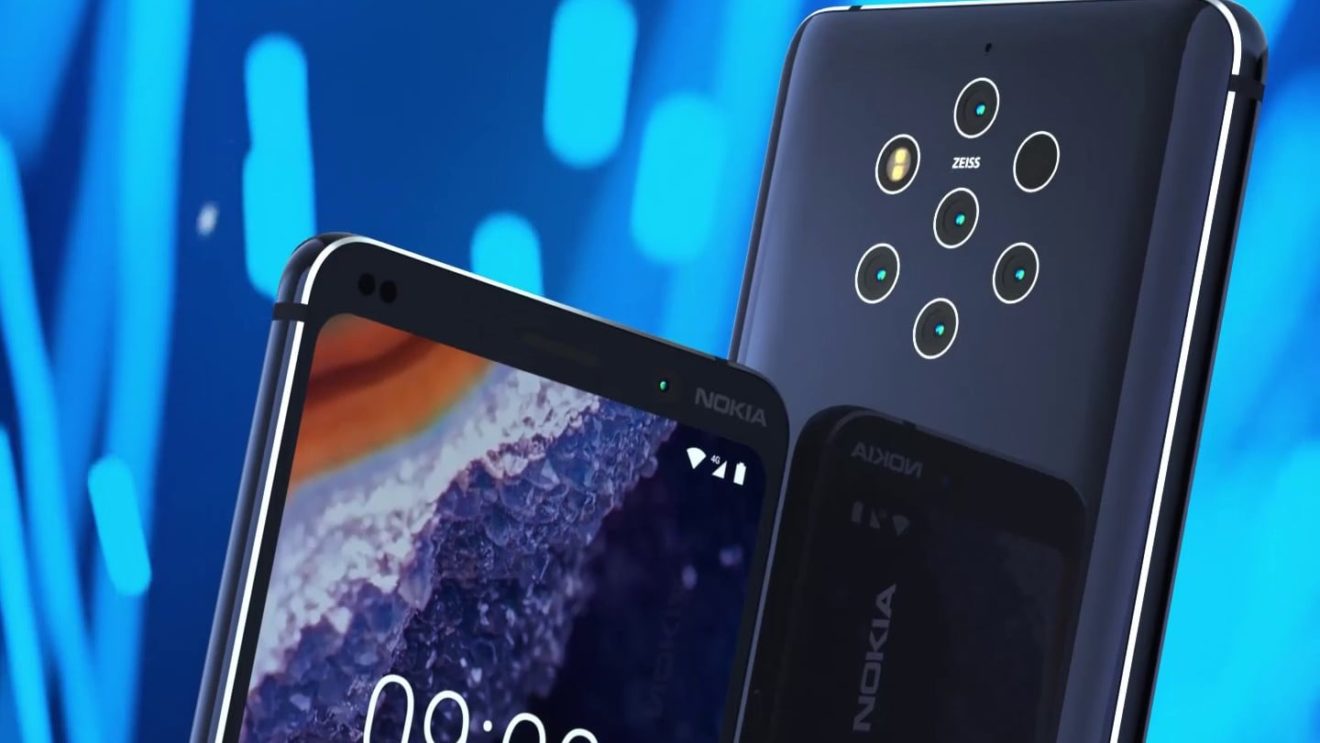
  • Leaked photo shows Nokia feature phone running a special version of Android

    Leaked photo shows Nokia feature phone running a special version of Android

    Do you remember the last feature phone you owned before getting a smartphone? Once you purchased a smartphone, you figured that you would never consider buying a feature phone again. But suppose you could purchase such a device powered by Android? 9to5Google posted a photograph today that it received from an anonymous source. The image shows a device that resembles a Nokia feature phone running the Android operating system. The phone doesn’t use a touchscreen for navigation and relies instead on a d-pad, number keys and some other buttons (how could we have been so primitive back then). There is no app switcher on the device.

    The handset was created by Nokia. Some of the markings on the number keys seem to dovetail with ones used on earlier Nokia phones. The home screen features a microphone icon near the top of the display; while this is indeed Google’s microphone icon, it isn’t clear whether it will be used to make requests of Google Assistant or to ask questions to Google Search. Some app icons can be seen on the bottom of the display for the camera, Chrome Browser, and YouTube. There is also an unknown icon showing white arrows in a green circle, one pointing right and the other left. A yellow flap can be seen on the left side of the circle. The square in the middle is most likely the app drawer; navigating to that icon will show you all of the available apps on the phone

    On the upper part of the display from the center to the right corner is the status bar that shows the status of the network being used (4G in this case), a signal strength bar, battery indicator and the time. On the bottom, there are three options, “Alert,” “Select,” and “Settings.” The first option might be used instead of the non-existent pull-down notification shade to receive notifications and alerts. The photo also shows that the phone is hidden under a rubber case. Ironically, Android was originally developed for non-touchscreen handsets. The word is that when then Apple-CEO Steve Jobs unveiled the original iPhone in January 2007, developers quickly changed paths and turned Android into an operating system for touchscreen phones.
    There is no indication when (or even if) such a phone will be produced. Without having to power a large touchscreen, battery life would probably be stellar, even with a much smaller capacity battery than what you might find on what passes for a low-end Android phone these days (actually, some budget Android phones, like the Moto G7 Power, possess large batteries). And the price would most likely undercut any touchscreen Android phone available today.
    HMD Global, which has the right to use the Nokia name on mobile phones through 2024, brought back the popular Nokia 3310 feature phone in 2017. The original was one of the best-selling phones of all time with sales of 126 million units. The newer version of the phone had some updated specs including a 2.4-inch color screen, a 2MP rear camera, and a microSD slot. And while the battery sports a rather low capacity of 1200mAh battery, on a feature phone like the Nokia 3310, that is enough to keep the device running for a long time between charges.
    This might be something that will appeal to those seeking a backup phone or a cheap phone for the kids. And since it will run on Android, it should have a lot more functionality than that LG Dare you used to carry around.
  • New Pokemon mobile game coming to Android and iOS this summer

    New Pokemon mobile game coming to Android and iOS this summer

    Many have tried to clone Pokemon GO massive financial success, but no AR (augmented reality) mobile games managed to get nowhere near Niantic’s smash hit in terms of revenue. The latest contender, Harry Potter: Wizards Unite made just 4% of the revenue Pokemon GO made on the first day.

    Well, it looks like we will soon have another Pokemon game coming to Android and iOS devices. Developer DeNA announced that Pokemon Masters will arrive on mobile platforms at some point this summer.

    This will be DeNA’s first Pokemon game, but the developer helped Nintendo launch games like Super Mario Run and Fire Emblem: Heroes. It’s also helping with the development of the upcoming Mario Kart Tour mobile game.

    Pokemon Masters takes place on the artificial island of Pasio where trainers are given control of a single Pokemon. You’ll be teaming up with other trainers to take down opponents in 3vs3 battles. The combat is based on cooldowns of your abilities and happens in real-time rather than turn-based.

    The game will probably be available for free but expect in-app purchases in that case. Check out the trailer released earlier today by developer DeNA to learn more about the upcoming game.

  • Android Auto is getting a redesigned interface and Dark Mode

    Android Auto is getting a redesigned interface and Dark Mode

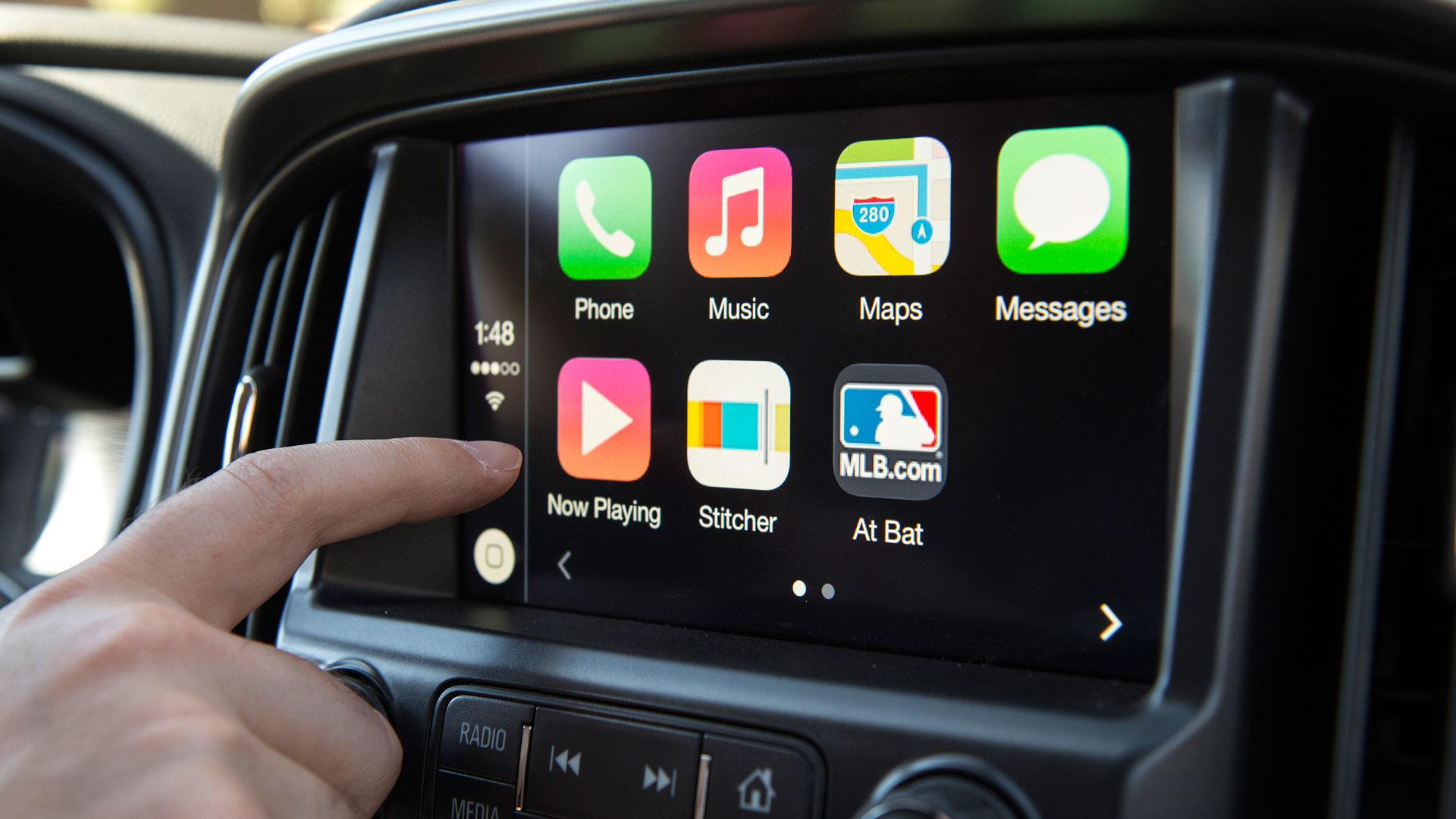
    Google last month announced an update for Android Auto that would change the way the app looks and works, and it is now finally rolling out to some regions. Google says that the refreshed interface was “built to help you get on the road faster, show more useful information at a glance and simplify common tasks while driving.”

    To streamline the experience and to make common tasks even easier to perform while driving, the latest Android Auto update introduces a redesigned bottom navigation bar. It allows users to control apps and media, manage incoming calls and notifications, and get directions on the same screen, with fewer taps required than before.

    The redesigned bottom bar also offers a way to better utilize screen real estate. Since Android Auto is a scalable experience, made to work on many types of displays with different sizes, aspect ratios, and resolutions, the UI design changes are aimed at making the app a consistent and well-optimized experience across the board.

    Speaking of UI changes, Dark Mode is also a thing now in Android Auto. It’s more of a visual change, rather than functional, but it should make using the app during the night a bit easier on the eyes. Google says that the new dark theme was designed to utilize more colorful accents and easier to read fonts to further improve visibility and reduce eye strain.

    The update seems to depend on a server-side switch, as is often the case with Google services, and not on the app version you’re running. Still, you can check if you’re on the latest version by heading to the Google Play Store.

    The new Android Auto update has started rolling out in the UK and US, so other regions where the service is available should start receiving the new features in the coming days/weeks.

  • Fossil to launch new Emporio Armani, Diesel and Michael Kors smartwatches

    Fossil to launch new Emporio Armani, Diesel and Michael Kors smartwatches

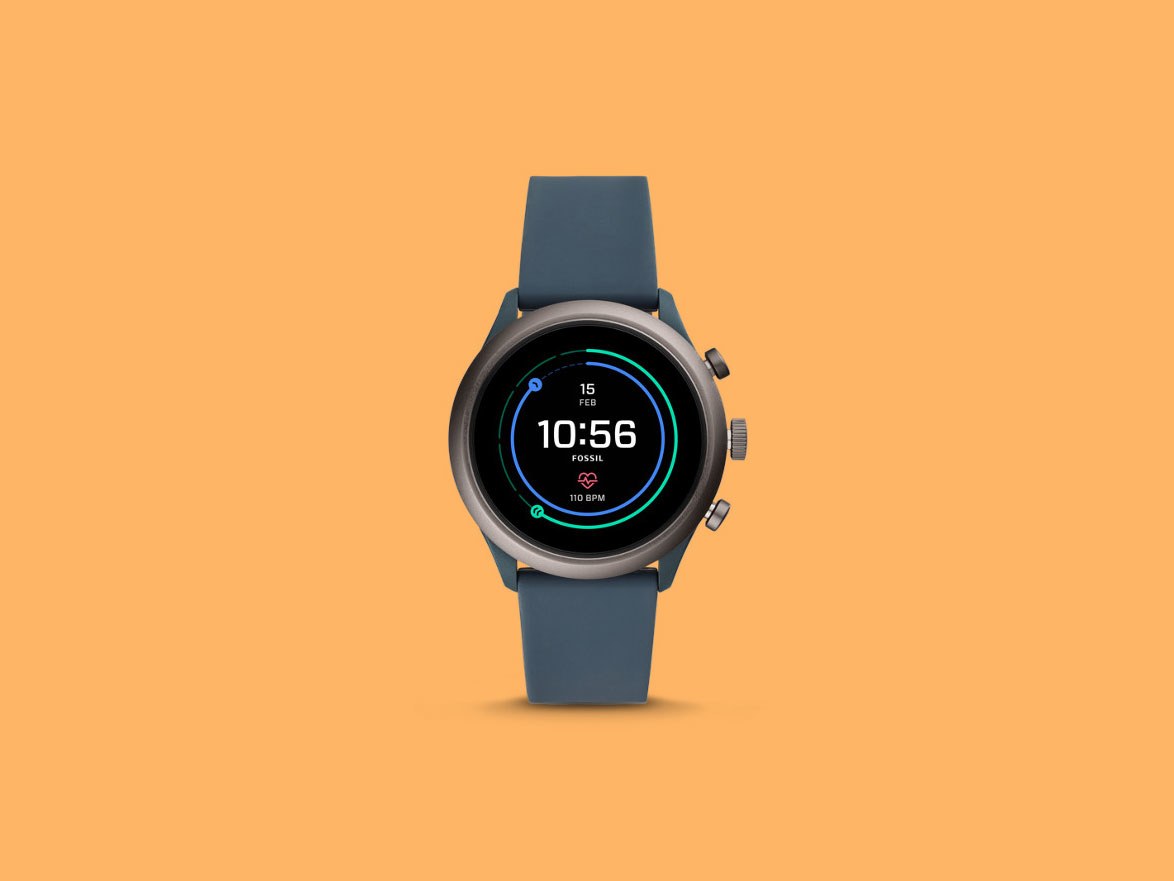
    Each year Fossil refreshes its stylish lineup of smartwatches with new models that feature updated hardware and, sometimes, different designs. This is year is no exception and a new set of Fossil wearable devices are expected to arrive as early as fall.

    A fairly sizable number of unannounced Fossil smartwatches have been recently spotted at FCC, and their codenames have been deciphered by Droid-life as belonging to brands like Michael Kors, Emporio Armani, and Diesel. There’s also one Fossil-branded smartwatch among those listed at FCC, but there might be additional ones that haven’t popped up yet at the Federal Communications Commission.

    Along with the listing of their codenames, we also have some pictures showing the Wear OS app drawer and settings, but aside from that, no exciting new info revealed in the documentation filed at FCC.

    We’re not even sure whether or not these will be equipped with Qualcomm’s new Snapdragon Wear 3100 chipset, which would be an upgrade from the current Fossil smartwatch. The good news is we’ll most likely learn more about Fossil’s upcoming smartwatches pretty soon now that they’ve been listed at FCC.
  • New era for users of Android’s Messages app starts later this month

    New era for users of Android’s Messages app starts later this month

    Instead of continuing to wait for carriers worldwide to get together to support the global rollout of Rich Communication Services (RCS), Google is taking the next generation of Android messaging into its own hands. Starting later this month in the U.K. and France, Android users will be able to opt into Google’s own RCS Chat services. Eventually, this will be offered in more countries later this year, and with Google taking care of this directly; eventually, we could see RCS made available for all Android handsets.

    The platform developed to replace short message service (SMS) on Android phones does away with the 160 character limit on texts and supports group messages. It also will show a user that a text he sent has been read (the so-called “read receipt”) and will show when someone who is part of a chat is in the middle of typing a message. The RCS platform also allows users to engage in a video chat without the necessity of installing a third party app like Duo and supports the sharing of large files.

    What RCS doesn’t have that some other messaging apps do is end-to-end encryption. This is a key security and privacy feature offered on third-party titles available for Android like WhatsApp and Telegram. But Google is working on it and Sanaz Ahari, one of the Googlers in charge of Android’s Messages app says, “We fundamentally believe that communication, especially messaging, is highly personal and users have a right to privacy for their communications. And we’re fully committed to finding a solution for our users.” Ahari adds that the goal is “a great, simple user experience that just works for every Android user.”

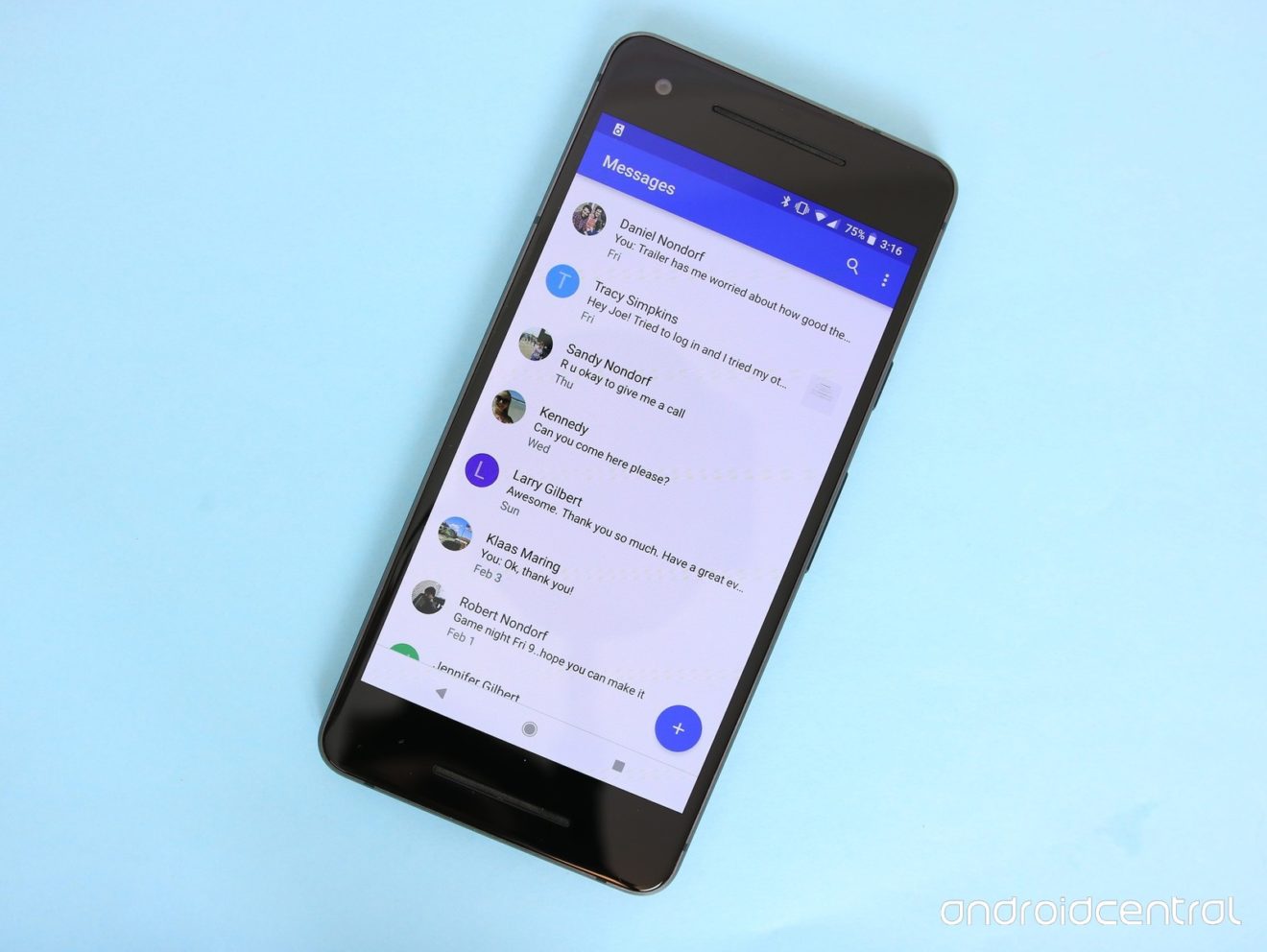
    Google, at least at first, will offer RCS to those Messages users who opt-in for the service when it is available in their market. When that happens, users will open the Android Messages app and will receive a prompt asking them if they’d like to sign up for RCS Chat, which is Google’s name for the SMS replacement. On new Android phones, Messages will remain the default messaging app and once the app is opened, users will be asked if they’d like to opt-in to RCS Chat. This is different than the way Apple automatically has iOS users opt-in to Messages. While Google will indeed offer RCS Chat to all Android users, they will still get to make their own choice whether to accept it.

    In Apple’s Messages, if the user sees iMessage in the text field, he knows that he is conversing with another iOS user. If he sees text message in the same field, the conversation he is having is most likely with an Android user. Google will do something similar; if you see Chat on the app, it means that the person on the other end of the message also has RCS. And as we pointed out, RCS does not have end-to-end encryption; the messages are encrypted en route from the sender to recipient, but if your RCS provider is asked by law enforcement for a copy of your RCS based conversation, the information can be delivered to them. However, once a message is received by the recipient, it is removed from Google’s servers. Drew Rowny, the product lead for the Android Messages app says “From a data retention point of view, we delete the message from our RCS backend service the moment we deliver it to an end user. If we keep it, it’s just to deliver it when that person comes online.”

    Android users should feel better about the timeline for receiving RCS now that Google is handling the rollout itself. This means that carriers’ approval is not needed. And the faster that RCS is rolled out, the quicker Android users can enjoy it.

  • Google app soon to receive dark mode

    Google app soon to receive dark mode

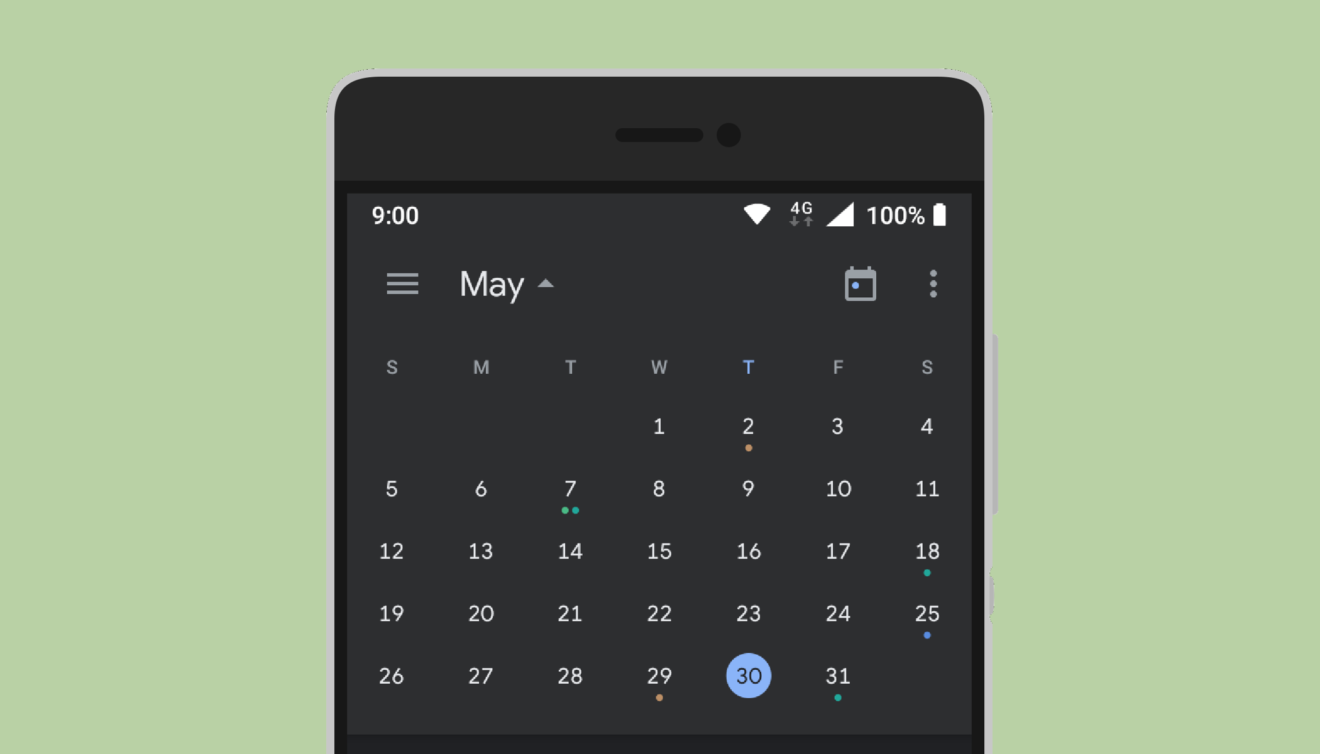
    Google is determined to bring the dark theme to all its apps by the time Android Q is officially released. A couple of Google apps such as Calendar and Keep have already been updated with a dark mode, but the Google app has yet to receive a similar function.

    The good news is the Mountain View company isn’t very far from delivering a full-fledged dark mode to the Google app.

    Google app beta v10.4.3 is the most recent version that should include the new dark theme, although it doesn’t seem that all users who have it installed are able to see it. Since this is a server-side update, the availability of the new feature is randomized among users.

    Anyway, if you have the Google app beta mentioned above, you can head to More / Settings / General and check whether or not a Dark theme option is available. If it’s there, you can choose to enable, disable or simply make it follow the system setting.

    Apparently, this is a full-fledged dark theme, which means the dark grey color will appear in searches, the in-app Discover feed, collections, recent searches, and, of course, all settings. Moreover, all Google Assistant related features benefit from the same dark mode, along with the Explore area.

    Even though the new dark mode isn’t widely available yet, the update is a clear sign that the Google app will soon get the highly-anticipated feature.

  • Samsung cuts production in China as local struggles continue

    Samsung cuts production in China as local struggles continue

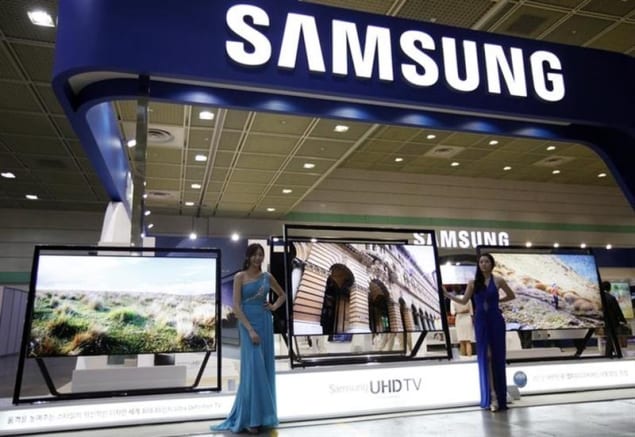
    Samsung has been struggling in the Chinese smartphone market for quite some time. In fact, around six months ago the company shut down one of its factories in the region. Now, suggesting things have improved little, Samsung has confirmed that its scaling back production at its only remaining Chinese manufacturing plant.

    At its peak back in 2013, Samsung accounted for an impressive 20% of all smartphone shipments in China. But as local rivals with thinner profit margins became more competitive, the company’s sales quickly began to decline. Over the course of the past year, Samsung has struggled to retain a 1% market share and, while the Galaxy S10 has certainly boosted performance, it seems sales still aren’t at the required level.

    The company’s plants in China previously served both local and international markets, but over the past few years Samsung has shifted a big portion of its production over to countries such as India, leaving Chinese factories to cover local demand only. As such, any cuts suggest the company’s revival strategy isn’t going as smoothly as hoped.

    The South Korean-based brand hasn’t yet revealed the exact extent of these latest production cuts, so the adjustments could potentially be minimal. But it’s reported that Samsung is offering voluntary layoffs with compensation to interested employees until the 14th of June.
  • Huawei’s troubles could hurt the entire smartphone market

    Huawei’s troubles could hurt the entire smartphone market

    After putting on a brave face for the last few weeks and insisting the Chinese company is prepared for whatever US President Trump might throw at it down the line, Huawei has finally acknowledged its incredible recent rise through the ranks of the world’s largest smartphone vendors is likely to slow down.

    But while Apple, Samsung, and Xiaomi are expected to derive important gains from Huawei’s global losses, Canalys is taking a look today at another big potential loser in this extremely complicated equation. The research firm thinks the entire smartphone industry will be hurt by “uncertainties surrounding the US/China trade talks, the US Executive Order signed on 15 May and subsequent developments.”

    Although it’s obviously impossible to project the long-term repercussions of current tensions between the US and Chinese governments, as “subsequent developments” remain up in the air, Canalys is already reducing its 2019 smartphone shipment forecast to 1.35 billion units. That would represent a decrease of 3.1 percent from last year’s total, which in turn marked a worrying decline for an industry that was used to steady, impressive growth until not long ago.

    That essentially stopped when manufacturers got into a rut, failing to innovate like before and convince people to upgrade from their awesome high-end handsets to eerily similar and only slightly awesomer new flagships. With the advent of 5G connectivity and increasingly bolder designs pursuing the foldable and bezelless dreams, analysts are now widely expecting a (slow) recovery of global smartphone sales.

    But if Canalys is right, we may have to wait until 2020 for a boost in shipments. Specifically, this year’s 1.35 billion units are projected to rise to 1.39 billion for a sequential growth of 3.4 percent after consecutive declines of 4.5 and 3.1 percent in 2018 and 2019 respectively.

    Of course, this year’s total is exceptionally volatile and tricky to forecast, greatly depending on whether or not Huawei will ultimately be allowed to continue doing business with US companies. The current assumption is that “restrictions will be imposed stringently” on the Chinese vendor at the end of Trump’s 90-day reprieve, hampering its overseas potential for “some time.”

  • Facebook Portal now has its own Android app

    Facebook Portal now has its own Android app

    If you feel that you don’t have enough Facebook in your life, you’re free to buy the company’s new smart display – Portal. Unlike Amazon and Google, Facebook had developed Portal with video calling in mind, so that’s pretty what you’ll probably want to do most of the time with it.

    The Portal, in case you didn’t know, offers Facebook users with a new way to video chat with their friends. If you don’t like texting through Messenger too much and rather talk to your friends, Facebook Portal is the perfect device for it.

    And now that Facebook has decided to launch a Portal standalone Android app, you’ll now be able to better manage photos and videos that you want to store on the smart speaker. Having the app installed on the phone will allow users to send photos directly to the Portal’s Superframe.

    Also, you can use the Portal app to call the smart speaker in your home and talk to household members. Or, you can add people in your home to your Portal so that they can use the smart speaker with their own Facebook accounts.

    It’s a nifty app that makes it easier to take advantage of Facebook’s smart speaker by adding new functionality to the device. The Portal app has already been listed in the Google Play Store and you can download it for free.

  • Android Q will improve your phone’s battery life

    Android Q will improve your phone’s battery life

    Nah, we aren’t talking about Google introducing a systemwide Dark Mode in Android Q. No amount of LTE tower pinging, talking on the phone, or any other usual suspect when it comes to wireless radio battery drain can affect your mileage as much as constant Wi-Fi scanning for non-existent networks.

    This thing is a giant power hog, and you should kill it with fire if you have exhausted all the usual culprits for your battery drain. Bonus points: by default, Google tracks you even when Bluetooth and Wi-Fi are off, so if you ditch scanning, you’ll make it harder.

    Type “Improve accuracy” in the settings’ search box, then turn Wi-Fi and Bluetooth scanning off. Type “Locating method” and switch it to “Phone only,” if you need to keep GPS on at all times.

    When playing Pokemon Go, navigating, or any other scenario you need high accuracy for, turn it back on for the sesh if you are adamant to eke out every last drop of your battery juice, yet now Android manages the scanning permissions pretty well itself.

    With Android Pie, Google drastically reduced the number of scan attempts to one every 30 seconds for front apps, and one in 30 minutes for apps that are just sitting in the background. Despite the outcry from developers of indoor location or signal strength measurement apps, Google has decided that the scanning restrictions will remain an integral part of Android Q:

    Once again, thank you for submitting a request. After following up with our product and engineering teams, the request will not be considered at this time. In Q, there is a new developer option to toggle the throttling off for local testing (Needs a rooted device).

    While we feel sorry for devs of apps that can be affected, we can’t wrong Google for deciding to put an end to rogue Wi-fi scanning that drains battery like crazy and was one of the chief culprits behind standby power drains in previous Android versions. Whew.