Tag: android

  • Asus ZenFone 6 first update brings important camera improvements

    Asus ZenFone 6 first update brings important camera improvements

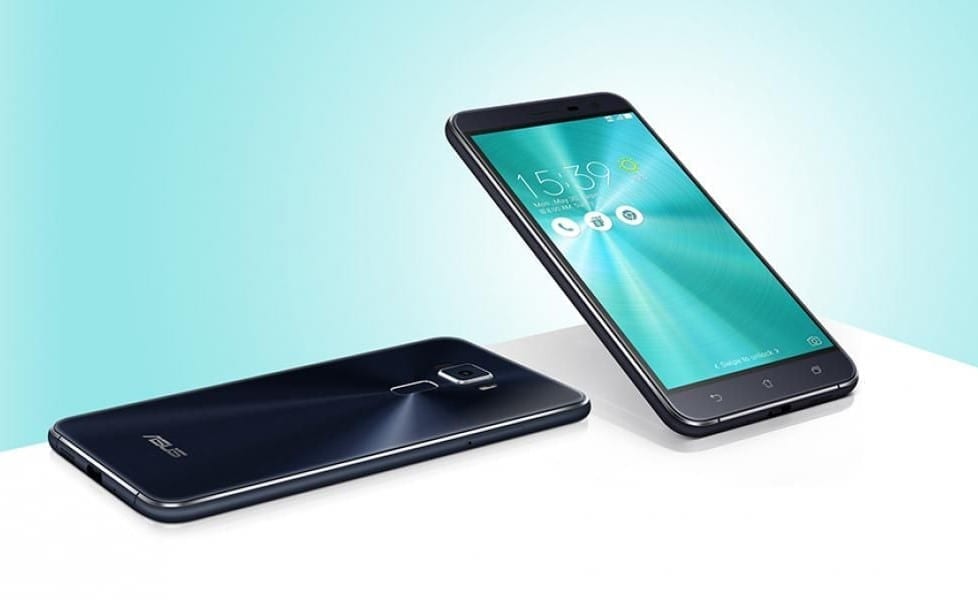
    The ZenFone 6 hasn’t even been released in the United States and Asus is already pushing out a major update that brings important camera enhancements. If you plan on getting one when Asus will launch the ZenFone 6 in the US in July, here is what to expect from the first ZenFone 6 update.

    If you didn’t know, Asus ZenFone 6 packs a so-called motorized flip camera, which allows users to take both selfies or regular photos. It basically acts as both rear and front cameras to ensure that you take the best pictures in every scenario.

    Well, it looks like the ZenFone 6’s camera needs some adjustments, so Asus has decided to address that in the first update, which focuses exactly on this aspect. First and foremost, the camera Super Night Mode and HDR+ Enhanced mode received considerable improvements on image processing speed and image quality.

    Furthermore, the update should add volume key functions, which will allow users to control the flip camera rotation. Basically, you can set the volume key as shutter, zoom, or flip camera in the Asus Camera app settings manually.

    The smart key can now be used as a shutter to take pictures in Camera mode, and the camera rotation stability has been improved as well. Also, the default wallpaper and ringtone have been updated too, while the translation strings in Settings have been optimized.

    According to Asus, its server pushes out the update in batches, which means that it will take some days before everyone will receive the notice. However, you can manually check for it by heading to System settings in the Settings / System.

  • Huawei clarifies Android, SD card support for new and existing phones

    Huawei clarifies Android, SD card support for new and existing phones

    The West’s crusade against Huawei’s phone and 5G businesses has had the world talking about a new tech cold war with China, as the company is being used as a pawn in a larger game by the White House administration.

    Currently, there is a 90-day stay on the marching orders that the government sent to American companies to stop doing any business with Huawei, including providing software as Google does with its mobile operating system.

    This pretty much came as a shock to the hundreds of millions of Huawei users outside of China who learned that in a short while their phones might be hobbled when it comes to Google apps, software, and security updates, quickly losing value.

    We probed Huawei and its Honor subsidiary to clarify what exactly will and won’t work if the trade arguments with China don’t get resolved in due time, and it turns out that the apocalyptic scenarios about SD card support, or a cease of service functioning on existing phones, were a bit overblown.

    As far as future Huawei and Honor phones like an eventual Mate 30 Pro are concerned, though, the situation is pretty much in limbo. Moreover, the Honor 20 Pro didn’t get Google-certified in time before the ban hammer dropped.

  • Privacy browser Tor is now available on Android

    Privacy browser Tor is now available on Android

    With online privacy becoming an increasingly rare luxury these days, most all browsers offer some sort of “incognito” mode that’s supposed to help bypass various “surveillance” methods employed on the web. The demand for online anonymity has spawned a whole new breed of privacy-focused browsers that promise to offer better security and cover your traces in a more efficient manner than incognito modes. Among those, the Tor browser is the most popular (and infamous) choice for people looking to really erase their online presence.

    Connecting to the Tor network was possible in the past on Android, by using apps like Orbot and Orfox, but the release of the Tor browser on the Google Play Store eliminates the need of such workarounds. The browser has been in beta for close to a year now, but it’s finally ready for prime time.

    If you’re not familiar with Tor, here’s a simplified explanation. Instead of connecting directly to a website, like a regular browser would, Tor channels your request through a network of encrypted computers all around the globe, called “nodes,” before reaching your desired destination. This way, your identity and IP address remain hidden. Not to mention that this can also help when trying to view content that is blocked on a per-region basis, like music videos on YouTube for example.

    The Tor browser is based on Firefox, so its interface should be immediately recognizable to Firefox users. The browser is now available on Android, but an iOS may never see the light of day, according to the Tor Project. This is due to “restrictions by Apple,” though the blog post doesn’t go over any of them in detail.

  • Gameloft reveals new LEGO-themed team-battle RPG for Phones

    Gameloft reveals new LEGO-themed team-battle RPG for Phones

    LEGO fans rejoice, as Gameloft has just announced a brand new RPG for Android and iOS set in the LEGO universe. Originally teased back in December, LEGO Legacy: Heroes Unboxed will be released this fall, but it will be regularly shown to fans until then at various events.

    According to the French studio, this is the first ever LEGO game of this genre and it’s meant to bring to life 40 years of LEGO Minifigure history and universes in a fun and epic way. Apparently, LEGO Legacy: Heroes Unboxed is set in a completely new LEGO world, as players will have to collect classic and modern LEGO minifigures and sets with which to create new parties and engage in team battles and adventures.

    LEGO Legacy: Heroes Unboxed is built to bring the enjoyment and fun that you once had, or still have, with LEGO toys. We are excited to see these authentic and original LEGO characters from all eras come to life. We have been putting all our efforts, art and craft into this game as we want to delight all LEGO fans, whether their mini-figures are tucked away in the attic or proudly shown in the living room.

    Naturally, the game will include iconic, fan favorite universes, recreated with stunning detail to cater to players of all ages. The developers also promise to keep everything included in the game faithful to the LEGO franchise. In order to do that, the folks at Gameloft studied vintage instruction manuals to try to recreate every detail that makes the LEGO experience so memorable.

    LEGO Legacy: Heroes Unboxed will probably be available for free, but we expect it to be heavy on the in-app purchases. Gameloft’s new LEGO mobile game shapes up to be quite interesting, so let’s hope their monetization system won’t be too intrusive.

  • Valve launches Steam Chat app for Smartphones

    Valve launches Steam Chat app for Smartphones

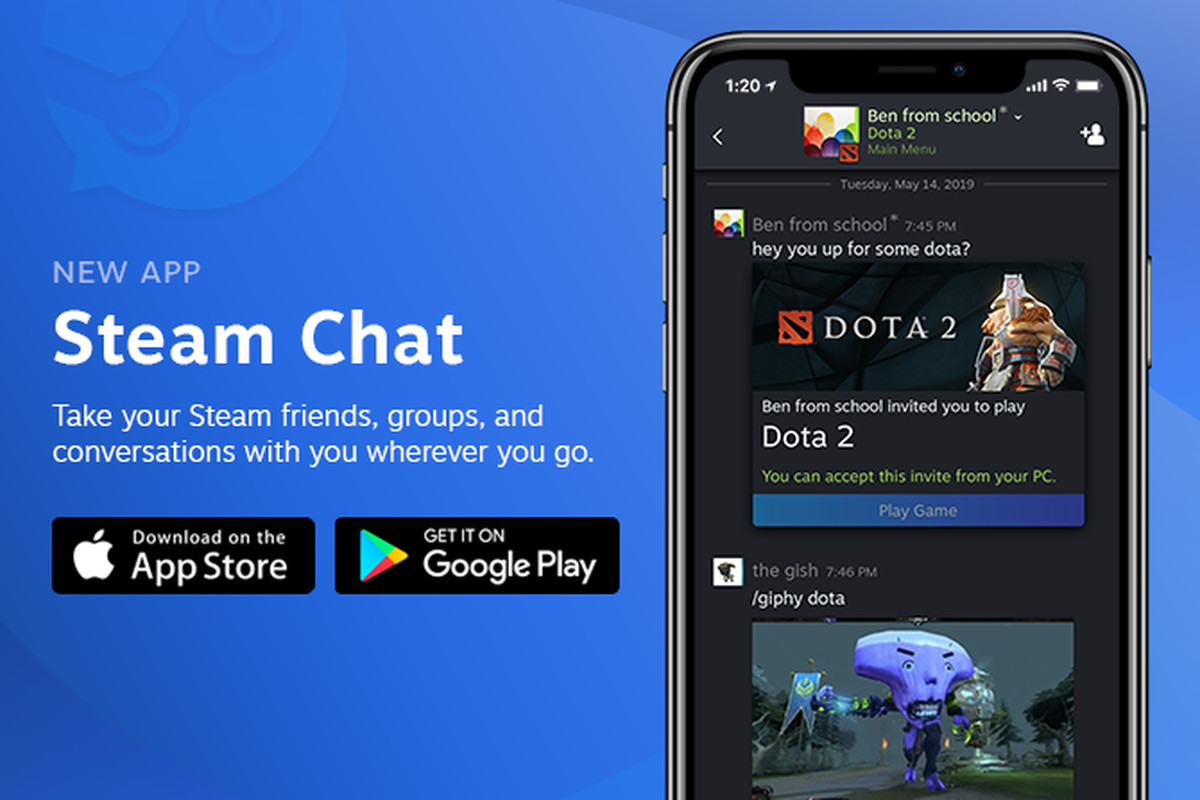
    After bringing Steam Link app to gamers and the option play all games from their Steam library on mobile phones, Valve releases another app that’s meant to modernized Steam chat experience. The new Steam Chat mobile app is now available for free on both Android and iOS platforms via Google Play Store and App Store.

    Among the many features it offers, it’s worth mentioning the customizable notifications, which will prevent users from missing a message or game invite. These notifications can be customized per friend, group chat, and chat channel.

    Obviously, you’ll be able to see who’s in game or online before you start chatting with your Steam friends. Furthermore, Valve promises a rich experience thanks to higher fidelity links, videos, tweets, GIFs, Giphy, Steam emoticons, and more.

    The Steam Chat mobile app will also allow users to add new friends on Steam with a link. You’ll just need to generate an invite link to send via text or email. Last but not least, the app features support for group chats.

  • Android Q will support wide-color gamuts

    Android Q will support wide-color gamuts

    Google announced that Android will be gaining system-wide support for wide color gamut images starting with Android 10 Q. The next version of Android will allow you to capture, view, and easily share pictures with wide color gamuts. This will introduce more richness in terms of color reproduction compared to the standard sRGB color space.

    All things considered, Android’s adoption of wide color gamuts comes across as a rather logical move that reflects on the advancements we’ve witnessed in imaging technology, in terms of both camera and display improvements. As more and more devices these days come along with screens excellently-calibrated to the sRGB standard, but also support wider gamuts, supporting these more realistic color spaces right off the bat in stock Android signals an important milestone for Android as an operating system and its gradual shift towards quality-of-life enhancements.

    At Android, we have been working to make wide color photography happen end-to-end, e.g. more bits and bigger gamuts. This means, eventually users will be able to capture the richness of the scenes, share wide color pictures with friends and view wide color pictures on their phones.

    What color spaces are we talking about? Android Q will most certainly support Display P3 and Adobe RGB, with the door being left ajar for other wide-color gamuts as well.  Of course, developers will have to update their apps and make sure they support wide-color gamut content once Android Q launches this summer, and in order to ease up this change, the company has rounded up a few do’s and don’ts of adapting to wide color gamuts. Probably the most important requirement is that apps should never assume an sRGB color profile of any external image it gets and should check the ICC color profile embedded in the image file.

    Of course, not every app would end up adopting wide-color gamuts, and Google advises that developers at least be color-correct, meaning that they should take the necessary steps to decode wide-color images to sRGB.

    You can test if your device is Display P3 compatible by opening out this image – if you see a faint Android logo, your display supports the Display P3 color space; otherwise, if you see a solid red square, then either your device or your browser is not compatible. Some devices that should display the image correctly are Apple’s latest iPhones, which will do that straight in the browser, while others like Samsung’s Galaxy S10 series will only do that if you download the image and view it in the stock gallery. You can also check out this website for more comparison images.

  • Google Calendar update adds Dark Mode for Android users

    Google Calendar update adds Dark Mode for Android users

    Google has just announced that the long-awaited dark mode is now rolling out on Android for two of its apps: Calendar and Keep. Ahead of Android Q’s release, Google has decided to bring dark mode to many apps. We learned last week that Google Keep will be getting the feature, but Calendar is a bit of a surprise.

    The announcement contains a couple of screenshots showing both Calendar and Keep apps with dark mode enabled. If you want to start using it on Google Calendar, you should head to Settings / General / Theme, and select Dark mode. It’s much easier to enable it in Google Keep; simply go to Settings and choose Enable Dark Mode.

    Now, it’s worth mentioning that dark mode for Calendar is only supported on device running Android Nougat and higher. Also, if you have Android Q preview installed on your phone, you’ll be able to set the entire OS in dark mode by default. The same goes for Google Keep with one exception, dark mode will work on all devices powered by Android Lollipop and later.

    According to Google, the update that brings dark mode to Calendar and Keep apps will be rolled out to compatible Android devices over the course of 15 days. The rollout has already begun on May 16 for Google Calendar, while Google Keep will get it starting today, May 20.

  • Android Q beta now available for OnePlus 7 Owners

    Android Q beta now available for OnePlus 7 Owners

    Here is some good news for developers and risk takers who just purchased the OnePlus 7 or OnePlus 7 Pro. The latest Android Q beta (which is number 3) is now available for the phones. OnePlus announced this on its blog and pointed out that “this build of Android Q is best suited for developers and early adopters.” Why? Because beta versions of the software are often filled with more bugs than a Raid test facility. And if the OnePlus 7 or OnePlus 7 Pro is your new daily driver, who wants to deal with a problem that prevents you from using an important feature on the phone?

    Speaking of problems, there are some known issues with the third Android Q beta preview. The Ambient Display, which uses machine learning to learn how bright or dim you like the display to look under certain conditions, is not working. There are also some problems with system stability, and texts can’t be sent when the Voice over LTE setting is enabled. The gestures used to navigate the phone also don’t work, and neither does Recovery mode. OnePlus also points out that some apps might not work the way you expect them to with this beta release.

    Some warnings. While signing up to join the Android Q beta program on a Pixel is a simple and easy procedure that allows you to receive updates OTA from the first beta build you receive, signing up for the OnePlus 7 or OnePlus 7 Pro requires that you load a zip file, and then flash the necessary files. All of the directions can be found on the OnePlus blog, including how to put your phone back on track to receive stable builds OTA. Either way, you will lose all of the data stored on the device so you might want to back up your data first.

    If you’ve done this before and are very familiar with flashing a ROM on a phone, this might not be so difficult. But if you’ve never done this before, a mistake could lead you to accidentally brick your phone. If you decide to proceed, make sure that your OnePlus 7 or OnePlus 7 Pro has at least 30% battery life and 3GB of storage available or higher.

  • Asus delivers Android 9.0 Pie to another ZenFone smartphone

    Asus delivers Android 9.0 Pie to another ZenFone smartphone

    Asus promised a few months ago that it will update some of its ZenFone smartphones to Android 9.0 Pie, but only partially delivered. Today is the day that another part of the promise is fulfilled, as the ZenFone Max M2 is now receiving the long-awaited Android 9.0 Pie update.

    Initially slated for an April 15 rollout, the Asus ZenFone Max M2 Android 9.0 Pie update is now being deployed in the United States. If you own the budget-friendly smartphone, you can head Settings / System / System updates and check if there’s a new firmware available.

    Besides all the changes that Android 9.0 Pie brings, the update adds the May security patch and a new version of the Google Mobile Services (GMS). As Asus points out, the servers are pushing the update in batches, so it may take some days for everyone to receive it.

    Asus announced two months ago that two other ZenFone smartphones aside from the ZenFone Max M2 will receive Android 9.0 Pie updates by mid-April: ZenFone Max Pro M1 and ZenFone Max Pro M2.

    As a matter of fact, the majority of ZenFone 4 and ZenFone 5 smartphones are expected to receive Android 9.0 Pie updates this. Of course, the ROG Phone will get the software upgrade as well, we just don’t know when.

  • Google to ban Huawei’s access to Android

    Google to ban Huawei’s access to Android

    Huawei’s consumer business has been dealt a potentially devastating blow to its future prospects after US president Donald Trump formally added the vendor to a list of companies that American companies cannot trade with if they don’t obtain a license.

    Huawei was added to the entity list of banned companies covered by the national emergency Trump declared last week, which gave him the power to regulate commerce to ostensibly protect national security.

    In the wake of Huawei being added to the list, Google has barred Huawei from receiving some updates to Android, announcing that it is “complying with the order and reviewing the implications”.

    US Chipmakers including Intel, Qualcomm, and Broadcom also reportedly told employees that they will cease supplying Huawei until further notice.

    But the US Commerce Department has subsequently issued a three-month exemption allowing Huawei to continue to purchase and access American products in order to maintain existing networks and provide software updates to existing devices.

    The exemption will not Huawei to purchase US components for new products. On the bright side for Huawei, the Commerce Department has announced it may extend the exemption further than the initial 90 days.

    In various communications including one sent to Globe Telecom in the Philippines, Huawei has pledged to continue providing security updates and after-sales services for its devices.

    Huawei founder and CEO Ren Zhengfei has meanwhile taken a bullish stance over the impact of the ban, telling Japanese media that the company’s growth “may slow, but only slightly.”

    The vendor had been anticipating the ban for some time, and has been investing in producing homegrown chips and further developing its own operating system in preparation.

    Ren has rejected the prospect of building manufacturing facilities in the US – even if the government asks Huawei to.


  • The Galaxy Note 10 Will be Sold in 6 Colors

    The Galaxy Note 10 Will be Sold in 6 Colors

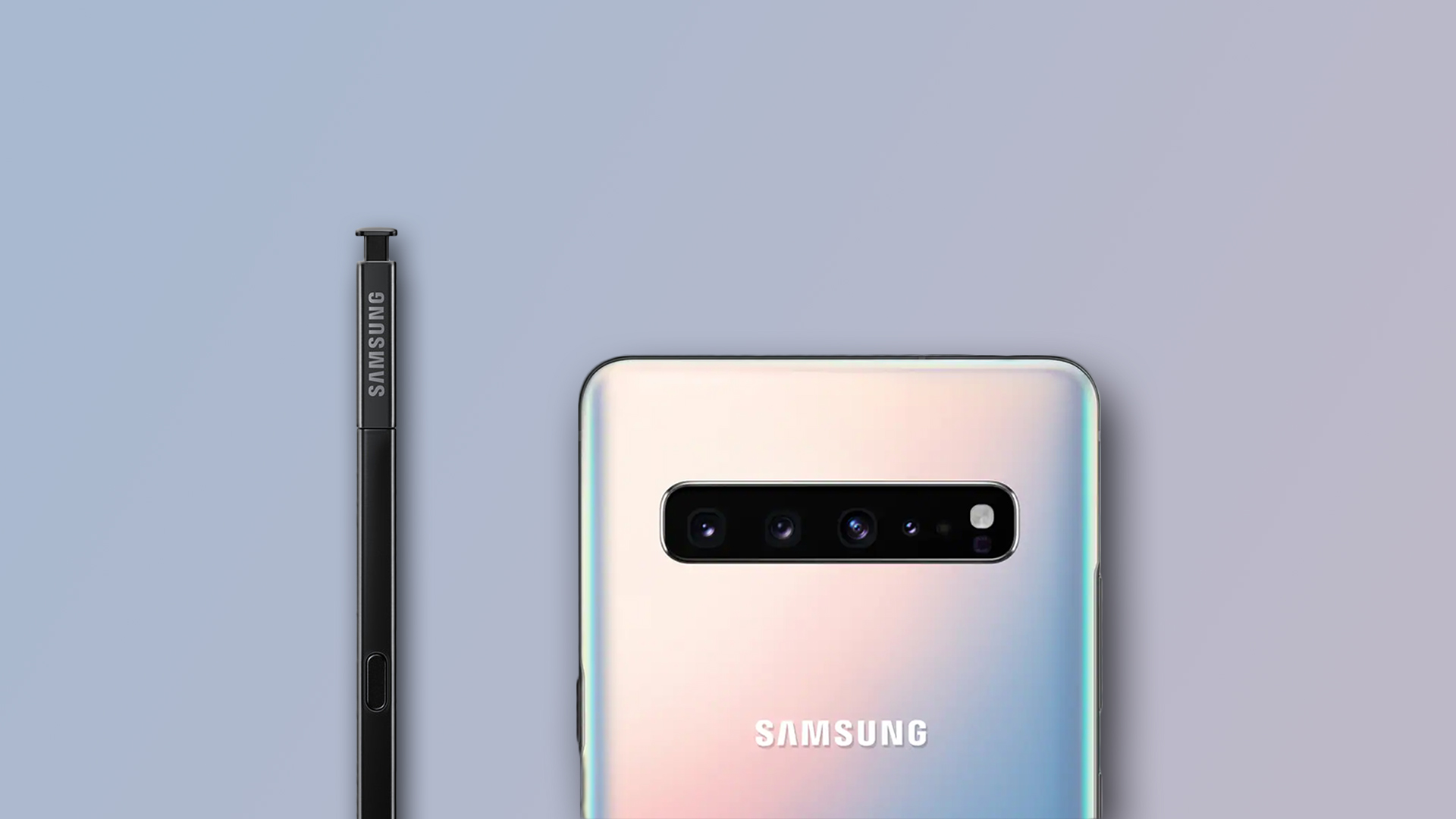
    The Galaxy Note 10 will arrive this summer packed full of flagship features and specs, and according to MySmartPrice, Samsung hopes to pair all of this with an extensive range of colors. The Galaxy Note 8 and Galaxy Note 9 both launched initially in a range of four colors which were subject to availability. But with this year’s Galaxy Note 10, Samsung is reportedly preparing a grand total of five finishes that’ll include both old and new colors.

    Borrowing from the Galaxy S10 that Samsung released earlier this year, the Galaxy Note 10 will reportedly be available in Prism Black, Prism White, and Flaming Pink upon launch. It’s unclear if other Galaxy S10 colors will be used at a later date, but the possibility certainly exists.

    Like the Galaxy Note 9 that precedes it, Samsung’s next flagship is also set to be sold in a Cloud Silver finish. Completing the lineup will apparently be an all-new red color. Curiously, Samsung was planning a red variant of the Galaxy S10 but ultimately scrapped it ahead of launch.

    As per usual, the availability of the Galaxy Note 10 colors mentioned above will vary by market and storage configuration. Moreover, it’s worth pointing out the fact that Samsung could still choose to cancel or delay certain finishes prior to the flagship’s announcement. Nevertheless, as things stand the Prism Black, Prism White, Flamingo Pink, and Cloud Silver versions are set to be sold internationally, while the red model will be available in just a handful of markets.

    Following in the footsteps of the Galaxy S10 series, the Galaxy Note 10 is expected to arrive powered by Qualcomm’s Snapdragon 855 in the US and the Exynos 9820 over in Europe and many other markets.

    Presumably, these high-end chipsets will arrive paired with 8GB of RAM and 128GB of storage as standard. However, if this configuration isn’t sufficient, other variants with up to 12GB of RAM and 1TB of storage are extremely likely. Accompanying all of this should be Android 9 Pie paired with Samsung’s One UI custom interface and a large 6.3-inch curved AMOLED display. Speaking of which, this is expected to retain the slim bezels and punch hole found on the Galaxy S10 line. Over on the rear of the Galaxy Note 10 is expected to set a minimum of three rear cameras rather than the two found on last year’s model. There is, however, a strong possibility Samsung will add a fourth camera to the setup.

    If this happens, consumers can expect to find a 12-megapixel variable aperture camera accompanied by a second 12-megapixel sensor paired with a 2x telephoto zoom lens. The flagship is also set to benefit from a 16-megapixel ultra-wide-angle camera that’ll give users the ability to capture more in their photos, and a dedicated Time-of-Flight sensor which should provide depth data for improved bokeh imagery and more accurate AR content.

    In addition to the regular Galaxy Note 10, which itself will also be accompanied by a 5G variant, Samsung is reportedly preparing a Galaxy Note 10 Pro and Note 10 Pro 5G. These two devices are set to look identical to the regular Galaxy Note 10 models, but will apparently feature massive 6.7-inch AMOLED displays and huge 4,500mAh batteries.

    Rumor has it the smartphones will also feature two front-facing cameras and potentially more storage and RAM as standard.


  • HTC experienced massive losses during the First Months

    HTC experienced massive losses during the First Months

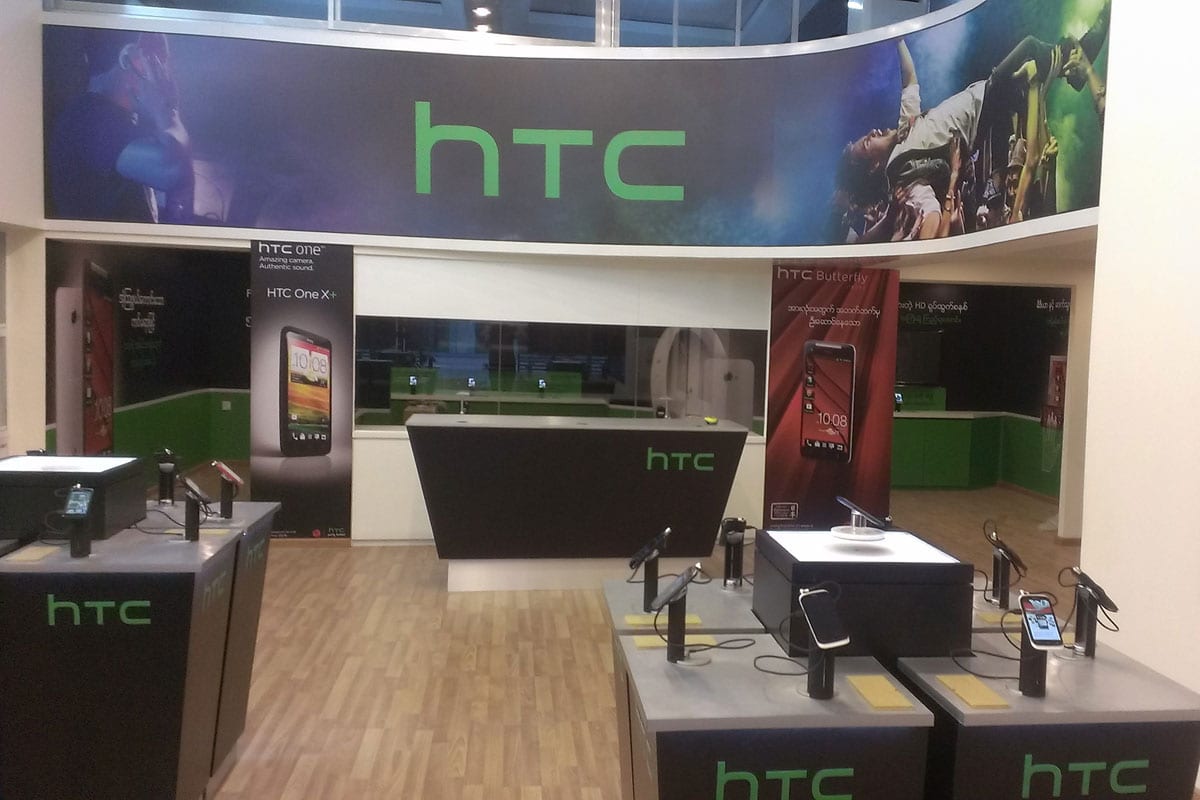
    HTC’s revenue numbers continued to drop massively between January and March 2019, and to no surprise today the company has confirmed that it experienced massive financial losses throughout the period.

    Despite seeing an improved gross margin of 14.7% during the quarter – a year earlier HTC’s gross margin was -3.1% – the Taiwan-based company still experienced a worse-than-expected loss of NT$ 2.73 billion ($87.68 million). The primary cause of this huge loss was HTC’s operating expenses, which essentially skyrocketed throughout the first three months of the year. In fact, within the space of 12 months, the company’s operating margin has gone from an awful -58.9% to an absolutely horrendous -92.9%, which means, at the moment, HTC is spending almost double what it earns.

    Overall, the company generated NT$ 2.94 billion ($94.45 million) in revenue throughout the quarter. The strong performance of HTC’s VR headsets appears to have been the primary source of income, although the company’s smartphone sales did also play an important role.

    Looking towards the second quarter of the year, HTC’s newly-announced Exodus 1s blockchain smartphone and the HTC 5G Hub are expected to positively affect the company’s finances. Both the Vive Pro Eye and Vive Focus Plus headsets are set to boost HTC’s sales too, all of which will lead up to the company’s 5G flagship during the second half of the year, as well as a couple of mid-range smartphones.

  • Android Q may have a life-saving feature exclusive to Pixel phones

    Android Q may have a life-saving feature exclusive to Pixel phones

    At Google I/O this year, the company behind Android revealed many new and exciting things coming to the next iteration of the world’s most popular mobile OS. These include native support for foldable devices, system-wide Dark Mode, Smart Replies and Suggestions, and a handful of other features.

    But aside from those, savvy developers have uncovered something else that’s coming with Android Q, and it wasn’t mentioned at this year’s I/O. The folks over at XDA have found lines of code in the Android Q Beta 3, referencing a possible automatic car crash detection feature. The beta has an app called Safety Hub, and strings of code within the app suggest that automatic car crash detection is coming to Android Q, and that it may also be a Pixel-exclusive feature.

    Google is no stranger to introducing Pixel-exclusive features, though they’ve been more on the “bonus” side of things, so to speak. Two prominent examples are the excellent Night Sight mode, baked into the Google camera app, and unlimited Google Photos storage for original quality photo backups, available only to Pixel phone owners. However, more essential features have always managed to make their way into Android skins by other OEMs, so the upcoming car crash detection may start as a Pixel-exclusive thing and become more widely available thereafter.

    It’s currently unclear how Android Q will detect car crashes, though it’s likely going to happen by gathering data from various sensors on the phone. For example, Google could use GPS data to determine whether you’re driving, use the accelerometer to detect when a violent stop occurs, and even rely on the microphone to pick up the sound of the crash. After an accident has been detected, the Safety Hub app could automatically alert emergency services and/or select contacts.

    We have our fingers crossed that future Android Q betas will reveal more about this potentially life-saving feature, and that it won’t be Pixel-exclusive forever.

  • Motorola One Vision leak reveals new color option

    Motorola One Vision leak reveals new color option

    We’ve known for a while that Motorola is gearing to release another Android One phone under the name Motorola One Vision. Today, another leak gives us a glimpse at a new color option, which the One Vision will be available in at launch.

    As per earlier leaks, the Motorola One Vision will sport a sizable 6.2-inch display with a 21:9 aspect ratio and a small punch-hole selfie camera in the upper left corner. Around the back, the renders reveal, a dual-camera setup with a 48-megapixel sensor will be taking care of video and stills. There’s no word yet on what function the second camera will serve, though it could very well be used for depth sensing.

    Under the hood, the One Vision is set to be Motorola’s first smartphone that employs a Samsung processor. Specifically, the Exynos 9610, which was recently used in the Galaxy A50, and is about on par with the Snapdragon 660, performance-wise. The Samsung CPU is said to be accompanied by 3 or 4 GB of RAM and a 3,500 mAh battery.

    The newly-leaked renders also reveal a blue color option for the Motorola One Vision, in addition to the brown shade, which was shown in earlier leaks. The phone is slated to make its official debut at an event held in São Paulo, Brazil on May 15th.

  • HTC’s First Smartphone this Year Soon to Arrive

    HTC’s First Smartphone this Year Soon to Arrive

    Back in 2014, when the brand was riding high due to the success of the One (M8), HTC released a total of 30 smartphones. As its struggles began to sink in, this figure dropped and by 2016 HTC was launching just 16 devices per year. Throughout 2018, the company scaled back its business even further with just 7 releases and this year it’s nowhere to be seen, but that could soon change.

    A mysterious HTC smartphone was recently benchmarked under the name ‘HTC 2Q741.’ It’s unclear at this point what kind of features the device will offer, but the Geekbench listing does reveal the presence of MediaTek’s Helio P35 on the inside.

    Combined with 6GB of RAM, this chip scored 897 points on the single-core test and a respectable 4385 points on the multi-core assessment. These results put HTC’s offering on par with rival Snapdragon 630-powered devices such as the Xperia 10 or Nokia 6.1 but behind Snapdragon 632-powered models like the Moto G7 and Moto G7 Power.

    HTC is yet to confirm when this unnamed model will be released, but the Taiwan-based brand is reportedly developing two other models at the moment too. These include a 5G flagship for the second half of the year and an upper-midrange device powered by Qualcomm’s Snapdragon 710.