Tag: asia

  • Chatime Malaysia outlets to rebrand

    Chatime Malaysia outlets to rebrand

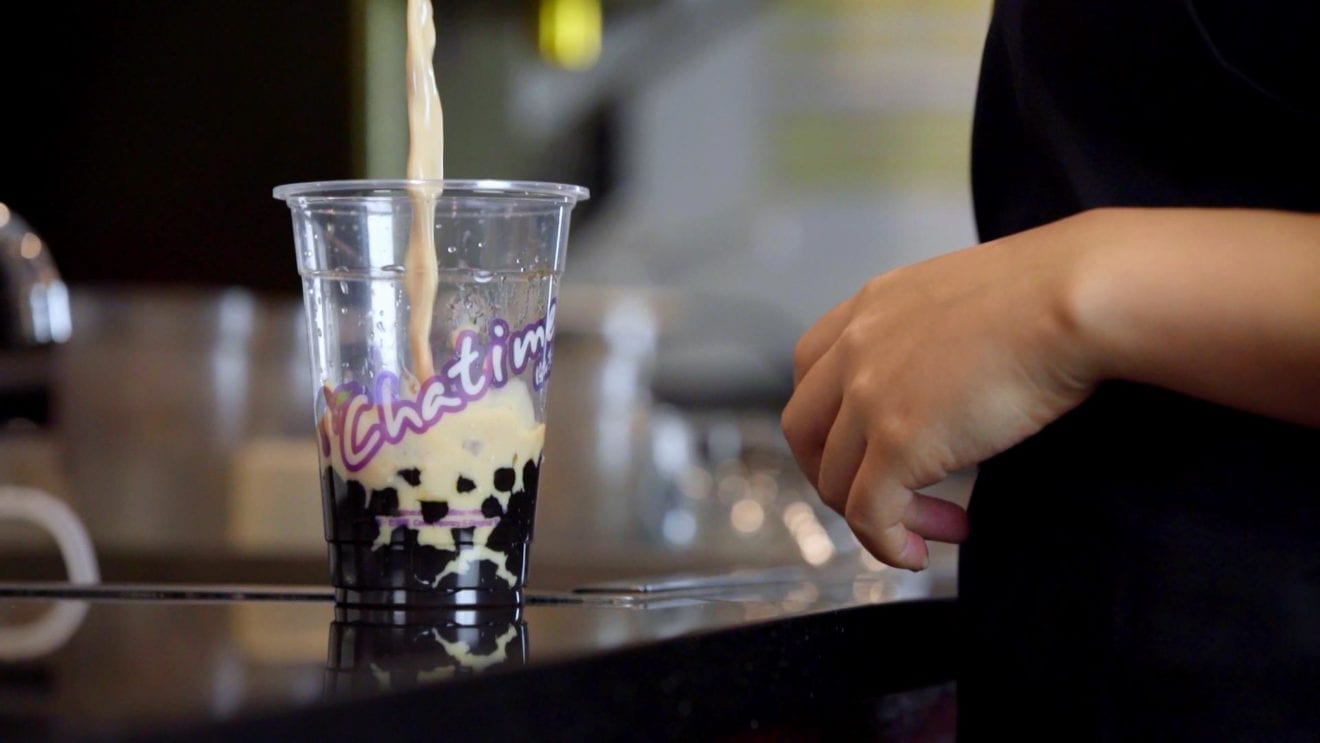
    Chatime Malaysia bubble-tea outlets will be rebranded following a dispute between franchisor La Kaffa International of Taiwan and Malaysia’s Loob Holdings.

    The move follows a termination of the franchise contract because of irreconcilable differences. Loob Holdings, which runs 165 Chatime outlets in Malaysia, contributes more than half of the turnover for the franchise company’s 800 outlets internationally.

    “We will surely come up with something better,” says CEO Bryan Loo, noting his company has nine other brands. He says it built the Taiwanese brand from scratch in Malaysia — “from zero to hero, and from no outlet to the current 165”.

    Loo says disagreements and disputes over business and operational matters had all been dealt with in accordance with the terms of the franchise agreement.

    “In 2011, there were a few dozen bubble-tea brands, and now there are only three. We are by far the market leader in our segment, and we are confident of holding this leadership with our own brand, which will be revealed when the time comes.”

    The dispute came to light when La Kaffa announced on January 6 that it had terminated the franchise and would immediately take over all the 165 Chatime outlets in Malaysia. However, Loo has clarified that Loob Holding and its sub-franchisees are still running all 165 outlets. According to the franchise agreement, the outlets will stop using the Chatime branding after 45 days.

  • Cellcard aims for nationwide LTE by April

    Cellcard aims for nationwide LTE by April

    Cambodia’s Cellcard reportedly plans to roll out nationwide LTE services by April, becoming first past the post in the race to deploy 4G services covering the whole country.

    The operator recently contracted Nokia to expand and modernize its 3G and LTE networks, including by deploying around 1,500 new cell sites.

    Now Cellcard aims to achieve nationwide coverage by April. The operator has reportedly invested around $150 million in the 4G expansion project.

    Cellcard’s main rivals Smart and Metfone are also investing heavily to expand their 3G and 4G presence. According to the report, Smart has to date rolled out 4G coverage to areas in all 25 provinces of the country and has upgraded around 65% of its roughly 2,100 base stations to 4G.

    The company now plans to invest around $80 million towards upgrading around 80% of its base stations to 4G by the end of the year.

    Metfone meanwhile aims to cover nearly the whole country with 3G and 4G coverage, with a goal of having 3,000 base stations supporting both technologies, but has not disclosed a timeline for meeting this target.

    According to data from the Telecommunication Regulator of Cambodia, mobile internet subscriptions reached nearly 7.5 million in November, compared to a total mobile subscription base of around 19.5 million.

  • Hong Kong food trucks finally hit the streets

    Hong Kong food trucks finally hit the streets

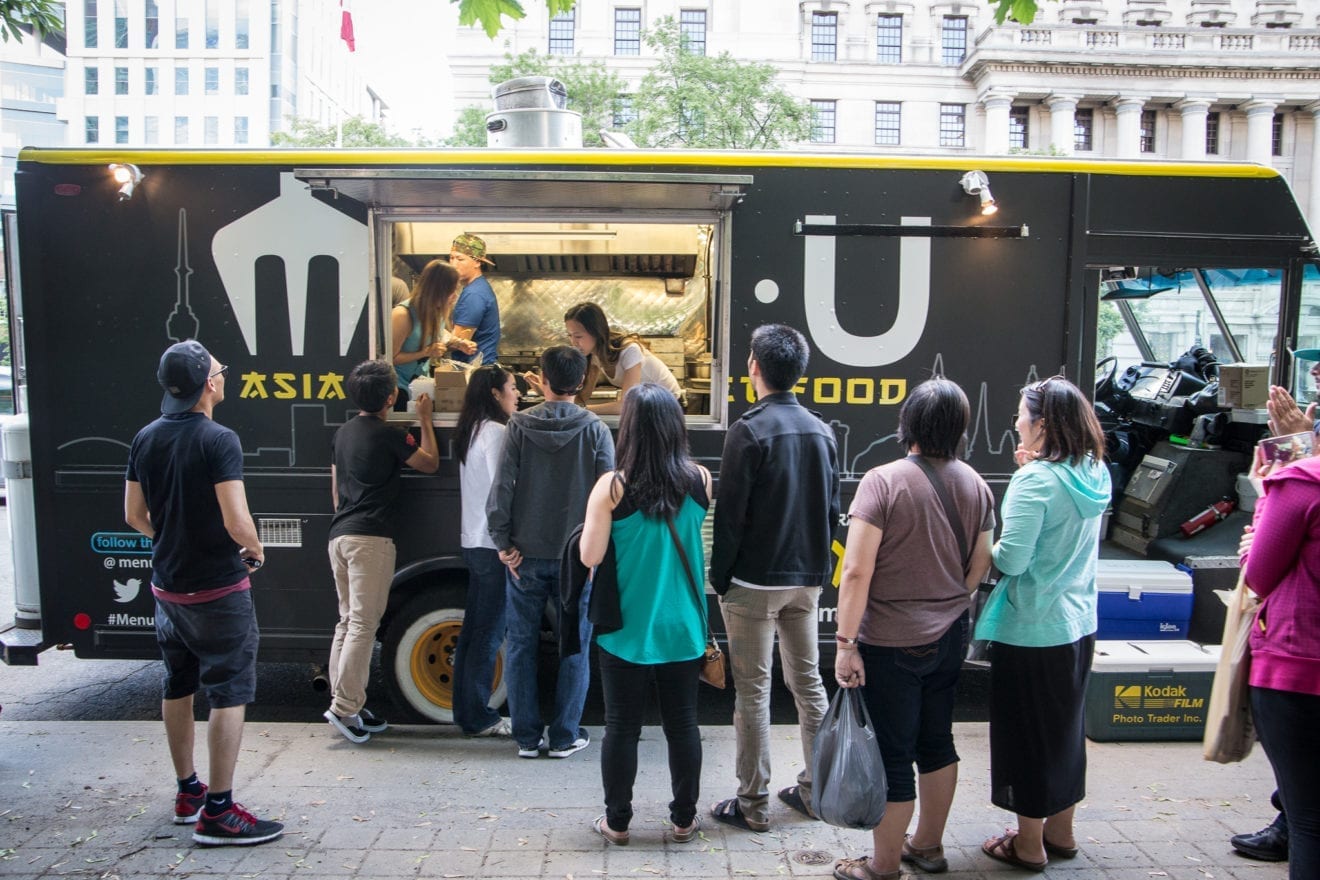
    The first Hong Kong food trucks have hit the streets – 16 in all will be operational tomorrow.

    Stationed at eight locations, they will offer a range of dishes as diverse as dumplings, dragonfruit smoothies and American-style steamed bread.

    It is the launch of a two-year pilot scheme to diversify the city’s tourism offerings, announced two years ago by former financial secretary John Tsang Chun-wah.

    Among the 16 chosen pioneers is Stanford graduate Angela Huang, an heiress of catering group Chee Kei, a restaurant chain known for its wonton noodles. The 25-year-old left her dream job in the US to return to Hong Kong to run the 5.5-tonne food truck Princess Kitchen.

    Seeing the project as “a good learning opportunity”, she says she feels that the word “princess” has a negative connotation in Hong Kong. “I want to use Princess Kitchen to send a message about what I feel about princess. It is not meant to be a girly and traditional type of princess. People should be able to define their own kind of beauty, happiness and health.”

    Huang learned about the pilot scheme while working as a consultant in San Francisco. “I want to come back for something I am excited about. This is something I really want to do.”

    To learn about running a mobile food business, the heiress started by taking orders in a food truck in San Francisco, and visited different ones in Los Angeles.

    Her food truck, which she painted herself including cartoon portraits of her friends and family, will offer dragonfruit smoothie bowls, which she would make at home and which are rarely available in the city.
    Huang, who says she feels lucky to be part of the pilot scheme, has hired two full-time staff members to help run the venture.

    Incentives

    The government offered incentives to start-ups and micro-enterprises to kickstart the scheme.. In the end, seven of the 16 winners were smaller firms.

    Part-time hawker and small restaurant owner Liu Chun-ho says he has so far spent HK$1 million (US$128,875) on his truck, Mama’s Dumpling. He had to obtain a bank loan and raise money from relatives.

    “I was planning to spend from $600,000 to $700,000 originally, but when I started preparing it realised the actual costs are much higher.”

    Almost $180,000 was spent to fit out the truck in accordance with the government’s safety and hygiene requirements. “It’s stressful to bear a cost that big,” he says. “It scares me when I think about it.”

    Liu has been selling dumplings for almost seven years during traditional celebrations. Four generations of the Liu family have been dedicated to making dumplings, and even his nine-year-old daughter has mastered the skill. Liu says the food truck will be run entirely by relatives.

    His signature dumplings will have wrappers in five colours. He plans to sell a box of six dumplings for $40. Pig knuckles, fried dumplings and soybean milk will also be on offer.

    Not all locals

    Not all the food trucks are local enterprises, such as Los Angeles-based Book Brothers Food Truck.
    “Hong Kong is a much better place to promote the brand compared with mainland cities,” says Raymond Wong, who was assigned by the US firm to manage its first food truck outside the US. The firm, which has seven food trucks and one restaurant in the US, won over the judges last year with its American-style barbecue steamed bun, which integrates Chinese and Western elements.

    Wong says a food truck is a cheaper way to establish brand reputation, given the city’s high running costs. The company has invested about $1 million on the project so far, Wong says, while opening a small cafe could easily cost up to $3 million.

    It needs to pay only about $20,000 a month for the site at Hong Kong Disneyland – the most expensive location – while monthly rents for a restaurant in a prime location could climb to hundreds of thousands of dollars.

    However, the American firm has found Hong Kong’s requirements more stringent, such as using new vehicles plus installing back-up batteries. Wong also says it is not easy to make a profit with only one truck.
    Some arranged locations, such as Energizing Kowloon East harbourfront, have few pedestrians during weekdays, says Wong, which makes things even harder.

  • Does your fish burger contain mercury-tainted shark meat?

    Does your fish burger contain mercury-tainted shark meat?

    A study of shark meat in Indonesia – the world’s largest shark fishery – has found dangerously high levels of mercury build-up in catches bound for overseas fish markets.

    Research conducted at the Seafood Inspection Laboratory in Bali found that mercury concentrations in processed, export-ready shark tissue exceeded twice the commonly accepted safe consumption limit.

    This is the first time that mercury levels have been tested in Indonesia-caught sharks bound for markets overseas, where importers and consumers are unaware that the fish that goes into fish burgers and fish and chips meals is shark.

    Bull shark meat tested on 26 January 2017 was found to contain 2.431 parts per million (PPM) of mercury. The consumption limit for predatory fish species in key Indonesian export markets such as Australia, Singapore and New Zealand, and also Indonesia, is 1.0 PPM.

    Bronze whaler meat – commonly sold as “flake” in Australia and cooked in batter for fish and chips dish- tested a week earlier was found to have a mercury concentration of 1.829 PPM.

    Bull shark meat sourced from the same location just a year ago was found to contain a significantly lower concentration – 1.368 PPM.

    Green School of Bali taking shark samples at Jimbaran fish market, Bali, Indonesia. Image: Bali Shark Rescue Center

    “Consumers are being deceived and are unaware of the type of fish being sold and ultimately ingested,” commented Paul Friese, founder of Bali Shark Rescue Center, whose non-government organisation partnered with sustainability college Green School of Bali to conduct the study.

    In Indonesia, most sharks are harvested for their valuable fins and liver first, and those parts sold to specialist buyers. The animal is then skinned, beheaded and the meat is filleted and moved back into the fish market unmarked.

    Shark fin can fetch up to IDR 2,500,000 (US$200) for a set, but locally sold shark meat sells for as little as IDR 25,000 (US$2) per kilo, and is used in street foods such as sate, fish cakes and meat balls. Overseas, shark meat is typically breaded and deep fried as fish burgers or used in the classic fish and chips dish.

    The sale of shark meat is also masked by transshipping, the process of transferring fish caught at sea from ship to ship, which makes the source harder to trace.

    Shark is particularly risky to eat because mercury bioaccumulates – the concentration of the heavy metal increases as it passes along the food chain, from plankton to shellfish, to small fish and onto larger predatory species.

    Mercury has entered marine ecosystems as a result of discharge from coal-fired power stations, residential heating systems, waste incinerators and mining, and also from volcanic activity.

    The main health risk from mercury consumption is damage to the nervous system. Unborn babies are particularly at risk from mercury pollution and, if exposed, may suffer impaired cognitive thinking, memory, attention, language, and fine motor and visual spatial skills in childhood.

    Meanwhile, shark populations in Indonesia have been under increasing pressure, as more than three million sharks are killed every year for their fins alone. Sharks are a tempting target for fishermen, particularly in remote island areas where the fins of the predators can bring lucrative returns.

  • Email Users in Indonesia Check Inboxes Hoping for a Retail Promo

    Email Users in Indonesia Check Inboxes Hoping for a Retail Promo

    Email has long served as a reliable beast of burden for marketers —a bankable but unexciting way for brands to tap into a dedicated audience that has opted-in to communication. The same holds true in Indonesia, but on steroids.

    A survey of email users in the country conducted by research firm JakPat in January 2017 found that a significant portion were interested in receiving marketing communications. Interestingly, 30.6% of respondents named receiving shopping promotions as one of the main reasons they used email.

    Marketers looking to craft messages for email users in Indonesia should be aware that the vast majority of respondents, more than 80%, primarily used mobile phones to check their email, according to the survey. That means that to effectively reach consumers in Indonesia, mobile-optimized email design is a must.

    Mobile phone email users also overwhelmingly relied on a dedicated email app over a web browser. Fully 86% of respondents used an app, compared with just 14% who checked email on a browser.

    A March 2016 survey of mobile device owners in Indonesia from Experian Marketing Services underscores how effective email ads can be. It found that 57% of respondents had been influenced to make a purchase by an email ad—more than had been swayed by either website banner ads or search ads.

  • Foreign funds pour money into Vietnamese startups

    Foreign funds pour money into Vietnamese startups

    John Wu has been the ‘technology pillar’ of Alibaba for almost 10 years. The former technology director and a leading group of investors have poured nearly $3 million into Vntrip.vn – a Vietnamese startup operating in online hotel reservations.

    Le Dac Lam, the founder and CEO of the startup, has confirmed the news.

    “The investment came after the first round of capital call from foreign investment funds, and John Wu has agreed to stand side by side with us,” Lam said.

    Established in late 2014, Vntrip.vn has established an online hotel network throughout Vietnam with cooperation of Booking.com, the world’s hotel reservation network belonging to the US Priceline Group with capitalization value of $65 billion.

    Wu’s F&H fund says the business is valued at VND300 billion.

    Vietnamese restaurant chain calls for $6.9 million

    Wrap & Roll has successfully called for $6.9 million from Mekong Enterprise Fund III (MEF III) managed by Mekong Capital.

    MEF III which was launched last June, with total investment capital of $112 million, is a private fund focusing on retailers, restaurants, consumer goods and consumer services in Vietnam.

    Wrap & Roll was the first investment deal made by MEF III.

    Established in 2006, Wrap & Roll has 10 restaurants in Hanoi, HCM City and four franchise shops in Singapore.

    3 more startups receive $75,000 

    1337 Ventures, a Malaysian fund, has announced investment in three Vietnamese startups, following Alpha Startups, a startup incubation program launched recently in HCM City.

    Each of the three businesses would receive $25,000 in capital and services and have the right to join the 3-month startup acceleration program to be run by 1337 Ventures.

    The three businesses include Saloneses, an app that books beauty services on smartphones, Perkfec, which allows business owners to keep watch over staff performance to reward them reasonably, and Navi which books venues and accommodations within hours.

    Bitexco acquires Huong Giang Tourism

    Huong Giang’s H1 Report shows that Bitexco, a major real estate developer, now holds 70.48 percent of the tourism company.

    On March 30, 2016, the Thua Thien-Hue provincial People’s Committee released a document on divestment of all the state’s stakes (12,572,200 shares) in Huong Giang. Bitexco has become the new shareholder in the tourism company.

    Tuong An Vegetable Oil

    Nguyen Manh Cuong, an individual shareholder, has announced the completion of the sale of 1.9 million TAC shares of Tuong An Vegetable Oil Company, equal to 10.4 percent of charter capital.

  • Indonesia`s Rice Production Experiences Surplus after 9 Years

    Indonesia`s Rice Production Experiences Surplus after 9 Years

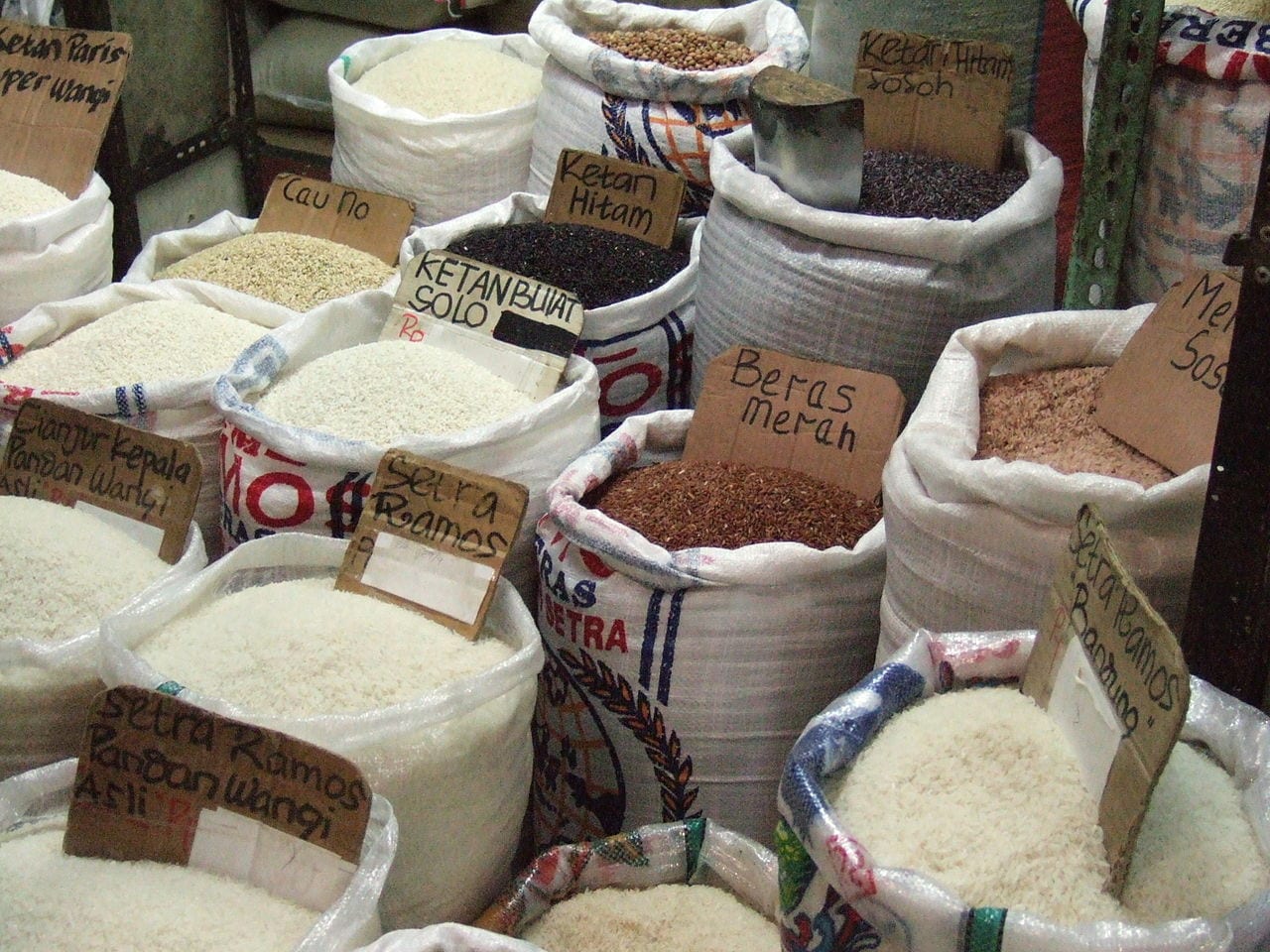
    Agriculture Minister, Andi Amran Sulaiman, claims that Indonesia has experienced a rice production surplus in 2016 after nine years past. “After nine years, 2016 was the moment when Central Java, East Java, and West Java, sent rice supplies to Kalimantan,” he said on Thursday, February 2, 2017.

    Minister Amran explained that rice supply warehouses in Central Java and West Java are currently in full-stock. “Warehouses in Central Java and West Java are full. The supplies keep increasing while the warehouses are full, last year it was empty. This is great progress,” he said.

    Other than rice supplies, according to Amran, garlic prices have also declined due to over stock. Therefore, the government plans to export garlic. “We’ll prepare the export earlier.”

    Based on the report from farmer’s association dubbed Kelompok Kontak Tani Nelayan Andalan, prices of rice in seven districts are below Rp3,700 per kilogram. “We had a coordination meeting until late at night, we’ll move quicker for the farmers. We won’t let them experience a loss,” the Minister said.

    In May, the Agriculture Ministry will hold a National Week (Penas) for Farmers and Fishermen in Aceh for six days; on May 6-11, 2017. President Joko “Jokowi” Widodo will inaugurate the event and it will be participated by 35,000 participants consisting of farmers, researchers, instructors representatives, and other stakeholders.

    A number of events will enliven the National Week which opens the opportunity to develop partnerships and open an agricultural product trade among ASEAN farmers.

  • Players continue to come and go in Vietnam’s ecommerce

    Players continue to come and go in Vietnam’s ecommerce

    In Vietnam today there are three popular e-commerce models: C2C (which connects customers to customers), B2C (business to customer) and Marketplace (which provides a platform to process transactions).

    In the pure C2C model, similar to classified advertisements which connects the buyers and the sellers only in terms of information, chotot.vn remains the most prominent.

    However, to Vietnam’s e-commerce, buyer’s trust and delivery have been the issues, and supplying information seems not enough. Many companies provide a platform with third-party services such as shipping or payment.

    Among this group, Sendo.vn, owned by tech giant FPT Group, is a prime example. Recently Zalo of VNG Corporation, a technology company, also ventured into this market. But the name that has received the most attention recently was Shopee, a company started by Singaporean tech company Garena.

    After nearly two years in Vietnam, this company has been downloaded two million times on mobile and processed 10,000 orders per day. Customer base and volume of orders have been growing 20 per cent per month.

    In the B2C group, after the departures of Lingo.vn, and Deca.vn earlier, and while Adayroi.vn of property giant VinGroup has not made any breakthrough and Lotte.vn remained an unknown, Tiki.vn has continued to be the leader.

    Founded in 2010 as an online bookstore, Tiki.vn has expanded into other fields such as cosmetics and electronics.

    According to Tran Ngoc Thai Son, chief executive officer of Tiki.vn, book sales accounted for 70 per cent of the company’s revenue in 2014, but that ratio is only 30 per cent today with the rest of revenue coming from other fields. Now, Tiki receives 15,000 to 20,000 orders per day.

    Even though Cdiscount.vn, the online shop of Big C supermarket which was acquired by Thailand’s retail giant Central Group, was closed and merged with Zalora, the e-commerce space remains attractive to other retail companies.

    Not long after Korea’s Lotte Group entered Vietnam’s e-commerce with the Lotte.vn website, Japan’s biggest retailer Aeon also arrived with aeoneshop.com at the beginning of the year.

    Finally, in the Marketplace group, Lazada.vn has seen no match with its 30 per cent market share (by revenue) in Vietnam’s online retail market.

    Fierce competition

    The race will intensify in the coming months, because up to now no company has made a profit in e-commerce in Vietnam, so they will compete fiercely for larger market share. The prizes await the final winners of this race.

    Alexandre Dardy, chief executive officer of Lazada Vietnam, said Lazada will focus on attracting more brands to do business on its website in 2017. Its goal is to attract 10,000 companies, triple the current number.

    As for Tiki.vn, the focus will be on sustainable growth. In 2017, Tiki.vn will continue to invest heavily in fulfillment, a service in which sellers just need to send their products to Tiki’s warehouses and let Tiki handle marketing and sales. Currently the company has two warehouses in Ho Chi Minh City and one in Hanoi, with total area of 10,000 square meters.

    Meanwhile, although arriving late, traditional retail companies are always considered strong contenders. While Lotte.vn focuses on cosmetics and fashion that are the strength of Korean brands, aeoneshop.com targets electronics and baby products carrying Japanese brands. Currently aeoneshop.com owns a chain of large modern retail stores from shopping centers to convenience stores.

    In addition directly owning four shopping centers in Ho Chi Minh City and Hanoi, Aeon bought 30 per cent stake in Fivimart and 49 per cent share of Citimart in 2015, and now indirectly owns 18 Fivimart stores in Hanoi and 66 mini-shops in Ho Chi Minh City.

    In essence, the race between purely e-commerce companies and traditional retail companies in Vietnam has not seen the clear winners, and purely e-commerce firms currently have an edge. However, with the determination of retail companies to expand online, the competition will be exciting to watch in 2017.

  • Garuda Indonesia Announces Change in Citilink Director Board

    Garuda Indonesia Announces Change in Citilink Director Board

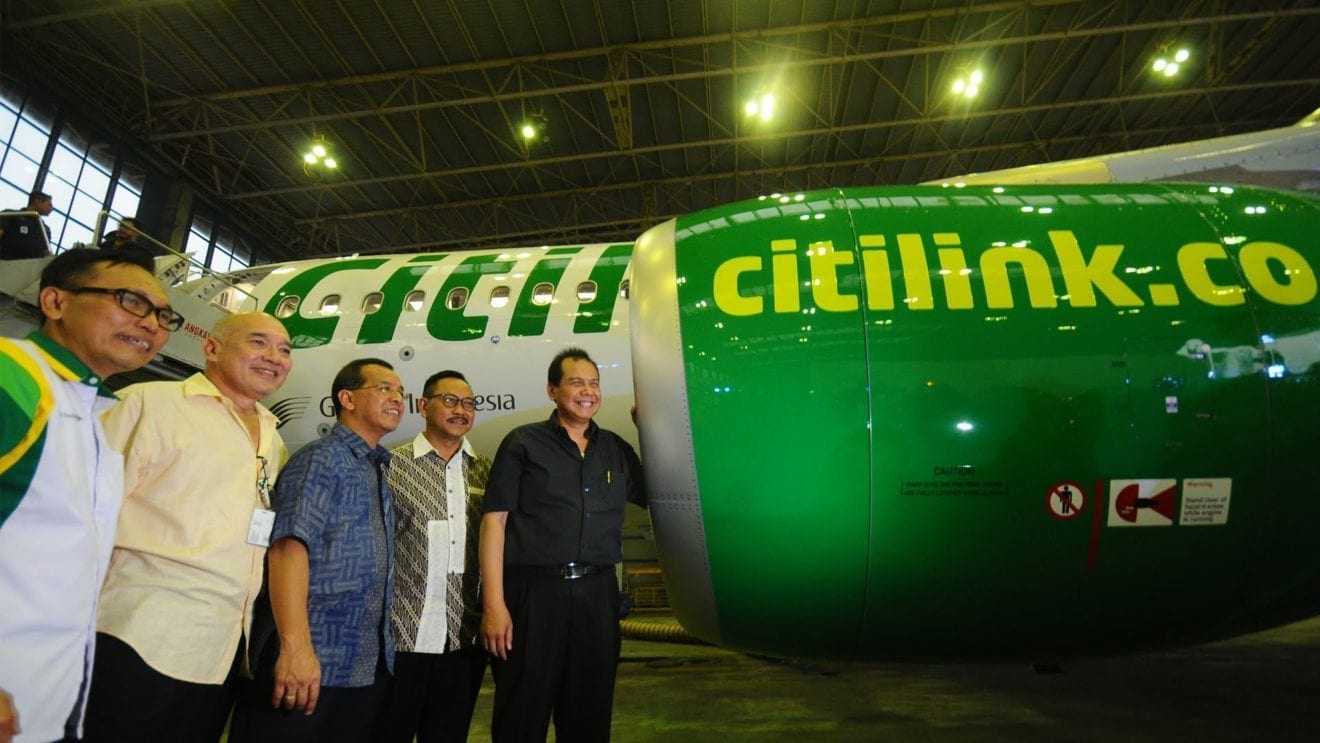
    PT Garuda Indonesia Tbk (GIAA) changes the composition of board of directors of its subsidiary, PT Citilink Indonesia.

    The change in the composition of board of directors was made after Chief Executive Officer (CEO) of Citilink Albert Burhan submitted resignation at the end of December 2016.

    Albert resigned following the case of Citilink airline’s pilots who allegedly drunk when he was about to fly Surabaya-Jakarta plane on Wednesday (12/28/2016).

    In a public expose before the Indonesia Stock Exchange (IDX), Thursday (2/2/2017), the company reported that resignation of Citilink’s CEO or President Director Albert Burhan and Operation Director Hadinoto Soedigno was approved by the company.

    The Annual General Meeting of Shareholders (AGM) of PT Citilink Indonesia approved the change in the composition of Citilink’s board of directors by January 30, 2017.

    Additionally, PT Citilink Indonesia’s current Director is Mega Satria.

    “General Meeting of Shareholders of Citilink Indonesia has approved the change in Citilink’s Board of Directors, which is effective as of January 30, 2017,” the public expose said.

  • RoRo To Connect Indonesia-Philippines As Part of ASEAN Connectivity

    RoRo To Connect Indonesia-Philippines As Part of ASEAN Connectivity

    New economic and trade opportunities are in sight with the opening of the Davao-General Santos-Bitung (D-G-B) Shipping Service, which is one of the target priorities for the Philippines Chairmanship of the ASEAN in 2017.

    Philippine Ambassador to Indonesia Maria Lumen B. Isleta and members of the Philippines and Indonesia Inter-Agency Task Force for the Operationalization of the D-G-B Roll-on/Roll-off (RoRo) Route gathered in Jakarta on Jan 17, 2017, to discuss preparations for the maiden voyage of the RoRo, which will connect Davao and General Santos City to Bitung in North Sulawesi, Indonesia, the Philippine embassy said in a statement here on Thursday.

    The D-G-B RoRo Route under the ASEAN RoRo Initiative aims to enhance maritime connectivity in ASEAN and maximize the use of regional sea lanes.

    The opening of the route is a more cost and time-efficient alternative to the usual Manila-Jakarta-Bitung route, which would take about three to five weeks of shipping time.

    In contrast, direct shipping through the D-G-B route will take only one day and a half of sailing (excluding port stay).

    The route is also expected to spur trade between Mindanao and the Sulawesi provinces in Indonesia. It is also expected to provide greater access for local businessmen to engage in international trade, as well as stimulate other areas of development such as joint tourism promotion, establishment of direct linkages, and increase in investment inflows, among others.

    On Jan 18, Isleta and leaders of the RoRo project task force paid a visit to Manado and met with North Sulawesi Governor Olly Dondokambey to discuss the maiden voyage of the RoRo.

    Meanwhile, The Philippine News Agency (PNA) reported that Philippines President Rodrigo R. Duterte and Indonesian President Joko Widodo will launch the ASEAN RoRo Project on April 28, 2017.

    New economic and trade opportunities are in sight with the opening of the Davao-General Santos-Bitung (D-G-B) Shipping Service, which is one of the target priorities for the Philippines Chairmanship of the ASEAN in 2017.

    Philippine Ambassador to Indonesia Maria Lumen B. Isleta and members of the Philippines and Indonesia Inter-Agency Task Force for the Operationalization of the D-G-B Roll-on/Roll-off (RoRo) Route gathered in Jakarta on Jan 17, 2017, to discuss preparations for the maiden voyage of the RoRo, which will connect Davao and General Santos City to Bitung in North Sulawesi, Indonesia, the Philippine embassy said in a statement here on Thursday.

    The D-G-B RoRo Route under the ASEAN RoRo Initiative aims to enhance maritime connectivity in ASEAN and maximize the use of regional sea lanes.

    The opening of the route is a more cost and time-efficient alternative to the usual Manila-Jakarta-Bitung route, which would take about three to five weeks of shipping time.

    In contrast, direct shipping through the D-G-B route will take only one day and a half of sailing (excluding port stay).

    The route is also expected to spur trade between Mindanao and the Sulawesi provinces in Indonesia. It is also expected to provide greater access for local businessmen to engage in international trade, as well as stimulate other areas of development such as joint tourism promotion, establishment of direct linkages, and increase in investment inflows, among others.

    On Jan 18, Isleta and leaders of the RoRo project task force paid a visit to Manado and met with North Sulawesi Governor Olly Dondokambey to discuss the maiden voyage of the RoRo.

    Meanwhile, The Philippine News Agency (PNA) reported that Philippines President Rodrigo R. Duterte and Indonesian President Joko Widodo will launch the ASEAN RoRo Project on April 28, 2017.

  • Nokia beats estimates with Q4 earnings

    Nokia beats estimates with Q4 earnings

    Nokia has reported a narrower-than-expected 64.6% year-on-year decline in fourth quarter net profit to $682 million, as the company’s efforts to expand its portfolio to compensate for a shrinking mobile equipment market bore fruit.

    The company’s ebitda declined 27% over the same period to $1.01 billion, but analysts had been projecting a decline to $850 billion.

    Net sales fell 14% year-on-year to €6.7 billion ($7.21 billion), in a result Nokia said reflects challenging market conditions during the quarter.

    But Nokia CEO Rajeev Suri said the company’s diversification strategy helped compensate for these conditions somewhat.

    “At the start of the year, Nokia was focused primarily on mobile networks,” he said.

    “We ended the year as a company with a complete portfolio spanning mobile, fixed, routing, optical, stand-alone software and more; with solid opportunities to drive higher returns through expansion into new customer segments; with emerging businesses in digital health and digital media; and with greatly expanded patent and brand licensing activities.”

    For the full year, net sales fell 10% to $23.94 billion, while operating profit fell 25% to  $2.17 billion.

    “Our ongoing intense focus on execution, cost management and pricing discipline was critical to offset the impact of challenging market conditions over the course of the year,” Suri said.

    “While I remain disappointed with our topline development in 2016, we continue to expect our performance to improve in 2017 and see the potential for margin expansion in 2017 and beyond, as market conditions improve and our sales transformation programs gain further traction.”

  • Grab rides up Indonesia with $700M investment

    Grab rides up Indonesia with $700M investment

    Grab has announced plans to invest US$700 million in Indonesia over the next four years, as part of efforts to increase its footprint in a market where it has seen growth.

    The Southeast Asian ride-sharing operator said Thursday the new investment would support the Indonesian government’s ambition of becoming the region’s largest digital economy by 2020. It would include plans to set up a research and development (R&D) facility in the capital city of Jakarta, focused on developing technology innovations for the local market.

     Latest news on Asia

    A US$100 million funding initiative also would be introduced to support startups and entrepreneurs keen on driving “financial inclusion” in smaller communities.

    Grab added that its investment followed “a strong year of growth” in the country, with its GrabCar and GrabBike businesses each clocking more than 600 percent growth in 2016. Its range of ride-sharing services were available in several Indonesian cities, including Bali, Bandung, Medan, and Surabaya.

    According to Grab, one in three of its customers in the country used more than one of its services. It said its drivers earned 40 to 70 percent more per hour than the average transport or delivery driver in Indonesia, where it helped generate more than US$260 million in income for its driver partners.

    Indonesia’s Minister of Communication and IT Rudiantara said: “We want all Indonesians to benefit from IT to improve their lives, develop new skills, and build the next wave of global leaders in technology. Grab’s investment to train and hire more ICT professionals and mentor young entrepreneurs will accelerate the growth of Indonesia’s digital economy. This kind of app has to be positioned as a tool to spur and empower people and the economy.”

    Coordinating Minister for Maritime Affairs Luhut Binsar Pandjaitan added that Indonesia’s growth would require the continued development of its infrastructure, including its public transport network. Stressing the role of technology, he said services that tapped data analytics would better enhance the efficiency and reliability of the national transportation infrastructure.

    According to Grab, the R&D facility in Jakarta would hire 150 engineers over the next two years and focus on developing localised services, including algorithms to support new road regulations as well as a bike-pooling service for nearly 1.4 million commuters in the city. Engineers also would be offered training in Grab’s other R&D centres in Singapore, Beijing, and Seattle.

    By pumping up to US$100 million into the investment fund, Grab said it hoped to nurture Indonesian startups and technopreneurs focused on mobile and financial services, with the aim to better serve smaller cities and communities that had yet to experience the digital economy.

    The ride-sharing operator also would be looking to launch mobile services to bolster access to mobile payments across Indonesia, expanding its own mobile payment services through GrabPay Credits.

    This would further build on its announcement last July to extend its partnership with Indonesian consumer services company, Lippo Group, and enable the payment of retail goods and services its mobile app. With more than 50 million customers between the two companies, the new e-payment platform would allow these consumers to tap their mobile phones or the Grab mobile app to pay for goods and services under Lippo’s retail network, which included department stores, hypermarts, cinemas, coffee shops, and e-commerce portals. Nobu Bank also was participating in this initiative.

    Grab currently operated a network of more than 630,000 drivers across the Southeast Asian region.

  • BNI plans to set up subsidiary in Malaysia

    BNI plans to set up subsidiary in Malaysia

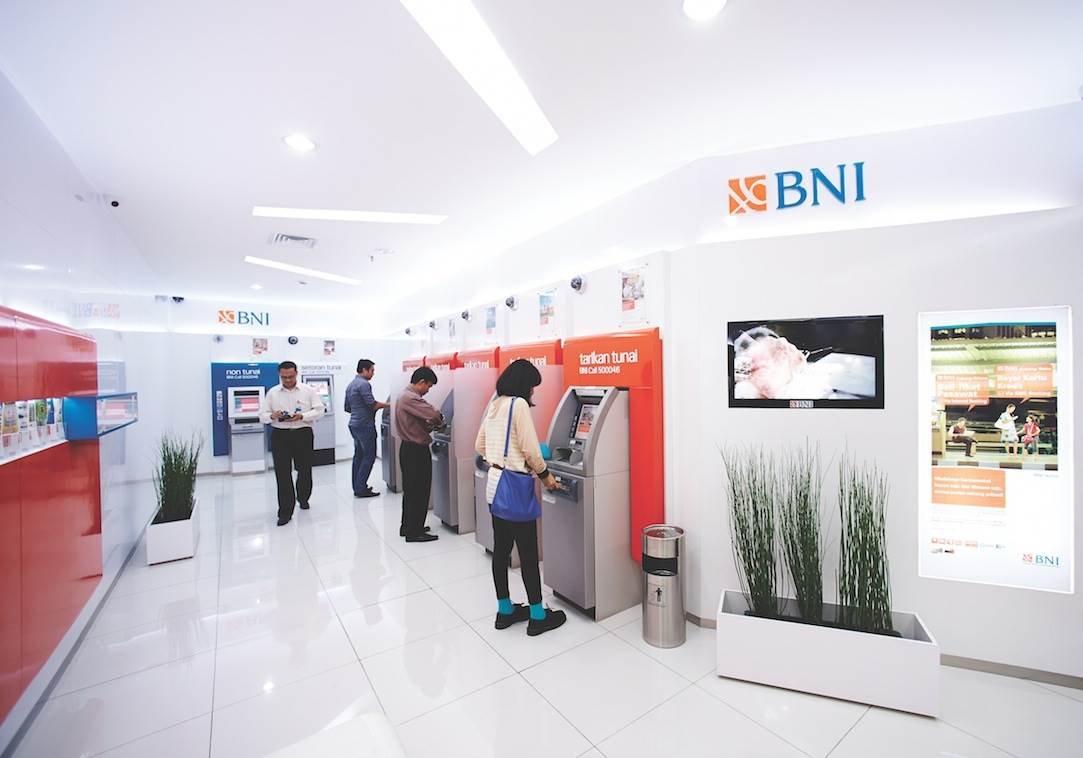
    State lender Bank Negara Indonesia (BNI) plans to set up a subsidiary in Malaysia this year after the two countries signed an agreement on reciprocity-based banking business.

    BNI is waiting for the holding company of state-owned companies in the banking sector to issue a policy, which is currently under process, BNI Director for Treasury and International Affairs Panji Irawan said at the Indonesia Stock Exchange here on Thursday.

    To set up the subsidiary, BNI is considering involving other state lenders, including Bank Mandiri and Bank Rakyat Indonesia, to shore up its business capacity and efficiency, he added.

    “Whoever is interested in it, can cooperate with us. We cannot do it alone,” he noted.

    In view of its financial capacity, BNI is likely to set up a subsidiary rather than establishing a branch office in the neighboring country, he revealed.

    “The subsidiary will not serve as a branch. It will be locally incorporated and must have a board of directors,” he explained.

    Under the Malaysian law, BNI must have a paid-up capital of US$66 million to US$75 million to set up the subsidiary, he informed.

    BNI President Director Achmad Baiquni wanted the bank to strengthen its network in the neighboring country in the first half of this year.

  • Cebu Pacific offers P1 fare anew; system crashes

    Cebu Pacific offers P1 fare anew; system crashes

    Cebu Pacific, the country’s largest carrier, is once again offering its popular piso fare promo. Its booking system page, however, was swamped with many visitors interested in the promo that it became inaccessible an hour after the promo rolled out.

    The budget carrier’s two-day seat sale started Friday and will end Saturday, or until seats last.

    The piso fare is offered for the all of the airline’s domestic and international routes, including its Manila-Sydney route.

    Travel period is from June 10 to December 10, 2017.

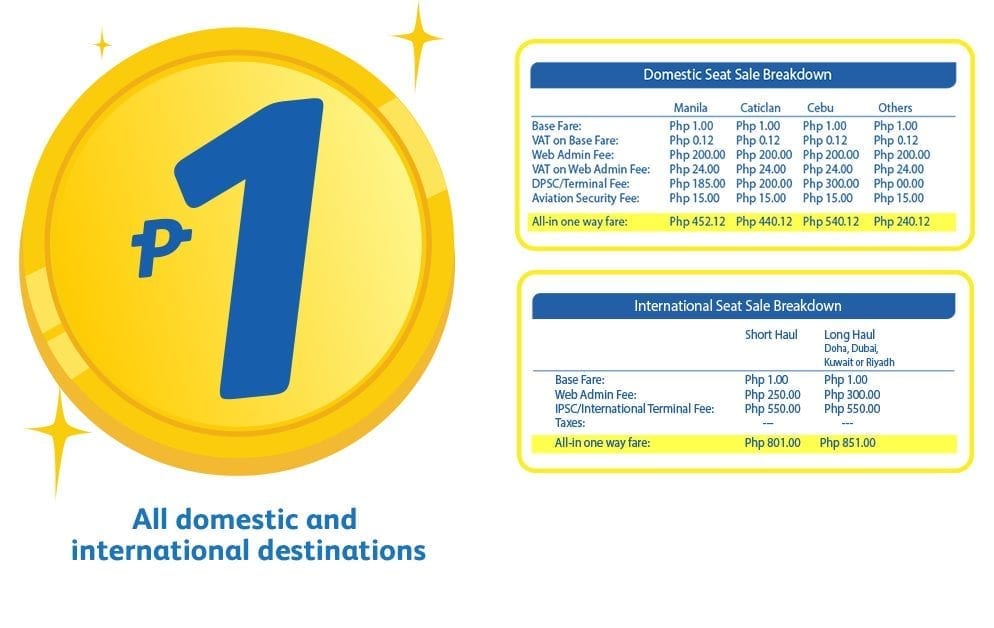
    Cebu Pacific said one-way fares are inclusive of P1 base fare with 7kg handcarry baggage allowance, P150 web admin fee, 12% VAT, terminal fees ranging from P200-P315 for flights transiting in/exiting from Caticlan, Cebu and Manila stations.

    “Terminal Fees originating from non-Caticlan/Cebu/Manila stations must be paid at the airport,” it added.

    Its international one-way fares, meanwhile, are inclusive of P1 base fare with 7kg hangcarry baggage allowance, P150 and P200 web admin fees for short-haul and long-haul flights, respectively and P550 international terminal fee for flights exiting from Manila.

    “P1,620 Philippine travel tax and country-specific taxes ranging from P420-P2,185 are paid on of top quoted one-way fares,” Cebu Pacific said.

    “Promo fares have limited availability and are non-refundable but rebookable subject to the following rebooking fees: P1,500 (domestic), P2,300 (short haul) and P2,800 (long haul) plus fare difference,” the airline said.

    Its list of available number of seats on sale per route can be found here.

  • Half the world is now online

    Half the world is now online

    Internet penetration increased by 10% in the last 12 months to hit 3.773 billion, or 50% of the world’s population, according to a report from social media management platform Hootsuite and social media agency We Are Social.

    The report also showed that global social media use has increased by 21% in the last 12 months, reaching 2.8 billion users globally.

    Another finding is that mobile social media use has increased by 30% year-over-year to surpass 2.5 billion users globally, with 91% of social media users accessing social from mobile.

    In APAC, mobile data traffic leads significantly over other regions, with 4.12 billion gigabytes consumed, compared with 1.24 gigabytes from North Europe, Middle East, and Africa.

    Social media growth rates increased by over 50% year-on-year. More than 1.5 billion people across APAC now use social media on a monthly basis, 95% of whom access social via mobile devices – the highest ratio in the world.

    As a result, organizations in APAC should plan to transform their communications strategy to increase customer engagement and real-time interaction across the customer journey.

    “Half of the world’s population is now online, which is a testament to the speed with which digital connectivity is helping to improve people’s lives,” We Are Social’s Simon Kemp said.

    “Given this latest data, it’s probably time for us to stop referring to social as ‘new media’, and integrate it more seamlessly into our day-to-day activities.”

    The report compiles data from the world’s largest studies of online behavior, conducted by organizations including GlobalWebIndex, GSMA Intelligence, Statista, and Akamai.